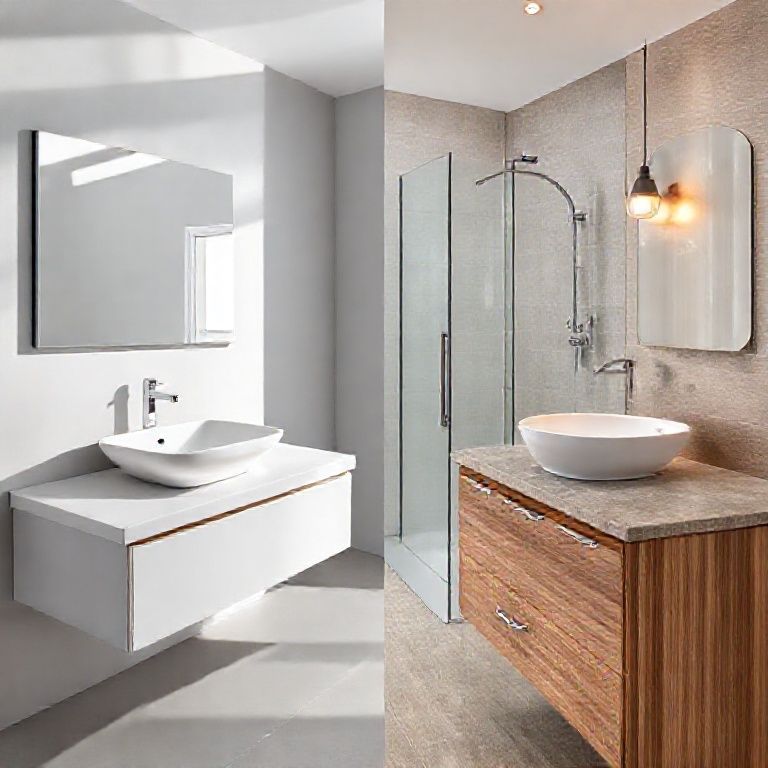
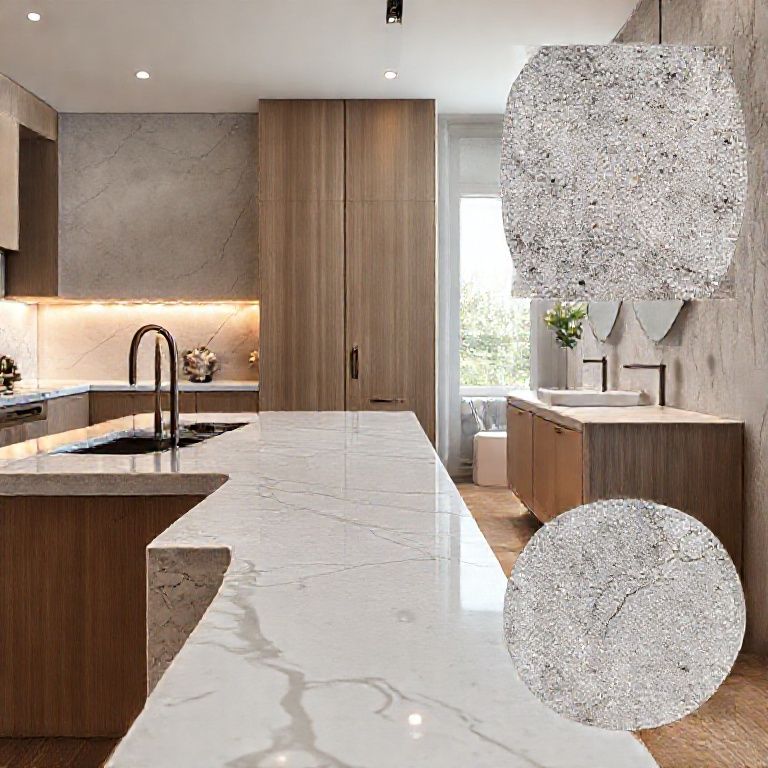
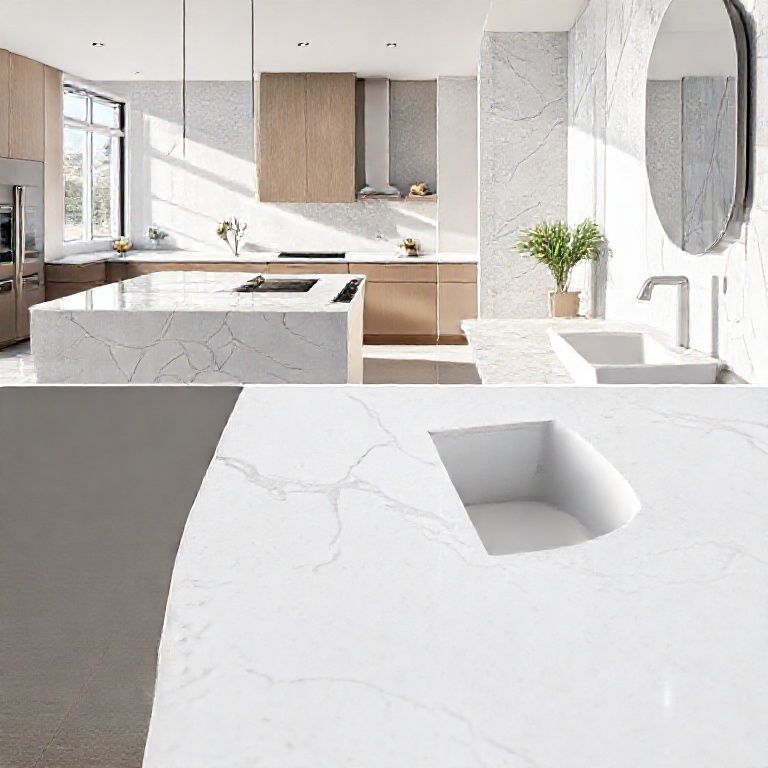
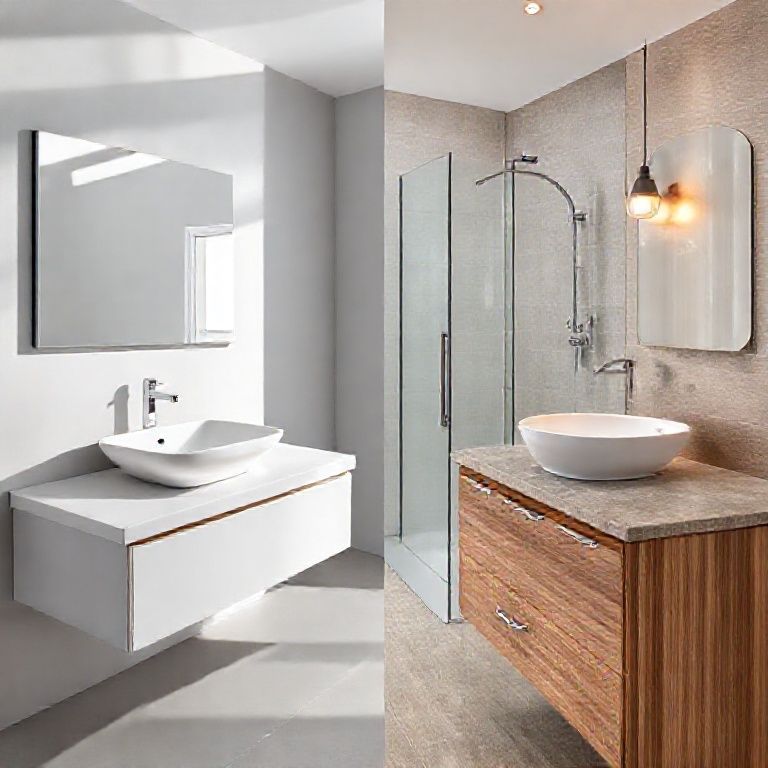
Engineered marble, a composite material made from natural stone and resin, has been a popular choice for countertops, sinks, and other surfaces due to its aesthetic appeal and durability. However, while engineered marble offers numerous advantages such as affordability, design flexibility, and low maintenance, it is not without its drawbacks. In this section, we will focus on some of the primary disadvantages of engineered marble.

1. Stain Resistance and Maintenance
One of the most significant disadvantages of engineered marble is its limited stain resistance. While it is more resistant to stains than solid stone, it is not as impervious as natural marble or granite. Organic stains, such as wine, coffee, and oils, can seep into the material over time, leading to unsightly marks that may be challenging to remove. Unlike natural stone, which often has a sealed surface that can be re-sealed to enhance stain resistance, engineered marble may require more frequent and meticulous cleaning to maintain its appearance. Regular cleaning with a mild detergent and soft cloth is essential to prevent permanent stains.
2. Thermal Resistance
Engineered marble is not as thermally resistant as natural stone. Although it is generally more durable than other synthetic materials, it can still be susceptible to thermal shock. This means that placing a hot pot or pan directly on an engineered marble surface can cause damage, leading to cracks or chips. To avoid such issues, it’s essential to use trivets or heat-resistant pads when placing hot items on the surface.
3. Water Absorption
While engineered marble is designed to be more water-resistant than natural marble, it still absorbs water to some extent. This can lead to water rings and potential mold growth if not properly maintained. Water rings can be minimized by using a water-resistant sealant, but these need to be reapplied periodically. Homeowners should be aware that even with proper care, some degree of water absorption is inherent in engineered marble.
4. Aesthetic Limitations
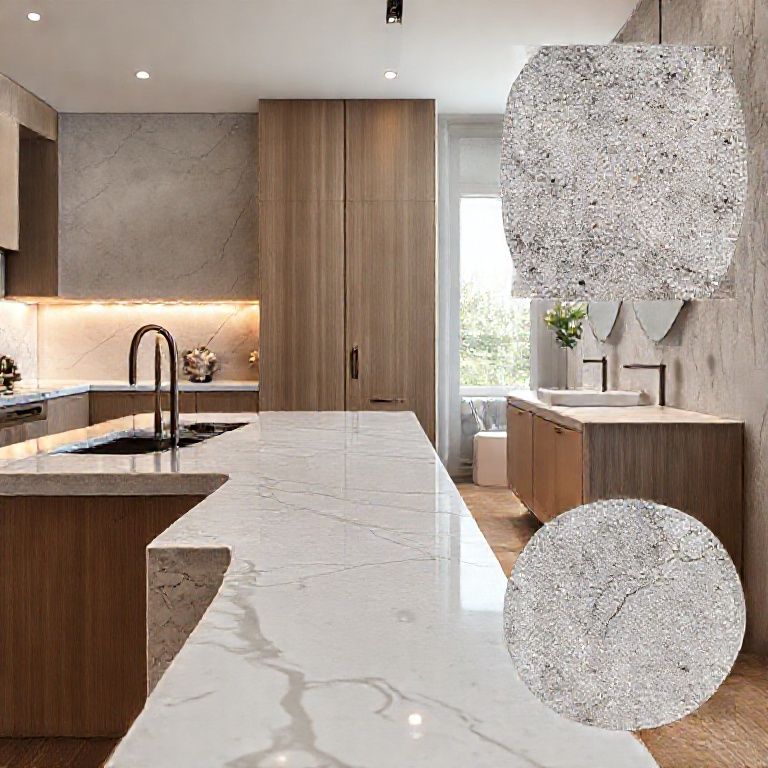
Engineered marble, while available in a variety of colors and patterns, may not always perfectly replicate the natural beauty of traditional marble. The manufacturing process involves combining natural stone with resin, which can result in inconsistencies in color and texture. While advancements in technology have improved the appearance of engineered marble, it may still lack the unique, natural veining found in natural stone.
5. Environmental Impact
The production of engineered marble involves the use of resins and other chemicals, which can have environmental implications. The manufacturing process can release volatile organic compounds (VOCs) that contribute to indoor air pollution. Additionally, the disposal of engineered marble products can pose challenges, as they are not always recyclable or biodegradable. The environmental impact of production and disposal should be considered when choosing this material for your home or commercial space.
6. Durability Concerns
Although engineered marble is designed to be durable, its long-term durability can be questionable. While it may withstand everyday wear and tear better than some synthetic materials, it is not as robust as natural stone. Over time, the surface can wear down, especially in high-traffic areas, leading to scratches and chips. The resin used in the manufacturing process can also degrade over time, potentially affecting the overall integrity of the material.
Conclusion
While engineered marble offers many benefits, including cost-effectiveness and design flexibility, it is essential to consider its limitations. From stain resistance and thermal concerns to water absorption and environmental impact, understanding these disadvantages can help you make a more informed decision about whether engineered marble is the right choice for your needs. In the next part of this series, we will explore further disadvantages and considerations to keep in mind when choosing this popular material.
In the first part of our discussion, we explored several key disadvantages of engineered marble, including its limited stain resistance, thermal concerns, water absorption, aesthetic limitations, environmental impact, and durability issues. In this second part, we will further investigate these drawbacks and highlight additional considerations that may influence your decision-making process.
1. Scratch Resistance
One of the significant disadvantages of engineered marble is its lower resistance to scratches compared to natural stone. Although engineered marble is more resistant than many synthetic materials, it is not as scratch-resistant as high-quality granite or quartz. Everyday items such as keys, jewelry, and even utensils can leave scratches on the surface if not used carefully. These scratches may be difficult to remove and can mar the appearance of the surface over time. To minimize scratches, it is advisable to use coasters and placemats to protect the surface from daily wear and tear.
2. Long-Term Durability Issues
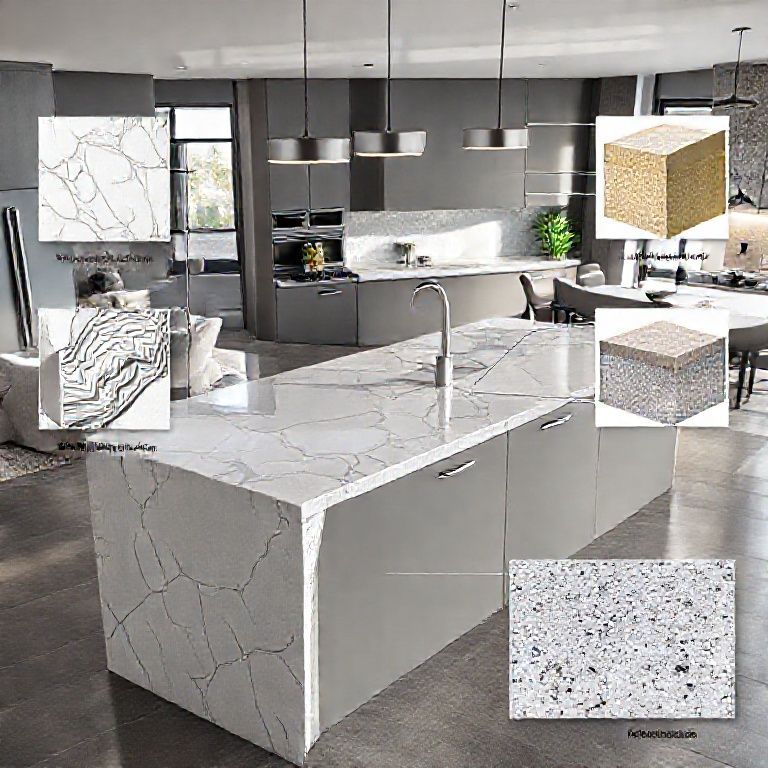
The long-term durability of engineered marble can be a cause for concern. While it is designed to be durable, the resin used in its production can degrade over time, particularly if exposed to harsh chemicals or extreme temperatures. This degradation can lead to a weakening of the material’s structure, making it more susceptible to damage. Additionally, the surface layer of engineered marble can wear down faster than the underlying resin, resulting in a less aesthetically pleasing appearance. Regular maintenance and protective measures are essential to ensure the longevity of the material.
3. Chemical Resistance
Engineered marble is not as chemically resistant as natural stone. It can be susceptible to damage from household cleaners, especially those containing harsh chemicals such as bleach or ammonia. These chemicals can cause discoloration, etching, and even permanent damage to the surface. To maintain the integrity of engineered marble, it is crucial to use gentle, pH-neutral cleaners and avoid abrasive scrubbers that can scratch the surface. Regular cleaning and the use of protective coatings can help extend the life of the material.
4. Potential Health Concerns
While engineered marble is generally safe, there are potential health concerns associated with its production and use. The manufacturing process involves the use of resins and other chemicals that can release volatile organic compounds (VOCs) into the air. These VOCs can contribute to indoor air pollution and may cause respiratory issues or other health problems in sensitive individuals. Additionally, the disposal of engineered marble products can pose environmental challenges due to the presence of non-biodegradable materials. When selecting engineered marble, it is advisable to choose products from manufacturers that prioritize environmentally friendly production processes and offer recycling options.
5. Cost of Repairs
Another disadvantage of engineered marble is the cost associated with repairs. While it is generally more affordable than natural stone, repairs can still be expensive due to the need for specialized skills and materials. Cracks, chips, and scratches often require professional intervention to repair, which can be costly. In some cases, it may be more practical to replace the entire piece rather than attempting repairs, especially if the damage is extensive. Planning for potential repairs and understanding the associated costs is essential when budgeting for projects involving engineered marble.
6. Environmental Impact
The environmental impact of engineered marble extends beyond its production to its disposal. The manufacturing process involves the use of resins and other chemicals that can have environmental implications. The disposal of engineered marble products can pose challenges, as they are not always recyclable or biodegradable. Proper disposal methods should be followed to minimize environmental impact, and recycling options should be sought when possible.
Conclusion
Engineered marble offers numerous advantages, including cost-effectiveness, design flexibility, and ease of maintenance. However, it is essential to consider its disadvantages to make an informed decision about its suitability for your space. From scratch resistance and long-term durability issues to chemical resistance and potential health concerns, understanding these drawbacks can help you evaluate the pros and cons of engineered marble. When selecting this material, it is advisable to choose high-quality products from reputable manufacturers, use gentle cleaning methods, and plan for regular maintenance to ensure the longevity and beauty of your engineered marble surfaces.
By considering both the advantages and disadvantages of engineered marble, you can make a well-informed decision that meets your aesthetic and functional needs while minimizing potential drawbacks.