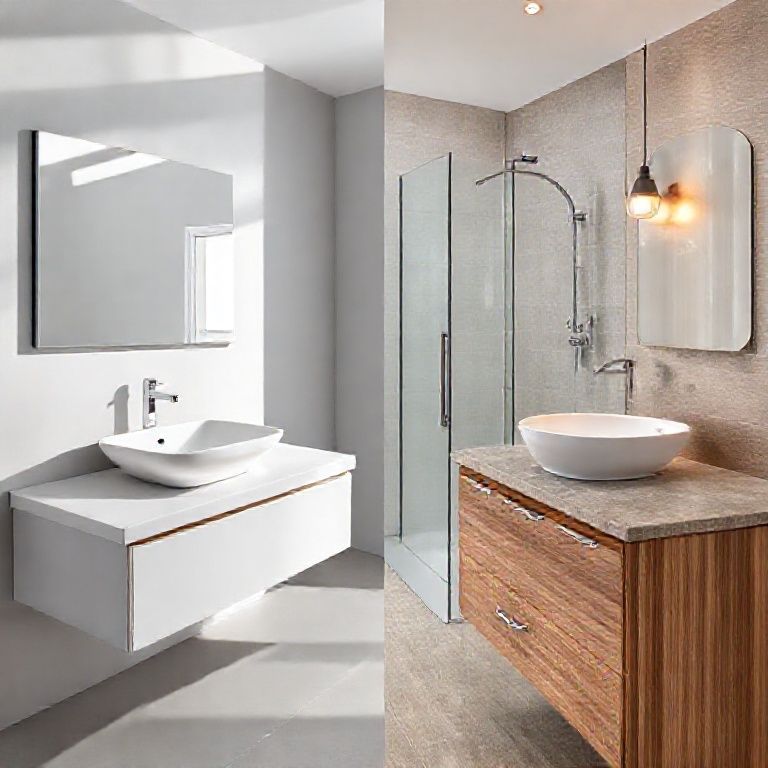
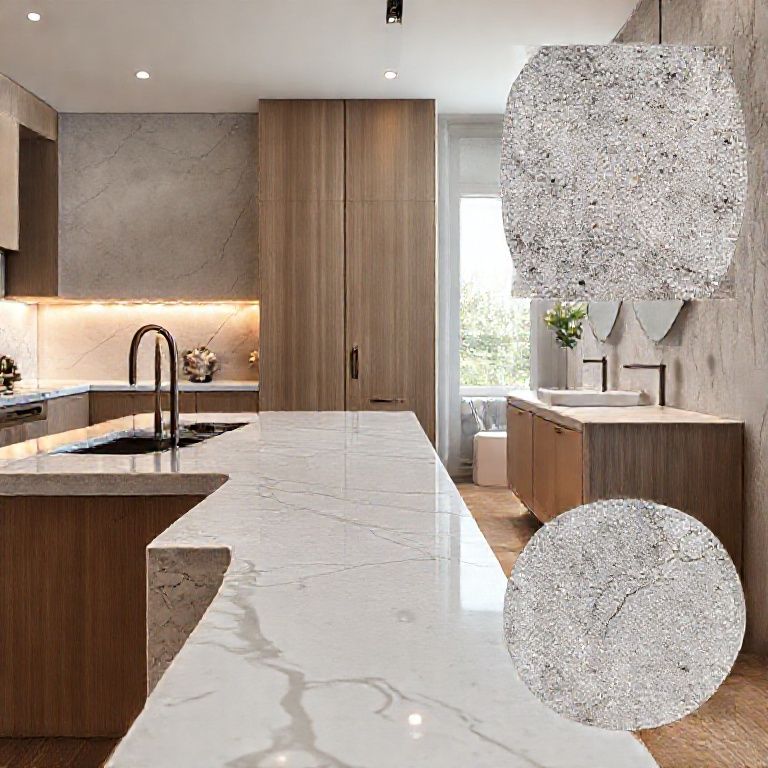
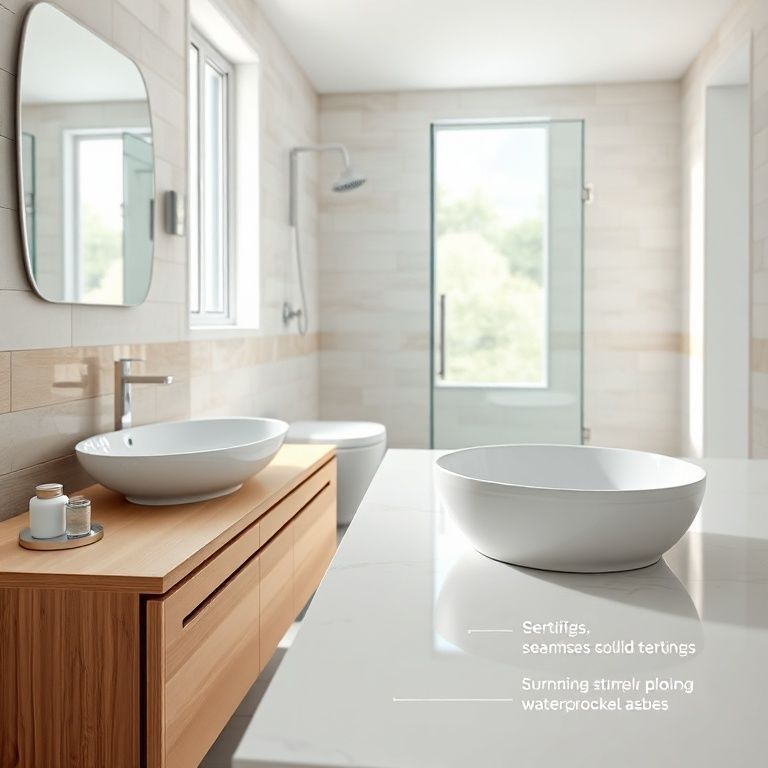
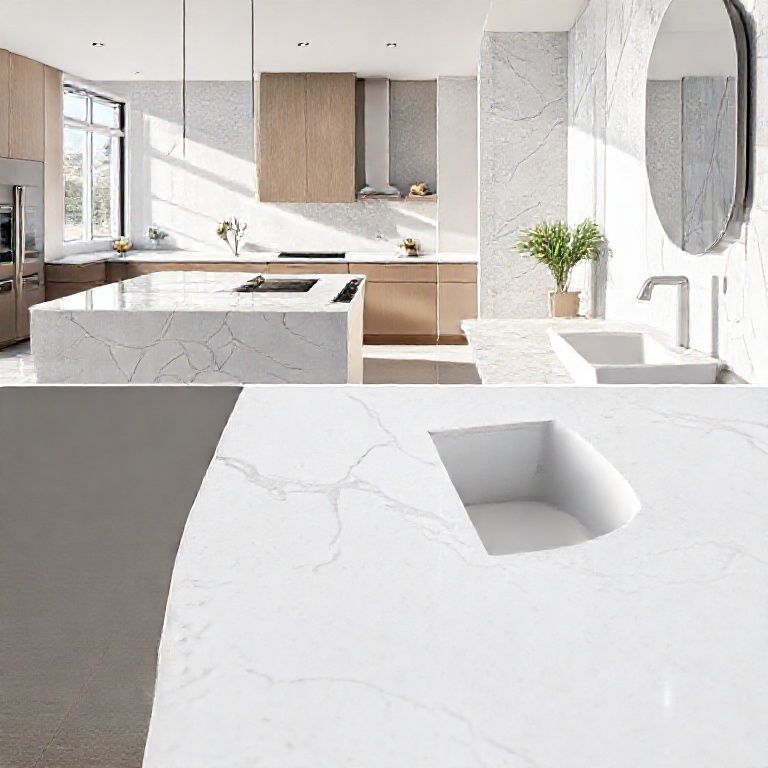
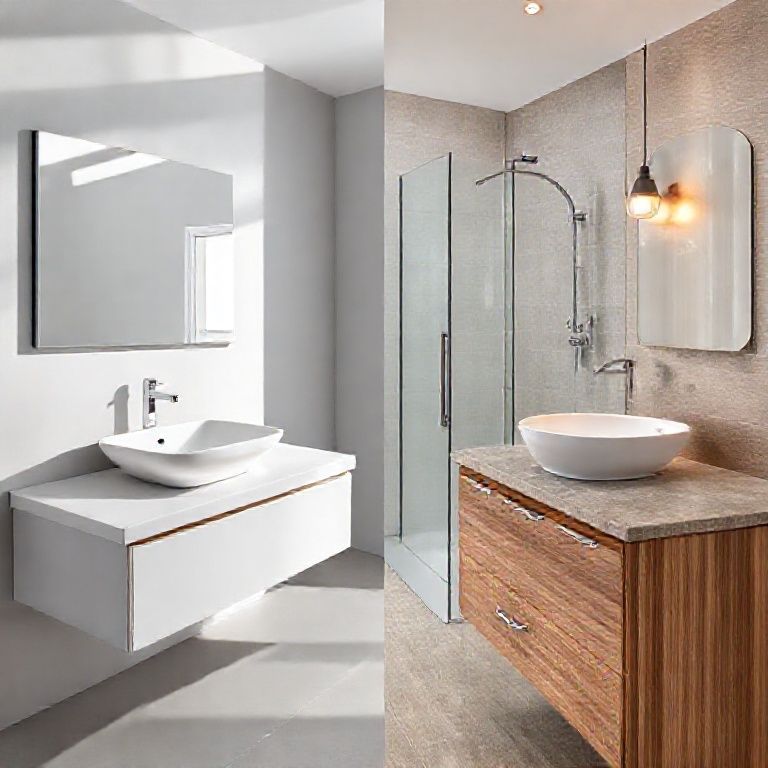
In the realm of modern bathroom design, seamless tiled basins have captured the imagination of many homeowners, architects, and designers due to their sleek, modern appearance that effortlessly complements contemporary interiors. The promise of a flawless, uninterrupted surface that enhances the aesthetic appeal of the bathroom is undeniably attractive. However, beneath this seemingly perfect facade lies a series of hidden disadvantages that require careful consideration before making the leap into this design choice.

One of the foremost concerns with seamless tiled basins is the potential for water damage. Tiles, even when seamlessly integrated, can be susceptible to water seepage if not properly installed or maintained. Unlike traditional basins with visible grout lines, the lack of distinct boundaries makes it challenging to detect and address minor leaks promptly. Water damage in such areas can lead to significant structural issues, including mold growth and wood rot, especially in bathrooms with high humidity levels.
Moreover, the installation process for seamless tiled basins is often more complex and labor-intensive compared to traditional basins. Achieving a flawless, seamless finish requires precise measurements, expert craftsmanship, and often, specialized tools and materials. This complexity can lead to higher costs and longer installation times, which may not be feasible for all homeowners. Additionally, the need for specialized installers means that finding qualified professionals can be difficult, especially in less populated areas.
Another crucial aspect to consider is the maintenance of seamless tiled basins. While the absence of grout lines eliminates one potential source of grime and bacteria, the polished, glossy surface can be more challenging to clean thoroughly. Unlike traditional tiles with grout lines, where dirt and grime can be easily wiped away, the sleek surface of seamless tiled basins can harbor microscopic particles and residues that are difficult to remove completely. This can result in an appearance that looks dirty even after regular cleaning, which can be frustrating for homeowners who desire a consistently pristine bathroom.
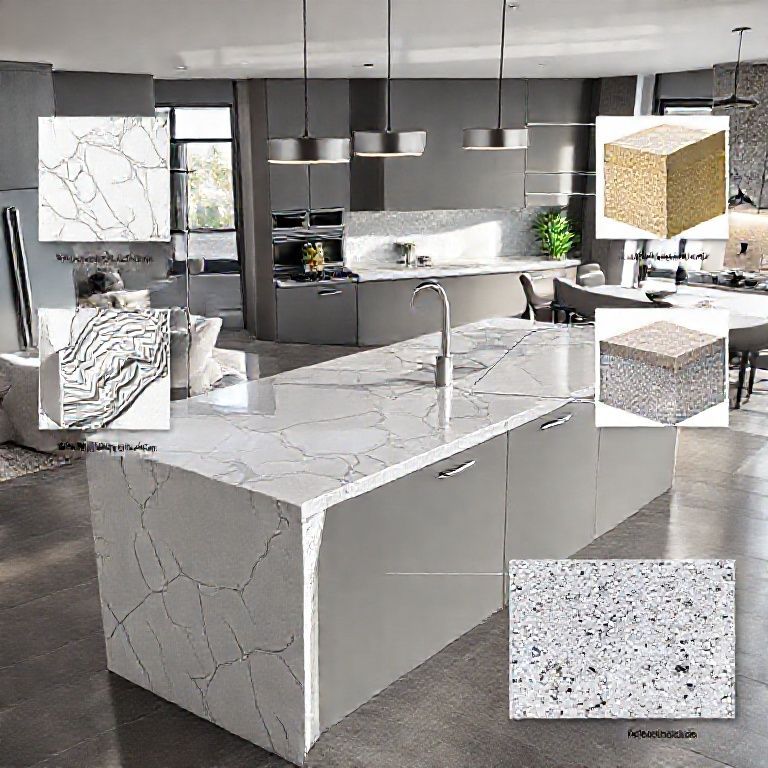
Durability is another area of concern with seamless tiled basins. Although the materials used in high-quality seamless tiles are often designed to withstand the rigors of daily use, the absence of grout lines can make the tiles more vulnerable to scratches and chips. Traditional tiles with grout lines often offer some degree of protection to the underlying material, whereas seamless tiles lack this buffer, making them more susceptible to damage from sharp objects or heavy use. Over time, this can lead to a less aesthetically pleasing appearance and potentially, the need for costly repairs or replacements.
Aesthetic concerns also play a significant role in the drawbacks of seamless tiled basins. While the seamless look is undeniably modern and elegant, it may not suit every bathroom style or preference. The uniformity of the surface can sometimes feel too sterile or impersonal, lacking the character and warmth that traditional designs with grout lines can provide. Additionally, the high-gloss finish can reflect light in unexpected ways, potentially creating glare or shadows that may not be desirable in every bathroom setting.
In summary, while seamless tiled basins offer a striking and modern aesthetic, they come with a range of hidden disadvantages that should not be overlooked. From the potential for water damage and complex installation to the challenges of maintenance and durability, as well as aesthetic considerations, there are several factors to weigh carefully. By understanding these drawbacks, homeowners can make more informed decisions that align with their long-term bathroom design goals and maintenance preferences.
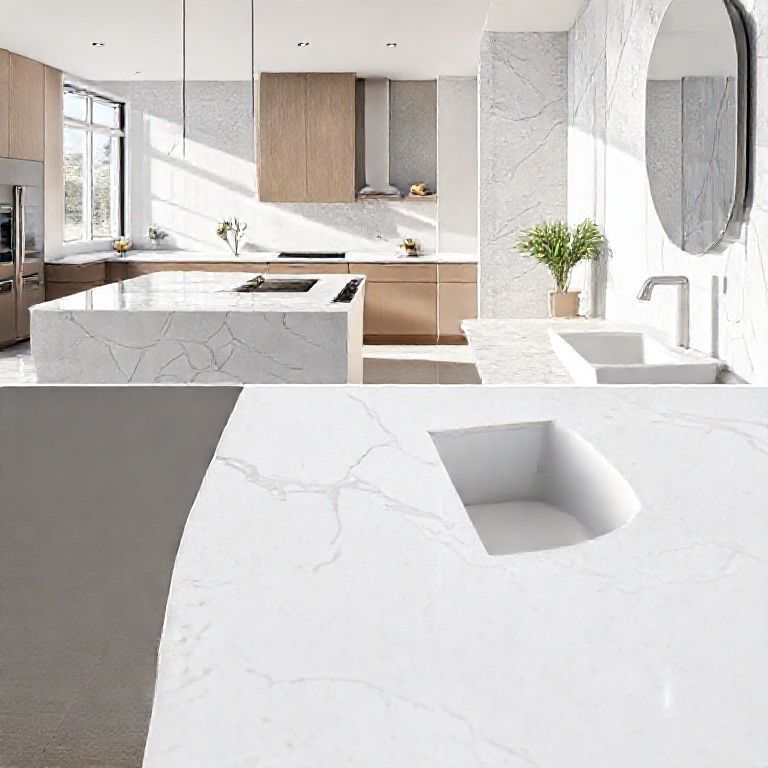
Continuing our exploration of the hidden disadvantages of seamless tiled basins, it’s essential to delve deeper into specific issues that often arise with this design choice. Understanding these nuances can help homeowners make well-informed decisions about whether seamless tiled basins are the right fit for their bathroom renovation or new build.
One significant concern with seamless tiled basins is the issue of uneven surfaces and imperfections. Despite the modern allure of seamless tiles, achieving a perfectly even surface can be challenging. Any minor imperfections, such as slight bubbles or misalignments, can become glaringly obvious in the polished, reflective finish of seamless tiles. Unlike traditional tiles, where imperfections can be hidden behind grout lines, seamless tiles demand a level of perfection that can be difficult to achieve. This can lead to frustration during installation and may require additional time and effort to correct any issues that arise.
Another critical factor to consider is the potential for increased difficulty in repairs. In the event that a tile in a seamless tiled basin needs to be replaced, the process can be significantly more complicated than with traditional tiles. The lack of distinct grout lines makes it harder to precisely match the new tile to the existing ones, both in terms of color and finish. This can result in noticeable discrepancies, especially if the original tiles have aged or been damaged over time. Additionally, the process of removing and reinstalling a single tile in a seamless setup often requires the removal of adjacent tiles to ensure a perfect fit, which can be time-consuming and disruptive.
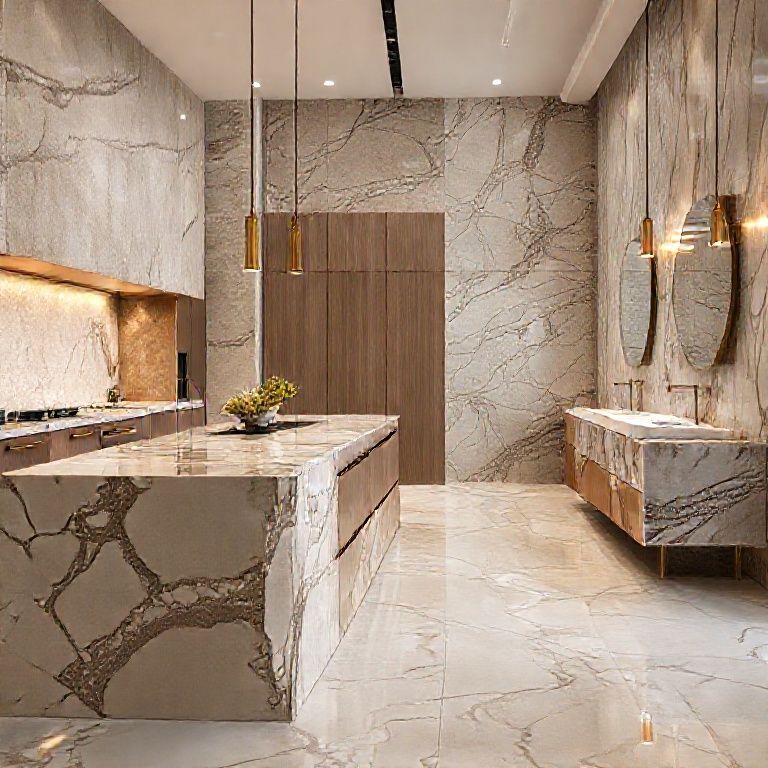
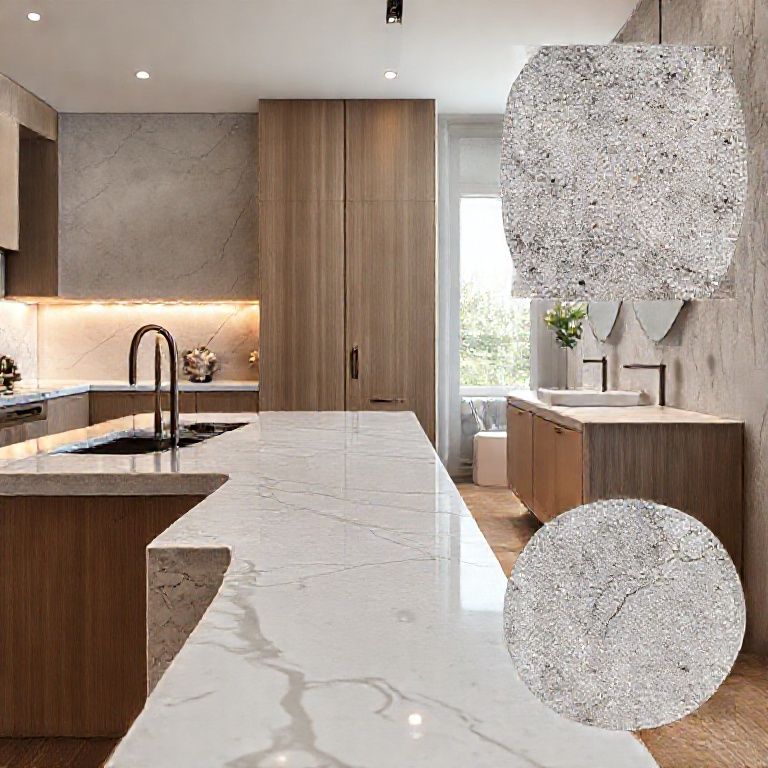
Furthermore, the aesthetic appeal of seamless tiled basins can sometimes be at odds with the natural materials and textures commonly used in bathrooms. For instance, the high-gloss finish of seamless tiles may clash with the organic, warm tones of natural stone or wood elements. The stark contrast between the polished, reflective surface of the tiles and the more earthy, textured materials can create visual dissonance that may detract from the overall harmony of the bathroom design. This can be particularly challenging if the bathroom is intended to have a cohesive, integrated look that blends different materials and finishes seamlessly.
The choice of color and finish for seamless tiled basins also presents its own set of challenges. While the wide array of colors and finishes available for traditional tiles offers flexibility and variety, seamless tiles often have a limited range of options. This is primarily due to the manufacturing processes used to create the seamless effect, which can restrict the types of colors and finishes that can be achieved. Homeowners may find themselves limited to a narrower selection, which can be disappointing for those looking for a highly specific or unique color and finish.
Moreover, the potential for staining and discoloration is a concern with seamless tiled basins. The polished, glossy surface can be more prone to showing stains and marks, especially from water, soap, and other substances commonly used in bathrooms. Unlike traditional tiles, where stains can often be hidden behind grout lines, the reflective finish of seamless tiles can make even minor stains more noticeable. This can lead to a perception of a less pristine bathroom, even after regular cleaning.
Finally, the environmental impact of seamless tiled basins should not be overlooked. The production and transportation of tiles, especially those that require specialized manufacturing processes for the seamless finish, often involve higher levels of energy consumption and waste generation. This can contribute to a higher carbon footprint compared to traditional tiles. Additionally, some of the materials used in high-quality seamless tiles may contain chemicals or additives that are not environmentally friendly, raising concerns about indoor air quality and long-term sustainability.
In conclusion, while seamless tiled basins offer an undeniably modern and elegant aesthetic, they come with a range of hidden disadvantages that can significantly impact the functionality, maintenance, and overall satisfaction of homeowners. From the challenges of achieving a flawless installation to the complexities of repairs and the potential for aesthetic mismatches, there are several factors to consider. By thoroughly understanding these drawbacks, homeowners can make more informed decisions that align with their long-term bathroom design goals and maintenance preferences, ensuring a more satisfying and durable bathroom renovation experience.