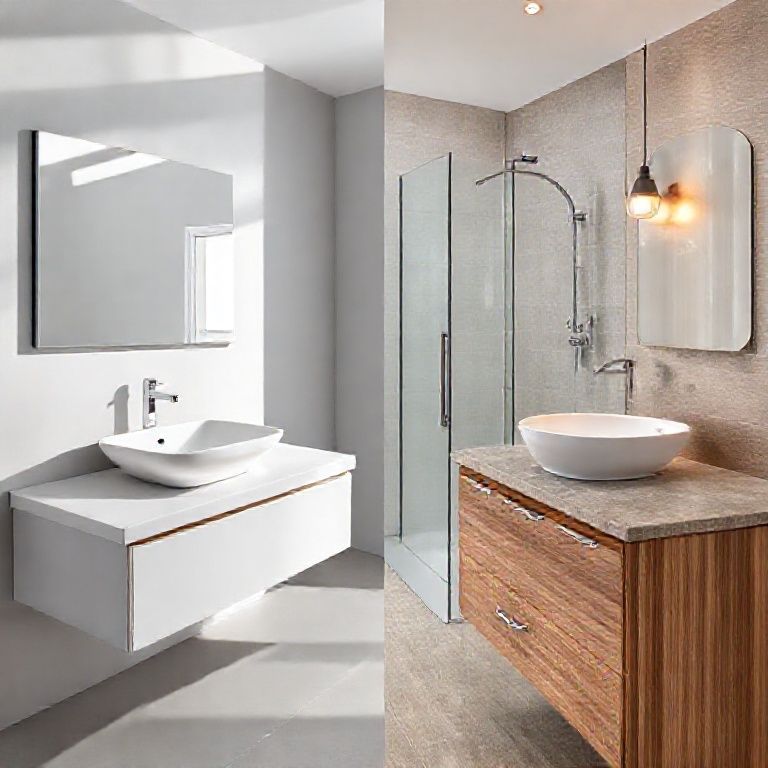
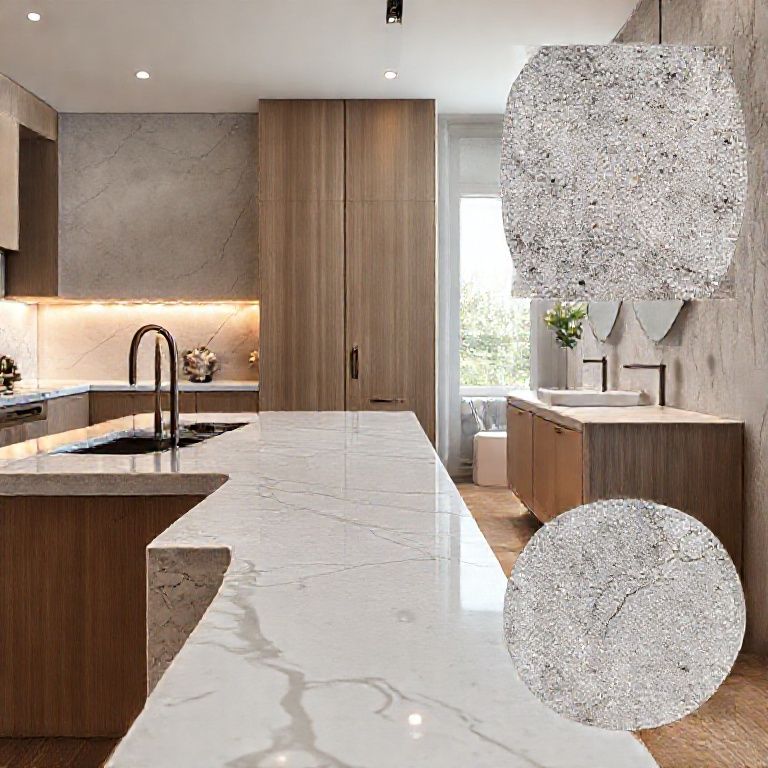
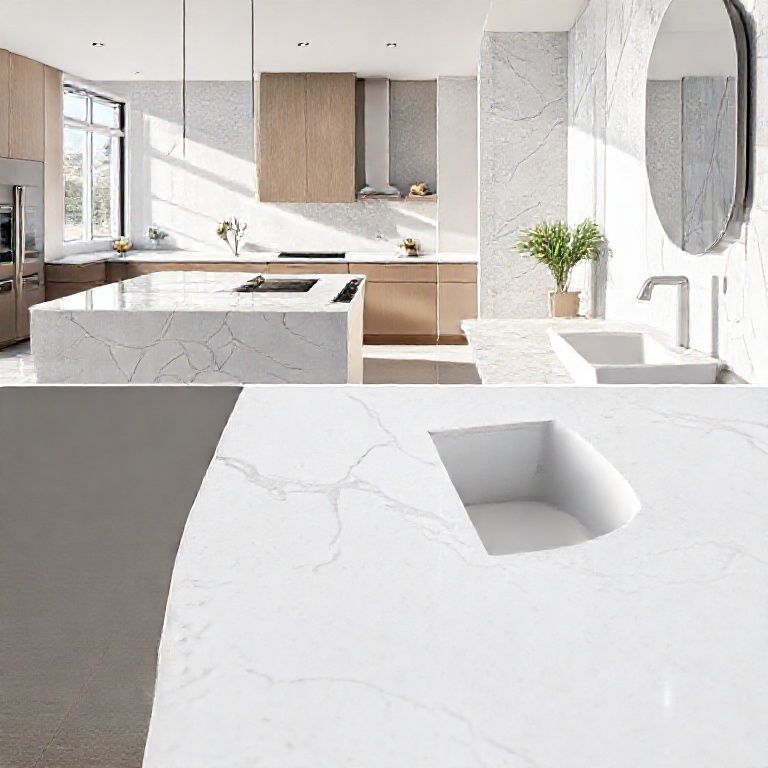
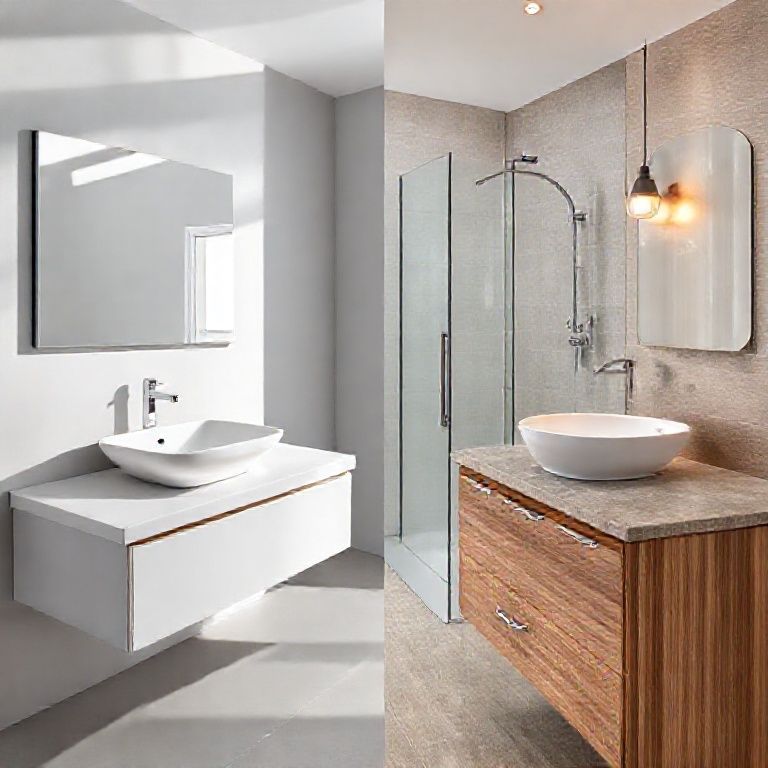
Unveiling the Surface Imperfections of Artificial Marble
Introduction: Artificial marble, often referred to as engineered stone, has revolutionized the interior design world with its stunning visuals and robust performance. Marketed as a cost-effective and durable alternative to natural stone, it has found its way into homes, offices, and commercial spaces alike. However, beneath this seemingly flawless exterior lie several hidden downsides that demand closer scrutiny. This first part of our exploration will cover the maintenance challenges, cost implications, and environmental concerns associated with synthetic marble.

Maintenance Challenges:
While artificial marble is praised for its durability and resistance to scratches and stains, it is not entirely immune to maintenance issues. Though it is more resistant to everyday spills compared to natural stone, it is not impervious. Over time, the surface can develop a dull appearance due to prolonged exposure to moisture and cleaning agents, particularly if not properly maintained. Unlike natural stone, which can be polished and rejuvenated, artificial marble often requires professional cleaning services to maintain its luster. This can add to the long-term costs, as regular maintenance might become a recurring expense.
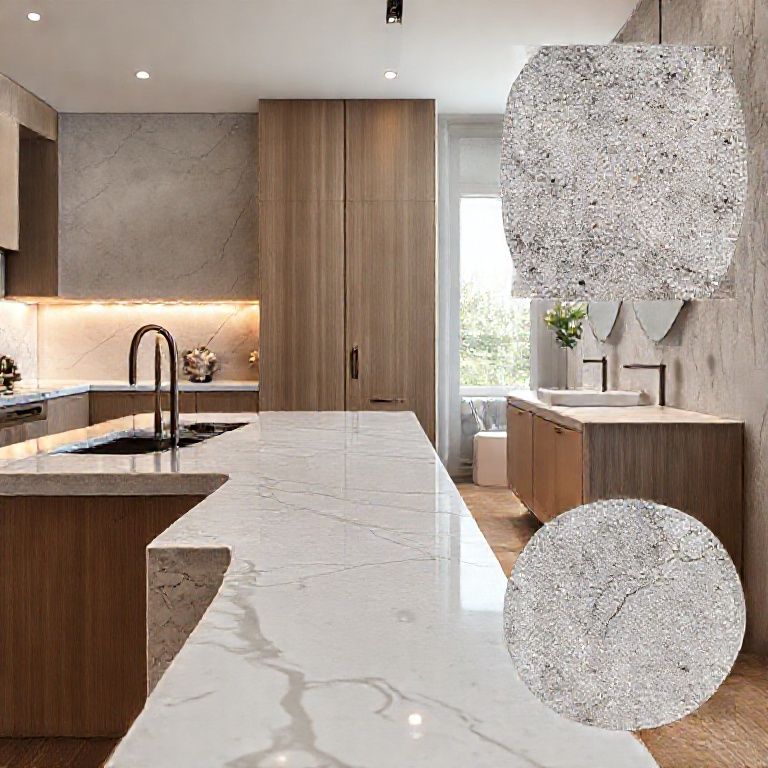
Moreover, the seams between slabs can sometimes trap dirt and grime, leading to a buildup that can be difficult to clean without specialized equipment. This can compromise the aesthetic appeal and hygiene of the surface, particularly in high-traffic areas.
Cost Implications:
One of the most touted advantages of artificial marble is its lower upfront cost compared to natural marble. However, this initial savings can be deceptive when considering the full lifecycle cost. While the initial price tag is lower, the maintenance and potential for damage can lead to unexpected expenses over time.
For instance, should the surface sustain deep scratches or chips, the cost of repair might be surprisingly high, often necessitating professional intervention. Additionally, the warranty period on synthetic marble products can vary significantly, and in some cases, might not cover all potential issues that could arise. This leaves homeowners and businesses with the burden of unforeseen repair costs.
Environmental Concerns:
The production process of artificial marble involves the use of various chemicals and synthetic materials, raising environmental concerns. The manufacturing process often releases volatile organic compounds (VOCs), which can contribute to indoor air pollution. While newer formulations have aimed to mitigate this issue, the overall environmental footprint remains a significant drawback.
Moreover, the sourcing and processing of the raw materials used in synthetic marble can lead to environmental degradation. Quarrying for natural marble, while not without its issues, often involves less extensive industrial processes compared to the chemical synthesis required for artificial marble.
Conclusion:
Artificial marble offers a compelling blend of aesthetics and durability that has captured the attention of many in the design community. However, as we have explored in this part of our article, it is not without its downsides. From maintenance challenges and cost implications to environmental concerns, the full picture reveals a more complex picture than its initial appeal might suggest. In the next part, we will further delve into these drawbacks and consider alternative materials that might offer a more sustainable and cost-effective solution in the long run.
Exploring Alternatives: A Sustainable Path Beyond Synthetic Marble
Introduction:
Having examined the various drawbacks of artificial marble in the first part, it’s clear that while it offers certain benefits, there are significant considerations that warrant a deeper look. This second part will delve further into the disadvantages of synthetic marble, emphasizing why some might consider looking beyond this popular material. We will also explore alternative materials that offer both sustainability and aesthetic appeal, potentially providing a more balanced choice for interior design.
Deeper Maintenance Issues and Hidden Costs:
One of the most insidious aspects of artificial marble is the hidden cost of its upkeep. Over time, the surface can become dull, requiring professional cleaning services that can be costly. Unlike natural stone, which can often be polished and rejuvenated, artificial marble might require more frequent and expensive treatments to maintain its appearance. This is particularly important in commercial spaces where aesthetics are crucial and consistent.
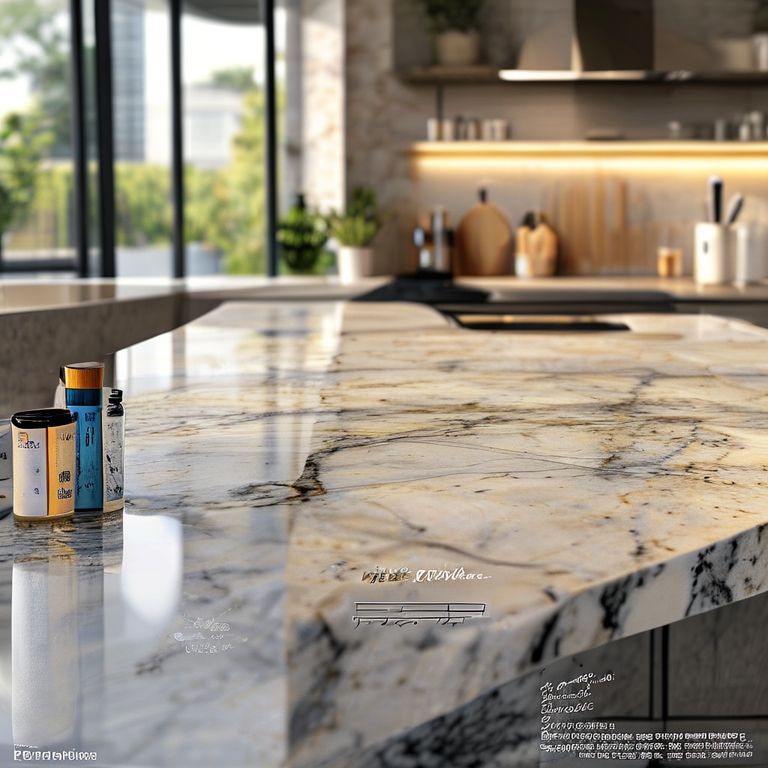
Additionally, the seams and joints in multi-piece installations can sometimes trap dirt, which can lead to more significant cleaning challenges. This can create a maintenance burden, especially in areas where cleanliness is paramount, such as kitchens and bathrooms. The potential for these issues to escalate can lead to unexpected expenses, making the long-term cost of artificial marble more significant than initially anticipated.
Long-term Durability Concerns:
While artificial marble is marketed as a durable material, its long-term durability is still a subject of debate. The synthetic nature of the material means that over many years, it might degrade differently than natural stone. This can lead to a surface that looks less vibrant and more prone to wear and tear. The aging process of artificial marble can differ from natural stone, often leading to a loss of luster and appeal, which might necessitate more frequent and costly repairs or replacements.
Health and Safety Considerations:
The production process of artificial marble involves the use of various chemicals and synthetic materials, raising potential health and safety concerns. The release of volatile organic compounds (VOCs) during manufacturing can contribute to indoor air quality issues. Although advancements have been made to reduce these emissions, the overall environmental footprint and potential health impacts remain significant concerns.
Furthermore, the chemicals used in the production of synthetic marble can sometimes off-gas over time, leading to indoor air pollution. This can be particularly problematic in homes and offices where ventilation is inadequate, posing potential health risks to occupants.
Exploring Sustainable Alternatives:
Given the various drawbacks of artificial marble, many are now turning to more sustainable alternatives that offer comparable aesthetics while addressing some of the concerns highlighted. Here are a few options to consider:
Natural Stone:
Natural stone, such as marble, granite, and limestone, offers a timeless and enduring aesthetic that continues to be highly sought after. While natural stone can be more expensive upfront, it often requires less maintenance and offers a more sustainable choice due to its natural origins. Moreover, natural stone is typically more durable and can often be polished and rejuvenated to maintain its appearance over many years.
Quartz Countertops:
Quartz is another excellent alternative to artificial marble. Made from 93% natural stone and only 7% resin, quartz offers a durable, scratch-resistant surface that is easy to clean and maintain. Quartz countertops are hypoallergenic and do not contain any VOCs, making them a safer choice for indoor environments. Additionally, quartz is available in a wide range of colors and patterns, providing versatile design options.
Recycled Materials:
For those looking for a truly sustainable option, recycled materials offer a compelling alternative. Recycled stone composites, made from a blend of natural stone and recycled materials, provide a durable and aesthetically pleasing surface. These materials often have a lower environmental footprint compared to traditional synthetic marble, offering a more eco-friendly choice without compromising on quality.
Conclusion:
While artificial marble has made significant inroads into the interior design market due to its appealing aesthetics and perceived durability, the various downsides highlighted in this article suggest that it may not always be the best choice. From maintenance challenges and hidden costs to environmental and health concerns, there are compelling reasons to consider alternative materials. By exploring options such as natural stone, quartz, and recycled materials, one can find a more sustainable and potentially cost-effective solution that meets both aesthetic and practical needs. In the ever-evolving landscape of interior design, making informed choices about materials can lead to more satisfying and long-lasting results.