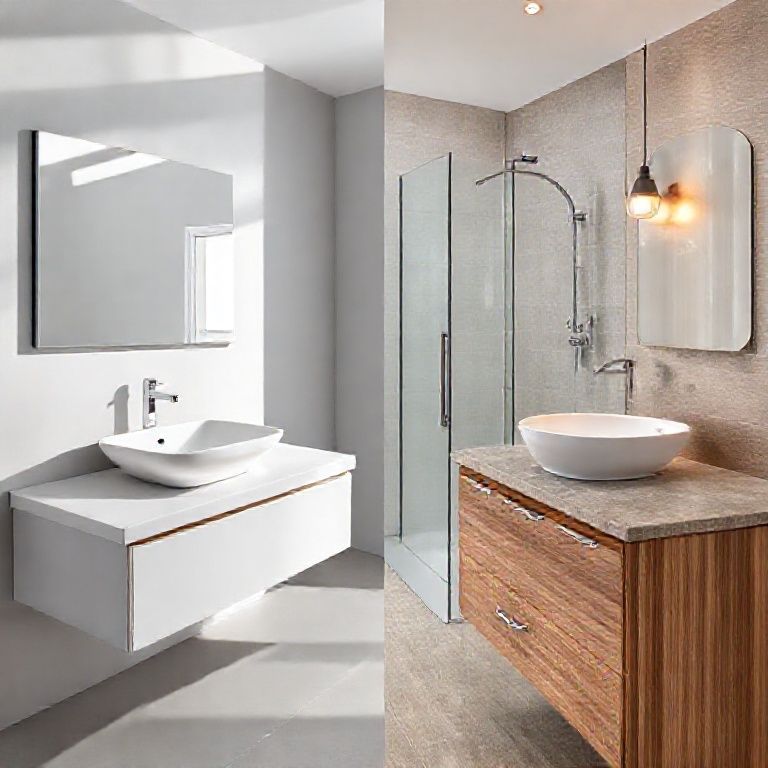
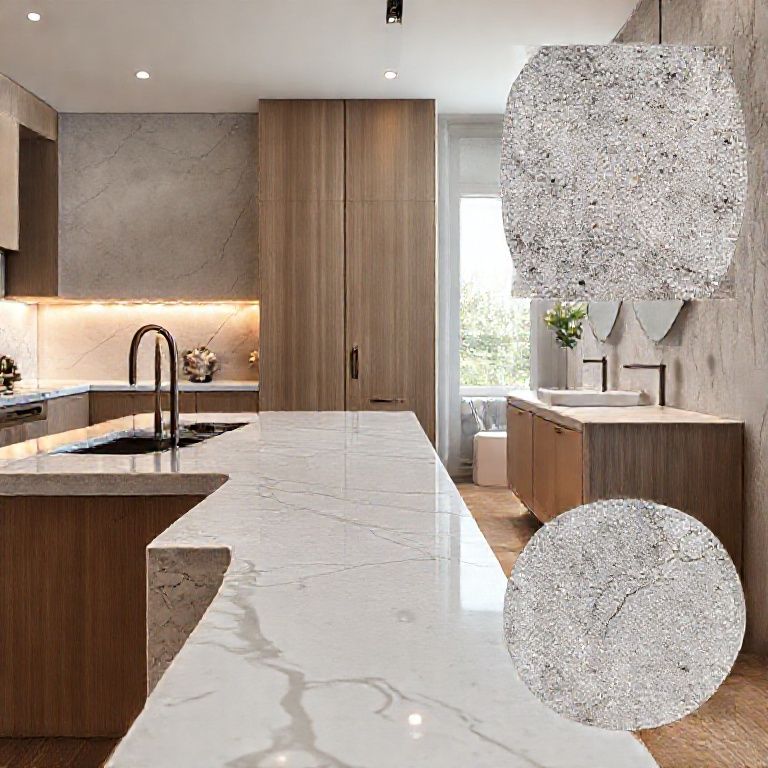
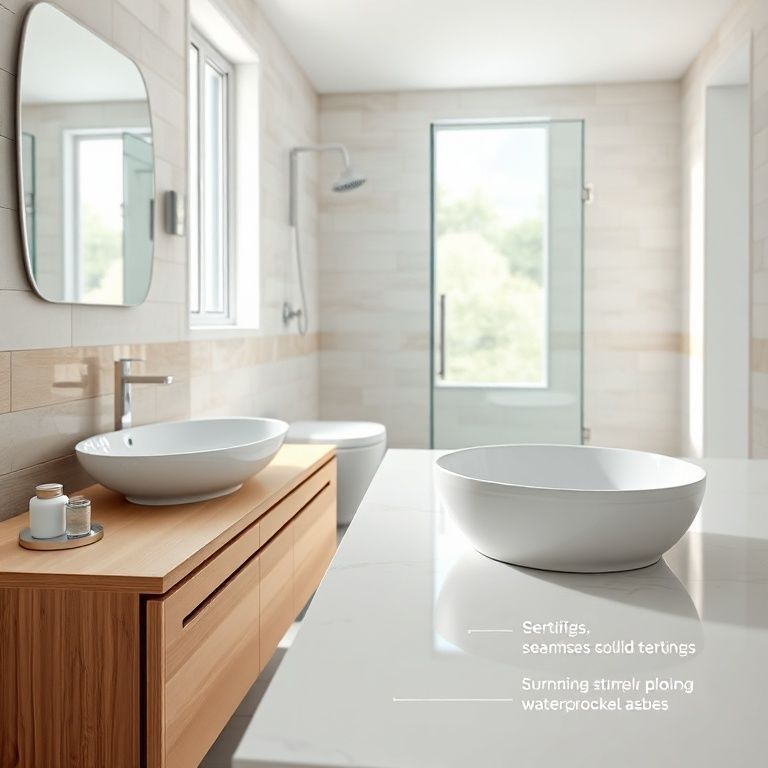
The Allure of Artificial Marble: Aesthetic and Practical Benefits
Artificial marble, also known as synthetic or engineered stone, has emerged as a popular choice for modern kitchen and bathroom countertops. This material combines the best qualities of natural stone with the practicality and affordability of modern manufacturing processes. Let’s dive into the reasons why artificial marble has captured the hearts and minds of many homeowners and designers.

1. Aesthetic Appeal
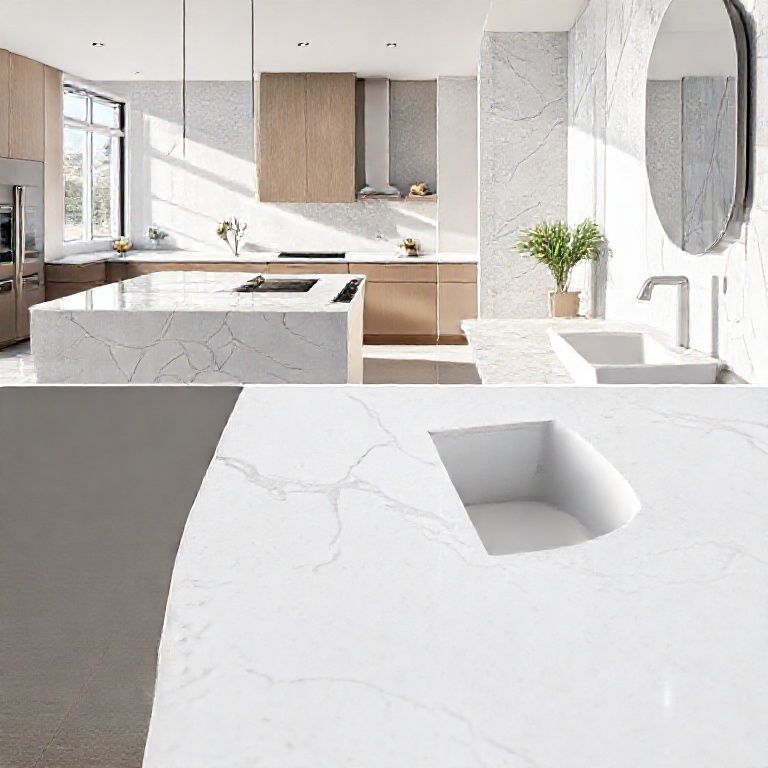
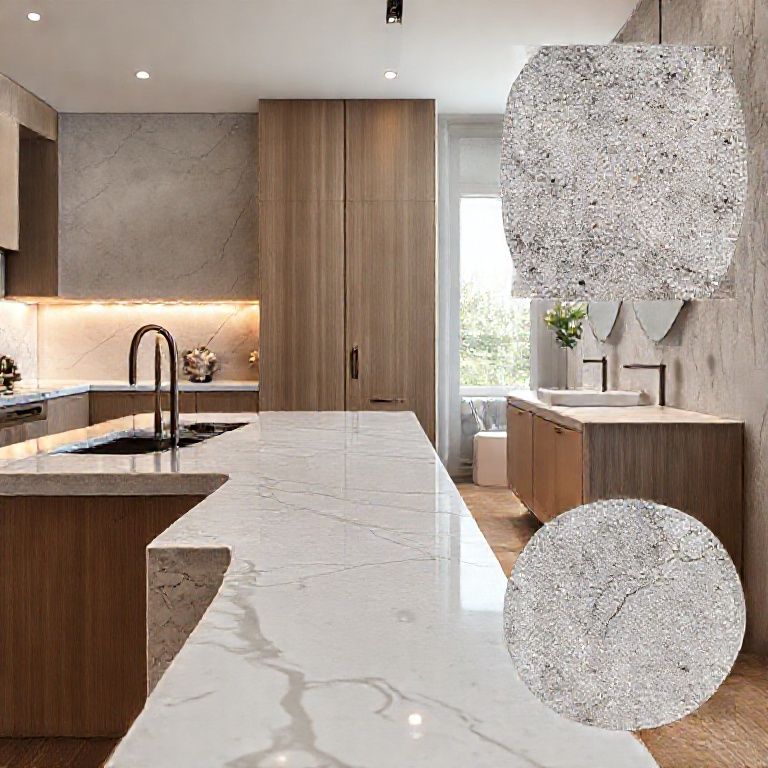
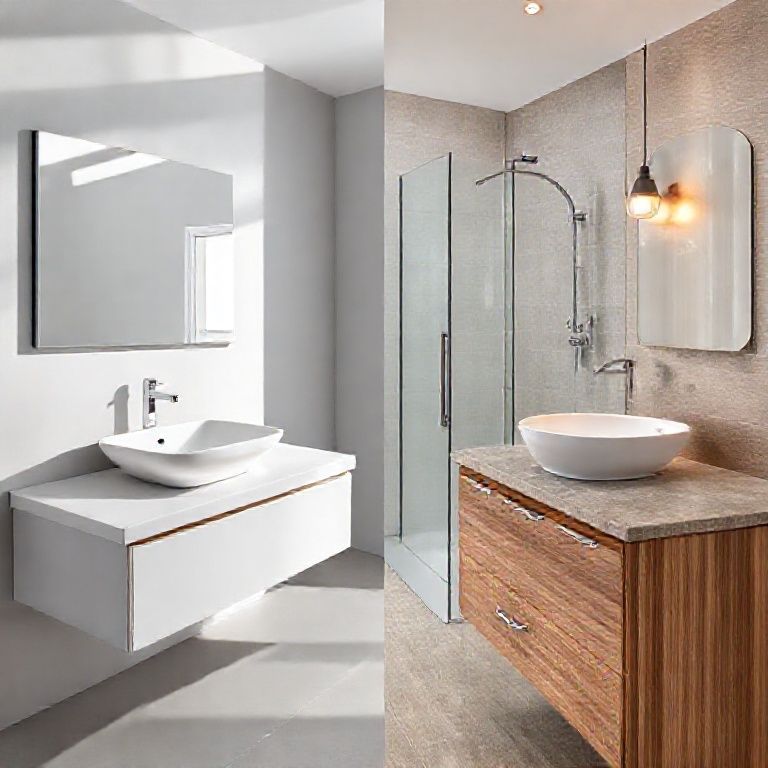
One of the primary reasons for the popularity of artificial marble is its stunning aesthetic appeal. Mimicking the rich textures and vibrant colors of natural marble, artificial marble provides a luxurious finish that can elevate the look of any space. Available in an array of designs and colors, it offers versatility that allows homeowners to choose a look that matches their personal style and complements existing decor.
2. Durability
Artificial marble is renowned for its impressive durability. Unlike natural stone, which can be susceptible to scratches, chips, and stains, artificial marble is engineered to be a hard-wearing material. It possesses high resistance to thermal shock, meaning it can withstand sudden temperature changes without cracking. This makes it an ideal choice for high-traffic areas where durability is a priority.
3. Cost-Effectiveness
For those looking to upgrade their kitchen or bathroom without breaking the bank, artificial marble offers an excellent value proposition. The manufacturing process allows for mass production, which keeps costs down. Additionally, the low maintenance requirements mean that users save on long-term upkeep, making it a cost-effective choice in the long run.
4. Versatility in Design
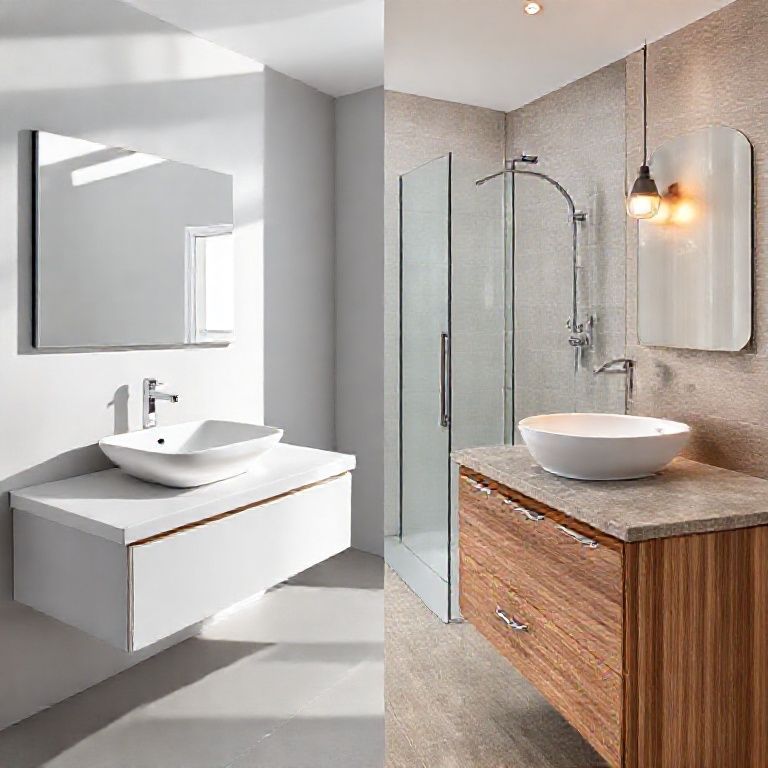
The versatility of artificial marble cannot be overstated. Its ability to be molded into intricate designs means that it can be used not just for countertops but also for other surfaces such as backsplashes, sinks, and even tabletops. The possibilities are endless, allowing designers to create bespoke and unique pieces that cater to specific aesthetic needs.
The Hidden Drawbacks of Artificial Marble: An In-Depth Look
While artificial marble boasts numerous advantages, it is not without its drawbacks. In the following sections, we will explore these hidden shortcomings in detail, helping you to understand the full picture before making your decision.
5. Limited Flexibility
One of the primary concerns with artificial marble is its limited flexibility compared to natural stone. Artificial marble is a solid, monolithic piece that does not flex or bend. This means that if there is any pressure applied to the surface, it can result in cracks or other forms of damage. This is in stark contrast to natural stone, which has a natural resilience and can better absorb minor impacts.
6. Potential for Surface Damage
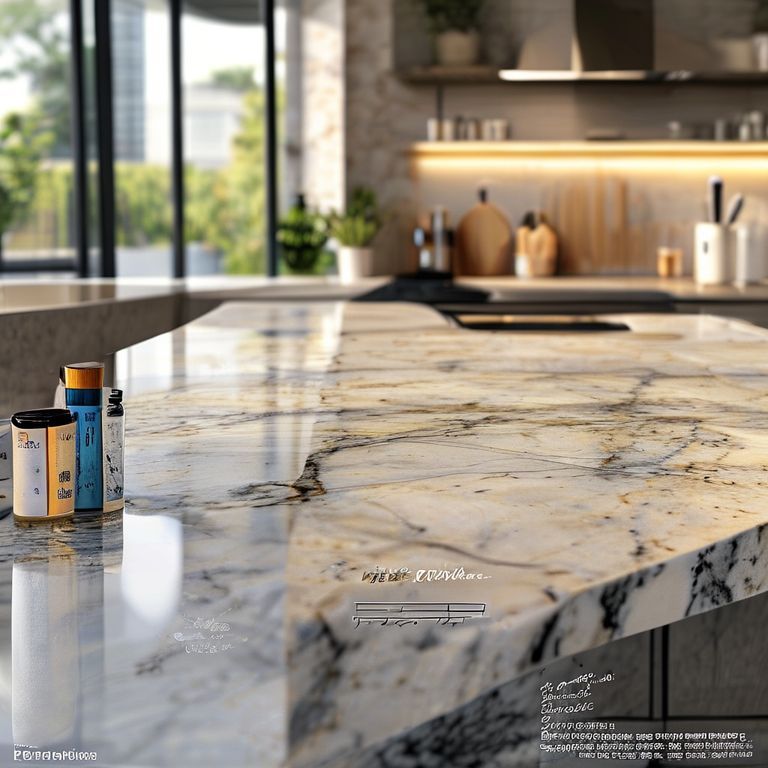
Although artificial marble is durable, it is not invulnerable to surface damage. Unlike natural stone, which can be polished to restore its shine, artificial marble can suffer from scratches and chips that are more difficult to repair. These surface damages can detract from its aesthetic appeal and may require professional intervention to rectify, adding to the cost and inconvenience.
7. Environmental Concerns
The production of artificial marble involves the use of various chemicals and processes that can have environmental impacts. The manufacturing process often requires the use of resins, pigments, and other additives that can contribute to pollution if not managed properly. Additionally, the disposal of artificial marble products at the end of their life cycle can pose challenges due to their non-biodegradable nature.
8. Thermal Sensitivity
While artificial marble can withstand thermal shock to some extent, it is still more sensitive to extreme heat than natural stone. For instance, placing a hot pot or pan directly on the surface can cause it to crack. This necessitates careful handling, especially in households with children or those who frequently cook.
9. Limited Aesthetic Options
Despite its versatility, artificial marble may not offer the same range of natural patterns and textures as natural stone. The aesthetic options are largely limited to the designs that the manufacturer can create, which may not always align with every homeowner’s vision. This can be particularly limiting for those who desire a unique, one-of-a-kind piece.
Conclusion
In conclusion, artificial marble offers a host of benefits including aesthetic appeal, durability, cost-effectiveness, and versatility. However, it also comes with its own set of drawbacks such as limited flexibility, potential for surface damage, environmental concerns, thermal sensitivity, and limited aesthetic options. By understanding both the advantages and disadvantages, you can make a more informed decision about whether artificial marble is the right choice for your space.
Stay tuned for the second part of this series, where we will delve deeper into the maintenance, long-term value, and alternative options to artificial marble, helping you weigh all the factors before making your final choice.
The Maintenance, Long-Term Value, and Alternatives to Artificial Marble
In the previous section, we explored both the allure and the hidden drawbacks of artificial marble. Now, let’s take a deeper dive into its maintenance requirements, long-term value, and consider some alternative materials that you might want to weigh against artificial marble.
1. Maintenance Requirements
Maintaining artificial marble is generally simpler compared to natural stone. Here’s what you need to know to keep your artificial marble surfaces looking their best:
Cleaning
Artificial marble requires regular cleaning to maintain its appearance. Use a mild soap and water solution or a commercial cleaner specifically designed for stone surfaces. Avoid using abrasive cleaners or sponges that can scratch the surface. Gently wipe the surface with a soft cloth to remove any dirt or grime. For tougher stains, a little elbow grease with a non-abrasive cleaner can do the trick.
Stain Prevention
To prevent stains, it’s best to use cutting boards, trivets, and potholders when handling hot foods or liquids. These small precautions can go a long way in preserving the pristine look of your artificial marble surfaces.
Avoiding Damage
As mentioned earlier, artificial marble is not invulnerable to surface damage. It’s important to avoid placing hot pots or pans directly on the surface and to use trivets or potholders. Additionally, sharp objects should be handled with care to prevent scratches or chips.
2. Long-Term Value
When considering the long-term value of artificial marble, several factors come into play:
Cost-Effectiveness Over Time
While artificial marble may have a lower upfront cost compared to natural stone, its long-term value depends on maintenance and potential repairs. While it may require less frequent professional maintenance than natural stone, any surface damage can be costly to repair. Over time, these costs can add up, affecting the overall value.
Durability
Artificial marble’s durability is a significant advantage. It’s less likely to suffer from the natural wear and tear that affects natural stone. However, its resistance to thermal shock and ability to withstand minor impacts should be carefully considered, especially in high-use areas.
3. Alternatives to Artificial Marble
If the drawbacks of artificial marble are a concern, there are several alternative materials to consider. Here are some popular alternatives and their respective pros and cons:
A. Natural Stone
Pros:
Authenticity: Natural stone offers a unique, one-of-a-kind look that artificial marble cannot replicate. Durability: While natural stone can be susceptible to scratches and stains, high-quality natural stone like granite or quartz can offer excellent durability. Aesthetic Appeal: The natural patterns and textures of stone can add a touch of elegance and uniqueness to any space.
Cons:
Cost: Natural stone can be significantly more expensive than artificial marble. Maintenance: Natural stone requires regular sealing to prevent stains and scratches, which can add to maintenance costs. Weight: Natural stone is heavier, which can complicate installation, especially for countertops.
B. Granite
Pros:
Durability: Granite is one of the hardest natural stones, offering excellent resistance to scratches and stains. Longevity: High-quality granite can last for decades with proper care.
Cons:
Cost: Granite countertops are typically more expensive than both artificial marble and some other synthetic alternatives. Maintenance: Regular sealing is required to maintain its appearance and prevent stains.
C. Quartz
Pros:
Affordability: Quartz is often more affordable than granite while still offering a beautiful, natural look. Low Maintenance: Unlike natural stone, quartz does not require sealing and is highly resistant to stains.
Cons:
Weight: Quartz is heavier than artificial marble but lighter than natural stone. Impact Sensitivity: While more durable than artificial marble, quartz can still crack under significant impacts.
D. Solid Surfaces
Pros:
Customization: Solid surfaces like Corian or Formica offer a wide range of colors and designs, allowing for highly customized installations. Maintenance: Generally low-maintenance and resistant to stains and scratches.
Cons:
Cost: While more affordable than natural stone, solid surfaces can still be more expensive than some types of artificial marble. Flexibility: Unlike natural stone, solid surfaces do not offer the same level of flexibilityE. Laminate
Pros:
Affordability: Laminate is generally more affordable than solid surfaces and natural stone. Design Options: It offers a variety of colors and patterns, making it easy to find a design that matches your decor. Low Maintenance: Laminate surfaces are easy to clean and resistant to stains.
Cons:
Durability: Laminate is not as durable as natural stone or high-quality solid surfaces. It can be scratched and may not withstand heavy impacts well. Warping: Laminate can warp if exposed to excessive moisture.
4. The Decision-Making Process
When deciding between artificial marble and its alternatives, several factors should be considered:
A. Budget
Your budget plays a crucial role in determining the best material for your countertops. Artificial marble often offers a cost-effective middle ground between the affordability of laminate and the premium pricing of natural stone. However, it’s essential to account for long-term costs such as maintenance, potential repairs, and the overall durability of the material.
B. Aesthetic Preferences
Consider the aesthetic appeal of each material. Artificial marble offers a wide range of colors and designs, but it may not match the unique beauty of natural stone. If you desire a one-of-a-kind look with natural patterns, natural stone or high-quality quartz might be the best choice. On the other hand, if a budget-friendly, customizable option is preferred, laminate or solid surfaces could be more suitable.
C. Maintenance Requirements
The maintenance needs of each material should be evaluated. Artificial marble is generally low-maintenance, but natural stone requires regular sealing to prevent stains. Solid surfaces and laminate offer the easiest maintenance but may not match the durability of natural stone.
D. Durability and Longevity
Assess the durability and longevity of the material. Artificial marble is known for its durability but may not withstand extreme impacts as well as natural stone. Natural stone offers excellent durability but can be more prone to scratches and stains. Solid surfaces and laminate provide good durability but may not match the longevity of natural stone.
E. Installation and Weight
Consider the installation process and the weight of the material. Natural stone is heavier and may require professional installation. Artificial marble, solid surfaces, and laminate are generally easier to install and lighter, making them more convenient for DIY projects.
F. Environmental Impact
Finally, consider the environmental impact of the material. Artificial marble involves the use of chemicals in its manufacturing process, while natural stone and solid surfaces may also have environmental concerns. Look for materials that have sustainable sourcing and manufacturing practices if this is a priority for you.
Conclusion
Choosing the right countertop material involves balancing aesthetics, budget, maintenance, durability, installation, and environmental impact. Artificial marble offers a compelling combination of aesthetic appeal, durability, and cost-effectiveness, making it a popular choice for many homeowners. However, alternatives like natural stone, quartz, solid surfaces, and laminate each have their own unique advantages and drawbacks. By carefully considering these factors, you can make an informed decision that best suits your needs and preferences.
In the next part of this series, we will explore specific installation tips, maintenance routines, and additional factors to consider when choosing and caring for artificial marble countertops to ensure their longevity and beauty. Stay tuned for more insights!