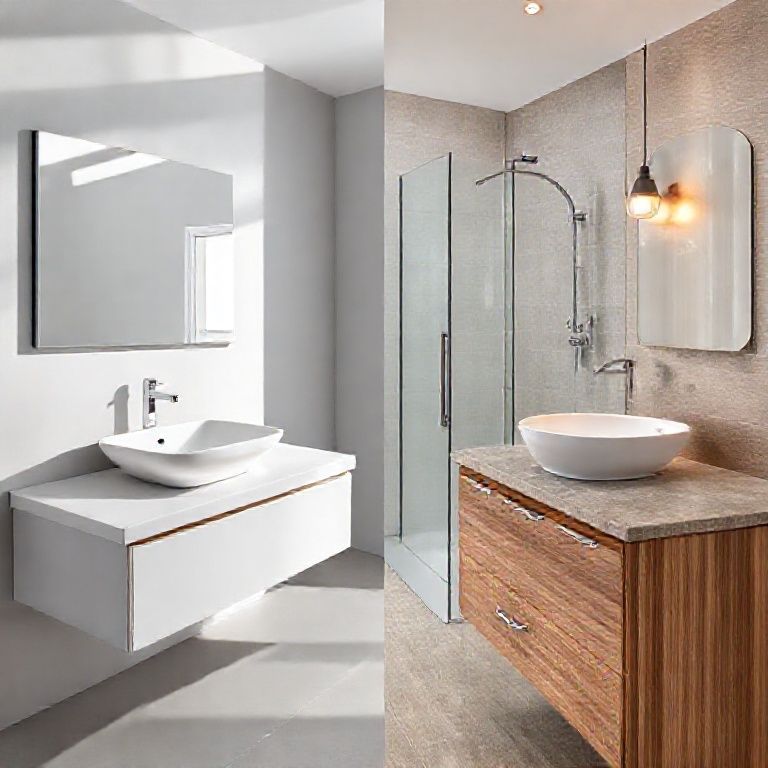
The First Five Drawbacks of Engineered Marble
Introduction
In the world of home renovation and interior design, engineered marble has emerged as a popular choice for countertops, sinks, and other decorative surfaces. Touted for its beauty, durability, and cost-effectiveness, it’s easy to see why many homeowners and designers favor this material. However, beneath the glossy surface lies a series of concerns that can significantly impact both the aesthetic and functional aspects of your space. In this first part, we will explore the first five drawbacks of engineered marble.

1. Environmental Impact
Engineered marble is made by combining natural stone with resins to create a durable, homogeneous material. While this process can enhance the material’s strength and resistance, it also raises environmental concerns. The production of engineered marble involves the use of synthetic resins, which can be harmful to the environment. These resins often contain chemicals that may release volatile organic compounds (VOCs), contributing to indoor air pollution. Additionally, the mining and transportation of natural stone contribute to the carbon footprint associated with this material.
2. Durability Issues
While engineered marble is praised for its durability, it still falls short when compared to traditional marble. The bonding process between the natural stone and resin can sometimes lead to weak points in the material. This can cause the surface to crack or chip more easily than natural stone, especially under high traffic areas. Over time, the wear and tear can also lead to the surface becoming dull or scratched, which diminishes its aesthetic appeal.
3. Water Absorption
One of the significant concerns with engineered marble is its tendency to absorb water. Unlike natural stone, which has a relatively low water absorption rate, engineered marble can absorb water more readily. This can lead to staining and discoloration over time, especially if spills are not promptly addressed. Additionally, water absorption can cause the material to swell, leading to uneven surfaces and potential structural issues.
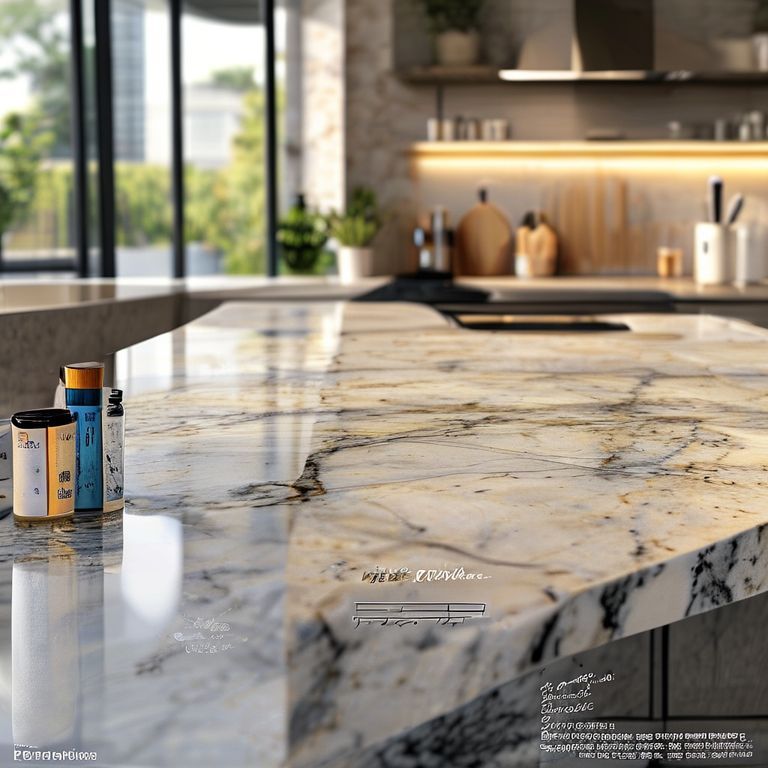
4. Maintenance Challenges
Maintaining engineered marble requires specific care to ensure its longevity and appearance. Unlike natural stone, which can often be cleaned with a simple acid-based cleaner, engineered marble requires a more delicate approach. Using harsh chemicals can damage the surface, leading to scratches and dullness. Proper maintenance often involves the use of specialized cleaners and polishes, which can be both inconvenient and costly. Additionally, engineered marble can be more challenging to repair if damaged, requiring professional intervention to restore its original look.
5. Aesthetic Limitations
Engineered marble, while designed to mimic the look of natural marble, often falls short in terms of achieving a truly authentic appearance. The uniformity in color and pattern can sometimes lack the natural variation found in genuine marble. This can make the material appear less luxurious and more artificial, especially to discerning eyes. Furthermore, the manufacturing process can limit the range of colors and patterns available, which might not suit every interior design vision.
The Final Five Drawbacks of Engineered Marble
Introduction
Continuing from the first part, where we explored the initial five drawbacks of engineered marble, this second part delves into the remaining five significant concerns. From cost implications to potential health hazards, we will cover a comprehensive range of issues that can impact your decision-making process when choosing engineered marble for your home or business.
6. Installation Challenges
Installing engineered marble can present several challenges that may not be immediately apparent. Unlike natural stone, which often requires less complex installation processes, engineered marble can be more cumbersome. The material’s weight can pose a problem during installation, particularly in large-scale projects. Additionally, the need for specialized tools and techniques can increase labor costs. Furthermore, the installation process may require more time and precision, which can extend project timelines and increase overall costs.
7. Cost Concerns
While engineered marble is often marketed as a cost-effective alternative to natural stone, the overall cost can vary significantly based on several factors. The quality of the natural stone used, the type of resin, and the design complexity all contribute to the final price. In some cases, the initial savings may be offset by higher maintenance costs, the need for specialized cleaners, and potential repair expenses. Additionally, the cost of installation can add to the overall expense, making it essential to consider all aspects before making a decision.
8. Limited Customization Options
One of the inherent drawbacks of engineered marble is the limited range of customization options. The manufacturing process restricts the variety of colors, patterns, and finishes available. While this can be seen as a benefit in terms of consistency, it can also be a drawback for those seeking unique or bespoke designs. The inability to easily alter or modify the material once it has been produced means that any errors or changes in design vision may lead to costly mistakes.
9. Potential Health Hazards
The production process of engineered marble involves the use of resins and other synthetic materials, which can pose potential health hazards. As mentioned earlier, the resins often contain chemicals that release VOCs, which can contribute to indoor air pollution. Prolonged exposure to these chemicals can have adverse effects on health, including respiratory issues and skin irritation. Furthermore, if the material is not properly sealed or maintained, it can lead to the leaching of these chemicals into the environment, posing long-term health risks.
10. Longevity and Warranty Issues
When it comes to longevity, engineered marble often falls short compared to natural stone. While it is designed to be durable, the bonding process can sometimes lead to weaker points in the material, which can compromise its lifespan. Additionally, the warranty provided by manufacturers can sometimes be limited, covering only specific types of damage or issues. This means that unexpected problems may not be covered under warranty, leading to additional repair costs. Furthermore, the longevity of engineered marble can be influenced by maintenance, with proper care extending its lifespan, while neglect can lead to premature deterioration.
Conclusion
While engineered marble offers many advantages, it’s essential to weigh these against its various drawbacks. From environmental impact and durability issues to maintenance challenges and aesthetic limitations, the material has several concerns that can significantly affect your renovation project. By understanding these drawbacks, you can make a more informed decision that aligns with your design goals and budget. In the next part, we will discuss how to mitigate these issues and explore alternative materials that may better suit your needs.