Environmental and Installation Challenges
The Environmental Impact of Slate Tiles
When considering slate tiles, it’s crucial to examine their environmental footprint. Slate, a type of metamorphic rock, is extracted through a process that can have significant environmental repercussions. Mining operations often lead to habitat destruction, soil erosion, and water pollution. The extraction process is not only resource-intensive but also raises ethical concerns about the sustainability of using non-renewable natural resources.

Furthermore, slate mining can disrupt local ecosystems, leading to the loss of biodiversity. The transportation of slate from mines to construction sites also contributes to carbon emissions, adding another layer to the environmental cost. It’s essential to recognize that while slate tiles might look beautiful and durable, their production and transportation have considerable ecological implications.
Installation Issues and Challenges
Installing slate tiles is often more complex than with other types of flooring materials. Slate tiles are irregular in shape, which can make the installation process labor-intensive and time-consuming. Unlike uniform tiles, each slate piece requires precise cutting and fitting, demanding a high level of skill from the installer. This complexity can lead to higher labor costs and the potential for installation errors if the installer is not experienced.
Additionally, slate tiles are heavy, which poses significant challenges during installation. The weight of the tiles can cause damage to floors that are not sufficiently strong or well-supported. This necessitates the use of specialized underlayment and a robust subfloor to prevent potential damage. Moreover, the process of grouting and sealing slate tiles is meticulous and requires multiple steps to ensure durability and water resistance.
Durability Myths and Realities
One of the most common myths about slate tiles is that they are exceptionally durable and require minimal maintenance. While slate is indeed a hard and durable material, its durability can be compromised under certain conditions. For instance, slate is susceptible to damage from sharp impacts, which can cause chips and cracks. This makes slate tiles unsuitable for high-traffic areas where heavy furniture or equipment is frequently moved.
Moreover, slate’s inherent brittleness means that it does not flex well, which can lead to cracking if installed over certain types of subfloors. This brittleness is particularly problematic in areas that experience significant temperature fluctuations, as the expansion and contraction of slate can cause it to crack over time.
Aesthetic and Design Considerations
Slate tiles come in a variety of colors and patterns, which can be appealing in design terms. However, the natural irregularities in the stone can lead to an uneven appearance if not installed correctly. The aesthetic appeal of slate tiles is highly dependent on the skill of the installer, which can make the final outcome inconsistent, especially in large installations.
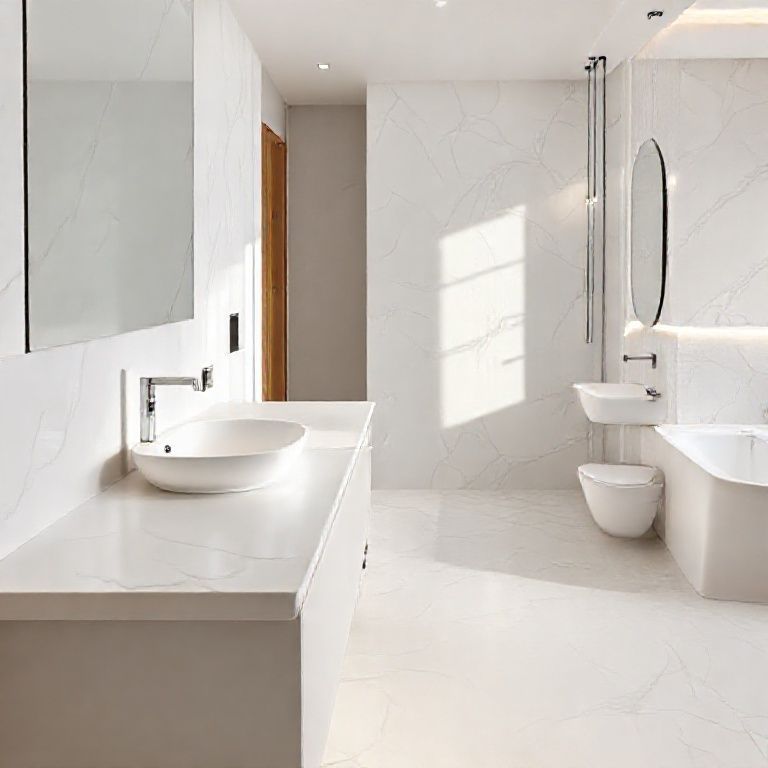
Furthermore, slate tiles are not always suitable for every design scheme. Their natural, rustic look can clash with modern, minimalist interiors. The unique pattern of each slate tile can also lead to design inconsistencies, making it challenging to create a uniform look across large areas.
Maintenance and Long-term Risks
Maintenance Challenges
Maintaining slate tiles requires a different approach compared to other types of flooring. Slate is relatively low-maintenance in terms of cleaning; it can be easily wiped with a damp cloth and mild detergent. However, the natural surface of slate can absorb stains and oils over time, which may require professional cleaning services for deeper cleans.
One of the significant maintenance challenges with slate tiles is dealing with moisture. Slate is a porous material, which means it can absorb water and other liquids, leading to stains and potential water damage. While slate can dry out over time, the initial absorption can leave unsightly marks. Regular cleaning and prompt addressing of spills are crucial to prevent long-term staining.

Moreover, the sealing of slate tiles is a critical aspect of maintenance. Over time, the natural oils and grime can penetrate the surface, requiring re-sealing to maintain the tile’s protective qualities. This process needs to be done periodically to ensure the longevity and aesthetic appeal of the slate tiles.
Long-term Risks and Hidden Costs
One of the most significant long-term risks associated with slate tiles is the potential for hidden damage. Because slate is a hard but brittle material, it can hide cracks and chips under furniture or heavy objects. This hidden damage can lead to more severe issues over time, such as structural weakening and further cracking.
Another long-term risk is the potential for mold and mildew growth. Despite being relatively low-maintenance in terms of cleaning, the porous nature of slate can make it susceptible to mold if not properly maintained. Mold growth can lead to health hazards and further damage to the tile and underlying surfaces.
Economic Considerations
The initial cost of slate tiles can be high, and this investment comes with hidden costs over time. The need for professional cleaning and re-sealing services can add to the long-term expenses. Additionally, any damage caused by hidden issues like cracks or water damage may require costly repairs or complete tile replacement.
Furthermore, the labor costs associated with the installation of slate tiles can be substantial due to the complexity of the process. Skilled labor is required to ensure proper fitting and installation, which can drive up the overall cost of the project.
Health and Safety Risks
While slate tiles are generally safe, there are some health and safety considerations to be aware of. The dust generated during the cutting and installation of slate tiles can be hazardous if inhaled. It contains fine particles that can irritate the respiratory system, so proper ventilation and protective equipment are essential during the installation process.
Additionally, the heavy weight of slate tiles poses a risk during installation and handling. Workers must use proper lifting techniques to avoid injuries, and the tiles themselves can cause damage if dropped or mishandled.
Conclusion
While slate tiles offer a unique and elegant aesthetic, they come with a range of drawbacks and potential hazards that must be carefully considered. From their environmental impact and complex installation process to the challenges in maintenance and long-term risks, slate tiles are not without their issues. Homeowners and contractors should weigh these factors carefully before opting for slate tiles, ensuring that they understand the full scope of what this beautiful material entails.