The Hidden Risks and Mysteries Behind the Underutilization of Marble
Marble, a timeless and luxurious stone, has long been synonymous with opulence and sophistication. Its intricate patterns and smooth finish have captivated designers and architects for centuries. However, despite its undeniable beauty, marble is generally used less frequently than one might expect. This raises an intriguing question: Why do people often shy away from this magnificent material? In this first part, we delve into the multifaceted reasons behind the underutilization of marble, focusing on its environmental and economic implications.

1. Environmental Concerns:
Marble is a natural stone formed from the metamorphism of limestone, a process that requires immense pressure and heat over millions of years. The extraction of marble involves significant environmental impact. Quarrying operations often lead to habitat destruction and contribute to soil erosion. Additionally, the transportation of marble from quarries to construction sites further increases the carbon footprint due to fossil fuel consumption.
The environmental cost of marble is a critical factor that many modern consumers and eco-conscious builders consider. As global awareness about sustainability grows, the demand for eco-friendly building materials has surged. Marble’s extraction process is often seen as a conflict with these values, leading to its underutilization in favor of more sustainable alternatives like recycled stone or engineered stone.
2. High Costs:
Marble is undeniably a luxurious material, but its cost is another significant deterrent. The high price tag of marble is primarily due to its rarity and the labor-intensive process required to carve and polish it. The intricate patterns and unique hues that make marble so desirable are the result of natural formations, which means that each piece is one-of-a-kind.
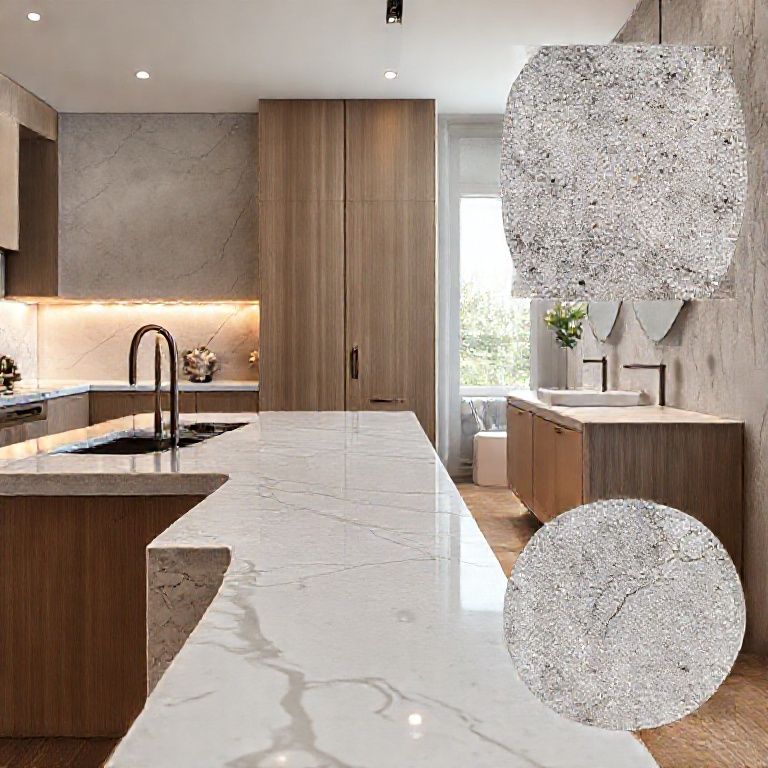
These unique characteristics make marble a costly choice. Not only is the material itself expensive, but the skilled labor needed for its installation and maintenance also adds to the overall cost. Many homeowners and businesses find the total cost prohibitive, leading to a preference for more affordable materials.
3. Maintenance Challenges:
Marble is often revered for its elegance, but it comes with a set of maintenance challenges that can be daunting. Unlike some other stone materials, marble is highly susceptible to staining and etching from acidic substances. Even common household items like lemon juice, vinegar, and wine can cause discoloration if not properly cared for.
Moreover, marble requires regular maintenance to preserve its beauty and integrity. It needs to be sealed periodically to create a protective barrier against stains and spills. Failure to seal marble properly can lead to permanent damage, making it a high-maintenance option.
The need for frequent upkeep can be a deterrent for many potential users, especially those who prefer low-maintenance materials. The effort required to keep marble looking pristine often outweighs its aesthetic appeal for some.
4. Durability Issues:
While marble is known for its durability and strength, it is not as resilient as some might believe. Marble’s crystalline structure makes it more prone to scratches and chips compared to other stone materials like granite. Although high-quality marble can withstand significant wear, it is still susceptible to damage from heavy objects and abrasive cleaners.
The durability issues associated with marble can be a concern for high-traffic areas where the stone might be subjected to constant use and abuse. This makes it less suitable for spaces where durability is a primary consideration, such as commercial kitchens or high-end restaurants.
5. Aesthetic Limitations:
Despite its beauty, marble has some aesthetic limitations that can deter potential users. The natural, often irregular patterns and colors of marble mean that each piece is unique and cannot be mass-produced. This uniqueness is both a blessing and a curse—while it adds to the stone’s appeal, it also limits its uniformity and consistency across large projects.
For designers and architects who seek uniformity and precision in their work, marble’s lack of consistency can be a drawback. Additionally, the natural irregularities in marble can sometimes lead to imperfections that are difficult to hide or compensate for, especially in large-scale installations.
6. Historical and Cultural Factors:
The underutilization of marble also has historical and cultural dimensions. In many parts of the world, particularly in regions where limestone is abundant, the use of marble has been associated with extravagance and affluence. In such contexts, marble might be seen as a symbol of wealth rather than a practical building material.
Cultural perceptions can significantly influence material choice. In areas where marble is viewed as overly extravagant, its use may be limited to specific applications like high-end sculptures or ornamental pieces rather than functional construction materials.
The Hidden Risks and Mysteries Behind the Underutilization of Marble
7. Economic and Market Dynamics:
The economic landscape and market dynamics play a significant role in the underutilization of marble. The global marble industry is concentrated in a few regions, primarily Italy, Spain, and Turkey, where most of the world’s marble is produced. This concentration can lead to market volatility, as supply chain disruptions or political instability in these regions can affect the availability and price of marble globally.
Economic fluctuations can also impact the use of marble. During times of economic downturn, the high cost of marble might make it less appealing compared to more economical alternatives. As the market demand for cost-effective materials increases, marble’s usage might decline.
8. Technological Advances:
Advancements in material technology have introduced alternatives to natural marble that are often more practical and cost-effective. Engineered stone, for instance, combines the aesthetic appeal of marble with the durability and low maintenance of granite. These synthetic materials are designed to mimic the look of marble while offering superior performance in terms of strength, resistance to stains, and ease of maintenance.
The rise of these advanced materials has shifted some of the market preference away from natural marble. Designers and builders are increasingly opting for these engineered alternatives, which provide a similar visual effect without the associated risks and costs of using natural marble.
9. Regulatory Restrictions:
In some regions, regulatory restrictions related to environmental sustainability can limit the use of marble. Building codes and environmental regulations often prioritize materials that have a lower environmental impact. As such, the use of marble might be restricted in areas where sustainable building practices are mandated.
These regulatory frameworks can discourage the use of marble, especially in large-scale commercial and public projects where compliance with environmental standards is critical. The preference for sustainable and eco-friendly materials further drives the underutilization of marble.
10. Cultural Shifts:
Cultural shifts and changing aesthetic trends also contribute to the underutilization of marble. In recent years, there has been a growing appreciation for minimalism and simplicity in design. The intricate patterns and ornate beauty of marble can sometimes clash with contemporary minimalist aesthetics.
Additionally, the rise of digital media and social platforms has influenced design preferences. The visual appeal of marble, while timeless, might not always align with the current trends that favor sleek, modern, and understated finishes. This cultural shift can lead to a reduced demand for marble in favor of more contemporary materials.
11. Historical Context and Legacy:
The historical context of marble also plays a role in its underutilization. Historically, marble has been used in monumental architecture and grand public buildings, often associated with power, wealth, and prestige. The legacy of its use in ancient civilizations like Greece and Rome has created a perception that marble is an elite material.
In modern times, this historical legacy might lead to its underutilization in settings where a more democratic or accessible material is preferred. The association of marble with historical grandeur can sometimes make it seem out of place in contemporary or modern designs that favor simplicity and accessibility.
12. Practicality and Usability:
Finally, practicality and usability are significant factors in the underutilization of marble. While marble is aesthetically pleasing, its practical applications are often limited. In areas where durability and low maintenance are paramount, marble might not be the ideal choice.
For instance, in kitchens, bathrooms, and other areas prone to heavy use and frequent spills, marble’s susceptibility to stains and etching makes it less practical. These spaces often require more durable and easy-to-clean materials, leading to a preference for alternatives like granite or quartz.
Conclusion:
The underutilization of marble is a complex issue influenced by a myriad of factors ranging from environmental concerns and high costs to maintenance challenges and cultural perceptions. While marble remains a symbol of luxury and elegance, its practical limitations and the rise of more sustainable and cost-effective alternatives have led to its less frequent use in modern construction and design.
As the world continues to evolve in its preferences and values, the role of marble in contemporary applications will likely continue to be redefined. Understanding these multifaceted reasons provides valuable insights into the reasons behind its underutilization and helps guide more informed choices in the world of luxury materials.
In this two-part article, we have explored the hidden risks and mysteries behind the underutilization of marble, providing a comprehensive look at the environmental, economic, and practical factors that contribute to its limited use. From sustainability concerns to aesthetic preferences, we’ve covered the diverse reasons why this magnificent material remains somewhat underappreciated in the modern world.