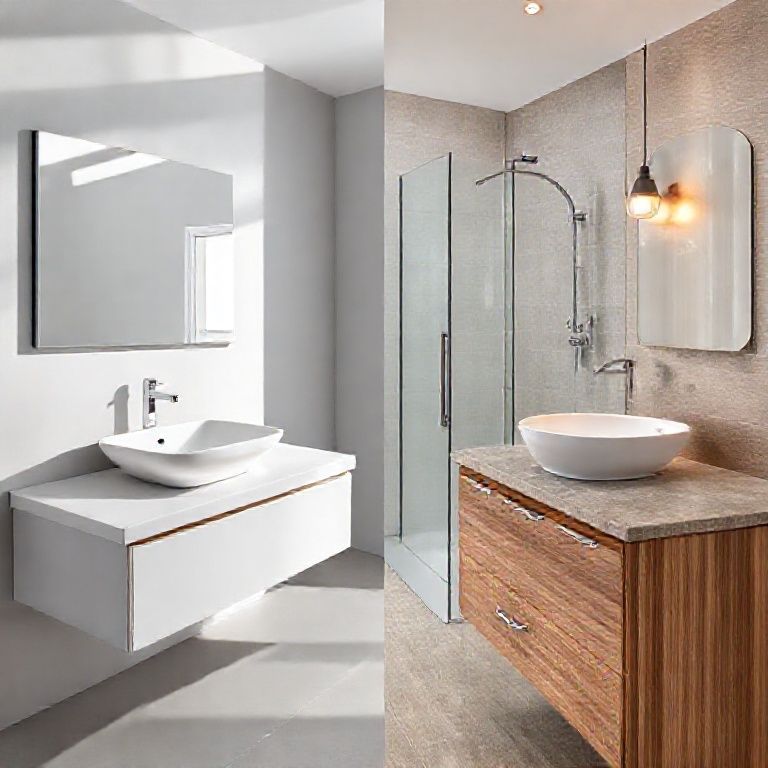
This comprehensive article delves into the topic of formaldehyde in artificial marble, exploring the science behind it and its implications for your home. With a focus on attracting a wide audience interested in home decor and health, the article aims to provide clear, informative, and engaging content about this often-overlooked issue.

formaldehyde, artificial marble, artificial stone, health risks, indoor air quality, home decor, synthetic stone, off-gassing, home safety
Understanding Artificial Marble and Its Composition
Introduction
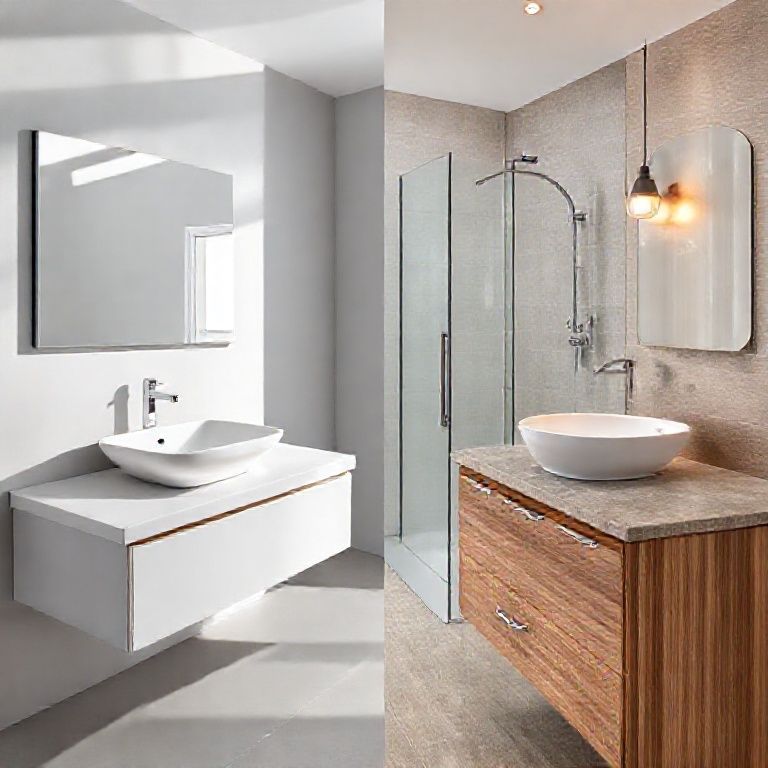
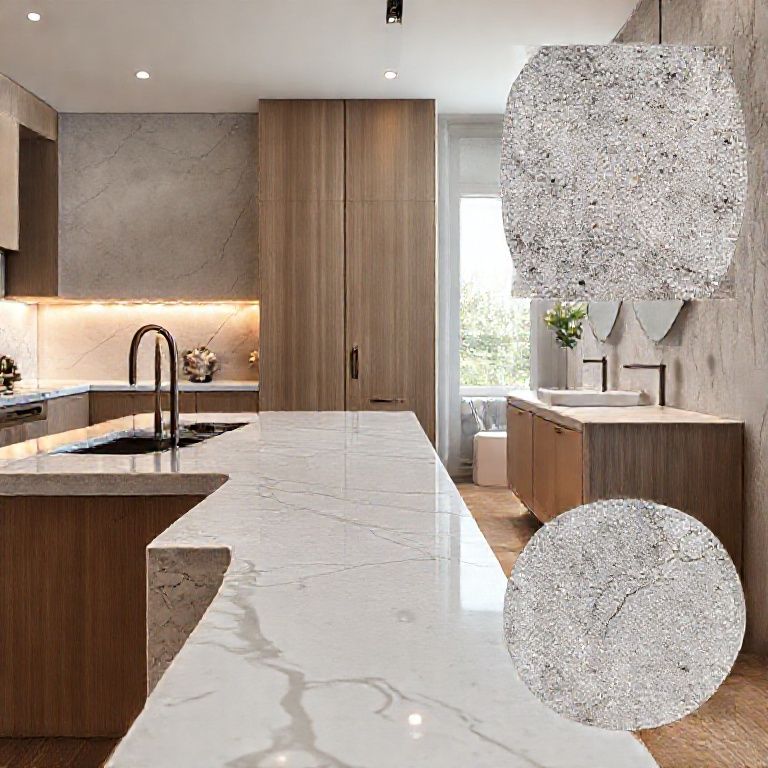
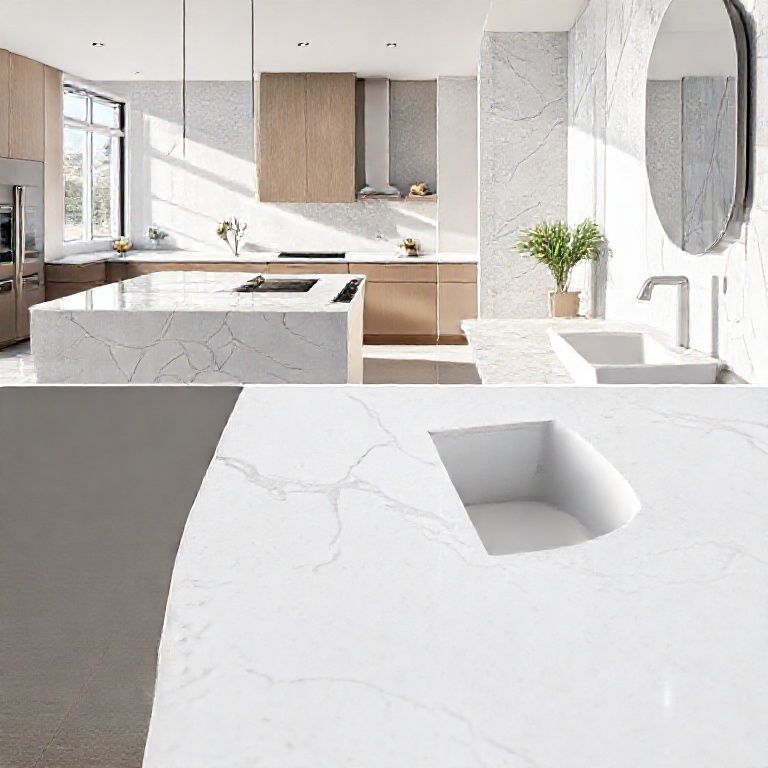
Artificial marble, also known as engineered stone, has revolutionized the world of home decor. With its stunning aesthetics and durability, it has become a popular choice for countertops, kitchen islands, and bathroom vanities. However, a significant concern often associated with artificial marble is its potential release of formaldehyde. In this part of our exploration, we will delve into what artificial marble is, its composition, and how it might affect indoor air quality.
What is Artificial Marble?
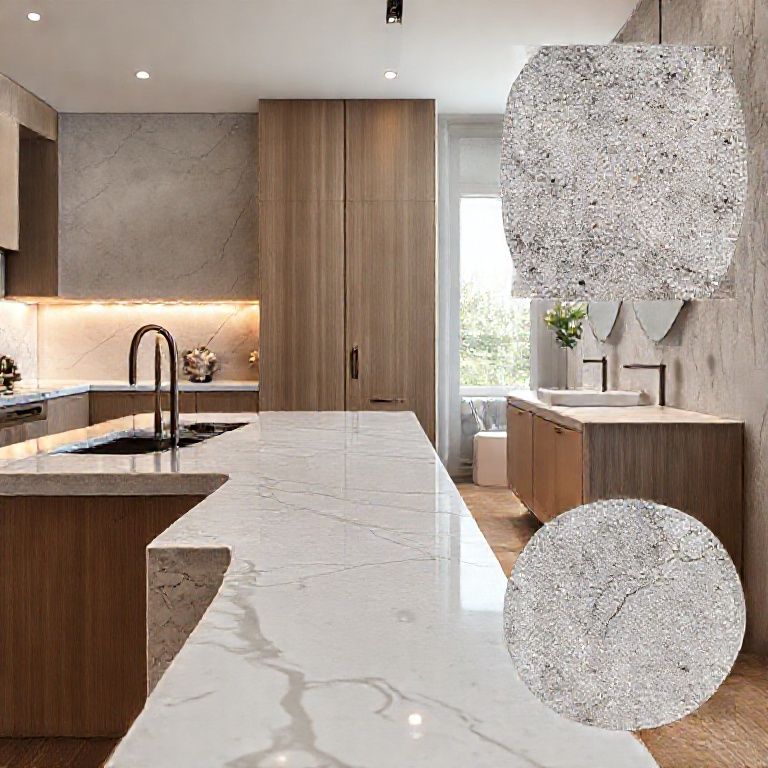
Artificial marble is a composite material made from natural stone powders, such as quartz, combined with resins to create a solid, stone-like surface. This material is known for its high strength, resistance to stains, and easy maintenance. Unlike traditional marble, which is a natural stone, artificial marble offers a variety of colors and designs without the unpredictability that comes with natural materials.
The Composition of Artificial Marble
The primary components of artificial marble are:
Stone Powders: The most significant ingredient is natural stone powder, primarily quartz. This gives the material its characteristic appearance and durability. Resins: Epoxy or polyurethane resins are used to bind the stone powders together, creating a solid, cohesive material. These resins can sometimes contain formaldehyde, which is a primary concern. Colorants: Pigments are added to achieve the desired color, which can further affect the material’s chemical composition. Catalysts: These are used to speed up the curing process of the resin.
Formaldehyde in Resins
Formaldehyde is a volatile organic compound (VOC) commonly used in industrial applications, including the production of resins for artificial marble. It acts as a binder and preservative but can off-gas, releasing formaldehyde into the air, which poses health risks.
Health Implications of Formaldehyde Exposure
Exposure to formaldehyde can lead to various health issues, including:
Respiratory Problems: Short-term exposure can cause irritation of the nose, throat, and eyes, while long-term exposure has been linked to more serious respiratory conditions. Allergic Reactions: Some people may experience skin rashes, headaches, and other allergic reactions. Cancer: Prolonged exposure to formaldehyde has been classified as a carcinogen by several health organizations, including the International Agency for Research on Cancer (IARC).
Measuring Formaldehyde Levels
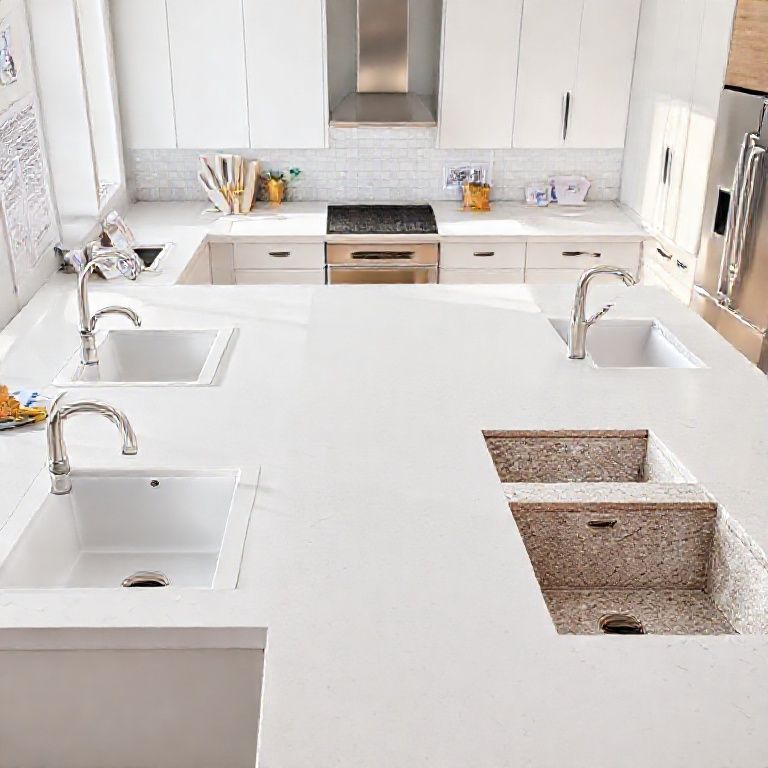
To determine whether artificial marble releases formaldehyde, it’s essential to measure its emission levels. Testing typically involves:
Environmental Sampling: Collecting air samples in rooms where artificial marble is installed. Laboratory Analysis: Analyzing these samples to quantify formaldehyde concentrations. Compliance Testing: Comparing the results against standards set by regulatory bodies, such as the European Commission’s Blue Angel or the American National Standards Institute (ANSI).
Conclusion
Understanding the composition and potential health implications of artificial marble is crucial for making informed decisions about home decor. While artificial marble offers numerous benefits in terms of aesthetics and durability, awareness of its formaldehyde content and the importance of proper installation and ventilation can mitigate health risks.
Mitigating Formaldehyde Emissions and Ensuring Safe Indoor Air Quality
Introduction
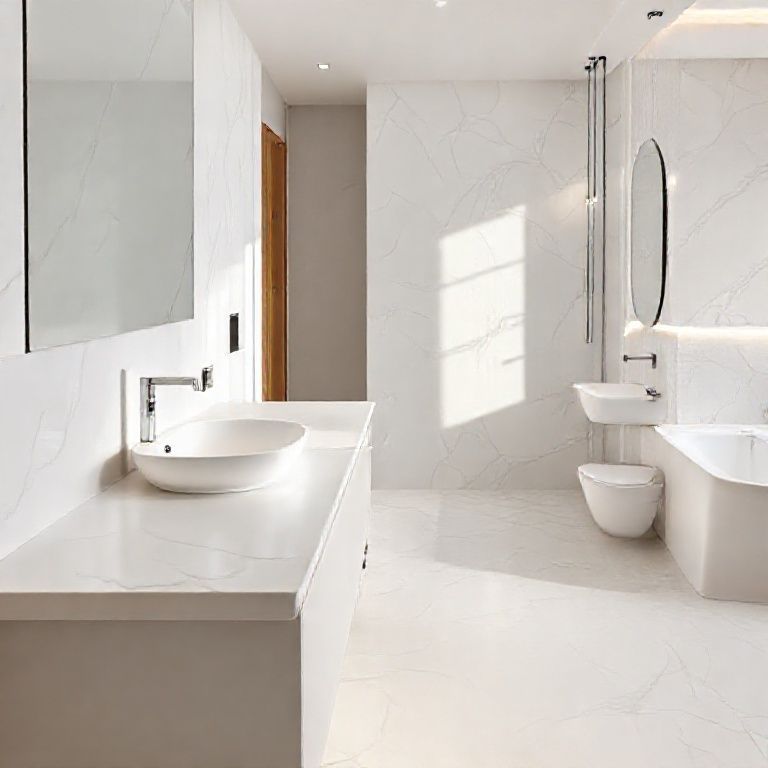
In the previous section, we explored what artificial marble is, its composition, and the associated health risks related to formaldehyde exposure. Now, we will focus on practical steps to mitigate formaldehyde emissions and ensure safe indoor air quality when using artificial marble in your home.
Best Practices for Installation
Proper installation is one of the most effective ways to minimize formaldehyde emissions:
Choose Low-Formaldehyde Products: Opt for artificial marble products that have been certified for low or negligible formaldehyde emissions. Look for certifications such as the International Standards Organization (ISO) 16000-6 or EMIT. Follow Manufacturer Instructions: Adhere strictly to the installation guidelines provided by the manufacturer to ensure the product is cured and sealed properly. Use High-Quality Adhesives and Sealant: Select adhesives and sealants that are low in VOCs to further reduce the overall formaldehyde content.
Ventilation and Air Quality Management
Proper ventilation is crucial for reducing indoor formaldehyde levels:
Ensure Adequate Ventilation: Open windows and use exhaust fans to promote air circulation in rooms where artificial marble is installed. Use Air Purifiers: High-efficiency particulate air (HEPA) filters can help remove formaldehyde and other VOCs from the air. Monitor Indoor Air Quality: Use air quality monitors to keep track of formaldehyde levels and adjust ventilation and other measures as necessary.
Post-Installation Care
Once your artificial marble installation is complete, ongoing maintenance can help maintain indoor air quality:
Regular Cleaning: Use pH-neutral, non-abrasive cleaners to avoid damaging the surface and releasing trapped formaldehyde. Avoid Heat Sources: Keep artificial marble surfaces away from direct heat sources, as heat can cause trapped formaldehyde to off-gas more quickly. Avoid Smoking: Smoking indoors can increase the concentration of other VOCs, potentially exacerbating formaldehyde exposure.
Alternative Materials
For those particularly concerned about formaldehyde, there are alternative materials to consider:
Natural Stone: Marble, granite, and other natural stones generally do not contain added formaldehyde but can be more expensive and less durable. Low-VOC Composites: Some manufacturers offer low-VOC alternatives to traditional artificial marble that use less harmful resins.
Conclusion
While artificial marble offers many advantages, being aware of its potential formaldehyde emissions and taking proactive measures to mitigate these risks is essential for maintaining safe indoor air quality. By choosing the right products, ensuring proper installation, and maintaining good ventilation practices, you can enjoy the beauty and durability of artificial marble without compromising your health.
In the next section, we will discuss additional insights and expert opinions on managing formaldehyde emissions and explore future trends in low-VOC materials. Stay tuned for more information to help you make the best choices for your home decor.