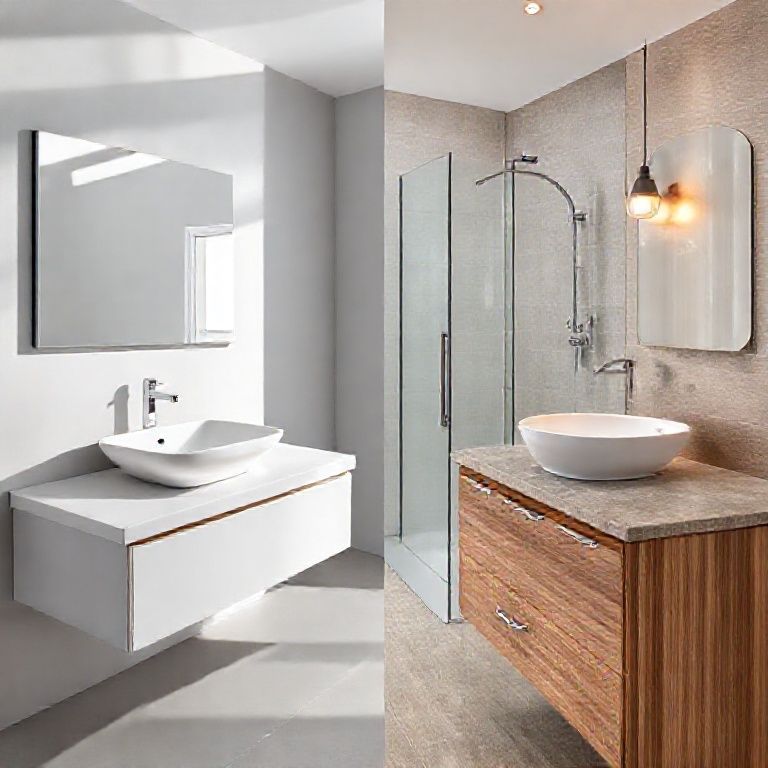
Understanding Artificial Marble and Its Composition
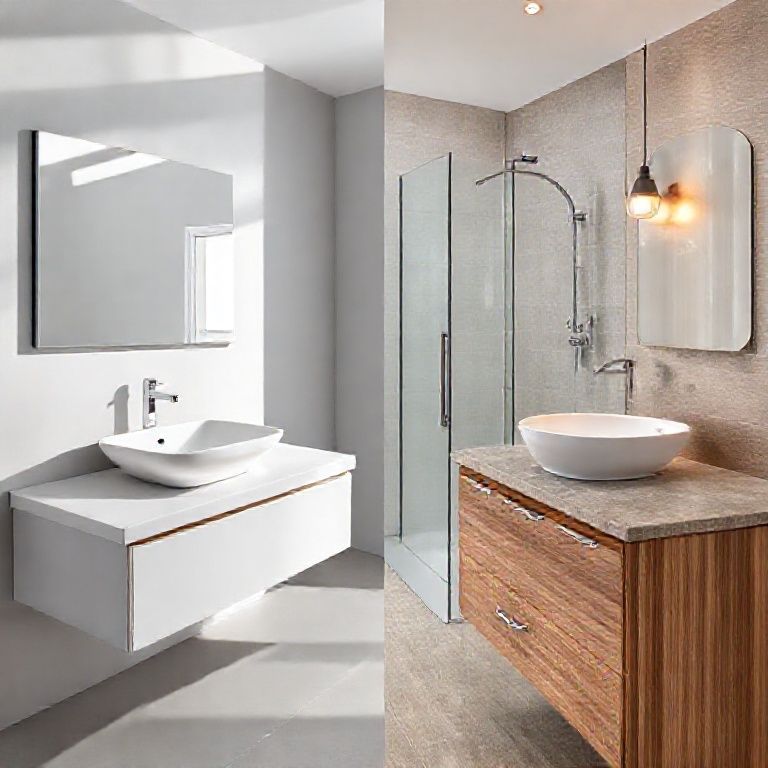
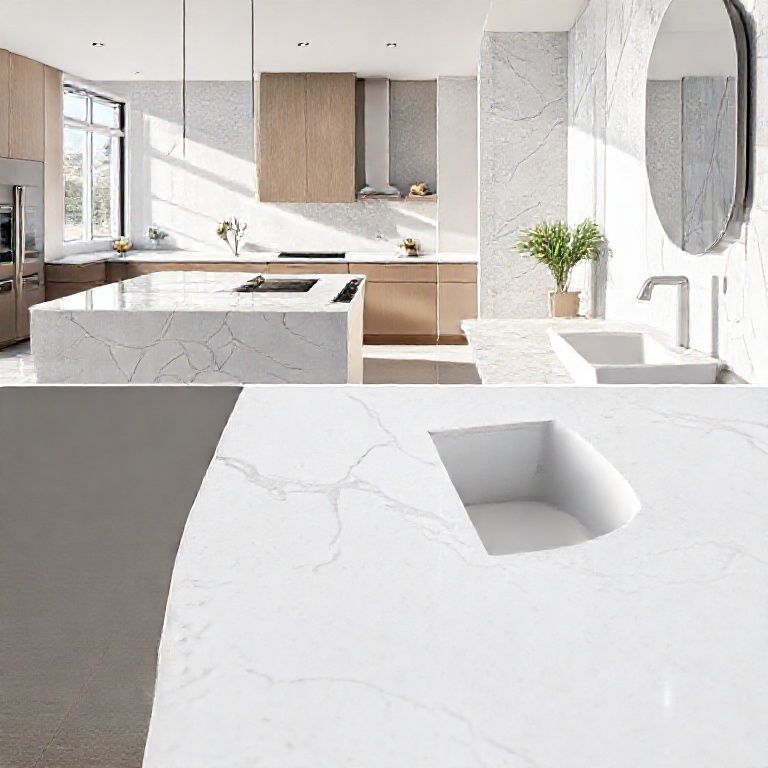
When it comes to modern home renovation, one of the most popular choices for countertops, sinks, and other surfaces is artificial marble, also known as cultured marble or stone composite. This material has surged in popularity due to its aesthetic appeal and durability, offering a luxurious look at a fraction of the cost of natural stone. However, beneath this surface lies a complex composition that raises questions about its impact on indoor air quality and overall health.

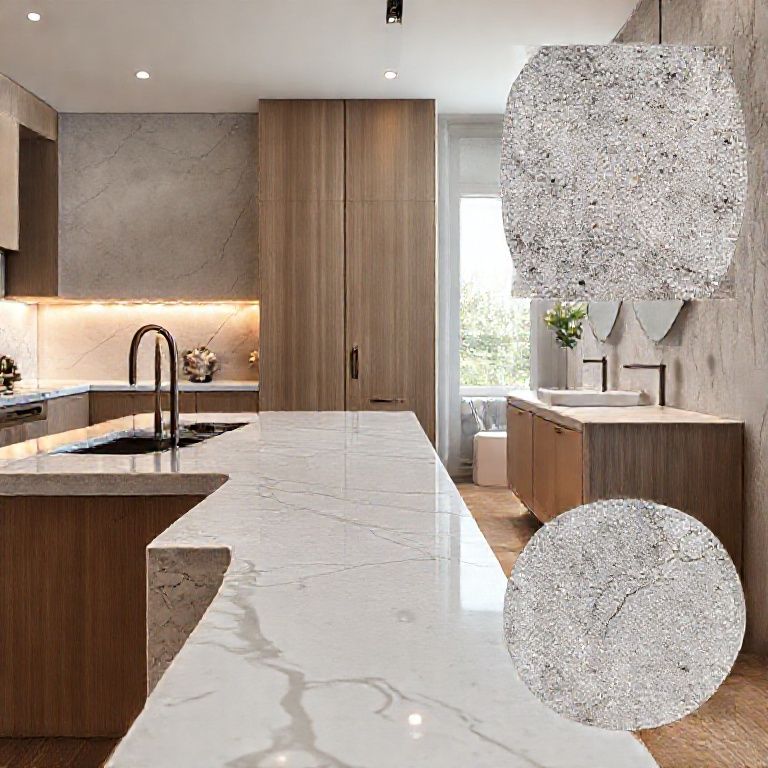
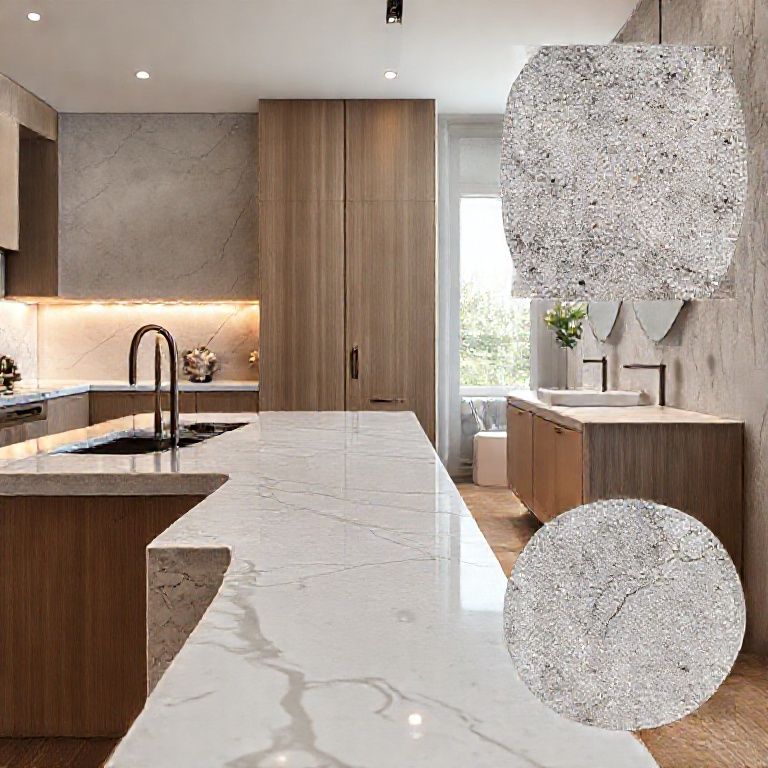
Artificial marble is typically composed of a combination of minerals, resins, pigments, and various additives. The primary ingredients include marble dust, which provides the base structure and aesthetic appeal, along with resins that bind the particles together to create a solid, cohesive material. This composition is then infused with pigments to mimic the look of natural stone, ranging from granite to onyx.
While artificial marble offers many benefits, such as resistance to scratches, stains, and heat, its manufacturing process involves the use of adhesives and resins that can release formaldehyde—a colorless, pungent gas known for its use in preserving biological specimens and its role in making artificial materials more durable and long-lasting. Formaldehyde is a volatile organic compound (VOC) that can evaporate into the air, leading to concerns about indoor air quality and health.
Understanding the composition of artificial marble is essential in assessing the potential for formaldehyde release. Manufacturers often use various resins like polyurethane, epoxy, and melamine, which are known to contain formaldehyde. The extent of formaldehyde emissions can vary significantly based on the specific formulation and manufacturing process.
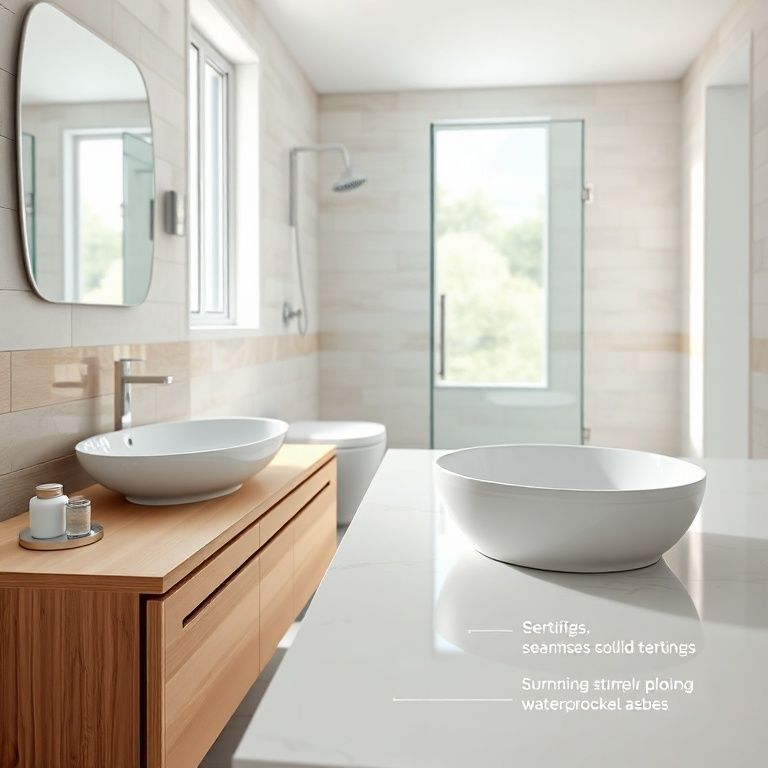
The formaldehyde content in artificial marble is a crucial factor that influences its safety for indoor use. According to studies, the concentration of formaldehyde can vary widely depending on the type of resin used and the production techniques employed. For instance, resins with higher formaldehyde content are more likely to release more of the compound into the air. To mitigate these risks, some manufacturers opt for low-formaldehyde or formaldehyde-free resins, but the availability and effectiveness of these alternatives can vary.
It’s also important to consider the curing process of artificial marble. During the curing process, resins harden and set, which can release formaldehyde into the surrounding environment. This phase is critical as it determines the initial level of formaldehyde emissions, which can be significantly higher than those released after the material has fully cured.
In the next part of this exploration, we will delve deeper into the health implications of formaldehyde exposure, the regulatory standards in place, and practical steps you can take to minimize the risks associated with artificial marble in your home.

Health Implications and Mitigation Strategies
The health implications of formaldehyde exposure are significant, particularly in the context of indoor environments where concentrations can build up over time. Formaldehyde is classified as a human carcinogen by the International Agency for Research on Cancer (IARC), meaning it has been identified as a substance that can cause cancer in humans. It is also linked to other health issues such as respiratory problems, skin irritation, and allergic reactions.
When considering the use of artificial marble in home environments, it is crucial to understand the potential health risks associated with formaldehyde exposure. Prolonged exposure to high levels of formaldehyde can lead to various health issues, including:
Respiratory Problems: Inhalation of formaldehyde can cause respiratory irritation, leading to symptoms such as coughing, wheezing, and shortness of breath. Chronic exposure may contribute to more serious respiratory conditions such as asthma and chronic obstructive pulmonary disease (COPD).
Skin Irritation: Direct contact with formaldehyde can result in skin irritation, including redness, itching, and rashes. For individuals with sensitive skin or pre-existing skin conditions, the impact can be more pronounced.
Allergic Reactions: Formaldehyde can trigger allergic reactions in susceptible individuals. Symptoms may include sneezing, nasal congestion, eye irritation, and skin allergies.
Carcinogenic Effects: As a known carcinogen, formaldehyde is linked to an increased risk of developing certain cancers, particularly nasopharyngeal cancer and leukemia. While the risk is generally low in typical indoor environments, prolonged and high-level exposure can elevate the risk.
To mitigate the health risks associated with formaldehyde in artificial marble, several strategies can be employed:
Choose Low-Formaldehyde Products: When selecting artificial marble, opt for products labeled as low-formaldehyde or formaldehyde-free. These products use resins and additives that minimize formaldehyde emissions, offering a safer alternative.
Proper Ventilation: Ensuring adequate ventilation in areas where artificial marble is installed can help reduce formaldehyde concentrations. Opening windows, using exhaust fans, and maintaining air circulation can dilute and disperse formaldehyde in the air.
Curing Period: Allowing the artificial marble to cure properly before use can significantly reduce initial formaldehyde emissions. The curing period allows resins to harden and minimizes the release of volatile compounds.
Monitoring Indoor Air Quality: Regular monitoring of indoor air quality can help detect any unusual levels of formaldehyde or other VOCs. Using air purifiers with activated carbon filters can also help in capturing and removing formaldehyde from the air.
Use of Activated Charcoal: Activated charcoal filters are effective at absorbing formaldehyde and other VOCs. Placing these filters in areas with artificial marble can help in maintaining healthier indoor air quality.
Professional Installation: Ensuring that artificial marble is installed by professionals who follow best practices can help in minimizing the release of formaldehyde during the installation process. Proper installation techniques can prevent issues such as improper curing and excessive dust generation.
In the context of home renovation and design, making informed choices about materials and practices is essential for creating a safe and healthy living environment. By understanding the composition and potential risks associated with artificial marble and taking proactive steps to mitigate these risks, homeowners can enjoy the benefits of this durable material while safeguarding their health.
In conclusion, while artificial marble offers many advantages for home renovation, it is important to be aware of its potential formaldehyde content and take appropriate measures to ensure a healthy indoor environment. By choosing low-formaldehyde products, ensuring proper ventilation, and following best practices for installation and maintenance, you can enjoy the beauty and durability of artificial marble without compromising on health and safety.