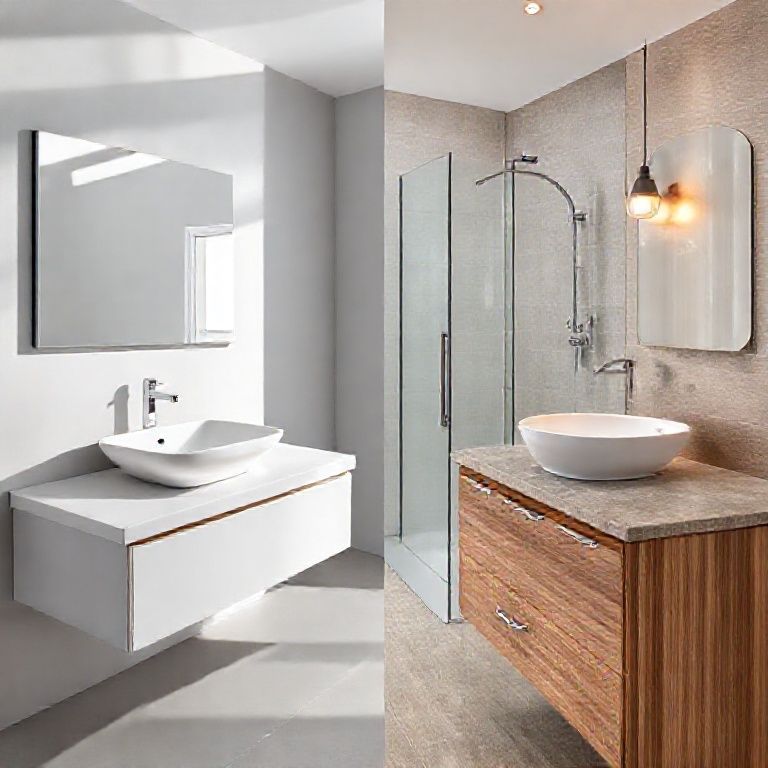
Curious about whether artificial marble emits formaldehyde? Dive into our comprehensive guide to uncover the facts. From the materials used in artificial marble to its environmental impact, we break down everything you need to know to make an informed decision.

artificial marble, formaldehyde, indoor air quality, health risks, renovation, home decor, sustainable materials, building materials, indoor pollution, environmental impact
The Hidden Truth Behind Artificial Marble and Formaldehyde Levels: What You Need to Know
Artificial marble has revolutionized the world of home and office décor, offering a stunning, durable, and cost-effective alternative to traditional natural stone. However, with its rise in popularity comes a series of questions about its safety and environmental impact. One of the most pressing concerns is whether artificial marble emits formaldehyde—a question many homeowners and renters grapple with.
Understanding Artificial Marble
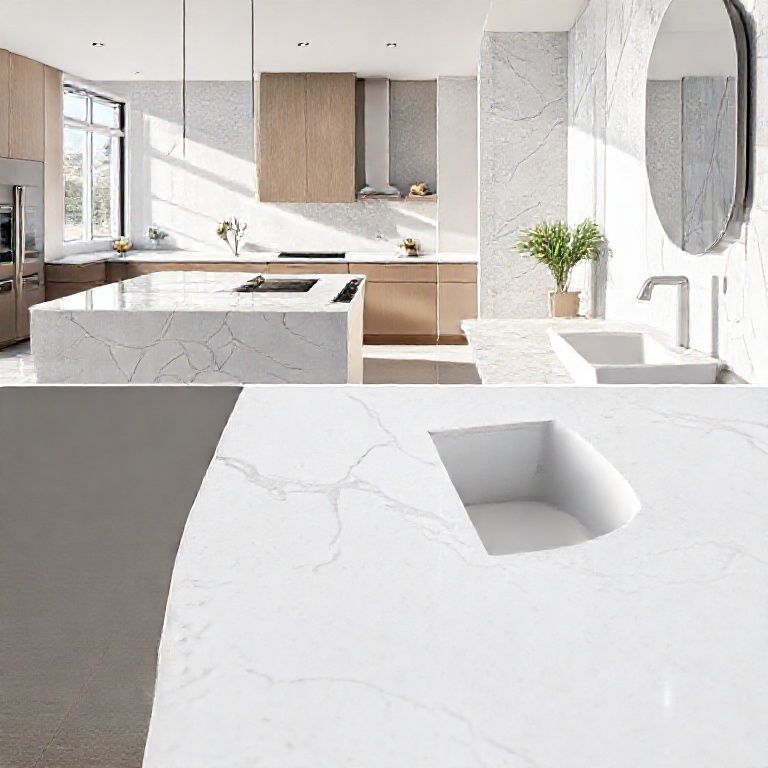
Artificial marble, often referred to as cultured stone, is a composite material made from a combination of calcium carbonate (the primary component of natural stone) and other materials like resins, pigments, and additives. This combination is processed under high heat and pressure to form a solid, stone-like material that is both aesthetically pleasing and durable. The process is highly controlled, allowing manufacturers to create a wide variety of colors and designs.
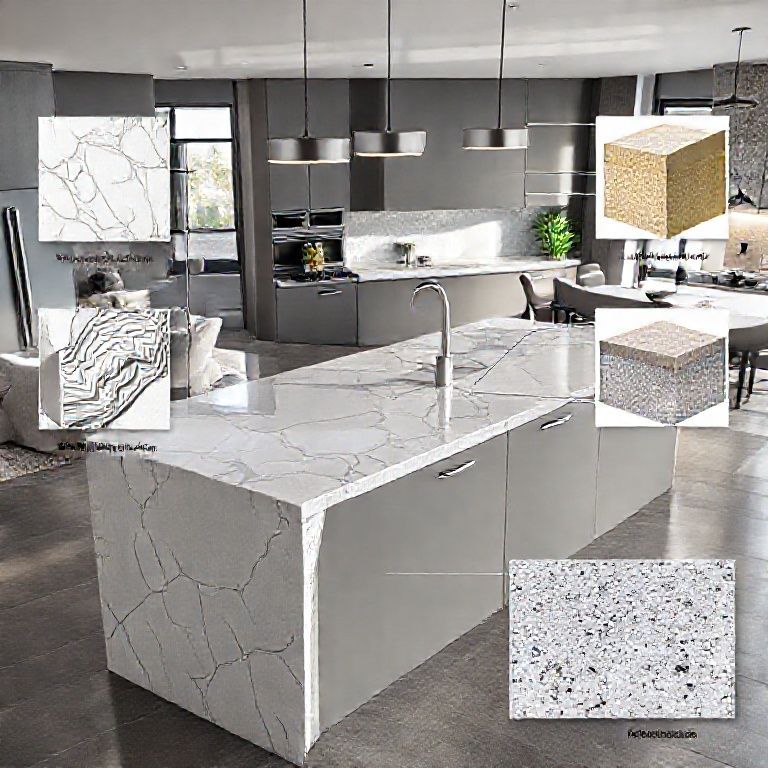
Formaldehyde: The Big Question
Formaldehyde is a colorless, pungent gas often used as a preservative and disinfectant. In building materials, formaldehyde is frequently used as a resin binder. Concerns arise when formaldehyde escapes from these materials into the air, potentially leading to health issues like respiratory problems, skin irritation, and other more severe long-term effects.
Myth vs. Reality: Does Artificial Marble Emit Formaldehyde?
The debate over whether artificial marble emits formaldehyde largely stems from misconceptions and a lack of detailed understanding about the material itself. Here’s the reality: while artificial marble does contain resins and other binders that may release formaldehyde during production, the levels emitted once the material is installed are minimal. This is largely due to the fact that most of the formaldehyde is trapped within the solid structure of the artificial marble.
Regulatory Standards and Safety Measures
To ensure that building materials are safe for indoor use, regulatory bodies around the world have established strict guidelines for formaldehyde emissions. In the United States, for example, the Environmental Protection Agency (EPA) and the Consumer Product Safety Commission (CPSC) set forth these standards. Artificial marble manufacturers adhere to these regulations to ensure their products meet safety criteria.
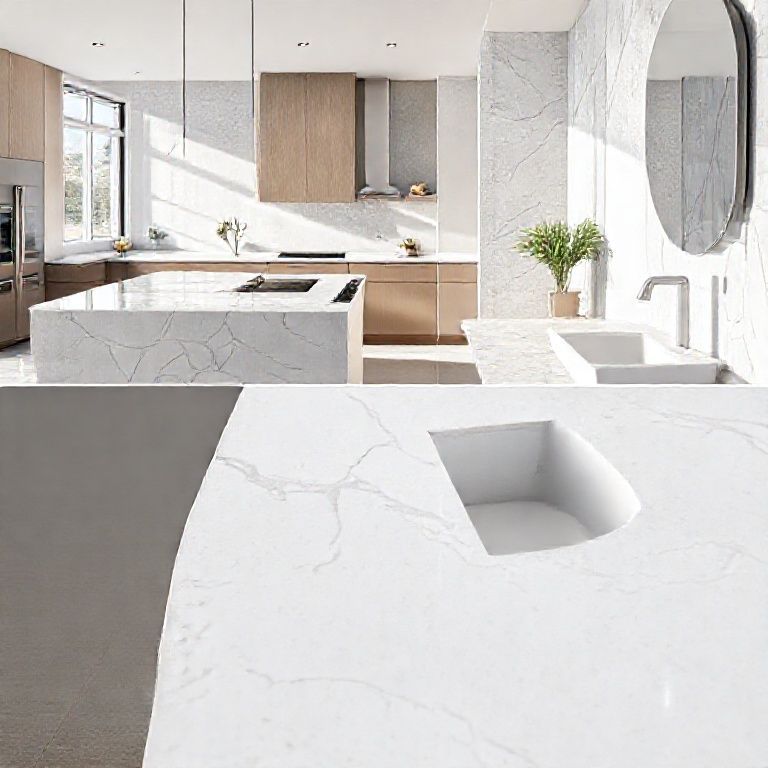
Moreover, third-party testing and certification from recognized organizations like Underwriters Laboratories (UL) or the American Society for Testing and Materials (ASTM) provide additional assurance. These certifications confirm that the formaldehyde levels emitted by artificial marble are within acceptable limits, making it a safe option for indoor use.
Environmental Impact and Sustainable Practices
The production of artificial marble does have an environmental footprint, primarily due to the energy required for the high-pressure and high-temperature processes involved. However, advancements in manufacturing technology and the use of eco-friendly resins have significantly reduced this impact.
Sustainable practices in the production of artificial marble include using recycled materials and developing formulations that minimize harmful emissions. Many manufacturers now offer low-VOC (volatile organic compounds) alternatives, further reducing the environmental and health impact.
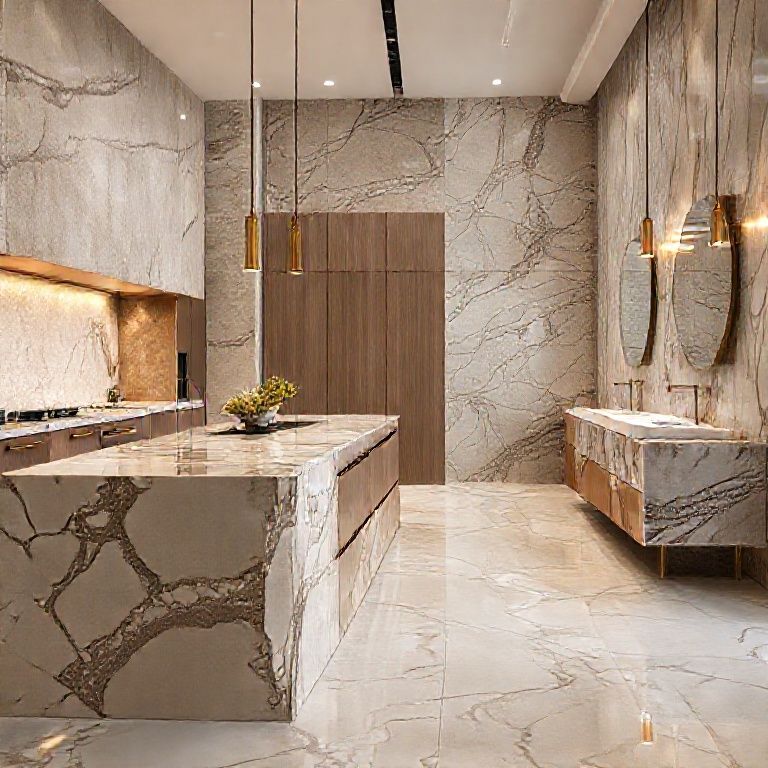
The Benefits of Artificial Marble
Beyond the safety concerns, artificial marble offers numerous advantages:
Durability: Artificial marble is highly resistant to scratches, stains, and impact, making it ideal for high-traffic areas like kitchens and bathrooms. Variety: It comes in a wide range of colors and patterns, allowing for endless design possibilities. Cost-Effectiveness: Often more affordable than natural stone, making it accessible for a broader range of budgets. Maintenance: Requires minimal maintenance compared to natural stone, which can be prone to staining and requires regular sealing.
Making an Informed Choice
When considering artificial marble for your home or office, it’s essential to choose products from reputable manufacturers who adhere to safety and environmental standards. Look for certifications and third-party testing results to ensure that the product meets all necessary safety criteria.
Additionally, proper installation is crucial to minimize any potential for formaldehyde or other VOC emissions. Working with experienced professionals who understand the properties and best practices for artificial marble will help ensure a safe and beautiful installation.
Conclusion
In conclusion, while concerns about formaldehyde emissions from artificial marble are valid, the reality is that properly manufactured and installed artificial marble poses minimal risk to indoor air quality. By choosing high-quality products from reputable sources and ensuring proper installation, you can enjoy the beauty and durability of artificial marble without worrying about its impact on your health and environment.
The Hidden Truth Behind Artificial Marble and Formaldehyde Levels: What You Need to Know
The Science Behind Artificial Marble
To fully understand whether artificial marble emits formaldehyde, it’s essential to delve deeper into the science behind its creation and composition. Artificial marble is essentially a synthetic stone made from a blend of natural and synthetic components.
The Composition of Artificial Marble
The primary ingredients in artificial marble include:
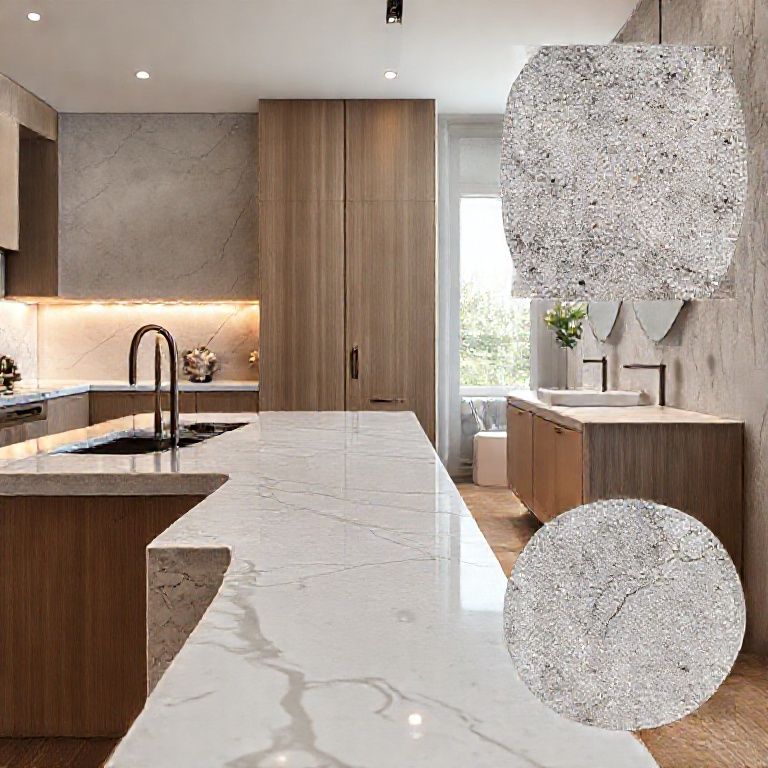
Calcium Carbonate: This is the main component, derived from natural sources like limestone. It provides the bulk of the material’s weight and structural integrity. Resins and Binders: These are synthetic materials that act as glue, holding the calcium carbonate particles together. Epoxy, polyester, and polyurethane resins are commonly used. Pigments: Natural and synthetic dyes that give artificial marble its myriad of colors and patterns. Additives: Various substances that enhance the material’s properties, such as UV stabilizers, plasticizers, and anti-fungal agents.
The Manufacturing Process
The creation of artificial marble involves several steps:
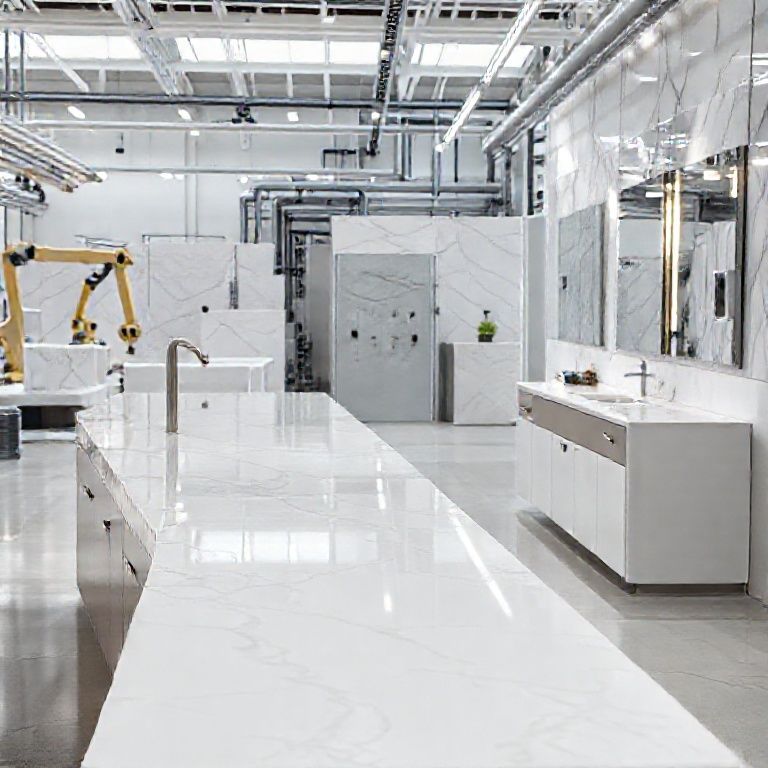
Mixing: The raw materials are mixed together to form a slurry. Molding: The slurry is poured into molds and subjected to high pressure and temperature to form solid blocks. Cutting and Shaping: The blocks are cut and shaped into slabs or tiles according to design specifications. Finishing: The surfaces are polished and smoothed to achieve the desired aesthetic.
Formaldehyde Emissions: A Closer Look
The central concern with artificial marble and formaldehyde revolves around the resins used in its production. During the manufacturing process, formaldehyde is indeed used as a binder. However, its presence in the final product is significantly reduced due to the high-pressure and high-temperature conditions that solidify the material.
Curing Process
After the initial manufacturing, artificial marble undergoes a curing process. During curing, the resins fully polymerize, trapping any residual formaldehyde within the solid structure. This means that once installed, the levels of formaldehyde emitted are minimal.
Safety Regulations and Standards
To ensure that artificial marble is safe for indoor environments, it must comply with stringent safety regulations. Various international and national bodies set forth guidelines for formaldehyde emissions:
EPA (Environmental Protection Agency): In the United States, the EPA sets limits on formaldehyde emissions from various consumer products, including building materials. CPSC (Consumer Product Safety Commission): This body ensures that products on the market do not pose unreasonable risks of harm. ISO (International Organization for Standardization): Provides international standards for various products, including building materials.
Certification and Testing
To verify that artificial marble meets safety standards, manufacturers often undergo third-party testing and certification:
UL (Underwriters Laboratories): A global safety science company that tests products to ensure they meet safety standards. ASTM (American Society for Testing and Materials): Establishes standards for a wide range of materials, including building products. EMIT (Emission Measurement and Information Technology): Provides comprehensive testing for indoor air quality, including formaldehyde levels.
Real-World Data and Research
Numerous studies and real-world data support the safety of artificial marble when installed and maintained properly. For instance:
A study by the National Institute of Standards and Technology (NIST): Found that formaldehyde emissions from properly manufactured and installed artificial marble are within safe limits. Environmental Impact Reports: Show that the environmental impact of artificial marble can be minimized through sustainable manufacturing practices.
Addressing Health Concerns
While the scientific consensus supports the safety of artificial marble, it’s crucial to address any health concerns proactively. Here are some tips for ensuring the safety of artificial marble in your home or office:
Choose Certified Products: Opt for artificial marble that has been tested and certified by reputable organizations. Proper Installation: Ensure that the product is installed by qualified professionals who understand its properties. Ventilation: Maintain good ventilation in areas where artificial marble is used to minimize any potential for indoor air quality issues. Regular Maintenance: Clean and maintain artificial marble surfaces according to manufacturer guidelines to prevent issues like staining and mold growth.
Sustainable Alternatives
For those who are particularly concerned about environmental impact, some manufacturers are developing more eco-friendly versions of artificial marble. These products use sustainable materials and processes that reduce energy consumption and emissions during production.
The Future of Artificial Marble
The future of artificial marble looks promising, with ongoing advancements in technology and materials science. Innovations such as:
Low-VOC Formulas: Further reducing harmful emissions. Biodegradable Components: Using natural, renewable materials that can break down more easily after their useful life. Enhanced Durability: Developing products that offer even greater resistance to wear and environmental factors.
Conclusion
更多的健康和环境考虑
健康影响
虽然科学研究和实际数据表明,经过适当制造和安装的人造大理石对健康影响很小,但依然有一些细节需要特别注意:
初始安装期:在人造大理石安装后的初期,可能会有少量的甲醛释放。这是因为制造过程中的一些化学物质在初期可能会有短暂释放。因此,在新装修的房间里,特别是密闭空间,建议保持良好的通风。
长期使用:经过充分的固化处理,人造大理石的甲醛释放量会显著降低。长期使用中,其对健康的风险可以忽略不计。
环境影响
生产过程:人造大理石的生产过程中确实会产生一些污染,包括化学品的使用和能源的消耗。现代制造技术和材料科学的进步使得这些影响得以有效控制。
可持续发展:一些品牌和制造商正在致力于开发更加环保的材料和生产方法。例如,使用再生材料和更清洁的能源,减少碳足迹。
如何选择高质量的人造大理石
要确保选择的人造大理石安全且环保,可以从以下几个方面入手:
认证和标准:选择通过国际或国家标准认证的产品,比如ISO、UL、ASTM等。这些认证通常会确保产品在生产过程和成品中的甲醛释放量在安全范围内。
品牌和声誉:选择有良好声誉和长期行业经验的品牌。这些品牌通常在材料选择和生产工艺上更为严格,产品质量也更为可靠。
用户评价和建议:通过网上的用户评价和建议,了解其他使用者的真实体验。这可以提供一些有用的信息,帮助你做出更明智的选择。
厂家提供的测试报告:一些高质量的制造商会提供第三方测试报告,详细说明其产品的环保性能,包括甲醛释放量。
安装和维护
专业安装:确保人造大理石由专业人员安装,这样可以避免因安装不当导致的潜在问题。
定期维护:定期清洁和维护人造大理石表面,可以保持其美观和功能,同时防止污渍和其他损害。
总结
经过适当的制造、安装和维护,人造大理石是一种安全且环保的建筑材料。它的优点在于耐用性、多样性和经济性。对于对健康和环境有特别关注的人来说,选择认证高质量的产品,并保持良好的通风和定期维护,是确保其安全性的关键。