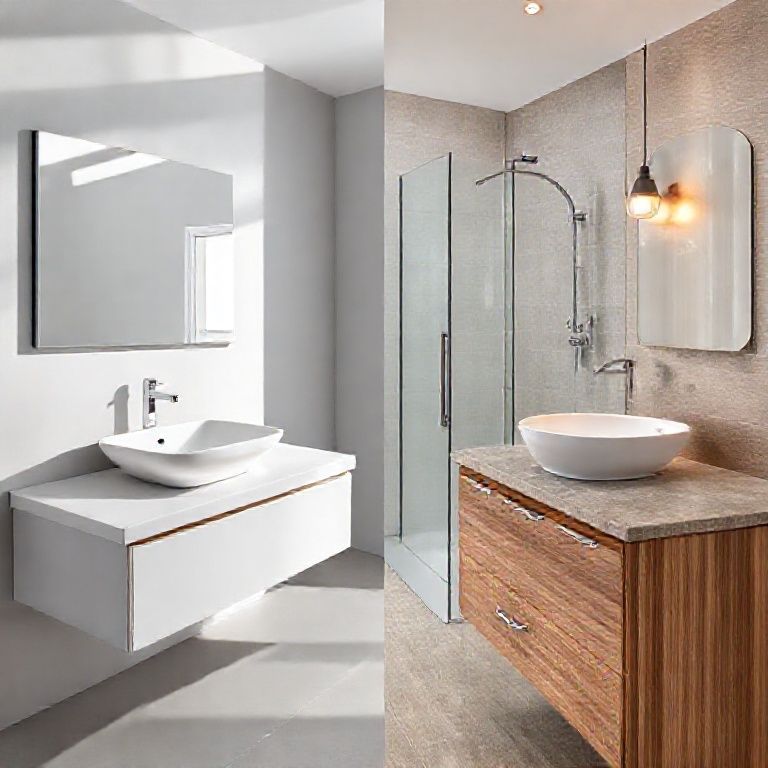
The Intricacies and Hidden Secrets Behind Why Marble is Rarely Used by Most People
In the world of luxury materials, marble stands out as a symbol of opulence, history, and elegance. Yet, despite its stunning aesthetic appeal and enduring presence in architecture and design, marble is seldom chosen by the general population. There are several compelling reasons behind this intriguing phenomenon. This first part will explore the primary factors that make marble a daunting choice for most people.

1. High Maintenance Requirements
One of the most significant reasons marble is rarely used by the general public is its high maintenance needs. Unlike more durable materials, marble requires meticulous care to maintain its pristine appearance. It is a porous stone that absorbs stains easily, making it vulnerable to discoloration from even minor spills. To keep marble surfaces looking immaculate, regular cleaning with specific marble cleaners and the application of protective sealants are essential. This level of upkeep can be daunting for many people, especially those who value their time and prefer low-maintenance options.
2. Susceptibility to Damage
Marble’s inherent porosity makes it highly susceptible to damage. This susceptibility extends to both physical and chemical damage. Physically, marble can be easily scratched and chipped, particularly by sharp objects or heavy furniture. Chemically, it can be stained by acidic substances such as wine, coffee, and certain cleaning agents. These vulnerabilities mean that marble requires constant vigilance to avoid accidental damage, which adds another layer of complexity to its care routine.
3. Cost Considerations
The cost of marble is another crucial factor that deters its widespread use. High-quality marble can be prohibitively expensive, both in terms of the material itself and the professional labor required to install and maintain it. The cost includes not only the marble slabs but also the skilled labor needed for precise cutting, installation, and regular maintenance. For many individuals and businesses, the financial investment in marble is simply not feasible, pushing them towards more affordable alternatives.
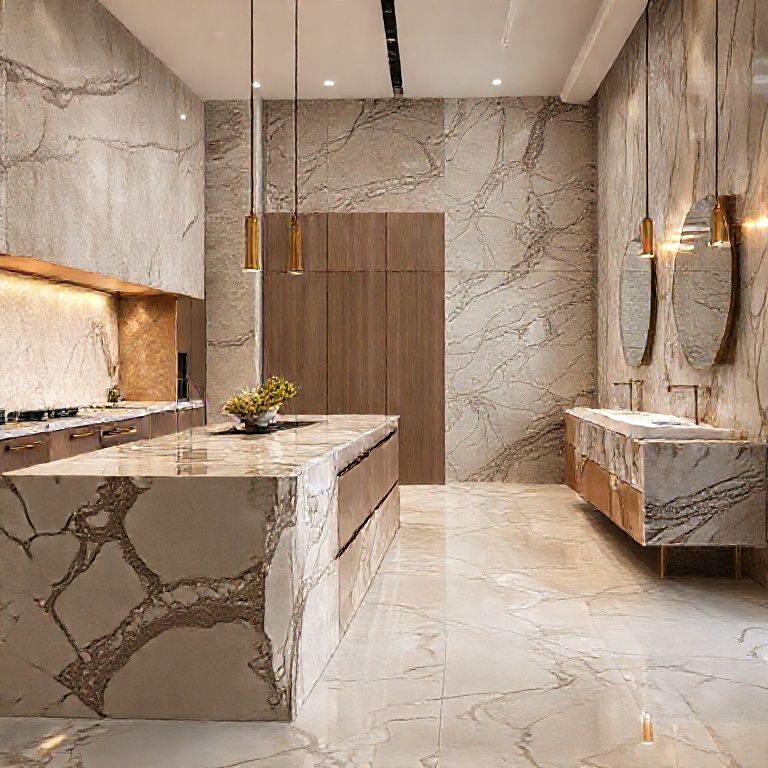
4. Limited Availability
While high-quality marble is available, it is often sourced from specific regions around the world, leading to limited availability. This limitation can drive up costs further, as transporting marble over long distances adds to the final price tag. The scarcity of certain types of marble can also make it difficult to find exactly the right shade or type, which may be a crucial factor for certain design projects.
5. Environmental Concerns
There are also environmental considerations that play a role in marble’s limited usage. The extraction and transportation of marble have significant environmental impacts. Quarrying can lead to habitat destruction and contribute to carbon emissions from transportation. For those who are conscious of their environmental footprint, these factors may be a deciding point against using marble.
6. Historical and Aesthetic Limitations
Marble has a long and storied history, often associated with ancient civilizations and monumental architecture. Its aesthetic appeal is undeniable, but this historical context can also be a limitation. For modern designs that favor contemporary aesthetics, the classic look of marble may not always align with current trends. Additionally, marble’s natural variations mean that achieving uniformity can be challenging, which might not be ideal for large-scale projects.
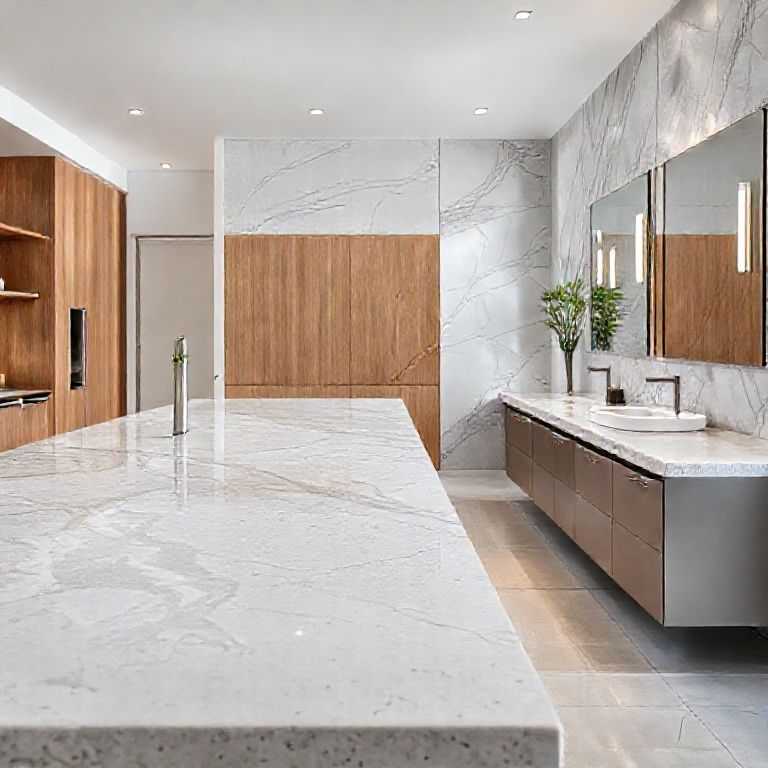
In the next part, we will continue our exploration into the less obvious reasons behind the rare usage of marble, including its interaction with modern lifestyles, and the myths and misconceptions that further deter its widespread adoption.
The Intricacies and Hidden Secrets Behind Why Marble is Rarely Used by Most People
Building on the factors discussed in the first part, this second installment will delve deeper into the subtler aspects that contribute to the limited use of marble among the general population. We will examine how modern lifestyles, societal perceptions, and the evolving design landscape further influence the reluctance to embrace marble.
1. Interaction with Modern Lifestyles
Modern lifestyles often prioritize practicality and convenience, which can clash with the demands of maintaining marble. Many contemporary households and commercial spaces seek materials that are not only durable but also easy to clean and maintain. The need for regular cleaning and sealing of marble surfaces can be seen as a hassle in fast-paced environments where time efficiency is crucial. Moreover, the risk of accidental damage in dynamic spaces further discourages the use of a material that requires such careful handling.
2. Societal Perceptions and Misconceptions
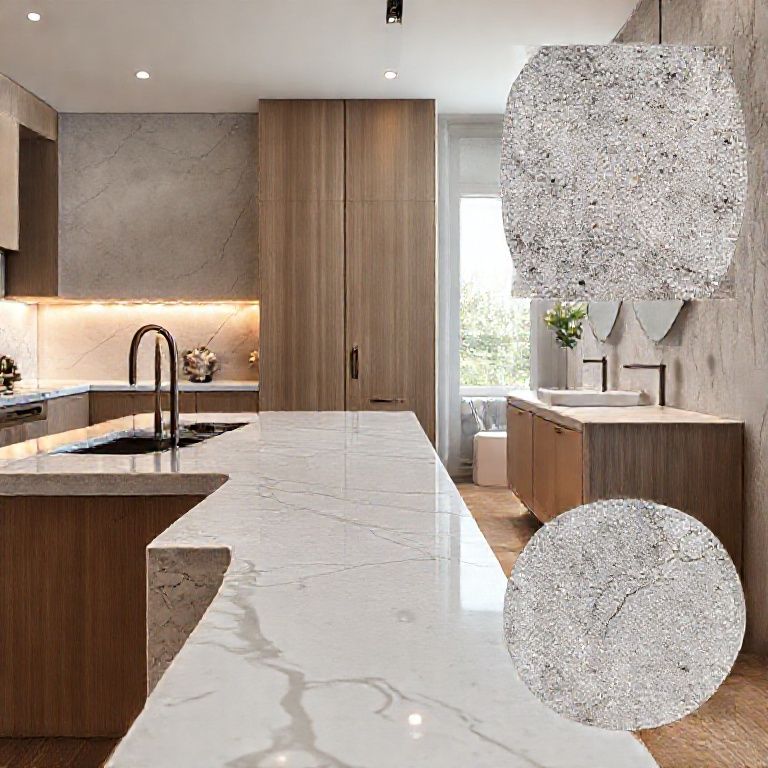
Societal perceptions play a significant role in the reluctance to use marble. There is a widespread misconception that marble is inherently fragile and expensive, which can deter potential users. While high-quality marble can be costly, there are various grades and types of marble that offer a range of price points. The misconception often stems from a lack of understanding about the different qualities and applications of marble, leading to an overgeneralized view that it is unsuitable for most uses.
3. Evolution of Design Trends
The design landscape has been shifting towards more minimalist and unconventional materials, which has impacted the use of traditional materials like marble. Modern design trends favor materials that are not only functional but also innovative and unique. This shift has led to a decline in the popularity of classic materials such as marble. Additionally, the rise of eco-friendly and sustainable design practices has prompted many to seek out alternative materials that are more environmentally friendly.
4. The Myth of Marble’s Indestructibility
One of the enduring myths about marble is that it is an indestructible, timeless material. While marble has a long history of durability, this myth can be misleading. The perception that marble does not require maintenance overlooks the reality of its care needs. Many people underestimate the effort required to keep marble surfaces looking their best, leading to a preference for materials that do not demand such rigorous upkeep.
5. Professional Expertise Requirement
Installing and maintaining marble requires a level of professional expertise that many people are not willing to invest in. Hiring skilled artisans for cutting, installation, and maintenance can be a significant financial burden. Additionally, finding professionals who have the specific knowledge to work with marble can be challenging, especially in regions where marble expertise is not widespread. This need for specialized services further limits the accessibility of marble for most users.
6. Alternatives with Similar Aesthetics
There are numerous alternative materials that offer similar aesthetics to marble but with less demanding care requirements. For instance, synthetic stone (quartz) and engineered stone provide the beauty and texture of marble without the porosity and maintenance challenges. These alternatives have gained popularity in recent years, offering a practical solution for those who desire the look of marble without the upkeep.
7. Cultural Factors
Cultural attitudes towards luxury materials also play a role in the limited use of marble. In some cultures, there is a preference for materials that are more readily available and easier to maintain. The cultural context can influence the perception and adoption of materials like marble. For example, in regions where concrete and other durable, low-maintenance materials are more common, the use of marble may be less prevalent.
Conclusion
In summary, the reasons why marble is rarely used by most people are multifaceted and complex. From high maintenance requirements and susceptibility to damage to cost considerations and environmental concerns, several factors contribute to its limited adoption. Additionally, modern lifestyles, societal perceptions, and evolving design trends further influence this reluctance. Despite its historical significance and aesthetic appeal, the practicalities of maintaining and using marble make it a challenging choice for many. As design trends continue to evolve, it will be interesting to see how the use of traditional materials like marble adapts to meet contemporary needs.
By understanding these intricate details, we can appreciate the unique beauty and challenges that marble presents, ultimately gaining a deeper insight into why it remains a material of choice for only a select few.