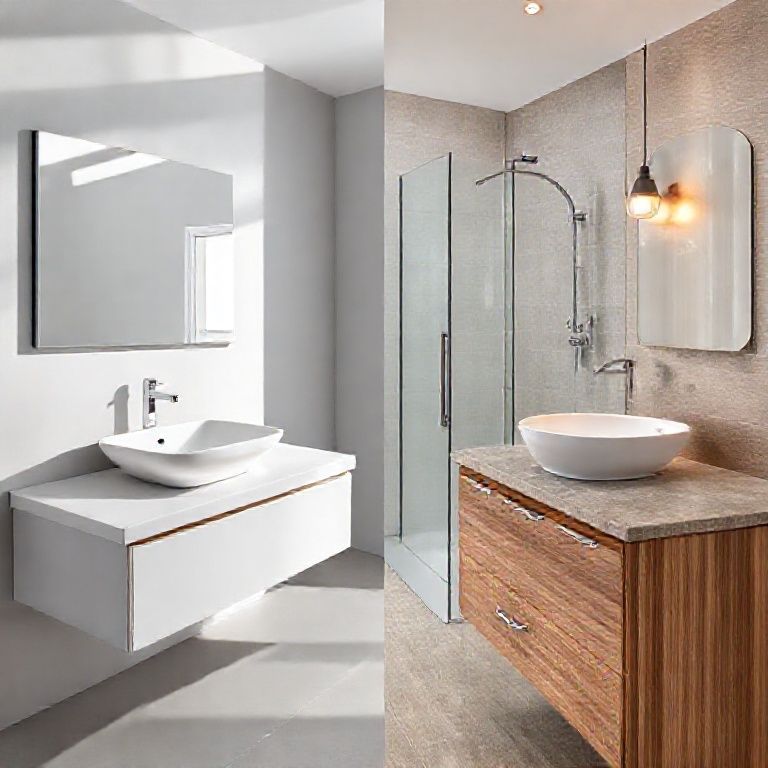
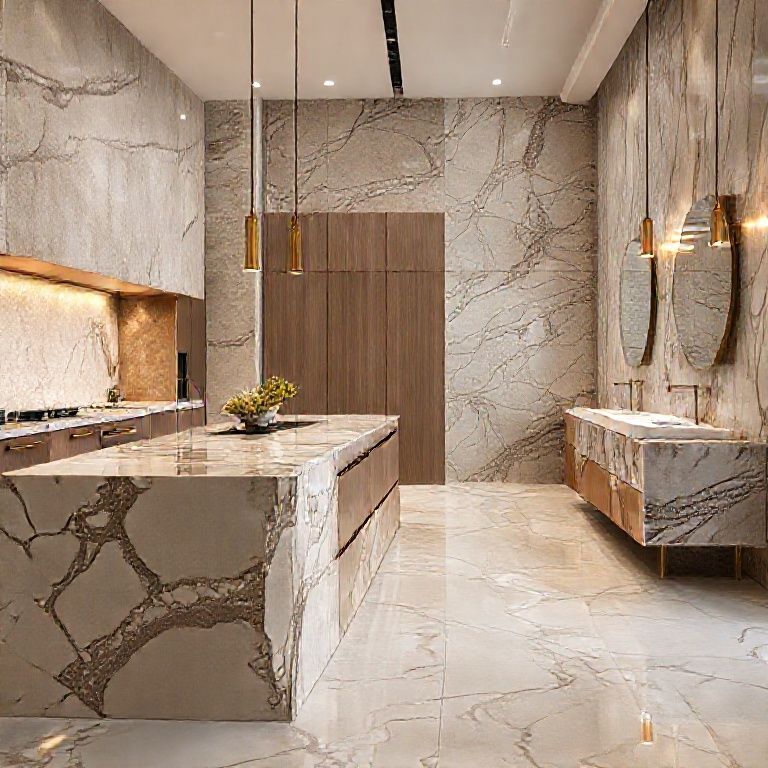
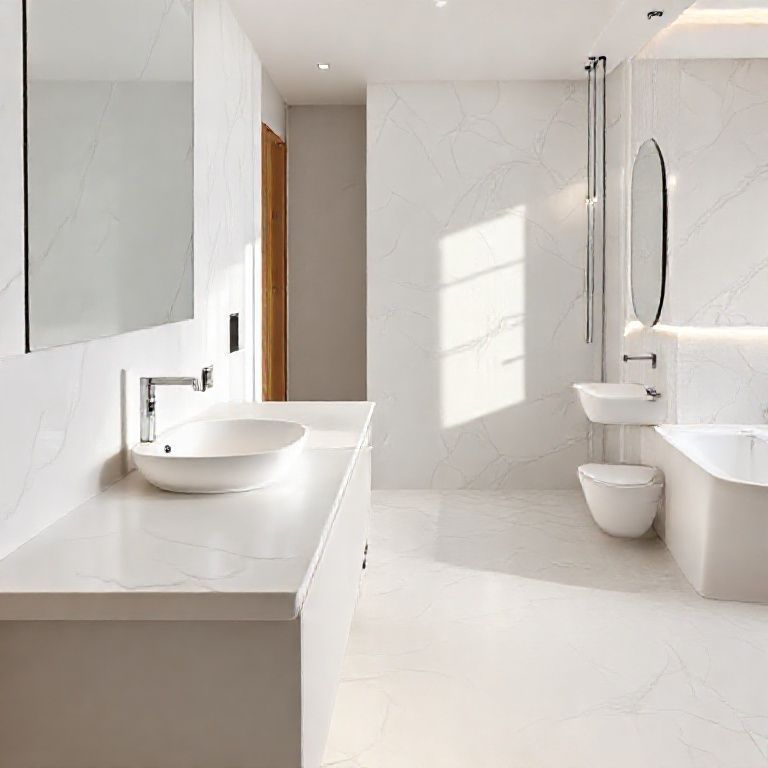
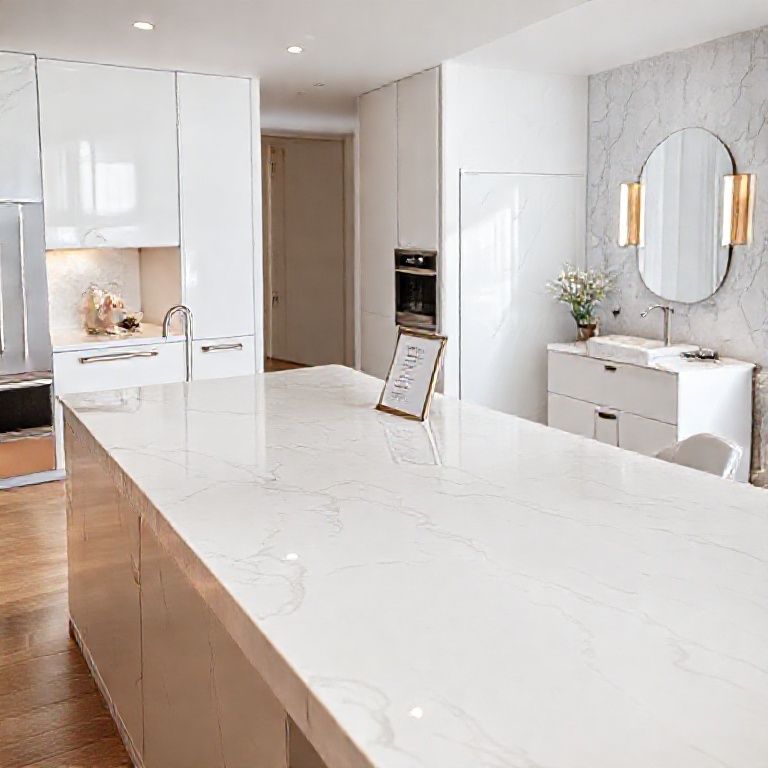
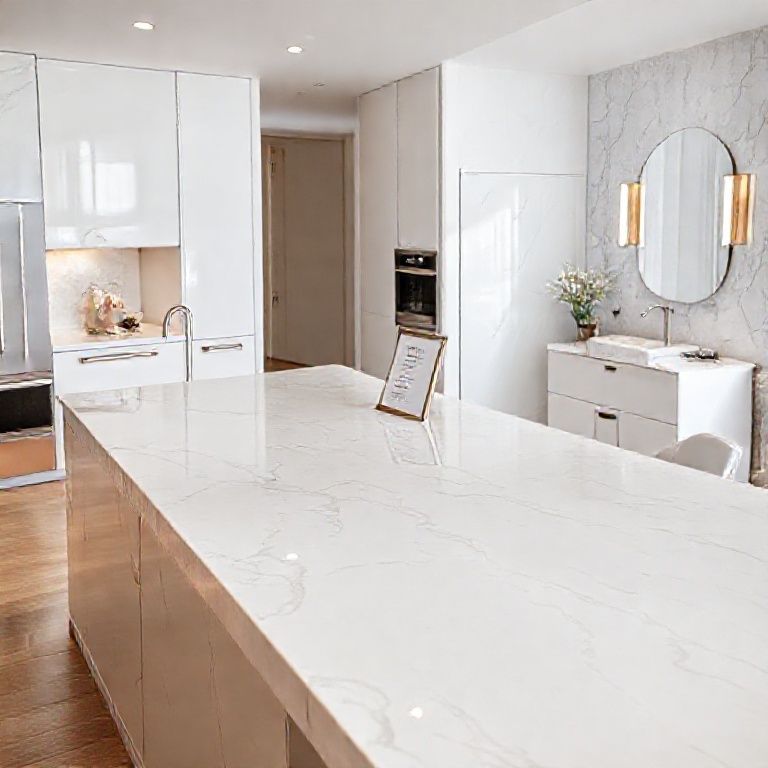
Discover the fascinating world of artificial marble, its composition, safety, and potential health impacts. This article unravels the complexities of this popular countertop material, offering you a comprehensive understanding of its benefits and possible concerns. Whether you’re a homeowner or a design enthusiast, this guide provides valuable insights into the material that’s reshaping modern interiors.

artificial marble, material composition, health safety, human body, harmful effects, countertop material, modern interiors, synthetic stone, health concerns, material safety
The Composition of Artificial Marble: Unveiling the Ingredients
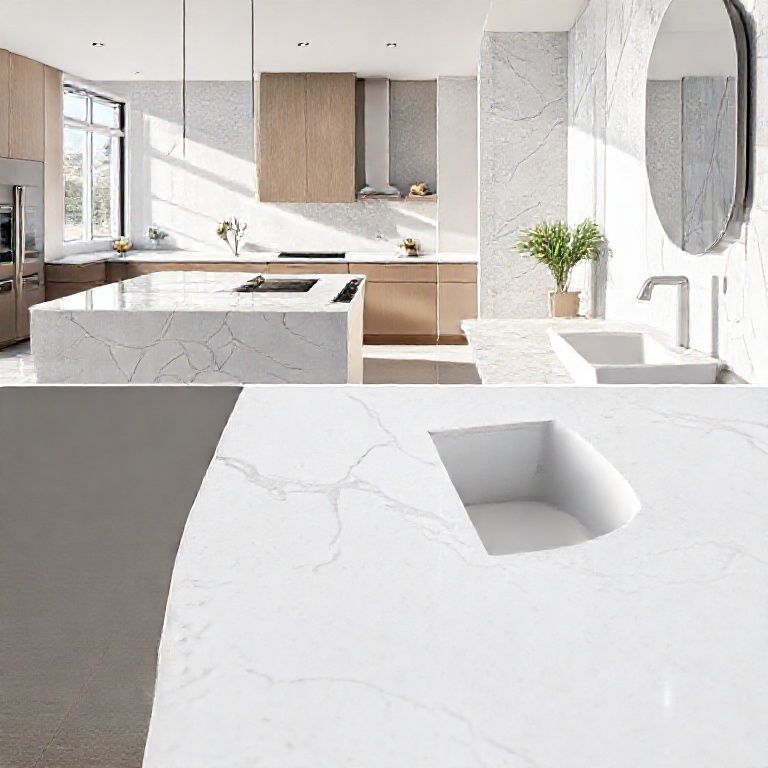
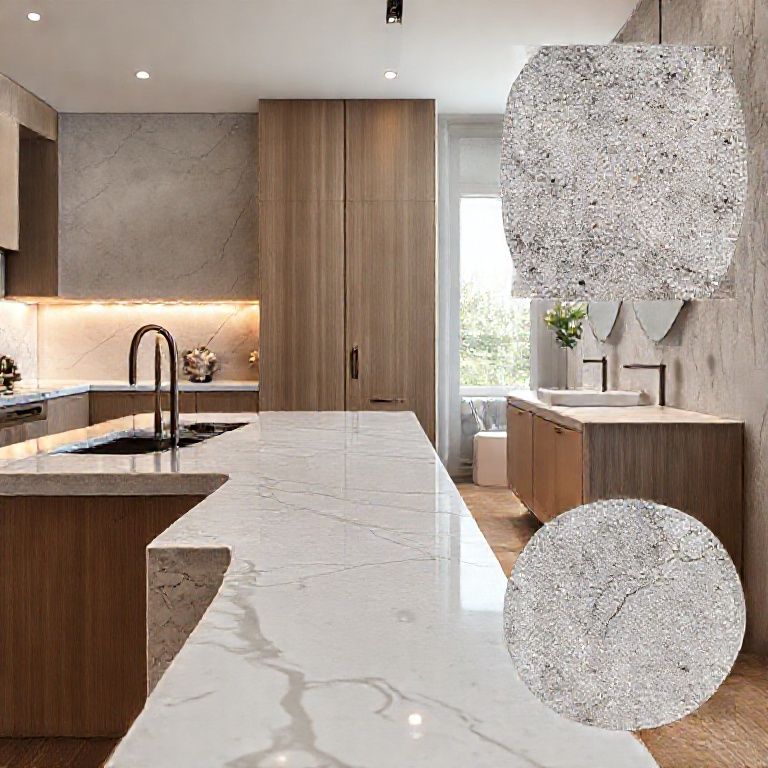
Artificial marble, also known as synthetic stone or quartz, has revolutionized the world of interior design with its stunning aesthetics and durability. This popular countertop material is primarily composed of a mixture of silica sand, calcium carbonate, and resins. Manufacturers often add pigments and dyes to achieve a wide array of colors and patterns, mimicking the appearance of natural marble.
Silica Sand: This is the primary ingredient in artificial marble, accounting for about 85-90% of its composition. Silica is a naturally occurring mineral that is also found in sand, quartz, and other natural stones. Its inclusion provides the material with strength and durability.
Calcium Carbonate: This compound lends additional hardness and stability to the material. Often sourced from crushed shells, limestone, or chalk, calcium carbonate helps in creating a more robust surface.
Resins: Polymer resins are used to bind the silica sand and calcium carbonate particles together, forming a solid and cohesive material. These resins are typically made from natural materials such as pine trees or synthetic alternatives.
Pigments and Dyes: To replicate the appearance of natural marble, manufacturers incorporate various pigments and dyes. These not only provide the desired color but also enhance the aesthetic appeal of the material.
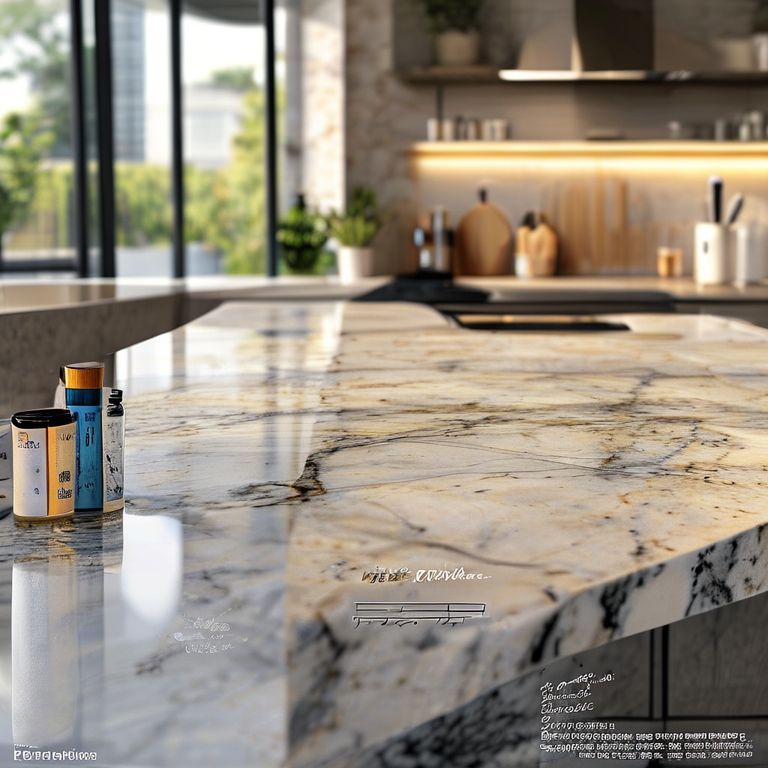
While artificial marble offers many advantages, it’s important to scrutinize its composition to understand any potential health implications.
Safety Concerns: Is Artificial Marble Harmful?
When evaluating the safety of artificial marble, it’s essential to consider how its components interact with the human body. Here’s a closer look at the potential health concerns:
Dust and Fumes: During the manufacturing process, particularly in cutting and polishing, dust and fumes can be released into the air. This dust primarily consists of silica particles, which can be harmful when inhaled over extended periods. Silica dust is a known carcinogen and can lead to respiratory issues, including silicosis, chronic bronchitis, and lung cancer.
Chemical Fumes: The resins and other chemicals used in the production of artificial marble can emit volatile organic compounds (VOCs). These fumes can cause short-term health effects such as headaches, dizziness, and irritation of the eyes, nose, and throat. In the long term, exposure to VOCs has been linked to more severe health issues like liver and kidney damage.
Acrylates and Other Additives: Some artificial marble products contain acrylates or other chemical additives to enhance their durability and resistance. These chemicals can off-gas and may cause skin irritation or respiratory problems, especially in individuals with pre-existing allergies or respiratory conditions.
Surface Treatment: To improve the appearance and durability of artificial marble, various surface treatments are applied. These treatments can include chemicals that may pose health risks if not handled or applied correctly.
Mitigating Risks: Best Practices for Safe Installation
Given these potential health concerns, it’s crucial to adopt best practices when working with artificial marble to minimize exposure to harmful substances:
Proper Ventilation: Ensure adequate ventilation during installation and finishing processes to disperse dust and fumes. Use exhaust systems or open windows to maintain a well-ventilated workspace.
Personal Protective Equipment (PPE): Wear appropriate PPE, including masks, gloves, and safety glasses, to protect against dust inhalation and skin contact with chemicals.
Quality Products: Opt for high-quality artificial marble products from reputable manufacturers. These products are often better regulated and contain safer, lower-VOC formulations.
Professional Installation: Consider hiring professional installers who are experienced in handling and applying artificial marble. They are trained to follow safety protocols and use the appropriate equipment to minimize health risks.
Post-Installation Cleaning: Use damp cleaning methods to reduce dust during the cleaning process. Avoid using harsh chemicals that can release additional VOCs.
By understanding the composition and potential health risks associated with artificial marble, you can make informed decisions and adopt best practices to ensure a safe and healthy environment in your home or workplace.
The Long-Term Impact of Artificial Marble on Health
Having explored the composition and immediate safety concerns of artificial marble, it’s essential to delve deeper into its long-term impact on health. This comprehensive analysis will address how prolonged exposure to artificial marble can affect various aspects of well-being.
Chronic Respiratory Issues: Silica Dust: The inhalation of silica dust over long periods is a significant concern. Prolonged exposure to silica particles can lead to chronic respiratory conditions such as silicosis. This disease causes inflammation and scarring of the lung tissue, leading to breathing difficulties and other complications. Respiratory Protection: To mitigate this risk, it is crucial to use appropriate respiratory protection, such as N95 masks, during any tasks that generate dust. Regular monitoring of air quality in work environments where artificial marble is handled can also help in early detection of elevated dust levels. Chemical Exposure and Chronic Health Conditions: VOCs and Off-Gassing: Extended exposure to VOCs emitted from artificial marble can lead to chronic health issues. These compounds have been linked to liver and kidney damage, as well as other systemic effects such as hormonal disruptions and reproductive issues. Low-VOC Alternatives: Opting for low-VOC or VOC-free artificial marble products can significantly reduce the risk of long-term chemical exposure. Additionally, ensuring proper ventilation and allowing sufficient curing time before use can minimize the release of harmful fumes. Dermal Reactions and Skin Health: Chemical Irritation: The chemicals used in the production and treatment of artificial marble can cause skin irritation and allergic reactions. Prolonged contact with these substances can exacerbate conditions like eczema and dermatitis. Skin Protection: Using protective gloves during installation and maintenance can prevent direct skin contact with harmful chemicals. Regular hand washing and moisturizing can also help maintain skin health. Environmental and Indoor Air Quality: Indoor Air Pollution: Artificial marble, like many other building materials, can contribute to indoor air pollution if not properly managed. Poor indoor air quality has been linked to a range of health problems, including headaches, fatigue, and respiratory issues. Indoor Air Purification: Utilizing air purifiers with HEPA filters can help improve indoor air quality. Additionally, maintaining good ventilation practices and using low-emission products can mitigate the impact on indoor air. Occupational Hazards: Professional Exposure: For individuals working with artificial marble in industries such as construction, manufacturing, and interior design, the risks are more pronounced. Extended occupational exposure increases the likelihood of developing chronic health issues related to dust and chemical exposure. Workplace Safety Regulations: Adhering to occupational safety regulations and guidelines can help protect workers. This includes regular training on safe handling practices, the use of personal protective equipment, and adherence to recommended exposure limits.
Sustainable and Healthier Alternatives
In light of the potential health risks associated with artificial marble, exploring sustainable and healthier alternatives is a prudent step. Here are some eco-friendly and safer options:
Natural Stone: While natural marble and granite are more expensive, they offer a timeless aesthetic and are generally less harmful compared to synthetic alternatives. Natural stones are typically lower in VOCs and do not release harmful dust during cutting and installation.
Bamboo and Wood Composites: These materials provide a sustainable and attractive alternative. Bamboo, in particular, is a fast-growing, renewable resource that offers durability and a unique aesthetic. Wood composites also provide a natural look without the health risks associated with artificial marble.
Eco-Friendly Resins: For those who prefer the look and feel of artificial marble, opting for products made with eco-friendly resins can be a viable option. These resins are designed to reduce VOC emissions and are generally safer for both users and the environment.
Plant-Based Materials: Innovations in material science have led to the development of plant-based materials that mimic the appearance of artificial marble. These materials are typically free from harmful chemicals and offer a sustainable alternative.
Conclusion: Making Informed Choices
Artificial marble offers undeniable benefits in terms of aesthetics, durability, and cost-effectiveness. However, understanding its composition and potential health risks is crucial for making informed choices. By adopting best practices for safe installation and maintenance, and exploring sustainable alternatives, you can enjoy the benefits of artificial marble while minimizing its potential impact on health.
Ultimately, the key to a healthy and safe environment lies in awareness, education, and proactive measures. By staying informed and taking appropriate actions, you can create spaces that are both beautiful and safe for you and your loved ones.
By breaking down the information into two parts, this article provides a comprehensive exploration of artificial marble, its composition, safety concerns, long-term health impacts, and sustainable alternatives, all in an engaging and attractive manner.