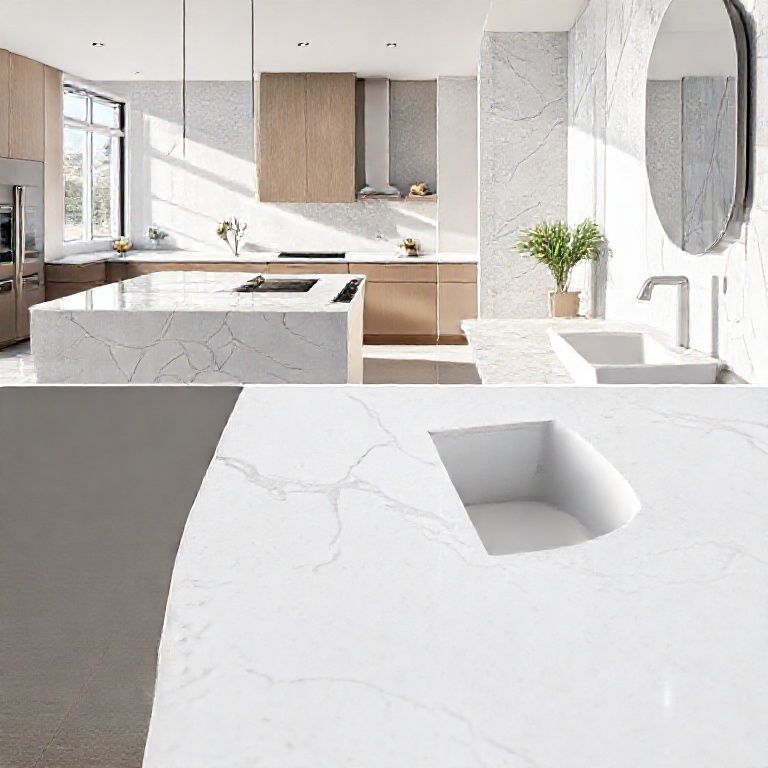
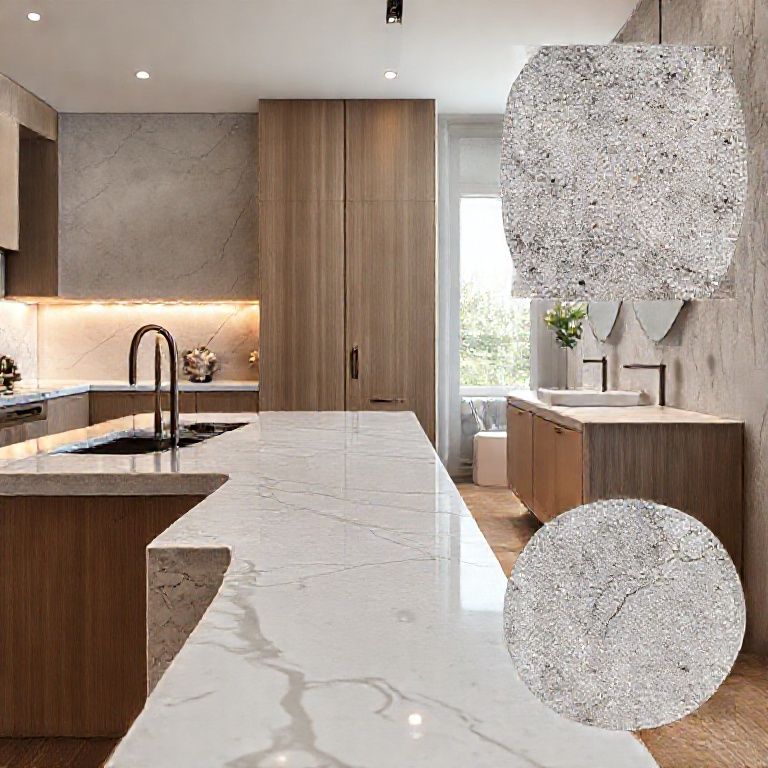
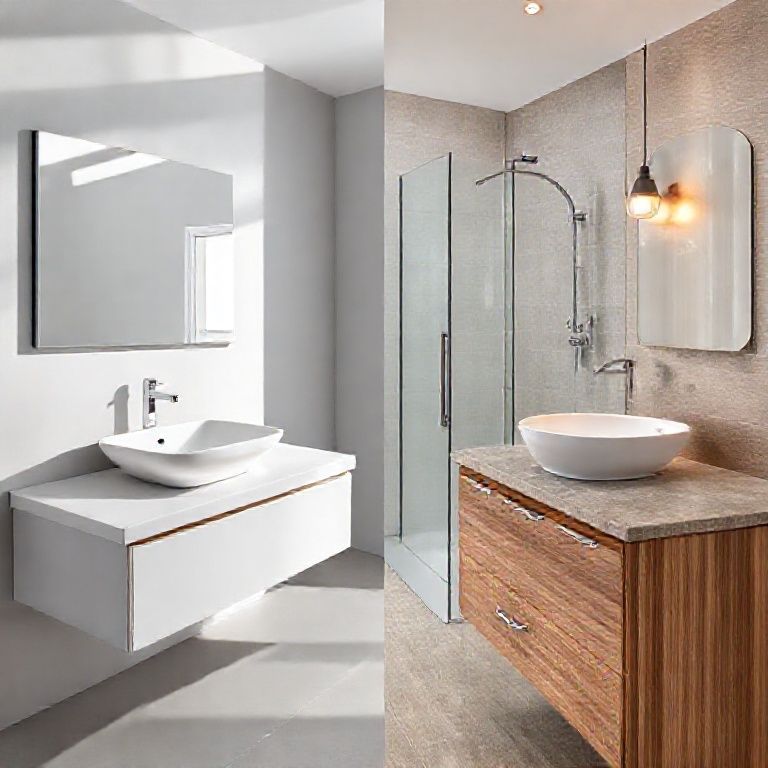
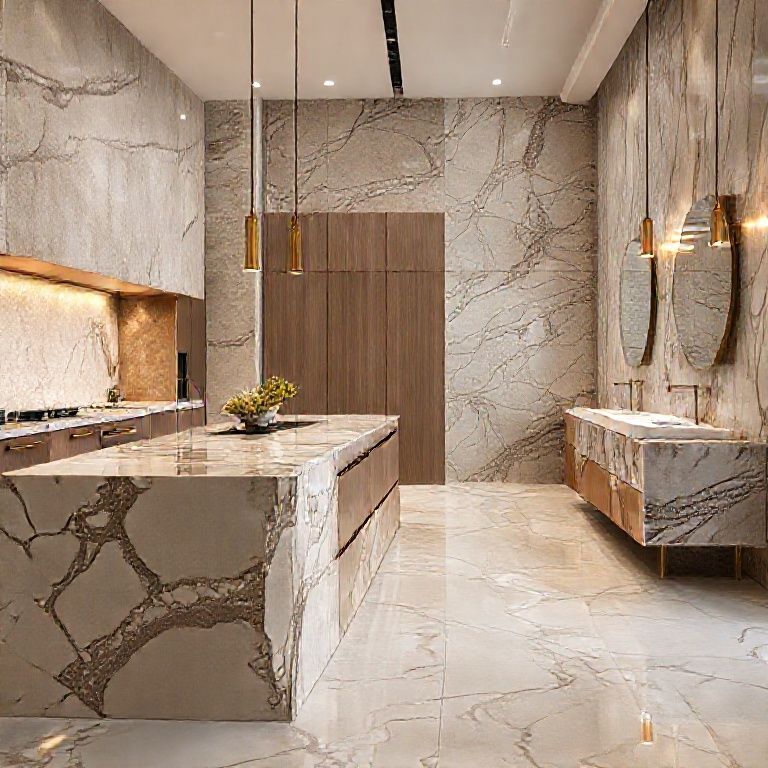
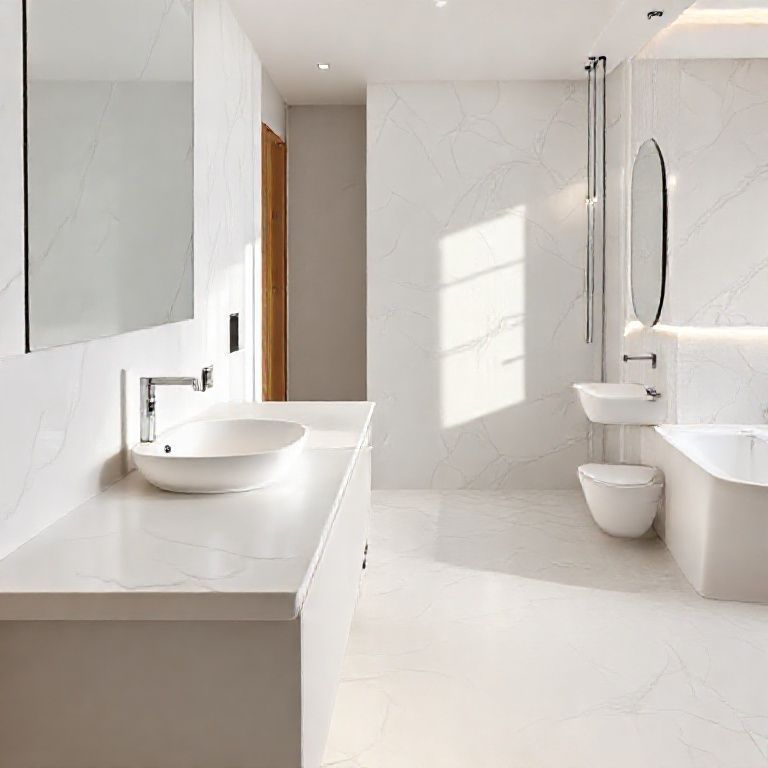
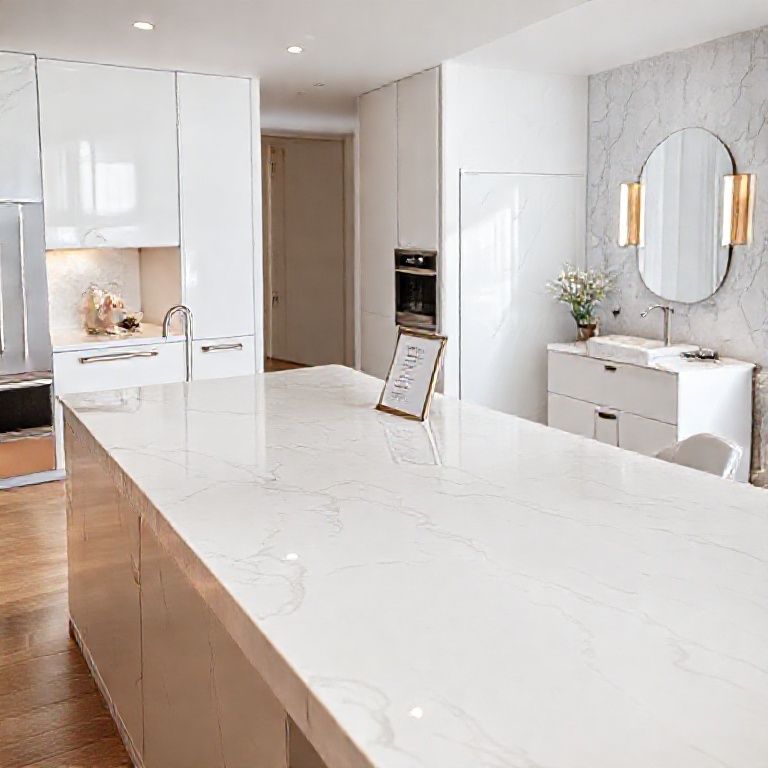
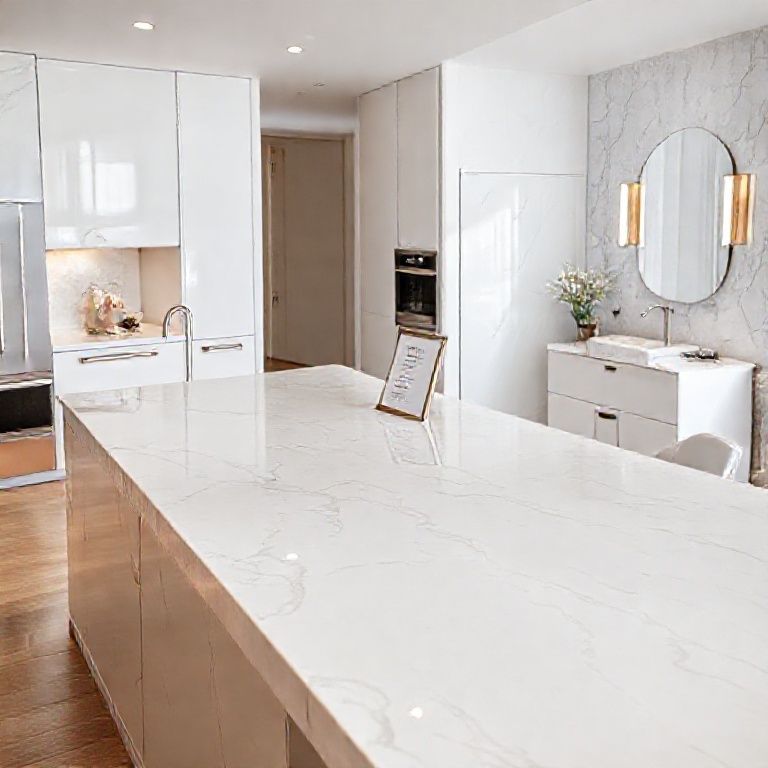
Dive into the world of luxury and elegance with our detailed comparison between artificial and natural marble. From material composition to aesthetic appeal, discover the key differences that can transform your space. Whether you’re a designer, a homeowner, or just a connoisseur of fine materials, this article is your ultimate guide to understanding the distinctions between these two exquisite types of marble.

artificial marble, natural marble, material composition, aesthetic appeal, durability, cost, installation, maintenance, luxury, elegance, design choices, sustainability, countertop, flooring, aesthetic differences
The Intricacies of Artificial vs. Natural Marble: Unveiling the Differences
When it comes to selecting the perfect material for your interior or exterior design, the choice between artificial and natural marble often stands out as one of the most significant. Both materials have their own unique allure and offer distinct advantages, making the decision a bit tricky for many. This first part of our exploration will delve into the fundamental aspects that distinguish artificial marble from natural marble, focusing on their material composition, aesthetic appeal, durability, and cost.
Material Composition
At the core, the primary difference between artificial and natural marble lies in their composition. Natural marble is a metamorphic rock formed from limestone, which undergoes intense heat and pressure over millions of years. This transformation results in a stone that boasts intricate patterns and rich colors, unique to each piece. In contrast, artificial marble, also known as engineered stone, is a composite material crafted from a blend of limestone, marble, and resin. This mixture is then heated and pressurized to form a solid, homogeneous material that mimics the appearance of natural marble.
Aesthetic Appeal
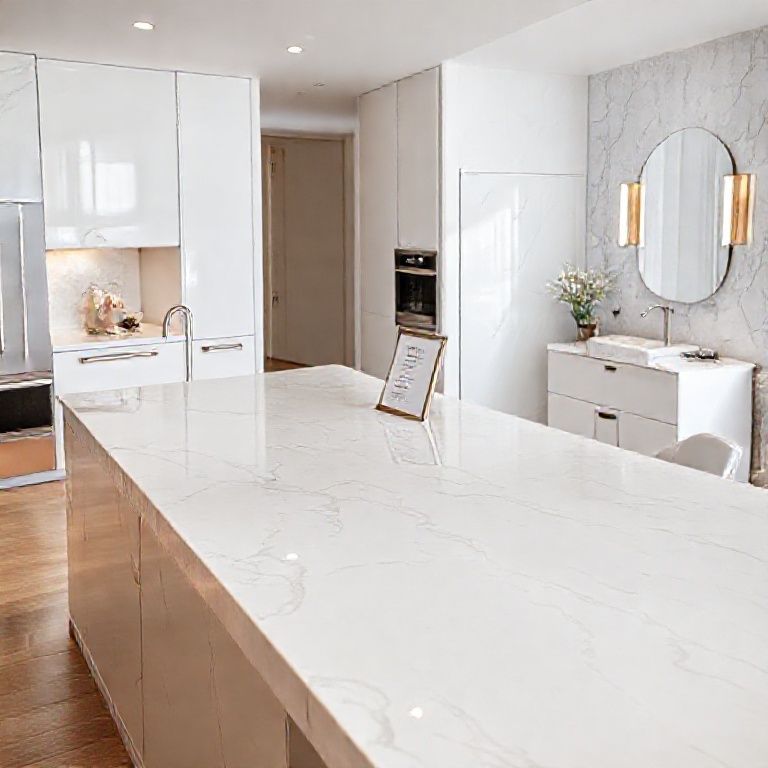
One of the most captivating aspects of natural marble is its unparalleled aesthetic appeal. The unique veining, color variations, and natural beauty of each piece make it a prized choice for high-end architectural and interior design. The organic nature of natural marble gives it a timeless elegance that can elevate any space.
On the other hand, artificial marble offers a level of consistency that natural marble cannot match. The manufacturing process allows designers to create a wide array of patterns and colors that perfectly replicate the look of natural marble. While artificial marble can achieve a stunning aesthetic, it lacks the inherent uniqueness of natural marble.
Durability
Durability is another critical factor when choosing between artificial and natural marble. Natural marble, although beautiful, is prone to staining, etching, and chipping due to its relatively softer composition. It requires careful maintenance to preserve its appearance and longevity.
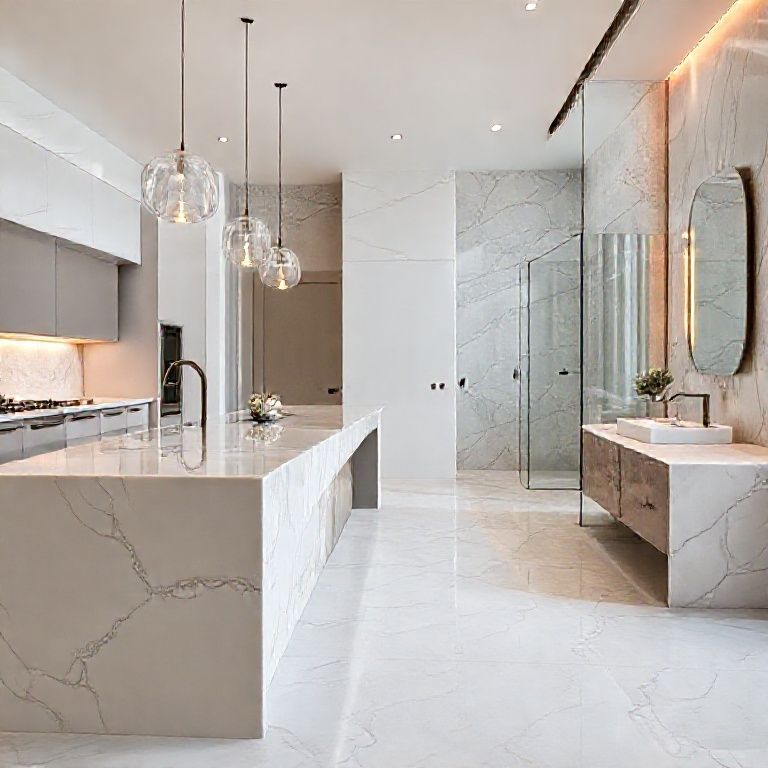
In contrast, artificial marble is significantly more durable. Made from a composite material, it is much harder than natural marble, making it resistant to stains, etching, and scratches. This makes artificial marble an ideal choice for high-traffic areas where durability is paramount.
Cost
The cost is often a decisive factor in the choice between artificial and natural marble. Natural marble is typically more expensive due to its rarity and the labor-intensive process of quarrying and crafting each piece. The cost can vary widely depending on the type and quality of the marble.
Artificial marble, while initially more affordable, still offers significant savings over time due to its durability and low maintenance requirements. Although the upfront cost might be less, the long-term benefits often make artificial marble a more economical choice in the grand scheme.
Installation
When it comes to installation, natural marble often requires specialized skills and techniques. Its natural flaws and irregularities mean that each piece must be meticulously cut and fitted, which can be a complex and time-consuming process.
Artificial marble, with its uniform composition and consistent thickness, simplifies the installation process. It can be cut and shaped more easily, and the uniformity of the material ensures a seamless and professional finish. This makes artificial marble a practical choice for both DIY enthusiasts and professional contractors.
Maintenance
The maintenance of each type of marble also varies significantly. Natural marble requires regular sealing to protect against stains and etching. It is also susceptible to damage from harsh chemicals and abrasive cleaners.
Artificial marble, with its robust composition, does not require sealing and is resistant to most household cleaning products. Its low maintenance nature makes it an excellent choice for busy households and commercial spaces where cleaning is a daily task.
Sustainability
Sustainability is increasingly becoming a crucial consideration for many consumers. Natural marble, while beautiful, has a significant environmental impact due to the extensive quarrying processes required to extract it. This can lead to habitat destruction and other ecological concerns.
Artificial marble offers a more sustainable alternative. It is made from recycled materials and has a lower environmental footprint. This makes it a more eco-friendly choice for those conscious about the impact of their design choices on the planet.
The Intricacies of Artificial vs. Natural Marble: Design Choices and Future Trends
In the previous segment, we explored the fundamental distinctions between artificial and natural marble, focusing on material composition, aesthetic appeal, durability, cost, installation, maintenance, and sustainability. This second part will delve deeper into how these differences influence design choices and where the future of marble-based materials might be heading.
Design Choices
Design choices often hinge on the specific needs and preferences of the space being designed. Natural marble’s unique and organic beauty makes it a popular choice for spaces where a touch of luxury and elegance is desired. Homes, restaurants, and upscale retail spaces frequently opt for natural marble to enhance their aesthetic appeal and convey a sense of sophistication.
Artificial marble, with its consistent appearance and wide range of customizable options, appeals to designers looking for a more uniform and cost-effective solution. It is often used in commercial spaces, where durability and ease of maintenance are crucial. Kitchens, bathrooms, and office interiors frequently feature artificial marble for its practical benefits without sacrificing a high-end look.
Functionality
Functionality is another key area where artificial marble often edges out natural marble. The composite nature of artificial marble means it is less prone to cracking and chipping, making it an ideal choice for high-traffic areas such as kitchens and bathrooms. The ability to create custom shapes and sizes also means that artificial marble can be tailored to fit specific design requirements with ease.
Natural marble, while beautiful, is not as functional in these areas due to its higher susceptibility to damage. The intricate patterns and unique qualities of natural marble can also make it more challenging to maintain and clean, which can be a significant drawback in functional spaces.
Future Trends
Looking ahead, the future of marble-based materials seems poised for continued innovation and adaptation. The demand for more sustainable and eco-friendly materials is driving advancements in artificial marble technology. Manufacturers are continually improving the composition and quality of artificial marble, striving to match or even exceed the aesthetic and functional qualities of natural marble.
The integration of smart technology in design is also influencing the evolution of marble-based materials. Artificial marble can be infused with sensors and other smart technologies to create interactive surfaces that respond to touch or environmental changes. This innovation opens up new possibilities in both commercial and residential design, where technology and aesthetics converge.
Customization and Innovation
Customization is an area where artificial marble holds a distinct advantage. Designers can now create virtually any pattern or color they desire, allowing for unprecedented creativity in design. This flexibility makes artificial marble an attractive option for bespoke projects where the client’s vision is paramount.
Innovation in natural marble is also ongoing, with research into new extraction methods that minimize environmental impact and new treatments that enhance its durability and resistance to stains. While these advancements are promising, they often come with additional costs and complexities that can be difficult to manage.
Cultural and Economic Factors
Cultural and economic factors also play a role in the choice between artificial and natural marble. In regions where natural marble is abundant and affordable, it remains a popular choice due to its traditional appeal and cultural significance. Conversely, in areas where natural marble is scarce or expensive, artificial marble’s availability and cost-effectiveness make it a more practical option.
Economic considerations often drive the choice, especially in large-scale projects where the cost savings of artificial marble can be significant. The global market for marble-based materials is dynamic, influenced by trends in design, technology, and sustainability.
Conclusion
In conclusion, the choice between artificial and natural marble hinges on a variety of factors including material composition, aesthetic appeal, durability, cost, installation, maintenance, sustainability, design choices, and future trends. While natural marble offers unparalleled beauty and elegance, artificial marble provides a practical, durable, and customizable alternative that meets the demands of modern design.
As technology and sustainability continue to shape the future of design, both artificial and natural marble will likely evolve to meet these changing needs. Whether you choose the timeless beauty of natural marble or the innovative versatility of artificial marble, both materials offer unique and compelling reasons to enhance any space with their exquisite qualities.