The world of kitchen and bathroom design has been revolutionized by the advent of artificial stone countertops. Combining the aesthetic appeal of natural stone with the practical benefits of modern materials, these countertops have become a favorite among homeowners and designers alike. To fully appreciate their value, it’s crucial to understand the intricate process behind their creation.

Understanding Artificial Stone
Artificial stone, often referred to as cultured stone, is a composite material that mimics the appearance and texture of natural stone. It is primarily composed of mineral powders, such as limestone or marble, combined with resins and pigments. This combination produces a material that is not only visually stunning but also highly durable and resistant to staining, scratches, and chips.
Sourcing and Preparation
The journey begins with sourcing high-quality raw materials. Limestone, marble, quartz, and other minerals are carefully selected for their color, texture, and quality. These materials are then pulverized into fine powders, creating a consistent base for the artificial stone mixture. The next step involves the precise mixing of these powders with a resin binder. This process requires meticulous attention to detail to ensure that the proportions are exact, which directly impacts the final product’s strength and appearance.
The Molding Process
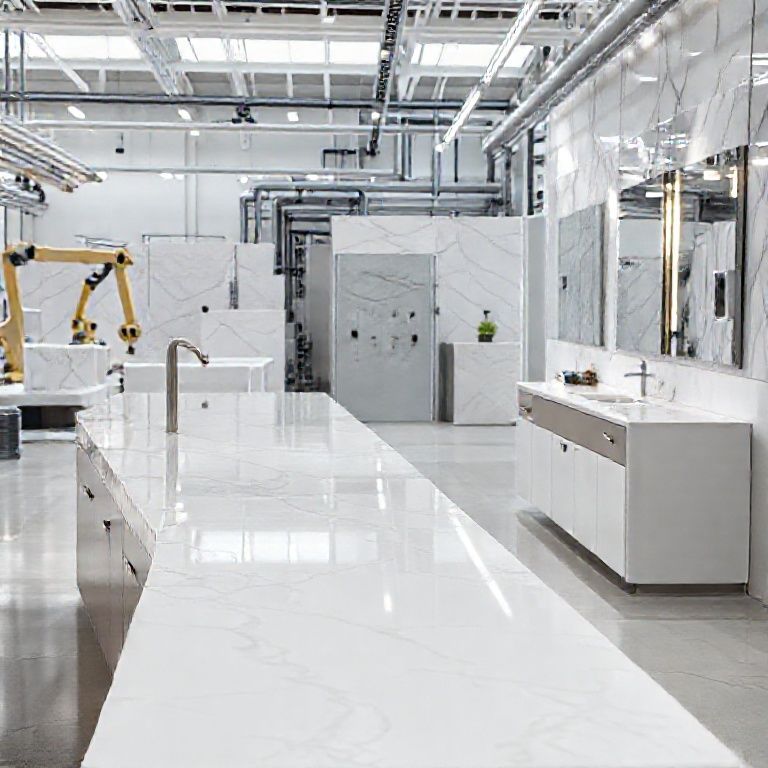
Once the mixture is prepared, it is poured into molds that replicate the desired shape and design of the countertops. These molds are typically made from stainless steel or aluminum, ensuring a smooth, professional finish. The resin binder acts as an adhesive, binding the mineral powders together to form a solid mass. To ensure even curing and maximum strength, the mold is subjected to controlled temperature and pressure conditions. This step is crucial as it determines the countertop’s ability to withstand everyday wear and tear.
Pigmentation and Coloring
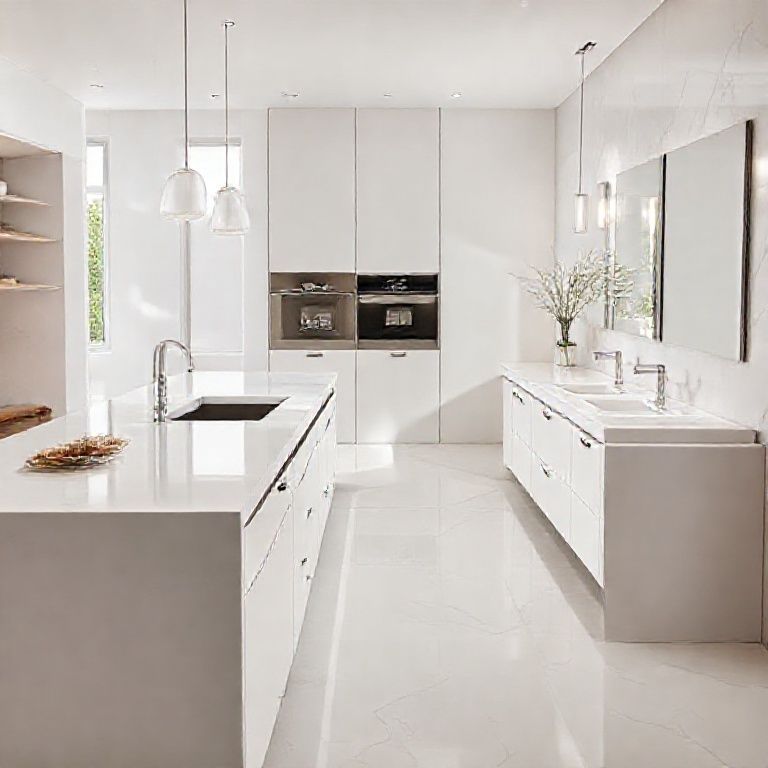
Color plays a significant role in the aesthetic appeal of artificial stone countertops. The pigmentation process involves adding specific dyes or pigments to the mixture before it is poured into the molds. This step requires expertise to achieve the desired color depth and uniformity. The molds are often left to cure under controlled conditions to allow the pigments to meld seamlessly with the mineral powders, resulting in a rich, vibrant finish.
Cutting and Shaping
After the artificial stone has cured and hardened within the molds, it is carefully removed and cut to the exact dimensions required for installation. Cutting is a delicate process that demands precision to avoid any imperfections. Modern sawing techniques and diamond-tipped blades are used to ensure clean, straight edges. Once cut, the countertops are shaped to fit the specific design requirements, including any desired curves or contours.
Polishing and Finishing
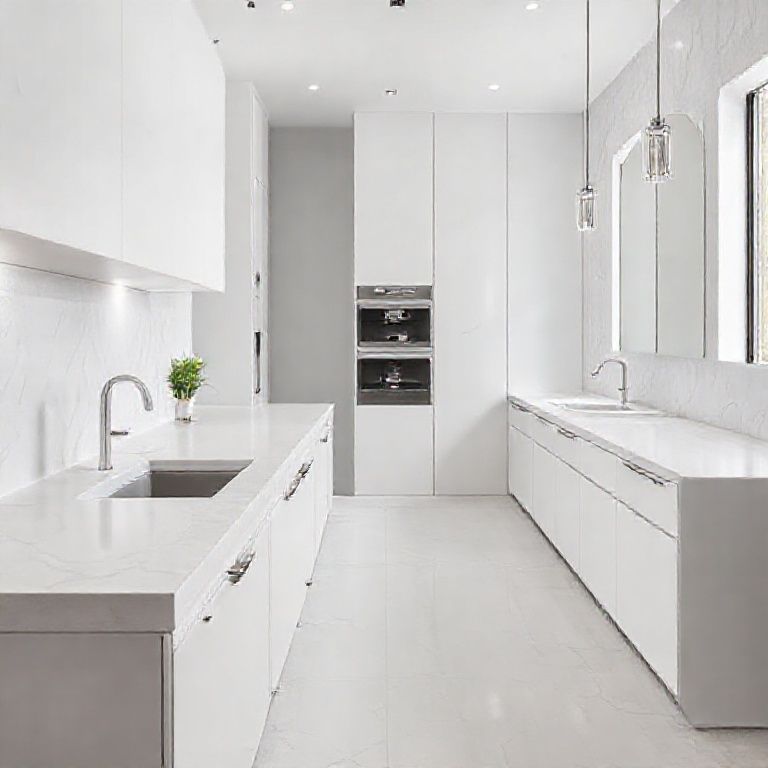
The final step in the creation of artificial stone countertops involves polishing and finishing. This process enhances the surface’s shine and texture, making it more visually appealing. Polishing is done using specialized equipment and abrasive materials to achieve a smooth, mirror-like finish. The surface is also often treated with a sealant to protect it from scratches, stains, and everyday wear. This step is crucial in ensuring the longevity and durability of the countertops.
Quality Control
Throughout the entire production process, rigorous quality control measures are in place. Each batch of artificial stone is tested for strength, durability, and color consistency. This ensures that the final product meets the highest standards of quality and performance. Inspectors check for any imperfections, such as cracks or uneven surfaces, and address any issues before the countertops are shipped to customers.
Conclusion
Creating artificial stone countertops is a meticulous process that combines artistry and science. From sourcing raw materials to the final polishing touch, each step is designed to produce a product that is both beautiful and functional. Understanding this process not only highlights the craftsmanship involved but also underscores why artificial stone has become a preferred choice for modern kitchens and bathrooms.
In the next part of our series, we will delve deeper into the installation process and maintenance tips to ensure your artificial stone countertops remain in pristine condition for years to come.
Building upon the foundational knowledge of artificial stone countertop production, we now turn our attention to the practical aspects of installation and maintenance. These elements are crucial to ensuring that your countertops not only look stunning but also serve their intended purpose for many years.
Installation Process
Preparing the Surface
Before installing artificial stone countertops, it’s essential to prepare the surface properly. This involves cleaning the area thoroughly to remove any dust, grease, or debris. A clean surface ensures that the adhesive can bond effectively with the countertop, providing a secure fit. Additionally, the underlying structure, whether it be a wood, granite, or concrete surface, should be level and free from any imperfections.
Adhesive Selection
Choosing the right adhesive is critical for the longevity of your artificial stone countertop. Most installations use a high-quality epoxy or polyurethane adhesive designed to bond well with artificial stone. These adhesives offer excellent adhesion, flexibility, and durability. It’s important to follow the manufacturer’s instructions for mixing and applying the adhesive to ensure optimal results.
Application
Once the surface is prepared and the adhesive is ready, the countertop is carefully placed into position. It’s crucial to align the countertop correctly to avoid any gaps or misalignments. A level should be used to ensure that the countertop is perfectly even. Once in place, clamps or weights may be used to hold the countertop in position while the adhesive sets. This step ensures a secure bond and a professional finish.
Caulking
After the adhesive has cured, any gaps between the countertop and the surrounding cabinetry or walls need to be filled with caulk. This step not only seals the seams but also provides an aesthetically pleasing finish. Silicone caulk is commonly used for its flexibility and durability. When applying caulk, it’s important to use a smooth, even motion to avoid any bubbles or uneven lines.
Maintenance Tips
Regular Cleaning
Maintaining your artificial stone countertop involves regular cleaning to keep it looking its best. A mild soap and water solution is generally sufficient for everyday cleaning. Avoid using abrasive cleaners or scrubbers, as these can scratch the surface. Instead, use a soft cloth or sponge to gently wipe away spills and stains. For tougher stains, a specialized stone cleaner can be used, but it’s important to test it on a small, inconspicuous area first to ensure it doesn’t damage the surface.
Protecting from Damage
Artificial stone countertops are incredibly durable, but they are not indestructible. To protect them from damage, it’s important to use cutting boards, coasters, and hot pads when cooking or serving food. These items can help prevent scratches, dents, and heat marks. Additionally, avoid leaving sharp objects or heavy items directly on the countertop, as these can cause scratches or punctures over time.
Repairing Chips and Scratches
Despite their durability, artificial stone countertops can sometimes suffer from minor chips or scratches. Fortunately, repairing these imperfections is relatively straightforward. For minor chips, a specialized stone filler can be used to fill in the area and then polished to blend in with the surrounding surface. For deeper scratches, a stone polish or a professional refinishing service may be required to restore the countertop’s original shine and texture.
Ensuring Longevity
To ensure that your artificial stone countertops remain beautiful and functional for years to come, regular maintenance and care are key. Here are some additional tips to help prolong the life of your countertops:
Avoid Harsh Chemicals
While mild cleaners are generally safe for artificial stone, harsh chemicals should be avoided. Chemicals such as bleach, ammonia, and strong acid-based cleaners can damage the surface and reduce its lifespan. Always opt for gentle, pH-neutral cleaners when cleaning your countertops.
Proper Ventilation
Proper ventilation is important, especially in kitchens where steam and moisture are common. While artificial stone is resistant to moisture, prolonged exposure to steam can cause some discoloration over time. Keeping the area well-ventilated can help prevent this issue.
Professional Maintenance
For long-term care, consider hiring a professional maintenance service to periodically clean and inspect your countertops. Professionals can also address any minor issues before they become major problems, ensuring that your countertops remain in top condition.
Conclusion
Artificial stone countertops are a remarkable blend of beauty and durability, offering a stunning alternative to traditional materials. Understanding the intricate installation process and adopting proper maintenance practices can help ensure that your countertops not only look great but also stand the test of time. By following these guidelines, you can enjoy the beauty and functionality of artificial stone countertops for years to come.
Thank you for joining us on this detailed exploration of artificial stone countertops. In our next article, we will discuss the various design options available and how to choose the perfect countertop for your kitchen or bathroom.