The Advantages of Artificial Quartz Countertops
${part1}
In the realm of modern home design, artificial quartz countertops have emerged as a leading choice for both kitchens and bathrooms. This innovative material has captured the attention of homeowners and designers alike, thanks to its impressive blend of durability, aesthetic appeal, and versatility. Let’s explore the myriad advantages that make artificial quartz countertops a preferred option.

Unmatched Durability
One of the most compelling reasons for choosing artificial quartz countertops is their exceptional durability. Quartz is composed of 93% silica, making it one of the hardest natural materials on earth. This composition translates to a countertop that can withstand significant wear and tear. Unlike granite or marble, quartz does not splinter, chip, or scratch easily, meaning it maintains its pristine appearance over long periods.
Superior Resistance
Artificial quartz countertops boast outstanding resistance to stains, heat, and moisture. This resistance is particularly beneficial for kitchen and bathroom spaces, which are often exposed to spills, high temperatures from cooking, and varying humidity levels. The material’s impervious nature means that spills from coffee, wine, or even acidic substances like lemon juice won’t leave a lasting mark. Additionally, the heat resistance ensures that hot pots and pans won’t damage the surface, providing peace of mind for busy households.
Versatility in Design
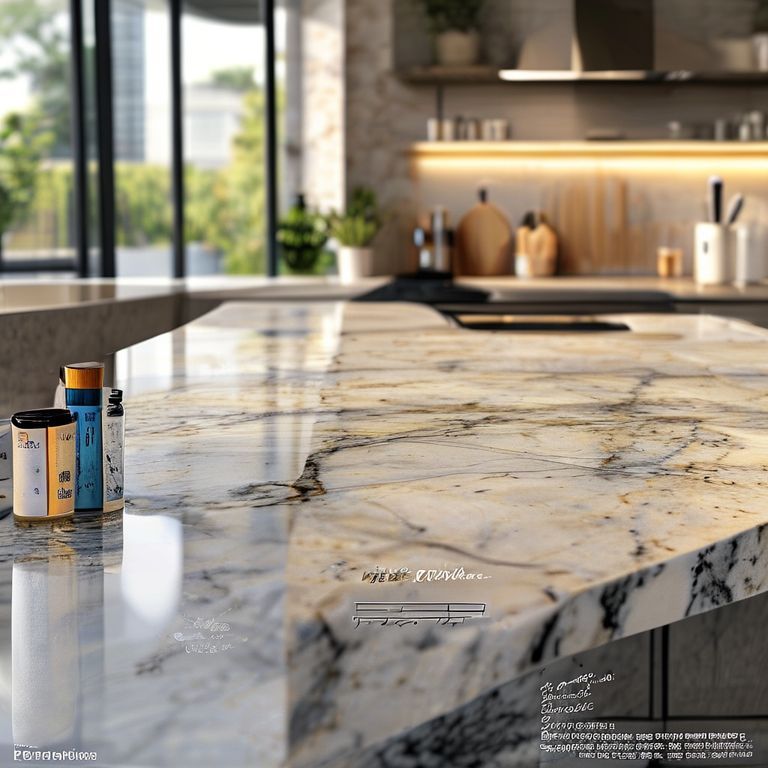
The versatility of artificial quartz countertops is another significant advantage. Available in a vast array of colors, patterns, and textures, quartz allows for endless design possibilities. Whether you prefer a sleek, modern look or a more traditional style, there’s a quartz option to match your vision. This flexibility makes it easier to create a cohesive and personalized look throughout your home.
Low Maintenance
Maintenance is often a major consideration when selecting countertops, but artificial quartz simplifies this aspect significantly. Unlike natural stone surfaces that require sealing and periodic maintenance to maintain their beauty and protection, quartz countertops are low-maintenance. Simply wiping them down with a mild cleaner will suffice to keep them looking fresh and new. This ease of upkeep translates to less time spent on cleaning and more time enjoying your space.
Cost-Effectiveness
While the initial cost of artificial quartz countertops may seem high, they often prove to be cost-effective in the long run. The durability and resistance of quartz mean that they require less frequent replacement compared to other materials like granite or marble. Additionally, the low maintenance requirements reduce the overall cost of ownership. When considering the value for money, quartz countertops often come out ahead, offering a premium experience without the premium price tag.
Eco-Friendly Option
For environmentally conscious consumers, artificial quartz countertops present an appealing option. The manufacturing process of quartz involves fewer environmental impacts compared to natural stone extraction. Moreover, quartz is a man-made product that can be produced using recycled materials, making it a more sustainable choice. This eco-friendliness aligns with the growing trend towards sustainable living and responsible consumerism.
Installation Flexibility
The installation process for artificial quartz countertops is straightforward and flexible. Unlike natural stone, which requires specific cutting and fitting, quartz slabs can be easily cut to size using standard tools. This flexibility allows for customization to fit any countertop space, including irregular shapes and tight corners. The installation process is also less labor-intensive, which can reduce overall costs and time.
Aesthetic Appeal
Lastly, the aesthetic appeal of artificial quartz countertops cannot be overstated. The material’s ability to mimic natural stone textures while offering a wide range of colors and patterns means that it can match or even exceed the beauty of traditional materials. The seamless look of quartz can create a luxurious and elegant environment that enhances the overall design of your kitchen or bathroom.
In conclusion, the advantages of artificial quartz countertops are numerous and compelling. From unmatched durability and resistance to low maintenance and versatile design options, quartz provides a robust and stylish choice for modern home design. Its cost-effectiveness, environmental benefits, and installation flexibility make it an appealing option for homeowners looking to enhance their living spaces with a premium finish.
The Disadvantages of Artificial Quartz Countertops
${part2}
While artificial quartz countertops offer a host of benefits, it’s equally important to consider their potential drawbacks before making a decision. Understanding the cons can help you weigh the pros and cons and determine if this material is the right fit for your home. Here’s an in-depth look at the disadvantages of artificial quartz countertops.
High Initial Cost
One of the primary concerns with artificial quartz countertops is their high initial cost. While they may prove to be cost-effective in the long run due to their durability and low maintenance, the upfront expense can be a significant barrier for some homeowners. The premium price tag is often attributed to the high-quality materials and manufacturing processes used to create quartz countertops.
Weight and Handling
Quartz countertops are generally heavier than some other countertop materials, such as laminate or composite options. This increased weight can pose handling challenges during installation, particularly for DIY projects. The slabs are often heavy enough to require assistance when being moved and installed, which can add to the overall cost and complexity of the installation process.
Limited Customization
Although quartz offers a wide range of colors and patterns, the customization options are more limited compared to natural stone. The design possibilities are vast, but they are not as varied as the natural stone market, which offers unique and one-of-a-kind designs. While quartz can mimic natural stone textures, achieving a truly unique, natural stone look can be challenging. This limitation might be a concern for those seeking a highly personalized and unique countertop design.
Potential for Surface Damage
Despite its durability, quartz countertops are not indestructible. While they are highly resistant to scratches, they can still be damaged by extreme impacts or high-pressure tools. For example, a heavy object falling on the surface or using abrasive cleaning tools can cause chips or dents. While such incidents are rare, it’s important to consider the potential for surface damage when evaluating the long-term durability of quartz countertops.
Environmental Concerns
Although quartz is considered an eco-friendly option compared to natural stone, there are still some environmental concerns associated with its production. The manufacturing process involves the use of heat and pressure, which can generate energy consumption and emissions. Additionally, the production of quartz countertops typically involves the use of synthetic materials, which might not align with all sustainable practices. While these concerns are relatively minor compared to natural stone extraction, they are worth considering for environmentally conscious consumers.
Installation Challenges
While the installation of quartz countertops is generally straightforward, it does present some challenges. The heavy weight of the slabs can make it difficult to handle and install, especially for DIY projects. Professional installation is often recommended to ensure the best results and to avoid potential damage to the countertop. This requirement can add to the overall cost and complexity of the installation process.
Limited Warranty Options
Another potential drawback is the limited warranty options available for some quartz countertop brands. While many manufacturers offer warranties for their products, the coverage and terms can vary widely. It’s important to carefully review the warranty details to ensure that it provides adequate protection for the lifespan of the countertop. Some lower-cost options may have shorter warranties or exclude certain types of damage, which could leave you responsible for unexpected repairs.
Potential for Surface Imperfections
Despite their high quality, quartz countertops are not immune to surface imperfections. While these imperfections are rare, they can occur during the manufacturing process. Issues such as air bubbles, surface scratches, or uneven texture can sometimes be found in quartz slabs. While manufacturers strive to minimize these defects, it’s important to carefully inspect the countertops before installation to ensure they meet your quality standards.
Aesthetic Limitations
While quartz offers a wide range of colors and patterns, achieving a truly unique and natural aesthetic can be challenging. The material’s uniform appearance might not appeal to everyone, particularly those who prefer the organic and unpredictable beauty of natural stone. The lack of truly one-of-a-kind designs can be a drawback for those seeking a highly personalized and unique countertop look.
In conclusion, while artificial quartz countertops offer numerous benefits, it’s essential to consider their potential disadvantages. From the high initial cost and weight handling challenges to limited customization and environmental concerns, there are several factors to weigh when deciding if this material is right for your home. By understanding both the pros and cons, you can make an informed decision that best suits your needs and preferences.