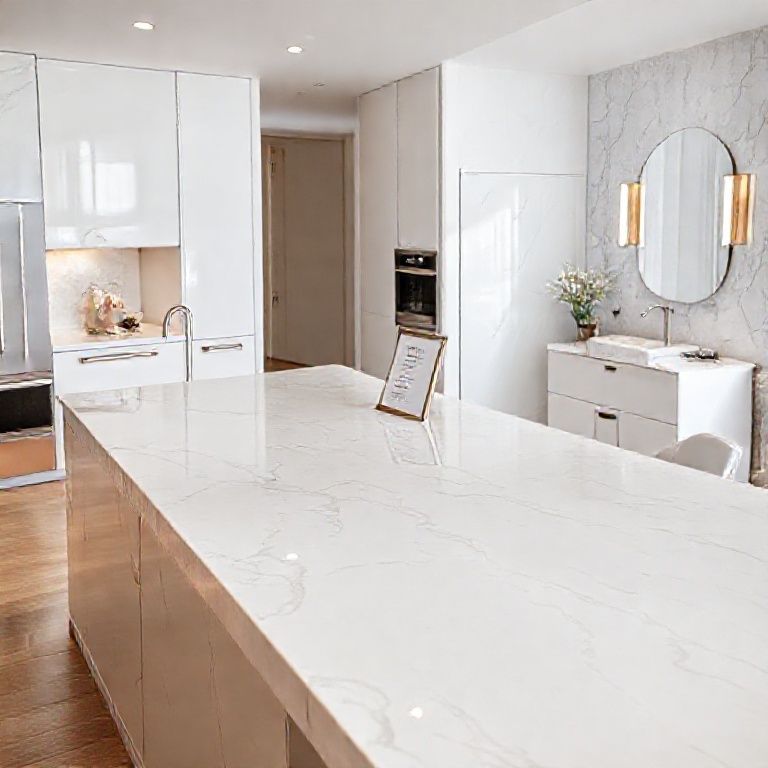
The Journey of Artificial Marble Creation: Unveiling the Secrets Behind Its Craftsmanship
Artificial marble, often mistaken for its natural counterpart, has emerged as a top choice in both residential and commercial spaces. Its elegance, durability, and cost-effectiveness make it a popular alternative to natural stone. But how exactly is artificial marble created? Let us embark on a fascinating journey to uncover the intricate processes and technologies that turn simple raw materials into luxurious, high-quality artificial marble.

The Raw Materials: The Foundation of Artificial Marble
The first step in creating artificial marble is sourcing the raw materials. Unlike natural marble, artificial marble is made from a combination of various substances. The primary ingredients include calcium carbonate, which provides the base material, and a polymer resin. The calcium carbonate often comes from limestone or marble dust, giving artificial marble its distinctive aesthetic and structural properties. To this mixture, colorants and pigments are added to achieve the desired marble veining and color.
The Polymer Resin: The Binding Agent
The polymer resin plays a crucial role in the artificial marble manufacturing process. This binding agent holds the calcium carbonate and other materials together, giving the final product its strength and durability. The resin also contributes to the surface finish, allowing the artificial marble to mimic the intricate veining and patterns found in natural marble.
Manufacturing Process: From Mixing to Shaping
The journey from raw materials to finished product involves several meticulous steps. Here’s a detailed look at the manufacturing process:
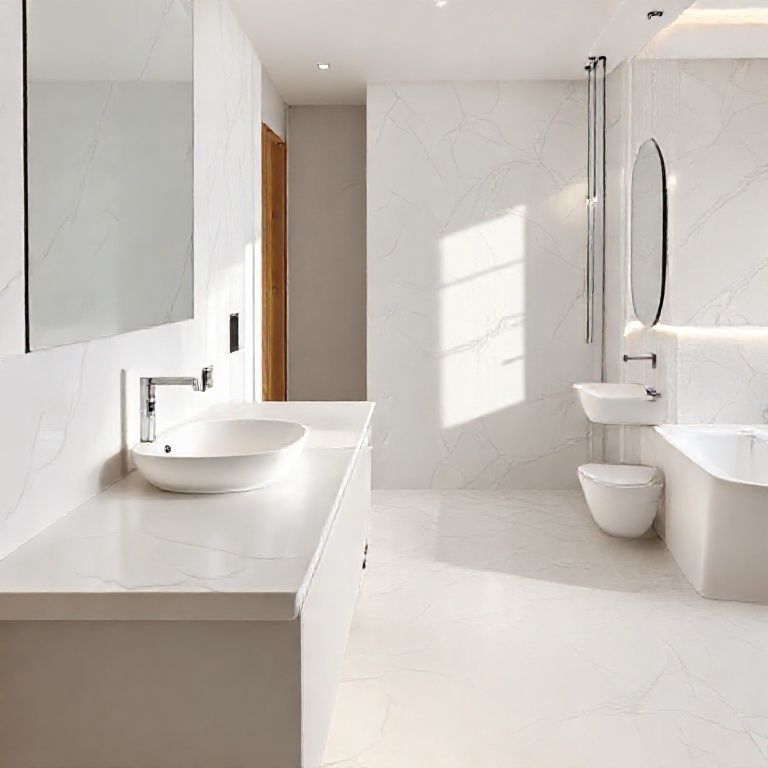
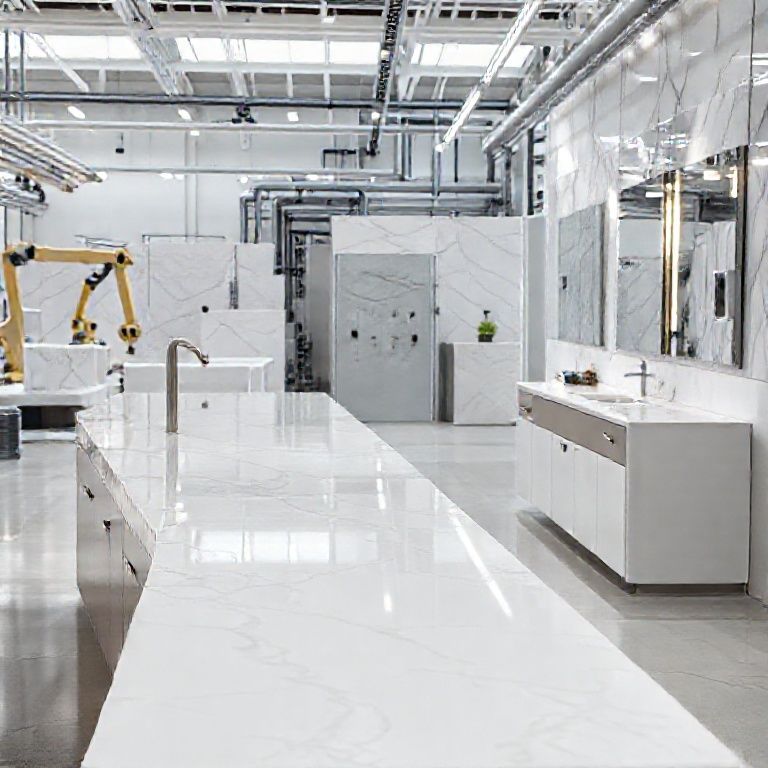
Mixing: The raw materials are thoroughly mixed in a controlled environment. The precision of this step is critical, as it ensures a uniform distribution of the polymer resin and colorants throughout the mixture. This uniformity is essential for achieving the desired aesthetic and structural integrity of the artificial marble.
Molding: Once the mixture is prepared, it is poured into molds. These molds are designed to replicate the intricate patterns and shapes of natural marble. The molds are usually made from steel or aluminum, and they come in various sizes to accommodate different applications, from kitchen countertops to bathroom vanities.
Curing: After the mixture is poured into the molds, it undergoes a curing process. This involves exposing the material to heat and pressure, allowing the polymer resin to bind the materials together effectively. The curing process can take several hours, depending on the specific formula and the size of the mold.
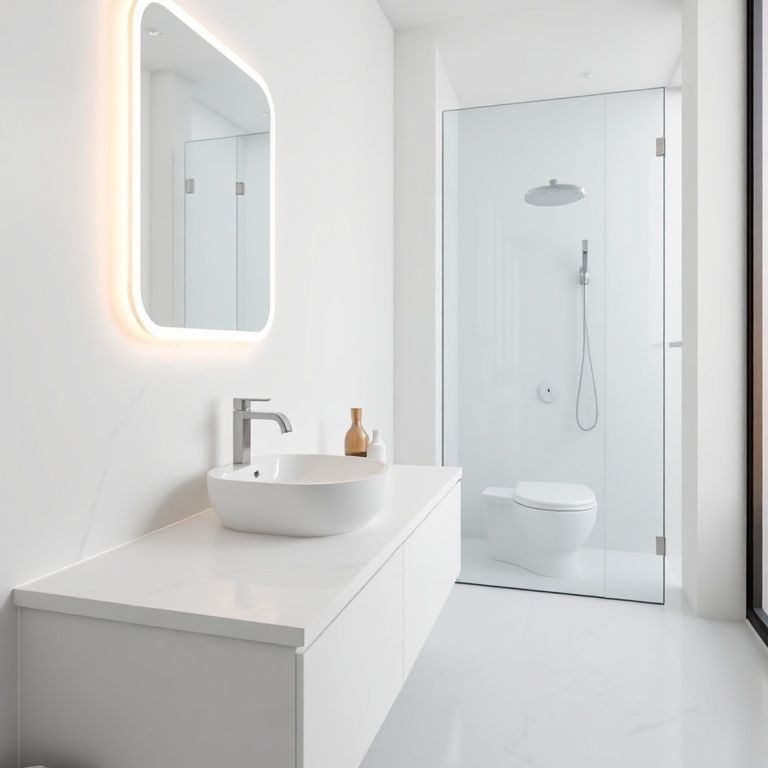
Polishing: Once the curing process is complete, the artificial marble blocks are removed from the molds. The next step is polishing, which gives the material its characteristic glossy finish. This process involves several stages of sanding and buffing to achieve a smooth, flawless surface. The final polish is often done using diamond-tipped tools, ensuring a high-quality finish.
Quality Control: Ensuring Perfection
Quality control is a fundamental aspect of artificial marble manufacturing. Each block undergoes rigorous testing to ensure it meets the highest standards of quality. This includes checking for uniformity in color, strength, and durability. Any imperfections are addressed before the marble is released for use, ensuring that every piece meets the exacting standards of the industry.
Technological Innovations: Shaping the Future of Artificial Marble
The manufacturing process of artificial marble has been continually evolving, thanks to technological advancements. Innovations such as computer-aided design (CAD) and computer numerical control (CNC) technology have revolutionized the way artificial marble is created. These technologies allow for precise control over the shaping and finishing of the marble, resulting in products with exceptional accuracy and consistency.
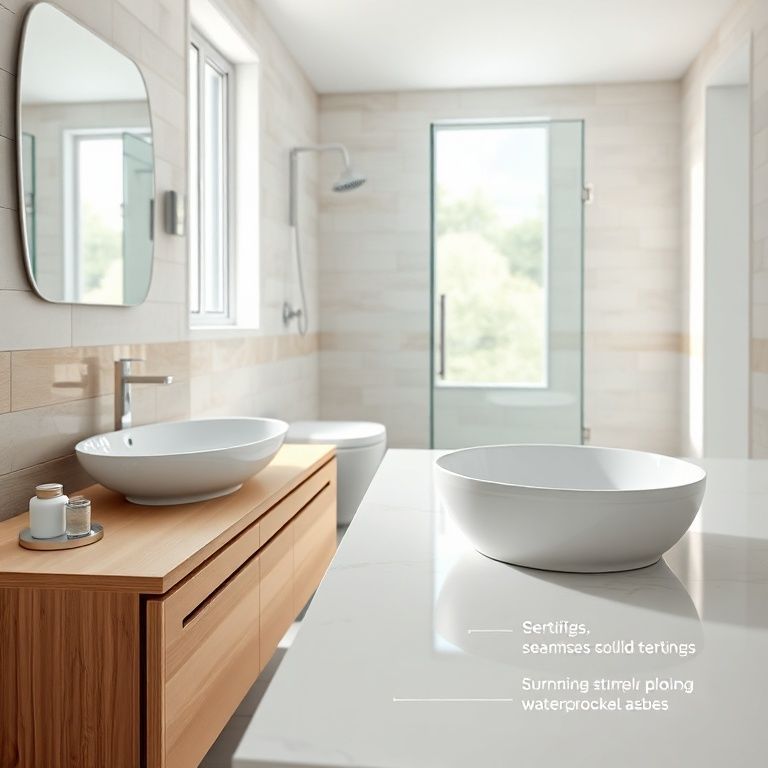
Sustainability: A Greener Approach to Marble Manufacturing
In recent years, sustainability has become a significant focus in the artificial marble industry. Manufacturers are exploring eco-friendly alternatives to traditional materials, aiming to reduce the environmental impact of production. This includes using recycled materials and developing low-VOC (volatile organic compounds) resins, which are less harmful to both the environment and human health.
Conclusion: The Allure of Artificial Marble
Artificial marble continues to captivate consumers with its beauty, durability, and versatility. From the careful selection of raw materials to the precision of modern manufacturing techniques, every step in the creation process is designed to produce a product that rivals natural marble in quality and appearance. As technology advances and sustainability becomes a priority, the future of artificial marble looks promising, offering a luxurious yet responsible choice for modern design.
The Journey of Artificial Marble Creation: Unveiling the Secrets Behind Its Craftsmanship
As we delve deeper into the fascinating world of artificial marble, it’s essential to explore how this material is utilized across various industries and its unique advantages over natural marble. This second part will highlight the diverse applications, maintenance, and the growing trend towards sustainability in the artificial marble industry.
Diverse Applications: Versatility at Its Best
Artificial marble’s versatility makes it a favorite in numerous industries, including architecture, interior design, and even fashion. Here are some of the most common applications:
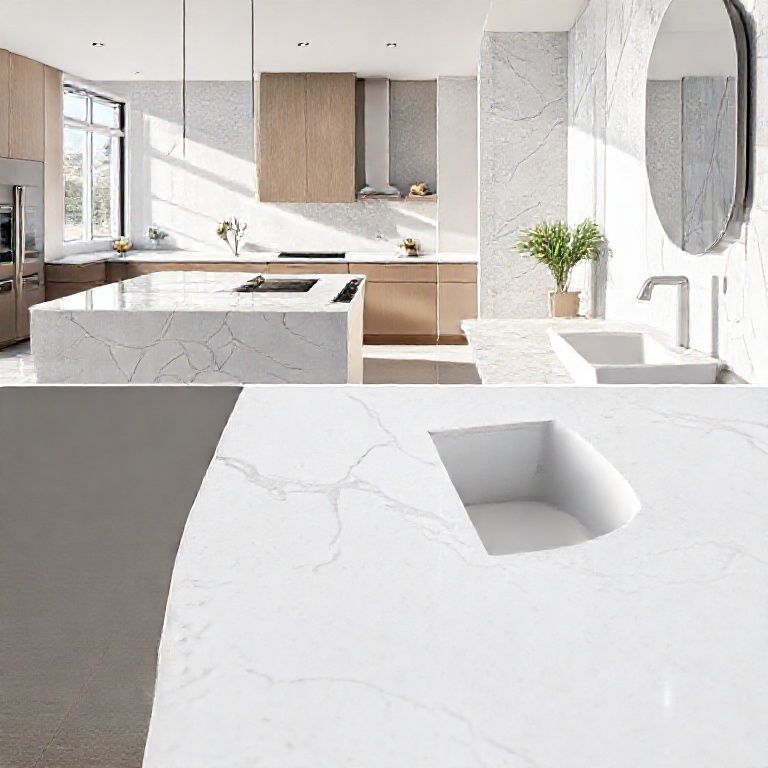
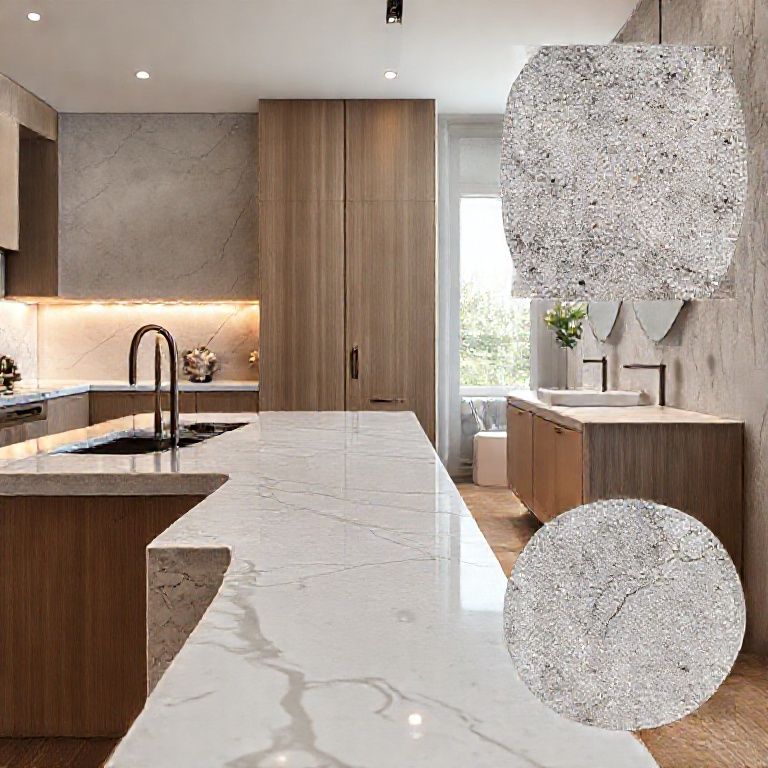
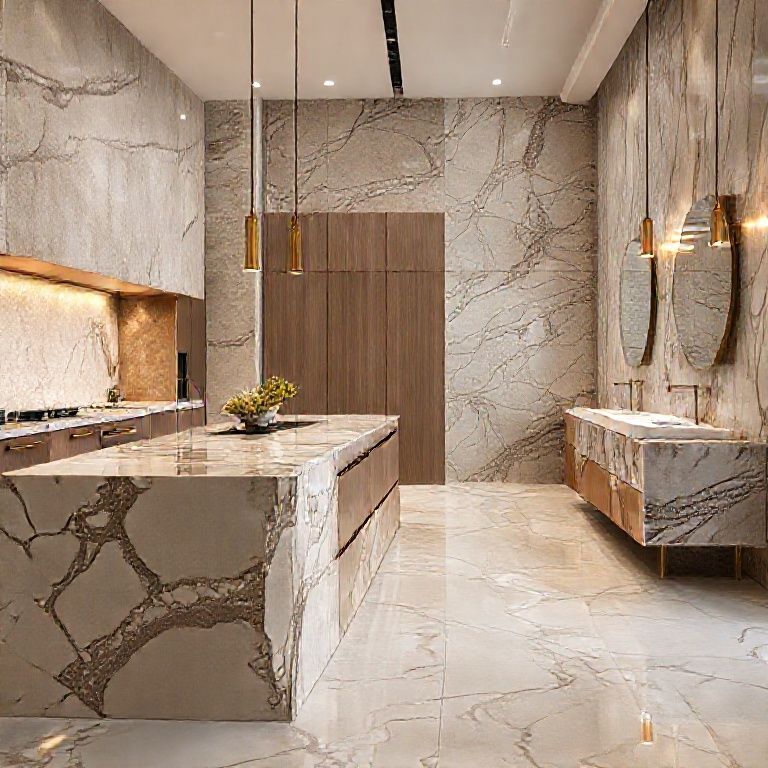
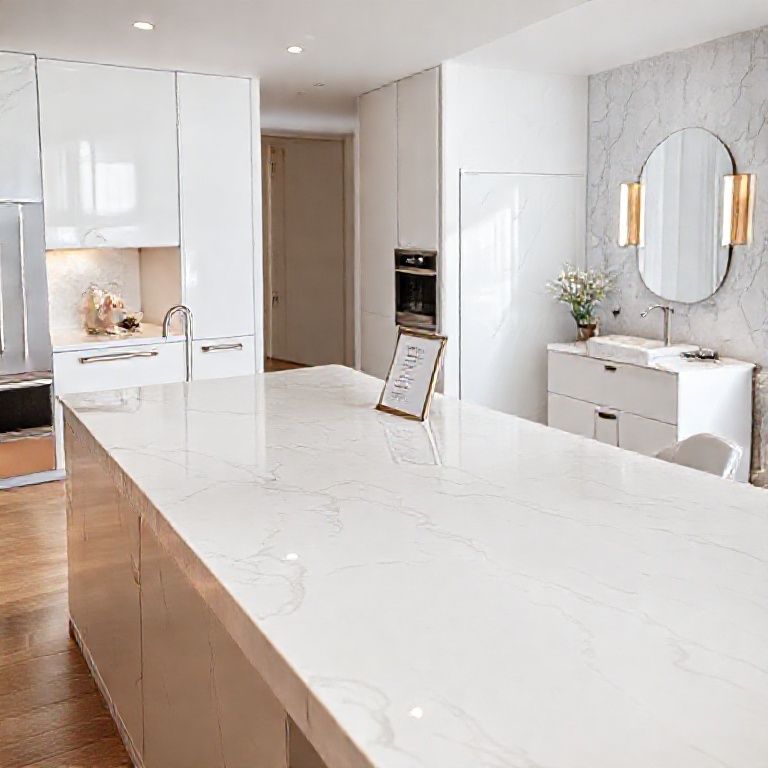
Countertops: One of the most popular uses of artificial marble is for kitchen and bathroom countertops. Its stunning appearance and durability make it an ideal choice for high-traffic areas. Artificial marble countertops are available in various colors and patterns, allowing designers to create unique and personalized spaces.
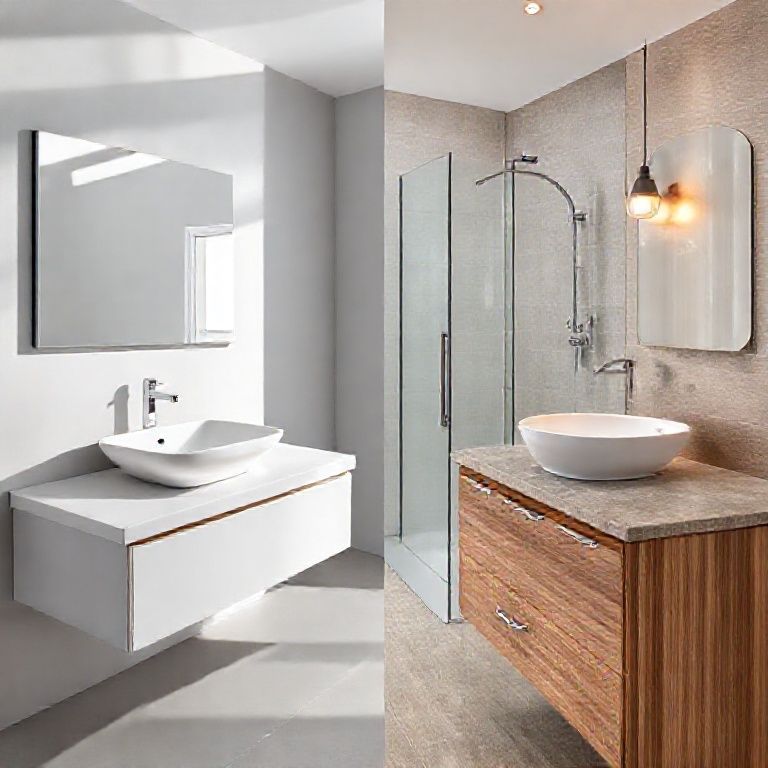
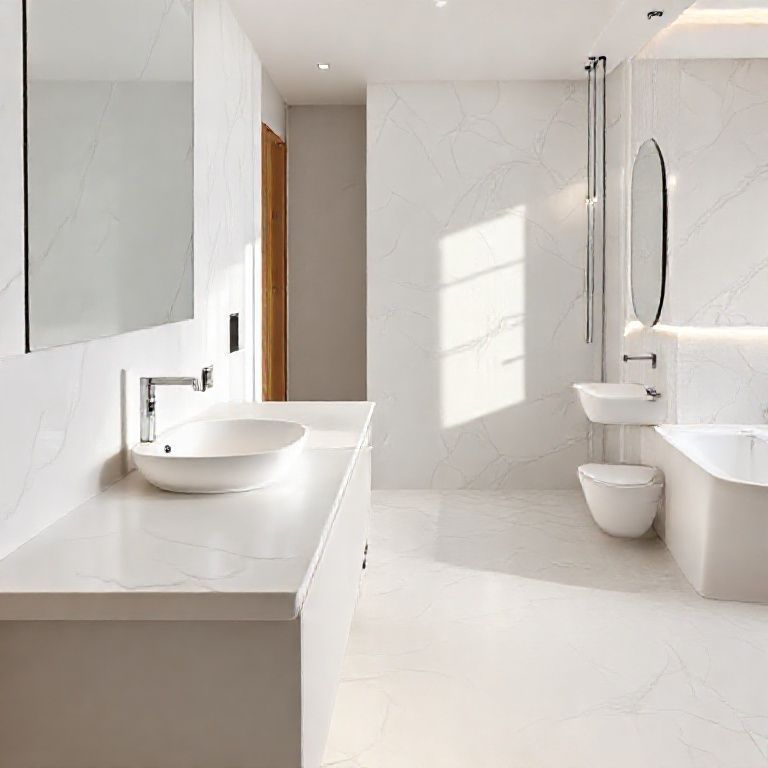
Vanities: Bathroom vanities are another common application for artificial marble. The material’s resistance to stains and scratches makes it perfect for wet environments. Additionally, its aesthetic appeal enhances the overall look of the bathroom, providing a luxurious touch.
Furniture: Artificial marble is used in the creation of various furniture pieces, including tables, cabinets, and shelving units. Its durability and aesthetic versatility allow it to blend seamlessly with different design styles, from modern to traditional.
Art Installations: Beyond functional uses, artificial marble is also employed in artistic installations and sculptures. Artists appreciate its ease of manipulation and ability to mimic the beauty of natural marble, making it a popular choice for contemporary art.
Advantages Over Natural Marble
While natural marble is undeniably beautiful, artificial marble offers several advantages that make it an attractive alternative:
Cost-Effectiveness: One of the primary benefits of artificial marble is its cost-effectiveness. The manufacturing process allows for large-scale production, making it more affordable than natural marble. This makes it accessible to a wider range of consumers.
Durability: Artificial marble is highly durable and resistant to scratches, stains, and chips. Unlike natural marble, which can be prone to discoloration and damage from everyday use, artificial marble maintains its appearance over time.
Customization: Artificial marble offers endless possibilities for customization. Designers can choose from a wide range of colors, patterns, and textures, allowing for unique and personalized designs. This flexibility makes it ideal for both small and large-scale projects.
Sustainability: As mentioned earlier, the artificial marble industry is increasingly focusing on sustainability. Eco-friendly manufacturing practices and the use of recycled materials are becoming more prevalent, reducing the environmental impact of production.
Maintenance: Easy Care for Long-Lasting Beauty
Maintaining artificial marble is relatively straightforward, making it a practical choice for busy households and commercial spaces. Here are some tips for keeping your artificial marble surfaces looking their best:
Regular Cleaning: Wipe down artificial marble surfaces with a soft, damp cloth to remove everyday grime. For tougher stains, a mild soap solution can be used, followed by a thorough rinse and drying.
Avoiding Harsh Chemicals: While artificial marble is resistant to many stains, it’s best to avoid using harsh chemicals or abrasive cleaners. These can damage the surface and reduce its lifespan.
Immediate Stain Treatment: In the event of a spill, it’s important to clean it up promptly to prevent staining. Using a neutral cleaner and water can help remove most spills before they set in.
Periodic Polishing: To maintain the glossy finish of artificial marble, periodic polishing is recommended. This can be done using a soft cloth and a marble-specific polish to keep the surface looking pristine.
The Future of Artificial Marble: Innovation and Sustainability
The future of artificial marble looks promising, with ongoing innovations aimed at improving its quality and sustainability. Here are some of the trends shaping the industry:
Advanced Manufacturing Techniques: Advances in manufacturing technology continue to enhance the precision and quality of artificial marble. Techniques such as 3D printing and laser cutting are being explored to create more intricate designs and improve the overall finish.
Eco-Friendly Materials: The industry is increasingly focusing on developing eco-friendly materials that minimize environmental impact. This includes using recycled content, reducing waste, and implementing low-VOC resins.
Custom Solutions: With the rise of personalized design, manufacturers are offering custom solutions tailored to specific needs. This includes creating bespoke patterns and colors to match unique architectural and interior design projects.
Smart Materials: The integration of smart technology into artificial marble is an emerging trend. This includes developing materials that can change color, respond to heat, or even purify water, adding functionality to the aesthetic appeal.
Conclusion: The Ever-Evolving World of Artificial Marble
Artificial marble has come a long way from its humble beginnings. The combination of advanced manufacturing techniques, innovative design possibilities, and a strong focus on sustainability has transformed it into a versatile and desirable material. Whether used in countertops, vanities, furniture,继续:
The Ever-Evolving World of Artificial Marble
Artificial marble has come a long way from its humble beginnings. The combination of advanced manufacturing techniques, innovative design possibilities, and a strong focus on sustainability has transformed it into a versatile and desirable material. Whether used in countertops, vanities, furniture, or art installations, artificial marble continues to impress with its beauty, durability, and functionality.
Customization and Design Flexibility
One of the standout features of artificial marble is its customization potential. Unlike natural marble, which comes in a limited range of colors and patterns, artificial marble allows for a virtually limitless array of designs. This is achieved through the use of advanced colorants and pigments, which can be mixed in precise proportions to create unique and bespoke patterns.
Designers and architects have embraced this flexibility, using artificial marble to push the boundaries of traditional design. From intricate veining that mimics natural stone to bold, abstract patterns, artificial marble provides the canvas for creativity. This flexibility has made it a popular choice for both residential and commercial projects, where unique and personalized designs are often desired.
Industry Applications
Artificial marble’s versatility extends beyond residential use. In the commercial sector, it is widely used in:
Hospitality: Hotels, restaurants, and cafes often use artificial marble for their countertops, bar tops, and flooring. Its durability and resistance to stains and spills make it ideal for high-traffic areas.
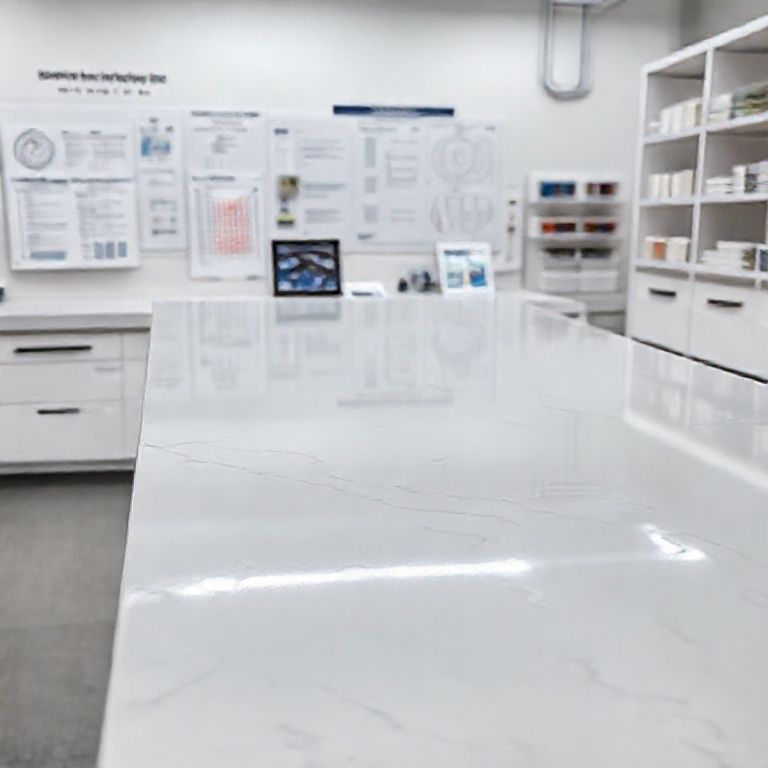
Healthcare: Hospitals and clinics benefit from the hygienic properties of artificial marble. Its smooth, non-porous surface is easy to clean and disinfect, making it a practical choice in medical environments.
Retail: Retail spaces use artificial marble to create eye-catching displays and fixtures. Its ability to mimic the look of natural marble at a lower cost makes it a practical choice for retailers looking to add luxury to their stores without the premium price tag.
Public Spaces: Airports, train stations, and public buildings utilize artificial marble for its aesthetic appeal and maintenance-friendly properties. Its ability to withstand heavy foot traffic and frequent cleaning makes it suitable for these high-use areas.
Sustainability and Future Trends
The future of artificial marble is bright, with ongoing innovations aimed at improving its quality and sustainability. Here are some of the trends shaping the industry:
Advanced Manufacturing Techniques: The use of 3D printing and laser cutting technologies is expanding. These advanced methods allow for the creation of intricate designs and patterns that were previously impossible to achieve with traditional manufacturing techniques.
Eco-Friendly Materials: The industry is placing a greater emphasis on sustainability. Manufacturers are exploring the use of recycled materials and developing low-VOC resins. These efforts aim to reduce the environmental impact of production while maintaining high-quality standards.
Custom Solutions: With the rise of personalized design, manufacturers are offering custom solutions tailored to specific needs. This includes creating bespoke patterns and colors to match unique architectural and interior design projects.
Smart Materials: The integration of smart technology into artificial marble is an emerging trend. This includes developing materials that can change color, respond to heat, or even purify water. Such innovations add functionality to the aesthetic appeal, making artificial marble an even more versatile material.
Conclusion: The Endless Possibilities of Artificial Marble
Artificial marble continues to captivate consumers with its beauty, durability, and versatility. From the careful selection of raw materials to the precision of modern manufacturing techniques, every step in the creation process is designed to produce a product that rivals natural marble in quality and appearance. As technology advances and sustainability becomes a priority, the future of artificial marble looks promising, offering a luxurious yet responsible choice for modern design.
Whether you are looking to enhance the aesthetics of your home or seeking a durable, low-maintenance material for commercial projects, artificial marble stands out as a top choice. Its endless possibilities and commitment to innovation ensure that it will remain a popular and evolving material in the world of design and architecture.