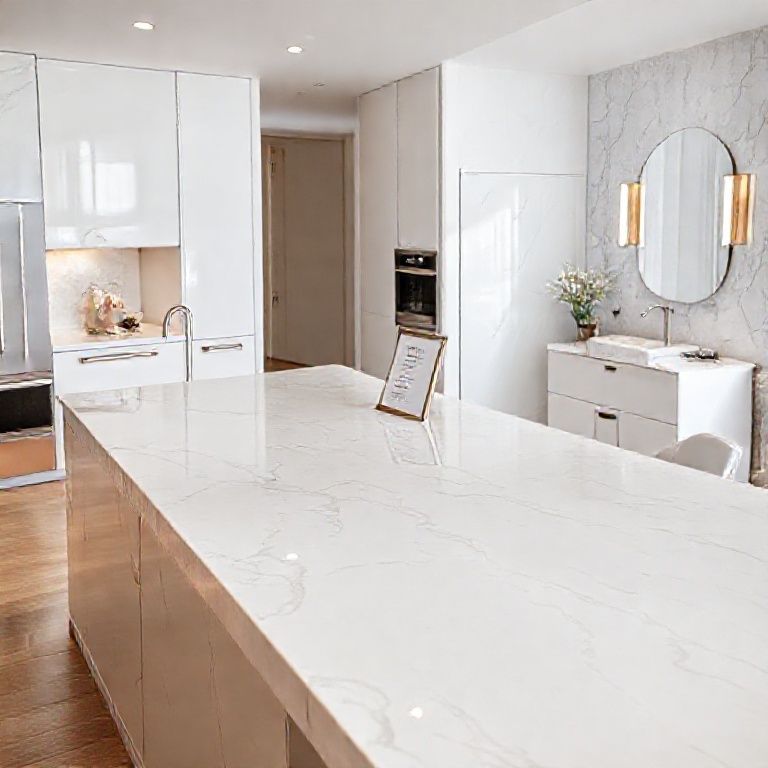
The Long-Lasting Durability of Artificial Stone: How Many Years Can It Last?
Artificial stone has revolutionized the world of interior and exterior design with its stunning aesthetic appeal and impressive durability. Often referred to as quartz stone, cultured marble, or synthetic stone, it’s a versatile material that has found its place in kitchens, bathrooms, countertops, and beyond. One of the most frequently asked questions regarding this material is: “How many years can artificial stone last?” This comprehensive guide aims to shed light on the lifespan of artificial stone and the factors that influence its durability.

What is Artificial Stone?
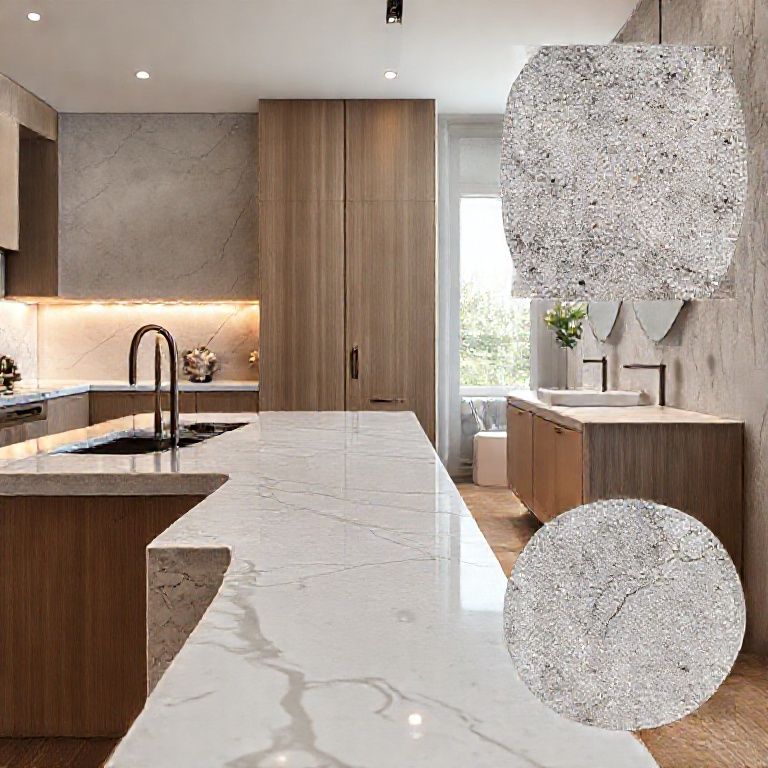
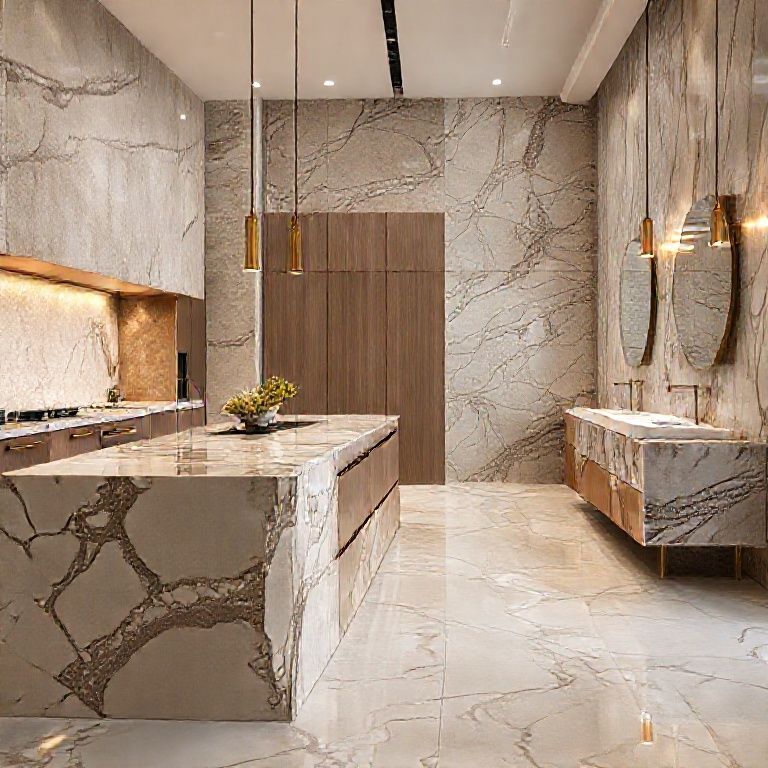
Artificial stone is a composite material made from natural stone aggregates such as quartz, calcite, and feldspar, combined with resins and pigments. It is manufactured through a process that binds these materials together, creating a stone-like appearance and texture. This innovative material is praised for its aesthetic similarity to natural stone, combined with superior durability, low maintenance, and a wide range of colors and patterns.
Factors Influencing the Lifespan of Artificial Stone
The longevity of artificial stone largely depends on several factors, which we will explore in detail:
1. Quality of Material
The quality of the raw materials used in the production of artificial stone plays a crucial role in its durability. High-grade materials and advanced manufacturing processes result in a product that can withstand the test of time. Premium artificial stone products often contain a higher percentage of natural stone aggregates, which contributes to their longevity.
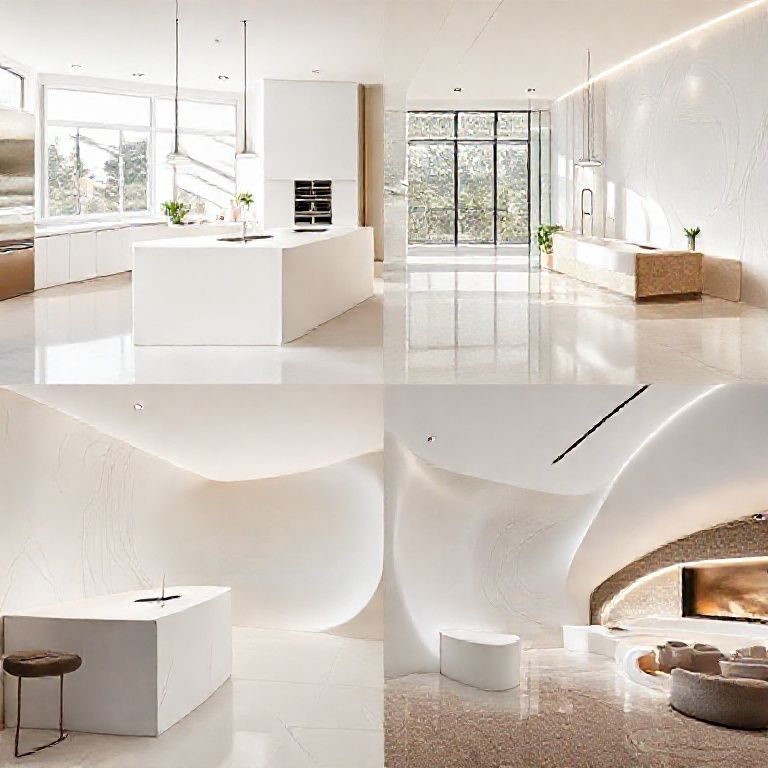
2. Installation and Maintenance
Proper installation by skilled professionals is essential for ensuring the longevity of artificial stone. It should be securely bonded to the substrate to prevent any movement or detachment over time. Regular maintenance, including cleaning and occasional sealing, can also extend the lifespan of artificial stone. Avoiding the use of harsh chemicals and abrasive cleaners can prevent surface damage and deterioration.
3. Environmental Factors
The environment in which artificial stone is used can significantly impact its lifespan. Exposure to extreme temperatures, direct sunlight, and high humidity can cause discoloration and weakening of the material over time. In areas with harsh weather conditions, it is advisable to use high-grade artificial stone that is specifically formulated to resist such environmental factors.
4. Usage and Traffic
The level of usage and foot traffic in a particular area can also affect the durability of artificial stone. In high-traffic areas such as commercial kitchens or busy reception areas, it is essential to choose a high-grade artificial stone with enhanced resistance to wear and tear. Regular inspections and timely repairs can prevent minor damages from escalating into major issues.
Lifespan of Artificial Stone
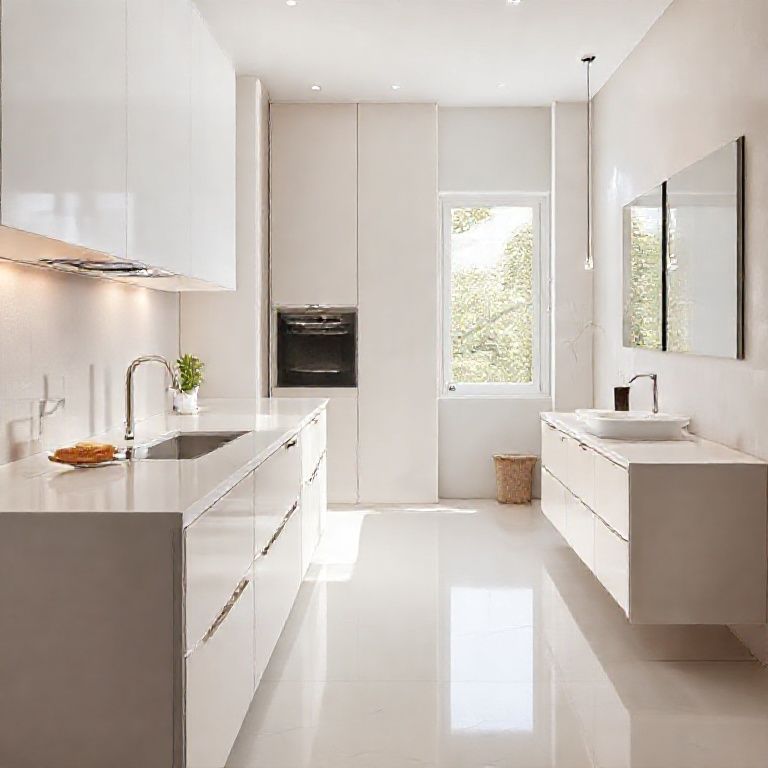
The lifespan of artificial stone can vary depending on the aforementioned factors, but generally, it can last between 25 to 50 years or more when maintained properly. Here’s a detailed breakdown:
Residential Areas
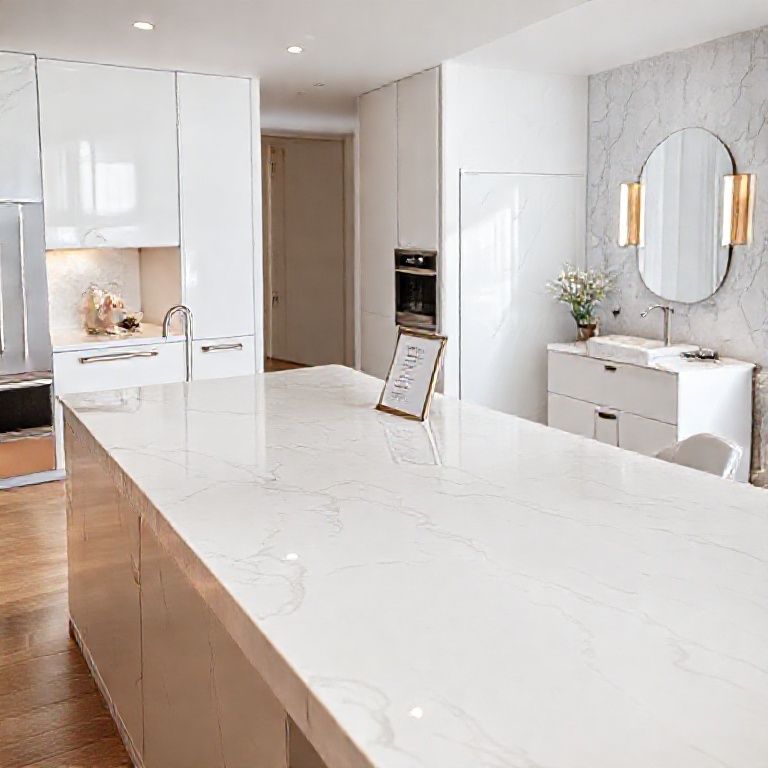
In residential settings, artificial stone countertops, backsplashes, and bathtubs typically last between 25 to 35 years. With regular cleaning and minimal exposure to harsh chemicals, artificial stone in homes can maintain its appearance and structural integrity for a long time.
Commercial Spaces
In commercial spaces such as restaurants, offices, and retail environments, artificial stone is often subjected to higher levels of traffic and usage. However, with proper maintenance and high-quality materials, it can last between 30 to 50 years or more. Commercial installations often benefit from enhanced durability features that extend their lifespan.
Advantages of Using Artificial Stone
There are several compelling reasons to choose artificial stone over other materials:
1. Durability and Longevity
As discussed, artificial stone offers exceptional durability and can last for decades with proper care. This makes it an excellent choice for both residential and commercial applications.
2. Low Maintenance
Artificial stone is highly resistant to stains, scratches, and chips, requiring minimal maintenance. Cleaning with a mild soap and water solution is usually sufficient to keep it looking pristine.
3. Wide Range of Designs
One of the most attractive features of artificial stone is its versatility. It can mimic the appearance of various natural stones, marbles, and even woods, allowing for endless design possibilities.
4. Cost-Effective
While the initial cost of artificial stone may be higher than some other materials, its long lifespan and low maintenance requirements make it a cost-effective choice in the long run.
The Long-Lasting Durability of Artificial Stone: How Many Years Can It Last?
In our previous section, we explored the factors that influence the lifespan of artificial stone and its general durability in various settings. Now, let’s delve deeper into specific applications and scenarios to provide a more comprehensive understanding of how artificial stone performs over time.
Kitchens and Bathrooms
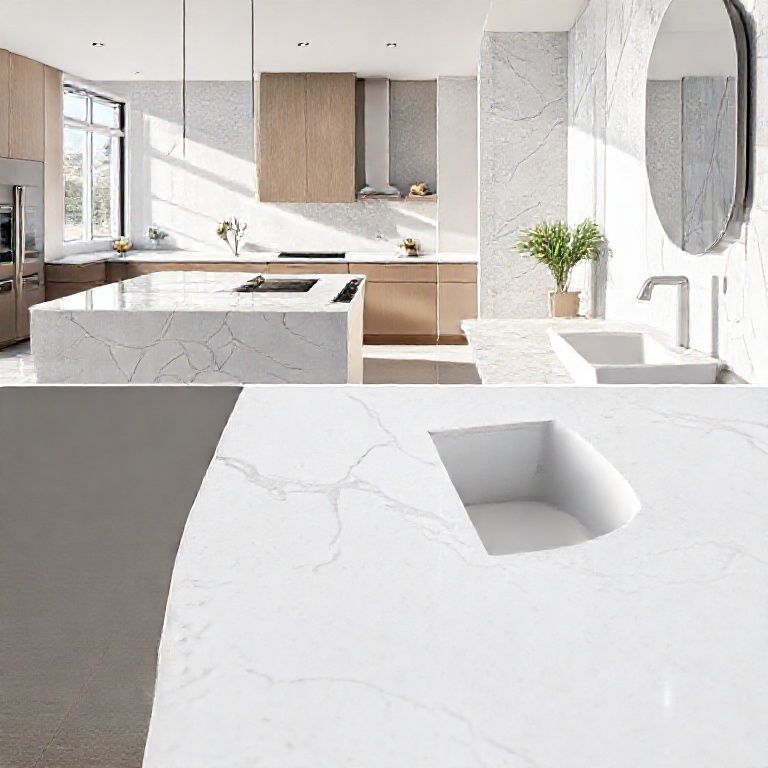
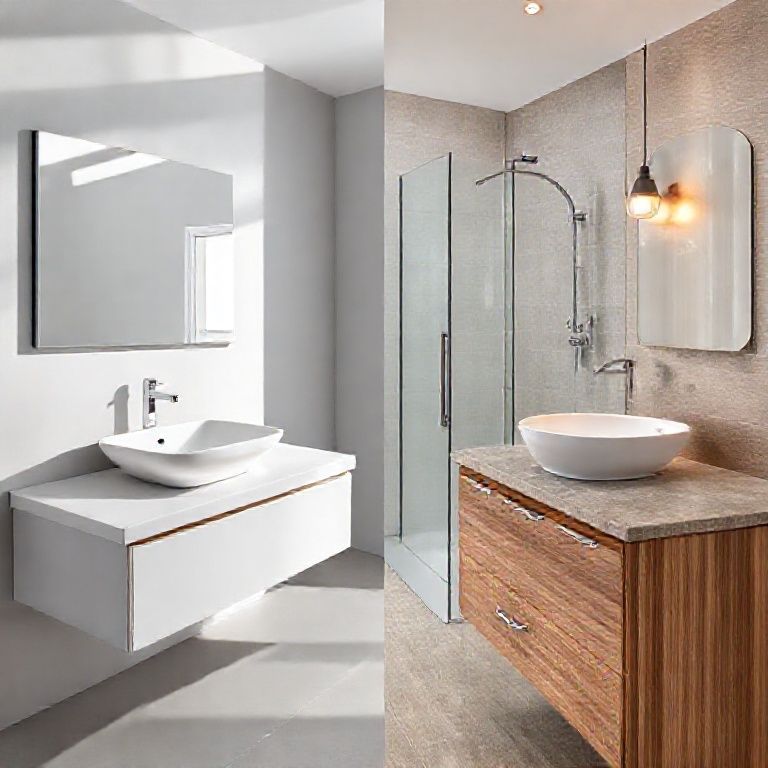
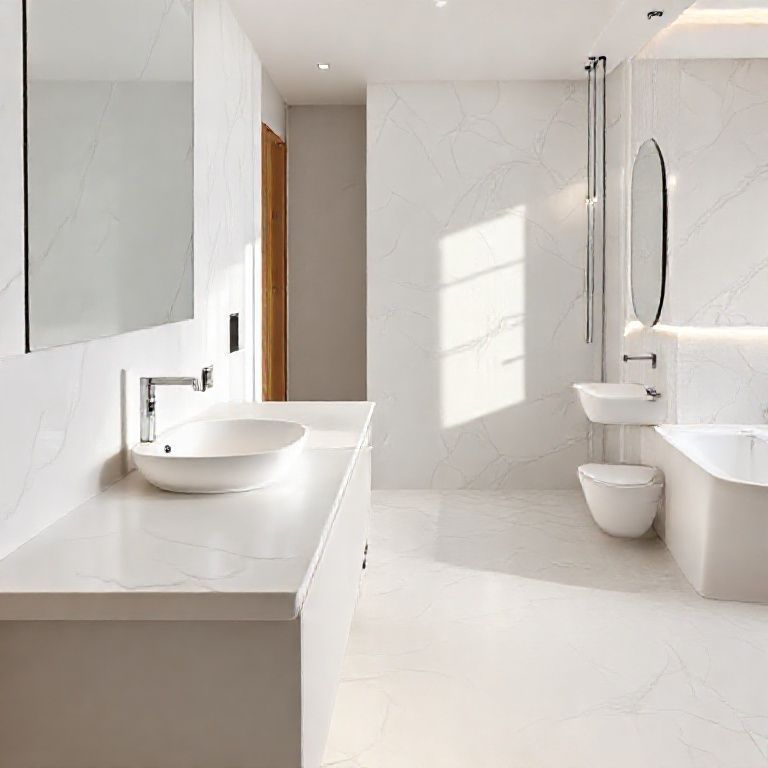
Artificial stone is a popular choice for kitchen countertops and bathroom vanities due to its beautiful appearance and practical benefits. In these areas, artificial stone countertops and sinks offer a modern look that is both durable and easy to clean. With proper maintenance, these surfaces can last between 25 to 35 years. Regular cleaning with mild detergents and avoiding the use of acidic or abrasive cleaners can help maintain their pristine appearance.
Commercial Spaces
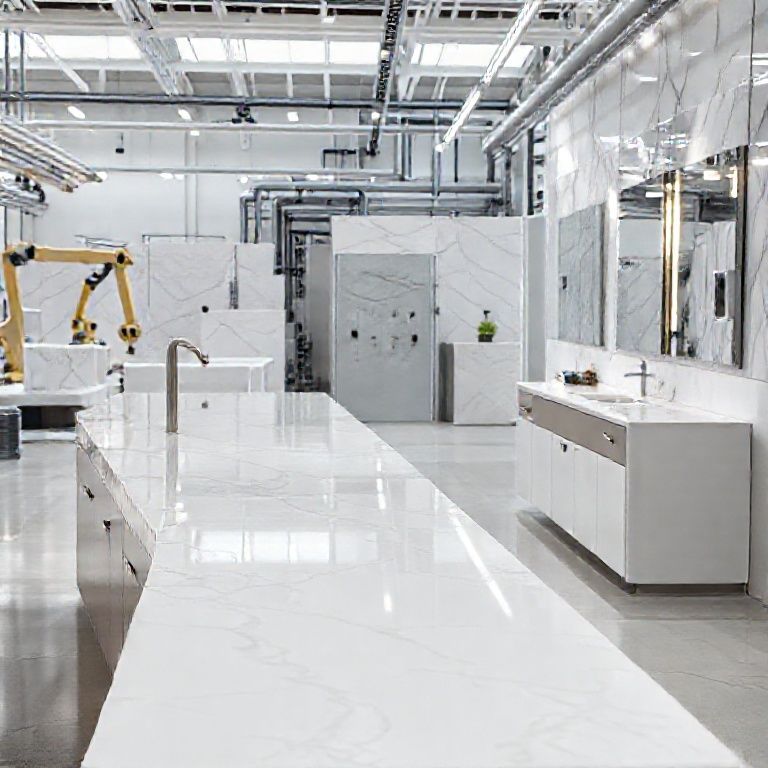
In commercial spaces such as restaurants, offices, and retail environments, the durability of artificial stone is particularly important due to higher levels of wear and tear. High-grade artificial stone designed for commercial use can last between 30 to 50 years or more. These products are often formulated with enhanced resistance to stains, scratches, and environmental factors, ensuring long-term performance.
Outdoor Applications
While artificial stone is primarily known for its indoor applications, it can also be used in outdoor settings such as patios, decks, and garden features. However, outdoor artificial stone must be specifically designed to withstand weather elements such as rain, snow, and temperature fluctuations. High-quality outdoor artificial stone can last between 20 to 30 years, depending on the severity of environmental conditions and the level of maintenance provided.
Cultural and Artistic Uses
Artificial stone is also widely used in cultural and artistic applications, including sculptures, fountains, and decorative features. Due to its superior durability and versatility, artificial stone can last for many decades when properly maintained. Artists and craftsmen often choose this material for its ability to replicate the appearance of natural stone while providing a more durable and manageable medium.
Maintenance Tips for Artificial Stone
To maximize the lifespan of artificial stone, regular maintenance is essential. Here are some tips to ensure the longevity of artificial stone surfaces:
1. Regular Cleaning
Clean artificial stone surfaces regularly using a mild soap and water solution. Avoid using harsh chemicals, abrasive cleaners, or steel wool pads that can scratch the surface. For stubborn stains, use a commercial stone cleaner specifically designed for artificial stone.
2. Sealing
While artificial stone does not require frequent sealing like natural stone, it is a good idea to reseal it periodically, especially if it is exposed to high levels of moisture or acidic substances. Resealing helps to protect the surface and maintain its appearance.
3. Immediate Cleaning
Clean up spills immediately, especially those containing acidic or alkaline substances. These can cause stains and weaken the surface over time. For spills, use a damp cloth to wipe up the liquid and then dry the surface thoroughly.
4. Protective Coatings
Consider applying a protective coating or sealant to high-traffic areas to provide an additional layer of protection against wear and damage. This is particularly useful in commercial settings where surfaces are subject to heavy use.
5. Regular Inspections
Conduct regular inspections of artificial stone surfaces to identify and address any minor damages promptly. Early intervention can prevent minor issues from becoming major problems that require extensive repairs.
Conclusion
Artificial stone is a remarkable material known for its durability, aesthetic appeal, and low maintenance requirements. With proper installation, maintenance, and care, artificial stone can last between 25 to 50 years or more, depending on the specific application and environmental factors. Whether used in residential or commercial settings, artificial stone offers a long-lasting solution that combines beauty with practicality.
By understanding the factors that influence its lifespan and following best practices for maintenance, you can ensure that your artificial stone surfaces remain in excellent condition for many years to come. Its versatility and durability make it an excellent choice for a wide range of applications, providing a stunning and enduring solution for both interior and exterior design.