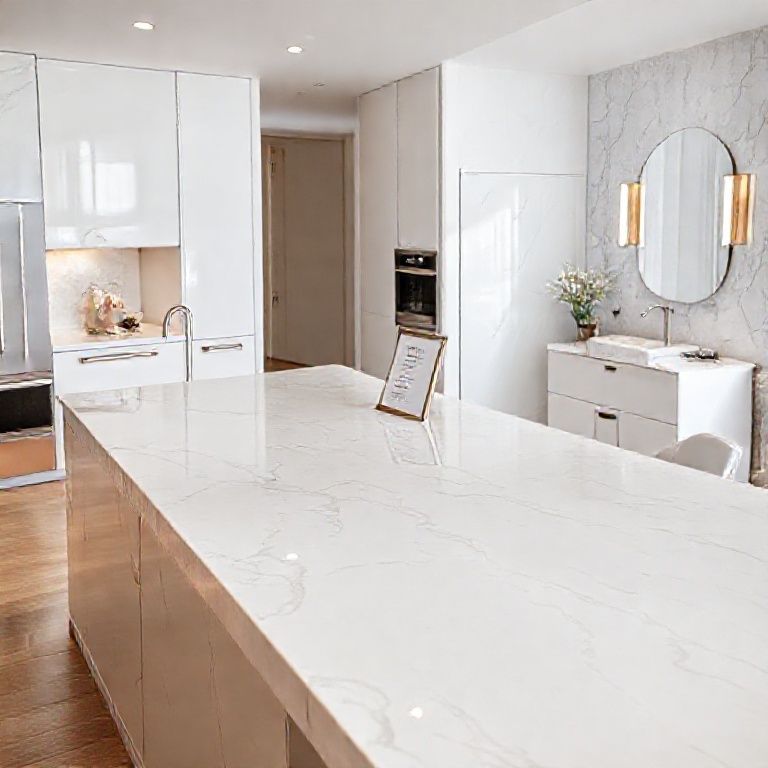
The Longevity of Artificial Stone: Unveiling the Durability and Benefits
In recent years, artificial stone has emerged as a popular choice for both residential and commercial spaces, thanks to its stunning aesthetic appeal and versatility. One of the most frequently asked questions regarding artificial stone is its longevity. How long does artificial stone last? To answer this, it is crucial to understand the various factors that contribute to the durability and lifespan of this remarkable material.

Understanding Artificial Stone
Artificial stone, also known as cultured stone or resin stone, is a composite material created from a mixture of marble dust, resin, and other additives. This combination results in a product that mimics the appearance of natural stone while offering superior durability and resistance to wear and tear. Unlike natural stone, artificial stone is crafted in a laboratory setting, allowing for precise control over its composition and quality.
Factors Influencing the Longevity of Artificial Stone
The lifespan of artificial stone is influenced by several key factors, including its composition, quality, and maintenance. Let’s delve deeper into these elements to understand why artificial stone stands the test of time.
1. Composition and Quality
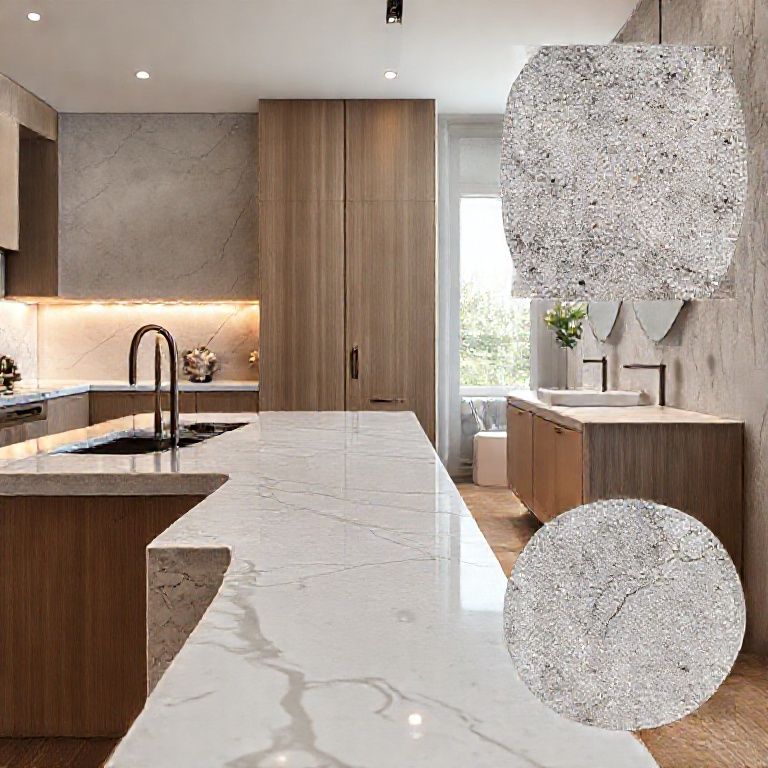
The primary components of artificial stone are marble dust, resin, and other additives. Marble dust provides the stone with its characteristic texture and color, while the resin acts as a binding agent that holds the marble dust together. High-quality artificial stone uses fine-grade marble dust and a superior resin formulation to ensure durability and resistance to external elements.
2. Manufacturing Process
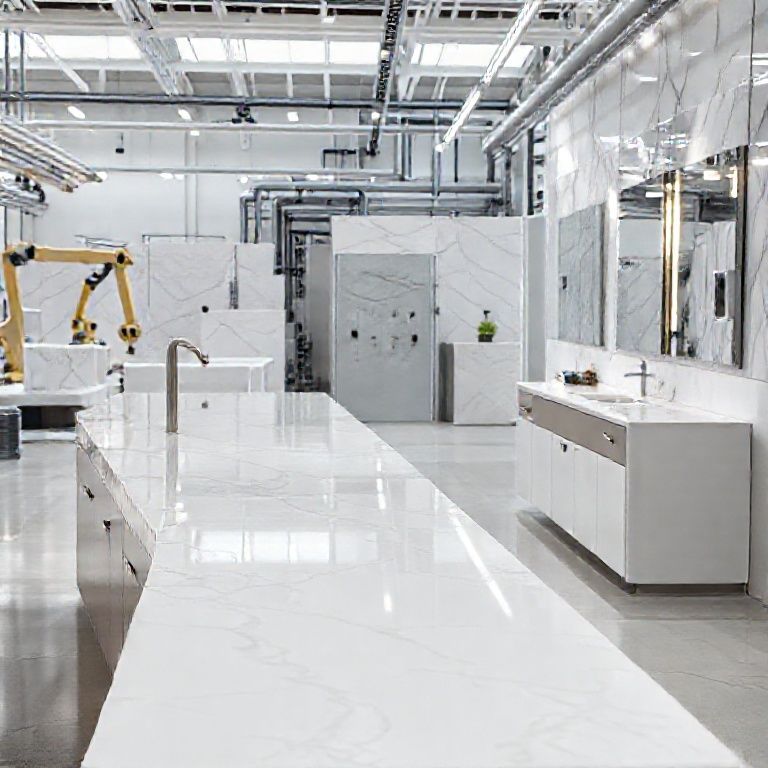
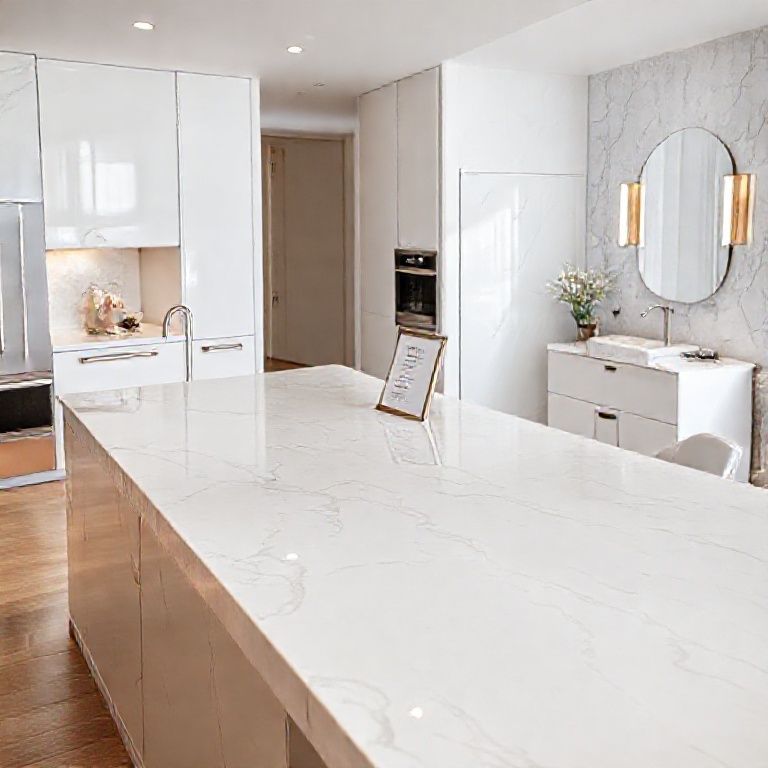
The manufacturing process plays a significant role in the longevity of artificial stone. Reputable manufacturers employ meticulous techniques to create artificial stone that is not only aesthetically pleasing but also robust. The process involves layering marble dust with resin, applying heat and pressure, and then polishing the surface to achieve a smooth finish. Each step is carefully monitored to ensure that the final product is of the highest quality.
3. Installation and Placement
Proper installation is crucial for maximizing the lifespan of artificial stone. This includes using appropriate adhesives and ensuring a secure bond between the stone and the surface it is installed on. Additionally, placing artificial stone in environments with controlled temperature and humidity levels can help prevent damage and deterioration.
4. Maintenance and Care
Regular maintenance is essential for preserving the beauty and longevity of artificial stone. Unlike natural stone, artificial stone is less susceptible to staining and etching; however, it still requires some care to maintain its pristine appearance. Here are some tips for maintaining artificial stone:
Use a soft cloth or non-abrasive sponge to clean the surface. Avoid using harsh chemicals or acidic cleaners. For minor scratches, a specialized stone polish can help restore the shine. Regularly inspect for any signs of wear or damage and address them promptly.
Benefits of Artificial Stone
In addition to its impressive longevity, artificial stone offers a range of benefits that make it an excellent choice for various applications. Let’s explore some of these advantages:
1. Durability and Resistance
Artificial stone is known for its exceptional durability. It is highly resistant to scratches, stains, and etching, making it a practical choice for high-traffic areas. The resin binder ensures that the stone remains intact even under heavy use, providing a long-lasting solution.
2. Aesthetic Versatility
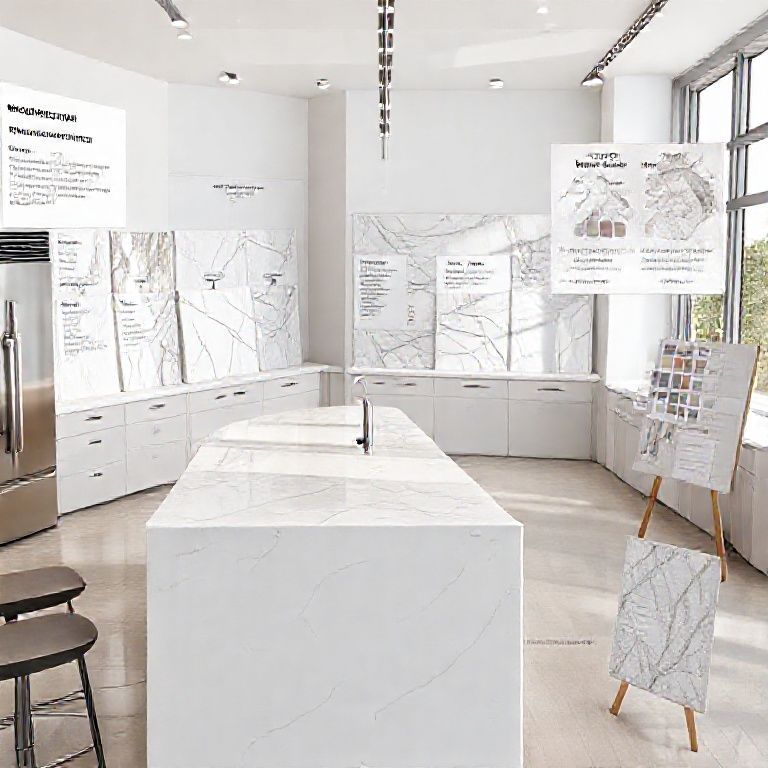
One of the standout features of artificial stone is its versatility in terms of design. Manufacturers can create artificial stone in a wide array of colors, patterns, and finishes that closely mimic natural stone varieties such as marble, granite, and quartz. This allows for endless creative possibilities in interior and exterior design.
3. Cost-Effectiveness
While the initial cost of artificial stone may be higher than some alternatives, its durability and low maintenance requirements make it a cost-effective choice in the long run. The reduced need for repairs and replacements further enhances its value over time.
4. Eco-Friendly Option
Artificial stone is an eco-friendly alternative to natural stone. Since it does not require the extraction and transportation of natural materials, it helps reduce the environmental impact associated with stone quarrying and shipping.
5. Low Maintenance
As mentioned earlier, artificial stone requires minimal maintenance. Its resistance to stains, scratches, and etching means that it can maintain its appearance with simple cleaning routines, saving time and effort over time.
The Longevity of Artificial Stone: Unveiling the Durability and Benefits
Continuing our detailed exploration of artificial stone, we now delve into the specific applications where artificial stone shines and how its longevity plays a crucial role in various settings.
Applications of Artificial Stone
Artificial stone is incredibly versatile and finds applications in numerous areas, each benefiting from its durability and aesthetic appeal. Here are some of the most common uses:
1. Kitchen Countertops
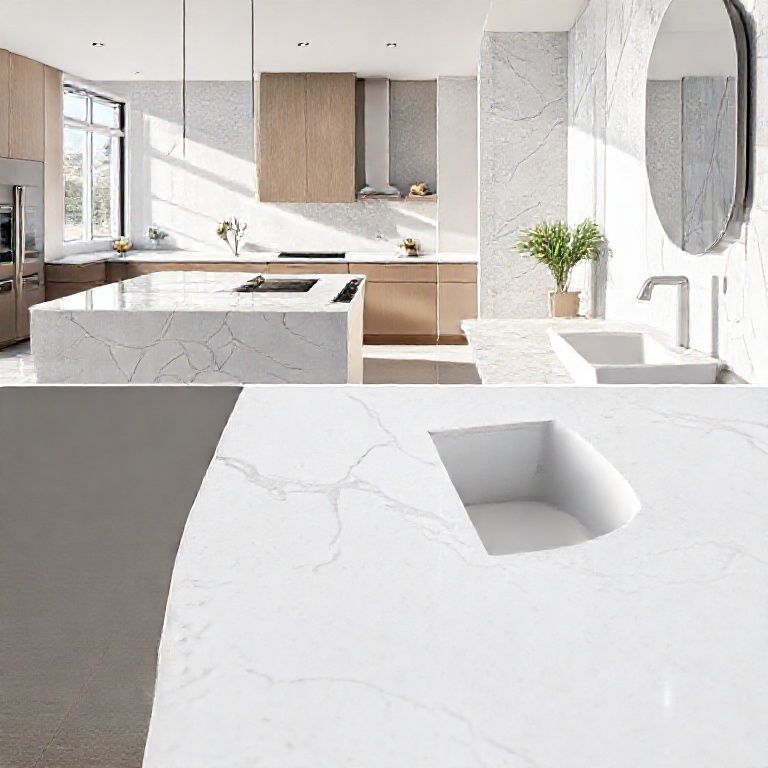
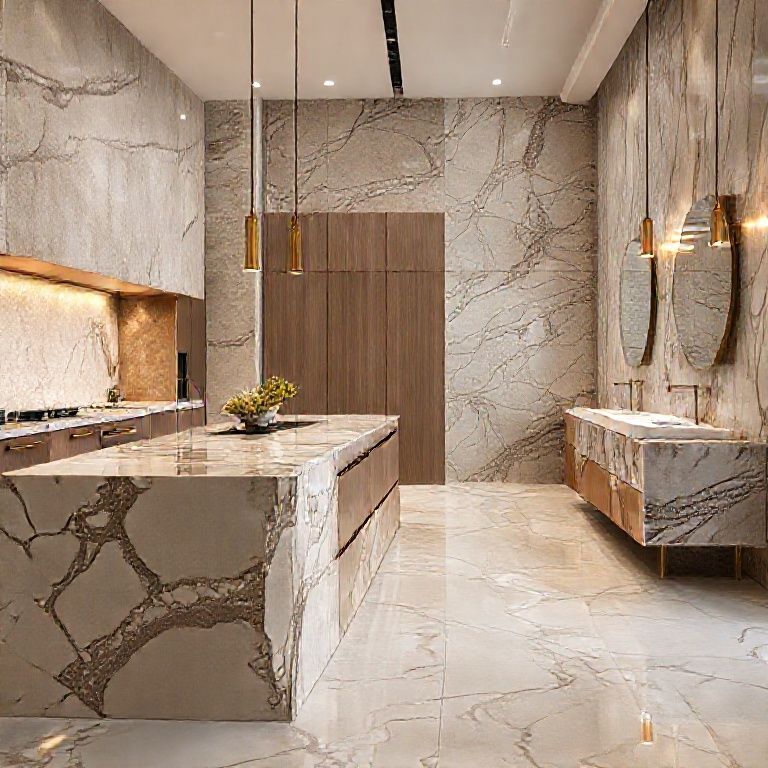
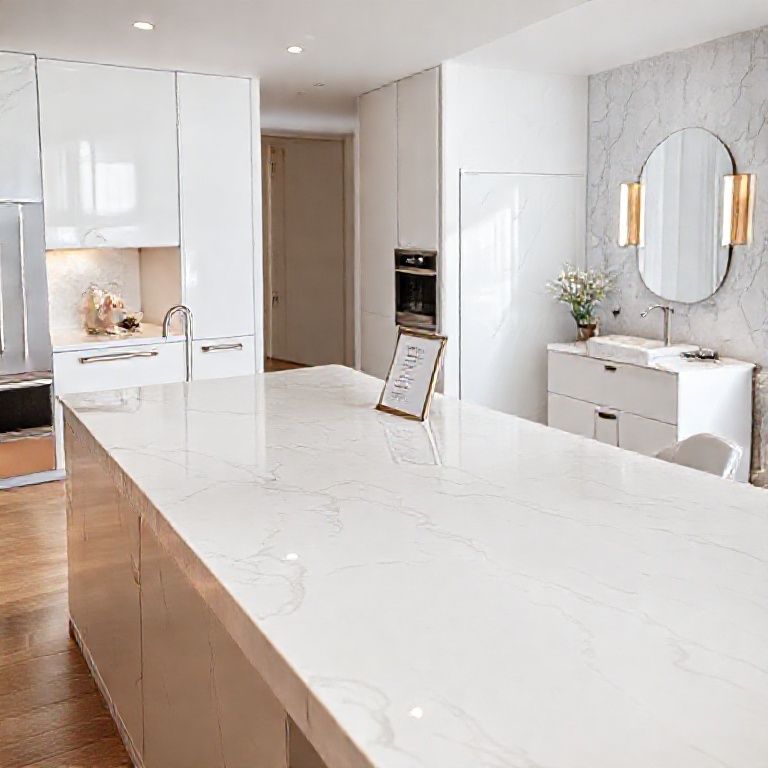
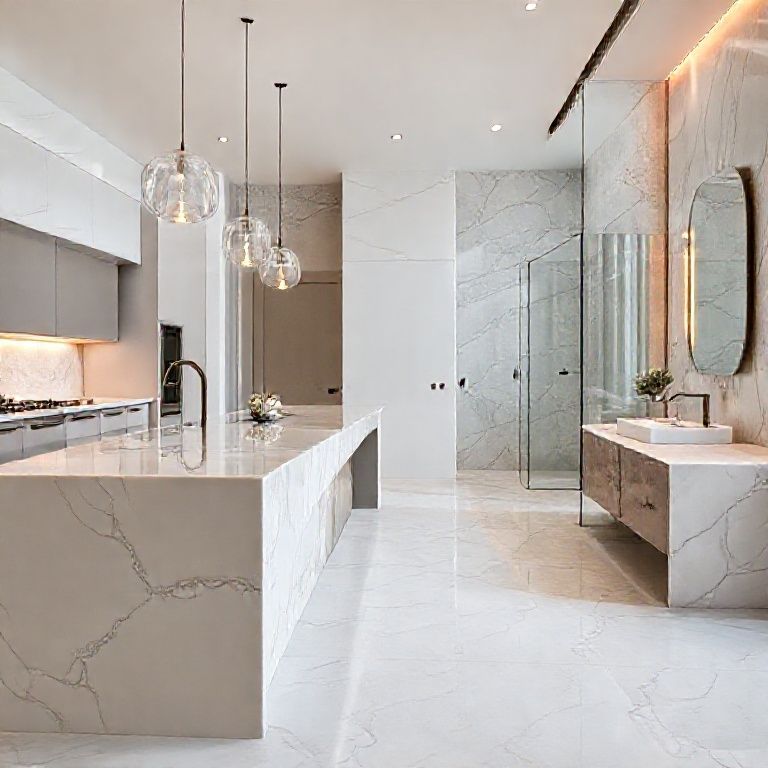
Artificial stone is a popular choice for kitchen countertops due to its non-porous nature and resistance to stains and spills. Its durability ensures that it can withstand the rigors of daily kitchen use without showing signs of wear. Additionally, its aesthetic versatility allows for a wide range of designs, from classic marble to modern patterns, providing a stylish and functional kitchen surface.
2. Bathroom Vanities and Sinks
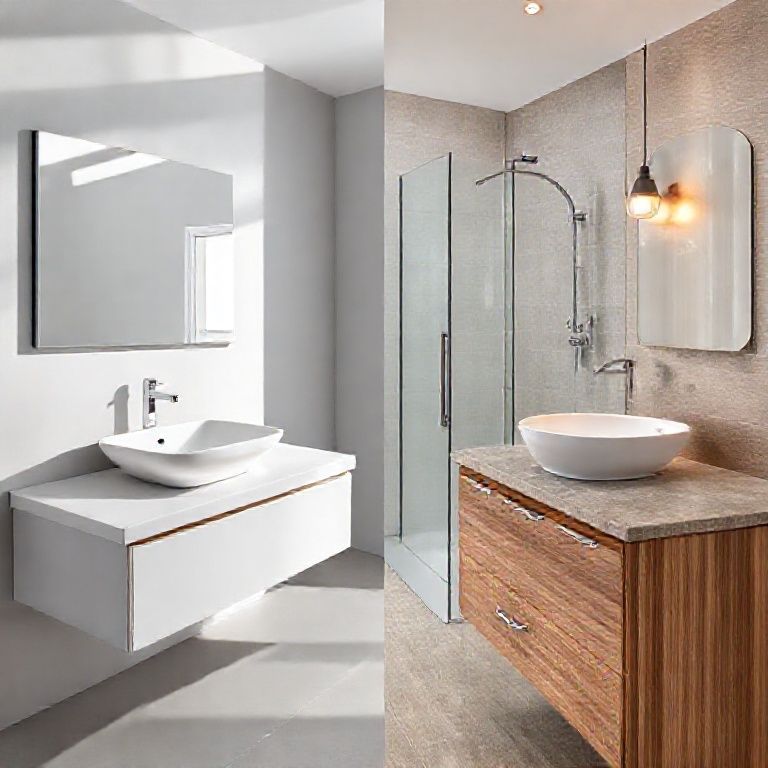
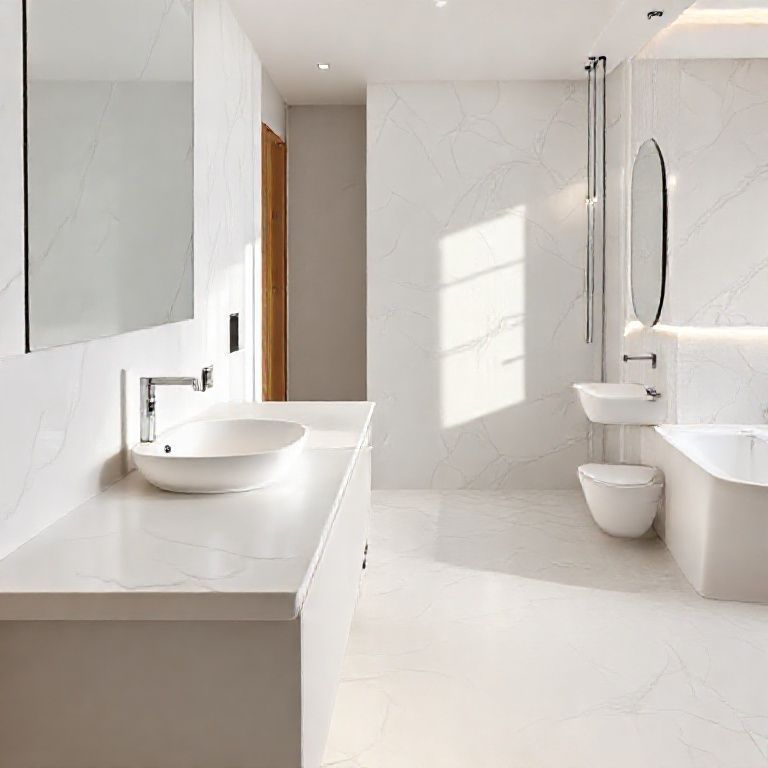
The wet environment of bathrooms can be challenging for many materials, but artificial stone excels in this setting. Its resistance to water and moisture makes it an ideal choice for vanities and sinks, ensuring that it remains intact and looks pristine over time. The ability to replicate the look of various natural stones adds a touch of elegance to any bathroom.
3. Fireplace Surrounds
Artificial stone is also used in fireplace surrounds to create a striking and durable feature. Its ability to withstand high temperatures makes it suitable for this application, providing a long-lasting and visually appealing option. The variety of colors and finishes available allows for a customized look that complements any home decor.
4. Bar Tops and Counters
In bars and restaurants, artificial stone is frequently used for bar tops and counters due to its durability and resistance to spills and stains. Its ability to maintain a clean and professional appearance is particularly important in these high-traffic areas. The aesthetic versatility of artificial stone allows for creative designs that enhance the overall ambiance of the space.
5. Outdoor Features
While natural stone is often used for outdoor features, artificial stone offers a practical alternative. Its resistance to weather elements, including rain, snow, and temperature fluctuations, makes it suitable for outdoor applications such as patios, pathways, and garden features. The durability of artificial stone ensures that these outdoor elements can withstand the elements without significant deterioration.
Comparing Artificial Stone to Natural Stone
When considering artificial stone, it’s helpful to compare it to natural stone to understand its advantages and limitations. Here’s a closer look at the differences:
1. Durability
While natural stone is known for its beauty, it is also more prone to scratches, stains, and etching compared to artificial stone. Natural stone requires more frequent maintenance and can be more susceptible to damage in high-traffic areas. Artificial stone, on the other hand, offers superior durability and low maintenance, making it a more practical choice for many applications.
2. Cost
The cost of natural stone can vary widely based on the type and quality. High-end natural stones can be very expensive, and the cost can escalate with the need for additional treatments to protect against stains and etching. Artificial stone, while initially more expensive, offers better value over time due to its longevity and low maintenance requirements.
3. Environmental Impact
Extracting and transporting natural stone has a significant environmental impact, including habitat destruction and carbon emissions. Artificial stone provides an eco-friendly alternative, reducing the need for quarrying and the associated environmental footprint.
4. Aesthetic Options
Both artificial and natural stone offer a wide range of aesthetic options. However, artificial stone allows for more creative possibilities due to its ability to mimic various natural stone finishes with precision. This versatility makes artificial stone a popular choice for custom design projects.
Future Trends in Artificial Stone
The future of artificial stone looks promising, with ongoing advancements in materials and manufacturing processes. Innovations in resin technology and marble dust composition are enhancing the durability and aesthetic appeal of artificial stone further. Additionally, the increasing focus on sustainability is driving the adoption of artificial stone in various industries.
1. Enhanced Durability
Ongoing research and development are leading to the creation of artificial stone with even greater resistance to scratches, stains, and environmental factors. This will ensure that artificial stone remains a top choice for long-lasting and low-maintenance surfaces.
2. Sustainable Practices
Manufacturers are adopting more sustainable practices in the production of artificial stone, including the use of recycled materials and reduced energy consumption. This aligns with global trends toward more environmentally friendly construction materials.
3. Advanced Aesthetics
Technological advancements are enabling manufacturers to create artificial stone with even more realistic and varied finishes. This includes replicating the intricate patterns of natural stone with greater accuracy, providing more options for creative and custom designs.
Conclusion
The longevity of artificial stone is a testament to its superior durability, resistance to wear and tear, and low maintenance requirements. Its composition, quality, and proper care all contribute to its impressive lifespan, making it a practical and aesthetically pleasing choice for various applications. From kitchen countertops to bathroom vanities and outdoor features, artificial stone offersartificial stone provides a versatile and long-lasting solution that stands the test of time. The benefits of artificial stone, including its durability, aesthetic versatility, cost-effectiveness, eco-friendliness, and low maintenance, make it an excellent choice for both residential and commercial projects.
As the demand for sustainable and durable materials continues to grow, artificial stone is poised to play an even more significant role in the future of construction and design. With ongoing innovations in materials and manufacturing processes, artificial stone is set to become even more advanced, offering unparalleled durability, realistic aesthetics, and environmental benefits.
Whether you are looking to upgrade your kitchen, bathroom, or outdoor space, artificial stone offers a timeless and stylish solution that will withstand the demands of everyday use. Its ability to replicate the beauty of natural stone while providing superior durability and low maintenance makes it a practical and attractive choice for any project.
In conclusion, the longevity of artificial stone is a reflection of its remarkable qualities and the meticulous care it requires. By understanding the factors that contribute to its durability and following best practices for maintenance, you can ensure that your artificial stone surfaces remain beautiful and functional for years to come. Embrace the benefits of artificial stone and enjoy a space that is both stylish and enduring.