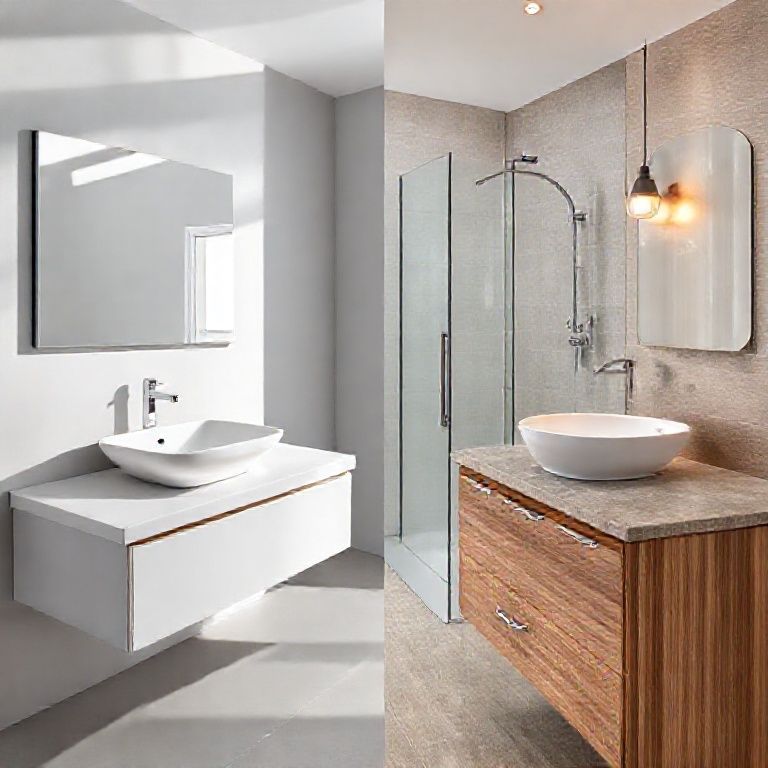
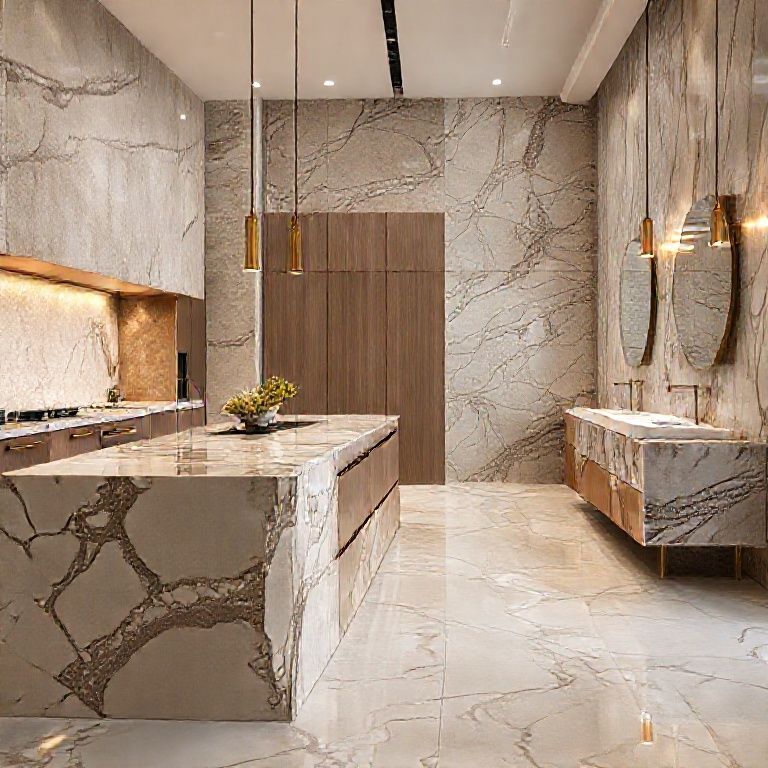
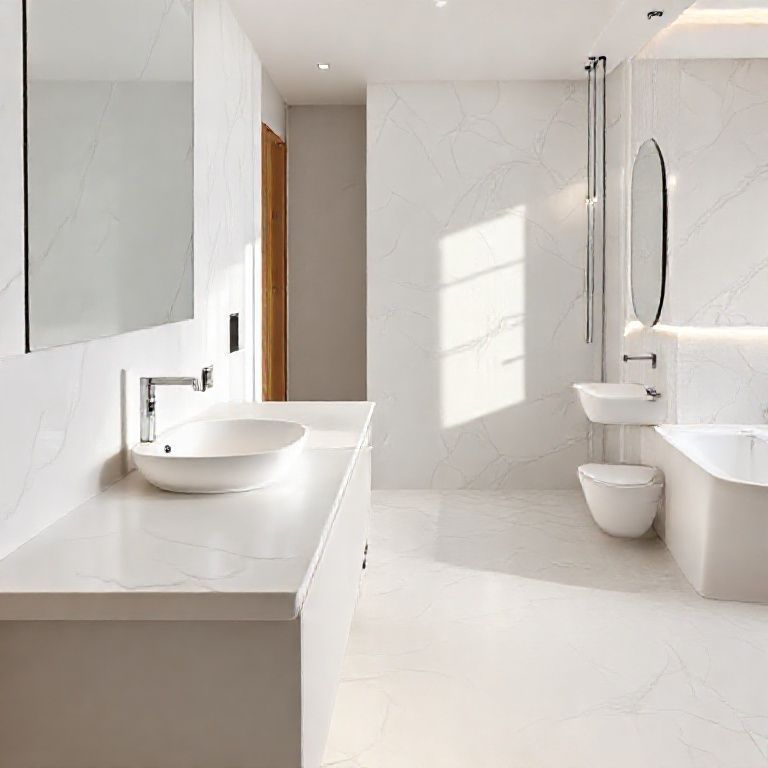
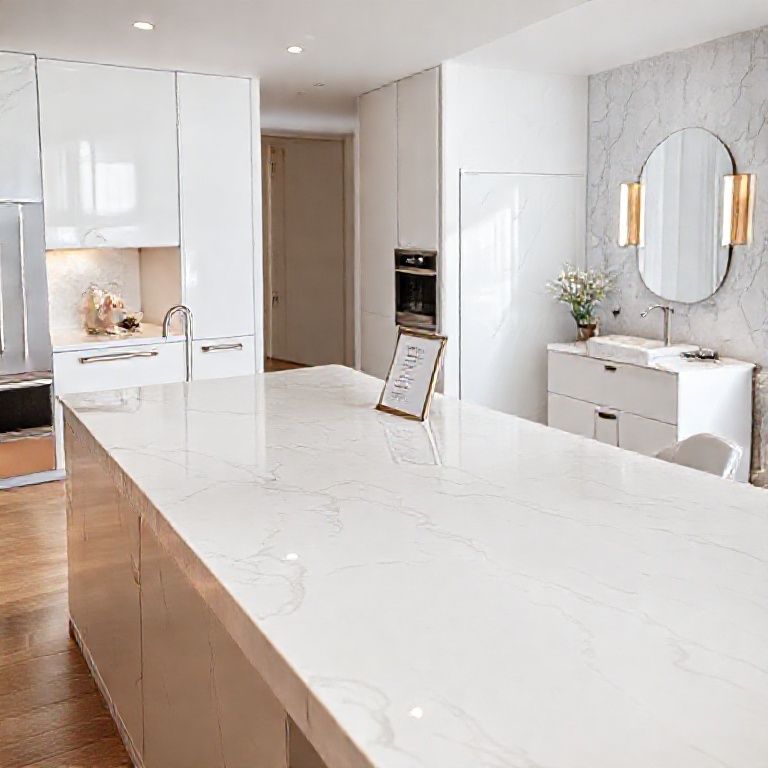
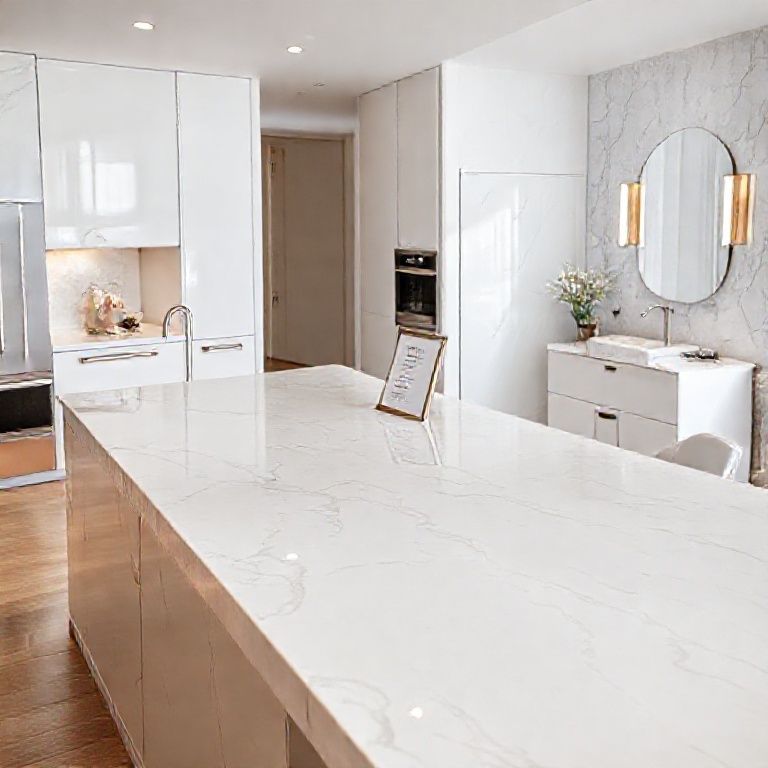
Curious about how long artificial marble retains any radiation and what it means for your home or workspace? This comprehensive guide explores the longevity of radiation in artificial marble, debunking myths and providing clarity. We delve into the materials, production processes, and safety standards that ensure peace of mind.

artificial marble radiation, radiation in artificial stone, longevity of radiation in artificial marble, safety of artificial marble, non-toxic artificial marble, radiation-free artificial marble, marble countertop radiation, artificial stone radiation concerns, radiation in building materials
Part 1
The Longevity of Radiation in Artificial Marble: Understanding and Assurance
Artificial marble has revolutionized the interior design and construction industry with its stunning aesthetics and durability. Often mistaken for natural marble, this synthetic material is actually a composite of minerals, resins, and pigments. Despite its popularity, questions about its safety, particularly concerning radiation, often surface. This article aims to explore the longevity of radiation in artificial marble, providing clarity and reassurance.
What is Artificial Marble?
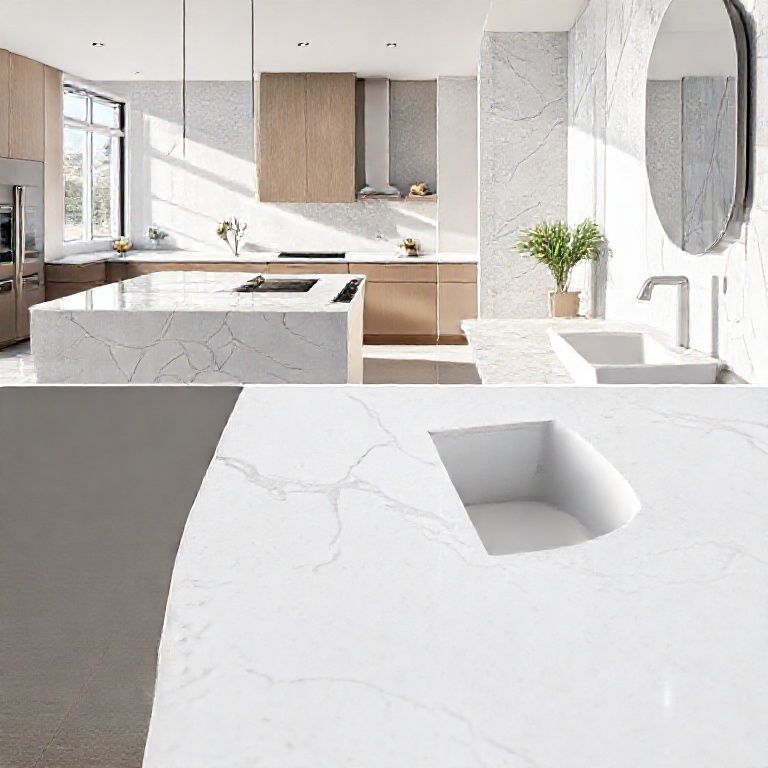
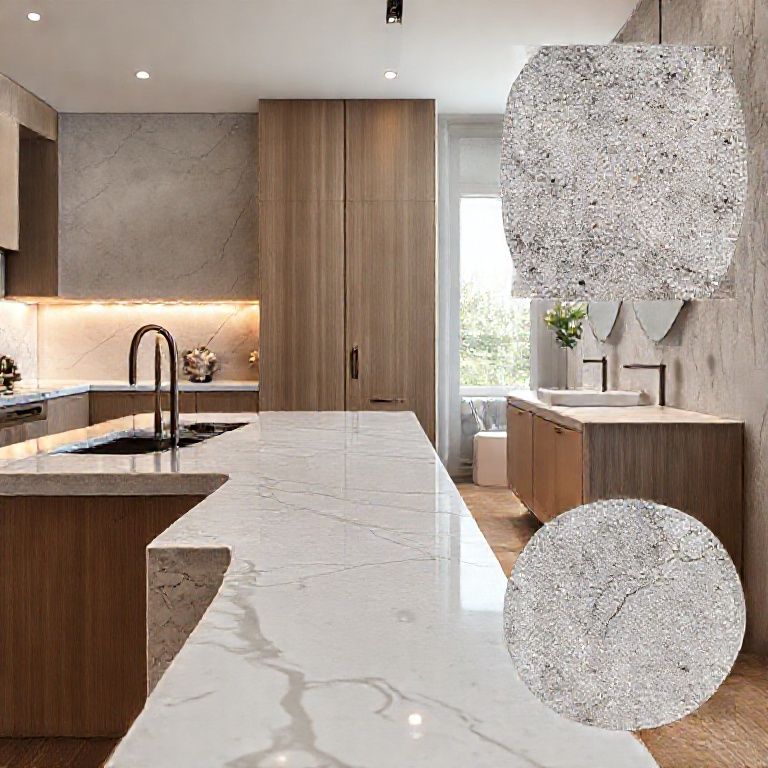
Artificial marble, also known as artificial stone or cultured stone, is a composite material that combines various minerals with a polymer resin. This mixture is then shaped and cured to form slabs, countertops, and other decorative elements. The result is a material that mimics the appearance of natural marble while offering superior durability and resistance to stains, scratches, and thermal damage.
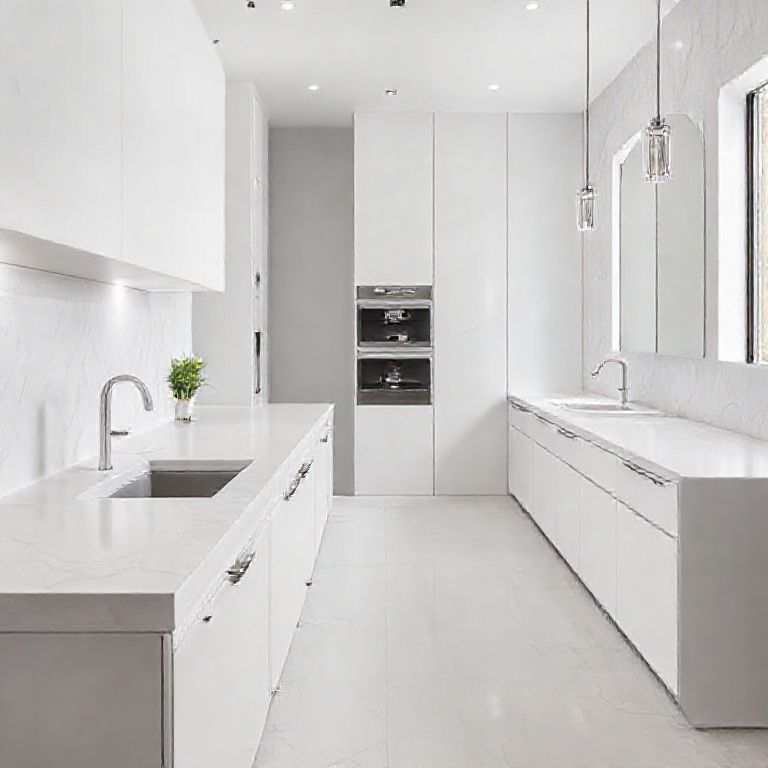
Production Process and Materials
The production of artificial marble involves several stages:
Raw Material Selection: Minerals such as calcite, quartz, and dolomite are chosen for their natural stone-like appearance and durability. Mixing: These minerals are finely ground and mixed with a polymer resin, often made from acrylic or epoxy. Shaping: The mixture is poured into molds and allowed to cure under heat and pressure to achieve the desired shape. Finishing: The material is polished and finished to mimic the look of natural stone.
Addressing Radiation Concerns
One of the primary concerns regarding artificial marble is whether it emits radiation. To understand this, it’s important to delve into the composition and manufacturing processes.
Natural vs. Synthetic Components
Artificial marble is predominantly composed of inorganic minerals like calcite and quartz, which are non-radioactive. The polymer resin used in the manufacturing process is also generally non-radioactive. The key here is that the materials used do not inherently contain radioactive elements.
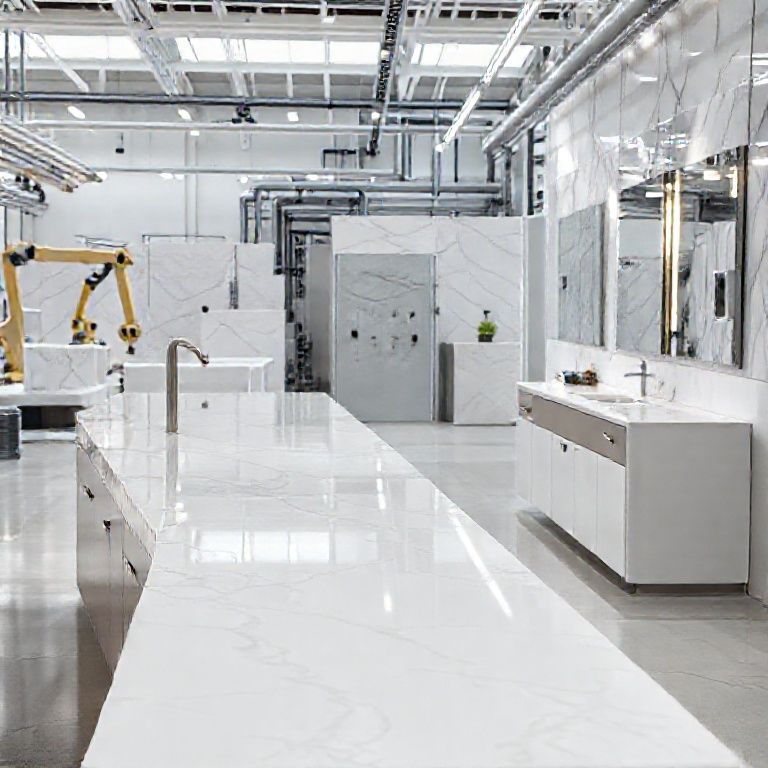
Curing Process
During the curing process, which involves applying heat and pressure, any potential radiation would be neutralized. The high temperatures used in curing are sufficient to eliminate any radioactive particles that might be present in the raw materials.
Scientific Evidence and Safety Standards
To further address radiation concerns, let’s look at scientific evidence and safety standards:
Testing and Certification
Artificial marble products undergo rigorous testing to ensure they meet safety standards. These tests include:
Comparative Analysis
Comparing artificial marble to natural stone can provide additional context. Natural marble, while beautiful, can contain trace amounts of radioactive materials like uranium and thorium. However, these levels are typically within safe limits as regulated by health and safety organizations. Artificial marble, given its synthetic nature and controlled production process, is often found to have even lower radiation levels.
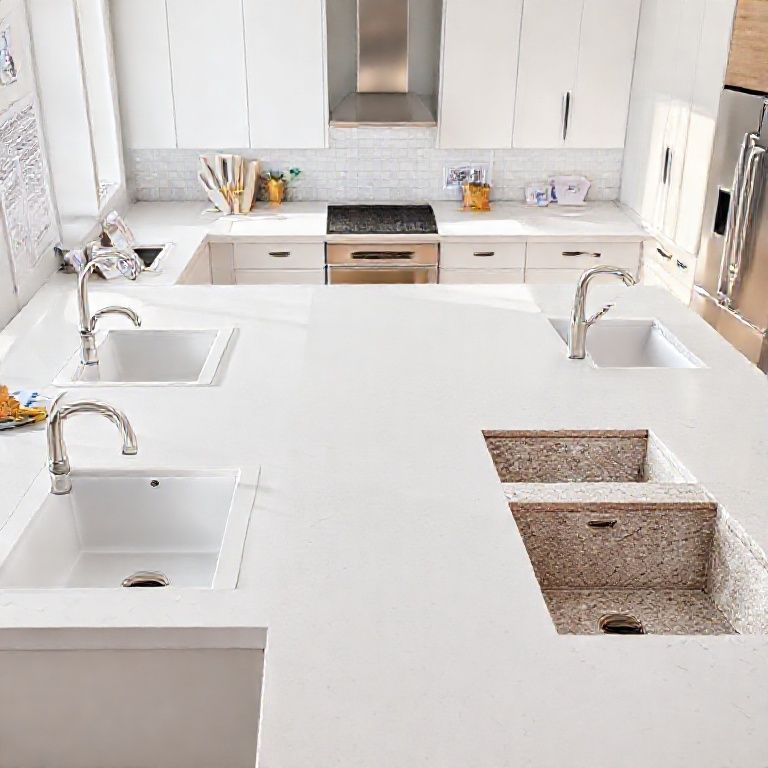
Longevity of Radiation in Artificial Marble
Given that artificial marble is non-radioactive to begin with and the curing process effectively neutralizes any potential radiation, the longevity of radiation in artificial marble is effectively zero. This means that once the material has undergone the curing process, it does not emit radiation over time.
Myths and Misconceptions
Several myths and misconceptions surround the topic of radiation in artificial marble:
Misconception: Artificial Marble Contains Radioactive Elements: Many believe that because artificial marble is synthetic, it must contain harmful radioactive elements. This is not the case. The primary components are non-radioactive minerals and resins. Misconception: Radiation Levels Increase Over Time: Some believe that radiation levels in artificial marble increase as it ages. This is incorrect. Once cured, the material does not emit radiation. Misconception: Natural Marble is Always Safer: While natural marble can contain radioactive elements, the levels are generally within safe limits. Artificial marble, due to its controlled production, often has lower radiation levels.
Ensuring Safety in Use
To ensure the safety of artificial marble in your home or workspace, consider the following:
Choose Certified Products: Opt for artificial marble products that have undergone testing and have certifications from reputable organizations. Inspect Manufacturing Processes: Look for manufacturers that follow stringent quality control measures and transparently share information about their production processes. Regular Maintenance: While artificial marble is low-maintenance, regular cleaning and maintenance will ensure its longevity and appearance.
Conclusion
In conclusion, the longevity of radiation in artificial marble is effectively non-existent. The materials and processes used in its production ensure that it does not emit harmful radiation. With rigorous testing and certifications, artificial marble stands as a safe, durable, and aesthetically pleasing option for various applications. By understanding the science behind artificial marble, you can confidently choose this material for your needs, knowing that it poses no radiation risk.
Wondering about the safety and assurance of artificial marble in your home or office? This detailed exploration dives deep into the safety protocols, radiation-free assurance, and long-term reliability of artificial marble. We provide clear, scientific insights to help you make informed decisions.
safety of artificial marble, radiation-free artificial marble, artificial marble safety standards, long-term reliability of artificial marble, non-toxic artificial stone, safe artificial marble, radiation-free building materials, artificial marble durability, safe artificial marble products, environmental safety of artificial marble
Part 2
The Safety and Assurance of Artificial Marble: Detailed Insights
Artificial marble continues to be a favored choice for both residential and commercial spaces due to its beauty, durability, and cost-effectiveness. However, safety concerns, particularly around radiation, often arise. This second part delves deeper into the safety and assurance of artificial marble, providing comprehensive insights to help you make informed decisions.
Safety Protocols in Production
Understanding the safety protocols in the production of artificial marble is crucial to addressing radiation concerns. Here’s a closer look at how these protocols ensure the material is safe:
Stringent Material Selection
The first step in ensuring the safety of artificial marble is the selection of raw materials. Manufacturers carefully choose non-radioactive minerals such as calcite, quartz, and dolomite. These materials are sourced from reputable suppliers and undergo rigorous quality checks to ensure they do not contain harmful radioactive elements.
Controlled Manufacturing Processes
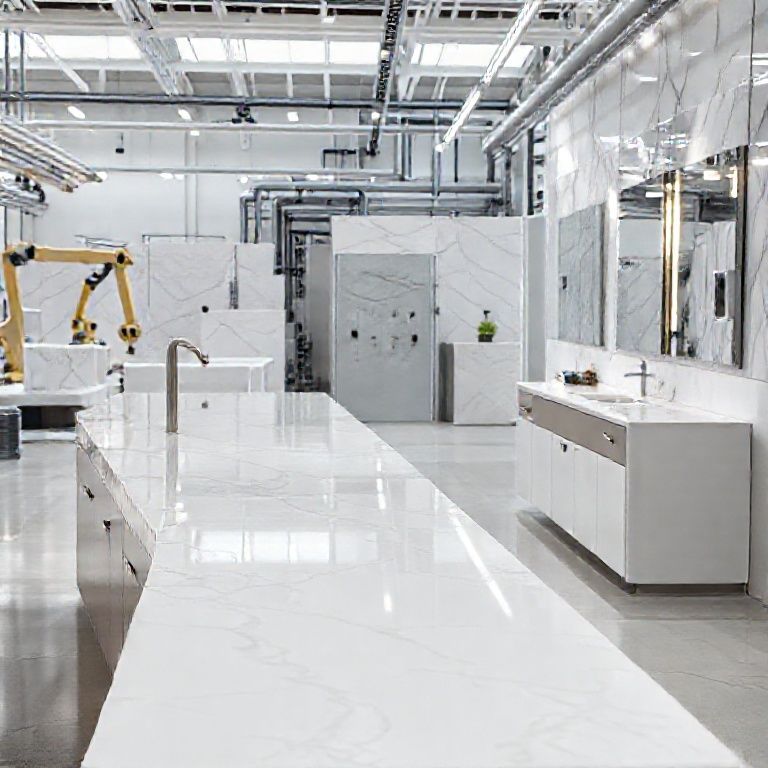
The manufacturing process of artificial marble is meticulously controlled to eliminate any potential radiation:
Mixing: Minerals are finely ground and mixed with a polymer resin under strict quality control measures. Shaping and Curing: The mixture is poured into molds and subjected to precise heat and pressure during the curing process. This phase is critical as it ensures that any potential radiation from the raw materials is neutralized. Quality Assurance: Throughout the manufacturing process, samples are taken and tested for radiation levels. This ensures that the final product meets safety standards.
Regulatory Compliance and Standards
Artificial marble manufacturers adhere to various international safety standards and regulations to ensure the product is safe for use:
ISO Certifications
Many manufacturers of artificial marble obtain ISO (International Organization for Standardization) certifications, including:
Additional Safety Standards
In addition to ISO certifications, artificial marble products often meet or exceed other safety standards:
REACH (Registration, Evaluation, Authorization, and Restriction of Chemicals): Compliance with REACH regulations ensures that the materials used in artificial marble production are safe and do not pose a risk to human health or the environment. RoHS (Restriction of Hazardous Substances): Artificial marble products often comply with RoHS standards, ensuring that they do not contain hazardous substances like lead, mercury, cadmium, or chromium.
Long-Term Reliability and Durability
Artificial marble is renowned for its durability and low-maintenance nature, which adds to its safety and reliability over time. Here’s a closer look at why artificial marble is a long-term investment:
Durability
Artificial marble’s durability is one of its most significant advantages. Unlike natural stone, which can be prone to staining, scratching, and chipping, artificial marble is resistant to these issues. This durability means that the material maintains its appearance and integrity over many years, reducing the need for frequent replacement.
Low Maintenance
Artificial marble requires minimal maintenance. It is easy to clean with common household cleaners and does not require sealing or special treatments to maintain its appearance. This low-maintenance nature ensures that the material remains safe and aesthetically pleasing for an extended period.
Environmental Safety
Artificial marble’s production and use are designed to be environmentally friendly:
Sustainable Sourcing
Manufacturers of artificial marble often source their raw materials sustainably. This includes using recycled materials and ensuring that mining operations for new materials are conducted responsibly.
当然,继续探讨关于人造大理石辐射能维持多久的话题,我们可以进一步探讨其环保性和健康影响。
环保性和健康影响
环保材料的选择
可再生资源: 许多生产人造大理石的企业采用可再生资源,比如再生玻璃、废弃塑料等,这不仅减少了对自然资源的消耗,还降低了生产过程中对环境的负担。
低碳排放: 与传统大理石开采和加工相比,人造大理石的生产过程能显著减少二氧化碳等温室气体的排放。
健康影响
无毒无害: 人造大理石的主要成分是无毒无害的矿物质和树脂,这意味着在正常使用情况下,它不会对人体健康造成任何危害。
无放射性物质: 正如前面提到的,人造大理石的主要成分是非放射性的,且经过高温处理后,任何微量的放射性物质都被有效地去除。
市场趋势和未来展望
随着人们对环保和健康意识的增强,人造大理石在市场上的需求也在不断增长。制造商也在不断创新,以提升产品的环保性和耐久性。
创新与研发
新材料开发: 科学家和工程师们正在研发新型的、更加环保和耐用的人造大理石材料。这些新材料不仅能够更好地模仿自然大理石的外观和质感,还能进一步降低生产对环境的影响。
智能化产品: 未来,人造大理石可能会融合更多智能化技术,比如自清洁、抗菌等功能,进一步提升其在家庭和商业环境中的应用价值。
结论
人造大理石的辐射能维持时间实际上是无限的,因为其本身不含放射性物质,且经过高温处理后,任何潜在的辐射风险被消除。人造大理石在环保和健康方面的优势也使其成为现代建筑和装饰的理想选择。随着技术的进步,人造大理石将在未来拥有更加广阔的应用前景。
如果你对其他方面还有疑问或者需要更多信息,随时可以提问。