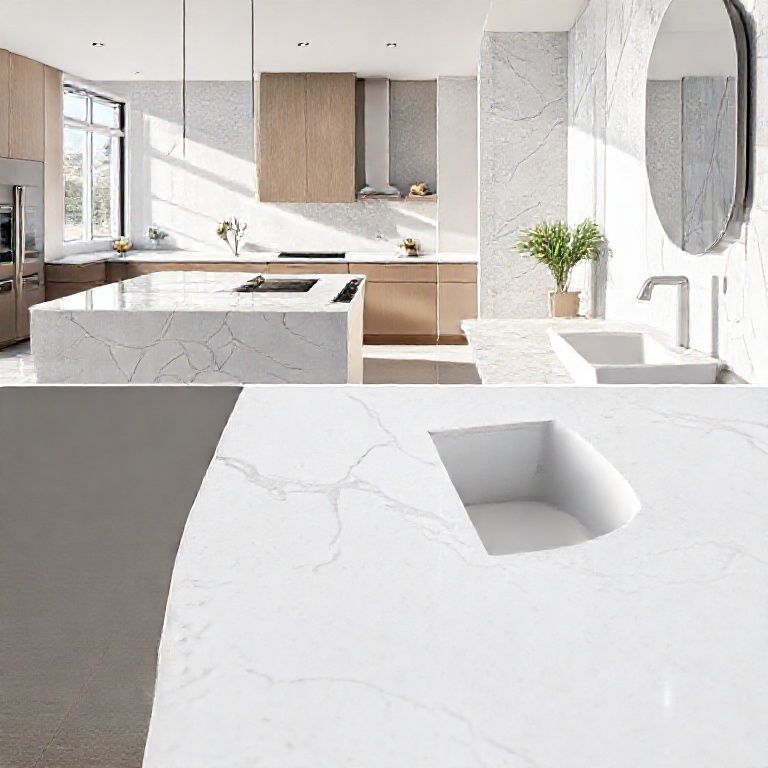
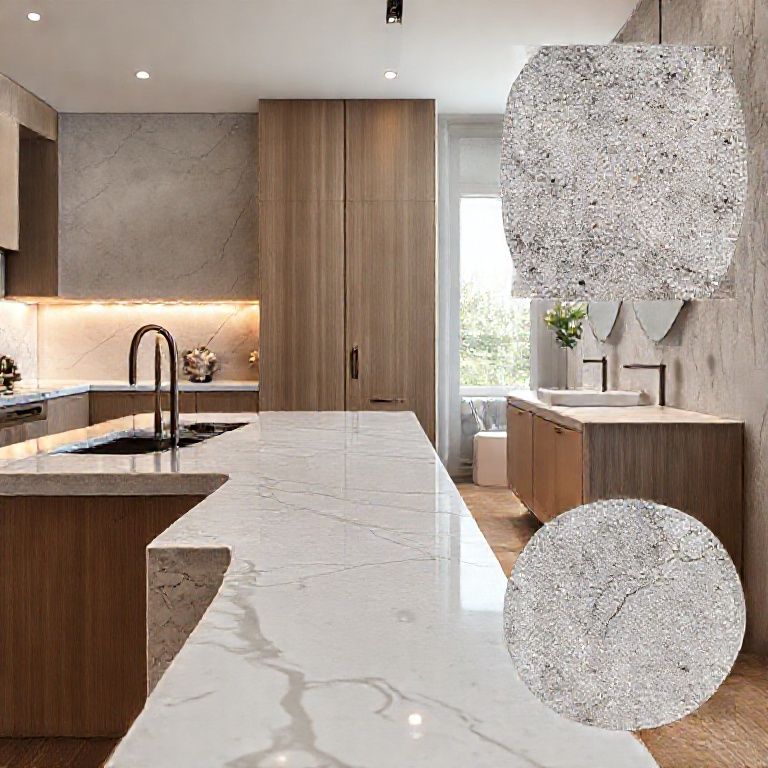
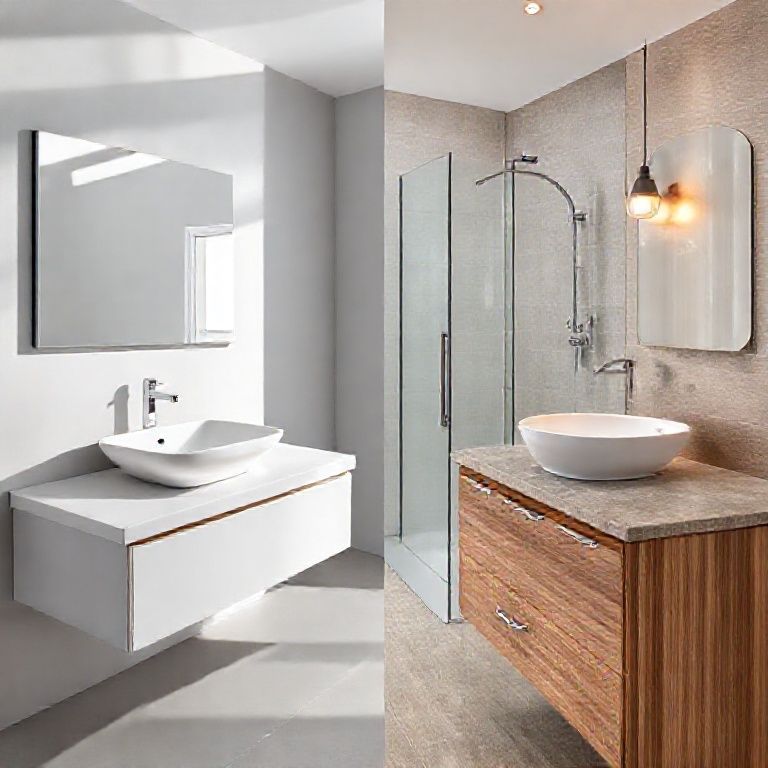
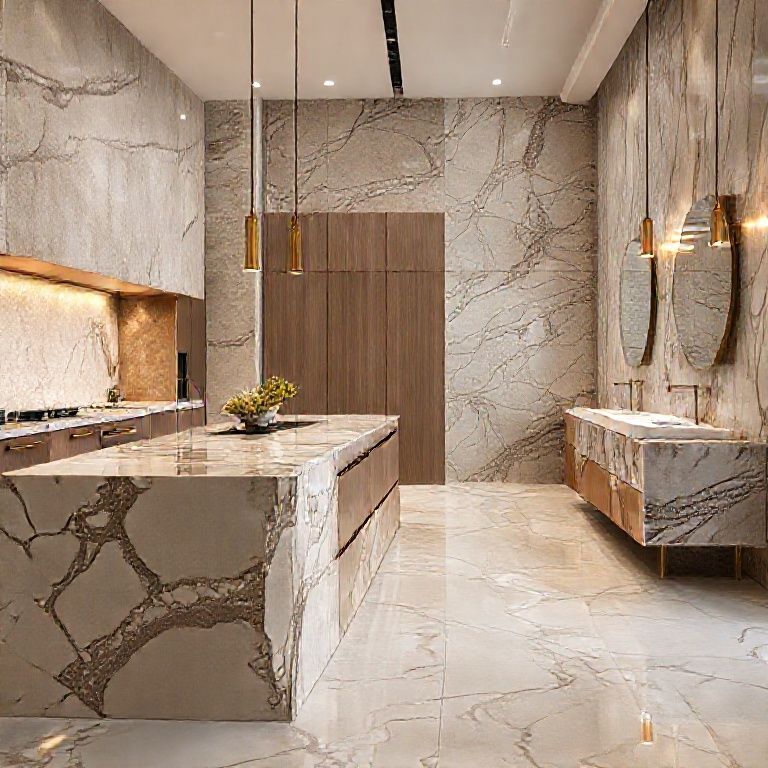
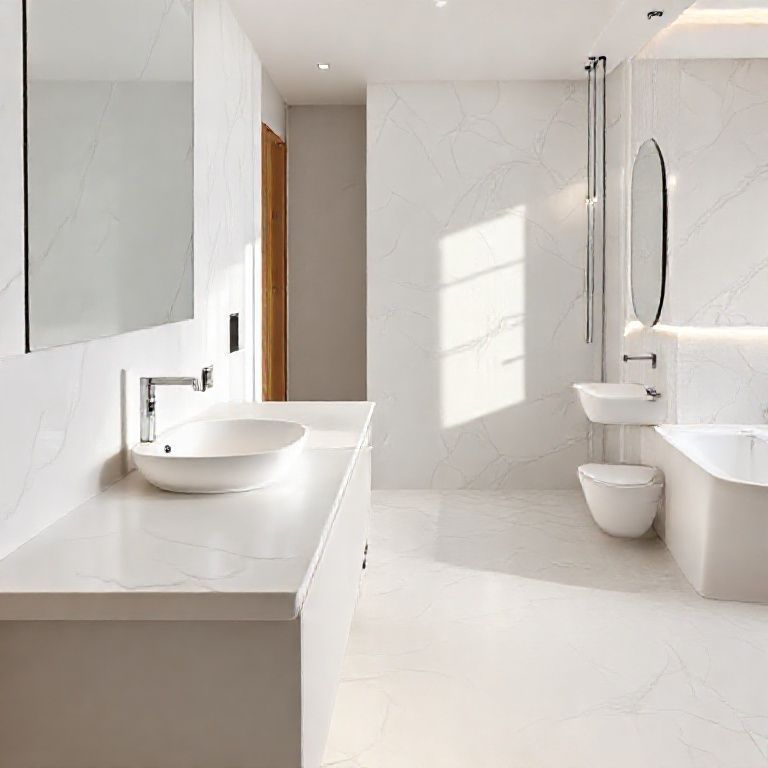
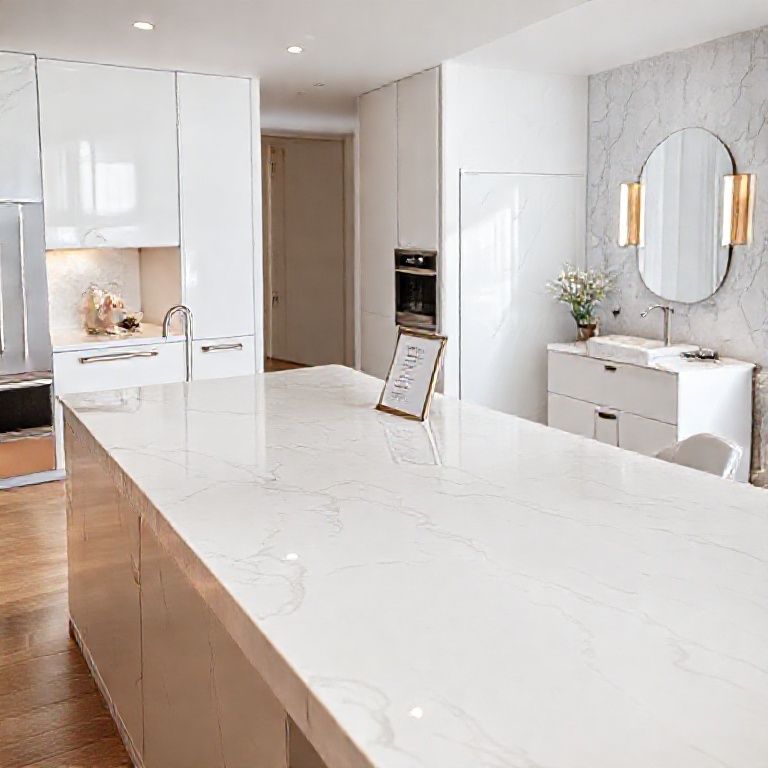
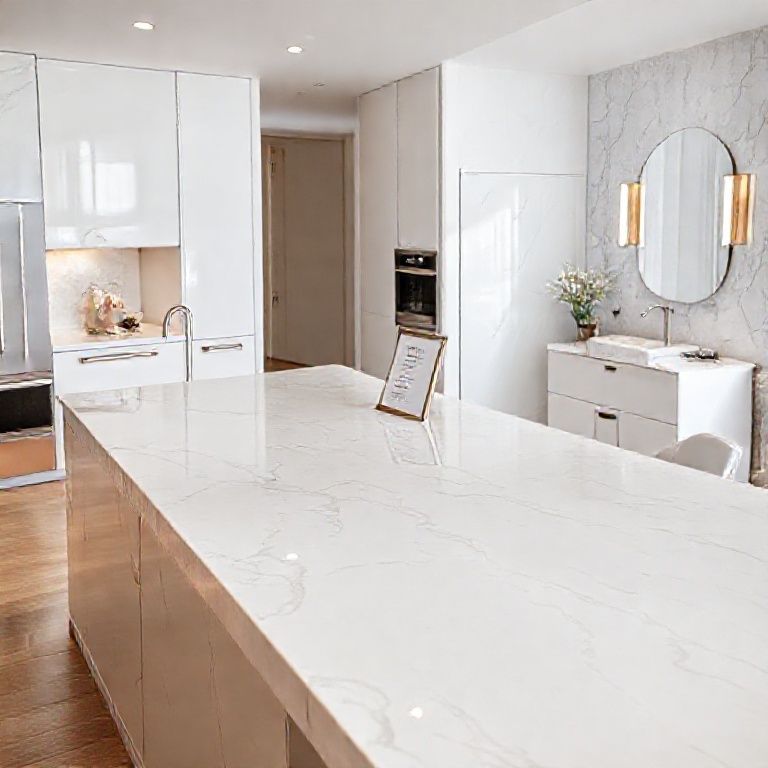
When it comes to modern construction and renovation, Corian synthetic stone has emerged as a favorite among designers and homeowners. Known for its versatility and durability, Corian offers an array of benefits that make it a top choice for many. This first part of our two-part series will explore the impressive advantages of Corian synthetic stone.

Unmatched Durability and Longevity
One of the standout features of Corian is its remarkable durability. This material is made from a combination of acrylic and natural stone, which results in a surface that is incredibly resistant to scratches, chips, and stains. Unlike traditional granite or marble, Corian doesn’t suffer from the same issues like water spots or etchings. This means that Corian countertops and surfaces can maintain their pristine appearance over long periods, even in high-traffic areas like kitchens and bathrooms.
Easy Maintenance
Another significant advantage of Corian is its ease of maintenance. Unlike wood or natural stone, Corian doesn’t require sealing or regular maintenance to stay looking new. A simple wipe down with a damp cloth and mild soap is usually sufficient to keep it sparkling clean. This is particularly beneficial in kitchens and bathrooms, where cleaning is a daily task. The material’s resistance to bacteria makes it an excellent choice for hygienic environments.
Versatility in Design
Corian synthetic stone is incredibly versatile in terms of design. Its ability to be colored in any hue means that it can match almost any aesthetic. Whether you want a sleek, modern look or a more traditional design, Corian can be customized to fit your vision. It can be used for countertops, backsplashes, sinks, and even bathtubs, offering endless possibilities for creative design.
Environmental Friendliness
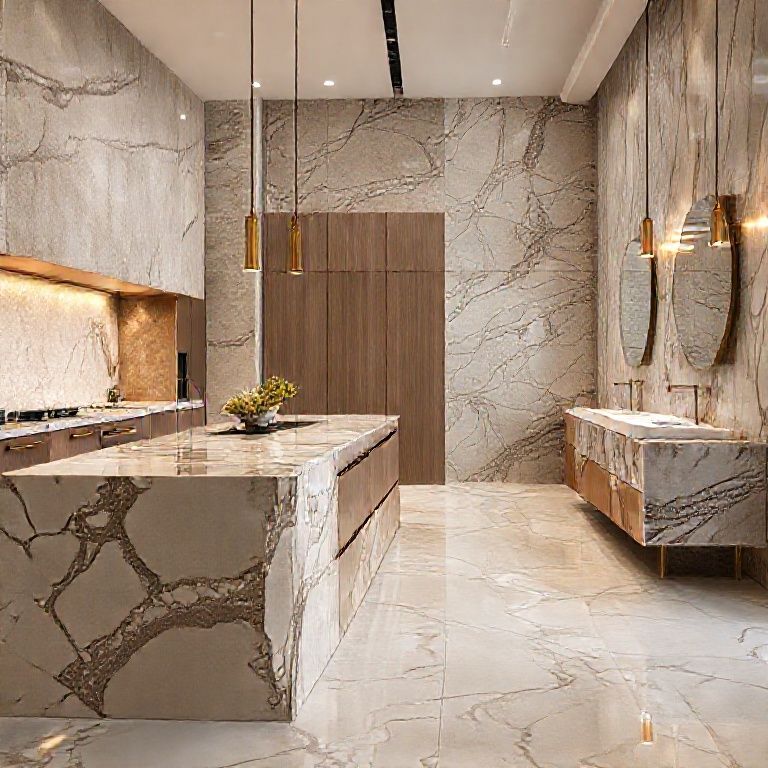
Corian is not only durable and easy to maintain but also environmentally friendly. It is made from 100% recyclable materials, which makes it a sustainable choice. Unlike natural stone, which involves mining and other processes that can harm the environment, Corian can be produced with a significantly lower carbon footprint. This makes it a responsible choice for those who are conscious about the environmental impact of their building materials.
Heat Resistance
One of the lesser-known benefits of Corian is its excellent heat resistance. While it is essential to avoid placing hot pots or pans directly on the surface, Corian can handle the heat from most cooking appliances. This makes it a practical choice for kitchens where high temperatures are a regular occurrence.
Low Maintenance and Safety
In addition to its resistance to stains and scratches, Corian is also non-porous, which means that it doesn’t absorb liquids or odors. This characteristic makes it not only easy to clean but also safe for food preparation areas. The material’s non-porous nature eliminates the risk of bacteria growth, making Corian an ideal choice for kitchens and bathrooms where hygiene is paramount.
Customizability
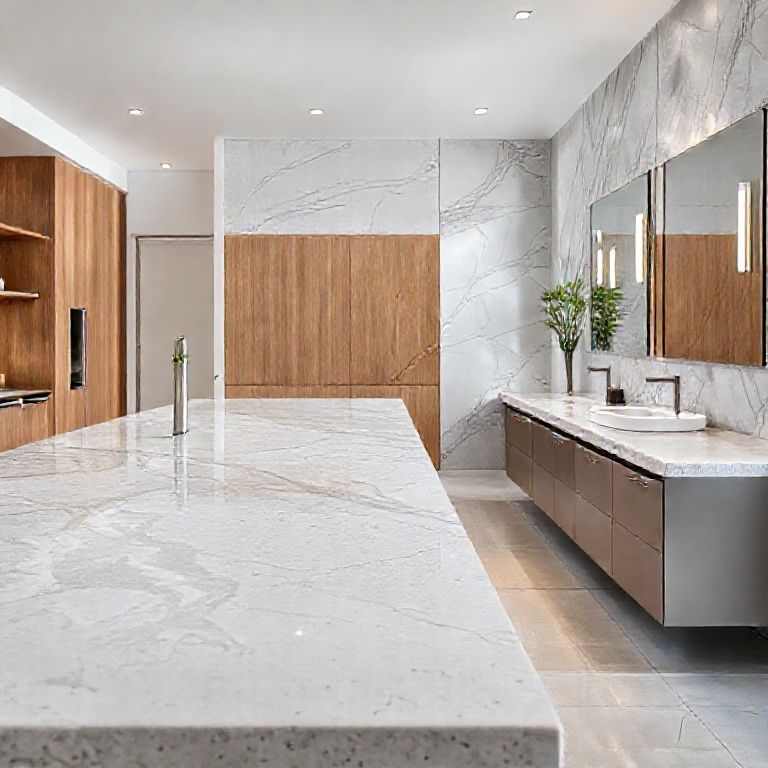
Corian’s customizability extends beyond color. It can be molded into various shapes and forms, allowing for unique and intricate designs. This makes it perfect for custom kitchen islands, bathroom vanities, and other custom-built features. The material can be cut, shaped, and polished to meet specific design requirements, giving you the flexibility to create exactly what you envision.
Cost-Effectiveness
While the initial cost of Corian might be higher compared to some other materials, its longevity and low maintenance requirements can make it a cost-effective choice in the long run. The durability of Corian means that you won’t need to replace or repair it as frequently as you might with less resilient materials. This translates to long-term savings that offset the initial investment.
Aesthetic Appeal
The aesthetic appeal of Corian is another significant advantage. Its ability to mimic natural stone while offering superior durability means that it can provide a luxurious and high-end look without the high price tag. Whether you prefer a sleek, contemporary design or something more textured and natural-looking, Corian offers a range of finishes to suit any style.
Chemical Resistance
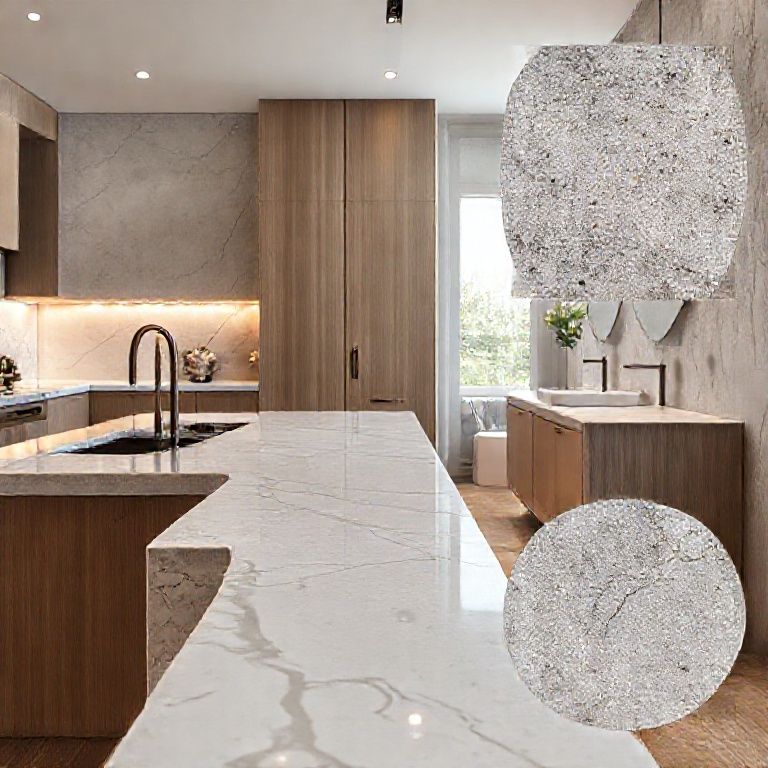
Corian synthetic stone is highly resistant to a variety of chemicals, including those found in cleaning products, oils, and acids. This makes it an excellent choice for areas where these substances are frequently used. Its resistance to chemical damage ensures that Corian maintains its integrity and appearance even when exposed to harsh chemicals.
Safety Features
The material’s non-porous nature not only makes it easy to clean but also safer. Since it doesn’t harbor bacteria or mold, Corian surfaces are safer for use in kitchens and bathrooms. Additionally, Corian is non-toxic, meaning that it won’t release harmful substances into the air or water, which is an important consideration for health-conscious individuals.
In conclusion, Corian synthetic stone stands out for its impressive durability, ease of maintenance, and versatile design capabilities. Its environmental friendliness, heat resistance, and chemical resistance further enhance its appeal. Whether you’re looking to renovate your kitchen or bathroom or create a unique custom design, Corian offers a range of benefits that make it a top choice for many. In the next part of this series, we will delve into the potential drawbacks of Corian synthetic stone to give you a balanced view of this remarkable material.
In the first part of this series, we explored the numerous benefits of Corian synthetic stone. Now, we turn our attention to the potential drawbacks of this versatile material, offering a balanced view to help you make an informed decision. This second part will cover the cons and limitations of Corian, shedding light on areas where it might not be the perfect choice.
High Initial Cost
One of the most significant drawbacks of Corian is its relatively high initial cost. Compared to other countertop materials like quartz or granite, Corian can be more expensive. This is largely due to its manufacturing process, which involves creating a composite of acrylic and natural stone. While the long-term savings from its durability and low maintenance can offset this initial expense, the upfront cost might be a deterrent for some budget-conscious consumers.
Limited Color Options
While Corian’s versatility in design is one of its biggest strengths, it also has a limitation in terms of color options. While it can be colored in almost any hue, the range of colors available is somewhat limited compared to natural stone or quartz. Some colors may not be as vivid or rich, and achieving a specific color can sometimes be challenging. This means that if you have a very specific color in mind, you might find it difficult to match with Corian.
Installation Challenges
Corian is a solid surface material, which means it needs to be properly installed to ensure it holds up well over time. The installation process can be more complex compared to natural stone, requiring the use of specialized tools and techniques. If you’re not experienced in installation, hiring a professional might be necessary to avoid potential issues. Additionally, the material can be heavy and difficult to cut, which adds to the complexity of the installation process.
Heat Sensitivity
Although Corian is heat-resistant, it is not completely immune to high temperatures. Prolonged exposure to very high heat can cause the material to become discolored or warped. While it’s generally safe to use with most cooking appliances, it’s important to avoid placing extremely hot pots or pans directly on the surface.
In the first part of this series, we explored the numerous benefits of Corian synthetic stone. Now, we turn our attention to the potential drawbacks of this versatile material, offering a balanced view to help you make an informed decision. This second part will cover the cons and limitations of Corian, shedding light on areas where it might not be the perfect choice.
High Initial Cost
One of the most significant drawbacks of Corian is its relatively high initial cost. Compared to other countertop materials like quartz or granite, Corian can be more expensive. This is largely due to its manufacturing process, which involves creating a composite of acrylic and natural stone. While the long-term savings from its durability and low maintenance can offset this initial expense, the upfront cost might be a deterrent for some budget-conscious consumers.
Limited Color Options
While Corian’s versatility in design is one of its biggest strengths, it also has a limitation in terms of color options. While it can be colored in almost any hue, the range of colors available is somewhat limited compared to natural stone or quartz. Some colors may not be as vivid or rich, and achieving a specific color can sometimes be challenging. This means that if you have a very specific color in mind, you might find it difficult to match with Corian.
Installation Challenges
Corian is a solid surface material, which means it needs to be properly installed to ensure it holds up well over time. The installation process can be more complex compared to natural stone, requiring the use of specialized tools and techniques. If you’re not experienced in installation, hiring a professional might be necessary to avoid potential issues. Additionally, the material can be heavy and difficult to cut, which adds to the complexity of the installation process.
Heat Sensitivity
Although Corian is heat-resistant, it is not completely immune to high temperatures. Prolonged exposure to very high heat can cause the material to become discolored or warped. While it’s generally safe to use with most cooking appliances, it’s important to avoid placing extremely hot pots or pans directly on the surface. This sensitivity to heat means that it might not be the best choice for areas where extremely high temperatures are a constant concern.
Limited Texture Options
While Corian can mimic various textures, it may not perfectly replicate the unique characteristics of natural stone. For those looking for a very specific texture or veining pattern, Corian might not provide the exact look they are seeking. While it can be molded into various shapes and forms, achieving the same depth and complexity as natural stone can be challenging.
Potential for Damage
While Corian is highly resistant to most scratches and chips, it can still be damaged by certain types of impact. For example, sharp objects like knives can create gouges or scratches if not used carefully. Although these marks can often be filled and polished out, it’s important to handle Corian with care to avoid potential damage.
Environmental Concerns
Although Corian is made from recycled materials, its production process still involves energy consumption and the use of chemicals. This can raise concerns about its environmental impact despite being more sustainable than natural stone. Additionally, the manufacturing process can produce emissions that might not align with the most eco-friendly practices.
Maintenance Over Time
While Corian is low-maintenance in the short term, there might be some concerns about its long-term maintenance. While it doesn’t require sealing or frequent upkeep, it’s still important to maintain it properly to ensure its longevity. Over time, regular cleaning and occasional touch-ups might be necessary to keep it looking its best.
In conclusion, while Corian synthetic stone offers numerous benefits, it also has some drawbacks that are important to consider. The high initial cost, limited color options, installation challenges, and potential for heat-related damage are some of the factors that might influence your decision. However, its durability, ease of maintenance, and versatility in design often outweigh these cons for many. By understanding both the pros and cons, you can make a more informed choice about whether Corian is the right material for your renovation or design project.