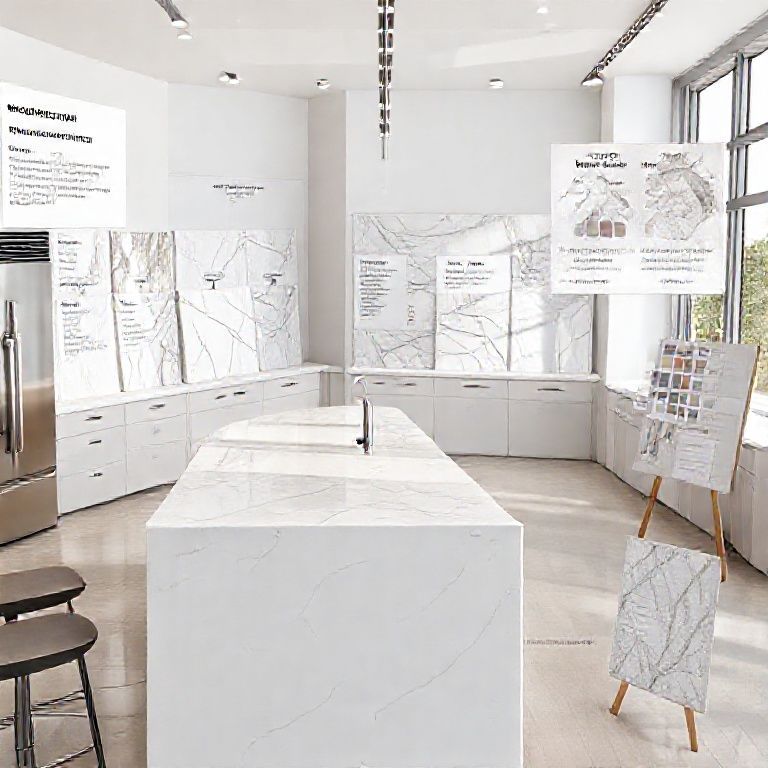
Dive into the fascinating world of engineered marble with this comprehensive exploration. We’ll delve into the merits, demerits, and distinctive characteristics of this luxurious material, offering you a detailed look at what makes it a popular choice for both residential and commercial spaces.

engineered marble, artificial marble, pros and cons, unique characteristics, luxury material, interior design, durability, aesthetics, maintenance, cost-effective, natural stone alternatives
Part 1
The Marvels and Mysteries of Engineered Marble: Unveiling Its Merits
Introduction
In the realm of interior design and home décor, materials that blend luxury with functionality stand out. Engineered marble, also known as artificial or cultured marble, is one such material that has revolutionized the way we perceive and use stone in our spaces. Combining the timeless elegance of natural marble with modern advancements, engineered marble has become a popular choice for those seeking high-end aesthetics with practical benefits. Let’s explore the many merits of engineered marble and understand why it has captured the hearts of designers and homeowners alike.
1. Unmatched Aesthetics
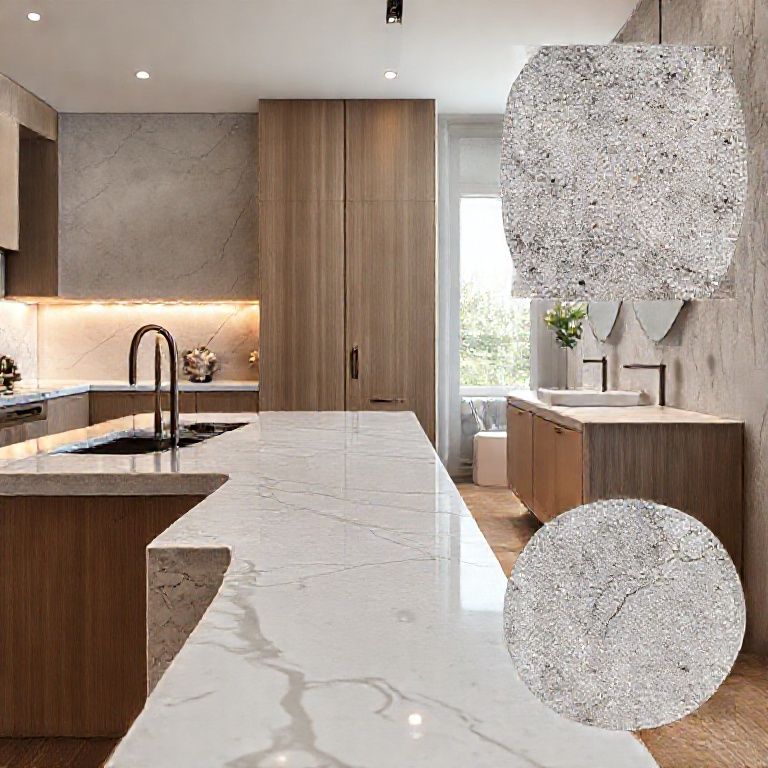
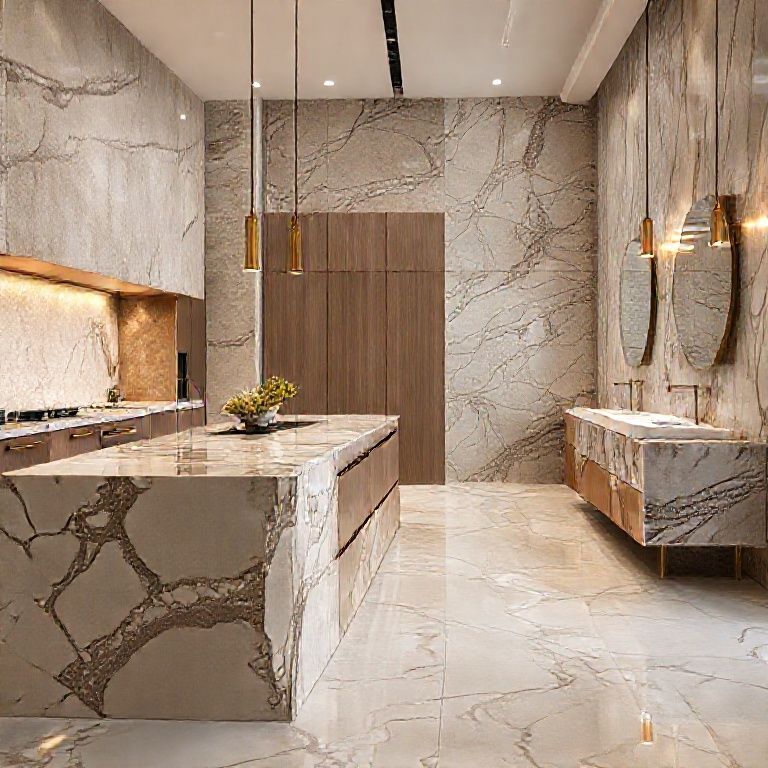
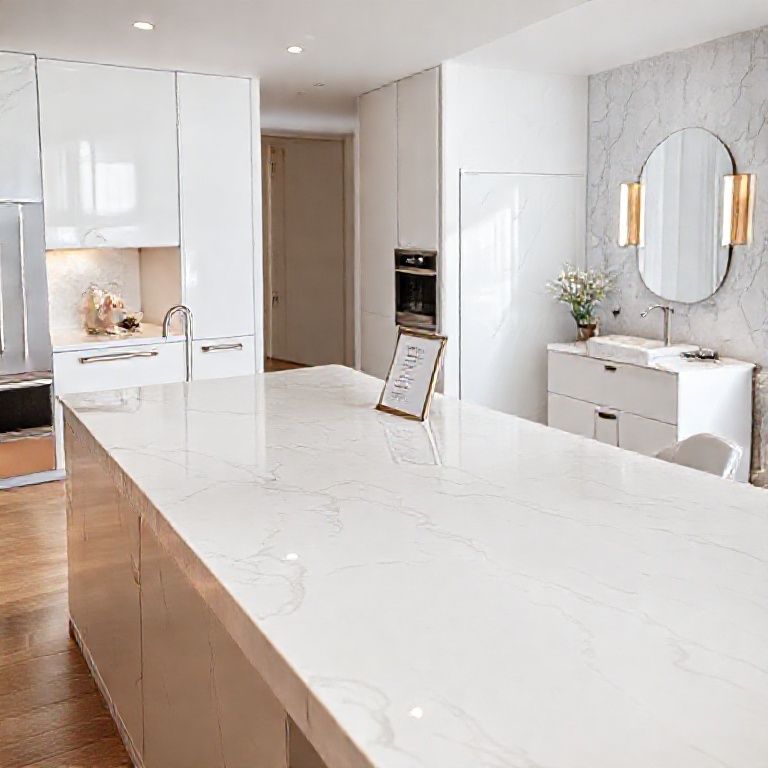
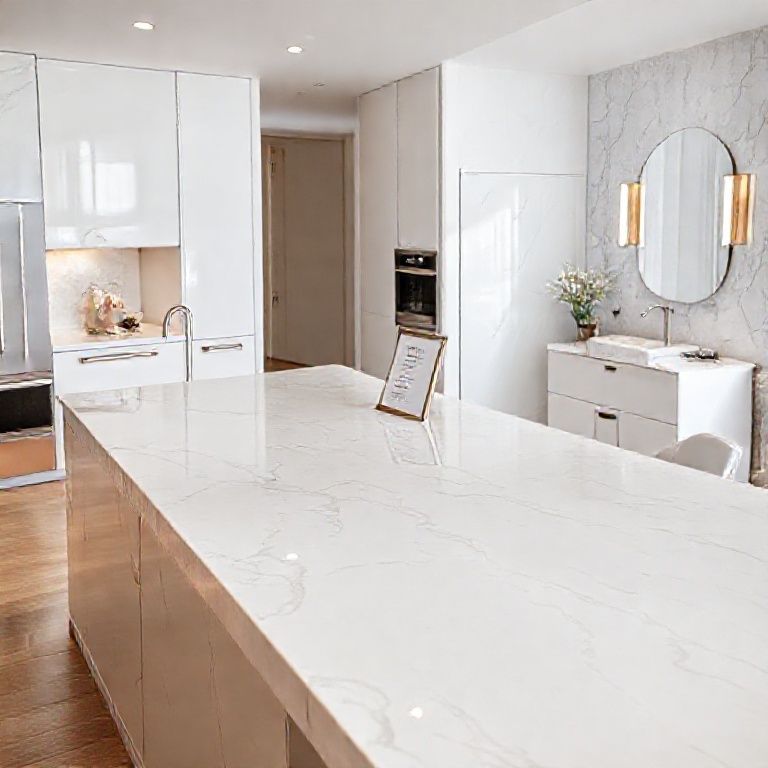
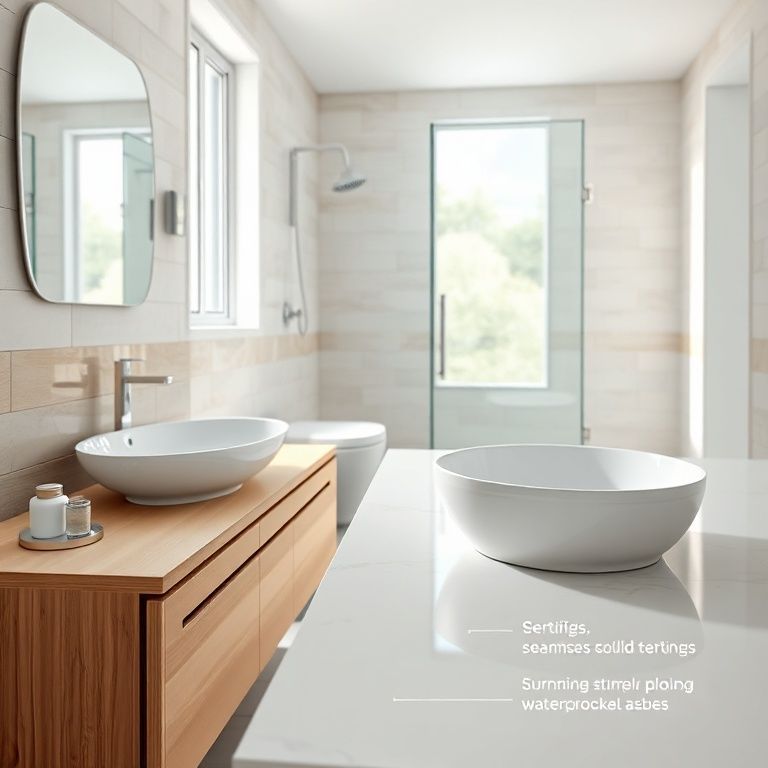
Engineered marble offers an unparalleled aesthetic appeal that rivals the beauty of natural marble. This material is meticulously crafted to mimic the intricate patterns, vibrant colors, and luxurious sheen of natural stone. The craftsmanship involved ensures that every piece of engineered marble looks unique, with fine details that enhance the beauty of any space. Whether used in countertops, sinks, fountains, or architectural elements, engineered marble brings a touch of opulence that elevates the overall design.
2. Durability and Strength
One of the standout benefits of engineered marble is its superior durability. Unlike natural marble, which can be prone to staining, chipping, and cracking under certain conditions, engineered marble is crafted from a composite material that includes resin, marble dust, and pigments. This composition makes it incredibly resistant to scratches, stains, and thermal damage. Additionally, its density ensures that it maintains its structural integrity over time, making it a long-lasting option for various applications.
3. Versatility in Design
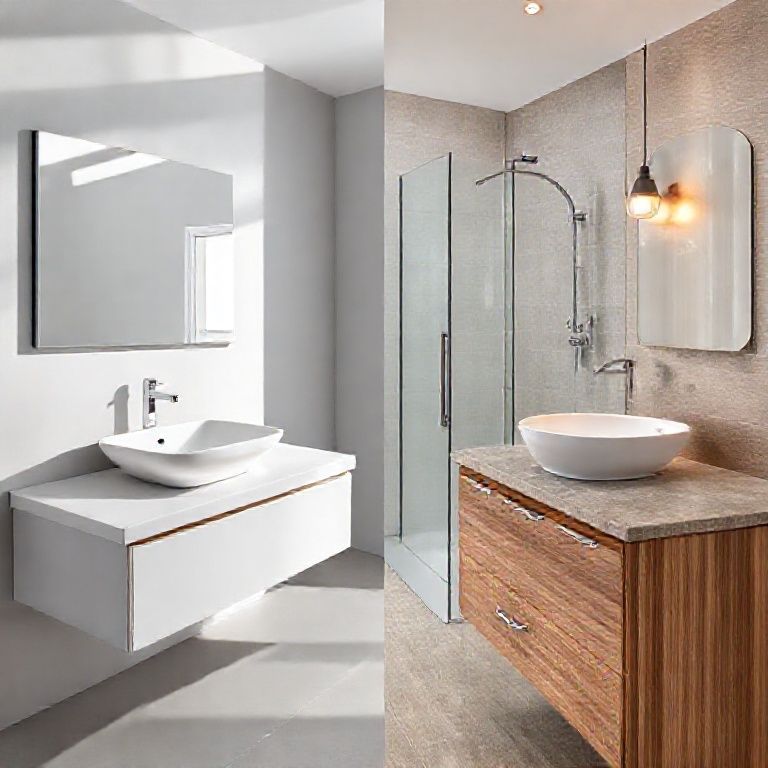
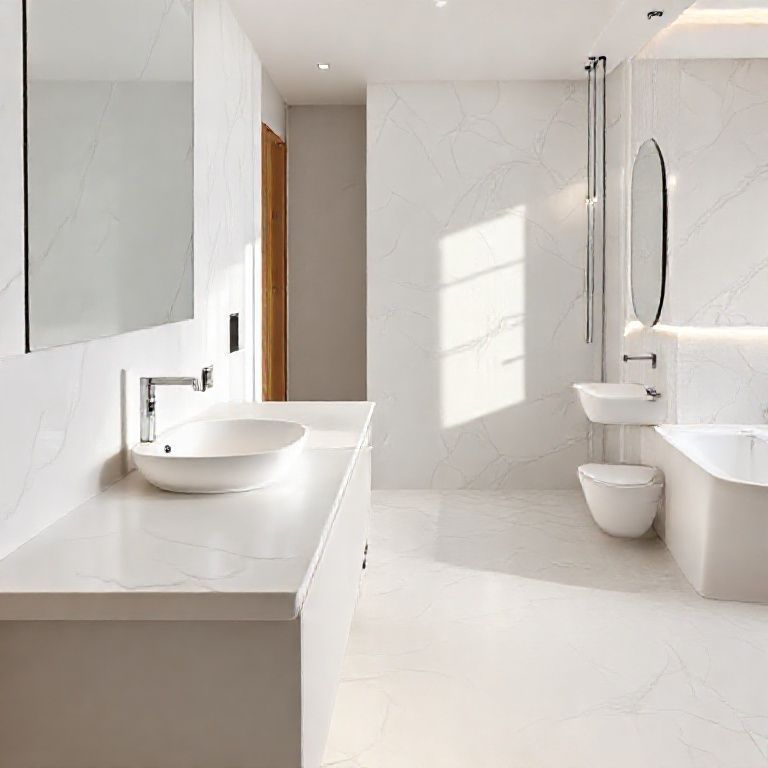
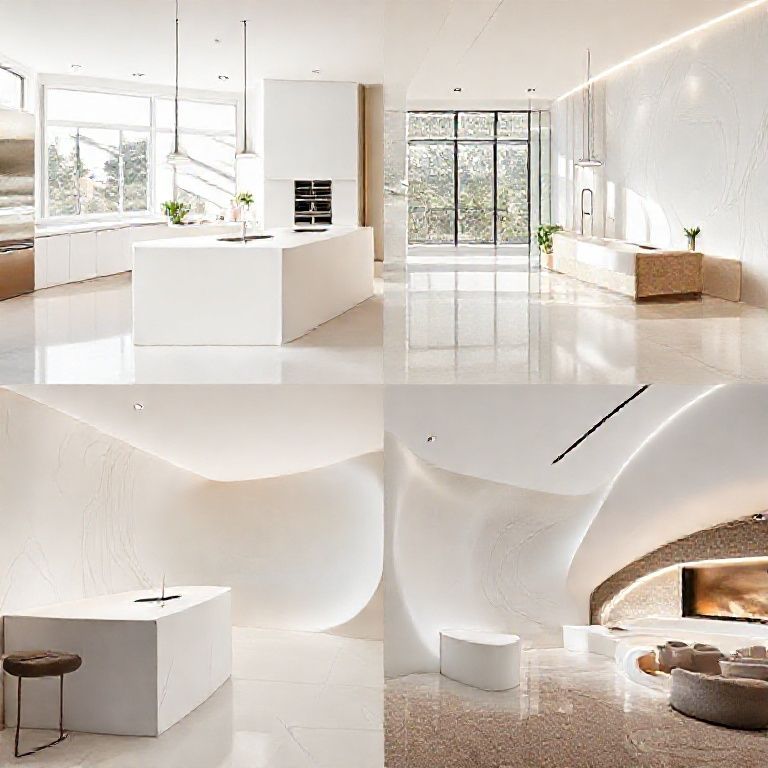
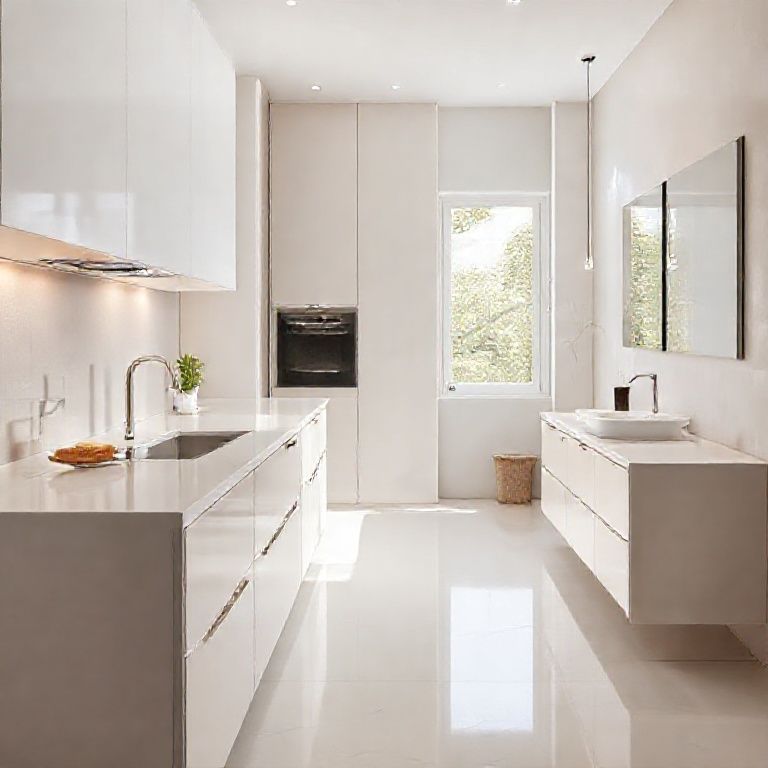
Engineered marble’s versatility is another significant advantage. The material can be molded and shaped into any form, allowing designers to create unique and custom pieces that perfectly fit the architectural vision. This flexibility extends to a wide range of colors and patterns, giving designers the freedom to innovate and create bespoke designs that are not only visually stunning but also functional. From sleek, modern kitchen counters to intricate bathroom features, the possibilities with engineered marble are virtually limitless.
4. Cost-Effectiveness
For many homeowners and businesses, budget constraints are a significant concern. Engineered marble offers a cost-effective alternative to natural marble without compromising on quality or appearance. The production process for artificial marble is more controlled and efficient, which translates to lower costs for end users. Additionally, its durability means that it requires less frequent replacement and maintenance, further adding to its cost-effectiveness in the long run.
5. Eco-Friendly Option
In the age of sustainability, engineered marble presents an eco-friendly option. Since it is made from recycled materials and does not require the extraction of natural stone, it reduces the environmental impact associated with traditional marble quarrying. Furthermore, the production process is less energy-intensive compared to that of natural marble, making engineered marble a more sustainable choice for environmentally conscious consumers.
6. Easy to Install and Maintain
Engineered marble is designed for ease of installation, making it a practical choice for both professional installers and DIY enthusiasts. Its lightweight nature simplifies the installation process, reducing labor costs and time. Moreover, the material is easy to clean and maintain. A simple wipe with a damp cloth and a mild cleaner suffices to keep it looking pristine. Unlike natural marble, engineered marble does not require sealing to prevent staining, which further simplifies its upkeep.
Conclusion
In conclusion, engineered marble stands out as a material that beautifully merges luxury, durability, and practicality. Its unmatched aesthetics, combined with its versatility and cost-effectiveness, make it a preferred choice for a wide range of applications. As we continue to seek materials that balance beauty and sustainability, engineered marble emerges as a compelling option that meets these criteria and more. In the next part, we will delve into the demerits and unique characteristics of engineered marble to provide a balanced view of this remarkable material.
Part 2
The Marvels and Mysteries of Engineered Marble: Unveiling Its Demerits and Unique Characteristics
Introduction
While engineered marble boasts numerous advantages, it is essential to consider its limitations and unique characteristics to make an informed decision. This second part will explore the demerits of engineered marble and its distinctive features in detail. By understanding both the positives and negatives, you can better determine if engineered marble is the right choice for your specific needs and preferences.
1. Potential for Surface Damage
Despite its durability, engineered marble is not invulnerable to surface damage. Although it is more resistant to scratches and stains compared to natural marble, it is still susceptible to dents and impacts. This can be a significant drawback if the material is used in high-traffic areas where accidental knocks and drops are likely. The surface can also be marred by heavy objects or sharp tools, which may lead to permanent damage. Therefore, it is essential to handle engineered marble with care to maintain its appearance and integrity.
2. Heat Sensitivity
Engineered marble has limitations when it comes to thermal resistance. While it is highly resistant to stains and scratches, it can be damaged by excessive heat. Hot pots, pans, and other heated items left on engineered marble surfaces can cause thermal shock, leading to discoloration or cracking. To avoid such damage, it is advisable to use heat-resistant pads under cookware and to avoid leaving hot items on the surface for extended periods. This limitation is crucial to keep in mind, especially for kitchen countertops and other areas exposed to heat sources.
3. Limited Color and Pattern Options
Although engineered marble offers a wide range of colors and patterns, the options are still somewhat limited compared to natural marble, which boasts an almost infinite variety of veining and color combinations. The patterns in engineered marble are created through a process of mixing and molding, which means that achieving the same level of natural variability seen in natural marble can be challenging. While this allows for some degree of customization, the patterns tend to be more uniform and less unique compared to those found in natural stone.
4. Weight Considerations
Although engineered marble is lighter than natural marble, it is still heavier than other countertop materials like granite or quartz. This weight can be a consideration for installations where space and ease of handling are critical factors. The additional weight may also affect the structural integrity of furniture or installations where the material is used, requiring additional support or reinforcement.
5. Environmental Impact and Production Process
While engineered marble is generally considered more environmentally friendly than natural marble due to its use of recycled materials and reduced quarrying impact, the production process itself has some environmental considerations. The manufacturing process involves the use of resins and other chemicals, which can have environmental implications if not managed properly. Additionally, the energy required for production and transportation can contribute to the material’s overall environmental footprint.
6. Unique Characteristics and Care
One unique characteristic of engineered marble is its ability to be manufactured in custom shapes and sizes, which allows for greater design flexibility. This flexibility can be particularly beneficial for bespoke installations where traditional materials may not fit well. Additionally, engineered marble can be designed to mimic a wide range of natural stone finishes, giving designers the opportunity to create unique and personalized designs.
However, this flexibility comes with specific care requirements. Unlike natural marble, engineered marble does not require sealing to prevent stains. However, it is essential to use appropriate cleaning products to avoid damaging the surface. Mild cleaners and soft cloths are generally sufficient for maintaining the appearance of engineered marble, but harsh chemicals should be avoided to prevent potential damage.
Conclusion
In conclusion, while engineered marble offers a compelling mix of aesthetics, durability, and cost-effectiveness, it is not without its demerits. The potential for surface and heat damage, limited color variability, and weight considerations are all factors that need to be taken into account when choosing this material. Additionally, understanding its unique characteristics and proper care requirements is crucial for maintaining its beauty and longevity. By weighing both the benefits and the drawbacks, you can make a well-informed decision about whether engineered marble is the right choice for your project. Engineered marble continues to be a popular and versatile material, offering an elegant and practical solution for various interior design needs.