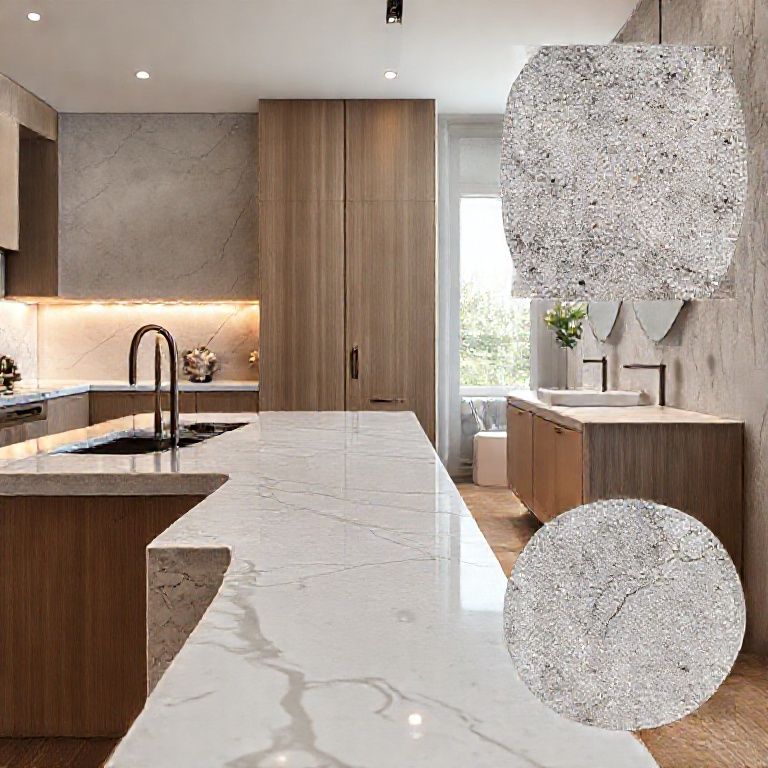
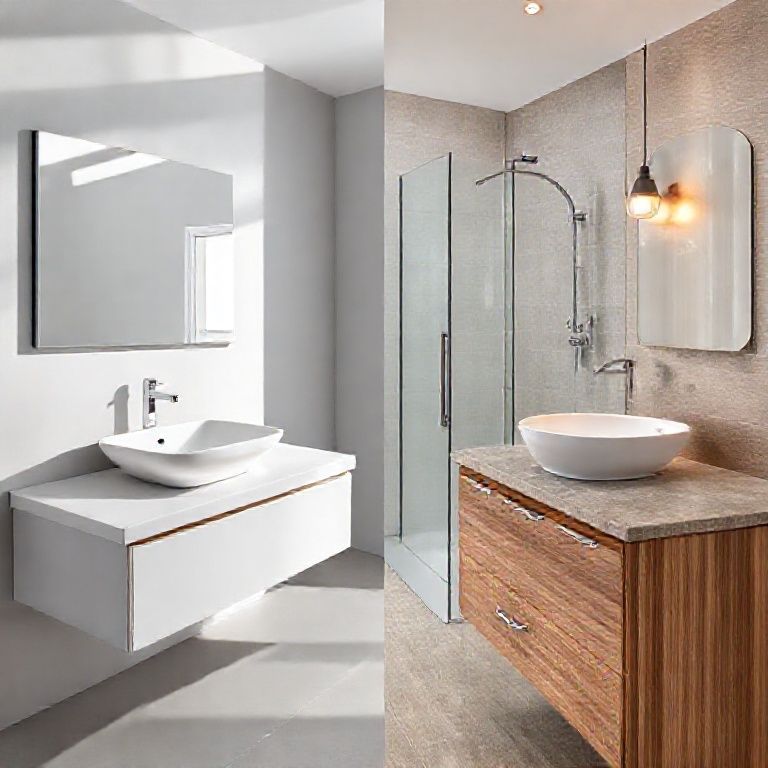
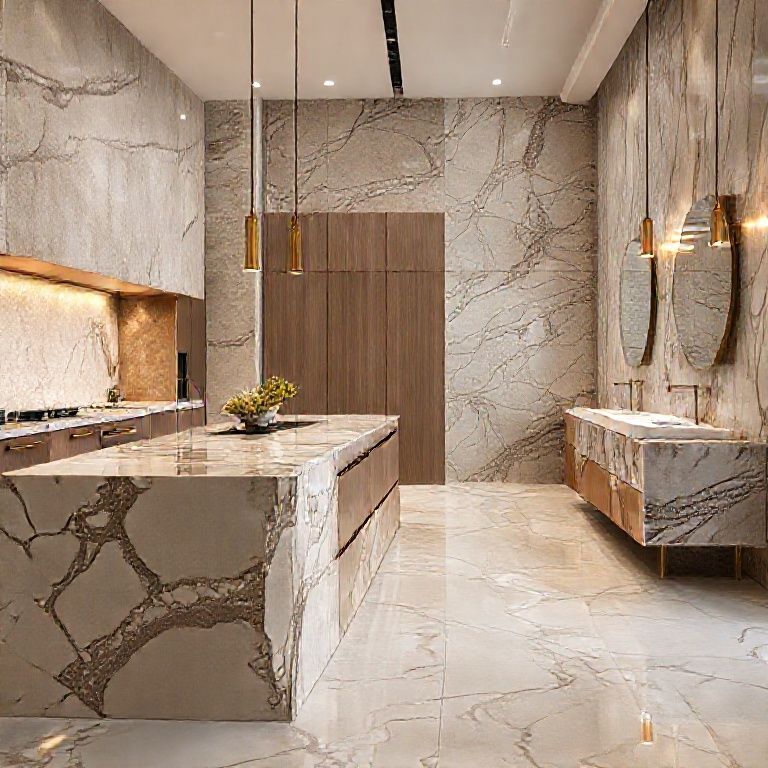
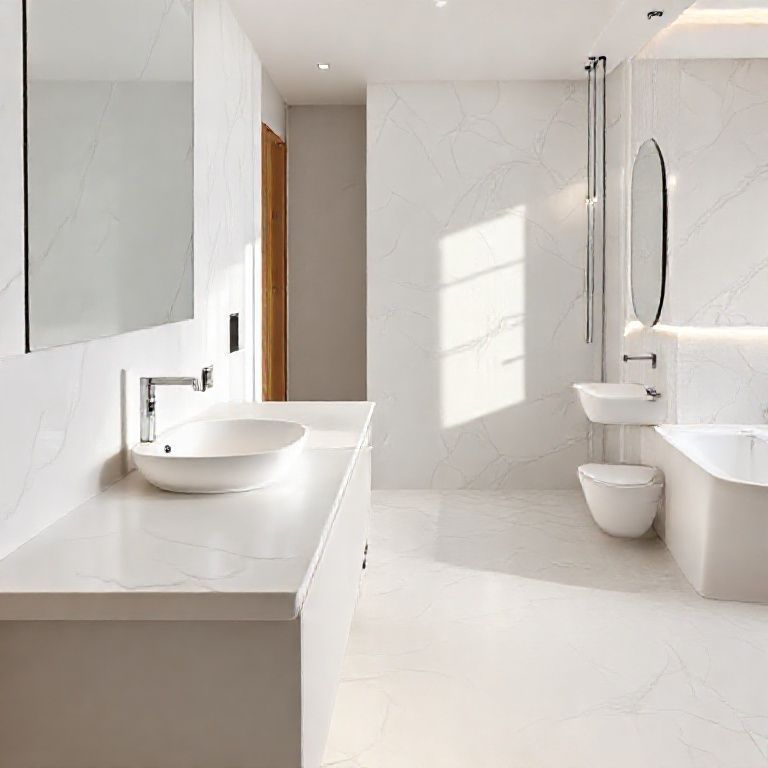
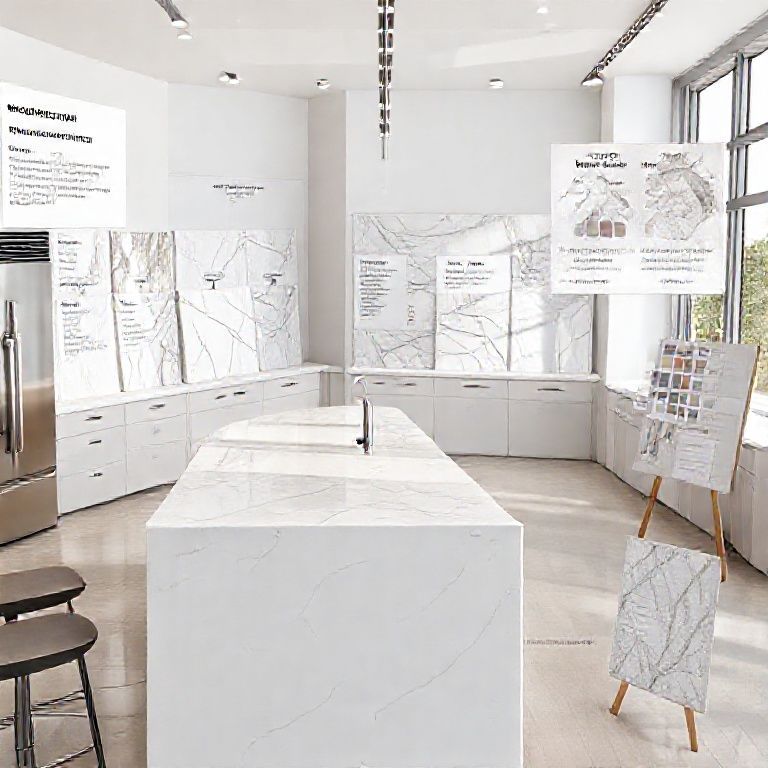
Engineered marble, also known as synthetic stone, has revolutionized the world of modern design, offering a blend of natural beauty and unmatched durability. This innovative material has carved a niche for itself in the competitive landscape of countertop materials, providing both architects and homeowners with a versatile and aesthetically pleasing option. Let’s explore the marvels and benefits of engineered marble in greater detail.

Aesthetic Appeal
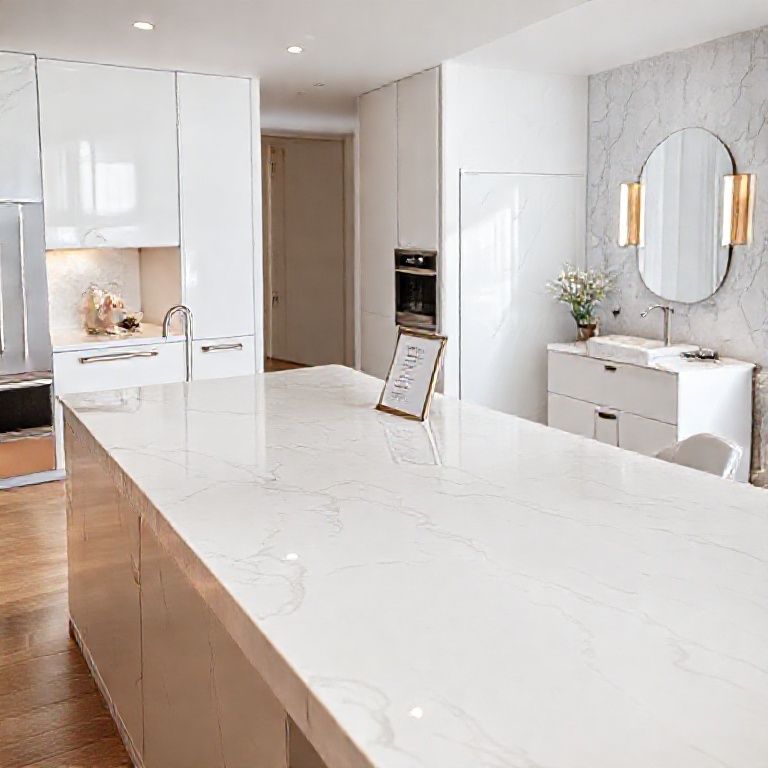
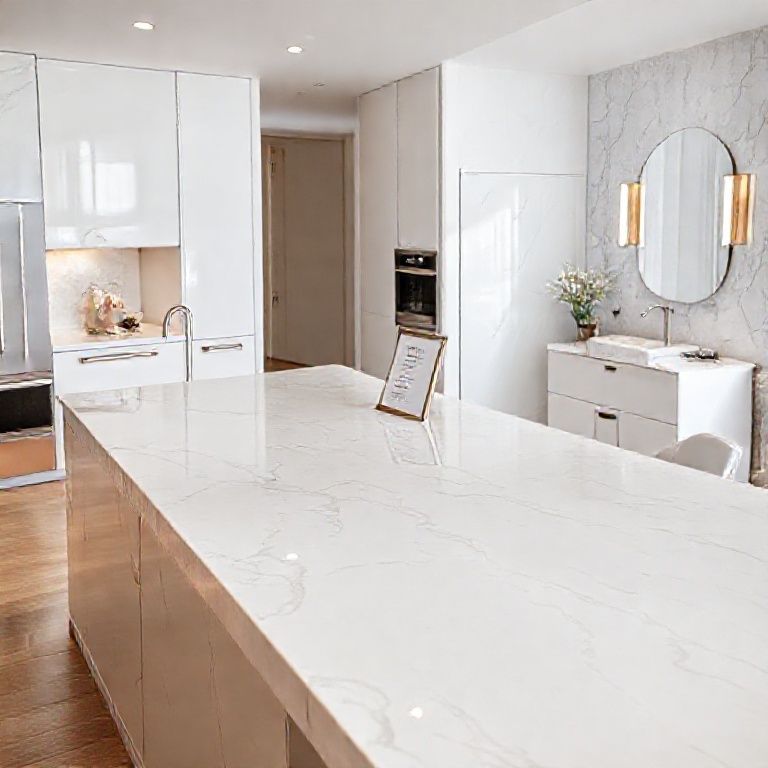
One of the most striking advantages of engineered marble is its unparalleled aesthetic appeal. This synthetic stone mimics the natural beauty of marble, capturing the intricate veining and color variations that make authentic marble so coveted. The visual allure of engineered marble is not just skin-deep; it is crafted with precision to ensure a realistic and luxurious look that can rival natural stone.
Engineered marble can be customized to create a myriad of patterns and colors, providing designers with a canvas to bring their most imaginative concepts to life. Whether you prefer a classic look with traditional veining or a contemporary design with bold patterns, synthetic stone offers endless possibilities to suit any style and preference.
Durability
Durability is another standout feature of engineered marble. Unlike natural stone, which is prone to scratches, chips, and stains, synthetic stone is engineered to be incredibly resistant to these everyday wear and tear issues. This resilience makes it an ideal choice for high-traffic areas where durability is paramount.
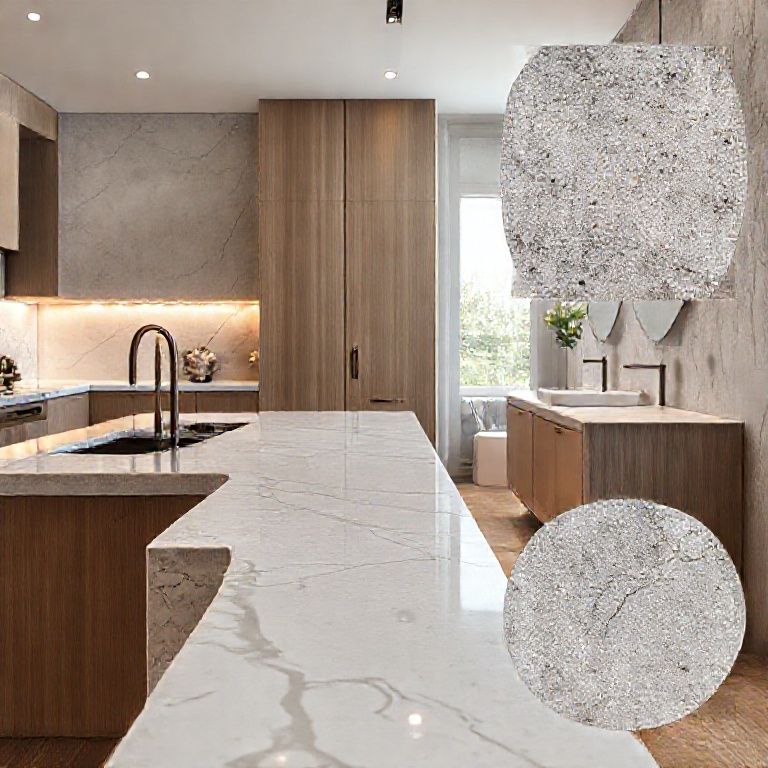
Engineered marble is also impervious to moisture, making it a perfect option for kitchens, bathrooms, and other areas where water exposure is common. Unlike natural stone, which can develop water stains and become slippery, synthetic stone maintains its integrity and appearance, providing long-lasting beauty and functionality.
Practical Applications
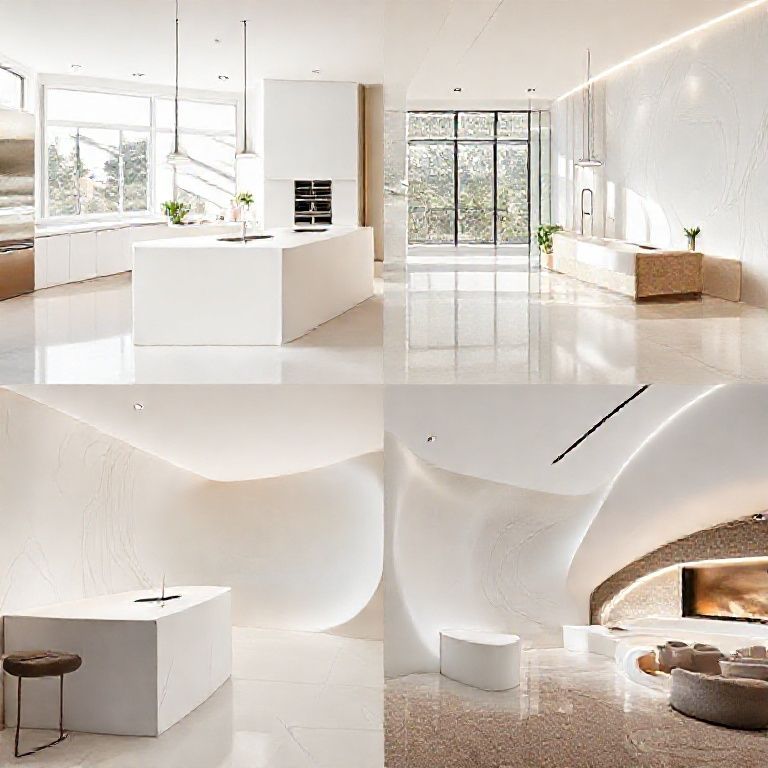
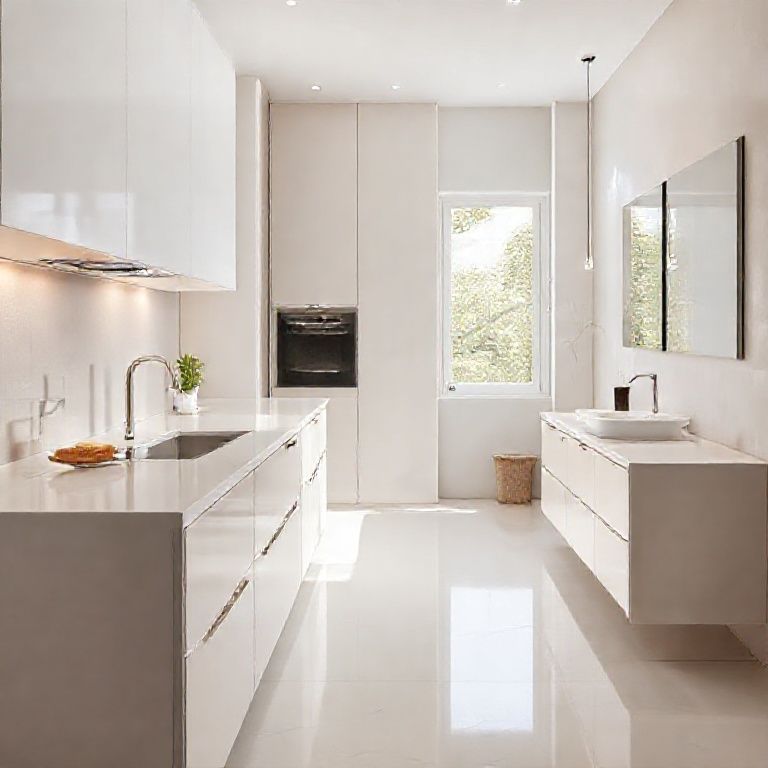
The practical applications of engineered marble are vast and varied. In the world of interior design, it is a favorite for countertops, sinks, and backsplashes due to its combination of beauty and durability. Its versatility extends to architectural applications, where it can be used for wall cladding, floors, and even decorative elements like fountains and sculptures.
In the realm of commercial spaces, engineered marble offers a sleek and sophisticated look that can elevate the aesthetic of office buildings, hotels, and restaurants. Its ability to withstand high levels of foot traffic and resist damage makes it an excellent choice for public areas where aesthetics and durability go hand in hand.
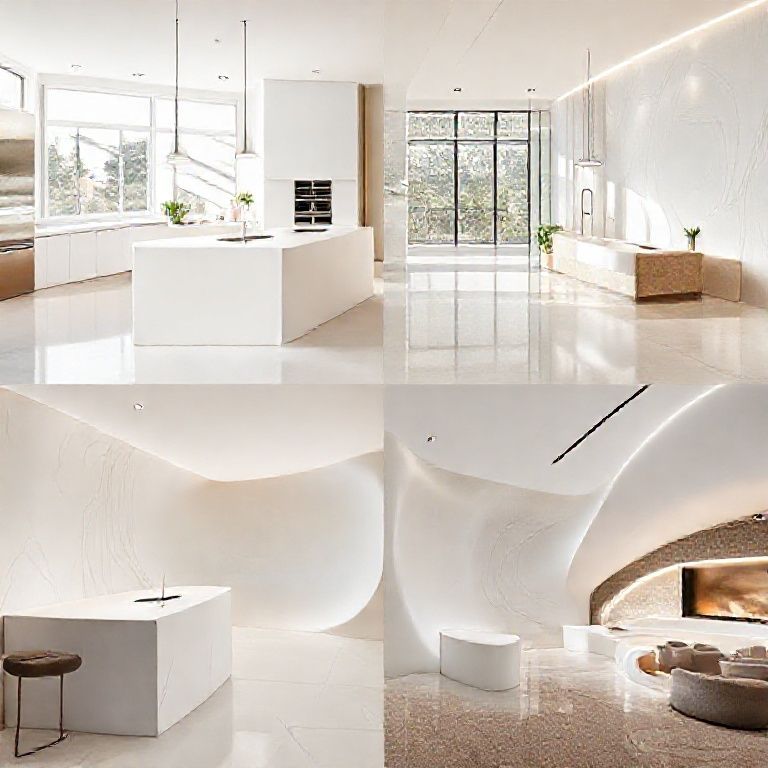
Installation and Maintenance
One of the most appealing aspects of engineered marble is its ease of installation. Unlike natural stone, which often requires specialized tools and techniques, synthetic stone can be installed with relative ease. It can be cut to size using standard tools, and it bonds well with a variety of adhesives, making the installation process straightforward even for DIY enthusiasts.
Maintenance of engineered marble is equally simple. Unlike natural stone, which may require sealing to prevent staining, synthetic stone does not need regular maintenance to maintain its appearance. It can be cleaned with mild soap and water, and any minor scratches can be easily polished out, ensuring that it remains pristine for years to come.
Environmental Considerations
Engineered marble also offers an eco-friendly alternative to natural stone. The production of natural marble involves mining, which can have significant environmental impacts, including habitat destruction and carbon emissions. In contrast, synthetic stone can be produced using recycled materials and processes that have a lower environmental footprint.
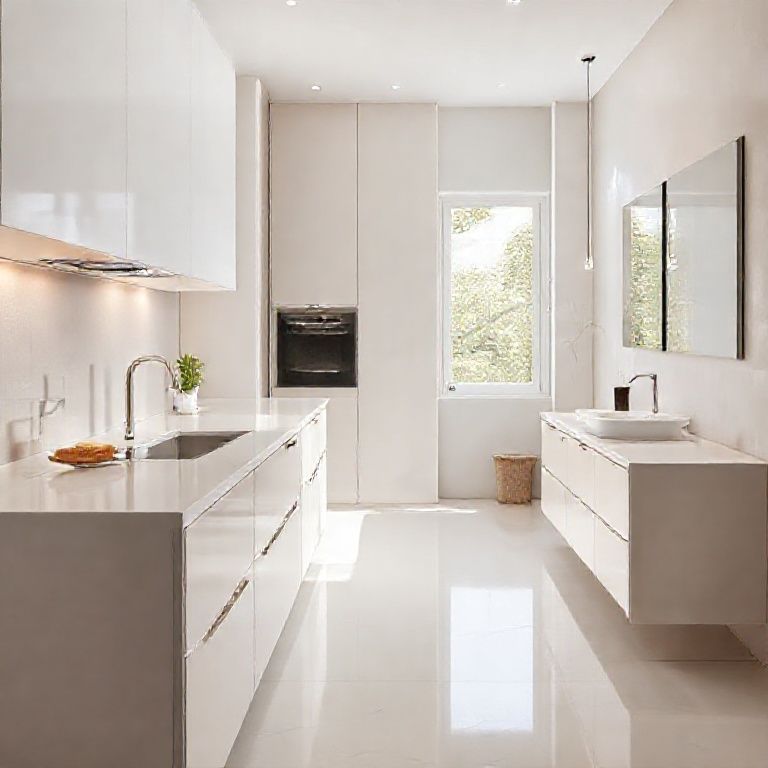
Moreover, engineered marble does not contain the hazardous materials often found in traditional manufacturing processes. This makes it a safer choice for both the environment and the people who work with it.
Cost-Effectiveness
While the initial cost of engineered marble might be higher than some other materials, its long-term benefits often make it a cost-effective choice. The durability and low maintenance requirements mean that synthetic stone can save money over time by reducing the need for costly repairs and replacements.
In summary, engineered marble stands out as a remarkable material that combines the aesthetic allure of natural marble with superior durability and practical benefits. Its versatility, ease of installation, and low maintenance requirements make it an ideal choice for both residential and commercial projects. As we move into a future where sustainability and efficiency are paramount, engineered marble proves to be a forward-thinking and responsible option.
As we continue our journey through the world of engineered marble, it’s essential to address the potential downsides and considerations associated with this innovative material. While synthetic stone offers numerous benefits, understanding its limitations can help you make informed decisions when choosing the right material for your project.
Performance and Durability
While engineered marble is highly durable, its performance can vary depending on the specific formulation and quality of the material. Unlike natural stone, which has a consistent composition, synthetic stone can be made with different resins, pigments, and additives. The quality of these components can significantly affect the stone’s durability and appearance.
High-quality engineered marble is designed to mimic natural marble closely, but lower-grade products might not offer the same level of durability. It’s crucial to choose a reputable manufacturer and to inspect the material carefully before installation to ensure it meets your expectations.
Heat Resistance
One of the potential drawbacks of engineered marble is its limited heat resistance compared to natural stone. While synthetic stone is resistant to scratches and stains, prolonged exposure to high temperatures can cause it to warp or crack. This makes it less suitable for areas where heat is a frequent concern, such as under cooktops or near ovens.
To mitigate this issue, it’s essential to place protective barriers, like heat shields, between the stone and heat sources. Additionally, choosing a formulation specifically designed to withstand high temperatures can help extend the life of the material in such environments.
Weight and Installation
Engineered marble is generally lighter than natural stone, which can be advantageous in some installation scenarios. However, its weight can still be significant, and improper handling during installation can lead to damage. It’s important to follow the manufacturer’s guidelines for cutting, handling, and installation to ensure the stone is installed correctly and safely.
For large projects or areas with limited access, professional installation may be necessary to avoid potential issues. Additionally, the lighter weight of synthetic stone can sometimes make it more susceptible to movement if not properly secured, so additional measures might be needed to ensure stability.
Aesthetic Limitations
While engineered marble offers a wide range of colors and patterns, it may not perfectly replicate the unique and natural beauty of authentic marble. The veining and texture of natural stone are often more varied and unique, which can be difficult to match exactly in synthetic stone.
However, advancements in manufacturing technology have significantly improved the realism of engineered marble, and high-quality products can closely mimic the appearance of natural stone. For those seeking a near-identical replica of natural marble, it’s essential to choose a reputable manufacturer and to carefully review samples before making a decision.
Environmental Impact
While engineered marble offers an eco-friendly alternative to natural stone, it’s important to consider the entire lifecycle of the material. The production process of synthetic stone still involves energy consumption and emissions, although typically at a lower level than natural stone mining.
When evaluating the environmental impact, it’s important to consider the full lifecycle of the material, including extraction, production, transportation, installation, and disposal. Choosing sustainable practices and materials throughout the process can help minimize the environmental footprint of engineered marble.
Cost Considerations
While the long-term benefits of engineered marble can make it a cost-effective choice, the initial cost can be higher than some other materials. The premium price often reflects the quality, durability, and aesthetic appeal of synthetic stone. However, it’s essential to weigh the upfront cost against the long-term savings in maintenance and durability.
When budgeting for a project, it’s important to consider not just the initial cost but also the total cost of ownership. High-quality engineered marble may have a higher price tag initially, but its durability and low maintenance requirements can result in significant savings over time.
Making Informed Decisions
When choosing engineered marble for your project, it’s important to make informed decisions based on your specific needs and considerations. Here are some steps to help guide your choice:
Evaluate Your Needs: Consider the specific requirements of your project, including the level of durability, heat resistance1. Evaluate Your Needs: Consider the specific requirements of your project, including the level of durability, heat resistance, and aesthetic appeal. Determine where the stone will be used and how it will be exposed to different elements.
Research Manufacturers: Look for reputable manufacturers with a proven track record of producing high-quality engineered marble. Read reviews and ask for recommendations from other professionals in the industry.
Inspect Samples: Before making a final decision, request samples from the manufacturer. Examine the samples for color, pattern, and texture to ensure they meet your aesthetic expectations. Also, check for any visible defects or inconsistencies.
Check Certifications: Ensure the manufacturer provides certifications for the material, including quality assurance and environmental impact. These certifications can give you confidence in the product’s performance and sustainability.
Consider Maintenance: Understand that while engineered marble is low maintenance, it still requires some care. Regular cleaning with mild soap and water will keep the surface looking its best. Avoid using abrasive cleaners or sharp objects that could scratch the surface.
Plan for Installation: Work with experienced professionals for installation to avoid potential issues. Ensure that the stone is properly secured to prevent movement and that protective barriers are used where necessary to protect against heat and other elements.
Budget Wisely: While the initial cost of engineered marble can be higher, consider the long-term benefits in terms of durability and reduced maintenance costs. Factor in the cost of professional installation and any additional protective measures needed.
Conclusion
Engineered marble offers a compelling combination of aesthetic beauty, durability, and practical benefits that make it a popular choice for modern design. However, it’s essential to consider its limitations and make informed decisions based on your specific project requirements. By carefully selecting a high-quality product, working with experienced professionals, and understanding the maintenance needs, you can enjoy the long-lasting beauty and functionality of engineered marble in your space.
In summary, while engineered marble has its advantages, it’s important to weigh these against its potential drawbacks. By conducting thorough research, inspecting samples, and planning for installation and maintenance, you can make an informed decision that best suits your needs and enhances the beauty and functionality of your project.