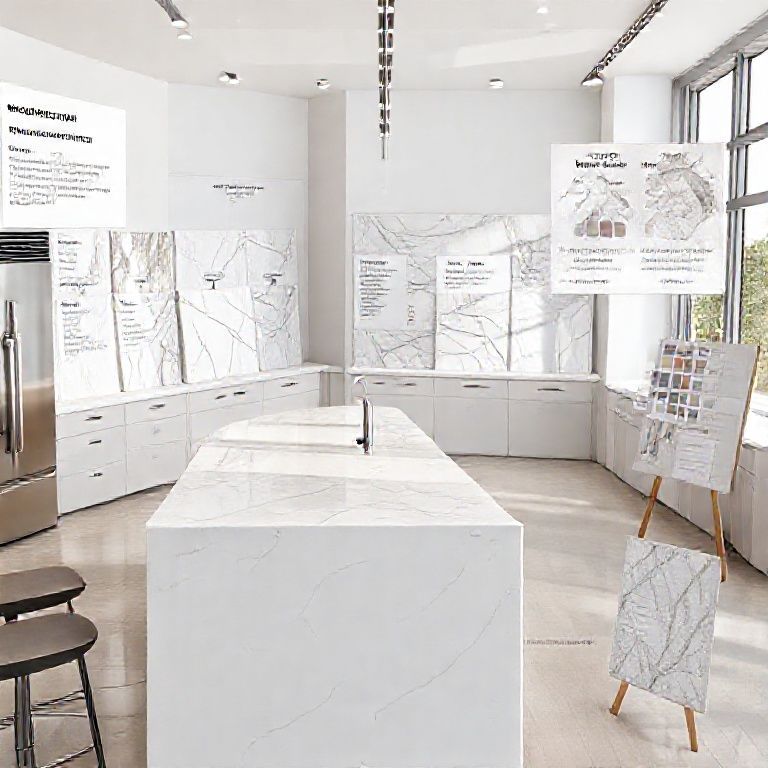
The Advantages of Engineered Marble
Engineered marble, also known as artificial or synthetic marble, has been gaining immense popularity in recent years due to its remarkable versatility and appealing aesthetics. This modern countertop material is crafted by layering natural stone, typically limestone or calcite, with a resin binder. Here, we’ll explore the myriad advantages of engineered marble that make it a preferred choice for many.

1. Unmatched Aesthetic Appeal
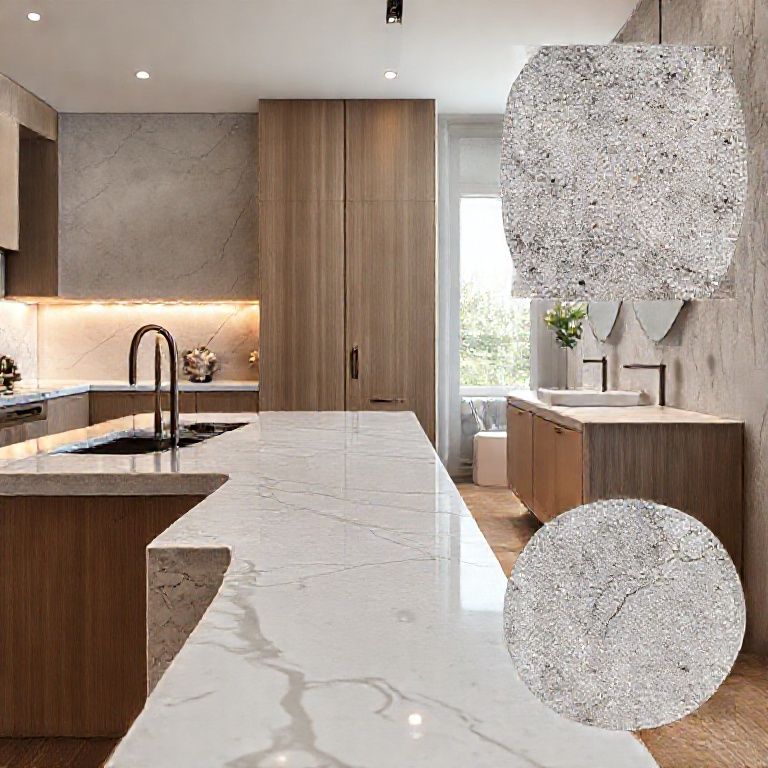
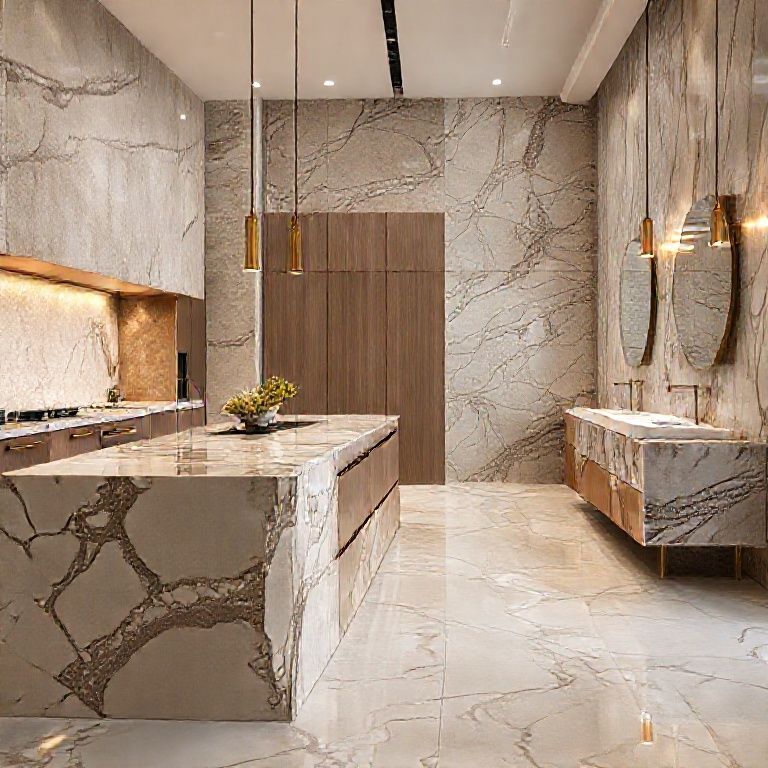
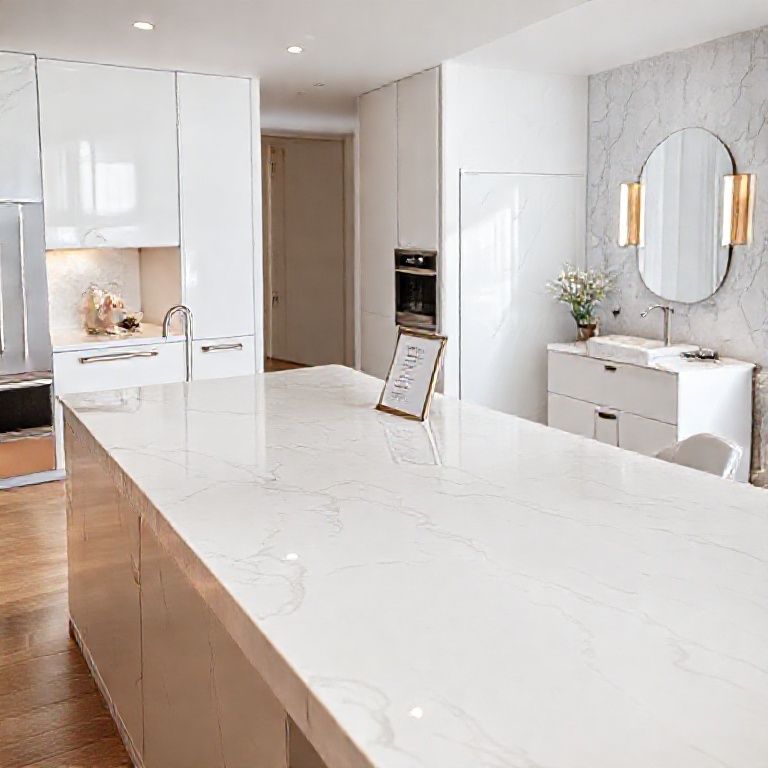
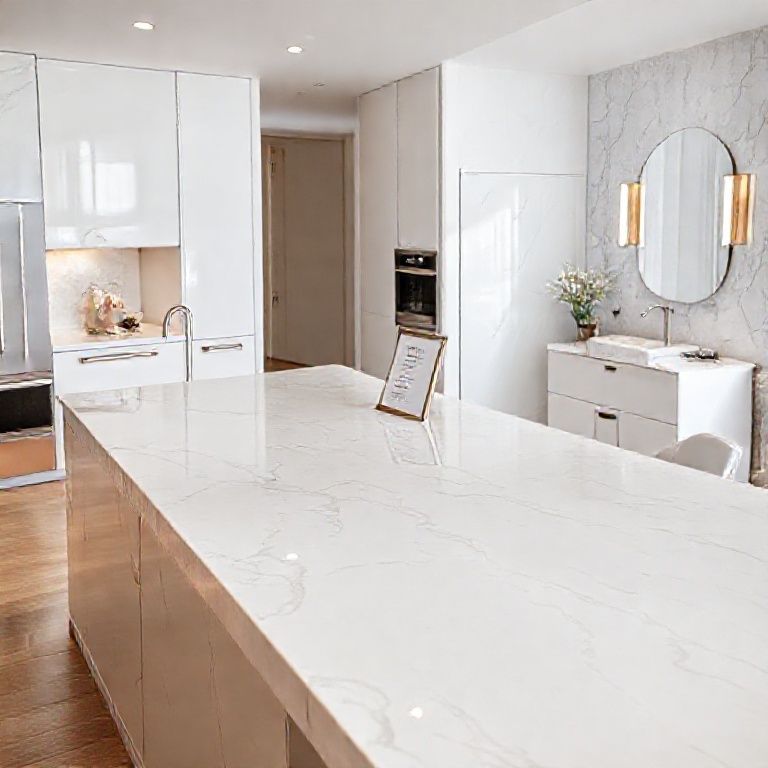
Engineered marble is renowned for its stunning visual appeal. It can mimic the natural beauty of traditional marble and even offer unique, customizable designs that are not possible with natural stone. Available in a vast array of colors and patterns, it allows designers and homeowners to create stunning, one-of-a-kind surfaces that perfectly match their aesthetic preferences.
2. Cost-Effectiveness
One of the most significant advantages of engineered marble is its cost-effectiveness. Because it doesn’t require the same extensive processing as natural stone, it is often significantly less expensive. This affordability extends to installation costs as well, since engineered marble slabs are often lighter and easier to handle than traditional marble.
3. Enhanced Durability
Engineered marble is designed to be highly durable. The resin binder used in its creation provides exceptional strength and resistance to scratches and dents. It is also resistant to thermal damage, making it an excellent choice for high-traffic areas such as kitchens and dining rooms. Unlike natural stone, engineered marble does not need sealing to prevent staining, thereby reducing maintenance efforts and costs.
4. Water Resistance
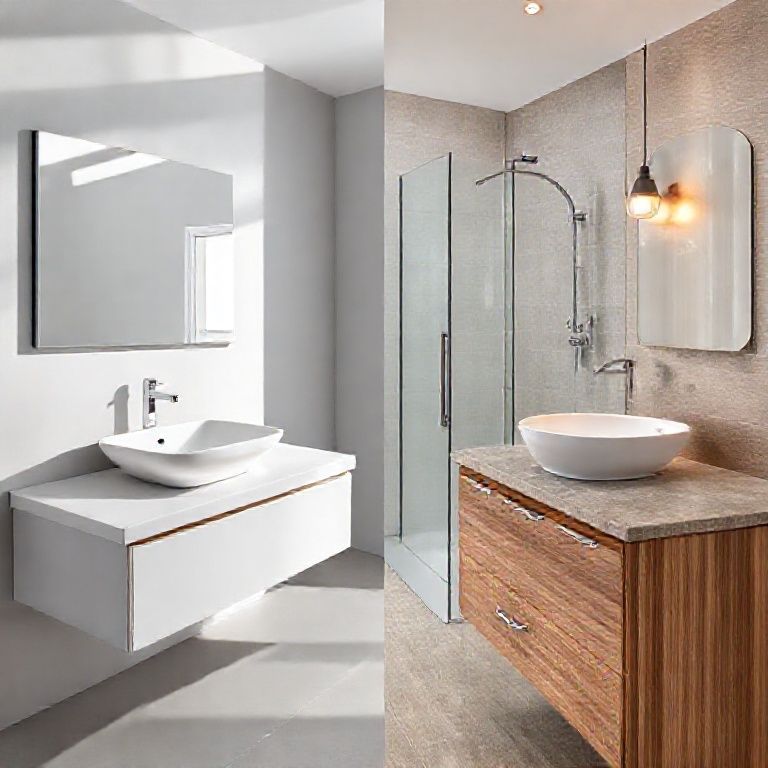
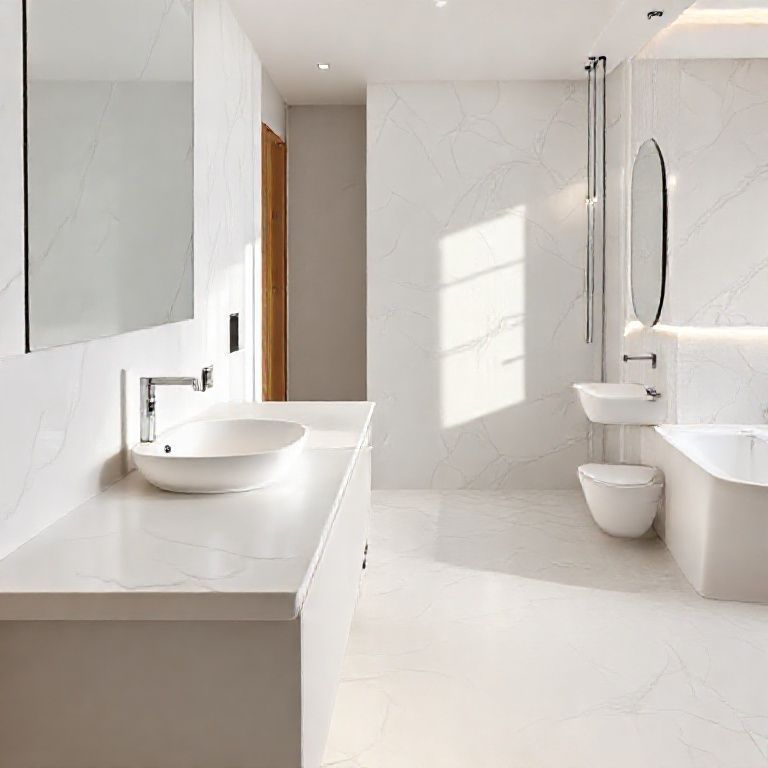
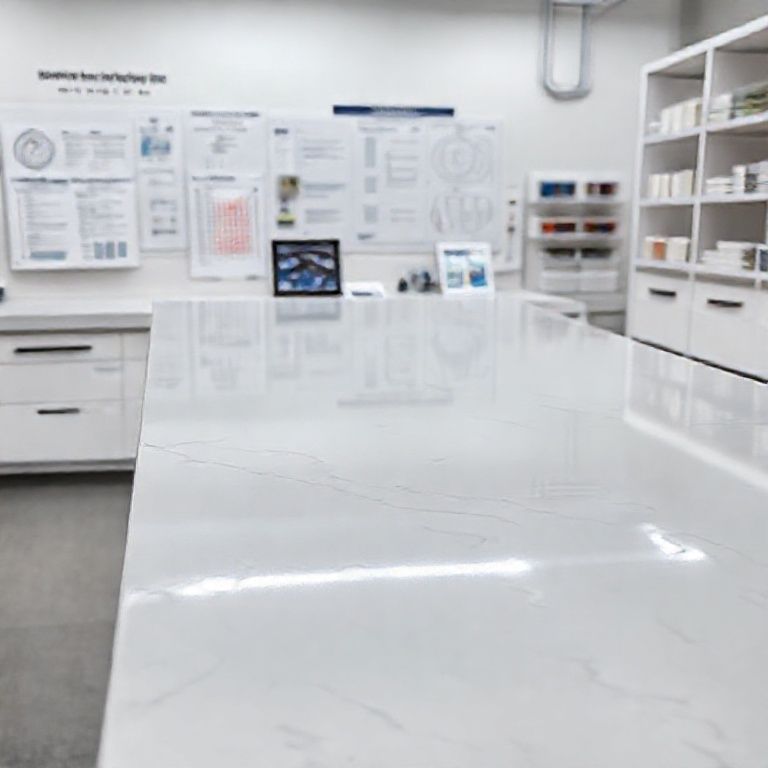
Water resistance is another standout feature of engineered marble. The resin layer ensures that water does not penetrate the material, which means it remains stain-free and easy to clean. This property makes it particularly suitable for areas prone to spills and moisture, such as bathrooms and kitchens.
5. Easy to Install and Customize
Engineered marble slabs are designed for easy installation, often requiring minimal cutting and shaping. This ease of installation translates into lower labor costs. Additionally, it allows for versatile design possibilities. Homeowners and designers can opt for pre-cut slabs or custom-size pieces to fit specific needs. The material’s flexibility means it can be used in various applications, from countertops to backsplashes and beyond.
6. Environmentally Friendly
From an environmental perspective, engineered marble is a superior choice. The production process uses fewer natural resources compared to the extraction and processing required for natural stone. Additionally, it can be made from recycled materials, reducing waste and promoting sustainability.
7. Versatility in Applications
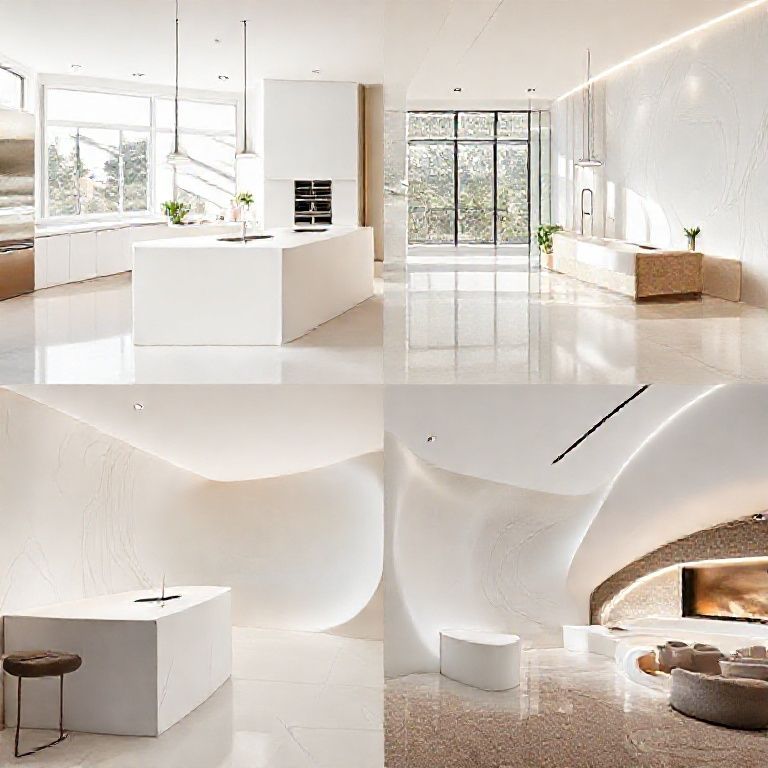
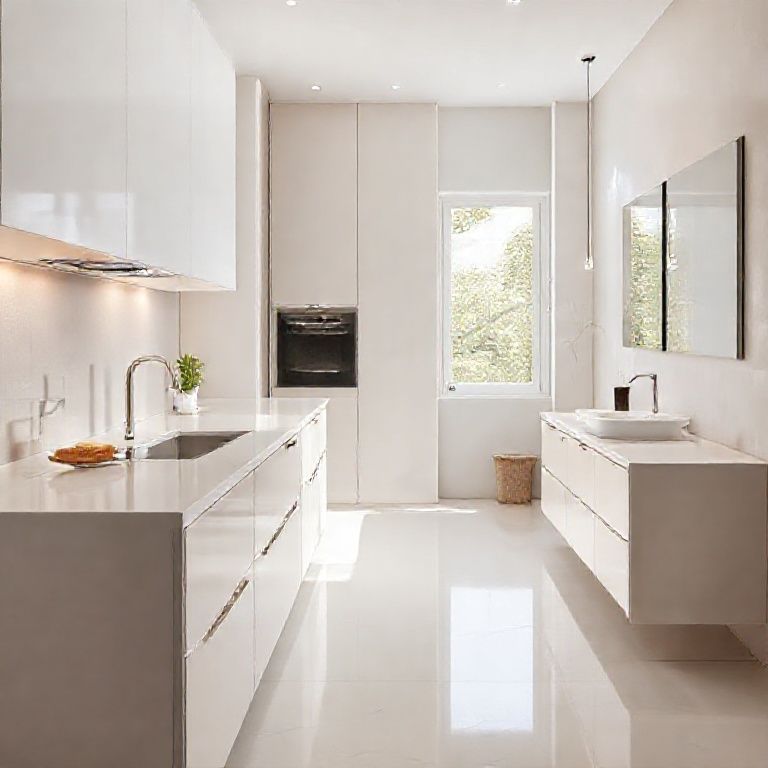
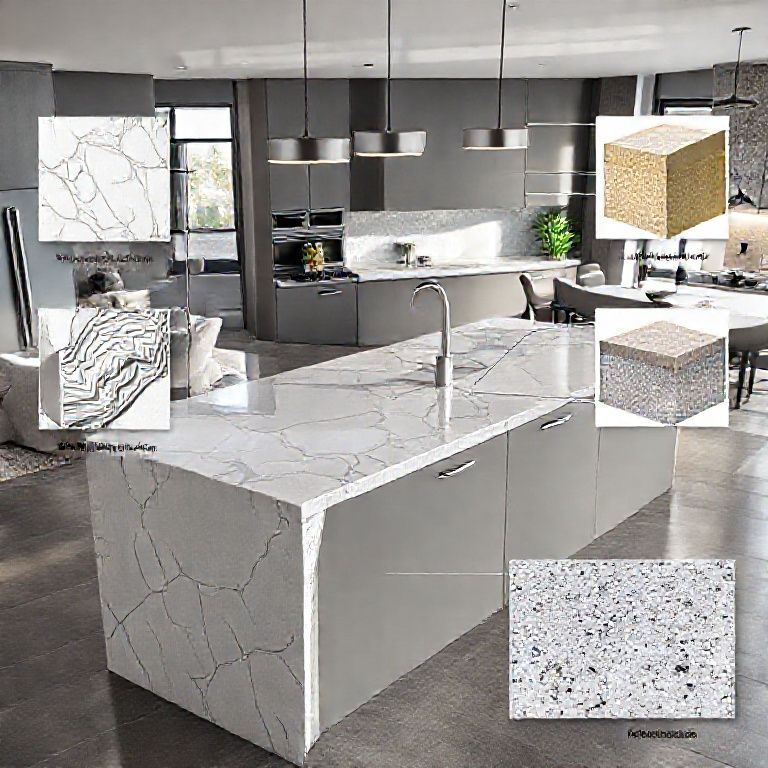
Engineered marble’s versatility is one of its greatest strengths. It can be used for an array of applications, from countertops and backsplashes to tabletops, wall cladding, and even flooring. Its ability to mimic natural stone’s appearance while offering superior functionality makes it suitable for both residential and commercial projects.
The Demerits of Engineered Marble
While engineered marble boasts numerous advantages, it’s essential to consider its potential drawbacks as well. Understanding these limitations can help you make an informed decision about whether this material is the right choice for your specific needs.
1. Limited Availability of Colors and Patterns
Although engineered marble offers a wide range of colors and patterns, it may not always match the unique and natural beauty of genuine marble. The variety of designs available is extensive, but they are still artificial replications. Some enthusiasts of natural stone prefer the organic, one-of-a-kind beauty of natural marble.
2. Sensitivity to High Heat
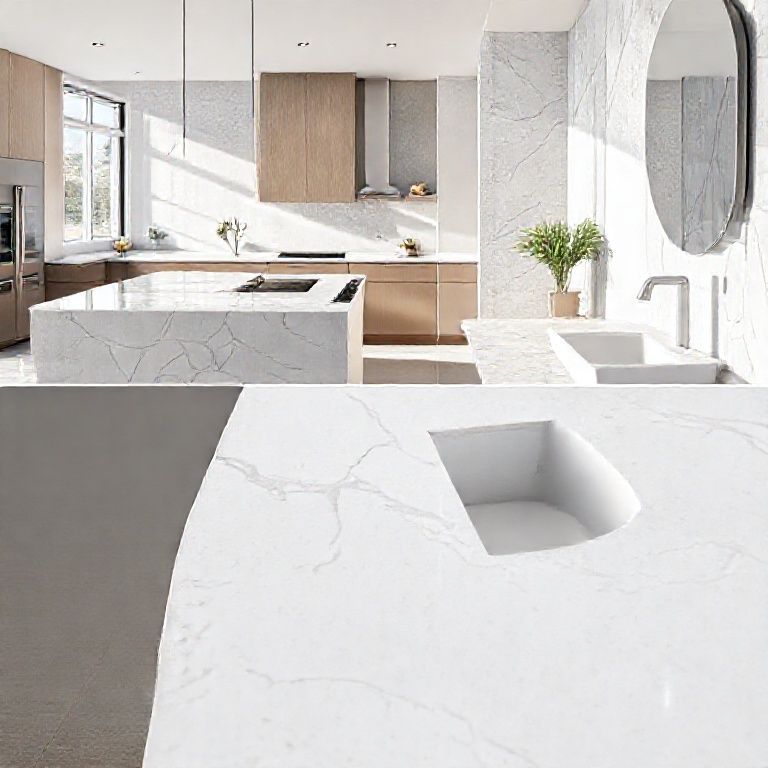
Despite its durability, engineered marble is sensitive to extremely high temperatures. Unlike natural stone, which can withstand cooking on open flames, engineered marble can melt or distort under intense heat. This limitation means it should be used with caution in areas where high heat is a constant factor, such as under stovetops.
3. Potential for Surface Damage
Although engineered marble is generally more resistant to scratches and dents than natural stone, it is not invulnerable. Impacts from heavy objects or sharp tools can still cause visible damage. While it is easier to repair than natural stone, it does require professional assistance to restore its appearance.
4. Higher Maintenance for Repairs
While engineered marble is low maintenance in terms of daily upkeep, repairs can be more complicated. Traditional marble, for example, can often be resurfaced to restore its shine and appearance. In contrast, repairing engineered marble usually involves replacing the damaged piece rather than restoring it.
5. Environmental Concerns
Although engineered marble can be made from recycled materials, its production still involves the use of resins and other chemicals. The environmental impact of manufacturing these materials can be significant. Additionally, the disposal of engineered marble at the end of its life cycle may pose challenges, as it is not always as easily recyclable as some other materials.
6. Potential for Allergic Reactions
For some individuals, exposure to the resins and other chemicals used in engineered marble production may cause allergic reactions or respiratory issues. While this is a rare concern, it is something to be aware of, particularly for those with known sensitivities or allergies.
7. Limited Longevity Compared to Natural Stone
While engineered marble is durable, its longevity may not quite match that of certain high-quality natural stones. Natural stone can endure for centuries with proper care, whereas engineered marble, despite its resilience, might not last as long. This consideration is particularly relevant for those looking for a long-term, enduring solution.
Conclusion
Engineered marble is a remarkable material that combines the beauty and appeal of natural stone with modern advancements in durability, cost-effectiveness, and ease of installation. Its numerous advantages make it an excellent choice for many applications, from countertops to flooring and beyond. However, it is crucial to weigh its potential drawbacks carefully, particularly in relation to specific use cases and personal preferences.
Whether you’re considering engineered marble for your home or commercial project, understanding both its merits and demerits will help you make an informed decision. This balance of knowledge ensures that you can choose the material that best suits your needs and enhances the beauty and functionality of your space.