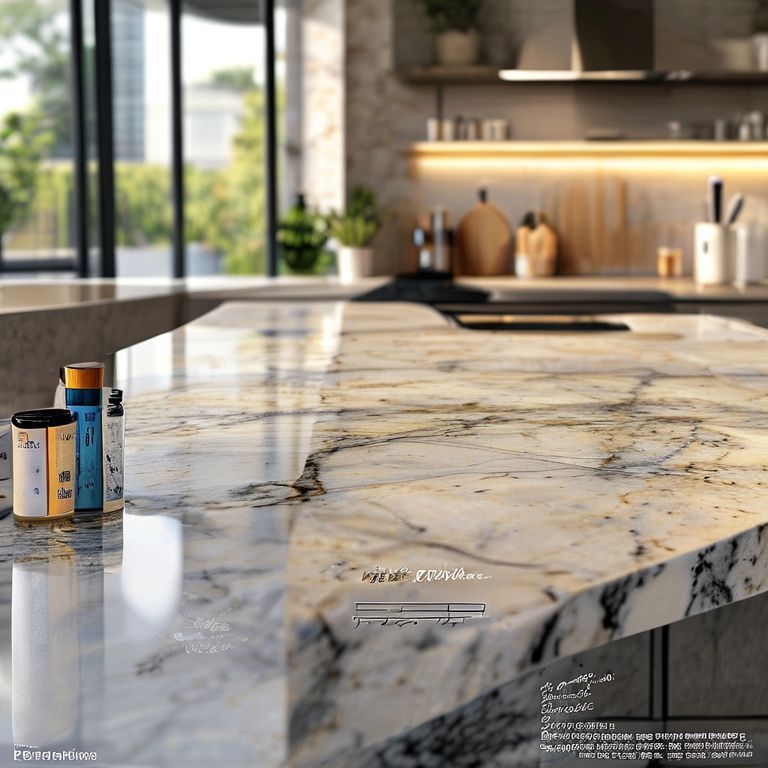
Understanding the Factors Influencing Marble Flooring Cost per Square Meter
When considering the installation of marble flooring, one of the most crucial factors to examine is the cost per square meter. The price of marble flooring can vary significantly based on several elements, making it essential to understand what influences these prices to ensure you’re getting the best value for your investment. In this part, we will explore the main elements that affect the cost of marble flooring per square meter.

1. Marble Quality and Type
The first and most significant factor in determining the cost per square meter of marble flooring is the type and quality of the marble used. Marble comes in various types, each with distinct characteristics and price points. Here are some of the most popular types:
Italian Marble: Renowned for its luxurious appearance, Italian marble like Carrara is often associated with high-end projects. Its pristine white color with subtle veining commands a premium price.
Indian Marble: Varieties like Makrana and Rudrapuri are popular for their durability and aesthetic appeal. While slightly more affordable than Italian marble, they still offer high quality.
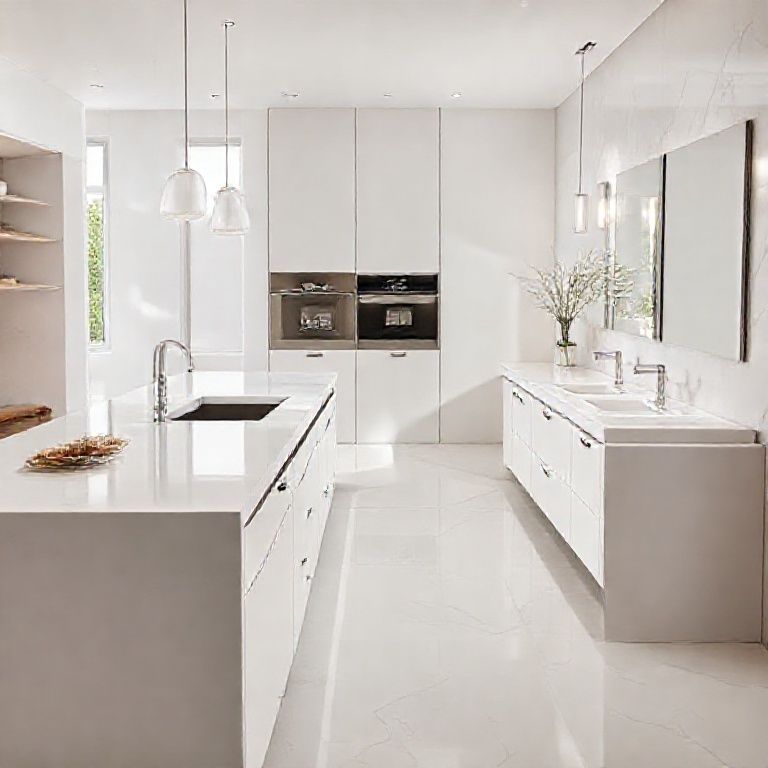
Brazilian Marble: Brazilian marbles, such as Vila Velha and São Gabriel, are known for their rich colors and patterns. They provide a vibrant alternative to the more traditional white marbles.
2. Thickness and Grade
The thickness and grade of the marble slabs also impact the cost. Marble slabs are typically measured in millimeters, with thicker slabs generally being more expensive due to their durability and resistance to heavy traffic areas.
Standard Thickness: Most residential flooring applications use slabs between 20-25mm. These slabs are generally sufficient for everyday wear and tear.
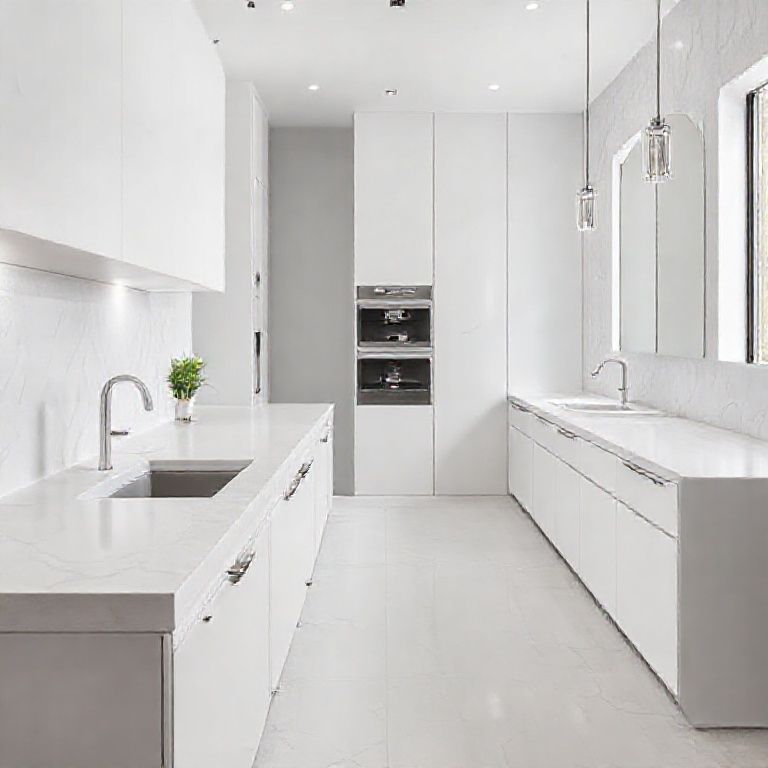
High-Grade Marble: Higher grades of marble are often thicker and come from more exclusive quarries, which adds to their cost. These marbles are often used in high-end commercial projects.
3. Polishing and Finishing
The finishing of the marble can greatly affect the overall cost. Polishing, sealing, and other finishing treatments can enhance the appearance and longevity of the marble flooring.
Polished Finish: This finish provides a glossy, mirror-like surface that enhances the marble’s natural beauty. However, it requires regular maintenance to maintain its shine.
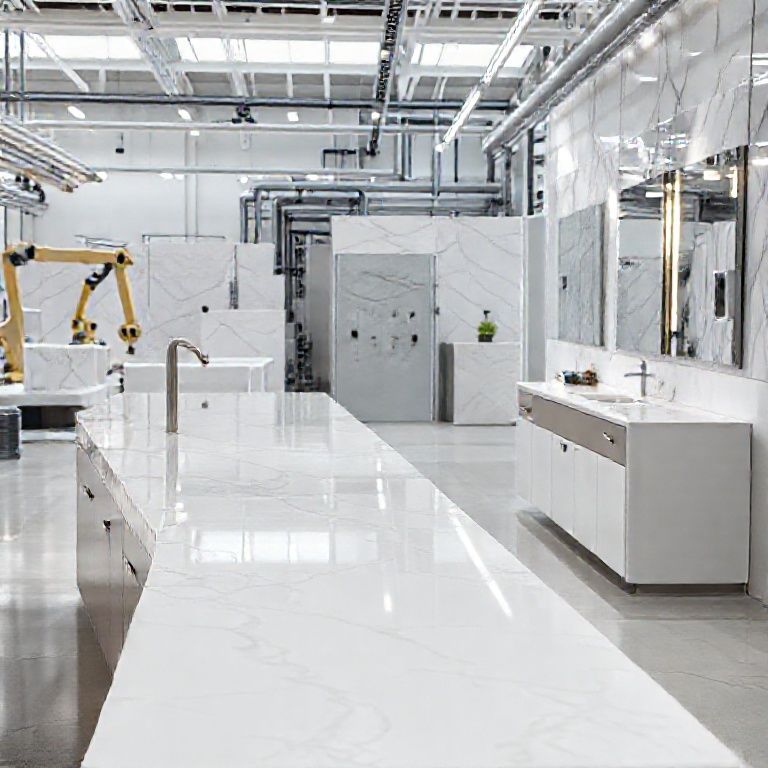
Matte Finish: A matte finish reduces the reflective properties of polished marble, offering a more subdued look that still showcases the marble’s texture. This finish is often preferred in areas with high foot traffic to minimize slip hazards.
4. Labor Costs
Labor costs vary significantly based on the complexity of the installation. Simple, straightforward projects with minimal design elements will generally cost less than intricate installations with custom cuts and intricate patterns.
Standard Installation: For straightforward, uniform flooring, labor costs are relatively lower.
Custom Installation: Projects involving custom layouts, intricate patterns, or extensive design elements will incur higher labor costs due to the increased skill and time required.
5. Local Market Prices
Geographical location plays a crucial role in the cost per square meter of marble flooring. Marble prices can fluctuate based on regional market conditions, availability of local suppliers, and transportation costs.
Urban Areas: In cities with high demand for luxury materials, marble prices per square meter tend to be higher due to increased competition and supply chain costs.
Rural Areas: Conversely, areas with less demand might see more competitive pricing due to lower overhead costs.
6. Import Duties and Taxes
If you’re considering importing marble from abroad, additional costs such as import duties and taxes can affect the overall price. These costs vary by country and can significantly impact the final cost per square meter.
7. Additional Costs
Beyond the primary costs of the marble slabs themselves, other factors can influence the overall expense:
Transport and Delivery: Depending on the distance from the quarry to your location, transport costs can vary.
Installation Fees: While labor costs are part of this, additional fees for installation services can include preparation work, such as subfloor leveling and grouting.
Conclusion
Understanding the multifaceted factors that influence the cost per square meter of marble flooring is essential for making an informed decision. From the type of marble to labor costs and local market prices, each element plays a role in determining the final price. In the next part of our guide, we will delve deeper into how to assess the quality of marble flooring, compare different marble types, and provide a detailed pricing analysis to help you budget effectively for your project.
Assessing Marble Quality, Comparing Types, and Detailed Pricing Analysis
In the previous part, we explored the various factors that influence the cost per square meter of marble flooring. Now, let’s dive deeper into how to assess the quality of marble flooring, compare different types, and provide a detailed pricing analysis to help you budget effectively for your project.
1. Assessing Marble Quality
Quality is paramount when selecting marble flooring. Here’s how you can assess the quality of marble:
Color and Veining
Uniformity: High-quality marble exhibits a uniform color without blotches or uneven patches.
Veining: True marble features natural, irregular veining. Excessively symmetrical veining often indicates a lower-grade marble or a composite material.
Density
Hardness: Higher density marble is more resistant to scratches, stains, and wear. It’s important to consider the density when choosing marble for high-traffic areas.
Porosity: Lower porosity marble is more resistant to staining. Porous marble can be easily stained, making it less suitable for high-traffic areas.
Workability
Cut and Polish: High-quality marble can be easily cut and polished to precise dimensions. If the marble is difficult to work with, it may be of lower quality.
Finish: A high-quality marble should hold a polish well and maintain its shine longer than a lower-quality marble.
2. Comparing Different Marble Types
Let’s take a closer look at some of the most popular types of marble and compare their qualities and costs.
Carrara Marble
Quality: Known for its classic look and high purity, Carrara marble is among the most luxurious.
Cost: One of the most expensive marble types due to its superior quality and historical significance.
Makrana Marble
Quality: Indian Makrana marble is known for its durability and rich colors. It’s a great alternative to Carrara at a more affordable price.
Cost: Generally more affordable than Carrara but still offers high quality.
Vila Velha Marble
Quality: Brazilian Vila Velha marble features stunning colors and patterns, making it ideal for accent walls and decorative areas.
Cost: Moderately priced, making it a popular choice for those who want vibrant, striking marble without breaking the bank.
São Gabriel Marble
Quality: Another Brazilian marble, São Gabriel, offers beautiful colors and patterns. It’s highly durable and resistant to stains.
Cost: Slightly more affordable than Vila Velha, making it a cost-effective luxury option.
3. Detailed Pricing Analysis
Now, let’s break down the estimated costs per square meter for various types of marble flooring:
Low-Cost Options
Onyx: Ony marble is less expensive than traditional marble. Prices range from $10 to $20 per square meter.
Quartzite: This is an affordable alternative to marble. Prices range from $15 to $30 per square meter.
Mid-Cost Options
Makrana Marble: Generally ranges from $30 to $60 per square meter, offering good quality and durability.
Brazilian Marble (Vila Velha & São Gabriel): These marbles offer vibrant colors and patterns at prices ranging from $35 to $70 per square meter.
High-Cost Options
Carrara Marble: For the ultimate luxury experience, Carrara marble can cost between $70 and $150 per square meter.
Imperial Marble: A premium option known for its unique patterns and colors, with prices ranging from $60 to $130 per square meter.
4. Budgeting for Your Project
To budget effectively for your marble flooring project, consider the following steps:
Determine the Area
Total Area: Measure the total area you need to cover in square meters. This will give you a clear idea of how much material you’ll need.
Complexity: Consider the complexity of the installation. Simple, even layouts will cost less than intricate designs.
Research Local Suppliers
Local vs. Imported: Compare prices from local suppliers versus imported options. Local suppliers often offer more competitive pricing due to reduced transportation costs.
Bulk Purchases: Buying in bulk can often reduce the cost per square meter. Check if suppliers offer discounts for larger orders.
Get Multiple Quotes
如何选择合适的大理石类型
在选择大理石时,除了考虑价格,还需要综合考虑项目的具体需求,如使用的环境、预期的耐用性、美观程度等。
家庭用大理石
如果你在为家庭选择大理石,尤其是厨房和浴室,耐污性和易清洁性是非常重要的。以下几种大理石在这方面表现较好:
卡拉拉大理石:尽管价格较高,但其耐污、耐刮、易清洁的特性使其成为厨房和浴室的理想选择。 玛尔迪格拉斯大理石:这种大理石的耐污性和耐刮擦性使其非常适合家庭环境。
商业用大理石
对于商业用途,如办公楼、酒店和餐厅,外观效果和耐用性是关键:
铁锈大理石:颜色丰富,质感好,非常适合高端商业空间。 白色大理石:经典而优雅,适合各种商业环境,不易显示污渍。
安装和维护
大理石虽然美观且耐用,但它也需要正确的安装和维护:
安装
专业安装:大理石安装需要专业技能,以确保切割和铺设的精度,避免未来出现裂缝或错位。 防水层:在大理石地板下铺设防水层,以防止水分渗入地基,保护大理石的耐久性。
维护
定期清洁:使用中性清洁剂定期清洁大理石,避免酸性或碱性清洁剂的使用,以免损害大理石表面。 抛光和封闭:每隔几年进行一次抛光和封闭,可以保持大理石的光泽和防污性。
环保与可持续性
现代建筑越来越重视环保和可持续发展,选择大理石时也需要考虑以下几点:
天然材料:大理石是天然石材,不含有害化学物质,对环境友好。 可再生性:尽管大理石是不可再生资源,但选择高效利用和可持续采石的大理石能减少对环境的影响。
总结
选择适合的大理石不仅仅是一个美学上的问题,更是一个涉及耐用性、维护成本和环保因素的综合决策。在做出最终选择前,建议详细咨询专业人士,了解具体材料的特性和适用性,以确保项目的长期美观和耐用。