Natural Marble vs. Man-Made Marble
Introduction
In the realm of luxury and elegance, marble stands out as a timeless choice for both architects and interior designers. The allure of marble’s pristine beauty and unique textures is undeniable. However, when it comes to selecting marble for your project, you’ll find a choice between natural and man-made marble. Each type has its own set of pros and cons that cater to different needs, budgets, and design preferences. This part of our exploration will delve into the nuances of natural marble and man-made marble, helping you understand their unique characteristics and determining which might be the best fit for your project.

Natural Marble: The Timeless Elegance
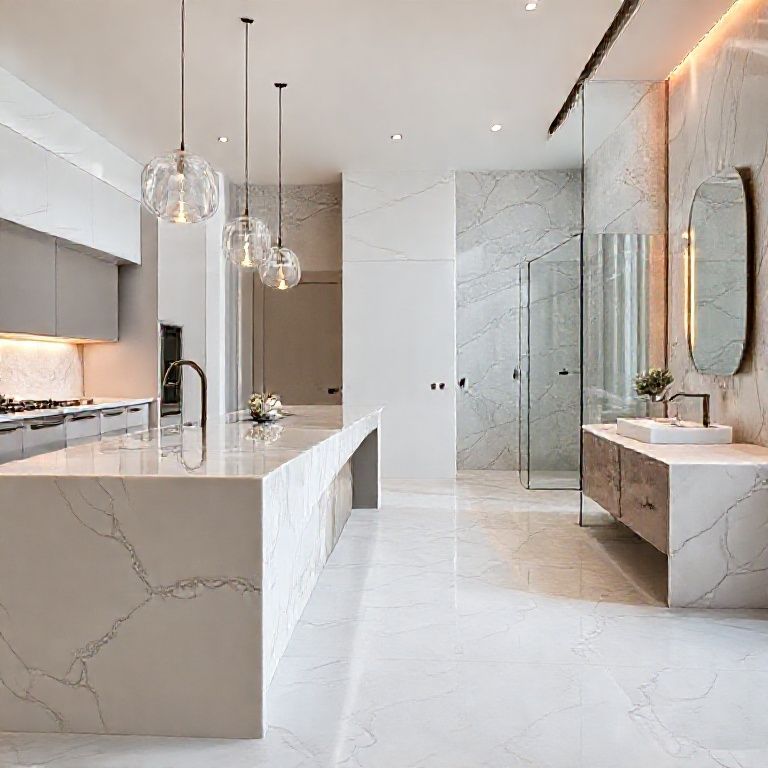
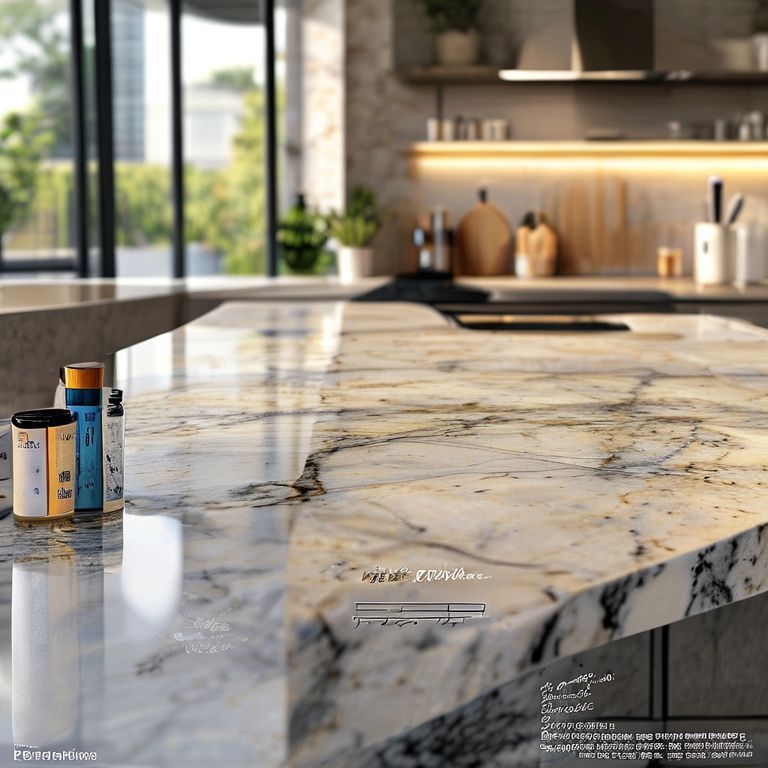
Natural marble is a sedimentary rock formed through the metamorphic process, resulting in a rich tapestry of colors and patterns that are unique to each piece. The beauty of natural marble lies in its individuality and the natural veining that gives each slab its distinctive character.
Advantages of Natural Marble
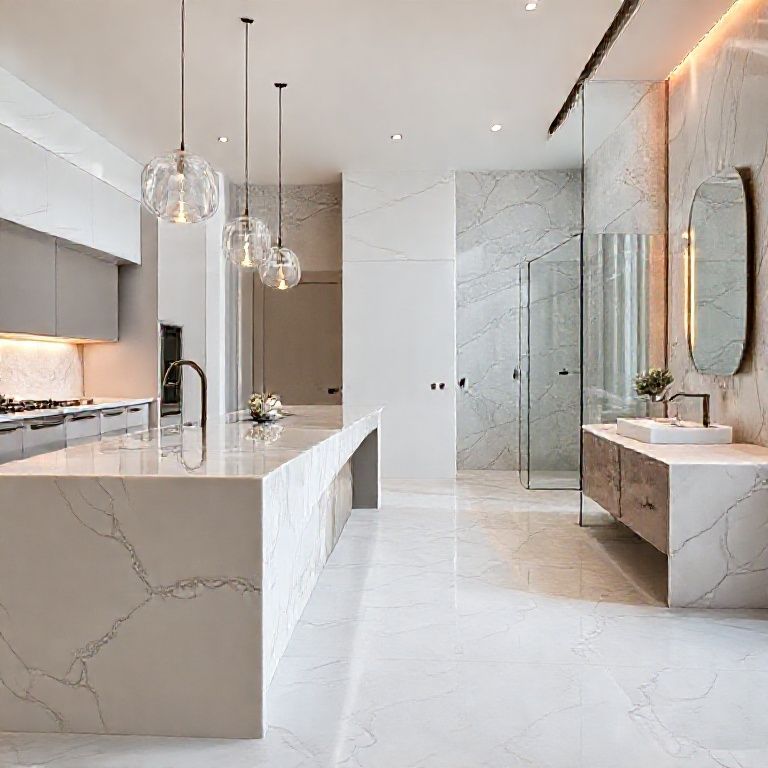
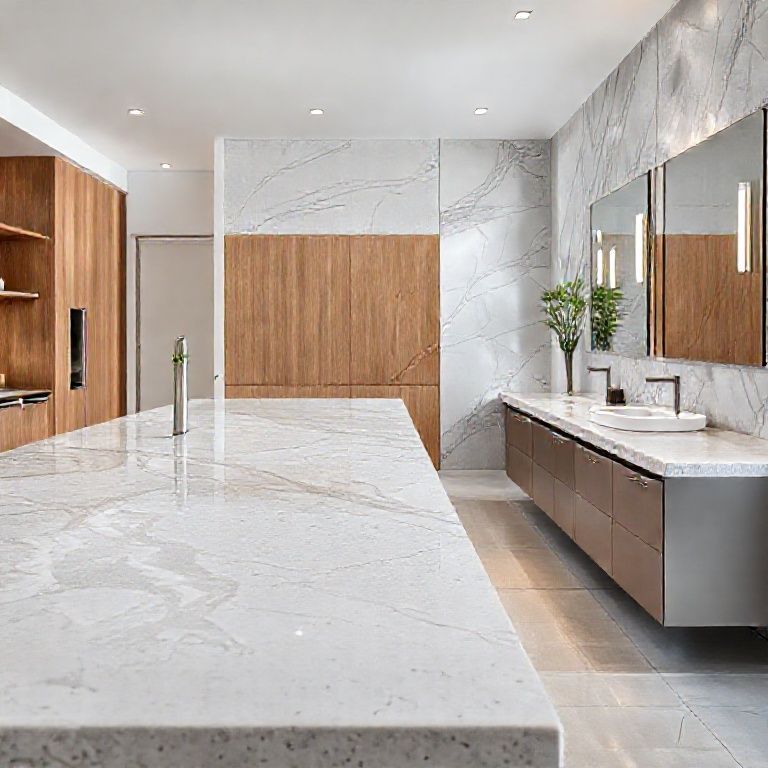
Unmatched Aesthetics: Natural marble is revered for its unparalleled beauty. The natural veining and color variations create a unique pattern on every slab, making each piece a one-of-a-kind masterpiece. This uniqueness adds a touch of sophistication and elegance that man-made marble often struggles to replicate.
Durability and Longevity: When properly installed and maintained, natural marble can last for centuries. The density and mineral content of natural marble contribute to its durability, making it a reliable choice for high-traffic areas such as kitchens, bathrooms, and public spaces.
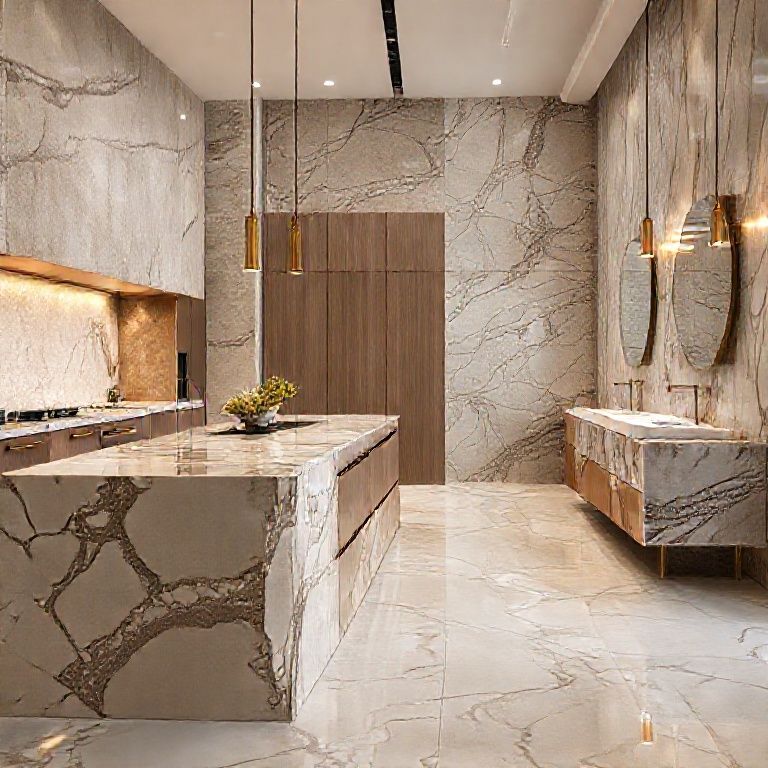
Aesthetic Value: The natural beauty of marble’s veining and color can enhance any space, providing a sense of luxury and timeless elegance. The aesthetic value of natural marble is unmatched, making it a preferred choice for those looking to add a touch of opulence to their interior design.
Disadvantages of Natural Marble
Cost: One of the most significant drawbacks of natural marble is its cost. The rarity and the need for skilled labor to cut and install natural marble slabs make it considerably more expensive than man-made alternatives.
Maintenance: Natural marble requires regular maintenance to maintain its beauty and longevity. It is prone to staining and scratching, which can detract from its natural beauty if not properly cared for. Regular sealing and cleaning are necessary to keep natural marble looking its best.
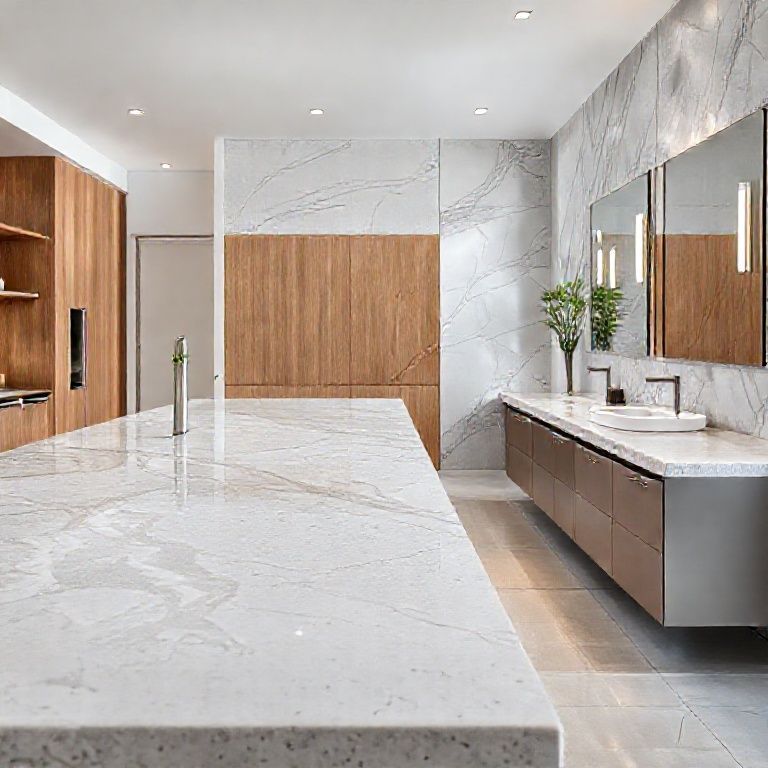
Availability: Due to its natural origin, marble is subject to supply chain issues and availability. It might take longer to source high-quality natural marble, especially if you are looking for a specific color or pattern.
Man-Made Marble: The Versatile Alternative
Man-made marble, also known as cultured marble or synthetic marble, is created by combining resin, limestone, marble chips, and pigments to create a composite material. This process allows for the replication of natural marble’s appearance while offering greater control over the final product.
Advantages of Man-Made Marble
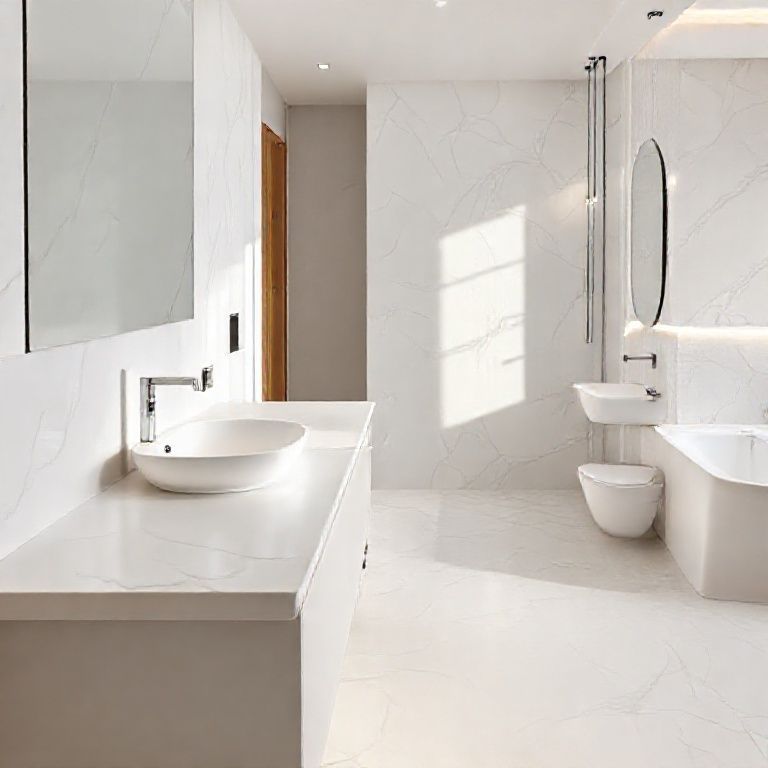
Cost-Effective: One of the primary advantages of man-made marble is its cost-effectiveness. Because it is manufactured rather than mined, it is more readily available and often less expensive than natural marble. This makes it an attractive option for those who want the appearance of marble without the high price tag.
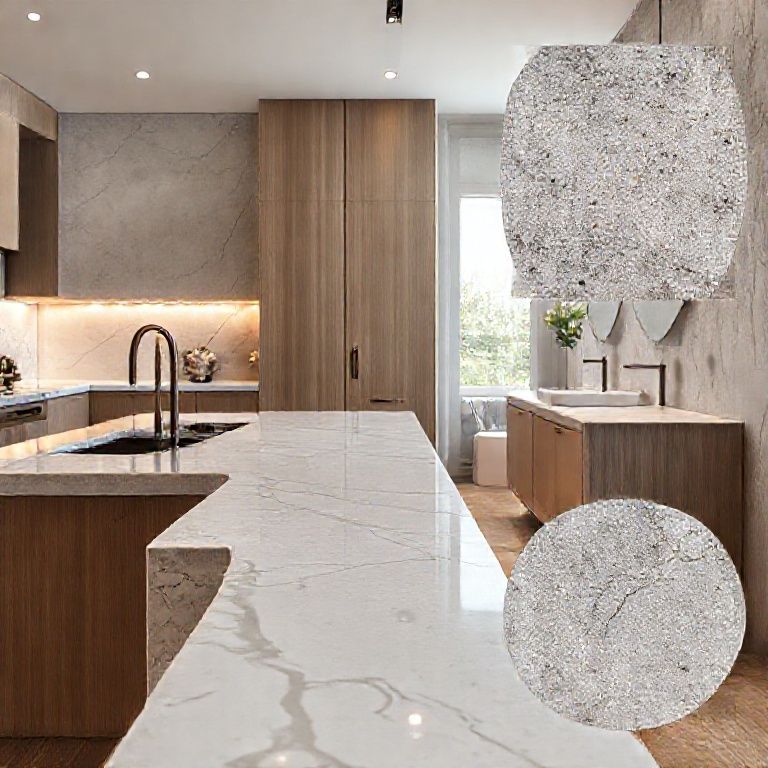
Durability: While natural marble may have an edge in terms of longevity, man-made marble is designed to be durable and resistant to staining and scratching. It is often treated with sealants to enhance its resistance to wear and tear, making it suitable for high-traffic areas.
Design Flexibility: Man-made marble offers greater design flexibility. It can be molded and shaped to fit any design requirement, allowing for custom shapes and sizes. The color and texture can be precisely controlled to match specific design visions, making it easier to achieve the desired aesthetic.
Disadvantages of Man-Made Marble
Aesthetic Authenticity: Despite advancements in manufacturing, man-made marble cannot fully replicate the unique and natural beauty of natural marble. While it can mimic the appearance of natural marble, it lacks the individuality and natural veining that makes natural marble so special.
Maintenance: While man-made marble is more resistant to staining than natural marble, it still requires regular maintenance. It is essential to clean and care for man-made marble to maintain its appearance and longevity. However, the maintenance process is generally simpler than that of natural marble.
Weight: Man-made marble tends to be heavier than natural marble due to its composite nature. This can be a consideration in installations where weight is a factor.
Conclusion
Choosing between natural and man-made marble depends on a variety of factors, including budget, design preferences, and maintenance considerations. Natural marble offers unparalleled aesthetics, durability, and longevity but comes at a higher cost and requires more maintenance. Man-made marble provides cost-effectiveness, design flexibility, and greater durability, though it may lack the unique beauty of natural marble. Understanding these differences will help you make an informed decision that aligns with your specific needs and preferences.
Natural Marble vs. Man-Made Marble
Introduction
In the previous part, we explored the unique characteristics of natural and man-made marble, highlighting their aesthetic, durability, cost, and maintenance aspects. Now, we will delve deeper into additional considerations that can help you make an informed decision when choosing between natural and man-made marble for your project.
Natural Marble: The Timeless Elegance
Environmental Impact
Natural marble is a natural resource, and its extraction has a significant environmental impact. Quarrying for natural marble can lead to habitat destruction, water pollution, and other ecological issues. However, responsible quarrying practices and the use of sustainable sources can mitigate these impacts. It is essential to choose suppliers who adhere to ethical and sustainable practices.
Health Concerns
Natural marble contains minerals like calcite and dolomite, which can release calcium and magnesium when exposed to water. While generally harmless, these minerals can affect water quality in areas where natural marble is used extensively. Modern plumbing systems can manage these minerals, but it’s something to consider for specialized applications.
Man-Made Marble: The Versatile Alternative
Chemical Composition
Man-made marble is a composite material made from a combination of resin, limestone, marble chips, and pigments. This composition allows manufacturers to create a product that closely mimics natural marble’s appearance. However, it also means that man-made marble may contain chemicals that can potentially leach into the environment or pose health concerns if not properly sealed and maintained.
Recycling and Sustainability
One of the advantages of man-made marble is its potential for recycling and sustainability. The materials used in its production can often be recycled, and manufacturers are increasingly focusing on eco-friendly production processes. However, it’s crucial to choose manufacturers who prioritize sustainability and responsible sourcing of raw materials.
Durability and Longevity
Wear and Tear: Natural marble is known for its durability, especially when properly maintained. The density and mineral content contribute to its resistance to wear and tear, making it suitable for high-traffic areas. Man-made marble, with its composite structure, is also designed to be durable and resistant to staining and scratching. While it may not match the natural wear resistance of natural marble, advancements in manufacturing have significantly improved its durability.
Temperature Resistance: Both natural and man-made marble have their own temperature resistance characteristics. Natural marble can be susceptible to thermal shock, meaning it may crack if exposed to sudden temperature changes. Man-made marble, on the other hand, is generally more resistant to thermal shock due to its composite nature. This makes it a better choice for areas where temperature fluctuations are common.
Installation and Maintenance
Installation: Installing natural marble requires skilled labor due to its natural irregularities and the need for precise cutting and fitting. Man-made marble, with its uniform composition, can be easier to install, especially for custom shapes and sizes. The installation process for man-made marble is generally quicker and less labor-intensive.
Maintenance: Both natural and man-made marble require regular maintenance to maintain their appearance and longevity. Natural marble needs regular sealing and cleaning to prevent staining and scratching. Man-made marble also requires regular cleaning but is often less prone to staining and easier to maintain. However, it’s important to follow the manufacturer’s guidelines for cleaning and maintenance to ensure the best results.
Cost Considerations
Initial Cost: The initial cost of natural marble is significantly higher than man-made marble. The cost of natural marble is influenced by its rarity, the skill required for cutting and installation, and the natural variations that make each piece unique. Man-made marble, with its manufactured nature, offers a more affordable option.
Long-Term Cost: While the initial cost of natural marble may be higher, its durability and longevity can lead to lower long-term costs. Proper maintenance can extend the lifespan of natural marble, reducing the need for replacement. Man-made marble, though more cost-effective initially, may require more frequent replacement due to its slightly lower durability compared to natural marble.
Conclusion: Making an Informed Decision
When it comes to selecting between natural and man-made marble, the decision hinges on a variety of factors including aesthetics, cost, durability, maintenance, and environmental considerations. Each type has its own set of advantages and disadvantages that cater to different needs and preferences.
Natural Marble: The Timeless Elegance
For those who prioritize the unique beauty and natural character of marble, natural marble stands out as the superior choice. Its unparalleled aesthetics, durability, and longevity make it a timeless addition to any space. However, the high cost and maintenance requirements can be significant drawbacks.
Man-Made Marble: The Versatile Alternative
For those looking for a cost-effective, durable, and versatile option, man-made marble is an excellent choice. Its design flexibility, resistance to staining, and ease of installation make it a practical alternative to natural marble. While it may lack the unique beauty of natural marble, its modern manufacturing process allows for a product that closely mimics natural marble’s appearance.
Environmental and Health Considerations
When choosing between natural and man-made marble, it’s also important to consider the environmental and health impacts. Natural marble, while aesthetically superior, can have a significant environmental impact due to its extraction process. However, responsible quarrying practices can mitigate these impacts. Man-made marble, while more sustainable in terms of recycling and manufacturing processes, may contain chemicals that can pose health concerns if not properly sealed and maintained.
Making an Informed Decision
When deciding between natural and man-made marble, it’s essential to weigh the pros and cons based on your specific needs and preferences. Here are some key considerations to help you make an informed decision:
Budget: If budget is a significant concern, man-made marble may be the more practical choice. If budget is not a constraint and you prioritize aesthetics and longevity, natural marble may be the better option. Design Flexibility: If you need custom shapes and sizes, man-made marble offers greater design flexibility. If you want a unique piece with natural veining and color, natural marble is the way to go. Durability and Maintenance: Consider the durability and maintenance requirements of each type of marble. Natural marble is highly durable but requires more maintenance. Man-made marble is more resistant to staining and easier to maintain but may not match the durability of natural marble. Environmental and Health Impact: Evaluate the environmental and health impacts of each type of marble. Choose suppliers who prioritize sustainable practices and follow health guidelines for chemical use. Long-Term Costs: Consider the long-term costs of each type of marble. Natural marble’s durability can lead to lower long-term costs, but its initial cost is higher. Man-made marble may require more frequent replacement but is generally more affordable initially.
In conclusion, both natural and man-made marble offer unique benefits that can enhance any space. By carefully considering your budget, design needs, and long-term goals, you can make an informed decision that aligns with your specific requirements and preferences. Whether you choose the timeless elegance of natural marble or the versatile design flexibility of man-made marble, both options can add a touch of luxury and sophistication to your space.