Unveiling the Radiation Myth in Artificial Marble
Introduction to Artificial Marble
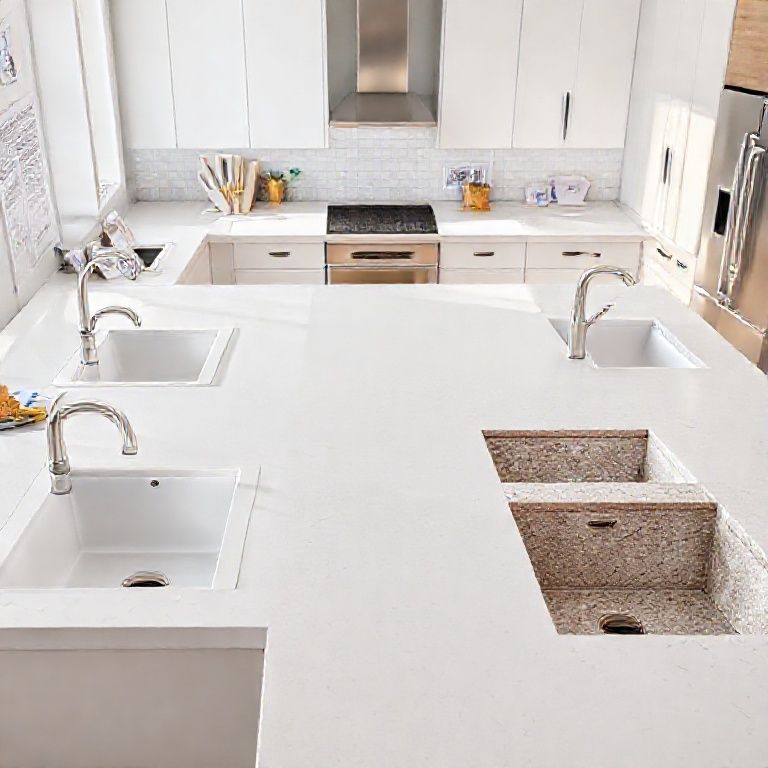
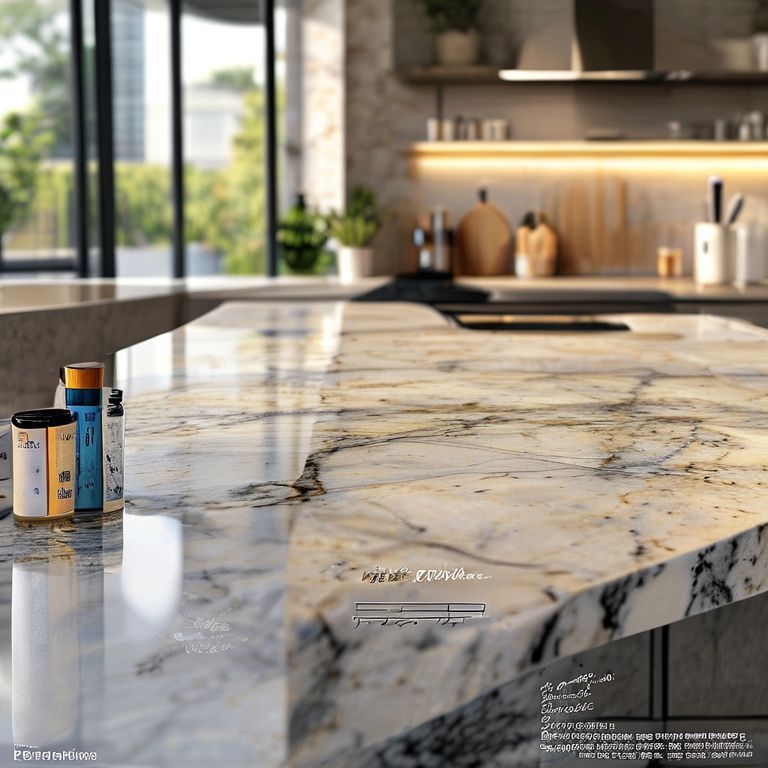
Artificial marble, often referred to as synthetic stone, has revolutionized the world of interior design and construction. This versatile material has become a popular choice for countertops, sinks, tables, and other surfaces due to its aesthetic appeal, durability, and cost-effectiveness. Unlike natural marble, which is a metamorphic rock, artificial marble is a composite material created from a mixture of resins, pigments, and other substances.

The Radiation Concern
One of the most persistent myths surrounding artificial marble is the claim that it emits radiation. This concern often arises due to misconceptions about the material’s composition and the processes involved in its creation. To address this myth, it is essential to understand the nature of radiation and how it relates to artificial marble.
Understanding Radiation
Radiation can be broadly categorized into two types: ionizing and non-ionizing radiation. Ionizing radiation, such as X-rays and gamma rays, has enough energy to remove tightly bound electrons from atoms, creating ions. This type of radiation can cause cellular damage and is linked to various health issues, including cancer. Non-ionizing radiation, like visible light, infrared, and radio waves, does not have sufficient energy to ionize atoms and is generally considered less harmful.
Artificial Marble and Radiation
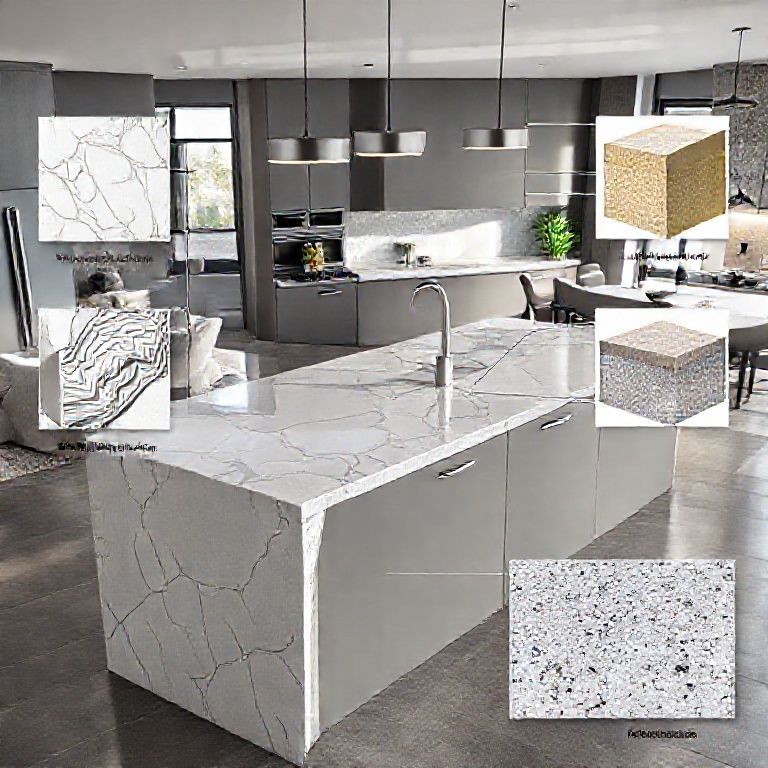
The primary ingredients in artificial marble are melamine resin, calcium carbonate, and pigments. These components do not inherently emit ionizing radiation. The manufacturing process for artificial marble involves mixing these ingredients under high pressure and temperature, but this process does not introduce any additional radiation.
Scientific Studies and Safety
Several studies and tests have been conducted to assess the safety of artificial marble. These investigations have consistently shown that artificial marble does not emit harmful levels of radiation. For instance, the United States Consumer Product Safety Commission (CPSC) and similar regulatory bodies in other countries have evaluated various synthetic materials, including artificial marble, and have found no evidence of radiation emission.
Health and Safety Standards
Artificial marble is subject to stringent safety standards to ensure it is safe for use in residential and commercial environments. The manufacturing process adheres to guidelines that limit the presence of hazardous substances, including heavy metals, volatile organic compounds (VOCs), and other potentially harmful materials.
Comparison with Natural Materials
It is also worth noting that natural stone, including natural marble, is often assumed to be inherently safer due to its natural origin. However, natural marble can contain trace amounts of naturally occurring radioactive materials (NORM), which can emit ionizing radiation. Despite this, natural marble is still widely used and considered safe when properly sealed and maintained.
Conclusion
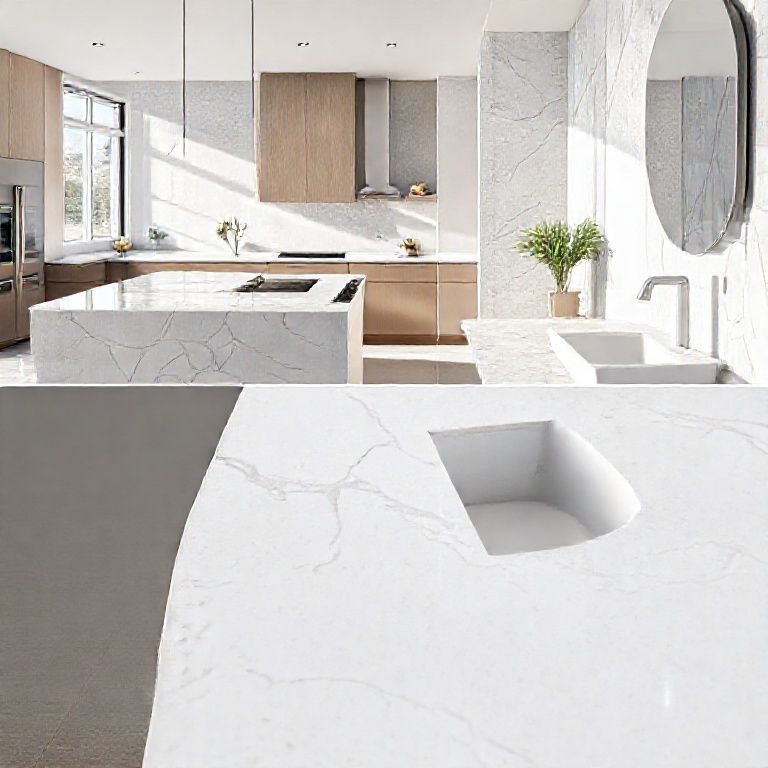
The myth that artificial marble emits radiation is unfounded. Scientific evidence and regulatory standards consistently demonstrate that this material does not pose any significant radiation risk. Understanding the composition and manufacturing process of artificial marble helps to dispel these myths and underscores its safety as a construction and design material.
The Benefits and Safety of Using Artificial Marble
The Advantages of Artificial Marble
Artificial marble offers a range of benefits that make it an attractive choice for many design and construction projects. Its advantages span aesthetics, durability, cost-effectiveness, and ease of maintenance.
Aesthetic Appeal
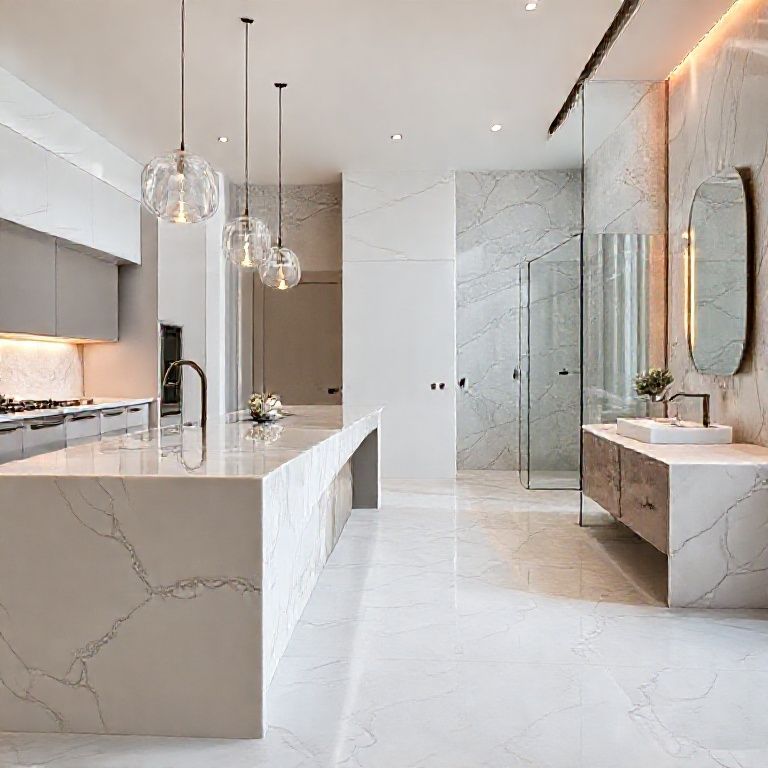
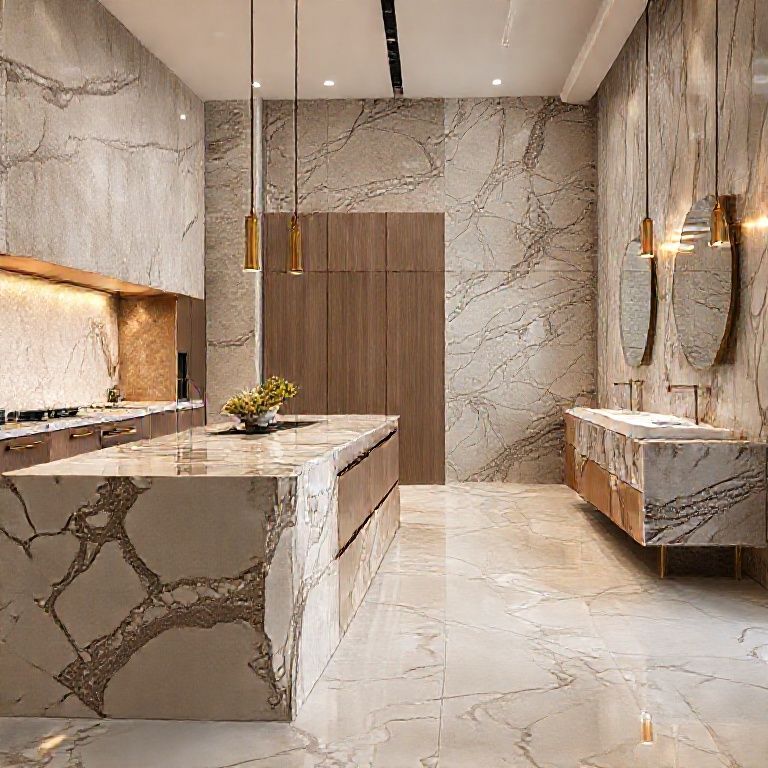
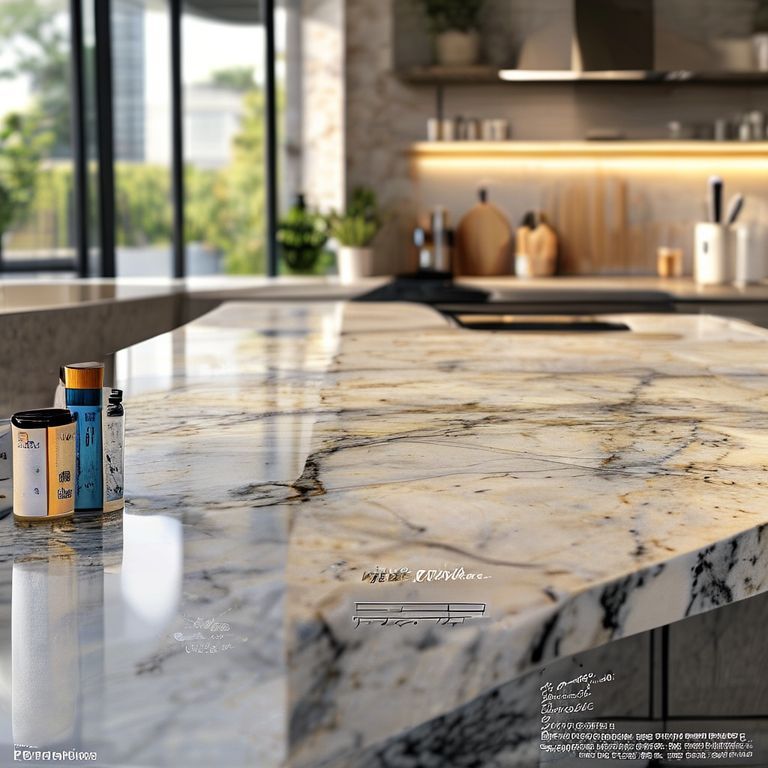
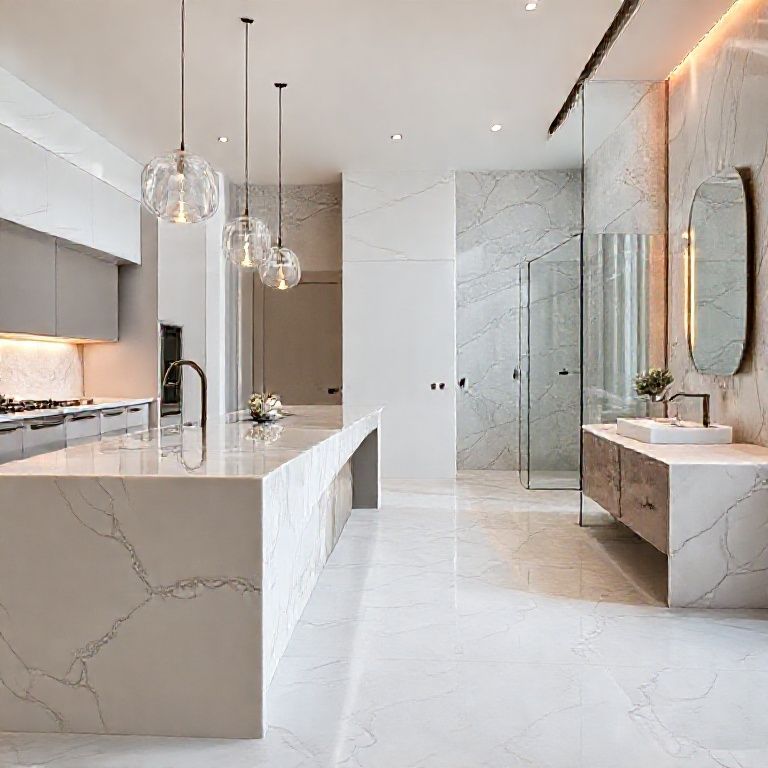
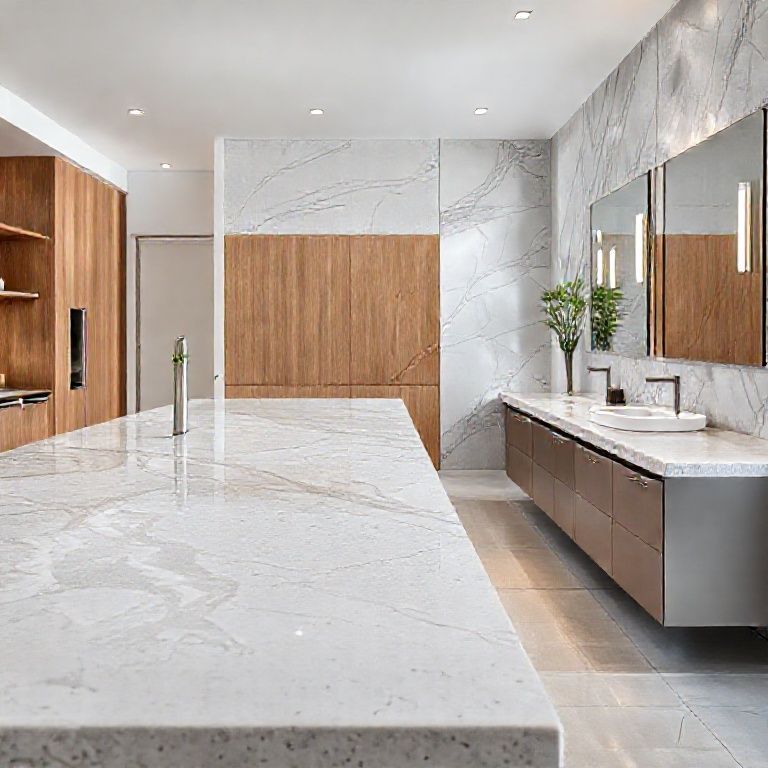
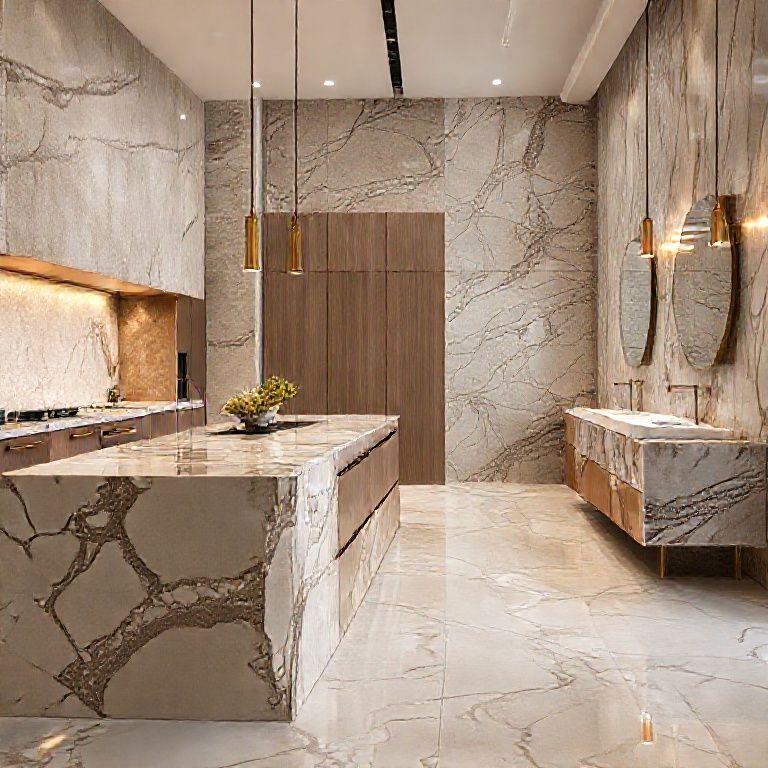
One of the primary reasons artificial marble has gained popularity is its aesthetic appeal. It mimics the look of natural marble with a wide array of color options and patterns, allowing designers and homeowners to achieve their desired aesthetic without the high cost and maintenance requirements of natural stone.
Durability
Artificial marble is highly durable and resistant to scratches, stains, and chips. This makes it an excellent choice for high-traffic areas such as kitchens and bathrooms. Unlike natural stone, which can be prone to cracking and staining, artificial marble maintains its appearance over time and requires minimal maintenance.
Cost-Effectiveness
Compared to natural marble, artificial marble is significantly more affordable. This cost-effectiveness is due to its synthetic nature and the manufacturing process, which eliminates the high costs associated with mining, transportation, and labor of natural stone.
Ease of Maintenance
Artificial marble is easy to clean and maintain. It does not require sealing or special maintenance to prevent staining and can be wiped clean with a mild detergent and water. This ease of maintenance makes artificial marble a practical choice for busy households and commercial spaces.
Environmental Considerations
Artificial marble is also an environmentally friendly option. The production process can be designed to minimize waste and energy consumption. Additionally, since it does not rely on the extraction of natural resources, it reduces the environmental impact associated with mining and quarrying.
Safety and Health
Beyond the radiation myth, it is crucial to consider other aspects of safety and health when using artificial marble.
Non-Toxic Materials
The materials used to create artificial marble are carefully selected to ensure they are non-toxic and safe for indoor environments. The resins and pigments used in the manufacturing process are compliant with health and safety regulations, providing peace of mind for users.
Indoor Air Quality
One concern often associated with synthetic materials is the potential for off-gassing of volatile organic compounds (VOCs). However, reputable manufacturers of artificial marble use low-VOC or VOC-free resins to minimize this risk. As a result, artificial marble contributes to improved indoor air quality.
Allergen-Free
Artificial marble is inherently hypoallergenic. It does not produce dust or particles that can trigger allergies or respiratory issues, making it a suitable choice for people with allergies or respiratory conditions.
Real-World Applications
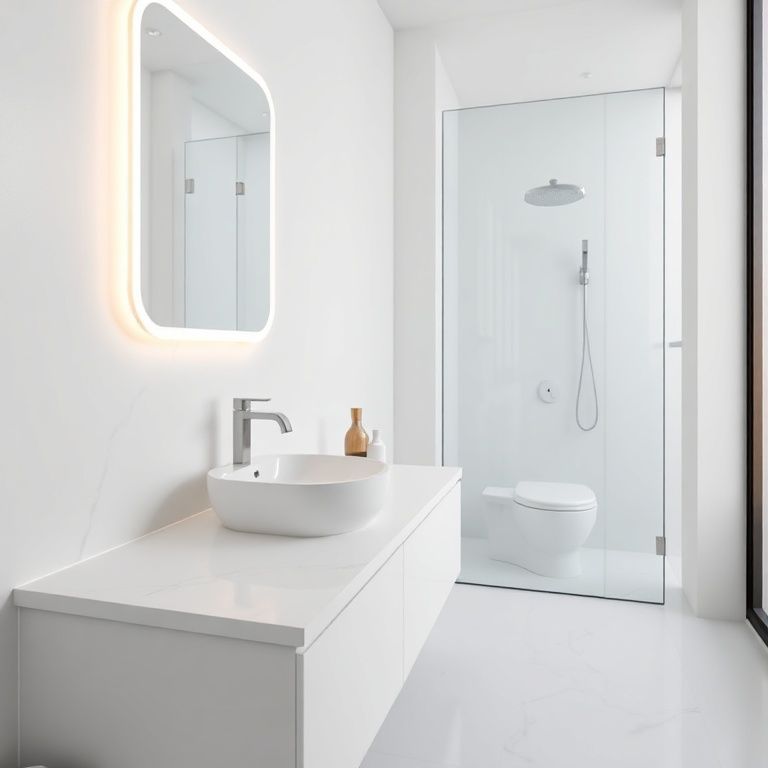
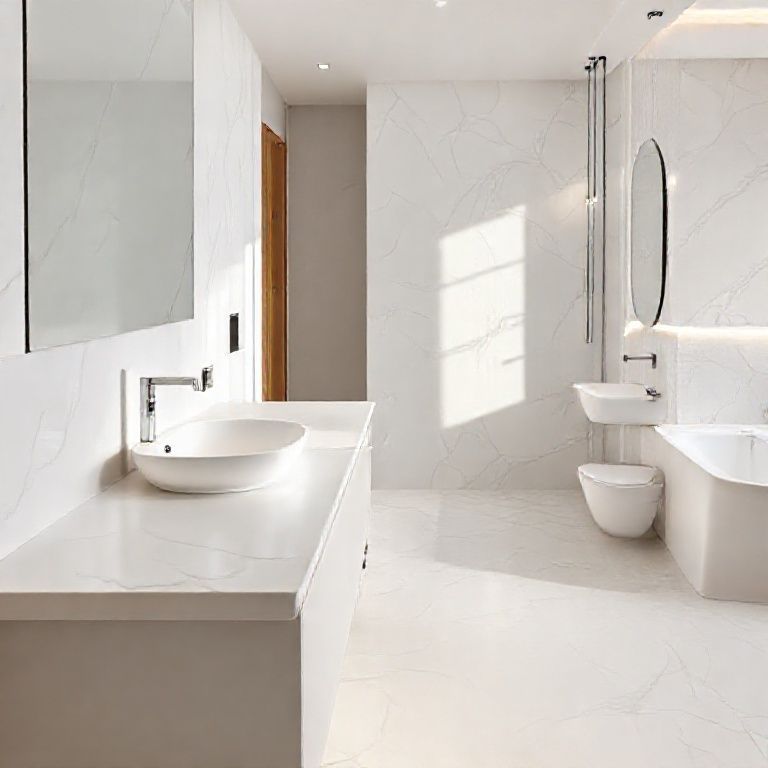
Artificial marble is widely used in various applications, from kitchen countertops and bathroom vanities to dining tables and outdoor furniture. Its versatility and aesthetic appeal make it a preferred choice in both residential and commercial settings.
Case Studies and Testimonials
Many high-profile projects and satisfied customers attest to the quality and safety of artificial marble. From luxury homes to commercial buildings, artificial marble has proven its reliability and aesthetic versatility without any adverse health effects.
Conclusion
The safety and benefits of artificial marble are well-documented and supported by scientific research and regulatory standards. The myth surrounding radiation in artificial marble is unfounded, and the material offers numerous advantages in terms of aesthetics, durability, cost-effectiveness, and ease of maintenance. When used responsibly and sourced from reputable manufacturers, artificial marble is a safe and practical choice for a wide range of applications.
By understanding the composition, manufacturing process, and safety standards of artificial marble, we can confidently appreciate its role in modern design and construction while dispelling the myths that surround it.