Curious about whether synthetic marble emits radiation? This comprehensive exploration dives into the science behind synthetic marble and addresses common concerns. We unravel the myths, highlight the benefits, and provide a clear understanding of what synthetic marble truly is and its safety for your home.

synthetic marble, radiation, safety, artificial stone, countertop, health, non-toxic, material science, indoor safety
The Myths and Facts About Radiation in Synthetic Marble
In recent years, synthetic marble has emerged as a popular choice for homeowners and designers alike, thanks to its stunning aesthetics, durability, and affordability. However, with its rising popularity, so too have questions about its safety, particularly concerning radiation. This first part of our exploration aims to demystify the concerns surrounding synthetic marble and radiation, providing a detailed, well-informed perspective.
Understanding Synthetic Marble
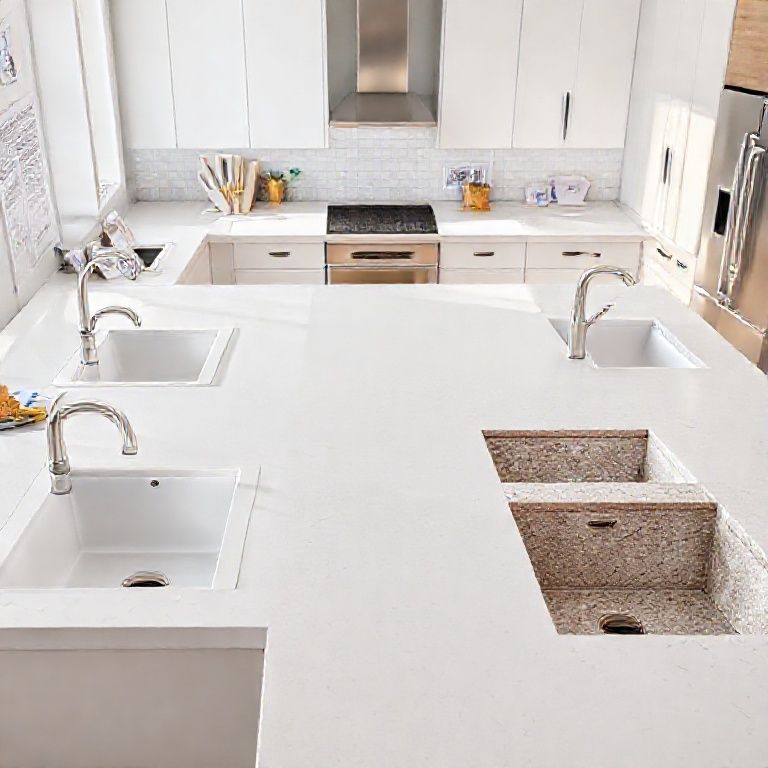
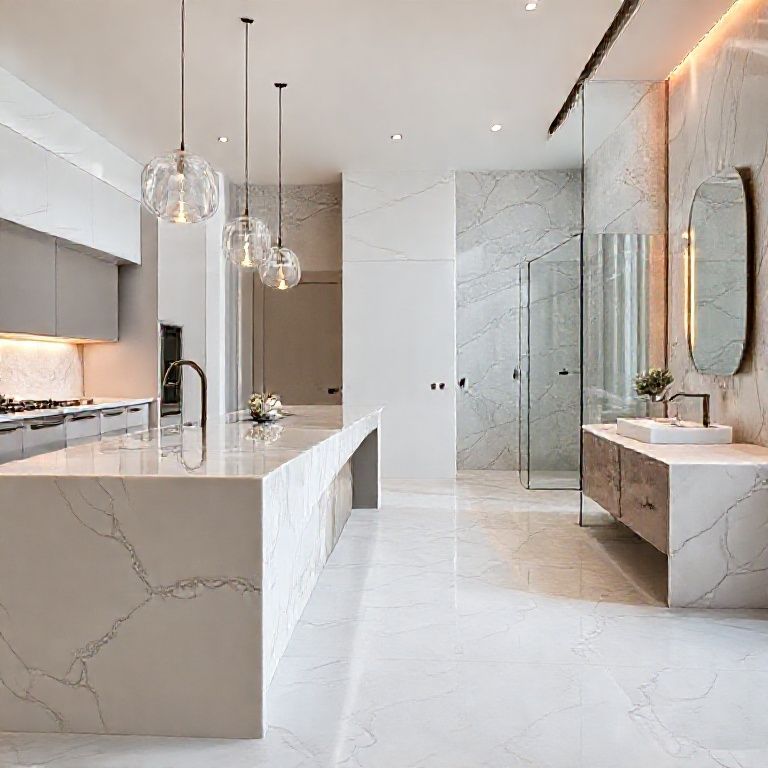
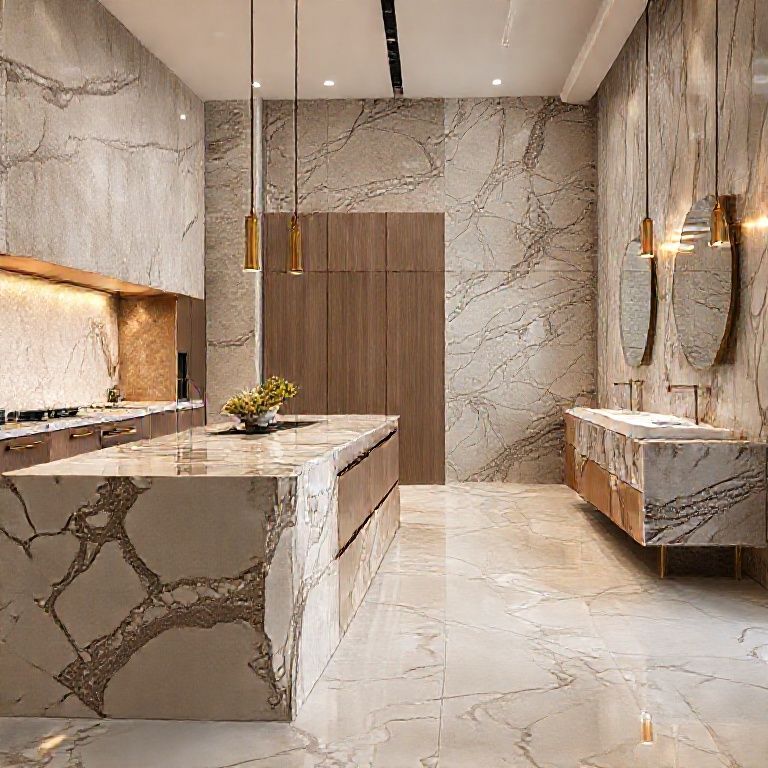
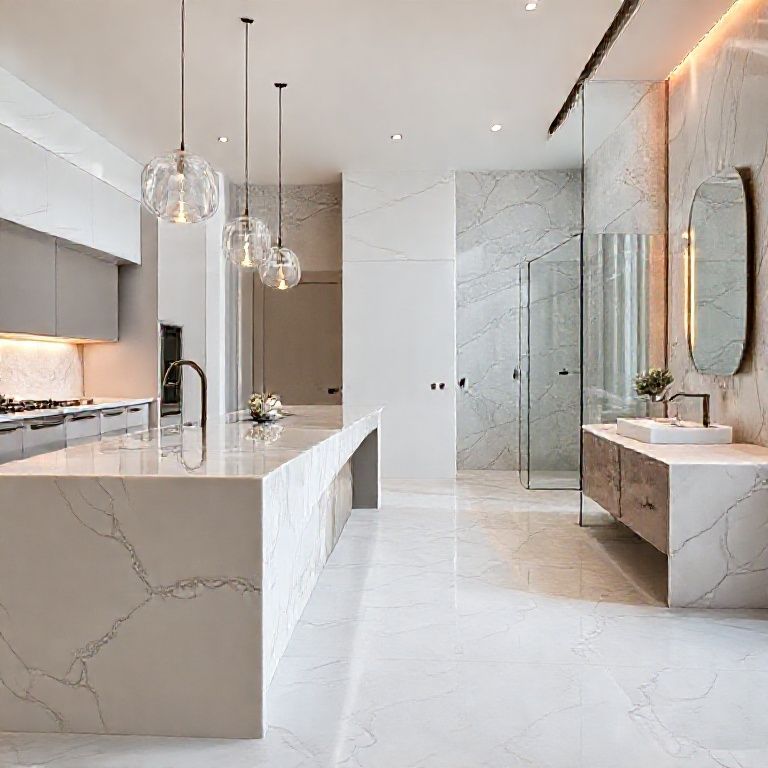
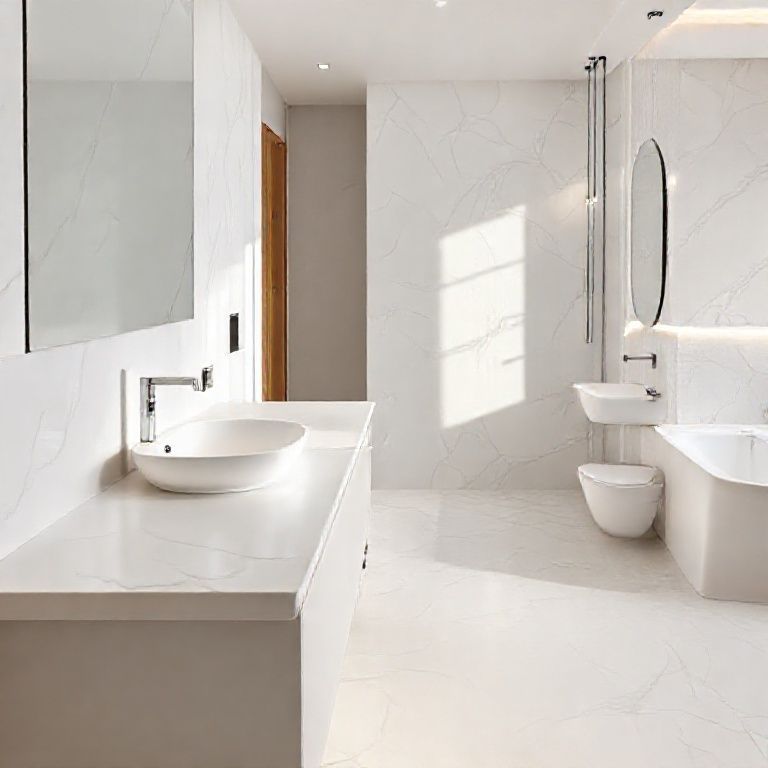
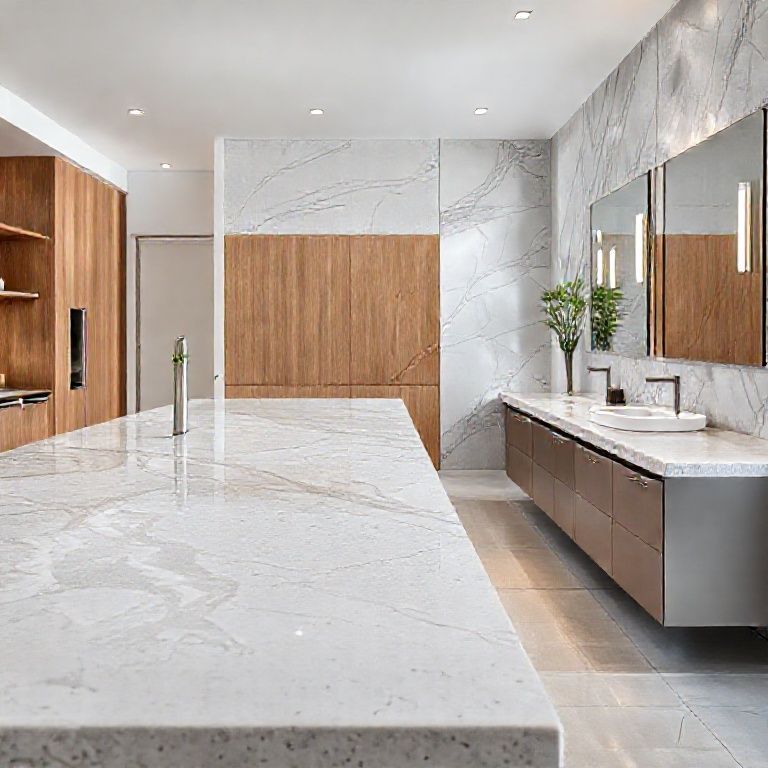
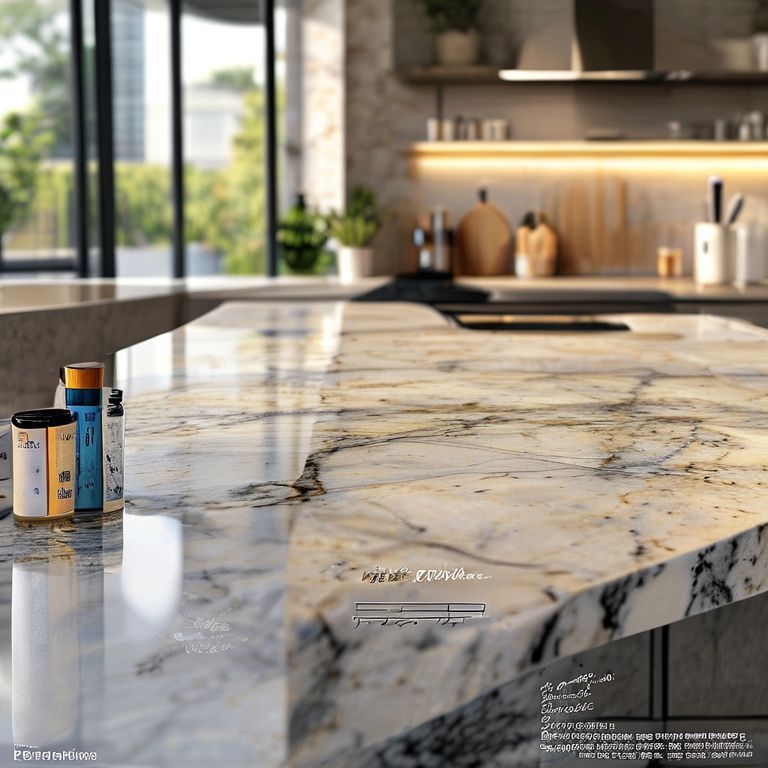
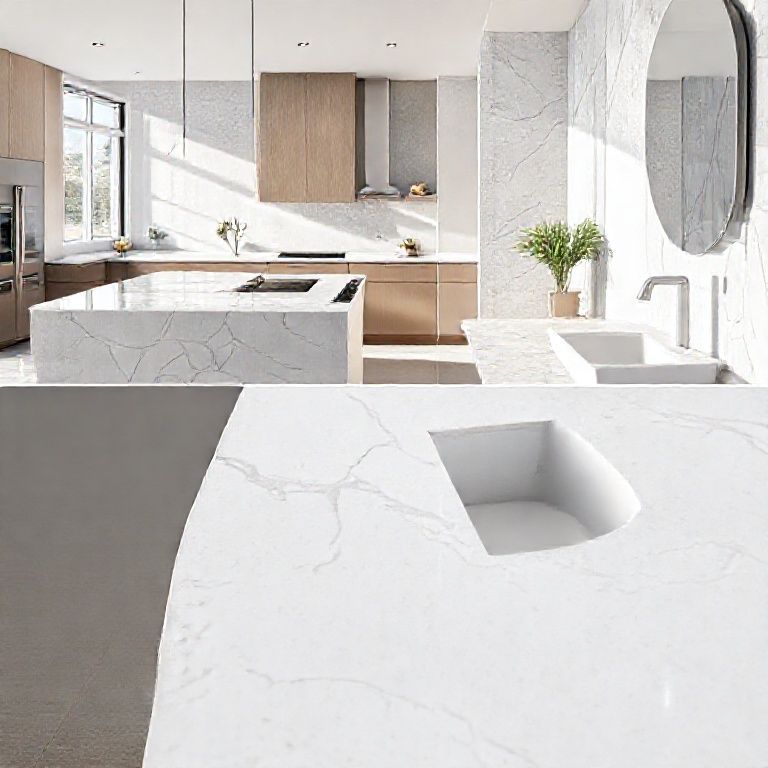
Synthetic marble, often referred to as artificial stone, is a composite material made from a mixture of quartz, resin, pigments, and other additives. It is engineered to mimic the appearance and texture of natural marble but without the environmental and financial drawbacks. Unlike natural stone, synthetic marble is created in a controlled manufacturing process, allowing for consistent quality and an array of customizable features.
The Radiation Myth
One of the most pervasive myths about synthetic marble is that it emits radiation. This concern often stems from a misunderstanding of radiation and its sources. Radiation is a form of energy that travels in waves or particles and can be categorized into ionizing and non-ionizing radiation. Ionizing radiation has enough energy to remove tightly bound electrons from atoms, which can cause damage to living tissue and DNA, leading to potential health risks. Common sources of ionizing radiation include X-rays, gamma rays, and radon gas.
Non-ionizing radiation, on the other hand, lacks the energy to ionize atoms or molecules and includes forms like visible light, infrared, microwaves, and radio waves. Non-ionizing radiation is generally considered less harmful than ionizing radiation.
Synthetic Marble and Radiation
The materials used in synthetic marble, such as quartz and resin, do not naturally emit ionizing radiation. During its manufacturing process, synthetic marble is subjected to high temperatures and pressures, which may produce heat. However, the heat generated during the manufacturing process is not classified as radiation but rather as thermal energy.
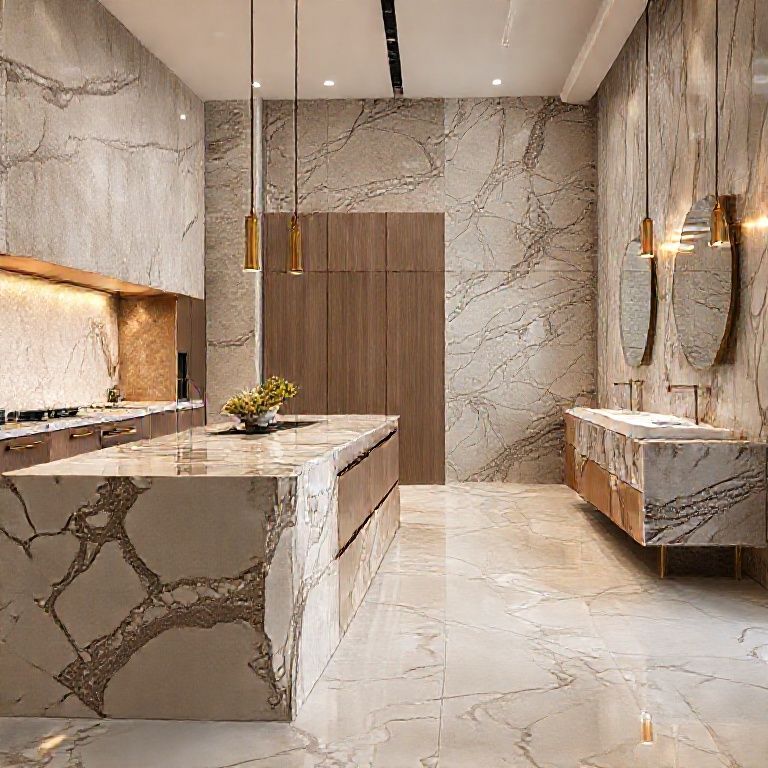
Moreover, synthetic marble does not contain radioactive elements. To further reassure concerns, multiple studies and safety evaluations have confirmed that synthetic marble does not emit any form of radiation that poses a risk to human health. This is in stark contrast to natural stone like granite, which can contain trace amounts of radioactive elements such as uranium, thorium, and potassium, which emit radon gas.
Safety and Health Considerations
While synthetic marble does not emit radiation, it’s essential to consider other safety and health aspects when using it in your home. Here are some key points to keep in mind:
Non-Toxic Materials: Synthetic marble is made from non-toxic materials. The resins and pigments used are typically free from harmful chemicals such as phthalates and volatile organic compounds (VOCs), which can off-gas and contribute to indoor air pollution.
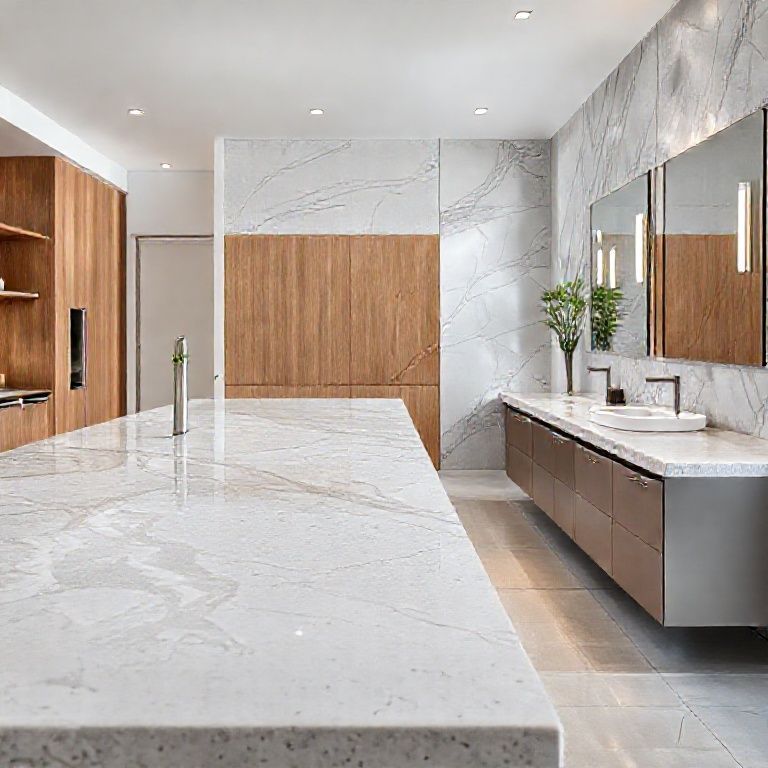
Durability and Maintenance: Synthetic marble is highly resistant to stains, scratches, and heat. Its durability means it requires minimal maintenance, reducing the need for harsh cleaning agents that might pose health risks.
Customization and Versatility: Synthetic marble offers a wide range of colors, textures, and patterns. This versatility allows for creative and personalized design solutions without compromising safety.
Regulatory Compliance: The production of synthetic marble is subject to stringent safety standards and regulations. Manufacturers adhere to guidelines that ensure the final product is safe for indoor use.
Conclusion of Part 1
In conclusion, the myth that synthetic marble emits radiation is unfounded. The materials and manufacturing processes involved do not produce ionizing radiation, and synthetic marble is crafted from non-toxic components. As a result, it stands as a safe, durable, and versatile alternative to natural stone, offering numerous benefits without the associated risks. In the next part, we will delve deeper into the environmental impact and sustainability of synthetic marble, further highlighting its advantages.
The Environmental Impact and Sustainability of Synthetic Marble
In our previous discussion, we debunked the myth surrounding radiation in synthetic marble and emphasized its safety and non-toxic nature. Now, let’s turn our attention to another crucial aspect—the environmental impact and sustainability of synthetic marble. This comprehensive look will help you understand why synthetic marble is not just a safe choice but also an environmentally friendly option.
Environmental Impact of Natural Stone
To fully appreciate the benefits of synthetic marble, it’s helpful to first understand the environmental impact of natural stone. The extraction and processing of natural stone involve significant ecological disruption:
Land Degradation: Quarrying natural stone requires extensive land clearing, which can lead to soil erosion, loss of biodiversity, and deforestation. Water Usage: The extraction process often demands substantial amounts of water, contributing to water scarcity in regions where water resources are already limited. Energy Consumption: Transporting natural stone, which can be heavy and bulky, requires a lot of energy. This results in higher carbon emissions compared to lightweight synthetic alternatives. Waste Generation: The cutting and shaping of natural stone produce large quantities of waste, including dust and debris, which can harm the environment if not properly managed.
Synthetic Marble and Sustainability
Synthetic marble addresses many of these environmental concerns through its production process and lifecycle:
Reduced Land Use: The manufacturing of synthetic marble does not require extensive land clearing. Synthetic marble is created in factories where controlled processes minimize ecological disruption. Water Conservation: The production of synthetic marble consumes significantly less water than the extraction and processing of natural stone. This makes it a more sustainable option in terms of water usage. Lower Energy Consumption: Synthetic marble is lightweight, making it easier and more energy-efficient to transport compared to natural stone. This reduction in transportation energy translates to lower carbon emissions. Waste Minimization: The manufacturing process for synthetic marble generates minimal waste. The materials used are carefully managed, and the production process is designed to reduce by-products.
Recycling and Reusability
One of the most compelling aspects of synthetic marble is its potential for recycling and reusability. Unlike natural stone, which is a non-renewable resource, synthetic marble can be recycled at the end of its lifecycle. This recycling process can be designed to reclaim the raw materials and repurpose them into new products, further reducing the environmental footprint.
Eco-Friendly Alternatives
While synthetic marble offers many sustainability benefits, it’s also important to consider other eco-friendly alternatives:
Recycled Content: Some manufacturers of synthetic marble incorporate recycled materials into their products, further enhancing their environmental credentials. Low-VOC Options: To minimize the impact on indoor air quality, manufacturers are developing synthetic marble options with low or no volatile organic compounds (VOCs), ensuring a healthier environment for occupants.
The Role of Certification and Standards
Certifications and standards play a crucial role in ensuring the environmental and health safety of synthetic marble. Organizations like the Greenguard Environmental Institute and Cradle to Cradle Products Innovation Institute provide certifications that verify a product’s safety and sustainability. When selecting synthetic marble, look for products that have obtained such certifications, as they guarantee adherence to strict environmental and health standards.
Conclusion of Part 2
In conclusion, synthetic marble presents a compelling case for both safety and sustainability. Unlike natural stone, it does not emit radiation and is crafted from non-toxic, recyclable materials. Its production process is more environmentally friendly, requiring less land, water, and energy, and generating minimal waste. Additionally, synthetic marble offers recycling and reusability options, further enhancing its sustainability credentials. By choosing synthetic marble, you’re not just investing in a durable and aesthetically pleasing material but also making a conscious decision to support a safer and more sustainable future.
Final Thoughts
In summary, synthetic marble stands out as a safe, durable, and sustainable option for your home or business. By dispelling the myth of radiation and highlighting its environmental benefits, we hope to have provided you with a comprehensive understanding of why synthetic marble is a superior choice. Whether you’re designing a new space or upgrading an existing one, synthetic marble offers a blend of aesthetics, safety, and sustainability that few materials can match.