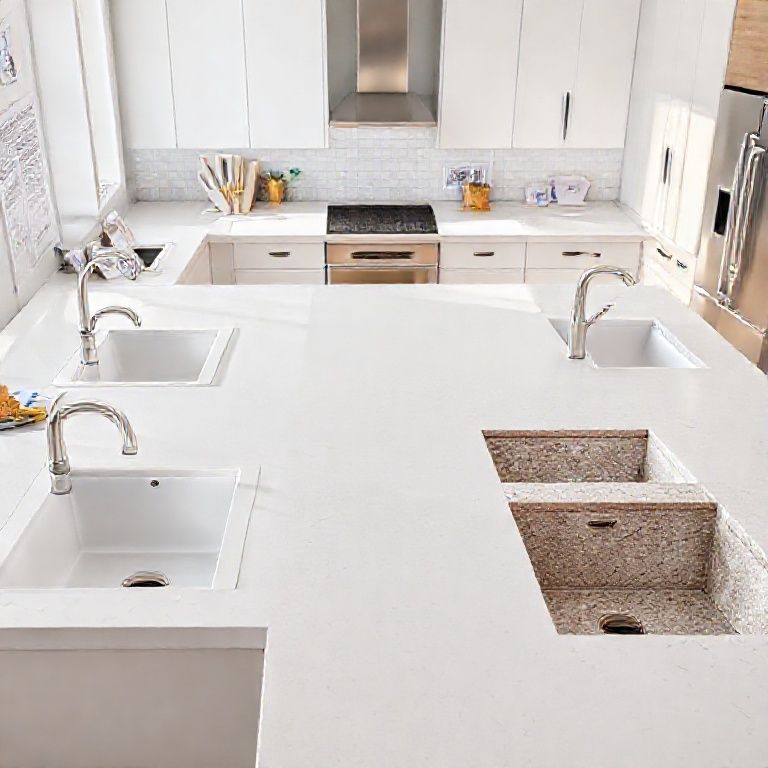
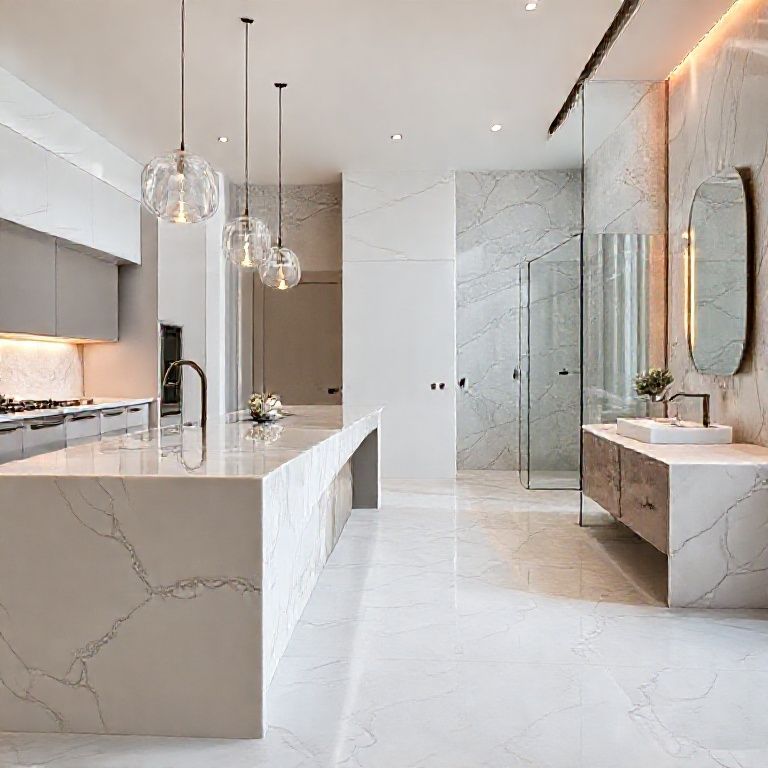
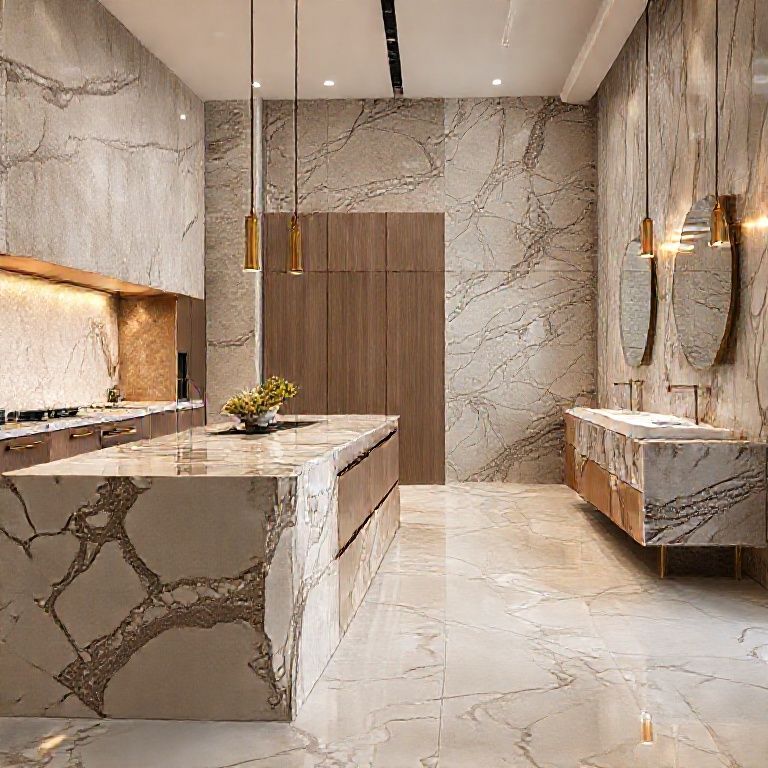
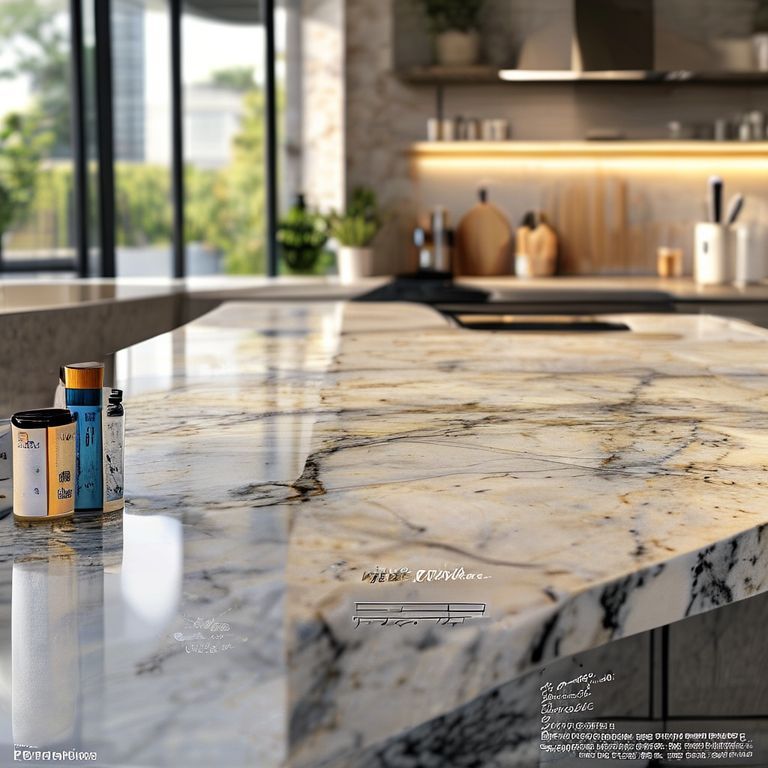
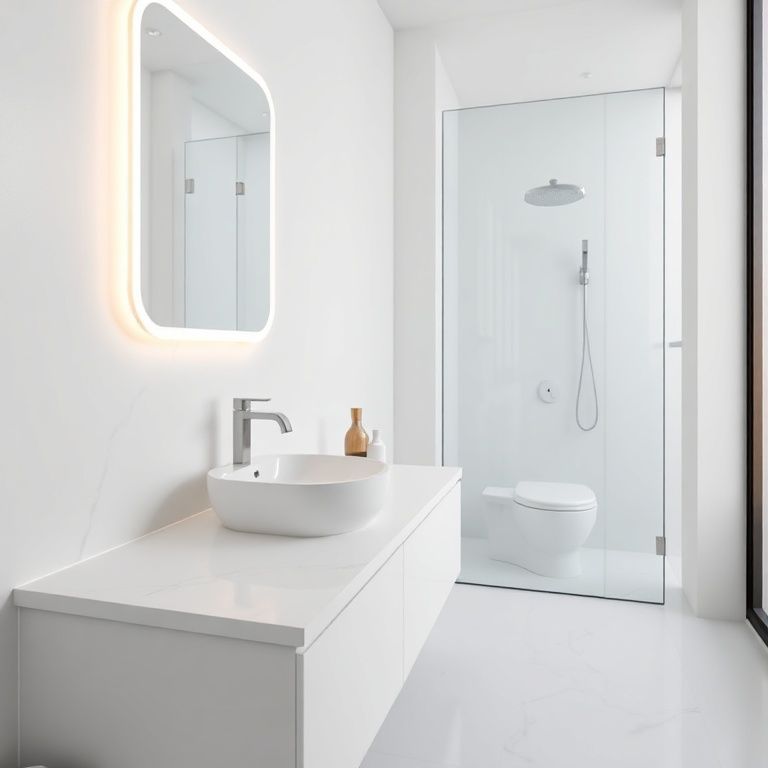
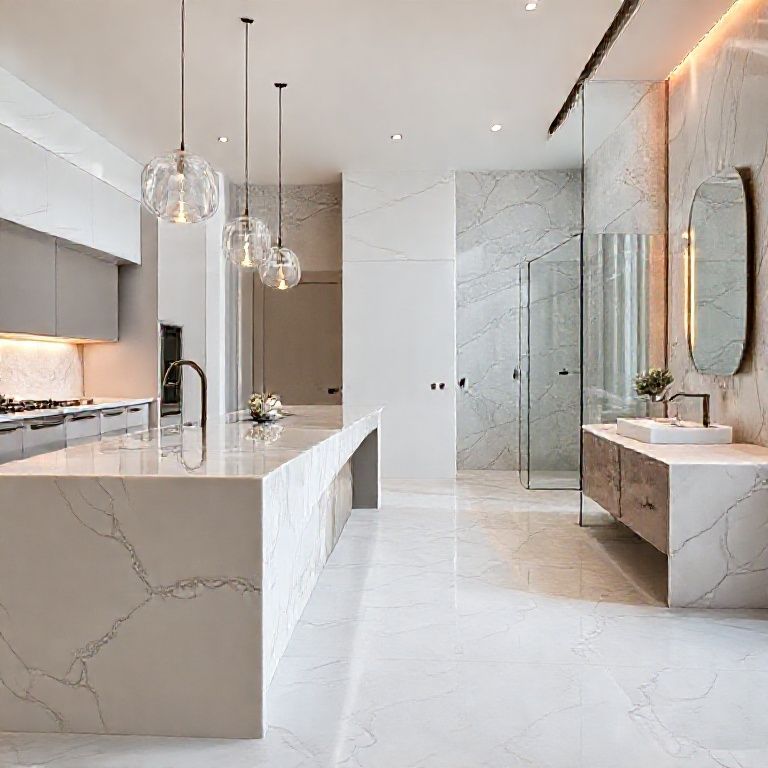
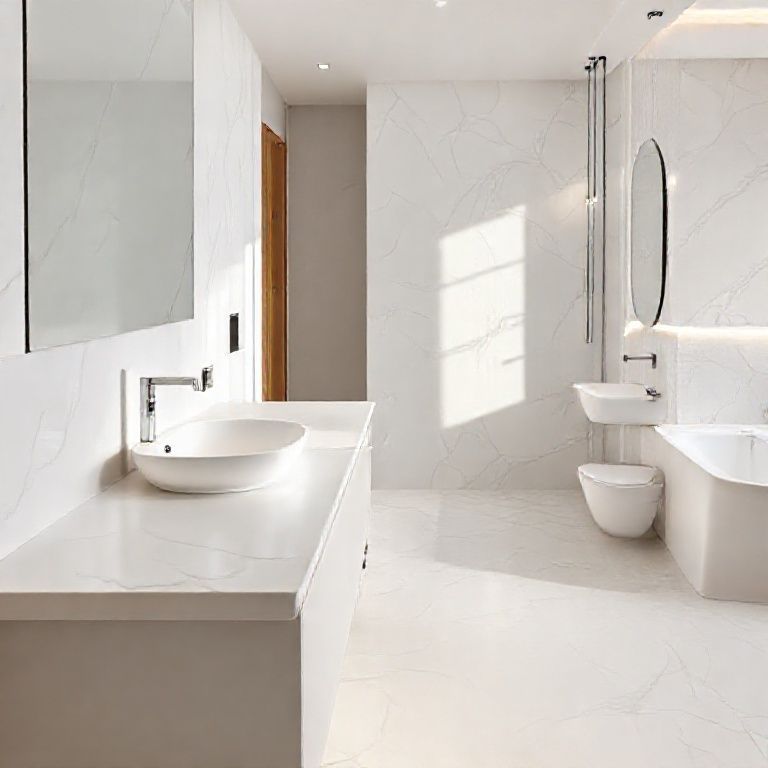
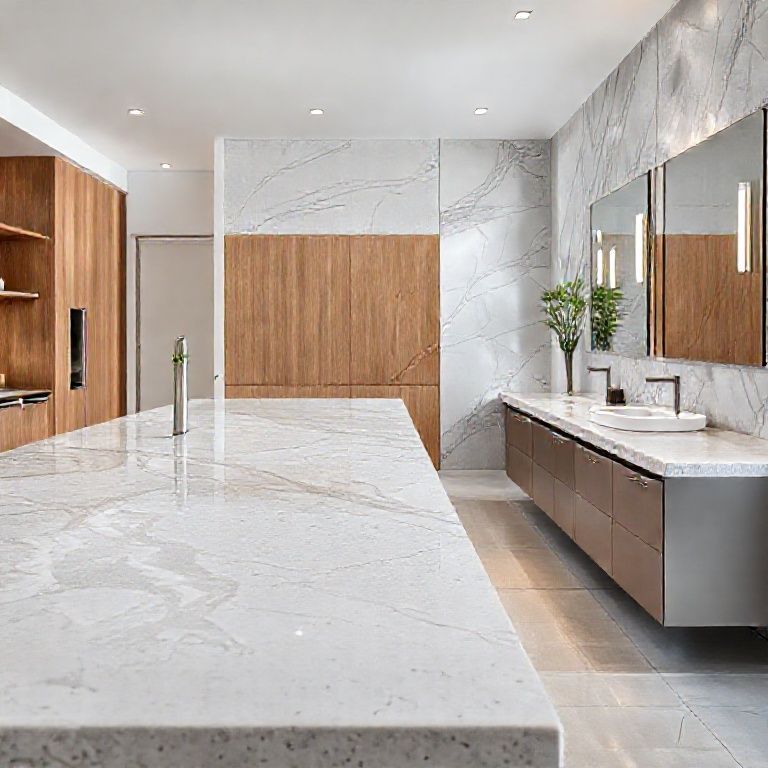
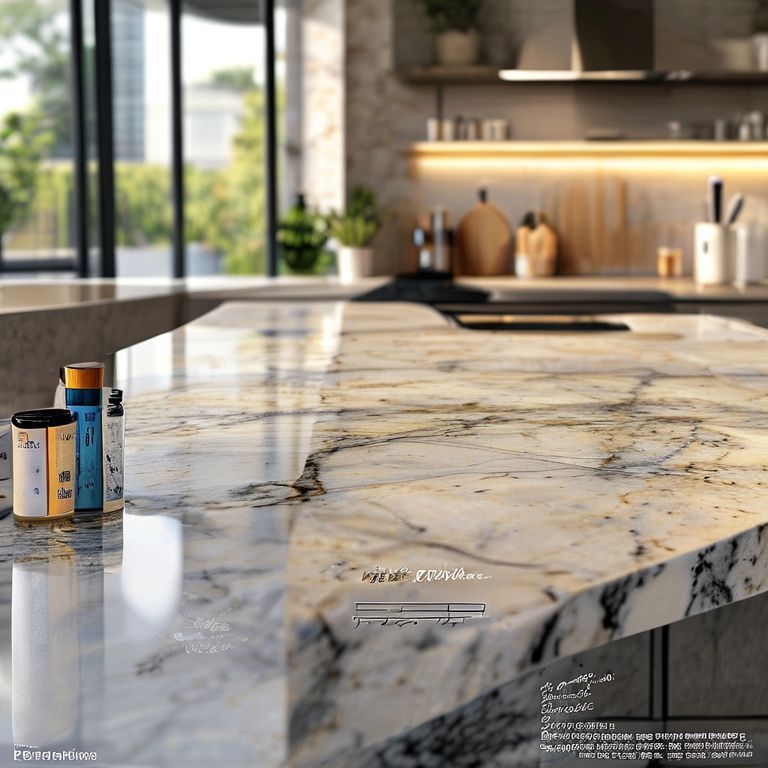
Curious about whether artificial marble emits radiation? Dive deep into the fascinating world of artificial marble and debunk the myths surrounding its safety. From its composition to its potential health impacts, this article offers a comprehensive exploration of artificial marble, ensuring you have all the information you need to make informed decisions.

artificial marble, radiation, safety, composite stone, health impacts, material composition, non-radioactive materials, synthetic stone, marble alternatives
Understanding Artificial Marble and Its Composition
Artificial marble, also known as composite stone, has become a favored alternative to natural stone due to its durability, aesthetic appeal, and cost-effectiveness. But what exactly is artificial marble, and how does it compare to natural stone in terms of radiation?
Composition of Artificial Marble
Artificial marble is a composite material made primarily from a mixture of marble dust, resin, and pigments. The production process involves grinding natural marble into fine dust, which is then mixed with a polymer resin and colorants to create a homogeneous mixture. This mixture is poured into molds and cured under heat and pressure to form solid slabs. The result is a material that closely mimics the appearance of natural marble while offering superior strength and resistance to scratches and stains.
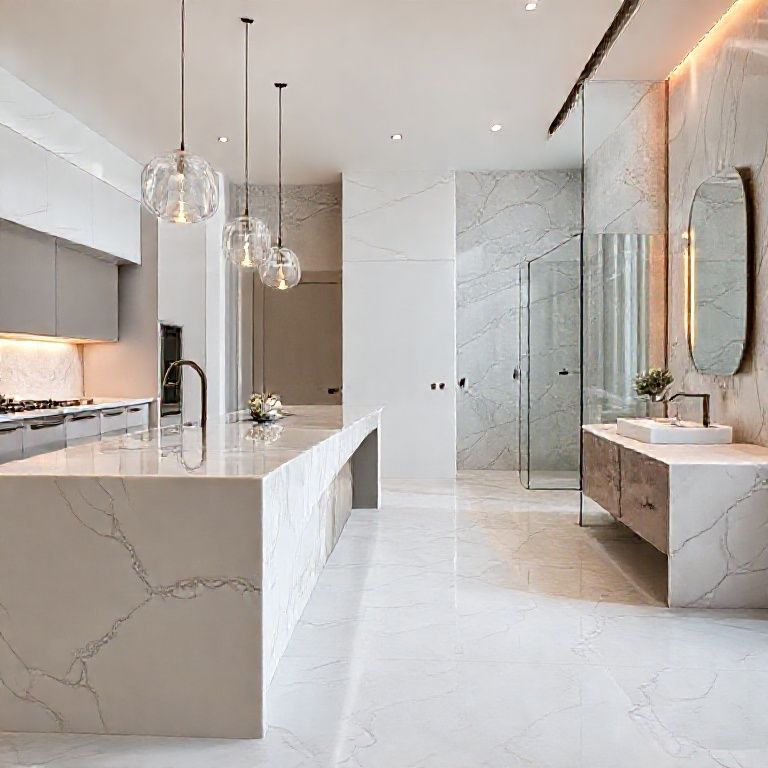
Why Artificial Marble Isn’t Radioactive
To understand whether artificial marble emits radiation, it’s crucial to examine its ingredients and the manufacturing process. Unlike natural stone, which can contain varying levels of naturally occurring radioactive materials such as uranium, thorium, and potassium, artificial marble does not contain these elements in significant quantities.
Marble Dust: The primary component of artificial marble is marble dust, which is ground from natural marble. While natural marble can contain trace amounts of radioactive materials, the amount of dust used in artificial marble is minimal. Moreover, the manufacturing process does not introduce additional radioactive elements.
Resin: The polymer resin used in artificial marble is synthetic and does not contain radioactive materials. Resins are typically made from petrochemicals and are designed to bind the marble dust particles together to create a solid, durable product.
Pigments: Colorants used in artificial marble are synthetic dyes that do not contribute to radiation levels. These pigments provide the vibrant colors and patterns seen in artificial marble products.
Radiation in Natural Stone vs. Artificial Marble
Natural stone, such as granite, can contain significant levels of naturally occurring radioactive materials (NORM). These materials can emit alpha, beta, and gamma radiation. While the radiation levels in natural stone are generally low, they can be higher in certain regions or types of stone.
In contrast, artificial marble does not contain these radioactive elements. The materials used in its production—marble dust, resin, and pigments—are carefully selected to ensure safety and non-radioactivity. Therefore, artificial marble does not emit radiation and poses no additional health risks compared to other non-radioactive materials.
Safety and Health Considerations
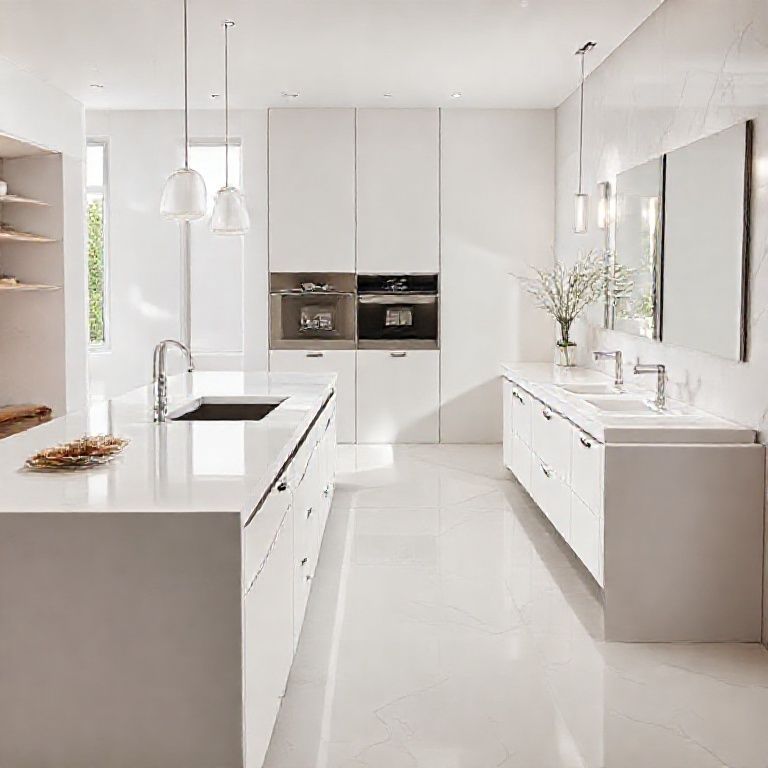
Artificial marble is designed to be safe for use in homes and commercial spaces. Here are some key points regarding its safety:
Non-Toxicity: The materials used in artificial marble are non-toxic. The resin and pigments do not release harmful chemicals into the air or water.
Durability: Artificial marble is highly durable, with a smooth, non-porous surface that resists stains and scratches. This makes it a practical choice for countertops and other high-traffic areas.
Regulatory Compliance: Manufacturers of artificial marble adhere to strict safety standards and regulations. The materials used are tested for safety, and the final product is evaluated to ensure it meets or exceeds industry standards for non-radioactivity and overall safety.
Common Misconceptions About Radiation
There is often confusion about radiation and its sources. It’s important to distinguish between natural and man-made sources of radiation. Natural sources, such as the Earth’s crust and cosmic rays, contribute to background radiation that we are all exposed to daily. Man-made sources, such as medical procedures and industrial processes, can also contribute to radiation exposure but are regulated to minimize health risks.
Artificial marble fits into the category of non-radioactive materials. It does not contribute to background radiation and does not pose additional health risks when used in typical applications.
Conclusion
In summary, artificial marble does not have radiation. It is composed of marble dust, resin, and pigments, none of which contain radioactive materials. Unlike natural stone, which can contain trace amounts of naturally occurring radioactive materials, artificial marble is carefully formulated to be safe and non-radioactive. When used in homes and commercial spaces, it offers a durable, aesthetically pleasing alternative to natural stone without the concerns associated with radiation.
In the next part, we will explore the environmental impact of artificial marble, its maintenance, and its long-term benefits.
Environmental Impact, Maintenance, and Long-Term Benefits of Artificial Marble
In the previous part, we explored the composition and safety of artificial marble, confirming that it does not emit radiation. Now, let’s delve deeper into the broader aspects of artificial marble, including its environmental impact, maintenance, and long-term benefits.
Environmental Impact of Artificial Marble
While artificial marble is a popular choice for its aesthetic and practical benefits, it’s essential to consider its environmental impact throughout its lifecycle—from production to disposal.
Production Process: The production of artificial marble involves grinding natural marble into dust, which raises concerns about resource depletion. However, the marble dust used is typically a by-product of the natural stone industry, and its use in artificial marble helps reduce waste.
Resource Efficiency: Compared to natural stone, artificial marble can be more resource-efficient. The production process requires less water and energy, and the material can be manufactured in controlled environments, reducing the environmental footprint.
Sustainability: Advances in manufacturing techniques have improved the sustainability of artificial marble. Manufacturers are increasingly using eco-friendly resins and pigments that minimize environmental impact.
End-of-Life: Unlike natural stone, which can be recycled into new products, artificial marble presents a different set of challenges at the end of its life. It is not biodegradable and contributes to landfill waste. However, ongoing research aims to develop more sustainable and recyclable alternatives.
Maintenance of Artificial Marble
Artificial marble is known for its durability and low maintenance requirements, making it a practical choice for busy households and commercial spaces.
Stain Resistance: One of the key benefits of artificial marble is its non-porous surface, which resists stains and scratches. Cleaning is straightforward; a mild detergent and a soft cloth are typically sufficient to maintain its appearance.
Water Resistance: Artificial marble is highly resistant to water and moisture. It does not absorb liquids, reducing the risk of water spots, ring marks, or damage from spills.
Heat Resistance: While artificial marble can withstand moderate heat, it is not recommended for direct exposure to high temperatures, such as those from open flames or hot cookware. Using trivets or pot holders can prevent thermal damage.
Abrasion Resistance: The composite nature of artificial marble makes it highly resistant to scratches and abrasions. Unlike natural stone, it does not require sealing or frequent maintenance to maintain its surface integrity.
Long-Term Benefits of Artificial Marble
Artificial marble offers several long-term benefits that make it a compelling choice for various applications.
Cost-Effectiveness: Artificial marble is generally more affordable than natural stone. Its lower cost is attributed to the efficiency of its manufacturing process and the use of recycled marble dust.
Design Versatility: The resin used in artificial marble allows for a wide range of colors, patterns, and designs. This versatility makes it possible to create custom countertops and decorative surfaces that match any aesthetic preference.
Durability: Artificial marble is exceptionally durable. It can withstand heavy use and abuse without showing signs of wear. This longevity ensures that it remains a cost-effective option over time.
Low Maintenance: As mentioned earlier, artificial marble requires minimal maintenance. Its non-porous surface makes it easy to clean, and its resistance to stains and scratches ensures it retains its appearance for years.
Safety: Beyond its non-radioactive nature, artificial marble is safe for everyday use. It does not emit harmful chemicals and does not require additional treatments or sealants to maintain its integrity.
Comparing Artificial Marble to Natural Stone
When comparing artificial marble to natural stone, several factors come into play:
Cost: Natural stone can be significantly more expensive当然,我们可以继续讨论关于人造大理石的更多方面。人造大理石在建筑和家庭装饰中的应用越来越广泛,因为它们不仅美观,而且具有许多实际优势。
1. 设计灵活性
人造大理石可以通过添加不同的颜色和图案来实现各种设计效果。这使得设计师能够创造出非常独特和个性化的外观,从而满足不同用户的需求。
2. 耐用性
尽管人造大理石看起来像天然大理石,但它的耐用性甚至超过了天然石材。它不会因为水分、酸性食物或饮料而发生蚀变,因此在厨房和浴室等高频使用的区域尤为实用。
3. 易于清洁
人造大理石的表面是光滑的,不会像天然石材那样容易留下指纹和污渍。只需用湿布和中性清洁剂即可轻松清洁。
4. 重量轻
相比天然大理石,人造大理石较轻,这在安装和运输过程中大大降低了成本和工作量。
5. 环保材料
现代的人造大理石生产工艺已经非常环保,许多品牌使用可再生材料和低挥发性有机化合物(VOC)涂料,减少对环境的影响。
6. 应用领域
人造大理石广泛应用于以下领域:
厨房台面:由于其耐污性和耐用性,人造大理石成为厨房台面的热门选择。 浴室台面:同样,它在浴室台面中也广受欢迎,因为它不会因水分而软化或变形。 地板和墙面:虽然不常见,但人造大理石也可以用于地板和墙面装饰。 家具:一些高端家具,如酒柜和电视柜,也会使用人造大理石作为装饰材料。
7. 定制化选项
由于人造大理石可以通过不同的工艺和材料进行定制,制造商可以根据客户的需求提供特定的颜色、纹理和厚度。
8. 安装简单
由于其较轻的重量和规格的标准化,人造大理石的安装相对简单,不需要复杂的技术和工具。
9. 经济性
相较于天然大理石,人造大理石的价格通常更加亲民,因此是预算有限的家庭和企业的理想选择。
10. 安全性
由于人造大理石不会因温度变化而裂缝或变形,它在家庭和商业环境中使用时更加安全。