Is artificial marble safe for your home and health? In this comprehensive two-part article, we explore the potential dangers of using artificial marble in your living spaces, delve into the science behind these concerns, and provide practical advice to help you make informed decisions. From material composition to long-term health implications, discover everything you need to know about the hidden risks of artificial marble.

artificial marble, health risks, material safety, countertop hazards, indoor air quality, toxic chemicals, natural stone alternatives, indoor pollution, synthetic stone dangers
Part 1
The Potential Hazards of Artificial Marble: What You Need to Know
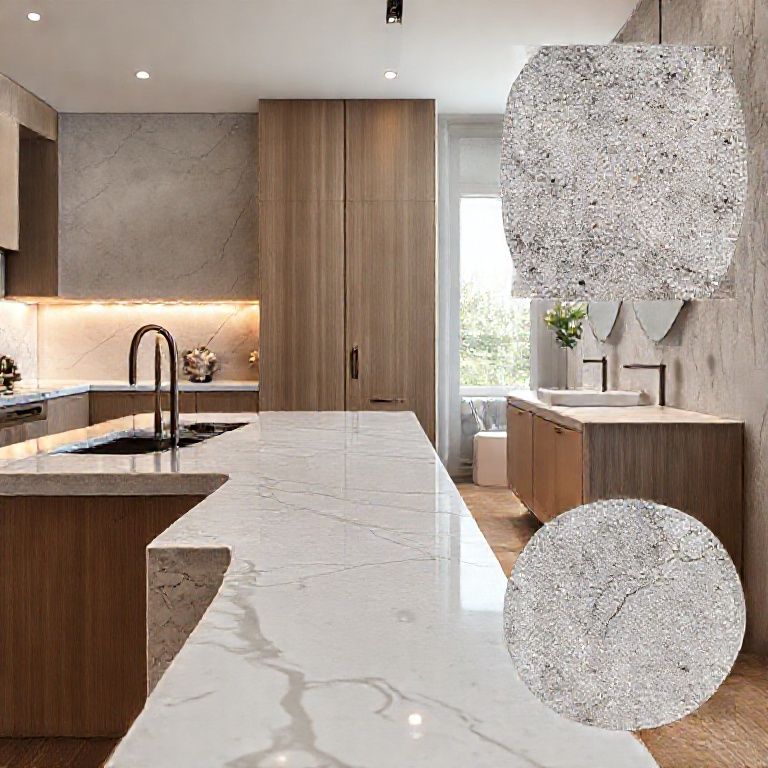
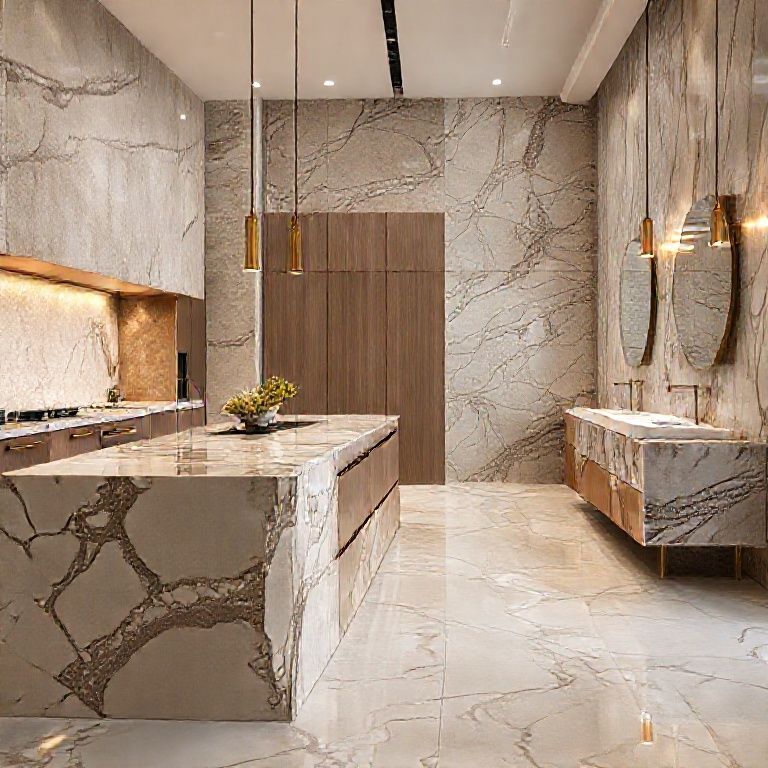
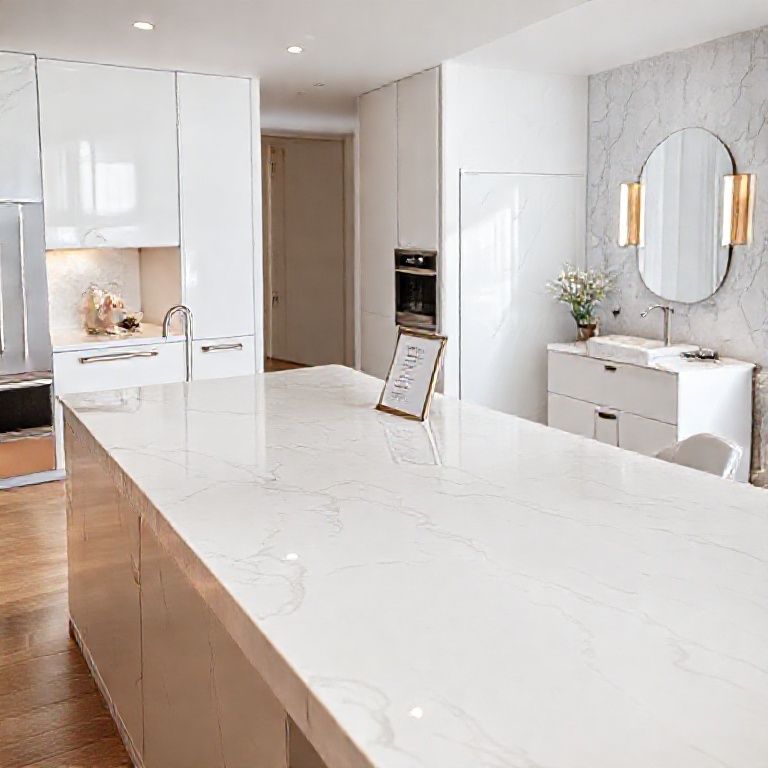
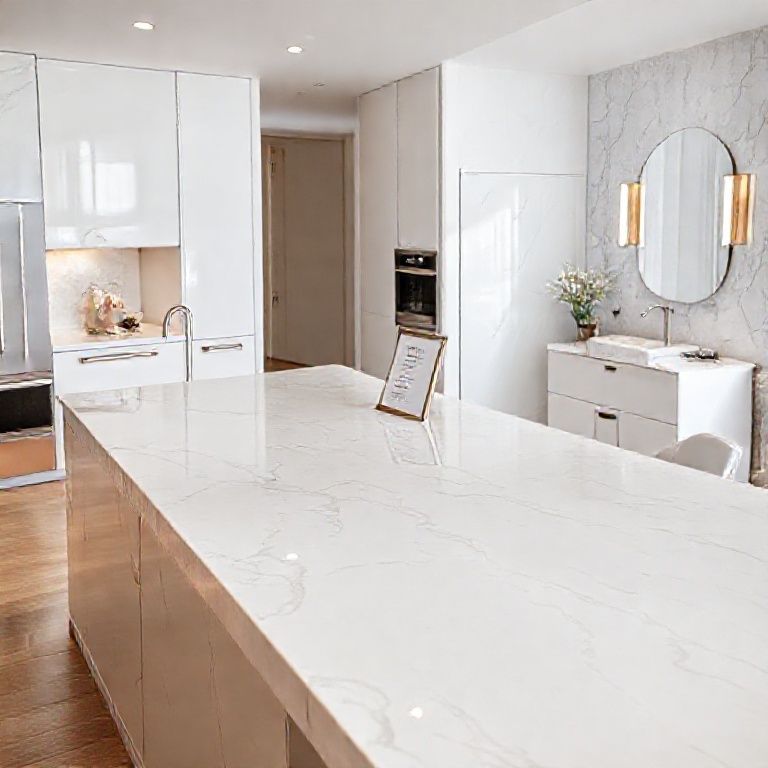
Artificial marble, also known as composite stone or cultured stone, has become a popular choice for countertops, tabletops, and other decorative surfaces due to its durability and aesthetic appeal. However, beneath its sleek exterior lies a complex matrix of chemicals and materials that raises questions about its safety for both the environment and human health. Let’s dive into the primary concerns associated with artificial marble.
What is Artificial Marble?
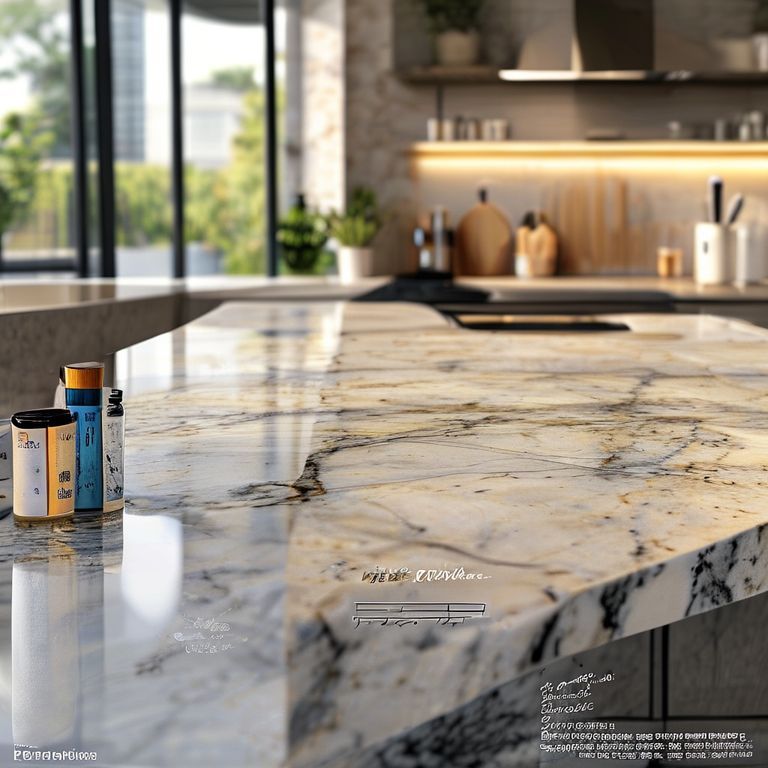
Artificial marble is a synthetic stone made from a combination of natural marble dust, resins, and pigments. The process involves mixing these materials and then heating them to a high temperature to fuse them together. This creates a surface that mimics the look and feel of natural marble but is significantly less expensive and more durable.

Material Composition and Production Process
The primary components of artificial marble include:
Natural Marble Dust: Finely ground marble powder that gives the material its characteristic look. Resins and Polymers: These synthetic compounds act as a binding agent, holding the marble dust together. Pigments and Colorants: To achieve various shades and designs.
The production process involves mixing these ingredients under high pressure and temperature. However, this process can release volatile organic compounds (VOCs) into the air, which are associated with various health risks.
Health Risks of VOCs
Volatile organic compounds are chemicals that easily vaporize at room temperature. They include substances like formaldehyde, benzene, and toluene, all of which have been linked to serious health issues:

Formaldehyde: A known carcinogen, formaldehyde is used in many construction materials and can cause respiratory problems, skin irritation, and long-term health issues like cancer. Benzene: Another carcinogen, benzene is used in the production of resins and can lead to leukemia and other blood disorders. Toluene: While less harmful than formaldehyde and benzene, toluene can still cause headaches, dizziness, and damage to the central nervous system.
Indoor Air Quality
One of the most significant concerns with artificial marble is the impact on indoor air quality. During the production and initial stages of using artificial marble, VOCs can off-gas into the surrounding air. This off-gassing can lead to:
Headaches and Dizziness: Short-term exposure to high levels of VOCs can cause immediate symptoms like headaches and dizziness. Respiratory Issues: Long-term exposure can lead to chronic respiratory problems, especially for individuals with pre-existing conditions like asthma. Eye Irritation: VOCs can cause eye irritation and dryness, leading to discomfort and potential long-term damage.
Environmental Impact
The production of artificial marble also has a notable environmental footprint. The extraction and processing of natural marble dust involve significant energy use and contribute to environmental degradation. Additionally, the use of synthetic resins and other chemicals in the manufacturing process can lead to pollution and waste issues.
Alternatives to Artificial Marble
Given the potential hazards associated with artificial marble, many are turning to more natural and safer alternatives:
Natural Stone: Granite, quartz, and other natural stones offer a more environmentally friendly and safer option. While they may be more expensive, they do not release harmful VOCs. Wood: High-quality engineered wood can provide a beautiful and sustainable alternative, free from the chemical hazards of synthetic materials. Eco-friendly Composites: Some companies are developing new types of composites that are both durable and free from harmful chemicals.
Conclusion
While artificial marble offers an affordable and visually appealing alternative to natural stone, its potential health and environmental hazards cannot be ignored. Understanding the material composition, production process, and associated risks is crucial for making informed decisions about your home and well-being.
Stay tuned for the second part of this article, where we will further explore the long-term health implications of artificial marble and provide more detailed advice on how to mitigate these risks.
Part 2
The Potential Hazards of Artificial Marble: What You Need to Know
In the first part of this article, we explored the material composition of artificial marble and the health risks associated with volatile organic compounds (VOCs). Now, let’s delve deeper into the long-term health implications of using artificial marble and provide practical advice to help you make safer choices.
Long-term Health Implications
Artificial marble, despite its aesthetic and practical benefits, poses several long-term health risks that are crucial to understand.
Chronic Exposure to VOCs
Long-term exposure to the VOCs released by artificial marble can lead to chronic health issues:
Cancer: As mentioned earlier, chemicals like formaldehyde and benzene are known carcinogens. Prolonged exposure to these substances can significantly increase the risk of developing various types of cancer. Neurological Damage: Continuous exposure to VOCs can affect the central nervous system, leading to long-term cognitive and behavioral issues. Reproductive Health Issues: Some studies suggest that prolonged exposure to certain VOCs can affect reproductive health, potentially leading to fertility problems and developmental issues in children.
Respiratory System
The respiratory system is particularly vulnerable to the harmful effects of VOCs:
Chronic Respiratory Diseases: Long-term exposure can exacerbate existing respiratory conditions like asthma and lead to the development of chronic obstructive pulmonary disease (COPD). Lung Cancer: There is a growing body of evidence linking long-term exposure to VOCs with an increased risk of lung cancer.
Dermal and Eye Health
Prolonged contact with artificial marble surfaces can also lead to skin and eye health problems:
Dermatitis: Continuous exposure to chemicals in artificial marble can cause skin irritation, leading to conditions like dermatitis. Eye Irritation: VOCs can cause chronic eye irritation, leading to dryness, redness, and potential long-term damage.
Mitigating the Risks
Understanding the potential hazards of artificial marble is the first step in mitigating these risks. Here are some practical steps you can take to ensure your home remains safe:
Choose Low-VOC Alternatives
When selecting materials for your home, opt for those with low or no VOC content:
Natural Stone: Granite, quartz, and other natural stones are excellent choices as they do not release harmful chemicals. Eco-friendly Composites: New developments in eco-friendly composites offer durability without the associated risks.
Proper Ventilation
Ensuring good ventilation in areas where artificial marble is used can significantly reduce the concentration of VOCs in the air:
Air Purifiers: Use air purifiers with activated carbon filters to help remove VOCs from indoor air. Open Windows: Whenever possible, open windows to allow fresh air to circulate and reduce indoor pollution.
Regular Cleaning and Maintenance
Regular cleaning and maintenance can help reduce the concentration of VOCs on artificial marble surfaces:
Non-Toxic Cleaners: Use non-toxic, eco-friendly cleaning products to maintain artificial marble surfaces without introducing additional chemicals. Surface Protection: Apply non-toxic sealants to protect the surface and reduce the likelihood of chemical leaching.
Monitor Air Quality
Invest in air quality monitors to keep track of VOC levels in your home:
Portable Air Quality Monitors: These devices can provide real-time data on indoor air quality, helping you identify and address potential pollution sources. Regular Testing: Consider periodic air quality testing to ensure that VOC levels remain within safe limits.
Consult Professionals
When making significant changes to your home environment, consulting with professionals can provide valuable guidance:
Environmental Health Experts: These experts can offer insights into the best practices for minimizing health risks associated with indoor pollutants. Home Improvement Specialists: They can help you choose and install materials that are both safe and durable.
Conclusion
Artificial marble, while practical and aesthetically pleasing, poses several health risks that should not be overlooked. Understanding the long-term health implications of using this material and taking proactive steps to mitigate these risks is essential for maintaining a safe and healthy living environment. By choosing low-VOC alternatives, ensuring proper ventilation, and monitoring indoor air quality, you can significantly reduce the potential hazards associated with artificial marble.
Stay informed and make choices that prioritize your health and well-being. For more tips on creating a safe home environment, stay tuned for our next articles.
This two-part article aims to provide a thorough and engaging exploration of the potential hazards of artificial marble, equipping you with the knowledge to make informed decisions for your home and health.