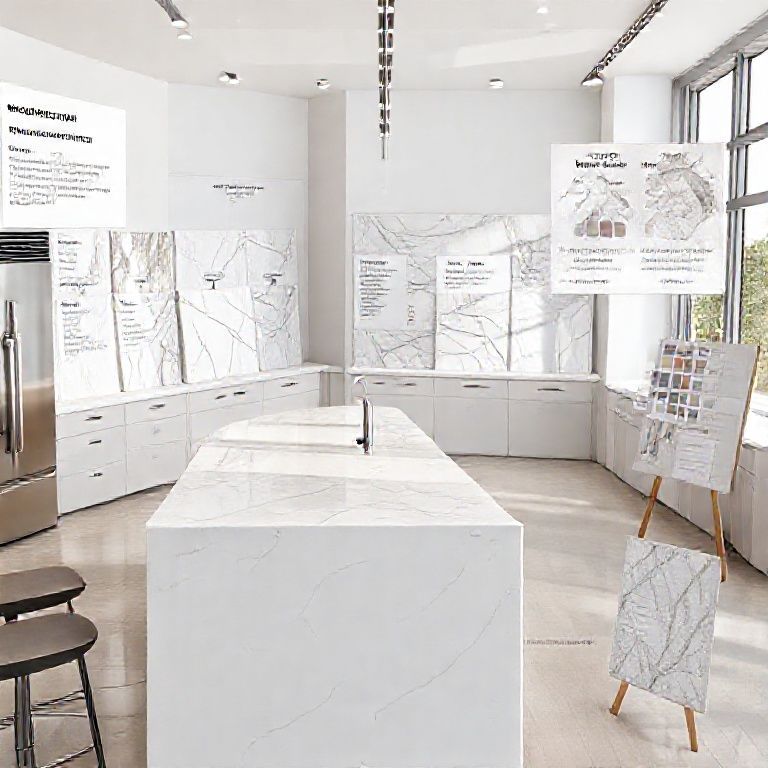
The Pros and Cons of Artificial Marble: A Comprehensive Comparison
Artificial marble, also known as synthetic stone, has revolutionized the world of interior design and construction. This material, crafted from a blend of minerals, pigments, and resins, offers an array of benefits and some notable drawbacks. In this first part of our comprehensive comparison, we will delve into the myriad advantages of artificial marble, examining its durability, cost-effectiveness, aesthetic versatility, and environmental friendliness.

Durability: A Key Advantage
One of the most compelling pros of artificial marble is its exceptional durability. Unlike natural marble, which can easily be marred by scratches, stains, and water damage, artificial marble stands up remarkably well to wear and tear. This durability is largely due to its composite nature, which incorporates minerals and resins that enhance its resistance to everyday wear. Moreover, artificial marble does not react to acidic substances or high temperatures, making it a highly reliable choice for high-traffic areas such as kitchens, bathrooms, and commercial spaces.
Cost-Effectiveness: Breaking the Bank Without Breaking Down
Another significant advantage of artificial marble is its cost-effectiveness. While natural marble is undeniably beautiful, it often comes with a hefty price tag due to its rarity and the labor-intensive process of quarrying and polishing. In contrast, artificial marble is produced in a controlled manufacturing environment, allowing for more consistent quality and lower production costs. This means that artificial marble offers a luxurious look at a fraction of the cost, making it an attractive option for those looking to enhance their space without breaking the bank.
Aesthetic Versatility: Endless Design Possibilities
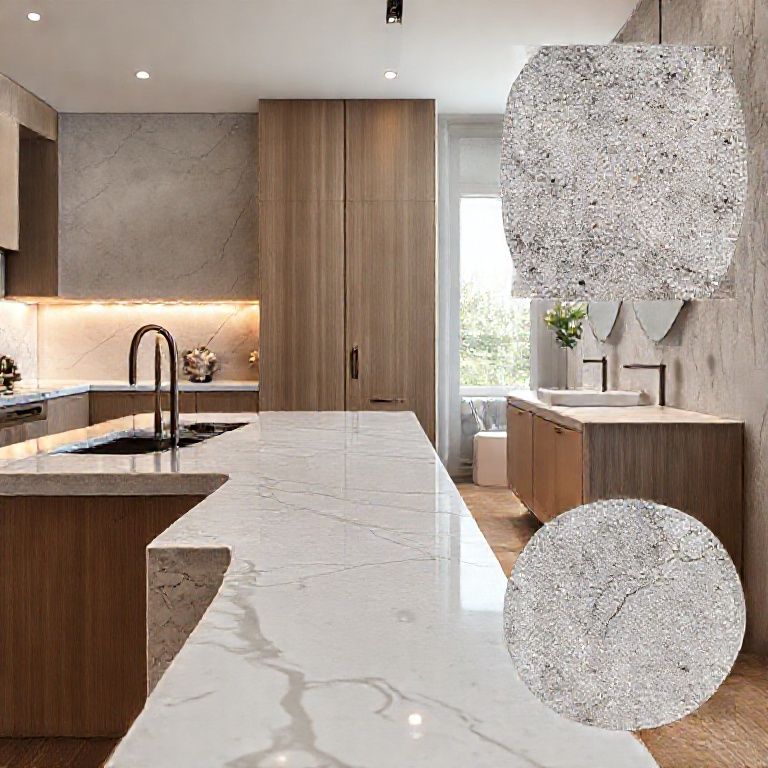
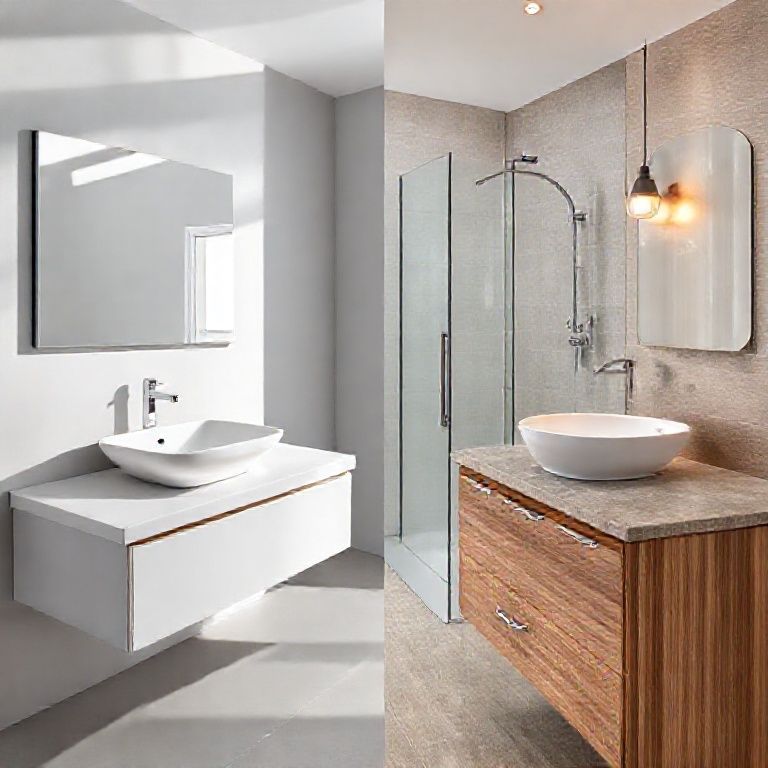
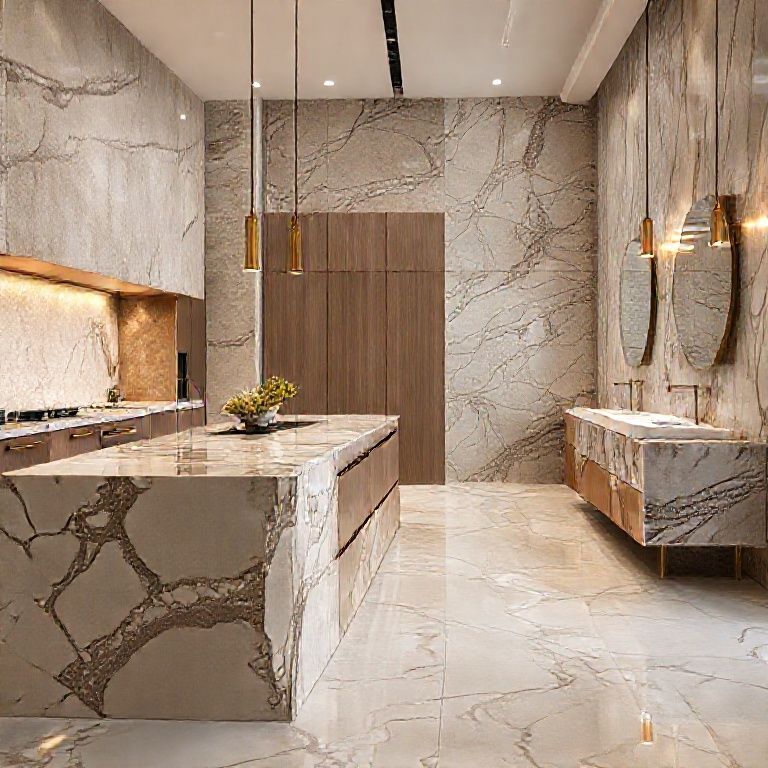
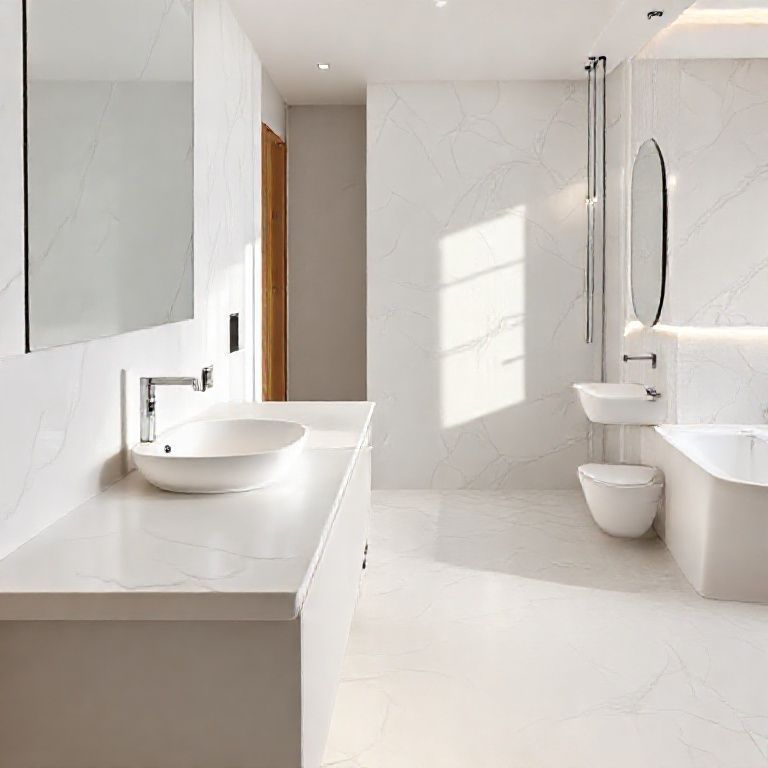
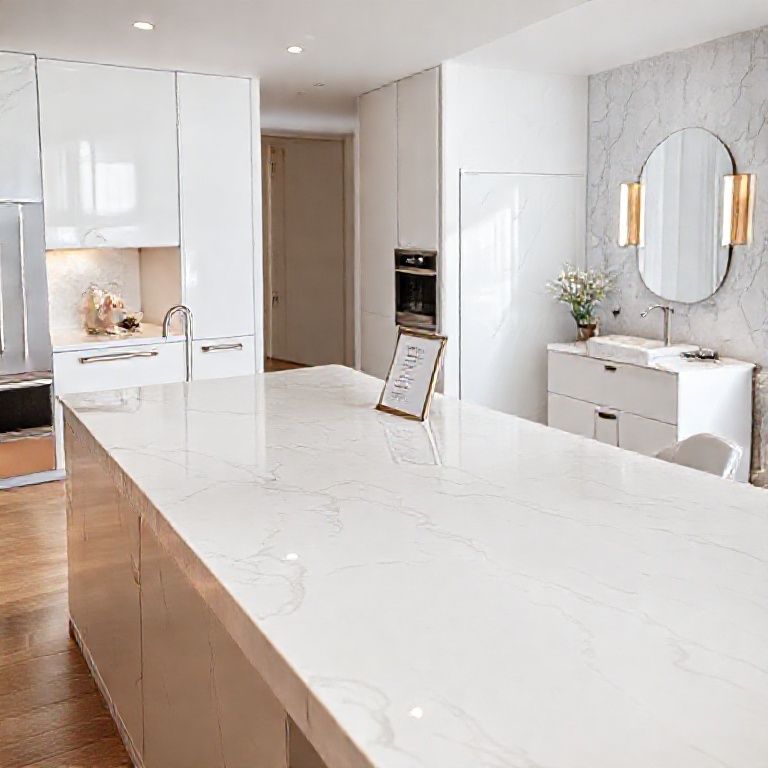
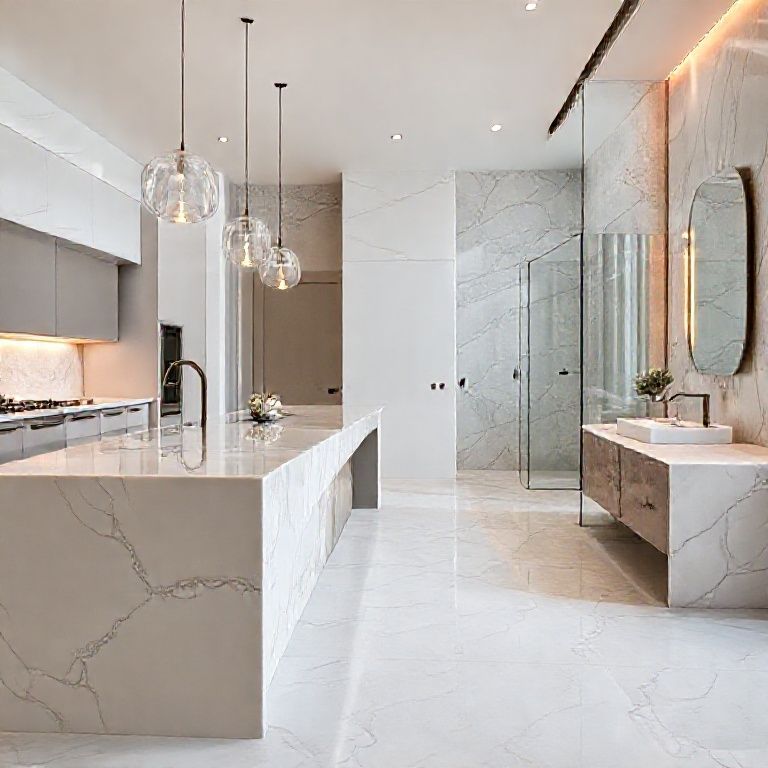
Artificial marble is renowned for its aesthetic versatility. Manufacturers can produce it in an astonishing array of colors, patterns, and finishes, allowing for virtually limitless design possibilities. Whether you want to mimic the classic beauty of natural marble or opt for a bold, innovative look, artificial marble can be crafted to meet your specific design needs. This flexibility makes it an excellent choice for both residential and commercial projects, where unique and bespoke designs are often desired.
Environmental Friendliness: A Sustainable Choice
In an era where sustainability is more important than ever, artificial marble offers a greener alternative to natural stone. The production process of artificial marble consumes significantly less energy and water compared to mining and polishing natural marble. Additionally, it does not contribute to the environmental degradation associated with quarrying natural stone. By choosing artificial marble, you can enjoy its luxurious qualities while also being mindful of your environmental footprint.
Maintenance: Low-Effort, High-Reward
Artificial marble is known for its low maintenance requirements. Unlike natural stone, which often needs regular sealing and care to maintain its beauty and integrity, artificial marble requires minimal upkeep. A simple wipe-down with a damp cloth and mild soap is usually sufficient to keep it looking pristine. This low-maintenance aspect is particularly appealing for busy homeowners and commercial establishments looking to save time and effort on cleaning and upkeep.
Installation: Seamless Integration
When it comes to installation, artificial marble is remarkably versatile. It can be easily cut to fit any space, making it an ideal choice for custom designs and unique layouts. Unlike natural stone, which may require specialized equipment for cutting and polishing, artificial marble can be worked with using standard tools, simplifying the installation process. Additionally, its lightweight nature makes it easier to handle during installation, reducing labor costs and time.
Conclusion: Weighing the Pros
In summary, artificial marble offers numerous benefits that make it a compelling choice for many interior design and construction projects. Its durability, cost-effectiveness, aesthetic versatility, environmental friendliness, low maintenance, and ease of installation are just some of the reasons why it has gained popularity in various sectors. As we move forward in our comparison, we will also explore the potential drawbacks of artificial marble, providing a well-rounded perspective on this innovative material.
The Pros and Cons of Artificial Marble: A Comprehensive Comparison
In the second part of our comprehensive comparison, we will explore the disadvantages of artificial marble, examining its limitations in terms of texture, lifespan, aesthetic appeal, and environmental concerns. While artificial marble has many advantages, it’s essential to consider its drawbacks to make an informed decision based on your specific needs and preferences.
Texture: Not Quite the Real Deal
One of the most frequently cited cons of artificial marble is its texture. While advancements in manufacturing have significantly improved the surface finish of artificial marble, it still cannot fully replicate the natural texture of real marble. The smooth, polished surface of artificial marble may not appeal to those who prefer the tactile quality of natural stone. This limitation can be particularly noticeable in areas where the texture of the material plays a significant role in the overall aesthetic, such as in artistic installations or historical renovations.
Lifespan: A Matter of Perspective
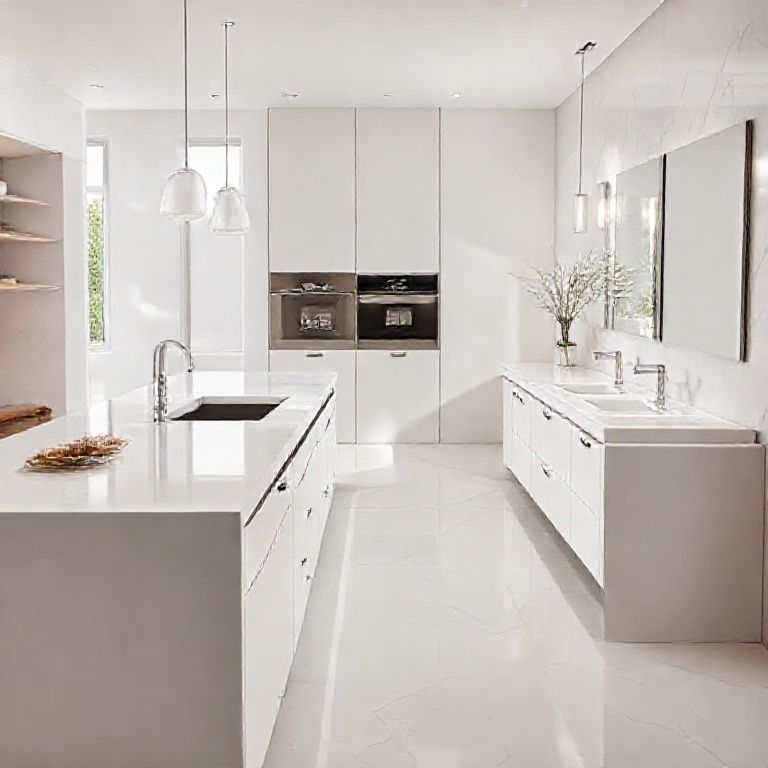
When discussing the lifespan of artificial marble, it’s important to consider what is meant by “lifespan.” While artificial marble is highly durable and resistant to scratches, stains, and water damage, it still may not last as long as natural marble due to its synthetic composition. Over time, the resins and pigments used in artificial marble can degrade, leading to a gradual loss of color and texture. However, with proper care and maintenance, artificial marble can last many years, often outlasting many other man-made materials. It’s also worth noting that the lifespan of artificial marble can vary depending on the quality of the manufacturing and the specific formulations used.
Aesthetic Appeal: A Step Behind Natural Marble
While artificial marble offers incredible versatility in terms of color and design, it often falls short in terms of the pure aesthetic appeal of natural marble. Natural marble is prized for its unique, organic patterns and its ability to showcase the beauty of stone in its most authentic form. Although artificial marble can be crafted to mimic these patterns, it can never fully capture the natural, one-of-a-kind beauty of natural marble. For those who prioritize the authenticity and natural beauty of stone, this may be a significant drawback.
Environmental Concerns: Manufacturing Process
Despite its environmental friendliness compared to natural marble, the manufacturing process of artificial marble does raise some concerns. The production of artificial marble involves the use of resins, solvents, and other chemicals, which can contribute to environmental pollution if not handled properly. While manufacturers are increasingly adopting eco-friendly practices and using recycled materials, the overall environmental impact of producing artificial marble is still a consideration for environmentally-conscious consumers.
Cost: The Initial Investment
Another potential drawback of artificial marble is its cost. While it is generally more affordable than natural marble, the initial investment can still be significant, especially for high-quality, custom designs. Additionally, the cost of installation can sometimes be higher due to the need for specialized tools and techniques. While the long-term benefits of durability and low maintenance can offset these initial costs, it’s essential to weigh these factors when budgeting for your project.
Installation: Complexity in Customization
While artificial marble is relatively easy to install, achieving perfectly customized designs can sometimes be more complex than with natural stone. The precision of cutting and fitting can be affected by the material’s synthetic nature, and achieving seamless integration into intricate designs may require additional effort and expertise. This complexity can sometimes lead to higher labor costs, although advancements in manufacturing are continually improving the ease of customization.
Conclusion: Balancing the Pros and Cons
In conclusion, while artificial marble offers numerous advantages in terms of durability, cost-effectiveness, aesthetic versatility, environmental friendliness, low maintenance, and ease of installation, it also has its limitations. The texture, lifespan, aesthetic appeal, environmental concerns, initial cost, and installation complexity are all factors to consider when deciding whether artificial marble is the right choice for your project. By carefully weighing these pros and cons, you can make an informed decision that best suits your specific needs and preferences.
Final Thoughts
Artificial marble is an innovative material that has transformed the landscape of interior design and construction. Its blend of durability, cost-effectiveness, and aesthetic versatility makes it an appealing option for many projects. However, it’s crucial to consider its drawbacks, including texture, lifespan, aesthetic appeal, and environmental concerns, to ensure it meets your specific requirements. By understanding both the strengths and limitations of artificial marble, you can make a well-informed decision that enhances your space while aligning with your budget and design goals.