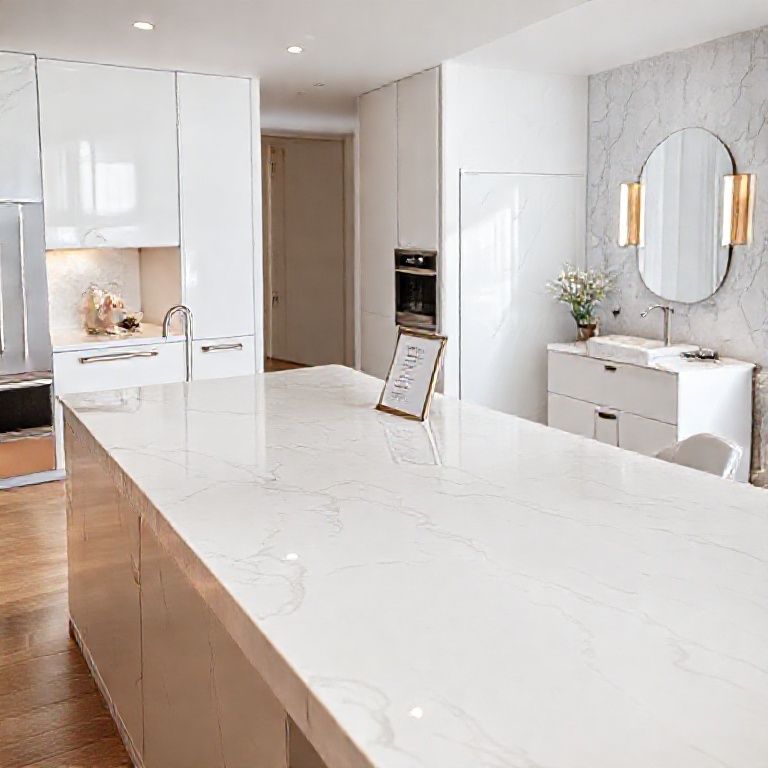
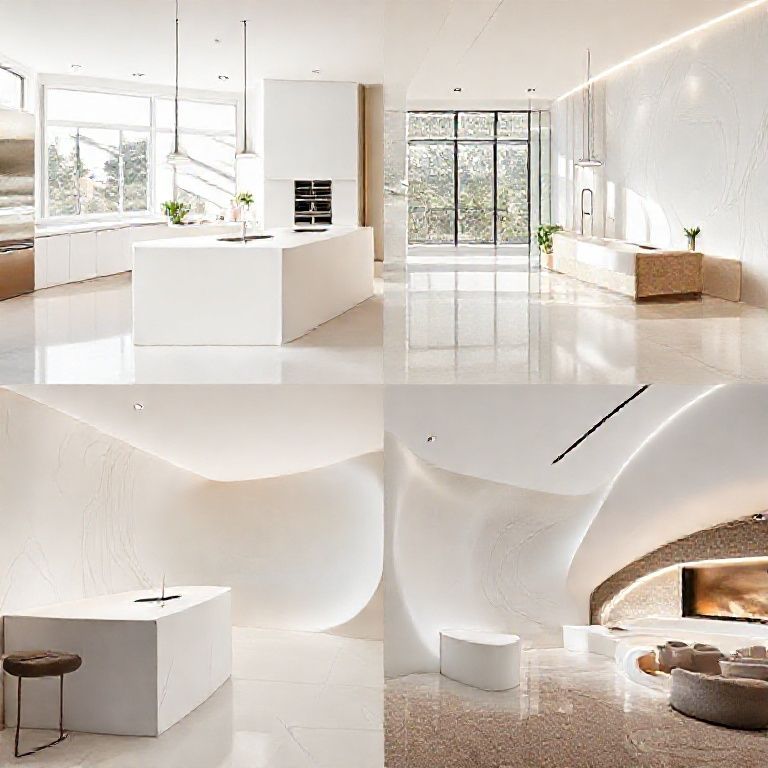
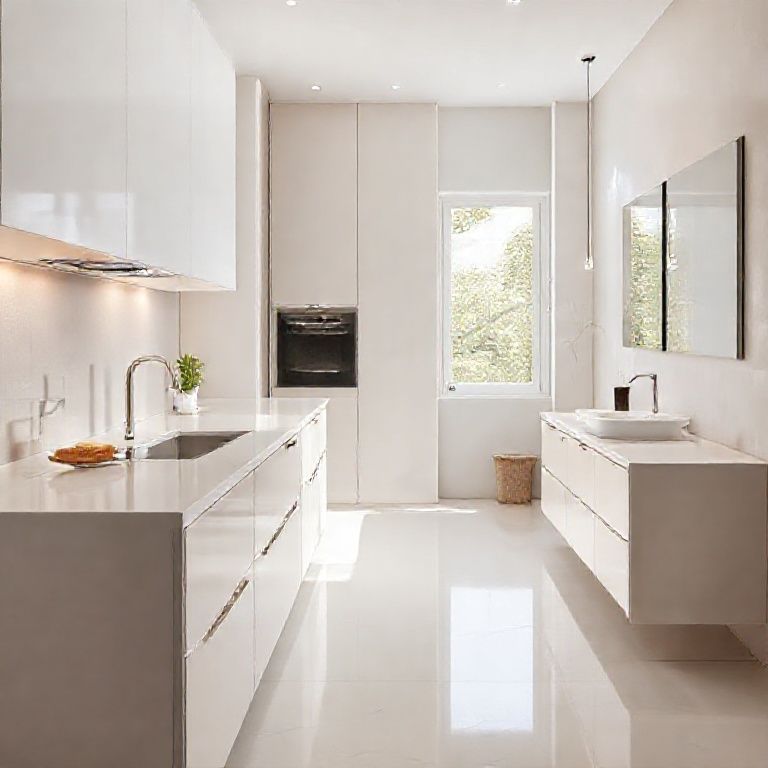
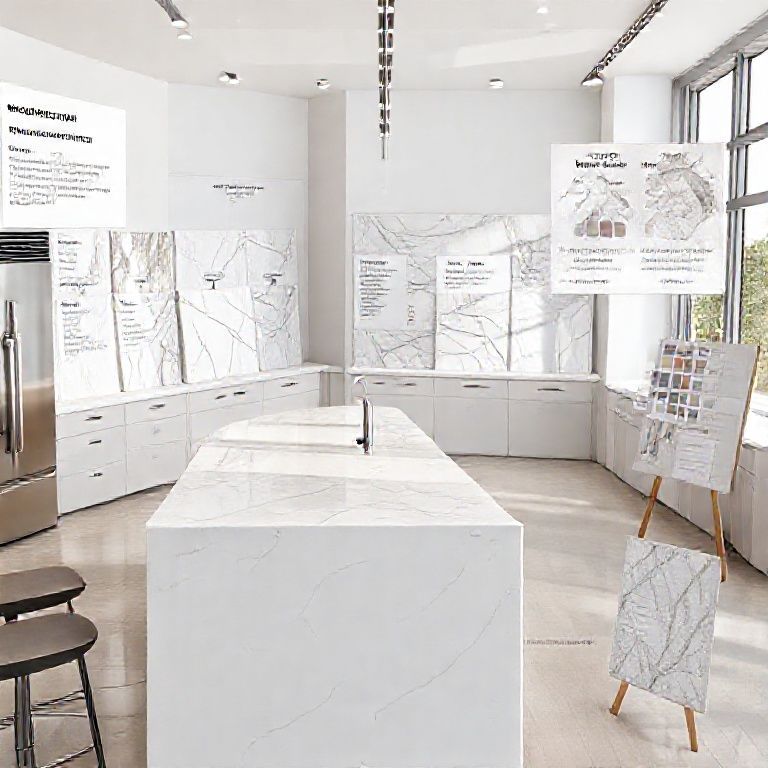
Curious about artificial marble and its hidden drawbacks? Dive into an in-depth exploration of the advantages and limitations of artificial marble. In this comprehensive guide, we’ll break down everything you need to know, from its maintenance challenges to environmental impacts. Perfect for homeowners and design enthusiasts looking for the full picture.

artificial marble, disadvantages, maintenance, durability, environmental impact, countertop material, home renovation, design trends, alternative materials, cost-effectiveness
Part 1
The Pros and Cons of Artificial Marble: Unveiling the Hidden Truths
Artificial marble, often celebrated for its stunning aesthetic appeal and cost-effectiveness, has become a popular choice for countertops and other interior design elements. However, like any material, it comes with its own set of advantages and limitations. In this first part of our comprehensive guide, we’ll delve into the remarkable benefits of artificial marble and begin to uncover its less obvious drawbacks.
The Allure of Artificial Marble
1. Aesthetic Appeal and Customization
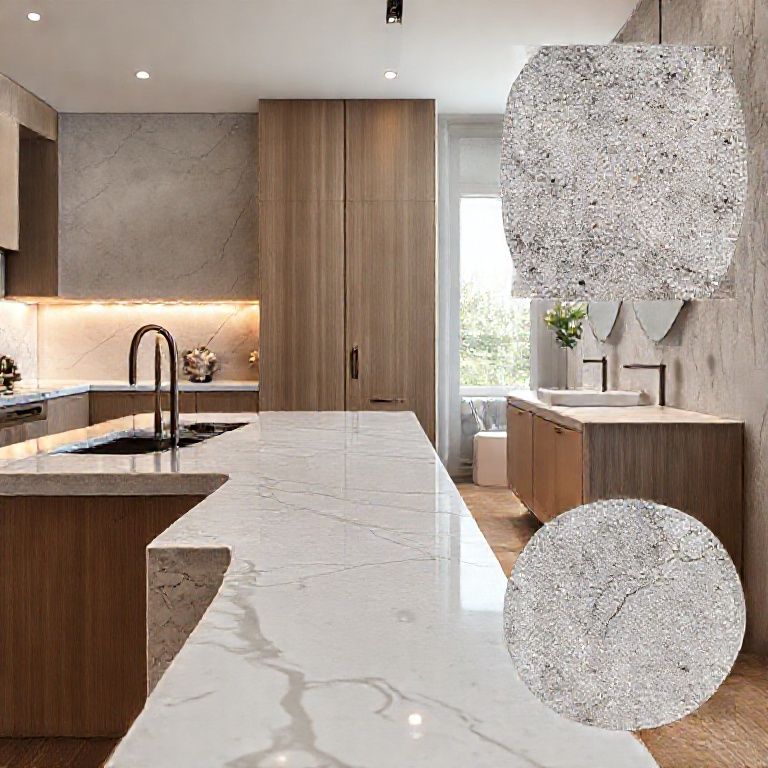
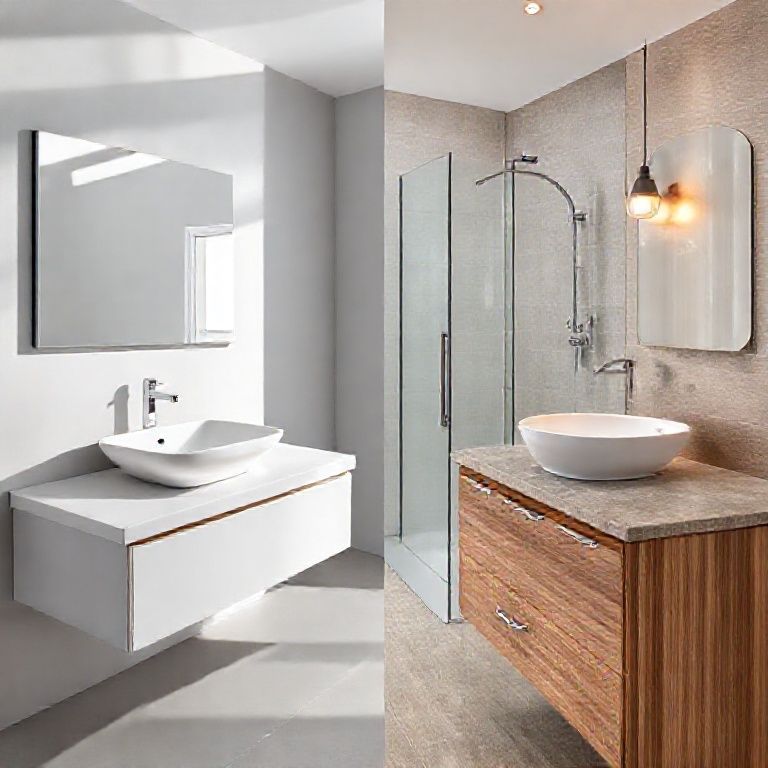
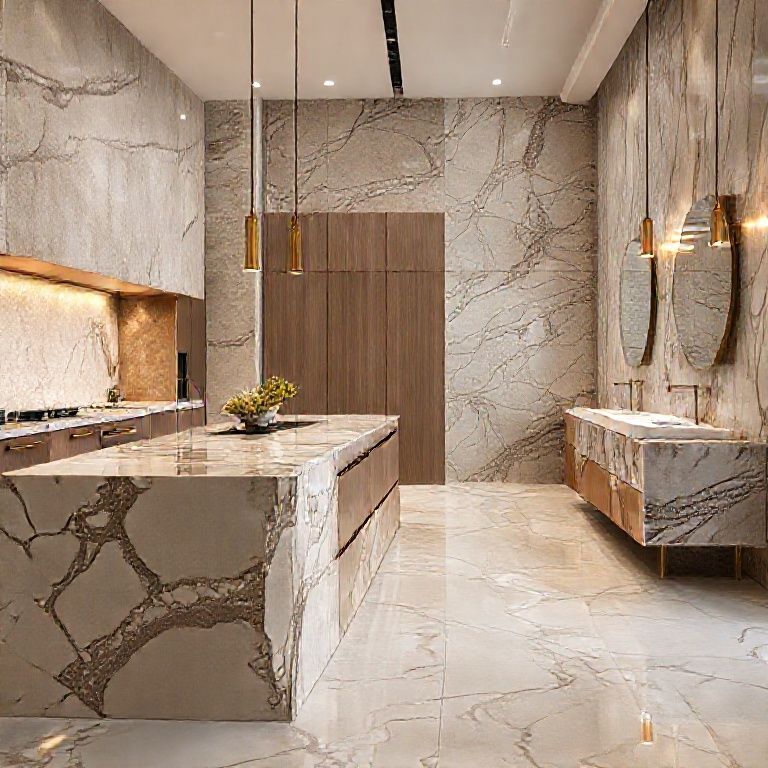
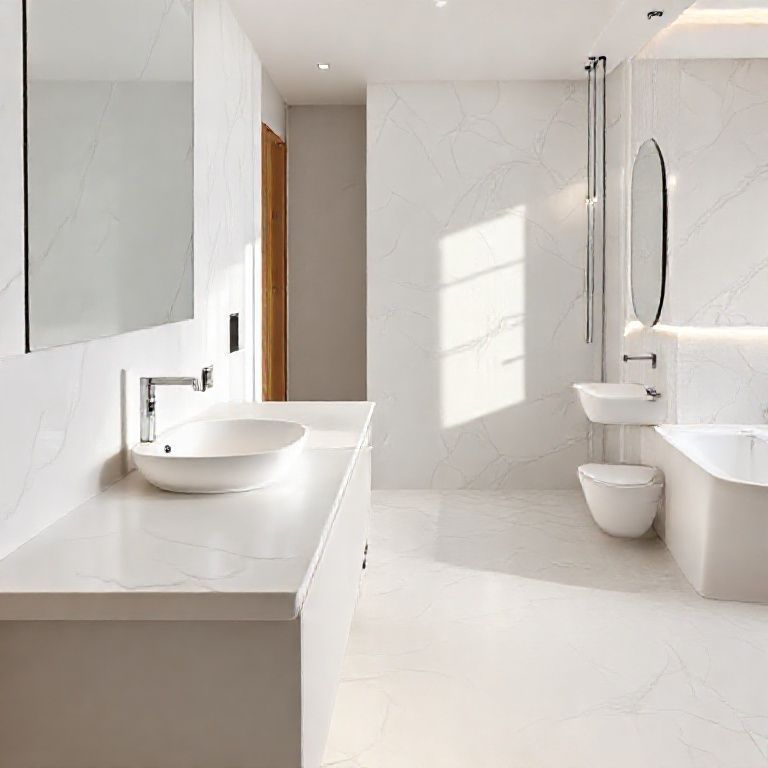
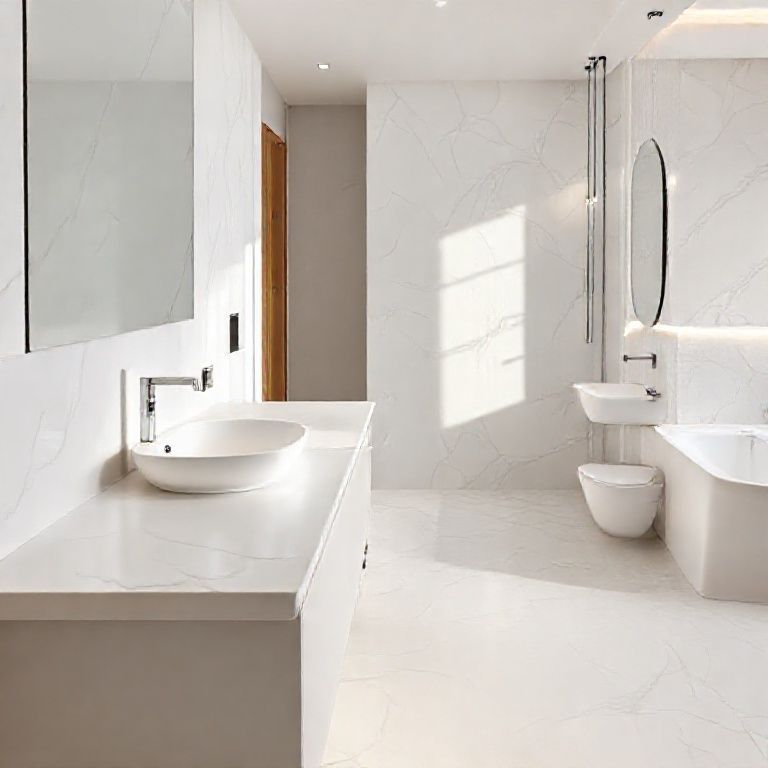
Artificial marble is renowned for its extraordinary visual appeal. It can mimic the look of natural marble, granite, and even wood, providing a versatile solution for various design preferences. The customizable nature of this material allows designers to create unique and striking designs that cater to specific tastes and requirements. The color, texture, and pattern options are virtually limitless, offering an unparalleled level of personalization.
2. Cost-Effectiveness
One of the most significant advantages of artificial marble is its cost. It generally costs less than natural stone alternatives, making it an attractive option for both commercial and residential projects. The lower cost is primarily due to the manufacturing process, which doesn’t require the extraction and transportation of natural resources.
3. Durability and Hardness
Artificial marble is engineered to mimic the durability of natural stone. It is made from a blend of resins, pigments, and other materials that enhance its strength and resistance to scratches, chips, and staining. This makes it a practical choice for high-traffic areas where durability is a crucial factor.
4. Easy Installation and Maintenance
The installation process for artificial marble is relatively straightforward, often requiring less labor than natural stone. It can be cut and shaped easily with standard tools, making it a convenient option for DIY enthusiasts. Additionally, artificial marble is low-maintenance, requiring simple cleaning with mild soap and water to keep it looking pristine.
The Hidden Drawbacks of Artificial Marble
While artificial marble has many benefits, it’s essential to consider its limitations. The following points highlight some of the less obvious drawbacks that might influence your decision when choosing this material.
1. Limited Heat Resistance
Despite its durability, artificial marble has limited heat resistance compared to natural stone. Unlike granite or natural marble, it can’t withstand direct exposure to high heat, such as from hot pots or pans. This limitation can be a significant issue for kitchens and dining areas where hot items are frequently placed on surfaces.
2. Lower Thermal Expansion Coefficient
Artificial marble has a lower thermal expansion coefficient than natural stone, which means it can crack more easily when exposed to sudden temperature changes. This characteristic can lead to surface damage if not installed and maintained properly, particularly in environments where temperature fluctuations are common.
3. Environmental Impact
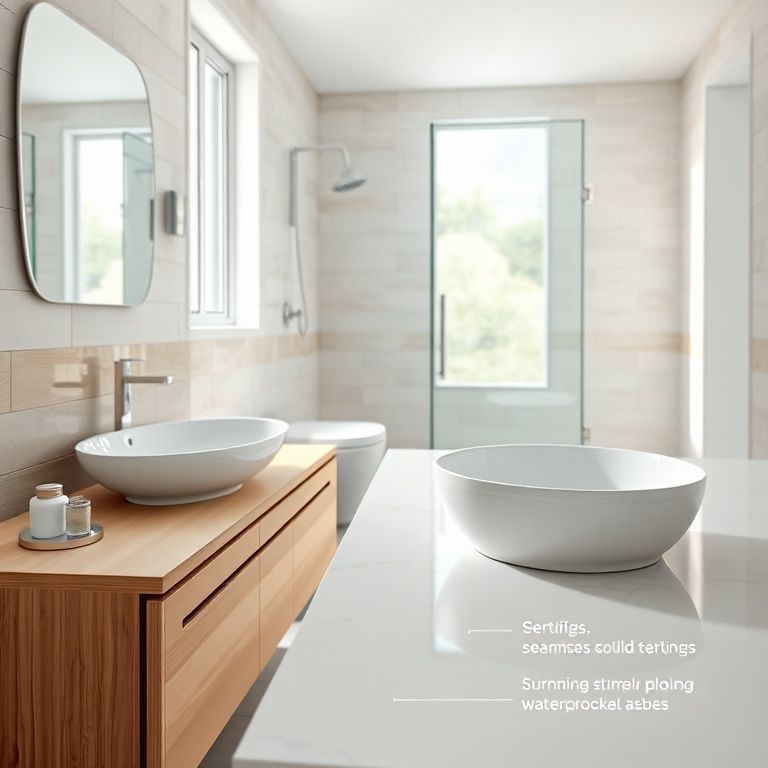
The production process for artificial marble involves the use of synthetic resins and other chemicals. Although the environmental impact is generally lower than that of natural stone extraction, there are still concerns regarding the manufacturing process and the disposal of waste materials. The environmental footprint of producing artificial marble is something to consider, especially for eco-conscious consumers.
4. Aesthetic Limitations
While artificial marble can mimic the appearance of natural stone, it cannot replicate the unique beauty of natural patterns and textures found in real marble or granite. The uniformity of artificial marble might appeal to some, but it lacks the natural imperfections that often give natural stone its character and charm.
Part 2
The Pros and Cons of Artificial Marble: Unveiling the Hidden Truths
Continuing our in-depth exploration of artificial marble, we’ll delve deeper into its limitations and discuss some alternative materials that might be worth considering. By understanding both the advantages and disadvantages, you can make a more informed decision about whether artificial marble is the right choice for your project.
Further Examination of Artificial Marble’s Limitations
1. Durability Concerns
While artificial marble is designed to be durable, it is not indestructible. Over time, the surface can wear down due to constant use and exposure to abrasive materials. Scratches, chips, and stains can accumulate, especially in areas with heavy foot traffic or where sharp objects are frequently used. Although it’s relatively easy to clean, maintaining its pristine appearance can be challenging.
2. Chemical Resistance Issues
Artificial marble is generally resistant to many everyday household chemicals, but it isn’t impervious to all. Acidic substances, such as vinegar or citrus-based cleaners, can cause discoloration or damage over time. It’s essential to use appropriate cleaning products and avoid harsh chemicals to preserve the surface.
3. Thermal Expansion and Contraction
As mentioned earlier, artificial marble has a lower thermal expansion coefficient than natural stone. This means it’s less tolerant to temperature fluctuations. In environments with significant temperature changes, such as near a kitchen stove or in areas exposed to direct sunlight, artificial marble can develop cracks or become uneven. This characteristic can be a major drawback if you live in a climate with extreme temperature variations.
4. Limited Longevity
The longevity of artificial marble can vary based on quality and installation. While high-quality artificial marble can last for many years, its lifespan is generally shorter than that of natural stone. Factors such as exposure to heat, chemicals, and physical wear can all contribute to its degradation over time. Proper maintenance is crucial to extend its life, but even with care, it may not match the longevity of natural stone.
Alternatives to Artificial Marble
Given the limitations of artificial marble, it’s helpful to explore alternative materials that might offer a better balance of aesthetics, durability, and sustainability. Here are some popular alternatives:
1. Natural Stone
Granite: Granite is a popular choice for countertops due to its durability, strength, and unique patterns. It’s highly resistant to heat, stains, and scratches, making it a great option for high-traffic areas. However, it’s more expensive than artificial marble, and its installation can be more complex.
Marble: Marble is known for its exquisite beauty and intricate patterns. It’s elegant and versatile, but it requires regular maintenance to prevent staining and etching. Marble is softer than granite and can be more susceptible to scratches and chips, but it’s a timeless classic for those who prioritize aesthetics.
Quartz: Quartz is a composite material made from 90% quartz stone and 10% resin. It’s highly durable, scratch-resistant, and low-maintenance. It offers a wide range of colors and patterns and is generally more affordable than natural stone. However, it doesn’t have the same tactile feel as natural stone.
2. Wood
Wood is another popular alternative that offers warmth and character. It’s available in various types, such as oak, maple, and walnut, each with unique textures and patterns. Wood countertops require regular maintenance to prevent damage from moisture, heat, and scratches. However, they can be restored and refinished, making them a good option for those who appreciate the natural beauty of wood.
3. Engineered Stone
Engineered stone combines natural stone with resin to create a durable and customizable material. It offers the strength of natural stone with the flexibility of composite materials. Engineered stone is available in a wide range of colors and patterns and is generally more affordable than pure natural stone. However, it may not have the same aesthetic appeal as natural stone.
Making an Informed Decision
When deciding whether artificial marble is the right choice for your project, consider the following factors:
1. Usage and Traffic
Assess how the material will be used and how much traffic it will receive. If the area is heavily used and exposed to heat or chemicals, artificial marble’s limitations might be more pronounced. Natural stone or quartz might be more suitable in such cases.
2. Budget
Evaluate your budget and consider the long-term costs associated with maintenance and potential repairs. While artificial marble is more affordable upfront, its maintenance requirements and potential for damage might lead to higher long-term expenses.
3. Aesthetics
Determine the aesthetic impact you want to achieve. If you prioritize the unique beauty of natural stone and are willing to maintain it, natural stone might be the better choice. If a cost-effective, customizable solution with a marble-like appearance is more important, artificial marble could be ideal.
4. Sustainability
Consider the environmental impact of the materials. While artificial marble has a lower environmental footprint than natural stone extraction, it’s essential to weigh this against other factors such as durability and longevity.
Conclusion
Artificial marble offers a compelling combination of aesthetic appeal, cost-effectiveness, and durability. However, it’s not without its drawbacks, including limited heat resistance, durability concerns, and susceptibility to certain chemicals. By understanding both the advantages and limitations, you can make a more informed decision about whether artificial marble is the right choice for your project. Exploring alternatives such as natural stone, wood, and engineered stone can also provide valuable insights into finding the perfect material that meets your needs and preferences.
Whether you choose artificial marble or another material, the key is to consider how the material will function in your specific environment and to weigh the long-term benefits and costs. With careful consideration, you can select the ideal material that enhances the beauty and继续我们的探讨,这里将深入分析一些实际应用和案例,帮助你更好地理解人造大理石的优缺点,以及它在不同情境下的表现。
实际应用与案例
1. 家庭厨房与浴室
优点:
经济实惠: 人造大理石在家庭厨房和浴室中常被用于台面和浴缸底座,因为它比天然大理石便宜。 易于清洁: 它不容易染色,只需简单的清洁即可保持光亮。
缺点:
热敏性: 在厨房和浴室,人造大理石对热的敏感性可能是一个问题。厨房台面上的热锅可能导致表面开裂或变形。 维护: 虽然人造大理石相对容易清洁,但它仍然需要定期保养,特别是防止污渍和划痕。
案例: 一位家庭主妇在厨房选择了人造大理石台面。虽然初始成本较低,但她发现在烹饪时经常需要小心处理热锅,以避免损坏台面。定期清洁和保养也成为她日常生活的一部分。
2. 商业空间
优点:
设计灵活: 人造大理石的多样化颜色和图案使其非常适合商业空间的定制需求,如办公室、酒店和餐厅。 耐用性: 它在高人流量区域表现良好,例如餐厅和酒店的前台。
缺点:
成本: 尽管长期来看性价比高,但初始安装成本可能较高。 耐热性: 商业空间中,如果经常使用高温设备,人造大理石的耐热性可能成为问题。
案例: 一家餐厅选择了人造大理石制作台面和吧台。经过几年的使用,餐厅发现台面虽然美观且易于维护,但在厨房区域,由于频繁使用高温烤箱,台面开始出现轻微变形。餐厅决定定期进行专业清洁和保养,以延长台面的使用寿命。
环保与可持续性
人造大理石的生产过程: 虽然人造大理石的环保性比天然大理石要好,因为它不需要采石场的破坏,但其生产过程中会使用到合成树脂和其他化学材料,这些材料的制造和废弃可能会对环境造成一定影响。
天然大理石的环保性: 天然大理石的开采对环境有较大破坏,同时其开采和运输过程也会产生大量碳排放。
案例: 一家注重环保的零售商在选择地板材料时,对比了人造大理石和天然大理石。经过详细评估,他们选择了人造大理石,因为尽管其生产过程也有一定环境影响,但相对于天然大理石的采石破坏和碳排放,人造大理石的环境影响要小得多。人造大理石可以回收利用,这也是他们的决定因素之一。
未来趋势
随着材料科学的发展,人造大理石的技术也在不断进步。未来,人造大理石可能会采用更加环保的材料,并且在耐热、耐磨和抗菌方面有更大的改进。
结论
人造大理石作为一种替代材料,有其独特的优势和局限性。其低成本、易于维护和设计灵活性使其成为广泛应用的选择。其热敏性和长期维护需求也是需要考虑的因素。在选择材料时,综合考虑使用环境、预算和个人需求是至关重要的。无论你选择人造大理石还是其他材料,了解其优缺点和实际表现将帮助你做出最符合你需求的决定。
通过这些实际案例和分析,希望你能更全面地理解人造大理石的应用和局限,并在实际项目中做出更明智的选择。