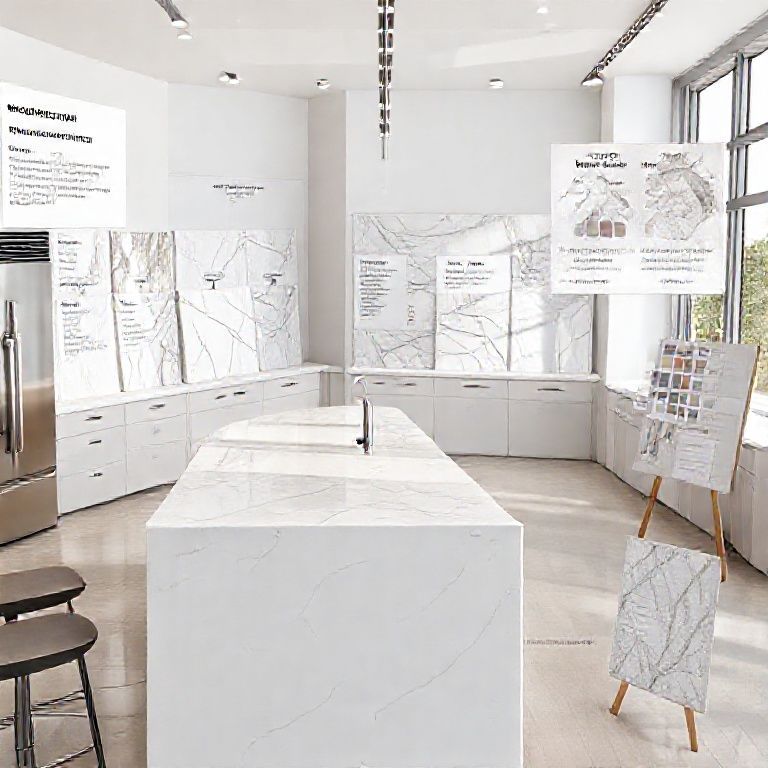
The Pros of Engineered Marble: A Closer Look
When it comes to choosing materials for your home renovation or commercial space, engineered marble stands out as a versatile and visually stunning option. This sophisticated material has been gaining popularity for its numerous advantages. Here, we delve into the many benefits that engineered marble offers.

1. Unmatched Aesthetic Appeal
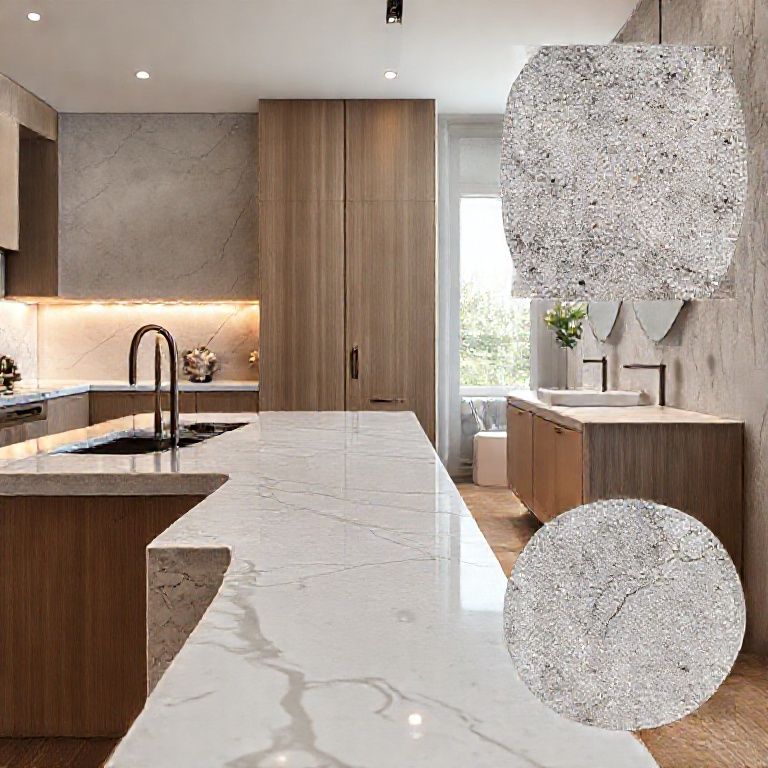
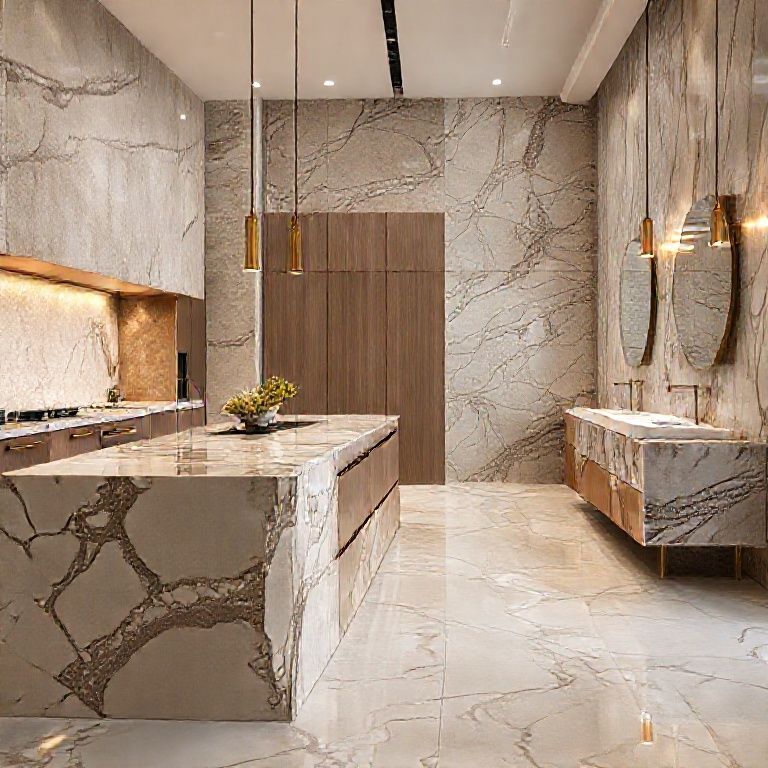
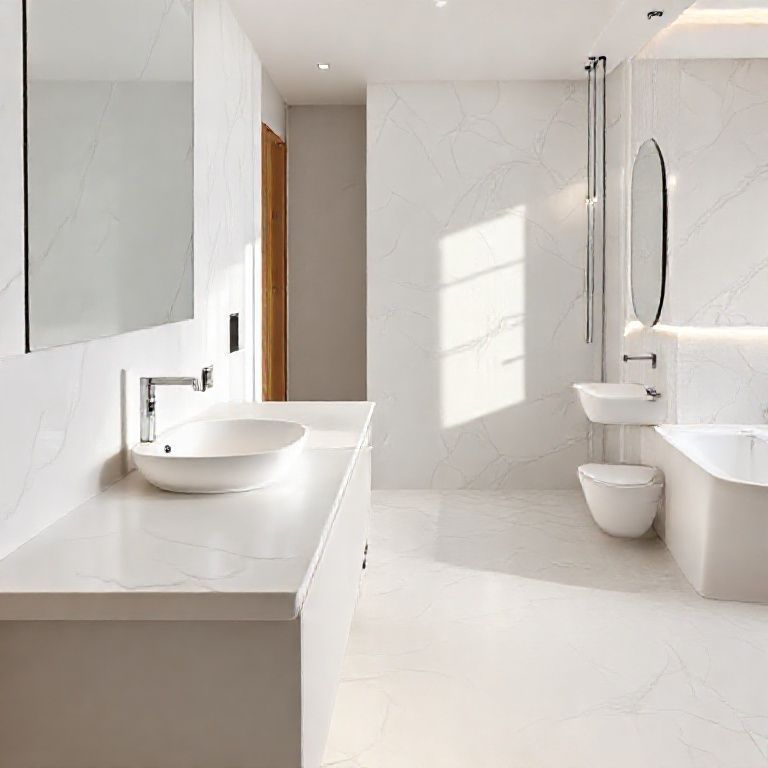
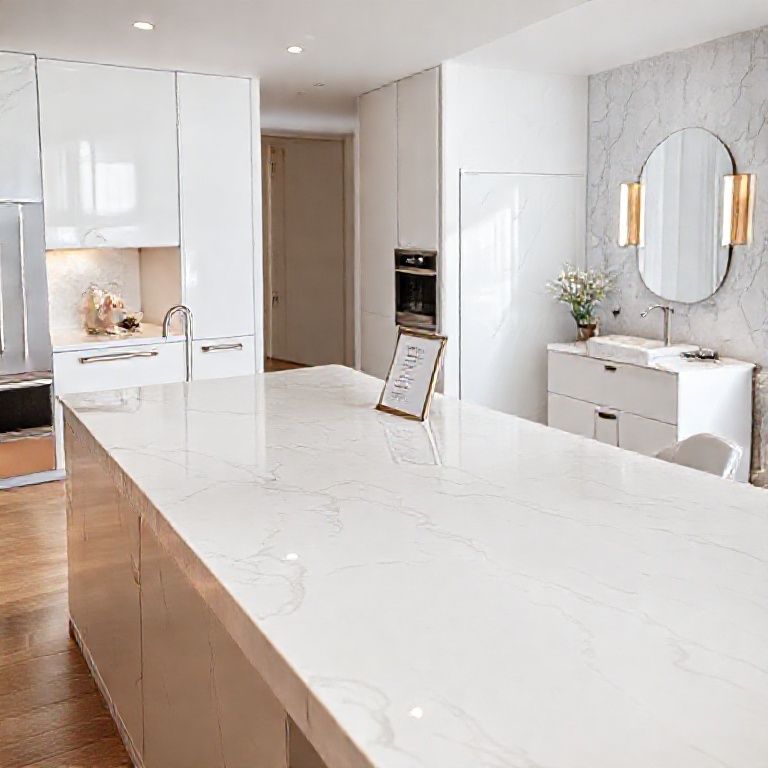
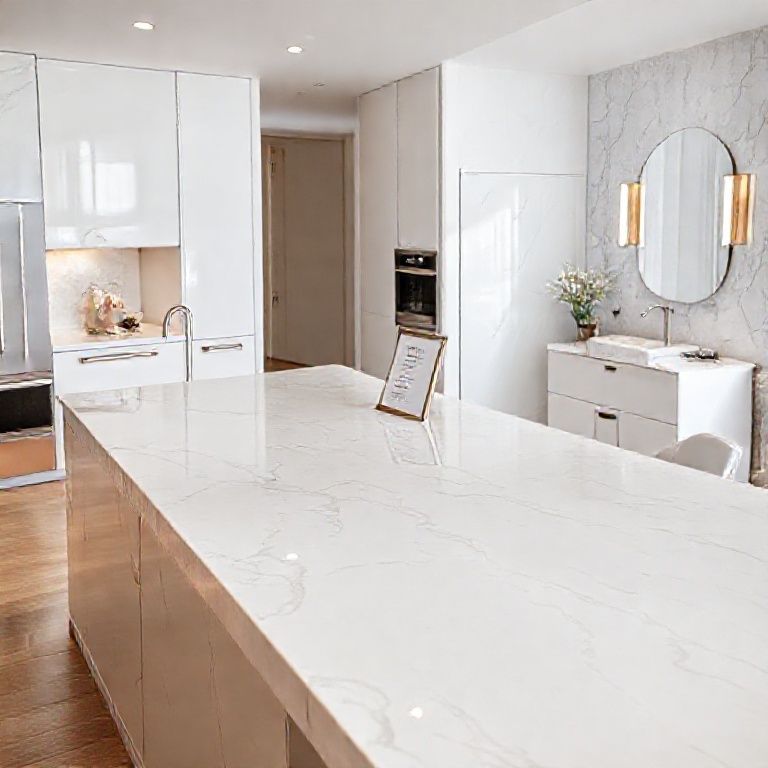
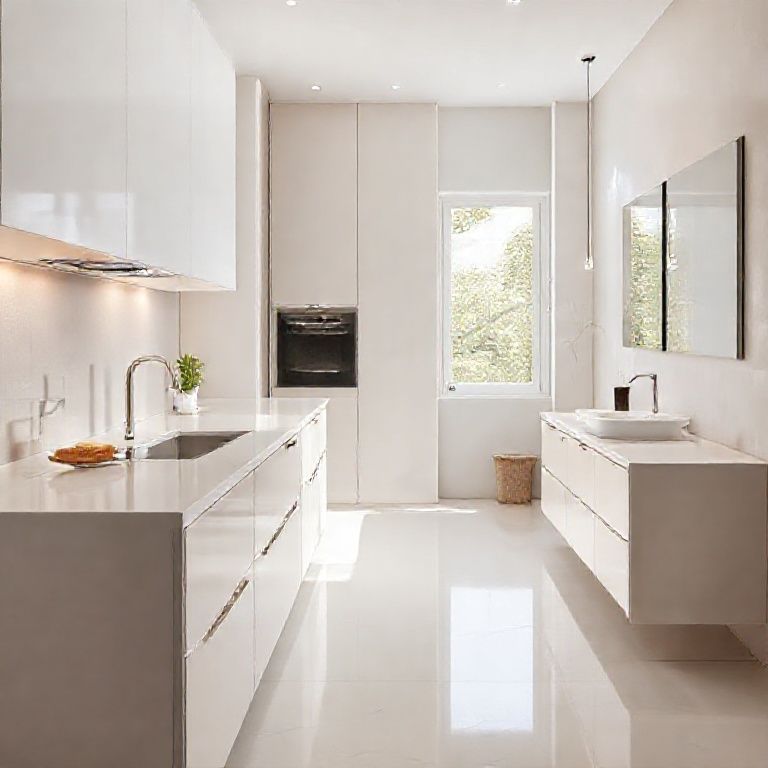
Engineered marble is known for its exceptional beauty, closely mimicking the natural look of traditional marble while offering designers a wide range of colors and patterns. Its polished surface provides a sleek, elegant finish that enhances the aesthetic appeal of any space. Whether you’re aiming for a modern, minimalist look or a luxurious, opulent design, engineered marble can be tailored to fit your vision.
2. Durability and Strength
One of the most significant advantages of engineered marble is its durability. Despite its appearance, it is significantly more durable than natural stone. Engineered marble is made from a combination of stone chips and a resin binder, which makes it less susceptible to scratches, chips, and stains. This durability ensures that the surface remains pristine and looks new for a long time, reducing the need for frequent repairs or replacements.
3. Design Flexibility
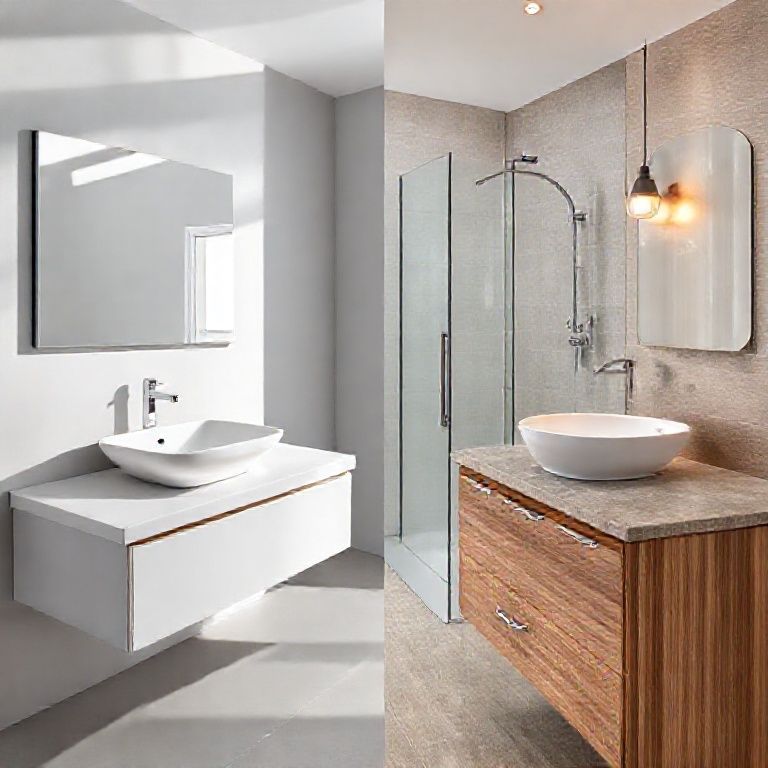
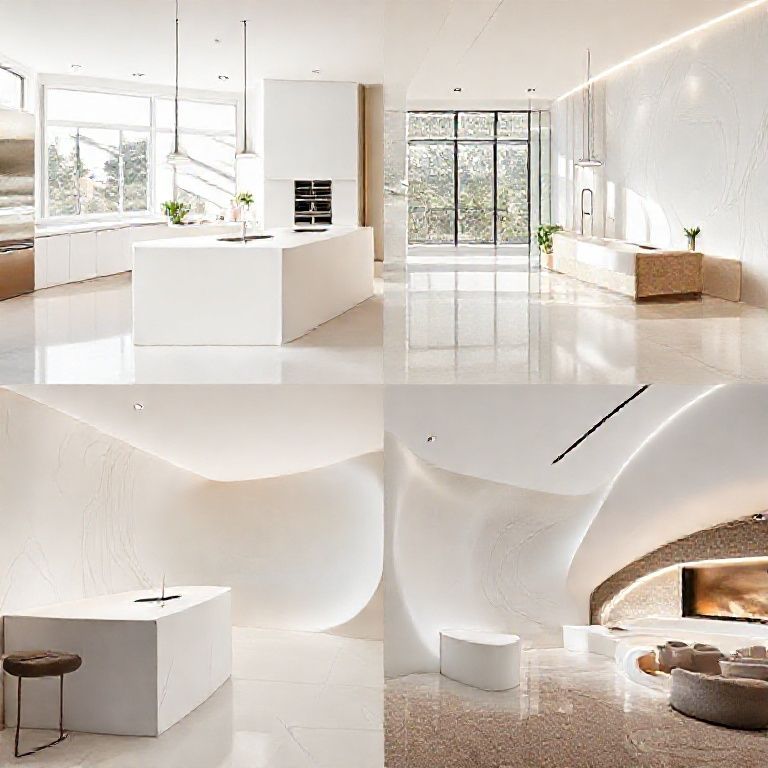
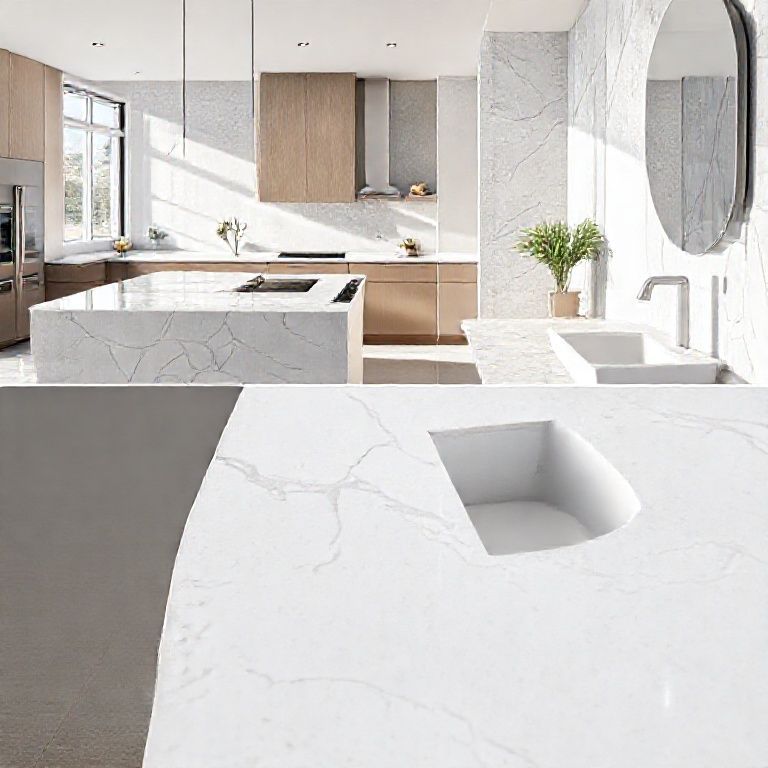
Engineered marble offers unparalleled design flexibility. Unlike natural stone, which comes in limited sizes and shapes, engineered marble can be produced in virtually any size or shape to meet specific design requirements. This flexibility allows designers and homeowners to create custom countertops, sinks, backsplashes, and other surfaces that precisely fit their space and style preferences.
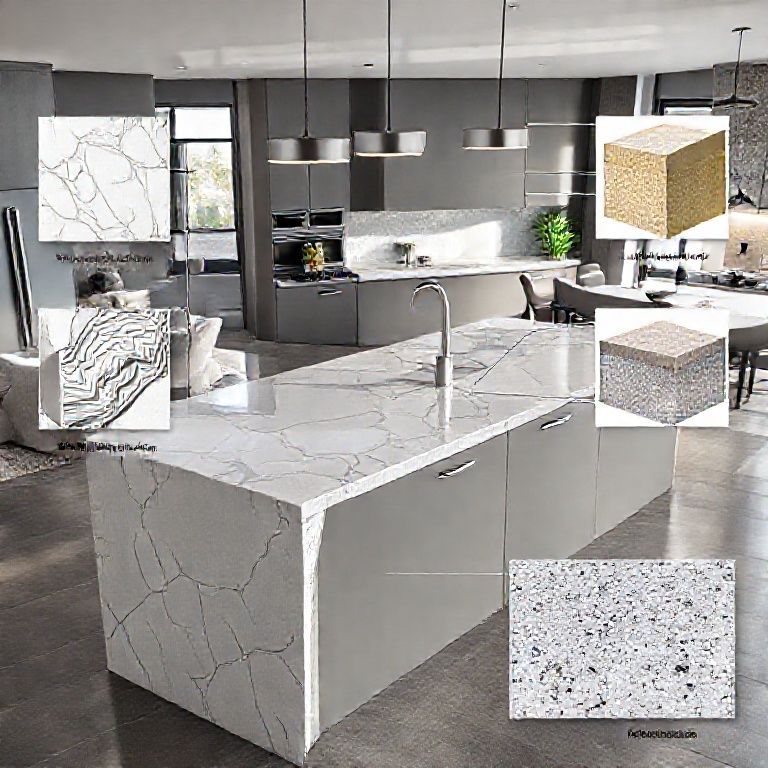
4. Cost-Effectiveness
For many homeowners and businesses, cost is a crucial factor in material selection. Engineered marble is often more affordable than natural marble, making it an attractive option for those looking to achieve high-end aesthetics without breaking the bank. The cost-effectiveness of engineered marble lies in its manufacturing process, which is more efficient than that of natural marble, resulting in lower production costs.
5. Easy to Install and Maintain
The installation of engineered marble is relatively straightforward, often requiring less labor than other materials. This simplicity translates into cost savings and shorter installation times. Additionally, engineered marble is easier to maintain than natural stone. It is less prone to staining and easier to clean with basic household cleaning supplies. This low maintenance nature makes engineered marble an excellent choice for busy households and commercial spaces where time and effort are limited.
6. Eco-Friendly Option
Engineered marble is an eco-friendly choice compared to traditional natural stone. The manufacturing process for engineered marble produces fewer emissions and requires less water and energy than extracting and processing natural stone. Additionally, the use of recycled materials in some engineered marble products further reduces its environmental impact.
Conclusion
Engineered marble offers a multitude of advantages that make it a highly desirable choice for various applications. Its aesthetic appeal, durability, design flexibility, cost-effectiveness, ease of installation and maintenance, and eco-friendly nature all contribute to its popularity. In the next part of our series, we will explore the potential drawbacks and considerations associated with engineered marble, helping you make a well-informed decision for your next renovation project.
The Cons of Engineered Marble: Navigating the Potential Drawbacks
While engineered marble brings numerous benefits to the table, it’s essential to consider its potential drawbacks. In this part of our comprehensive exploration, we will discuss the limitations and challenges that come with using engineered marble in your home or commercial renovation project.
1. Limited Longevity Compared to Natural Marble
Although engineered marble is highly durable, it does not match the longevity of natural marble. Natural marble is formed over millions of years and is inherently more resilient. While engineered marble offers excellent durability, it is still a man-made product and, therefore, may not last as long as natural marble. This factor should be considered, especially if you are looking for a material that will endure for centuries.
2. Potential for Surface Damage
Although engineered marble is more resistant to scratches and chips than natural stone, it is not invulnerable. Heavy items or sharp objects can still cause damage to the surface. While this is less common than with natural marble, it is something to be mindful of, particularly in high-traffic areas. Additionally, certain types of engineered marble are more susceptible to surface scratches than others, so it’s important to choose a product with high-quality resin and stone content to minimize this risk.
3. Limited Natural Look and Feel
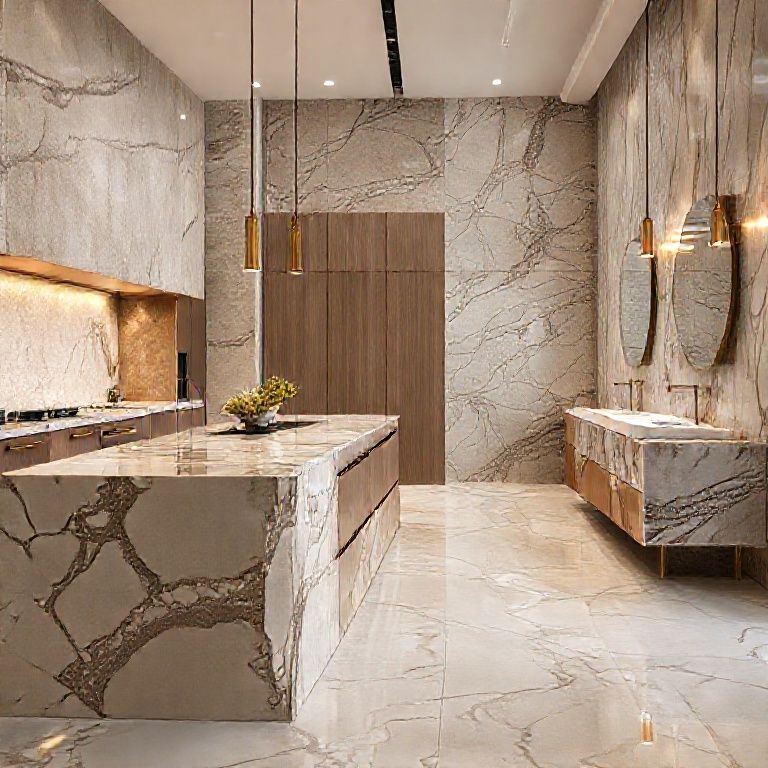
For those who prefer the natural beauty and texture of traditional marble, engineered marble may not offer the same authentic look and feel. While engineered marble can closely mimic natural marble, it is still a synthetic product. Some may find the surface less organic and the texture less refined compared to natural stone. This could be a deciding factor for individuals who prioritize the genuine characteristics of natural marble.
4. Environmental Concerns with Resins
One potential drawback of engineered marble is the use of resins in its manufacturing process. While modern resins are designed to be durable and long-lasting, some people may have concerns about the environmental impact and health implications of these synthetic materials. However, many manufacturers use high-quality resins that are safe for both the environment and human health. It’s always best to research the specific resins used in the product you are considering.
5. Higher Cost Compared to Other Synthetic Materials
Although engineered marble is often more affordable than natural marble, it can be more expensive than other synthetic materials like granite or quartz. The cost difference is due to the quality of the stone chips and resin used in the manufacturing process. If budget constraints are a concern, you might need to weigh the benefits of engineered marble against those of other more economical options.
6. Difficulty in Repairs
When damage does occur, repairing engineered marble can be more challenging than with natural stone. Natural marble can often be resurfaced to restore its original beauty, but engineered marble may not be as easily repairable. If a significant scratch or chip occurs, it might be necessary to replace the entire piece rather than just the damaged section. This can lead to additional costs and labor, especially for large installations.
Conclusion
While engineered marble offers numerous benefits, it is essential to weigh its potential drawbacks carefully. The limitations in longevity, surface damage risks, natural look and feel, environmental concerns with resins, cost considerations, and difficulty in repairs are all factors that should be taken into account. By thoroughly understanding both the pros and cons, you can make a well-informed decision that best suits your specific needs and preferences. Engineered marble remains a fantastic choice for many, but it’s crucial to choose the right product and use it responsibly to maximize its advantages.
This detailed guide should help you navigate the world of engineered marble, offering a well-rounded view of what to expect. Whether you’re planning a home renovation or a commercial project, this information will empower you to make the best choice for your space.