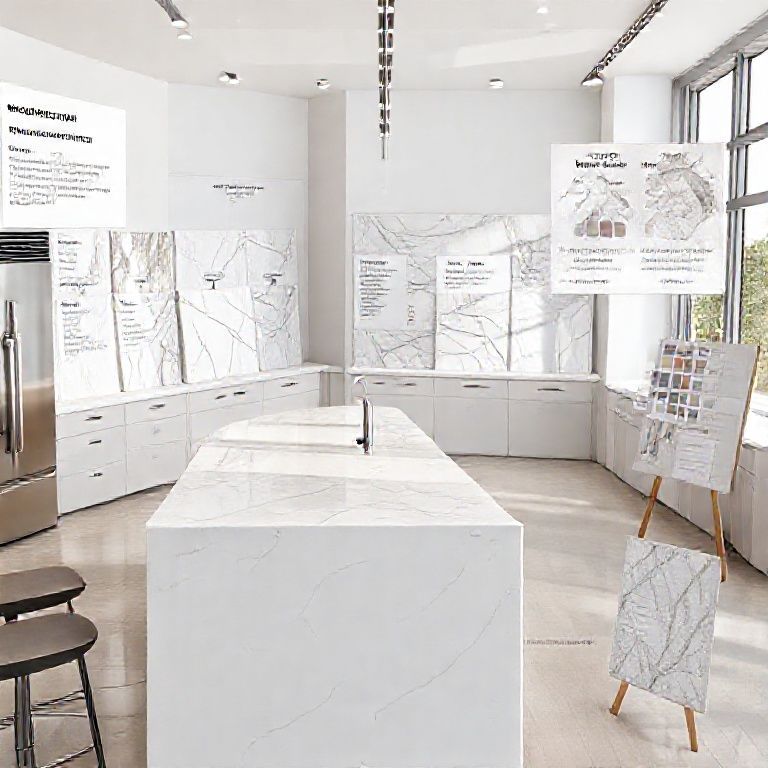
The Advantages of Engineered Marble
${part1}
The Advantages of Engineered Marble
In the world of interior design and construction, selecting the right material for countertops, flooring, or any surface is paramount. One material that has garnered considerable attention is engineered marble. But what makes engineered marble stand out in the crowded marketplace? In this part of our two-part series, we will explore the numerous advantages of engineered marble.

1. Superior Durability
One of the standout features of engineered marble is its exceptional durability. Unlike natural marble, which can be prone to scratches, chips, and even cracks, engineered marble is designed to withstand wear and tear. The core of engineered marble is typically a high-density material like quartz, which is layered with marble veneer on top. This combination results in a product that is not only resistant to scratching but also more durable than many traditional stone materials.
2. Aesthetic Appeal
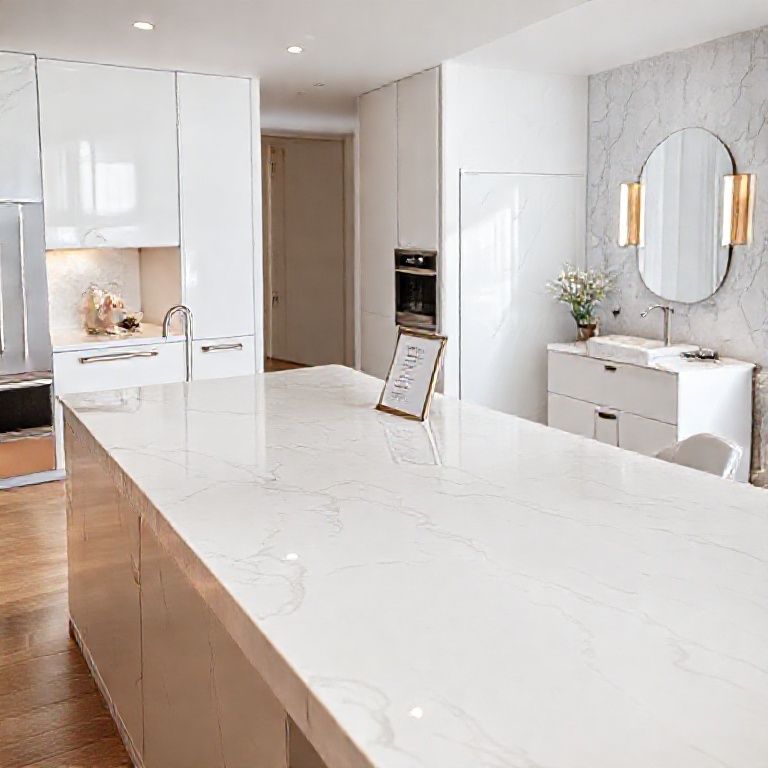
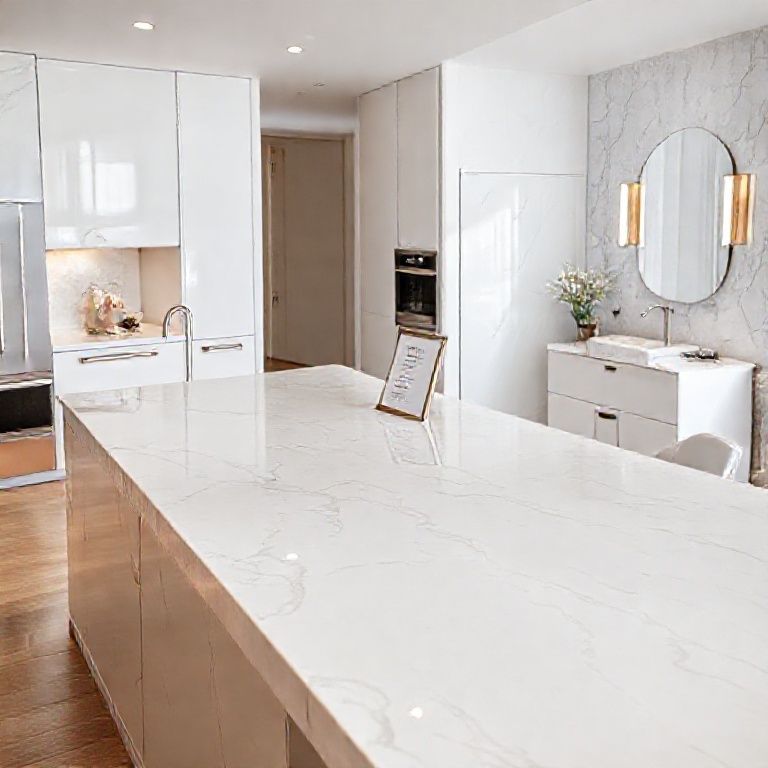
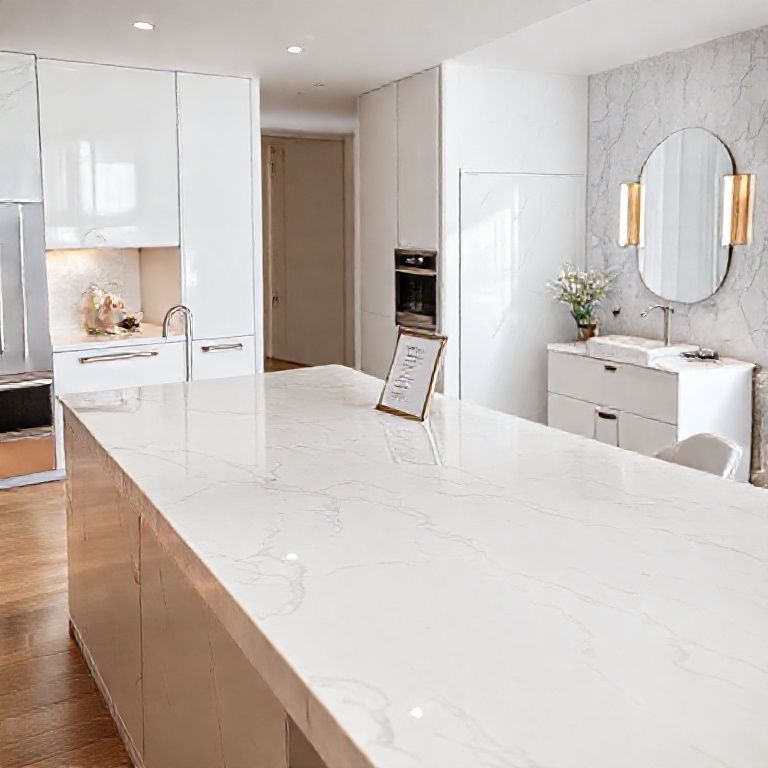
Engineered marble offers an unparalleled level of aesthetic appeal. The ability to create custom designs and colors is a significant advantage. Marble manufacturers can produce engineered marble slabs in a variety of patterns and hues, allowing for a level of customization that is difficult to achieve with natural stone. Whether you prefer the timeless elegance of traditional marble or the modern, unique look of a custom design, engineered marble can be tailored to fit your vision.
3. Cost-Effectiveness
Cost is always a crucial consideration when making any significant purchase, especially in home renovation or commercial construction. Engineered marble is often more cost-effective than natural marble or other high-end materials. The manufacturing process for engineered marble is more efficient, which translates to lower prices for consumers. Moreover, because engineered marble is less prone to damage, it can save on repair and replacement costs in the long run.
4. Easy Maintenance
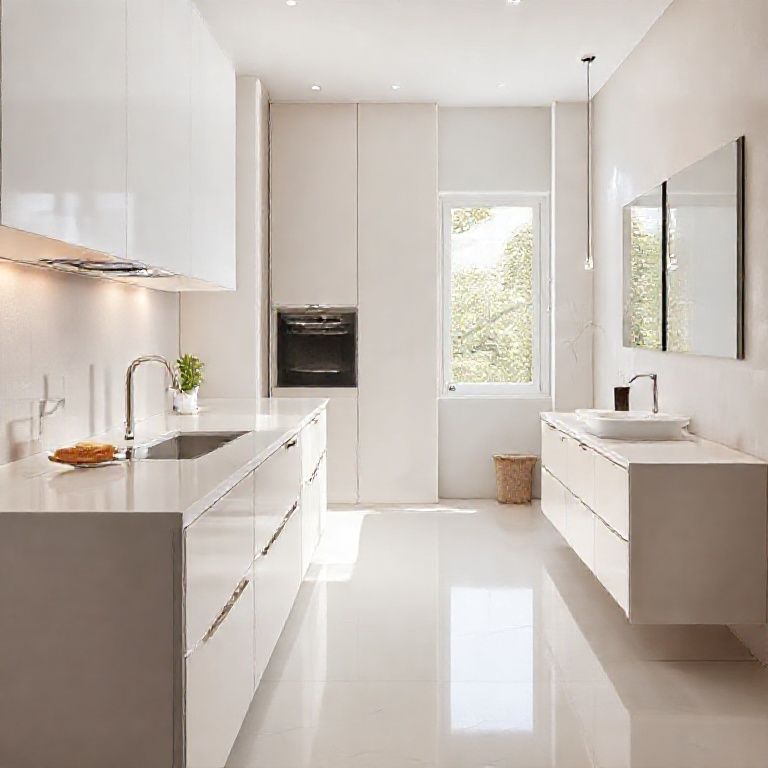
Maintenance is another area where engineered marble excels. Unlike natural marble, which requires sealing and regular maintenance to prevent staining and water spots, engineered marble is relatively low-maintenance. Its surface is sealed during manufacturing, making it resistant to most stains and spills. A simple wipe-down with a mild detergent is usually sufficient for keeping it looking pristine.
5. Versatility
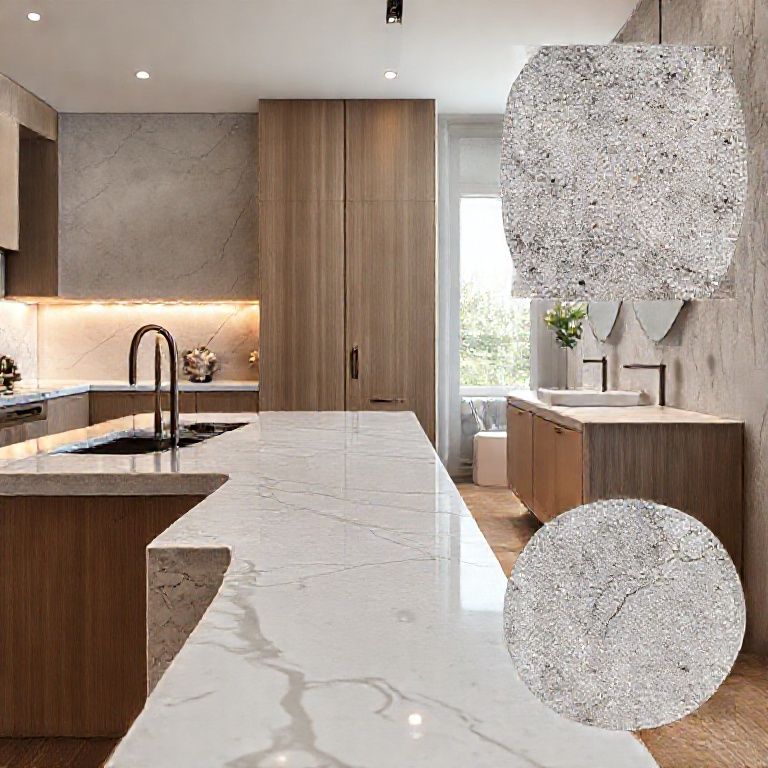
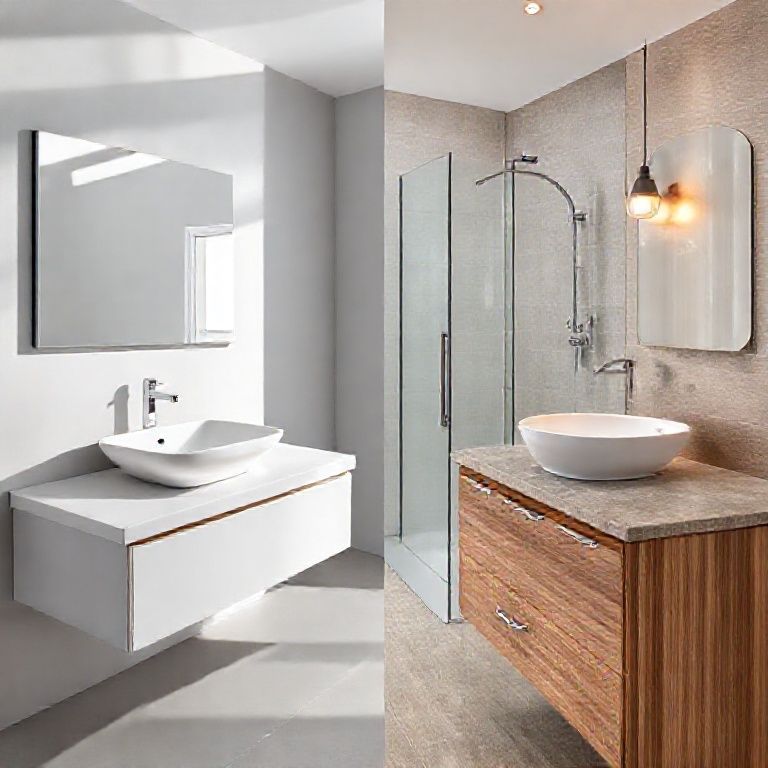
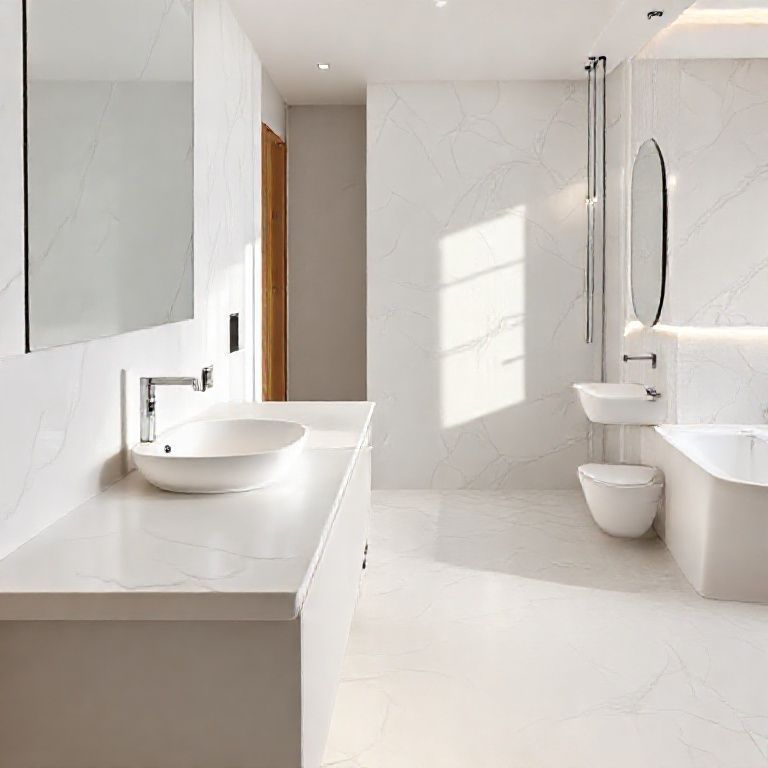
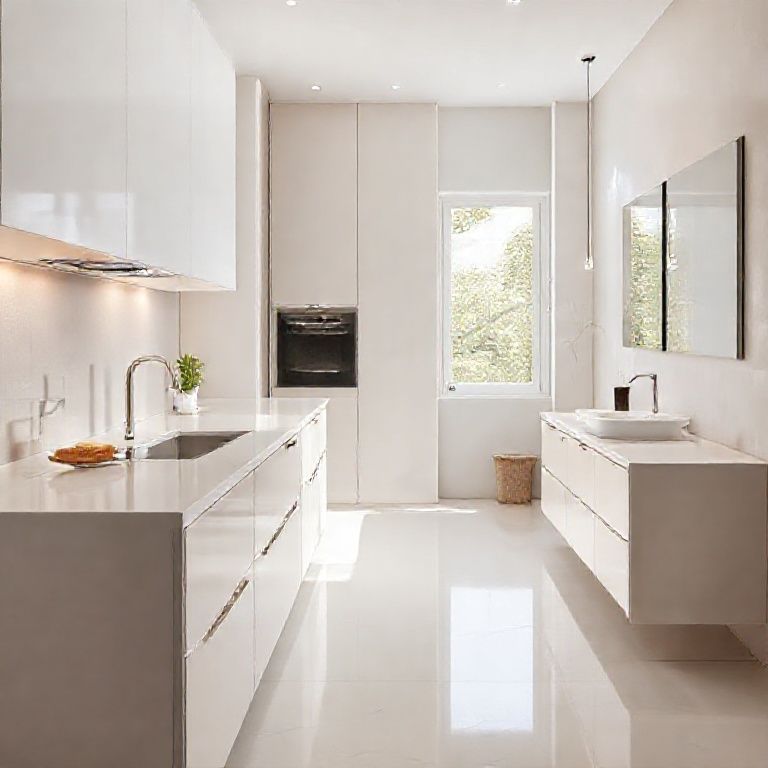
Engineered marble is incredibly versatile and can be used in a wide range of applications. From kitchen countertops to bathroom vanities, flooring, and even backsplashes, its adaptability makes it a popular choice for both residential and commercial projects. The ability to produce large, continuous slabs also makes it easier to install in expansive areas without the need for seams, which can be a challenge with natural stone.
6. Installation Flexibility
When it comes to installation, engineered marble offers several advantages. The material can be cut and shaped on-site to fit specific dimensions and designs, which is particularly beneficial for custom installations. Additionally, because it is typically lighter than natural stone, it can be easier to handle during installation. This can lead to faster project completion times and reduced labor costs.
7. Environmentally Friendly
For those concerned about sustainability, engineered marble is a surprisingly eco-friendly option. The manufacturing process for engineered marble is less resource-intensive than that of natural stone. It does not require the extraction of raw materials, which can have significant environmental impacts. Furthermore, the material’s durability means it will likely last longer, reducing the need for frequent replacements and thus minimizing waste.
8. Unique Patterns and Colors
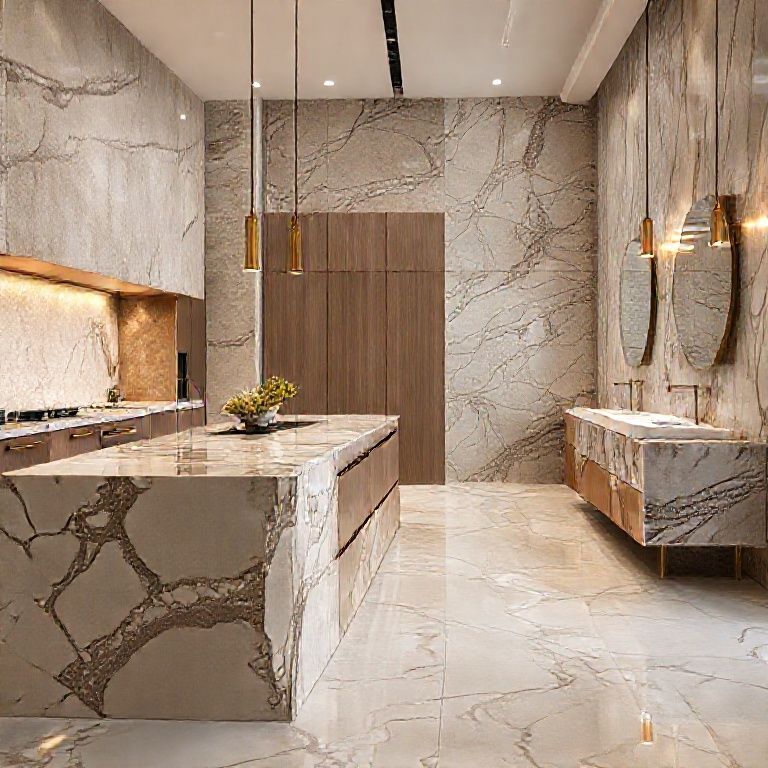
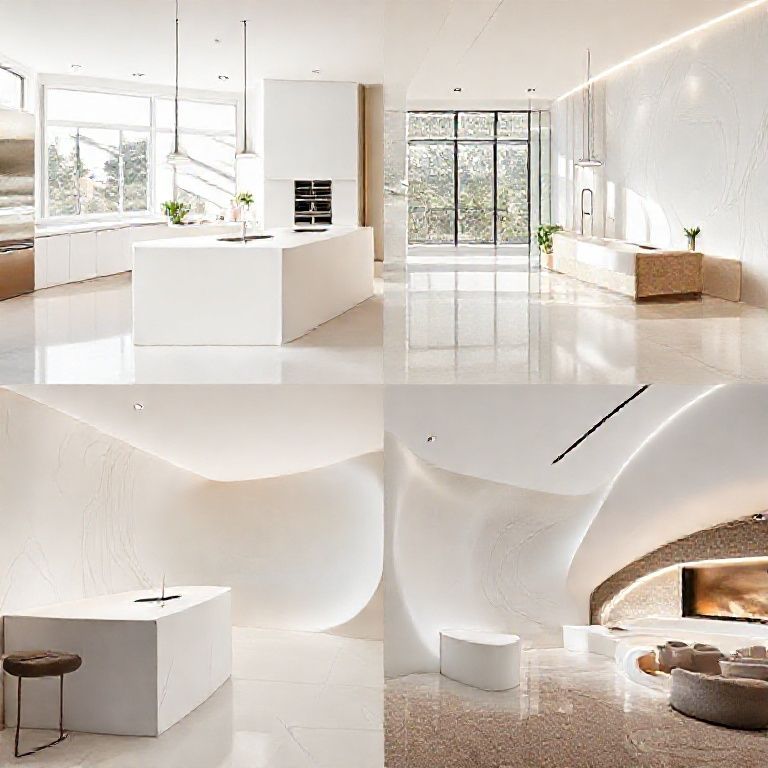
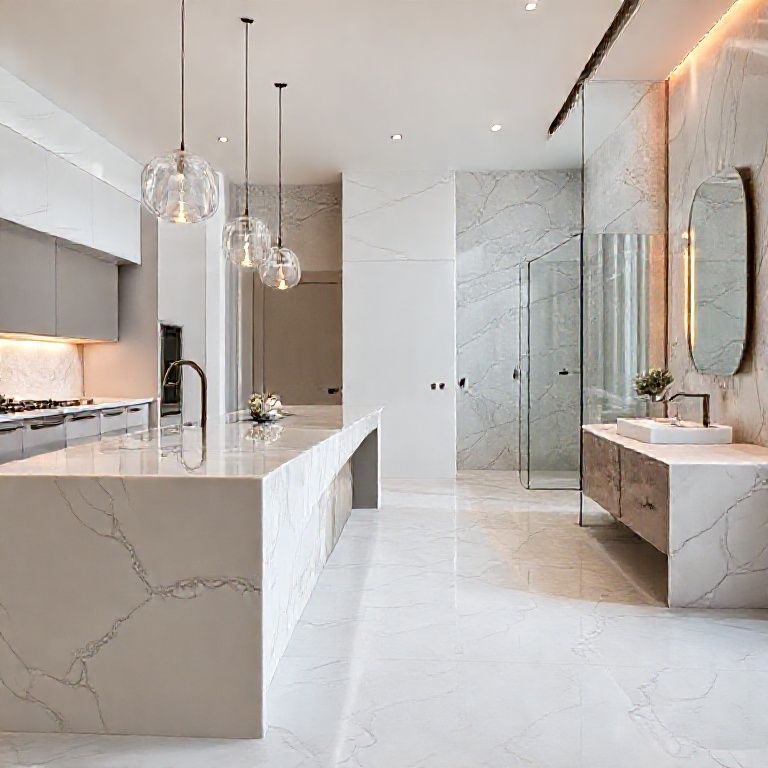
One of the most exciting aspects of engineered marble is the ability to create unique patterns and colors that are not possible with natural stone. Advanced manufacturing techniques allow for intricate designs and a wide array of color combinations, enabling designers and homeowners to push the boundaries of creativity. This flexibility can help in creating a bespoke look that is truly one-of-a-kind.
9. Reduced Weight
Engineered marble is generally lighter than natural stone, which makes it easier to handle during installation. This reduced weight can also mean less structural support is required, which can be advantageous in certain construction projects.
10. Safety
Engineered marble is also a safer option compared to natural marble. It does not contain any sharp edges or rough surfaces that could pose a hazard, making it safer for use in areas where children and pets are present.
In conclusion, the advantages of engineered marble are numerous and compelling. From its superior durability and aesthetic appeal to its cost-effectiveness, low maintenance, and versatility, engineered marble offers a compelling alternative to traditional stone materials. In the next part of our series, we will delve into the potential drawbacks of engineered marble to provide a balanced perspective on this popular material.
The Disadvantages of Engineered Marble
${part2}
The Disadvantages of Engineered Marble
In the previous part of our series, we explored the myriad advantages of engineered marble. Now, it’s time to delve into the disadvantages. While engineered marble offers many benefits, it is not without its drawbacks. Understanding these potential downsides can help you make a more informed decision about whether this material is the right choice for your project.
1. Limited Customization
While engineered marble does offer a degree of customization, it is not as flexible as natural marble. The primary layer of engineered marble is typically made from a material like quartz, which restricts the range of colors and patterns that can be achieved. While it is possible to create a wide variety of designs, the options are still somewhat limited compared to natural marble, which can be sourced in almost any color and pattern.
2. Thermal Sensitivity
Engineered marble is sensitive to heat. Unlike natural stone, which can withstand high temperatures, engineered marble can be damaged by direct exposure to heat sources such as ovens or hot pots. This makes it less suitable for areas where cooking is frequent. To mitigate this, manufacturers often recommend placing trivets or heat-resistant pads under hot items, but this adds an extra layer of maintenance.
3. Less Natural Look
One of the most significant drawbacks of engineered marble is that it does not have the same natural look and feel as natural marble. While the top layer can mimic the appearance of natural marble, the underlying material is different. This means that if you are looking for an authentic marble look, engineered marble might not be the best choice.
4. Higher Cost per Square Foot
Although engineered marble is generally more cost-effective than natural marble, it can be more expensive per square foot. This is due to the cost of the manufacturing process and the high-quality materials used. If budget is a primary concern, you might find natural stone to be a more economical option, especially when considering the long-term durability and reduced maintenance.
5. Installation Challenges
While engineered marble is easier to install than some other materials, it does come with its own set of challenges. The material can be prone to cracking if not installed properly. Additionally, the layers of engineered marble can sometimes separate, especially if the material is subjected to high levels of moisture or heat. Professional installation is often recommended to avoid these issues.
6. Limited Lifespan Compared to Natural Stone
Although engineered marble is durable, it might not last as long as natural stone. While it can certainly last for many years, the core material can degrade over time, especially if it is not properly maintained or if it is exposed to harsh conditions. Natural stone, on the other hand, has a virtually indefinite lifespan, provided it is properly cared for.
7. Environmental Concerns
While engineered marble is generally more environmentally friendly than natural stone in terms of resource use, there are still some environmental concerns. The manufacturing process, while less resource-intensive than extracting natural stone, still involves the use of chemicals and energy. Additionally, the disposal of engineered marble can be problematic since it does not break down easily and may end up in landfills.
8. Reduced Flexibility
Because engineered marble is composed of multiple layers, it is less flexible than natural stone. This can make it more challenging to work with in certain applications, such as creating curves or bends. Natural stone can be cut and shaped more easily, which can be advantageous in custom installations The Disadvantages of Engineered Marble
In the previous part of our series, we explored the myriad advantages of engineered marble. Now, it’s time to delve into the disadvantages. While engineered marble offers many benefits, it is not without its drawbacks. Understanding these potential downsides can help you make a more informed decision about whether this material is the right choice for your project.
1. Limited Customization
While engineered marble does offer a degree of customization, it is not as flexible as natural marble. The primary layer of engineered marble is typically made from a material like quartz, which restricts the range of colors and patterns that can be achieved. While it is possible to create a wide variety of designs, the options are still somewhat limited compared to natural marble, which can be sourced in almost any color and pattern.
2. Thermal Sensitivity
Engineered marble is sensitive to heat. Unlike natural stone, which can withstand high temperatures, engineered marble can be damaged by direct exposure to heat sources such as ovens or hot pots. This makes it less suitable for areas where cooking is frequent. To mitigate this, manufacturers often recommend placing trivets or heat-resistant pads under hot items, but this adds an extra layer of maintenance.
3. Less Natural Look
One of the most significant drawbacks of engineered marble is that it does not have the same natural look and feel as natural marble. While the top layer can mimic the appearance of natural marble, the underlying material is different. This means that if you are looking for an authentic marble look, engineered marble might not be the best choice.
4. Higher Cost per Square Foot
Although engineered marble is generally more cost-effective than natural marble, it can be more expensive per square foot. This is due to the cost of the manufacturing process and the high-quality materials used. If budget is a primary concern, you might find natural stone to be a more economical option, especially when considering the long-term durability and reduced maintenance.
5. Installation Challenges
While engineered marble is easier to install than some other materials, it does come with its own set of challenges. The material can be prone to cracking if not installed properly. Additionally, the layers of engineered marble can sometimes separate, especially if the material is subjected to high levels of moisture or heat. Professional installation is often recommended to avoid these issues.
6. Limited Lifespan Compared to Natural Stone
Although engineered marble is durable, it might not last as long as natural stone. While it can certainly last for many years, the core material can degrade over time, especially if it is not properly maintained or if it is exposed to harsh conditions. Natural stone, on the other hand, has a virtually indefinite lifespan, provided it is properly cared for.
7. Environmental Concerns
While engineered marble is generally more environmentally friendly than natural stone in terms of resource use, there are still some environmental concerns. The manufacturing process, while less resource-intensive than extracting natural stone, still involves the use of chemicals and energy. Additionally, the disposal of engineered marble can be problematic since it does not break down easily and may end up in landfills.
8. Reduced Flexibility
Because engineered marble is composed of multiple layers, it is less flexible than natural stone. This can make it more challenging to work with in certain applications, such as creating curves or bends. Natural stone can be cut and shaped more easily, which can be advantageous in custom installations.
9. Potential for Surface Damage
Although engineered marble is more resistant to stains and scratches compared to natural marble, it is still possible for the surface to be damaged. Unlike natural stone, which can often be honed or resurfaced, engineered marble can be more difficult to repair if it is scratched or chipped. This means that it may not be the best choice if you are looking for a material that can be easily repaired in case of damage.
10. Warranty Limitations
While many manufacturers offer warranties on their engineered marble products, these warranties can sometimes be more limited than those offered for natural stone. The specific terms and conditions of the warranty can vary widely, so it’s important to carefully review what is covered and for how long. In some cases, the warranty may not cover certain types of damage, such as those caused by heat or improper installation.
11. Aesthetic Limitations
While engineered marble can certainly look beautiful, it may not have the same depth and character as natural marble. The patterns and colors are often more uniform and less varied than those found in natural stone. This can be a drawback for those who prefer the unique and natural beauty of natural marble, which can have subtle variations in color and texture.
12. Maintenance Requirements
Although engineered marble is generally low-maintenance, it does require some regular care to keep it looking its best. Over time, the surface can become dull or stained, especially if it is exposed to frequent use or harsh chemicals. Regular cleaning and maintenance are essential to keep the material looking pristine.
13. Cost of Replacement
In the event that engineered marble needs to be replaced, the cost can be significant. Since it is not as readily available as some other materials, finding a matching piece can be challenging. Additionally, the cost of installation for a new piece of engineered marble can add to the overall expense.
14. Aesthetic Preferences
Ultimately, the choice between engineered marble and natural marble often comes down to personal preference. Some people prefer the modern, sleek look of engineered marble, while others prefer the timeless, natural beauty of natural stone. It’s important to consider your own aesthetic preferences and the specific needs of your project when making a decision.
In conclusion, while engineered marble offers many advantages, it is not without its drawbacks. From limited customization and thermal sensitivity to higher costs per square foot and reduced flexibility, there are several factors to consider. By weighing the pros and cons, you can make a more informed decision about whether engineered marble is the right choice for your project.