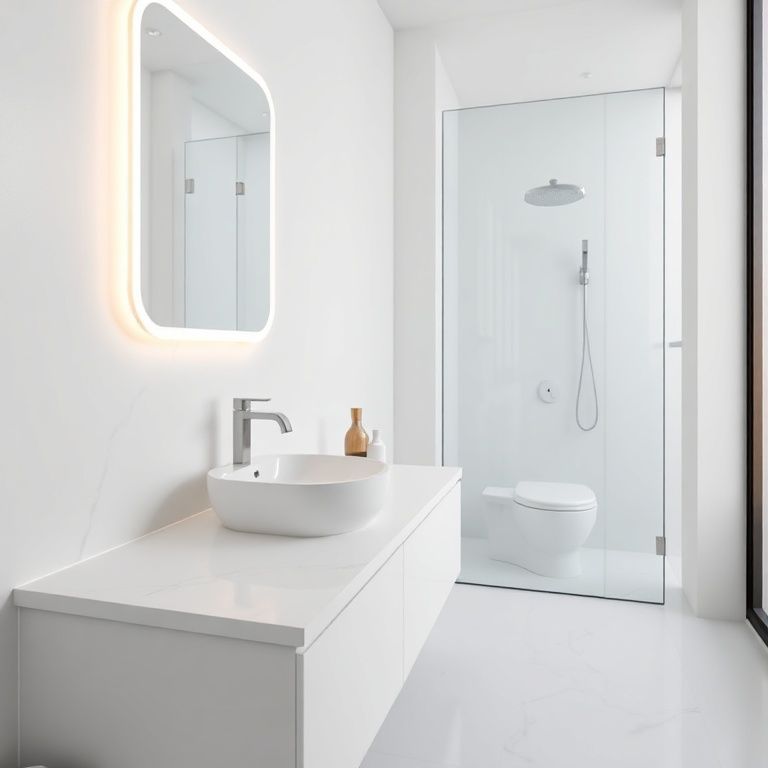
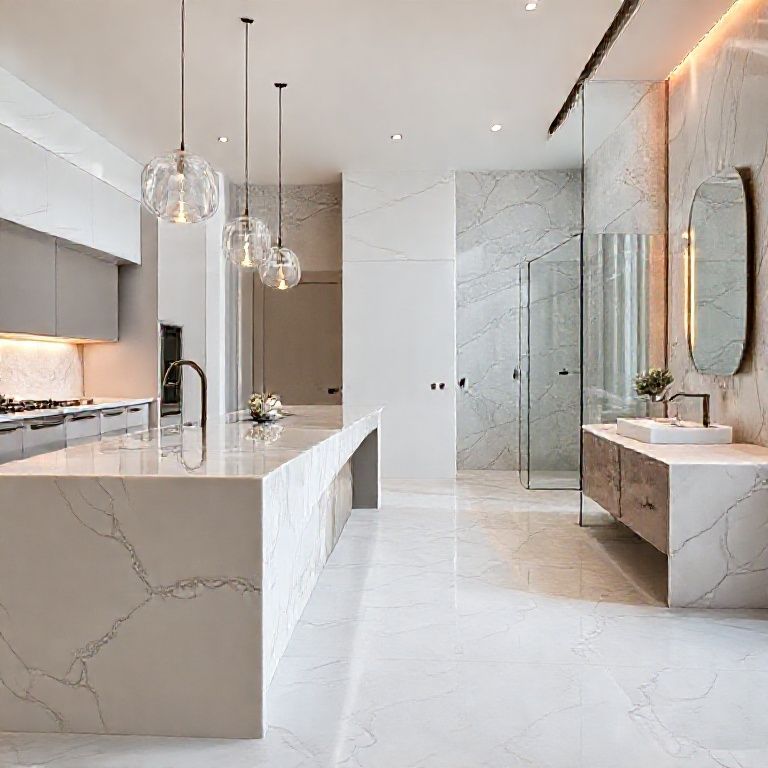
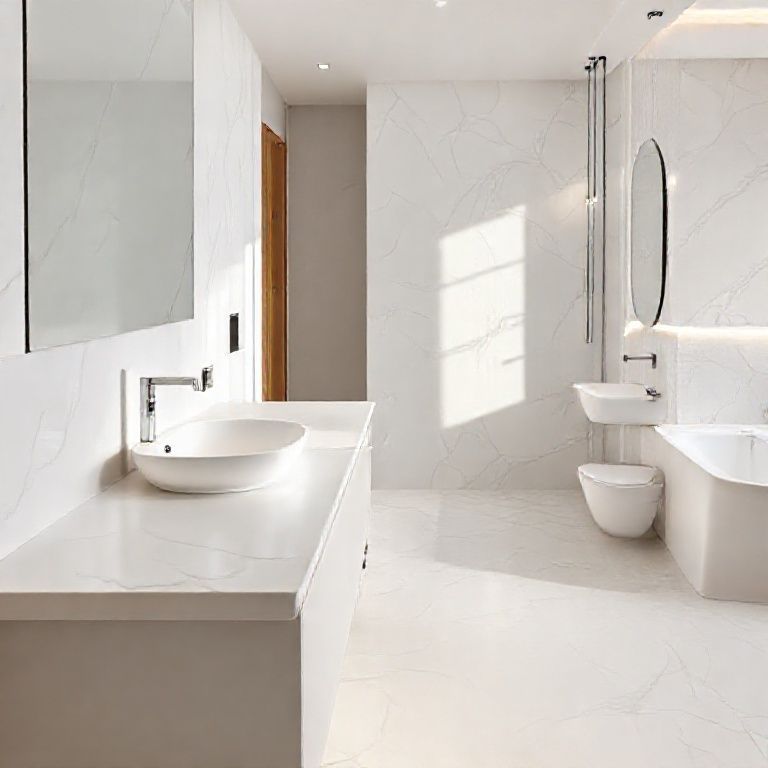
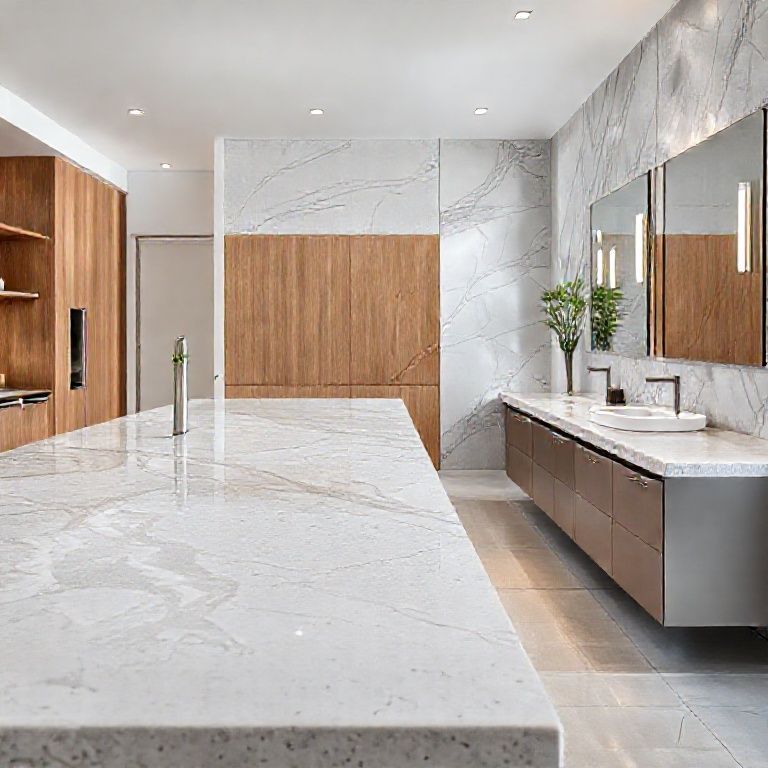
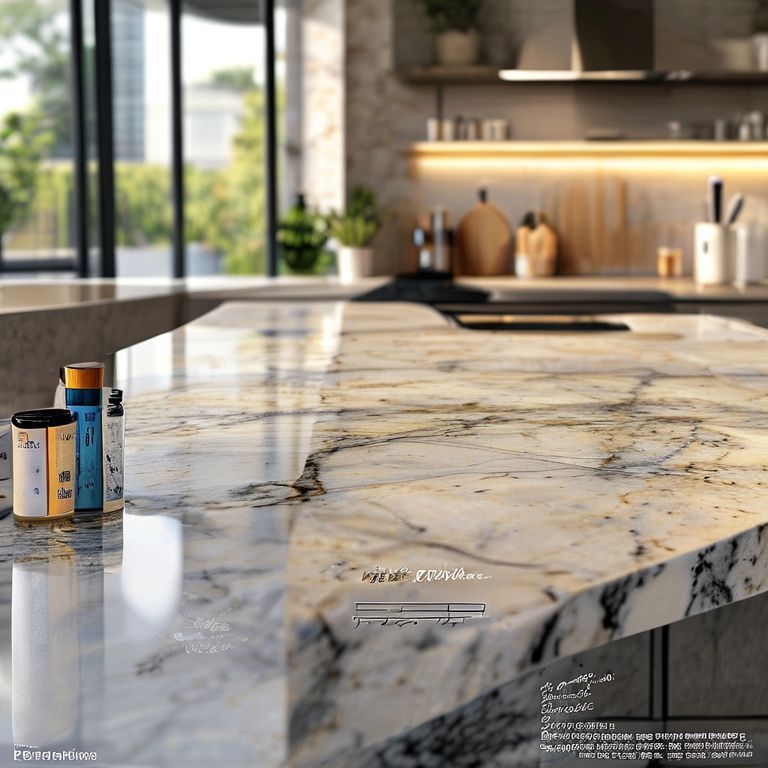
Delve into the intricate world of marble, where the distinction between artificial and natural marble is not just about appearance but also about price, quality, and sustainability. This detailed exploration reveals why the price difference between artificial and natural marble can be significant, covering material composition, manufacturing processes, maintenance, and long-term value. Perfect for homeowners, designers, and professionals in the industry.

artificial marble, natural marble, price difference, marble cost, material composition, manufacturing processes, maintenance, durability, sustainability, luxury, home decor, design trends, long-term value, affordability, countertop materials, kitchen design, bathroom design
The Price Difference Between Artificial and Natural Marble: Unveiling the Basics
When it comes to selecting materials for home decor and design, marble often stands out due to its elegance and timeless appeal. However, the choice between artificial and natural marble can significantly influence your budget and project outcomes. Understanding the price difference between these two types of marble involves examining several factors, from their material composition and manufacturing processes to their maintenance requirements and long-term value.
Material Composition and Manufacturing Processes
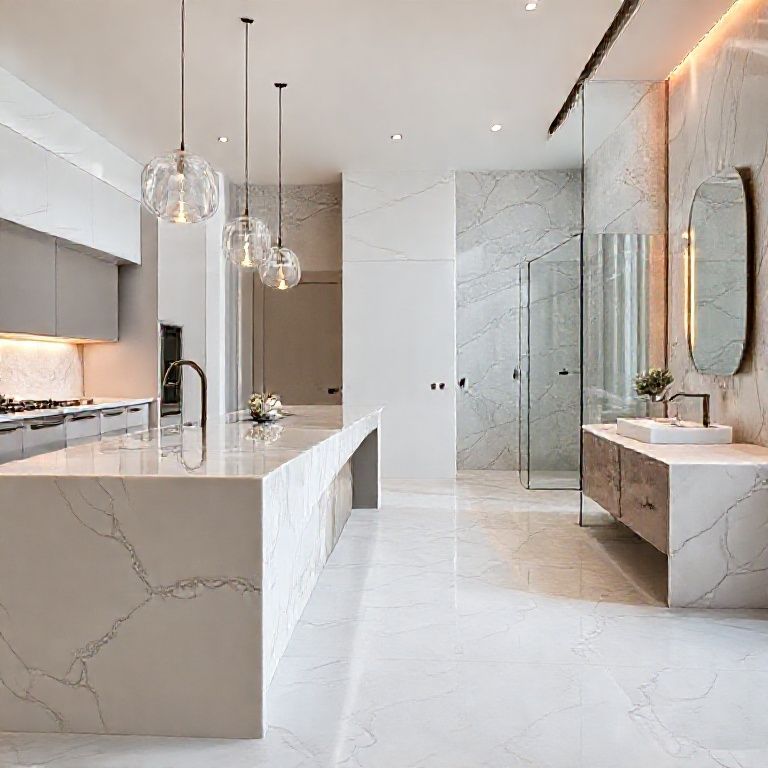
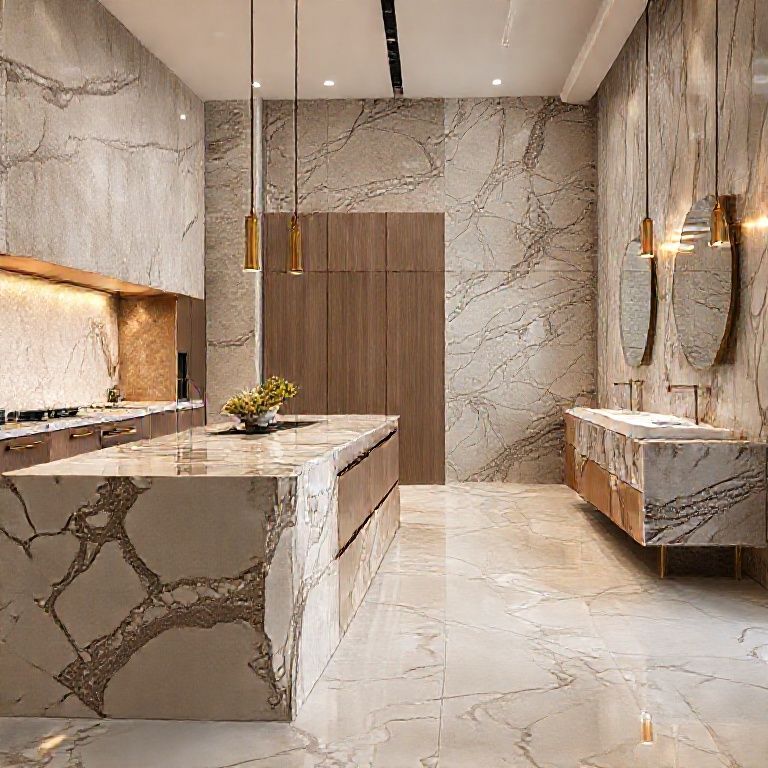
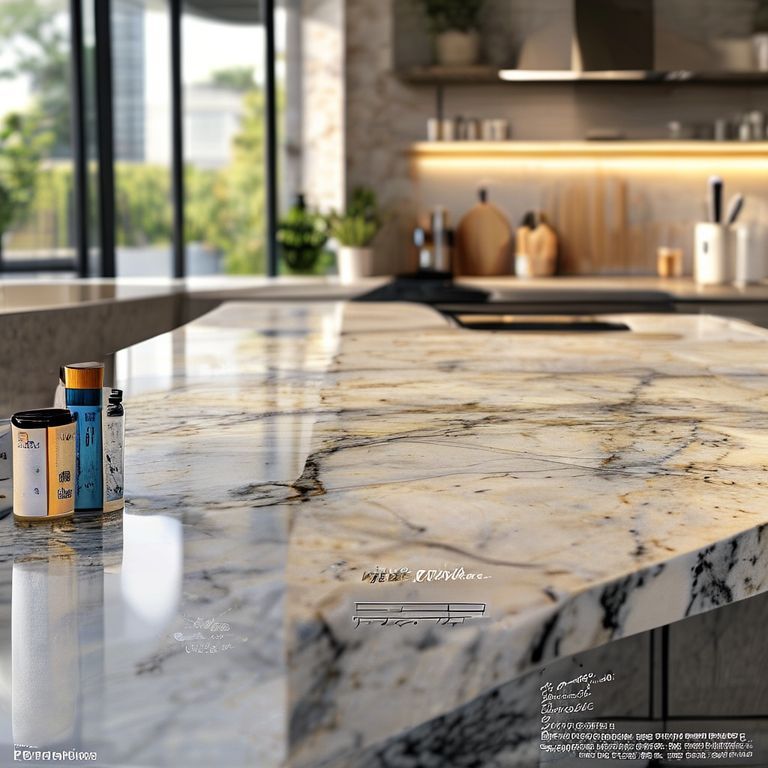
Natural marble, sourced directly from quarries, is a metamorphic rock formed from limestone through high pressure and temperature over millions of years. Its unique patterns and colors are the result of natural processes and geological history, making each piece one-of-a-kind. The extraction process is labor-intensive and costly, contributing to the high price tag of natural marble. Additionally, the transportation of natural marble from distant quarries adds to the overall cost.
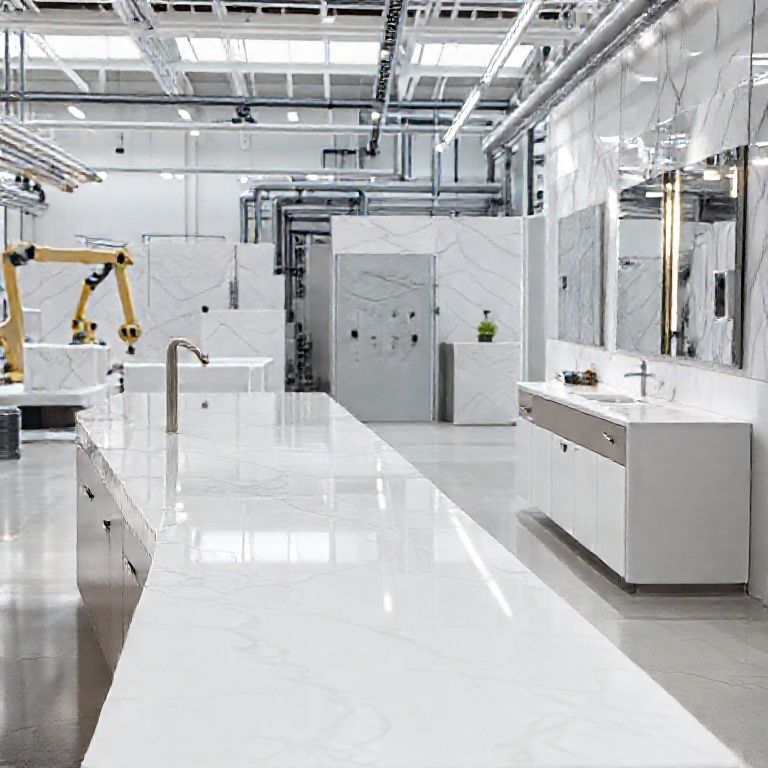
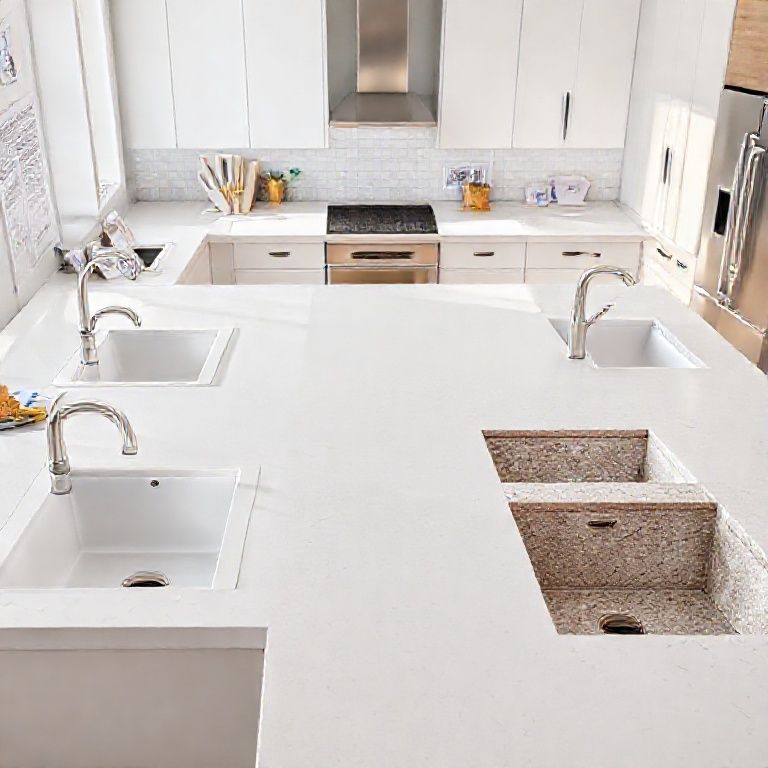
On the other hand, artificial marble, also known as cultured marble, is a composite material created in factories. It combines resin, pigments, and stone chips to mimic the appearance of natural marble. The manufacturing process involves mixing these materials under high heat and pressure to create a homogeneous product. Although artificial marble can replicate the look of natural marble, it doesn’t require extensive quarrying or transportation. This results in a significantly lower cost.
Cost Implications
Given the differences in material composition and manufacturing processes, it’s no surprise that the price difference between artificial and natural marble is substantial. Natural marble typically costs between $50 to $150 per square foot, depending on the type and quality. High-end varieties like Italian Carrara marble can exceed $200 per square foot. The cost includes not only the raw material but also the labor-intensive extraction and cutting processes.
Artificial marble, by contrast, generally ranges from $20 to $60 per square foot. This affordability is due to its synthetic production, which allows for mass production and consistent quality across pieces. While artificial marble may seem like a cost-effective alternative, it’s important to consider the overall budget, including installation and potential future maintenance costs.
Maintenance and Durability
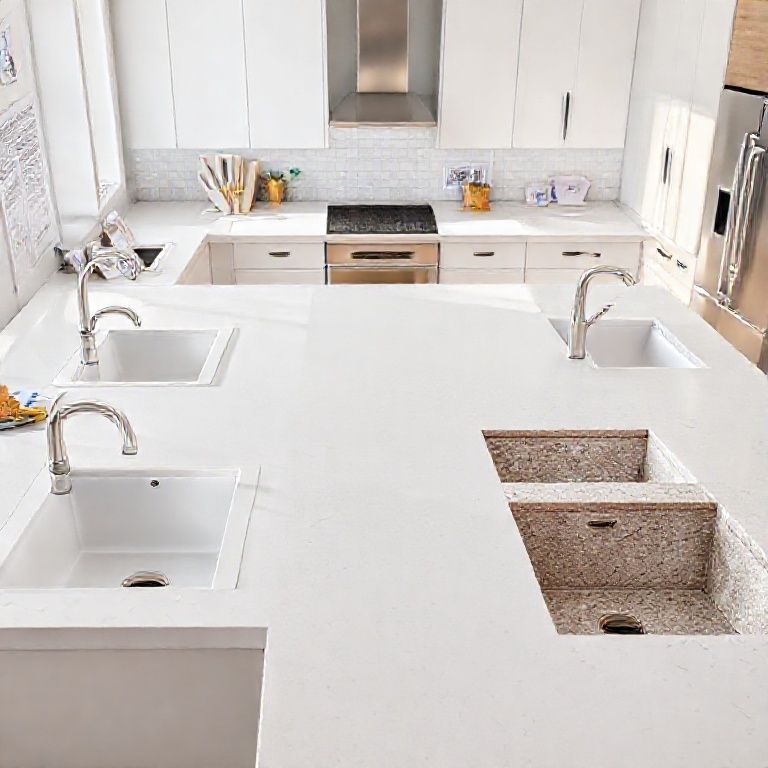
Maintenance is another critical factor influencing the price difference between artificial and natural marble. Natural marble requires regular sealing to protect its surface from stains and water damage. Over time, the wear and tear can lead to the need for re-sealing, which can be both time-consuming and costly. Additionally, natural marble is prone to scratches, chips, and staining, necessitating careful handling and sometimes professional restoration.
Artificial marble, however, is much more durable and easier to maintain. It is resistant to stains, scratches, and thermal damage, eliminating the need for frequent sealing and reducing maintenance costs over time. This durability makes artificial marble a more practical choice for high-traffic areas like kitchens and bathrooms.
Sustainability and Aesthetic Appeal
From a sustainability perspective, artificial marble is the more eco-friendly option. The production of natural marble involves extensive quarrying, which can have detrimental effects on the environment, including habitat destruction and increased carbon emissions. In contrast, the manufacturing of artificial marble does not require the extraction of raw materials from natural sources, reducing environmental impact.
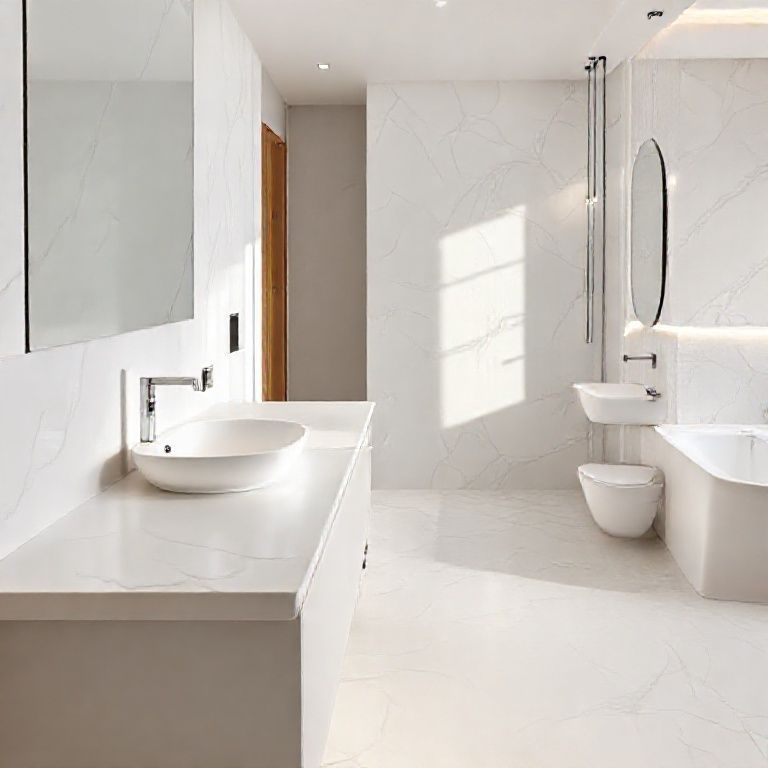
Aesthetically, both types of marble can offer stunning visual appeal. Natural marble’s unique patterns and colors can add a touch of luxury and exclusivity to any space. However, artificial marble can be engineered to replicate these natural aesthetics with precision, providing a cost-effective way to achieve a similar look.
Conclusion
The price difference between artificial and natural marble is rooted in their material composition, manufacturing processes, and maintenance requirements. Natural marble’s high cost is reflective of its labor-intensive extraction and the need for regular maintenance. In contrast, artificial marble’s synthetic production and durability offer a more affordable and low-maintenance alternative. As you weigh the pros and cons, consider not only the upfront cost but also the long-term value and sustainability of your choice.
The Price Difference Between Artificial and Natural Marble: Detailed Insights and Future Trends
In the world of interior design and home decor, the choice between artificial and natural marble is not just a matter of budget but also of understanding the long-term implications of each option. This second part delves deeper into the nuances that contribute to the price difference, exploring the implications for design, sustainability, and emerging trends in the marble industry.
Design Versatility and Customization
One of the significant advantages of artificial marble is its versatility in design. The manufacturing process allows for extensive customization, enabling designers to create unique patterns, colors, and textures that mirror those found in natural marble while offering limitless possibilities. This flexibility makes artificial marble an excellent choice for bespoke designs and modern aesthetics.
In contrast, natural marble offers a more limited range of colors and patterns, primarily dictated by the specific quarry and geological formation. While this uniqueness can be a point of pride, it also means less flexibility in design. Designers working with natural marble often have to work within the constraints of the available stone, which can limit creative freedom.
Installation and Application
When considering the price difference, installation and application processes also play a crucial role. Installing natural marble typically requires skilled labor due to its heavy weight and the precision needed for cutting and fitting. The cost of professional installation can add a significant amount to the overall price, especially for large projects.
Artificial marble, being lighter and more manageable, often requires less skilled labor for installation. The manufacturing process allows for pre-cut and pre-finished pieces, simplifying the installation process and reducing labor costs. This efficiency can be a deciding factor for many designers and homeowners looking for cost-effective solutions.
Long-Term Value and Investment
The long-term value of artificial versus natural marble is another important aspect to consider. Natural marble, with its inherent luxury and timeless appeal, often holds its value well over time, making it a sound investment for those willing to pay a premium. High-end natural marbles like Carrara or Pentelico can appreciate in value, especially if they are used in high-profile projects or iconic spaces.
However, artificial marble’s lower upfront cost and lower maintenance requirements make it a more practical long-term investment for many homeowners and businesses. Its durability and resistance to wear and tear mean that the value retained over time is largely due to its consistent performance and reduced need for repairs or replacements.
Emerging Trends and Future Outlook
The marble industry is continually evolving, with emerging trends shaping the future of both artificial and natural marble. One significant trend is the increasing demand for sustainable materials. As environmental concerns grow, consumers and designers are looking for more eco-friendly options. Artificial marble, with its reduced environmental impact compared to natural marble, is likely to see increased adoption.
Technological advancements are also playing a role in the evolution of both types of marble. Innovations in manufacturing processes for artificial marble are enhancing its durability and aesthetic appeal, bringing it closer to the quality of natural marble. Meanwhile, advancements in quarrying and extraction techniques for natural marble are pushing the boundaries of what can be achieved, potentially reducing some of the costs associated with natural materials.
Conclusion
The price difference between artificial and natural marble is multifaceted, encompassing material composition, manufacturing processes, maintenance, design flexibility, installation, long-term value, and emerging trends. While natural marble offers a unique and luxurious appeal, its high cost and maintenance requirements make it a premium choice. Artificial marble, with its affordability, durability, and design versatility, provides a practical and sustainable alternative.
As the industry continues to evolve, both types of marble will likely see shifts in demand and pricing. For those looking to make an informed decision, understanding these differences is crucial. Whether opting for the timeless elegance of natural marble or the cost-effective, versatile beauty of artificial marble, the choice ultimately depends on your specific needs, budget, and design vision.
This comprehensive comparison highlights the significant price difference between artificial and natural marble, providing valuable insights for anyone considering these materials for their home decor or design projects.