Unveiling the Composition and Quality
The world of marble, whether artificial or natural, is a fascinating domain that blends beauty and functionality. To understand the price difference between artificial and natural marble, it’s crucial to delve into their composition and quality.

Material Composition
Artificial marble, often referred to as engineered stone, is a composite material made from natural stones such as limestone, granite, or quartz. These natural stones are combined with a binder, typically resin, and then compressed under high pressure to form a solid, homogeneous product. The resulting material mimics the appearance of natural marble while offering a more durable and less porous alternative.
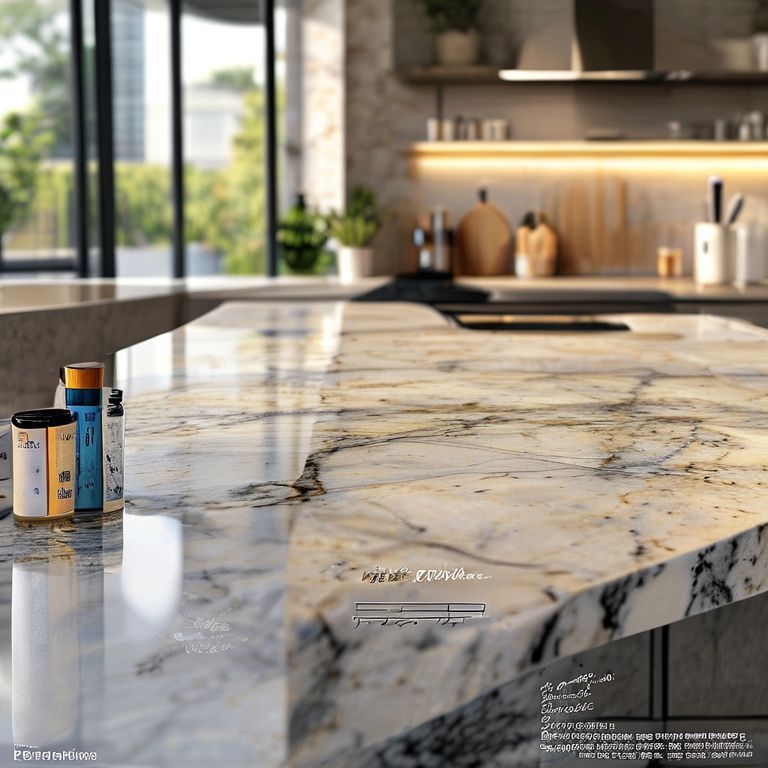
On the other hand, natural marble is a metamorphic rock formed from limestone through the process of recrystallization under high pressure and temperature. This natural process creates a unique and beautiful stone with intricate patterns and colors, each slab being a one-of-a-kind piece.
Quality and Aesthetic Appeal
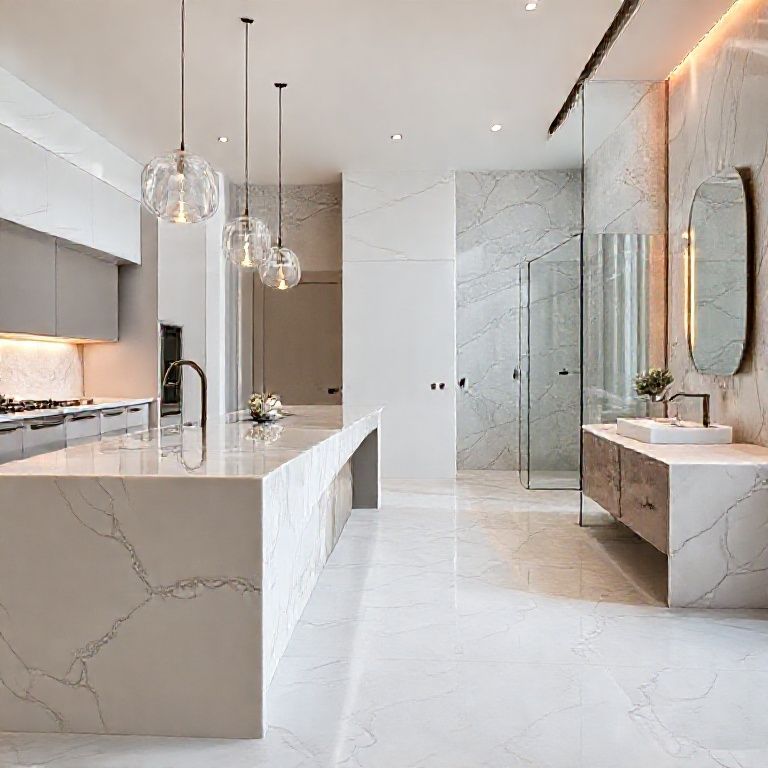
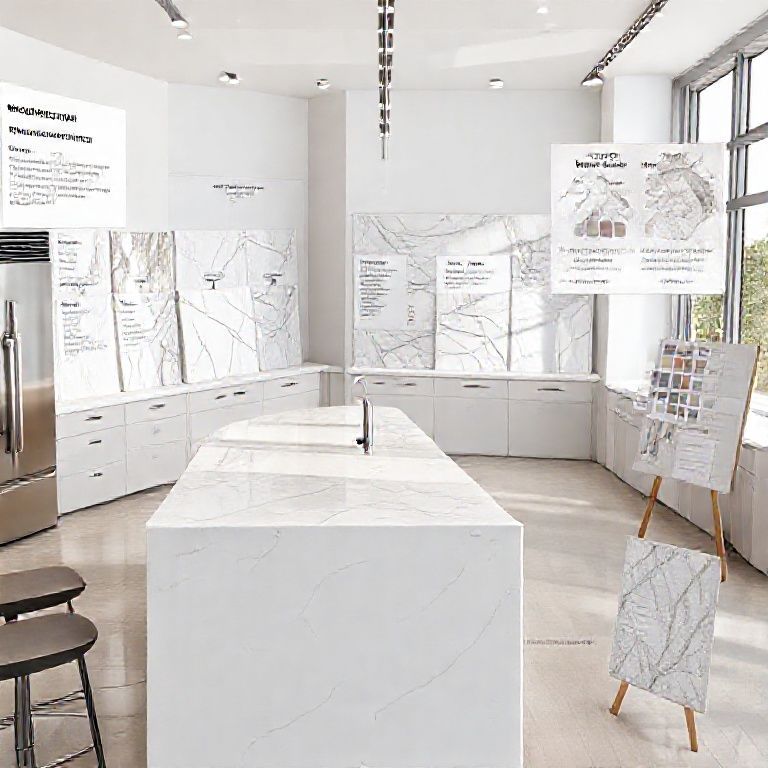
The aesthetic appeal of artificial marble can be tailored to resemble various types of natural marbles, making it a versatile choice for designers and homeowners alike. However, the quality of artificial marble depends heavily on the brand and the specific manufacturing process used. High-quality artificial marble can closely mimic the look of expensive natural marbles, often at a fraction of the cost.
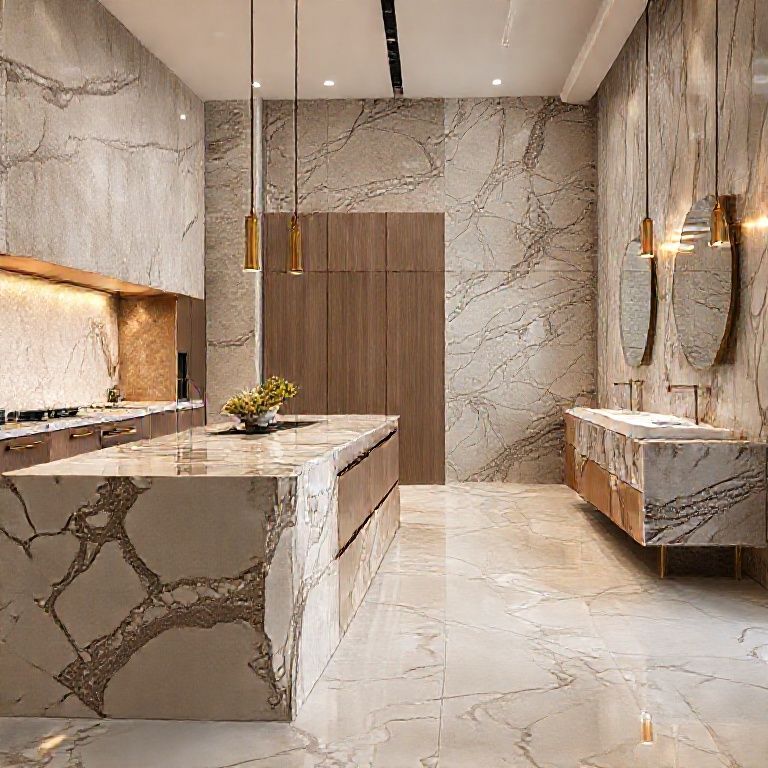
Natural marble, with its organic formation process, offers a level of uniqueness and authenticity that artificial marble cannot replicate. The beauty of natural marble lies in its inherent imperfections and the subtle variations in color and texture that make each piece unique. This individuality adds a sense of luxury and exclusivity, which often translates into a higher price tag.
Cost Factors
The price difference between artificial and natural marble is influenced by several factors. The primary factor is the material composition. Natural marble, being a genuine product of geological processes, involves significant natural resources and labor in its extraction and processing. This leads to a higher production cost compared to artificial marble, which involves industrial processes and synthetic materials.
Another critical factor is the level of craftsmanship required. Natural marble requires skilled artisans to cut and shape the stone, which adds to the overall cost. Artificial marble, while still requiring skilled labor, often involves less intricate work due to its more uniform structure and the ability to mold it into various shapes and sizes more easily.
Durability
Durability is another crucial aspect that influences the price difference. Artificial marble, despite being a composite material, offers superior durability compared to natural marble. It is less porous, making it more resistant to staining and easier to maintain. This longevity often justifies its higher upfront cost, as it requires less frequent replacement.
Natural marble, while beautiful, is more prone to staining, etching, and cracking, especially when subjected to acidic substances. This natural vulnerability necessitates regular maintenance and sometimes the use of sealants to prolong its lifespan, which can add to the overall cost over time.
Environmental Impact
The environmental impact of marble production is also a significant consideration. The extraction and processing of natural marble involve substantial environmental footprints, including land disruption and the use of heavy machinery, which can lead to habitat destruction and pollution.
Artificial marble, while involving industrial processes, generally has a more controlled environmental impact. The production of artificial marble can be optimized to minimize waste and energy use, though the release of resin and other synthetic materials into the environment is a consideration.
Conclusion
Understanding the price difference between artificial and natural marble involves a complex interplay of material composition, quality, durability, craftsmanship, and environmental impact. While natural marble offers a unique and authentic aesthetic that commands a higher price, artificial marble provides a practical, durable, and customizable alternative that often offers significant cost benefits. The choice between the two ultimately depends on your specific needs, budget, and preferences.
Practical Considerations and Long-term Value
Having explored the fundamental differences in composition and quality, let’s delve into the practical considerations and long-term value associated with artificial and natural marble.
Installation and Maintenance
Installation
The installation process for artificial and natural marble varies significantly. Artificial marble slabs can be installed using adhesive methods or by being laid directly onto a substrate. Given its homogeneous nature, artificial marble slabs can be cut to size on-site, offering a more straightforward installation process. Additionally, its uniformity means that less finishing is required, leading to a quicker installation timeline.
Natural marble, on the other hand, requires careful cutting and shaping to achieve the desired design. This intricate process means that natural marble often necessitates professional installation to ensure precision and safety. The installation of natural marble also involves more labor-intensive tasks such as polishing and sealing to protect against staining and etching.
Maintenance
Artificial marble’s durability and low porosity make it easier to maintain. Regular cleaning with mild soap and water is typically sufficient to keep artificial marble looking pristine. It’s also resistant to scratches and stains, meaning it can withstand daily use without significant maintenance.
Natural marble, while beautiful, requires more rigorous maintenance. It is susceptible to staining and etching, especially from acidic substances like wine, coffee, and citrus juices. Regular cleaning with specialized marble cleaners and periodic sealing are necessary to maintain its appearance and longevity. The maintenance of natural marble can become an ongoing expense, particularly if high-quality products are used for sealing and cleaning.
Cost-Effectiveness
Initial Cost vs. Long-term Savings
The initial cost difference between artificial and natural marble is often significant, with natural marble typically costing more. However, when considering the long-term value, artificial marble often proves to be more cost-effective. The durability of artificial marble means it requires less frequent replacement, reducing the need for costly repairs or replacements over time.
Natural marble’s beauty comes with a price, both in terms of initial cost and ongoing maintenance. While the initial investment may seem higher, the need for regular sealing and cleaning can lead to additional costs. Moreover, natural marble slabs are prone to damage over time, which may necessitate replacement sooner than artificial marble.
Value Addition
Aesthetic Appeal
Artificial marble can offer a wide range of colors and patterns, closely mimicking the appearance of natural marbles. High-quality artificial marble can provide an almost identical look to natural marble at a fraction of the price, making it an attractive option for those looking to achieve a luxurious appearance without the high cost.
Natural marble, with its unique and organic patterns, offers an aesthetic that is inherently exclusive and timeless. The individuality of each piece adds a sense of authenticity and luxury that can significantly enhance the value of a space. This uniqueness often translates into higher resale value, making natural marble a wise investment for those looking to add long-term value to their property.
Investment Potential
The investment potential of marble varies depending on the type. Natural marble, due to its uniqueness and the labor-intensive process involved in its creation, tends to hold its value better over time. Collectors and those who appreciate the authenticity of natural materials often prefer natural marble, driving demand and potentially increasing its value.
Artificial marble, while offering a cost-effective alternative, may not hold its value as well over time due to its synthetic nature. However, its durability and low maintenance requirements make it a practical choice for long-term use in commercial and residential settings.
Market Trends
Popularity and Demand
The popularity of artificial and natural marble has shifted over time, influenced by trends in design and consumer preferences. In recent years, there has been a growing appreciation for sustainable and cost-effective materials, which has boosted the popularity of artificial marble. Many designers now favor artificial marble for its versatility, durability, and lower environmental impact.
Natural marble, while still in demand, is often sought after by those who prioritize authenticity and traditional aesthetics. The demand for natural marble remains strong in high-end markets where luxury and exclusivity are prized.
Future Outlook
The future of marble in the construction and design industry looks promising, with ongoing innovations in both artificial and natural marble. Advances in manufacturing technology are continually improving the quality and durability of artificial marble, making it an increasingly attractive option for both residential and commercial projects.
Natural marble continues to be a staple in luxury settings, with ongoing efforts to sustainably source and process the material. The balance between sustainability, cost, and aesthetic appeal will likely drive the future trends in the marble market, with both types of marble finding their niche in various applications.
Conclusion
The price difference between artificial and natural marble is influenced by a myriad of factors, including material composition, quality, durability, maintenance requirements, and long-term value. While natural marble offers a unique and authentic aesthetic that commands a higher price, artificial marble provides a practical, durable, and customizable alternative that often offers significant cost benefits.
When considering the practical aspects and long-term value, artificial marble often proves to be more cost-effective due to its durability and low maintenance requirements. However, the aesthetic appeal and authenticity of natural marble make it a wise investment for those looking to add long-term value to their property.
Ultimately, the choice between artificial and natural marble depends on your specific needs, budget, and preferences. By understanding the practical considerations and long-term value associated with each type, you can make an informed decision that best suits your renovation project and enhances the beauty of your space.