Part 1
The Price Difference Between Natural and Artificial Marble: Unveiling the Costs
In the world of high-end interior design and luxury construction, marble stands out as a quintessential material. Its timeless beauty and durability make it a popular choice for countertops, flooring, and decorative elements. However, when it comes to selecting marble, a crucial decision arises: should you opt for natural marble or artificial marble? The question “天然大理石和人造大理石价格差多少” frequently surfaces, and understanding the price difference between these two types of marble can be pivotal in making an informed decision.

Understanding Natural Marble
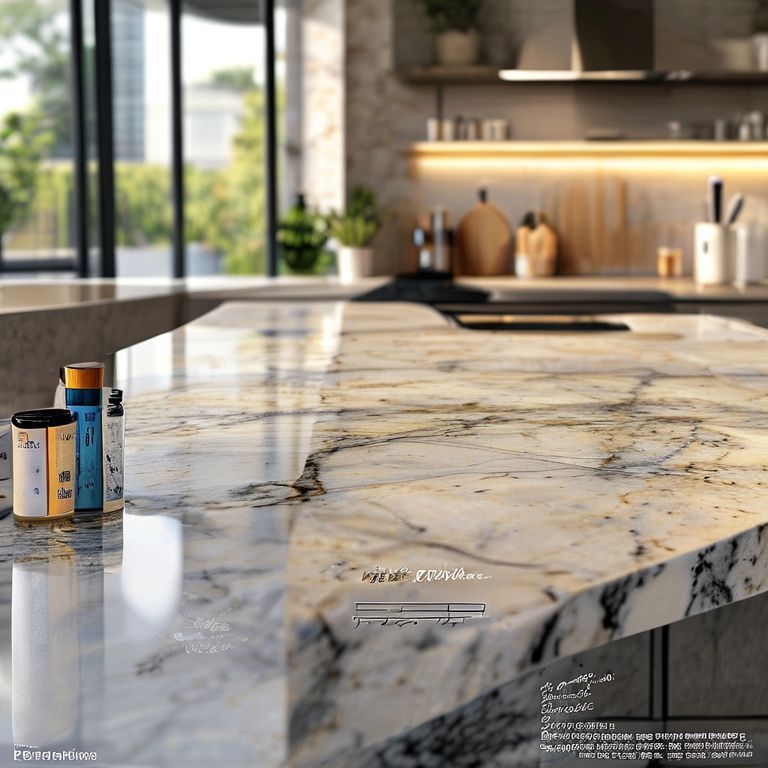
Natural marble is a metamorphic rock formed through the intense pressure and heat that transforms limestone. This process results in the stunning, veined patterns that are so characteristic of natural marble. The natural beauty of marble comes from its unique formation, which creates an irreplaceable aesthetic that is hard to replicate.
However, natural marble is not without its challenges. The cost of natural marble is significantly influenced by its rarity and the specific geological formations that produce the most sought-after varieties. Marbles such as Carrara, Bianco, and Emperador are highly prized and command premium prices due to their exquisite patterns and color variations. Additionally, the extraction process for natural marble is labor-intensive and expensive, adding to the overall cost.
Understanding Artificial Marble
Artificial marble, on the other hand, is a composite material made from a mixture of minerals, bonding agents, and pigments. This man-made material is designed to mimic the appearance of natural marble while offering a more cost-effective and durable alternative.
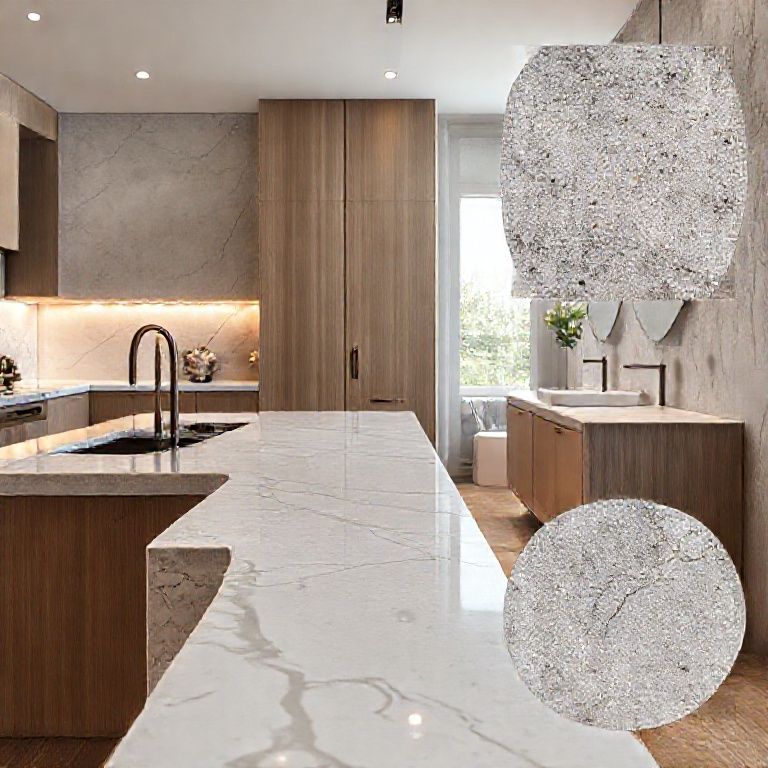
Artificial marble is manufactured in a controlled environment, allowing designers to create a wide range of colors and patterns that can closely resemble natural marble. The production process is less labor-intensive, which contributes to its lower cost. Moreover, artificial marble is highly resistant to stains, scratches, and thermal damage, making it a practical choice for high-traffic areas.
Factors Influencing the Price Difference
Several factors contribute to the price difference between natural and artificial marble:
Material Quality and Rarity: Natural marbles are often rare and sourced from specific regions, which drives up their cost. In contrast, artificial marble can be produced in large quantities, reducing its price.
Production Process: The extraction and processing of natural marble are more labor-intensive and costly compared to the manufacturing of artificial marble, which uses synthetic materials and advanced technology.
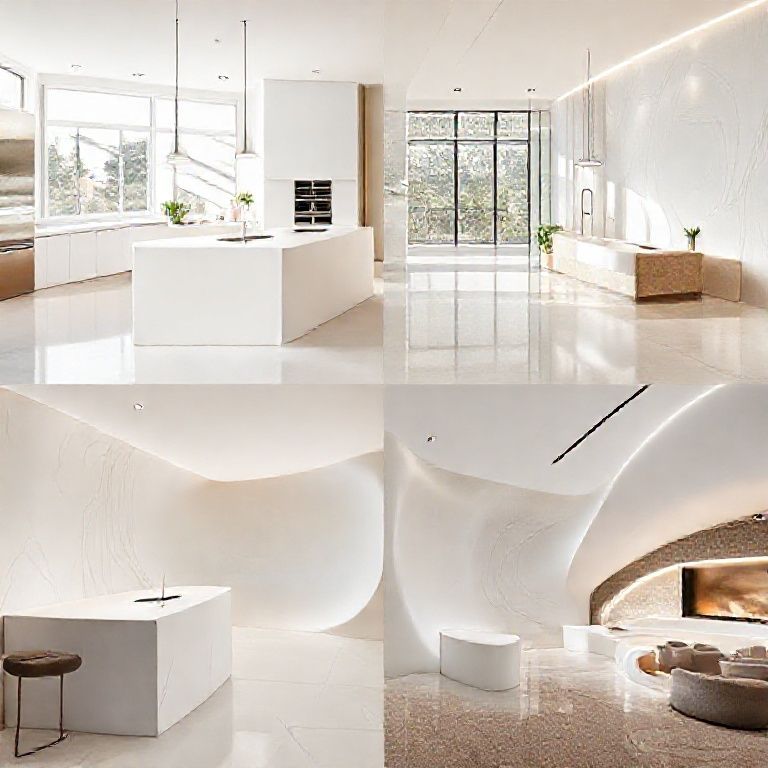
Aesthetic Appeal: Natural marble is renowned for its unique and natural beauty, which is highly valued in high-end design. Artificial marble, while it can mimic this appearance, is not as varied in its natural patterns and may not appeal to those seeking authenticity.
Durability and Maintenance: Natural marble requires more maintenance and can be prone to staining and damage. Artificial marble, however, offers superior durability and low maintenance, which can translate into long-term savings.
Market Trends: The demand for luxury and unique materials also influences the pricing of natural marble. As demand increases, so do the prices, making artificial marble an increasingly attractive option.
Conclusion
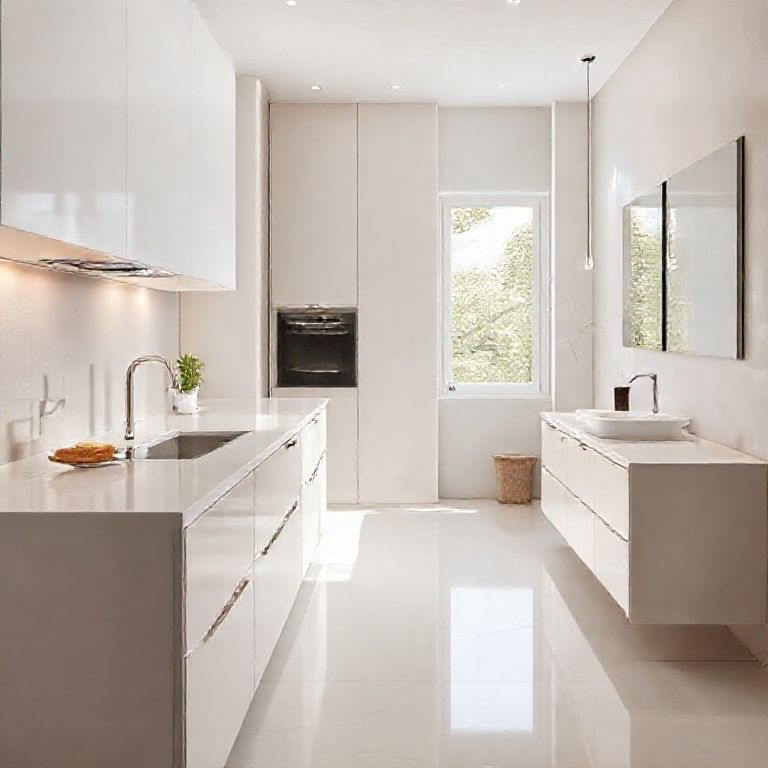
In summary, the price difference between natural and artificial marble is significant, driven by factors such as material quality, production processes, aesthetic appeal, durability, and market trends. Natural marble’s unique and irreplaceable beauty commands a higher price, while artificial marble’s durability and lower cost make it an appealing alternative. Understanding these differences can help you make an informed choice that aligns with your budget and design preferences.
Part 2
The Price Difference Between Natural and Artificial Marble: Exploring Long-Term Value and Aesthetic Appeal
In our previous section, we delved into the immediate price difference between natural and artificial marble. Now, let’s explore the long-term value and aesthetic appeal that each type of marble offers, providing a more comprehensive understanding of why the question “天然大理石和人造大理石价格差多少” is so pertinent.
Long-Term Value: Durability and Maintenance
When considering the long-term value of natural versus artificial marble, durability and maintenance become crucial factors. Natural marble, while aesthetically stunning, can be prone to staining, scratching, and thermal damage. These issues often require professional cleaning and restoration services, which can be costly over time.
On the other hand, artificial marble is engineered to be highly durable and resistant to stains, scratches, and thermal damage. This durability translates to a longer lifespan and less frequent maintenance, making it a more economical choice in the long run. Artificial marble’s resistance to damage means that it requires less frequent professional intervention, thereby reducing maintenance costs and offering better value over time.
Aesthetic Appeal: Unique Patterns vs. Versatile Designs
Natural marble is celebrated for its unique and natural beauty, with each piece featuring a one-of-a-kind pattern that cannot be replicated. This uniqueness adds a sense of authenticity and luxury that many buyers seek. The natural veins and colors found in natural marble can create a warm and inviting atmosphere, making it a popular choice for high-end homes and commercial spaces.
Artificial marble, while it can mimic the appearance of natural marble with astonishing precision, offers a broader range of colors and patterns. The versatility of artificial marble allows designers to create custom designs and colors that can match specific aesthetic goals. While artificial marble may lack the unique, natural beauty of natural marble, its ability to replicate and even surpass the visual appeal of natural marble makes it a compelling option for many.
Installation and Versatility
The installation process also plays a role in the overall value of natural versus artificial marble. Natural marble is heavier and often requires specialized equipment for cutting and installation. This added complexity can increase labor costs, making the overall project more expensive.
Artificial marble, being lighter and more manageable, can often be cut and installed more easily, reducing labor costs. Additionally, artificial marble can be used in a wider range of applications, from countertops and flooring to wall cladding and decorative elements. Its versatility makes it suitable for both traditional and modern design styles, offering more flexibility in project planning and execution.
Environmental and Ethical Considerations
Another important aspect to consider is the environmental and ethical implications of each type of marble. Natural marble mining can have significant environmental impacts, including habitat disruption and the use of large amounts of water and energy. The extraction process also raises ethical concerns regarding the impact on local communities and ecosystems.
Artificial marble, while it involves the use of synthetic materials, often has a lower environmental impact compared to natural marble mining. The production of artificial marble can be designed to minimize waste and energy consumption, making it a more sustainable option. Additionally, the use of artificial marble can support the reduction of pressure on natural marble resources, helping to preserve these valuable geological formations.
Conclusion
In conclusion, the price difference between natural and artificial marble is influenced by a multitude of factors, including durability, maintenance, aesthetic appeal, installation ease, and environmental impact. While natural marble offers a unique and authentic beauty that commands a higher price, artificial marble provides a durable, versatile, and often more sustainable alternative. Understanding these long-term value and aesthetic considerations can help you make a well-informed decision that aligns with your budget, design preferences, and values.
By weighing these factors, you can determine which type of marble best meets your needs and enhances the beauty and longevity of your space. Whether you choose the timeless elegance of natural marble or the modern practicality of artificial marble, both options offer unique advantages that can elevate your interior design project.