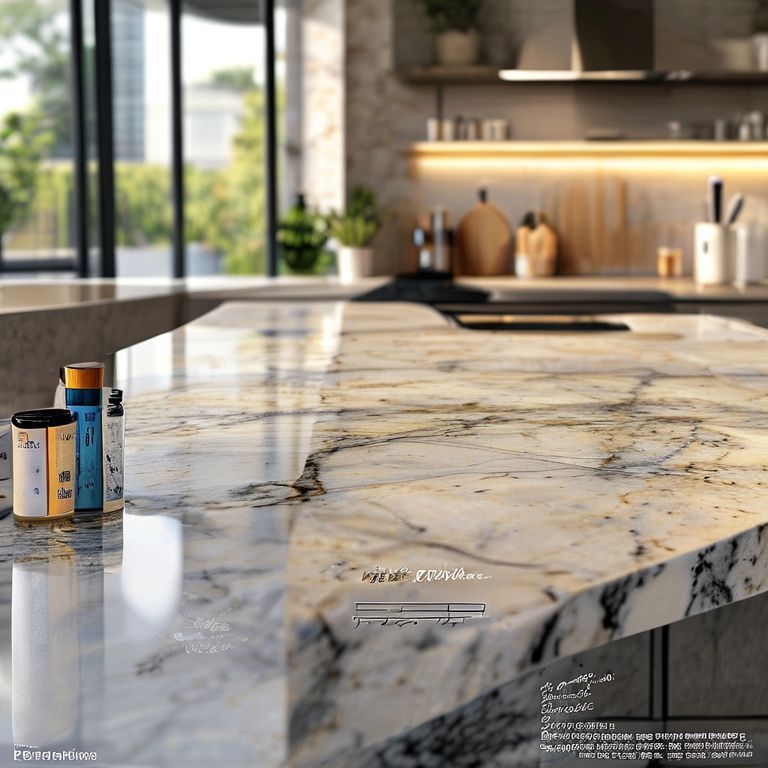
The Quality and Advantages of Artificial Marble: A Comprehensive Guide
Artificial marble, often referred to as artificial stone, has revolutionized the world of interior design and construction. Known for its stunning aesthetic appeal, durability, and versatility, artificial marble is fast becoming the preferred choice for both residential and commercial spaces. In this first part of our comprehensive guide, we delve into the superior quality of artificial marble and its numerous advantages.

Superior Quality of Artificial Marble
When it comes to quality, artificial marble stands out for several reasons. Unlike natural marble, which can vary significantly in color and texture from one piece to another, artificial marble offers a consistent and uniform product. This uniformity ensures that every piece meets the highest standards of quality, providing a flawless finish that is both beautiful and reliable.
One of the primary components of artificial marble is a composite material made from fine quartz powder, resin, and pigments. This combination results in a material that is not only visually striking but also incredibly robust. The high-pressure sintering process used in manufacturing artificial marble ensures that it is extremely dense, making it resistant to scratches, chips, and stains. This makes it an excellent choice for high-traffic areas where durability is paramount.
Durability and Longevity
Artificial marble is renowned for its exceptional durability. It is resistant to thermal shock, meaning it can handle extreme temperature changes without cracking or breaking. This makes it ideal for use in kitchens and bathrooms, where hot water and steam are common. Unlike natural marble, artificial marble does not suffer from etching, scaling, or discoloration caused by acidic substances. This longevity is not only a testament to its quality but also to its cost-effectiveness over time.
Environmental Benefits
In today’s eco-conscious world, the environmental impact of materials is a crucial consideration. Artificial marble offers significant environmental benefits. It is made from natural quartz, which is abundant and easily mined, thus reducing the need for quarrying natural marble. This reduces the environmental footprint associated with the extraction and transportation of natural stone. Additionally, the manufacturing process for artificial marble is more controlled and less polluting compared to the processes used in natural stone extraction and processing.
Versatility and Design Flexibility
One of the most compelling advantages of artificial marble is its versatility. It can be molded into any shape or form, offering designers and architects endless possibilities for creativity. Whether it’s countertops, sinks, tables, or even entire walls, artificial marble can be customized to fit any design vision. The variety of colors and finishes available means that it can seamlessly blend with various architectural styles, from modern to traditional.
Cost-Effectiveness
While the initial cost of artificial marble may be higher than some other materials, its long-term cost benefits make it a wise investment. The durability and low maintenance requirements mean that artificial marble requires minimal upkeep and has a longer lifespan compared to natural stone. This translates into significant savings over time, making it a cost-effective choice for both residential and commercial projects.
Safety and Health Benefits
Artificial marble is also a safer choice compared to natural marble. It does not contain hazardous substances like asbestos, which can sometimes be found in other stone materials. Additionally, artificial marble is free from bacteria and mold, making it a hygienic option for kitchens and bathrooms where cleanliness is paramount. This makes it an excellent choice for health-conscious consumers.
Conclusion
In conclusion, the quality and advantages of artificial marble make it a standout choice for a wide range of applications. Its superior quality, durability, environmental benefits, versatility, cost-effectiveness, and safety make it an ideal material for modern homes and commercial spaces. In the next part of our guide, we will delve deeper into the specific applications of artificial marble and provide maintenance tips to ensure its longevity and beauty.
The Applications and Maintenance of Artificial Marble: Ensuring Longevity and Beauty
In this second part of our comprehensive guide, we explore the various applications of artificial marble and provide essential maintenance tips to ensure its longevity and beauty. Artificial marble, with its unique properties, is used in countless settings, from kitchen countertops to intricate architectural designs. Let’s delve deeper into its applications and learn how to keep it looking its best.
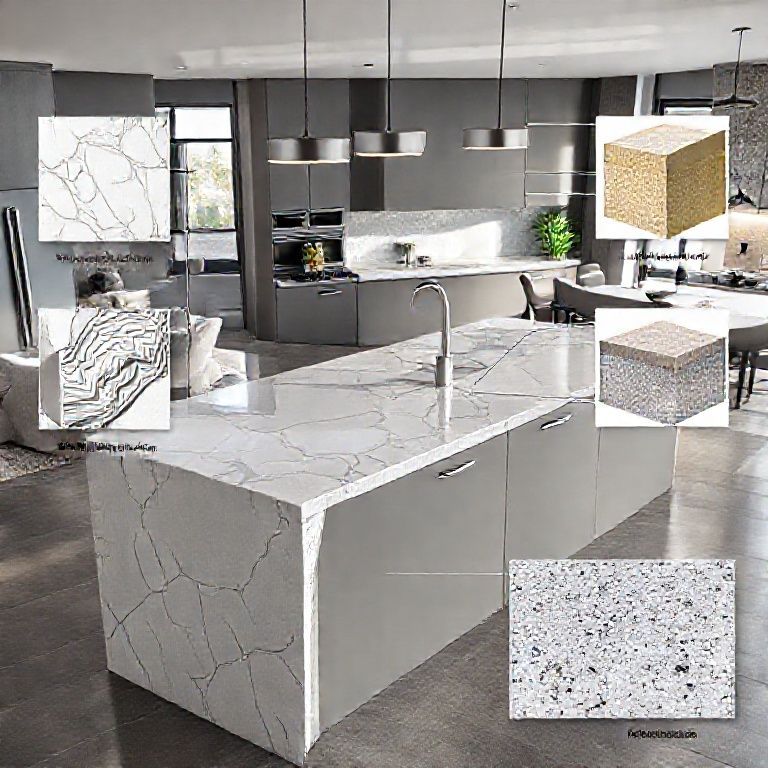
Applications of Artificial Marble
1. Kitchen Countertops
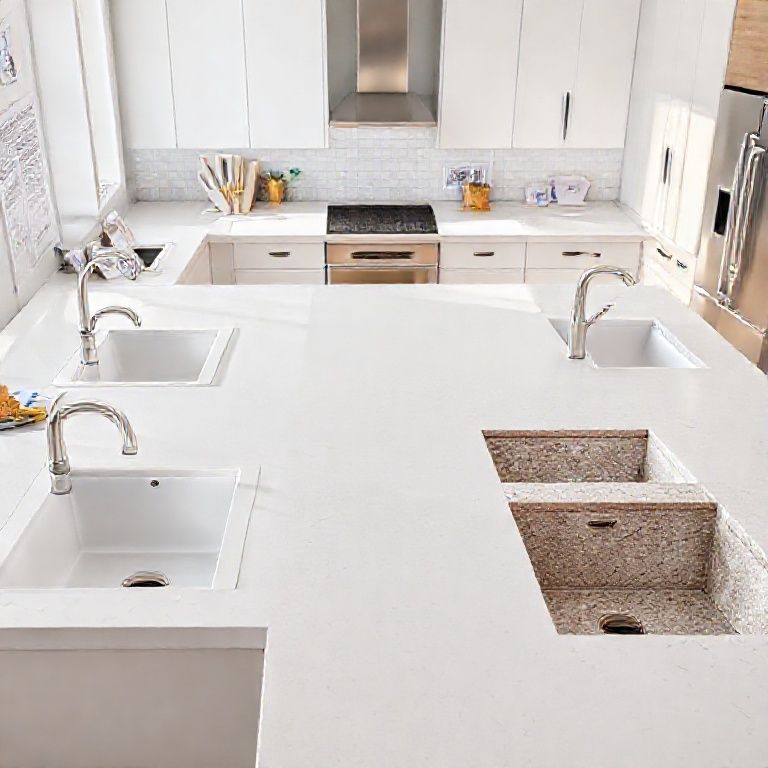
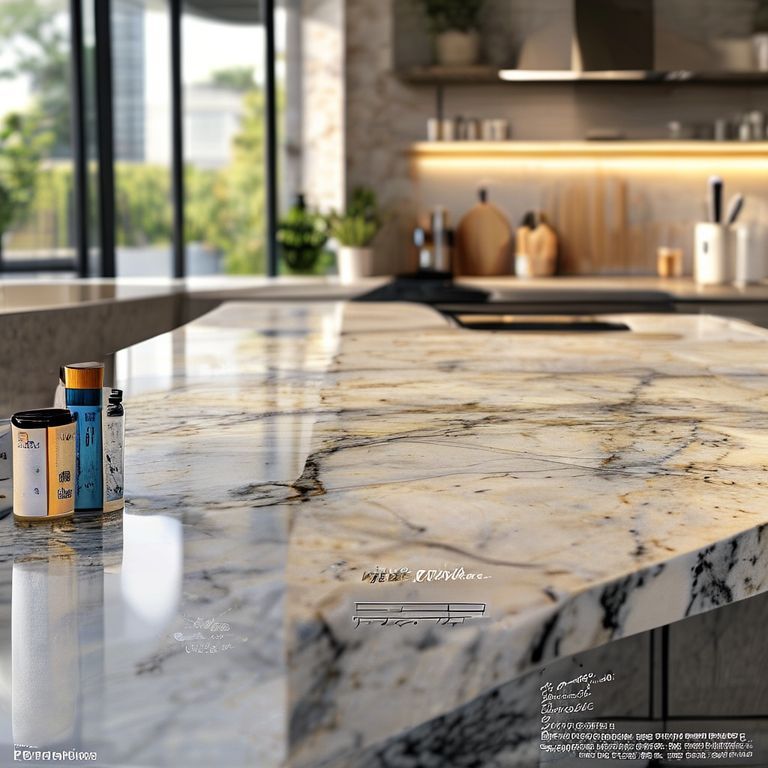
Artificial marble is a popular choice for kitchen countertops due to its durability and aesthetic appeal. The resistance to stains, scratches, and heat makes it an ideal material for high-traffic areas like kitchens. Whether you prefer a sleek, modern look or a classic, traditional design, artificial marble offers a wide range of finishes to match any style. Its easy maintenance makes it a practical choice for busy households.
2. Bathrooms
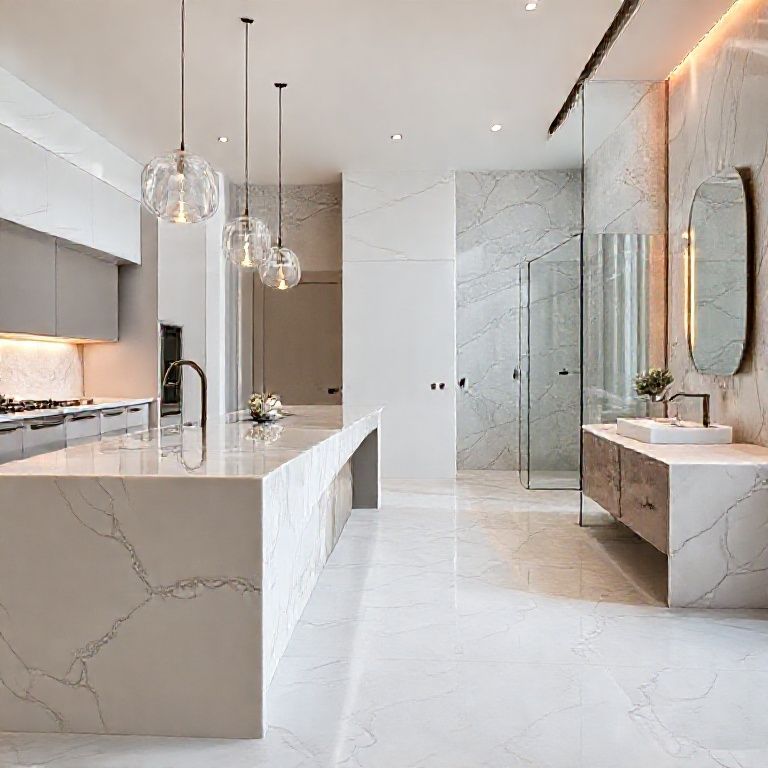
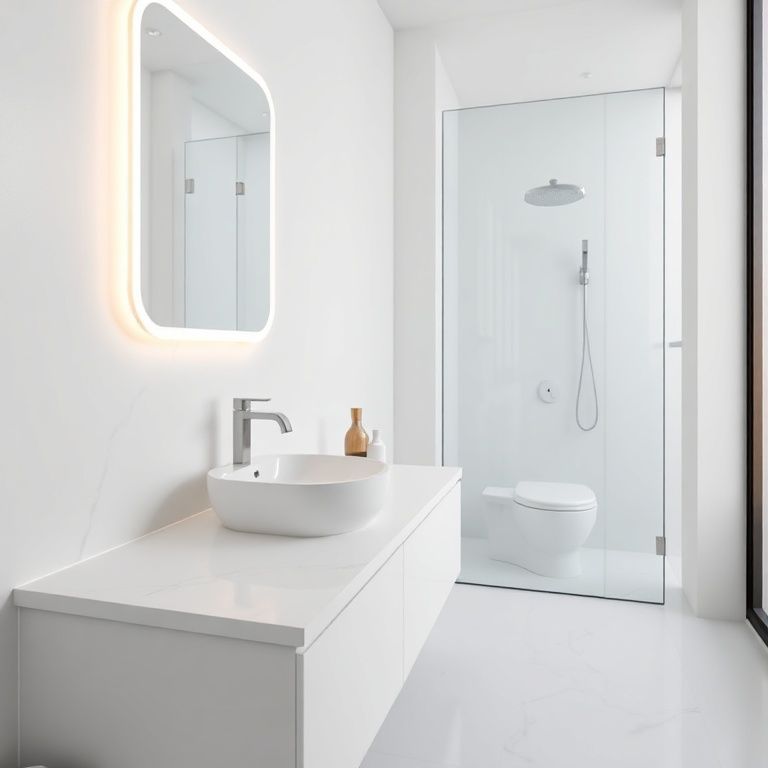
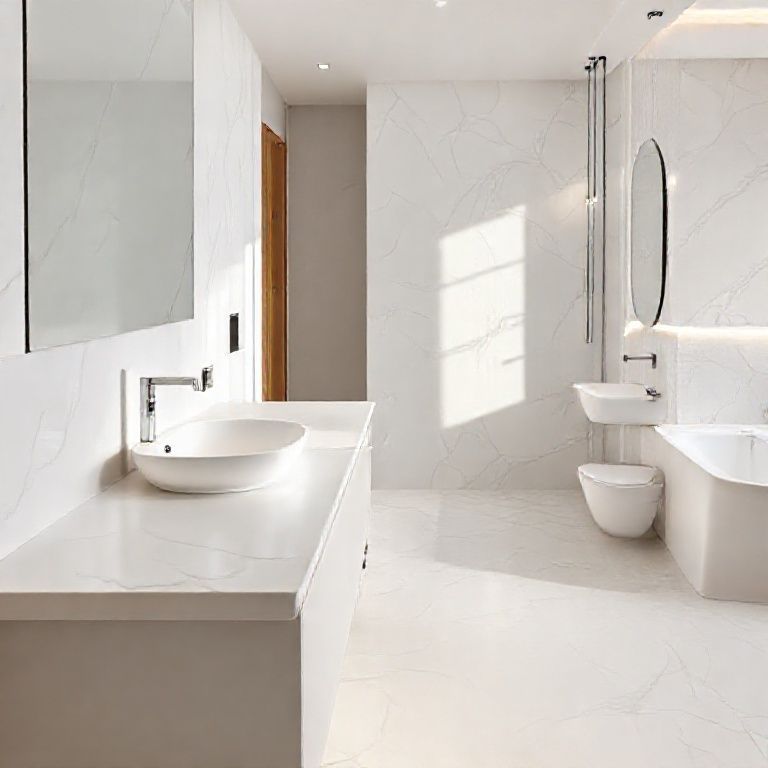
Bathrooms benefit greatly from the use of artificial marble. Its resistance to moisture and mold makes it perfect for sinks, vanities, and showers. The ability to withstand hot water and steam ensures that artificial marble remains in pristine condition, even in areas exposed to frequent water usage. Additionally, its non-porous surface means that it does not harbor bacteria, making it a hygienic option for bathroom surfaces.
3. Kitchen Islands and Bar Tops
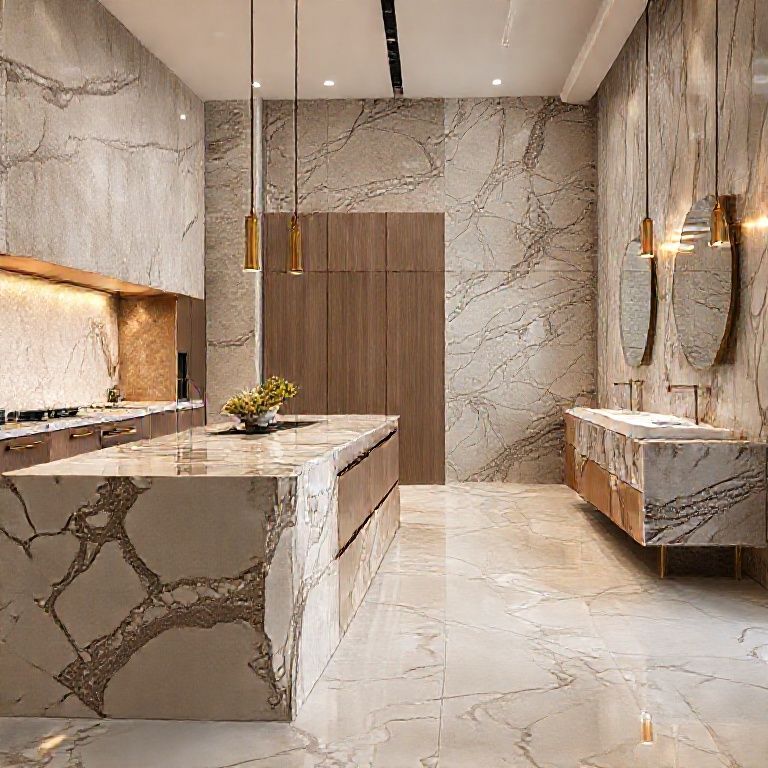
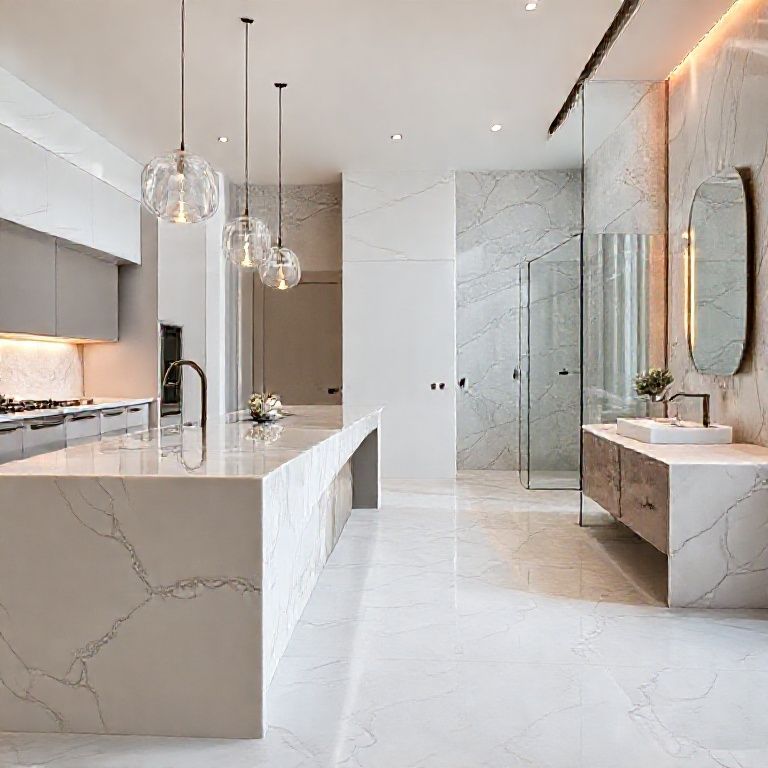
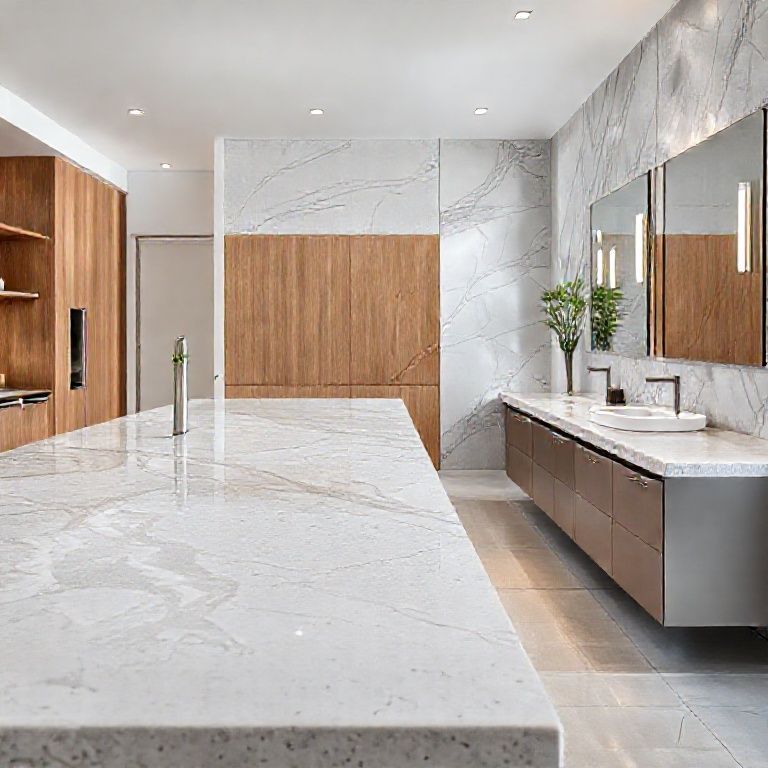
Artificial marble’s robustness and versatility make it an excellent choice for kitchen islands and bar tops. It can be sculpted into intricate designs and shaped to fit any space, providing a stunning focal point in the kitchen. Its durability ensures that it can withstand the constant use and abuse associated with these high-traffic areas.
4. Wall Cladding and Architectural Features
In commercial spaces, artificial marble is often used for wall cladding and architectural features. Its ability to be molded into complex shapes and forms allows for creative and unique designs. Whether it’s a decorative wall, a feature fireplace, or a façade element, artificial marble can add a touch of elegance and sophistication to any space.
5. Furniture
Artificial marble is also used in the creation of furniture, including dining tables, cabinets, and shelving units. Its durability and resistance to wear and tear make it a practical choice for furniture that sees frequent use. The variety of colors and finishes available means that it can be tailored to complement any interior design.
Maintenance Tips for Artificial Marble
1. Regular Cleaning
To maintain the beauty and longevity of artificial marble, regular cleaning is essential. Use a soft, damp cloth and a mild, non-abrasive cleaner to wipe down surfaces regularly. Avoid using harsh chemicals or cleaning agents that can damage the surface. For tougher stains, a gentle abrasive cleaner can be used, but always test it on a small, inconspicuous area first to ensure it does not damage the material.
2. Avoiding Sharp Objects
To prevent scratches and chips, avoid using sharp objects on artificial marble surfaces. Utensils, cutting boards, and other sharp items can easily scratch the surface. Instead, use non-abrasive tools and pads to handle food and other materials.
3. Immediate Stain Treatment
Stains should be treated immediately to prevent them from setting into the material. Blot any spills gently with a soft cloth and apply a suitable cleaner as soon as possible. For tougher stains, consider using a specialized marble cleaner that is safe for artificial marble.
4. Regular Inspection
Regularly inspect artificial marble surfaces for any signs of damage or wear. Pay attention to areas that may be more prone to wear, such as edges and corners. Promptly address any minor scratches or chips to prevent them from becoming larger issues.
5. Proper Storage
When not in use, store cutting boards and other items that come into contact with artificial marble surfaces in a safe place to avoid potential scratches and damage.
6. Professional Maintenance
For high-traffic areas or commercial spaces, consider hiring a professional to perform regular maintenance. Professionals have the expertise and tools to ensure that artificial marble surfaces remain in pristine condition.
Conclusion
Artificial marble offers a myriad of applications and benefits that make it a top choice for both residential and commercial spaces. Its versatility, durability, and ease of maintenance ensure that it can withstand the demands of everyday use while maintaining its aesthetic appeal. By following proper maintenance tips, you can extend the life and beauty of artificial marble, making it a wise and rewarding choice for your next project.
In summary, the quality and advantages of artificial marble make it a superior alternative to natural marble in many applications. Its environmental benefits, versatility, and cost-effectiveness further enhance its appeal. With proper care and maintenance, artificial marble can provide a stunning and durable solution for any space, ensuring that it remains a beautiful and functional feature for years to come.