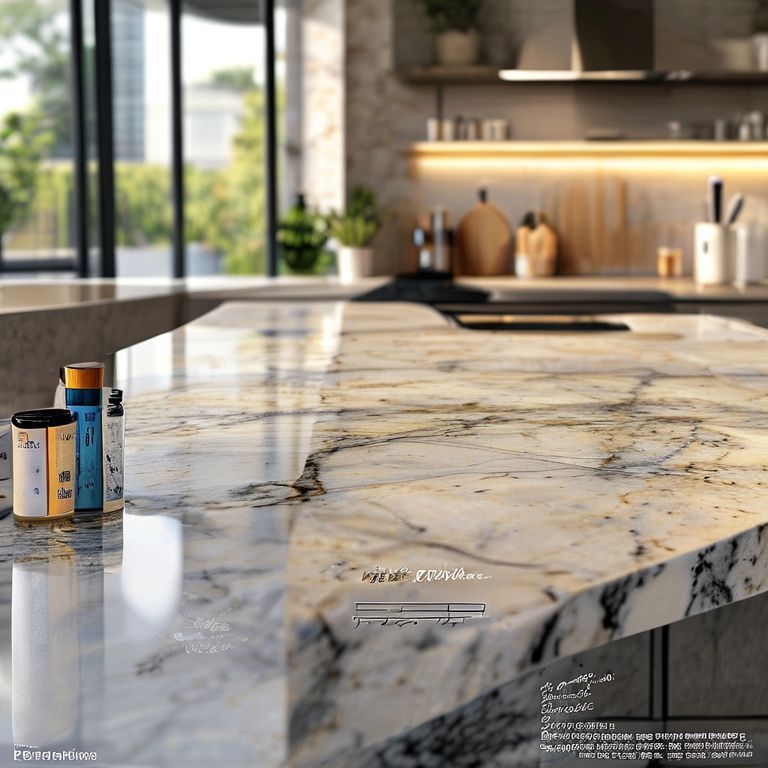
The Quality of Artificial Marble: Unveiling the Truth Behind Synthetic Stone
Artificial marble, often referred to as synthetic stone, has gained significant traction in recent years as a popular alternative to natural marble. As people become more environmentally conscious and seek cost-effective solutions, understanding the quality of artificial marble becomes essential. In this first part, we will explore the quality of artificial marble, its production process, and the advantages it offers.

Understanding Artificial Marble Quality
Artificial marble, despite its name, is not an inferior version of natural marble. It is a composite material crafted to mimic the appearance and texture of natural stone. Typically composed of a combination of quartz, resin, and pigments, this material is engineered to offer a durable and visually stunning surface. The quality of artificial marble hinges on the precision of its production process.
The Production Process
The production of artificial marble involves several key steps that contribute to its quality:
Material Selection: High-quality raw materials, primarily quartz and resin, are chosen for their strength and aesthetic appeal. The pigments used to create the desired color are also critical to achieving the realistic marble effect.
Mixing and Molding: The raw materials are meticulously mixed and then poured into molds to form the desired shapes. This process requires precision to ensure an even distribution of the components, which directly impacts the final product’s quality.
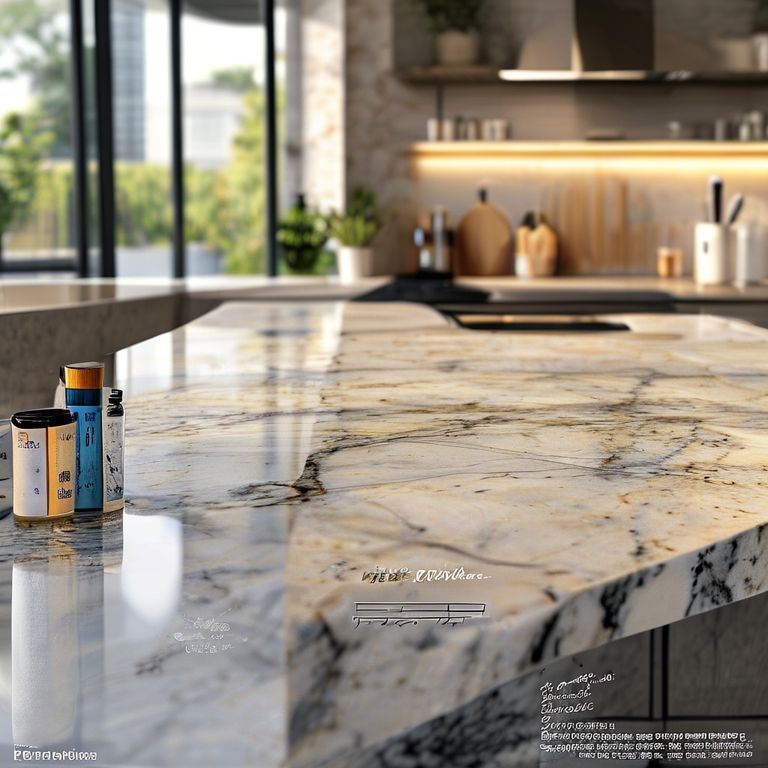
Curing and Finishing: After molding, the material undergoes a curing process that solidifies the resin, binding the quartz particles together. This step is crucial for achieving the desired hardness and durability. Finally, a finishing process is applied to create a smooth surface and enhance the stone’s appearance.
Advantages of Artificial Marble
Artificial marble offers several advantages that contribute to its high quality and growing popularity:
Durability: One of the standout features of artificial marble is its exceptional durability. Unlike natural marble, which is prone to staining, scratching, and chipping, artificial marble is resistant to these issues. Its high-density composition ensures that it can withstand daily wear and tear without significant damage.
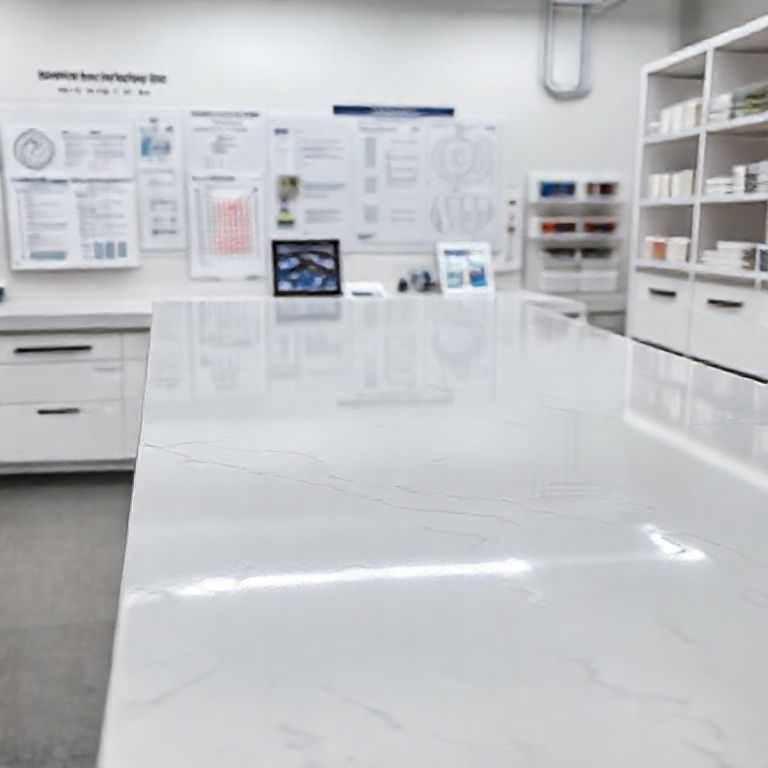
Maintenance-Free: Artificial marble is a low-maintenance material, requiring minimal upkeep. It does not require sealing or frequent cleaning, making it ideal for high-traffic areas where natural stone might not be practical.
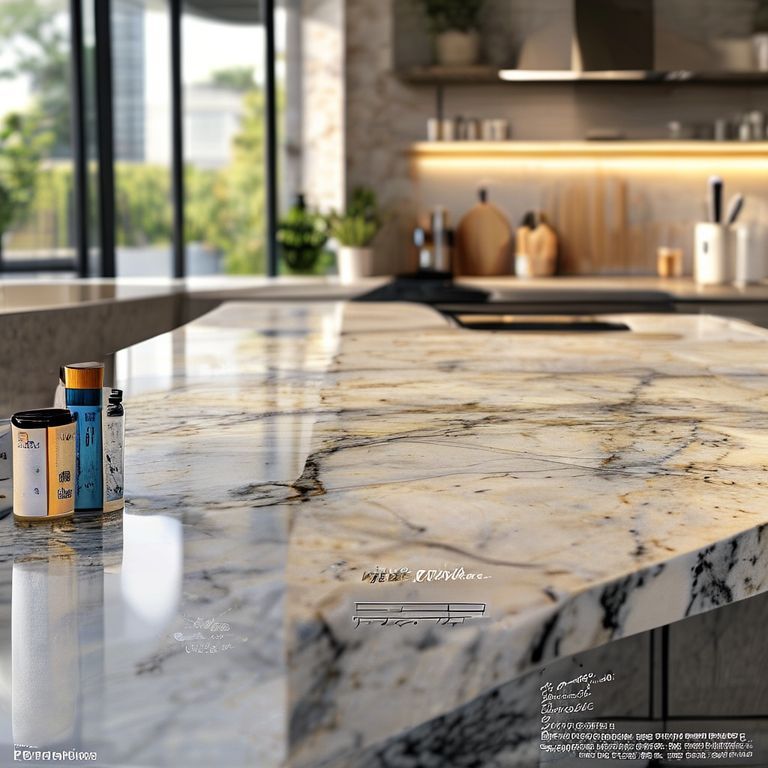
Aesthetic Appeal: The manufacturing process allows for an incredible range of colors and textures, making artificial marble versatile and suitable for various design applications. Its aesthetic appeal is often comparable to or even surpasses that of natural marble.
Cost-Effectiveness: While the initial cost of artificial marble might be higher than some other materials, its longevity and low maintenance costs make it a cost-effective option in the long run.
Common Concerns and Misconceptions
Despite its many benefits, some misconceptions about the quality of artificial marble persist. Addressing these concerns is crucial to understanding its true value:
Authenticity: Some people believe that artificial marble lacks the authenticity of natural stone. However, advancements in manufacturing technology have led to highly realistic finishes that can easily fool the untrained eye.
Environmental Impact: There is often concern about the environmental impact of producing artificial marble. However, it generally requires fewer natural resources and produces less waste compared to the quarrying and processing of natural marble.
Installation and Compatibility: Concerns about the installation of artificial marble and its compatibility with various systems are common. However, with proper installation techniques, artificial marble can be seamlessly integrated into most projects.
The Quality of Artificial Marble: Unveiling the Truth Behind Synthetic Stone (Part 2)
In the second part of our exploration, we will delve deeper into the quality aspects of artificial marble. We will discuss its applications, performance in different environments, and expert opinions on its long-term durability and aesthetic longevity.
Applications of Artificial Marble
Artificial marble’s versatility makes it suitable for a wide range of applications:
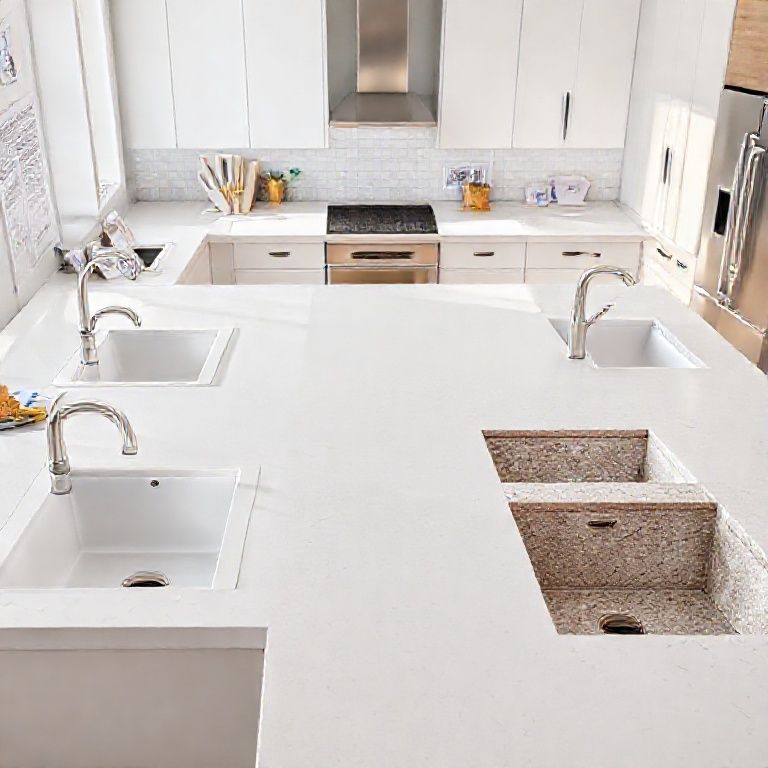
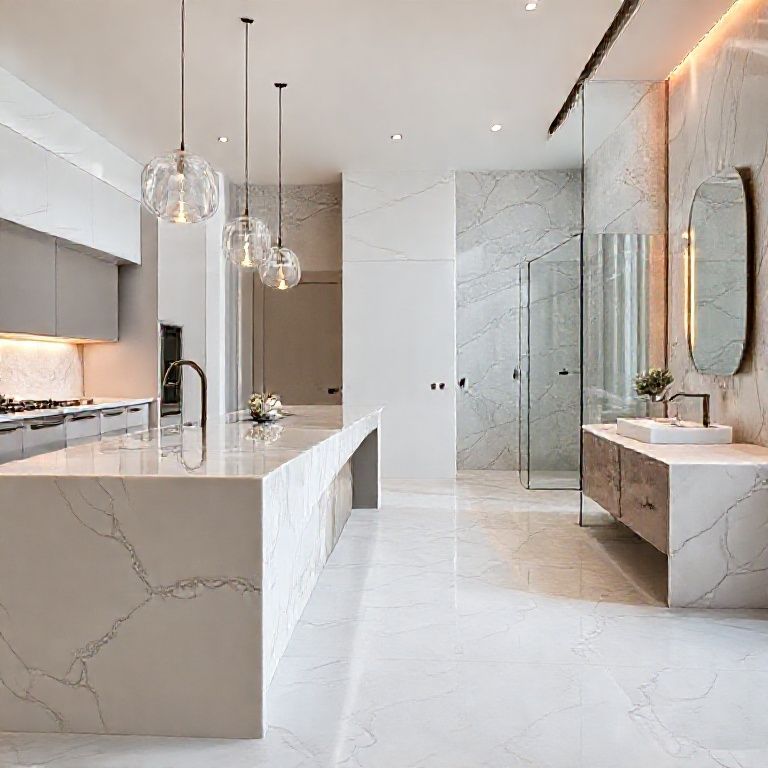
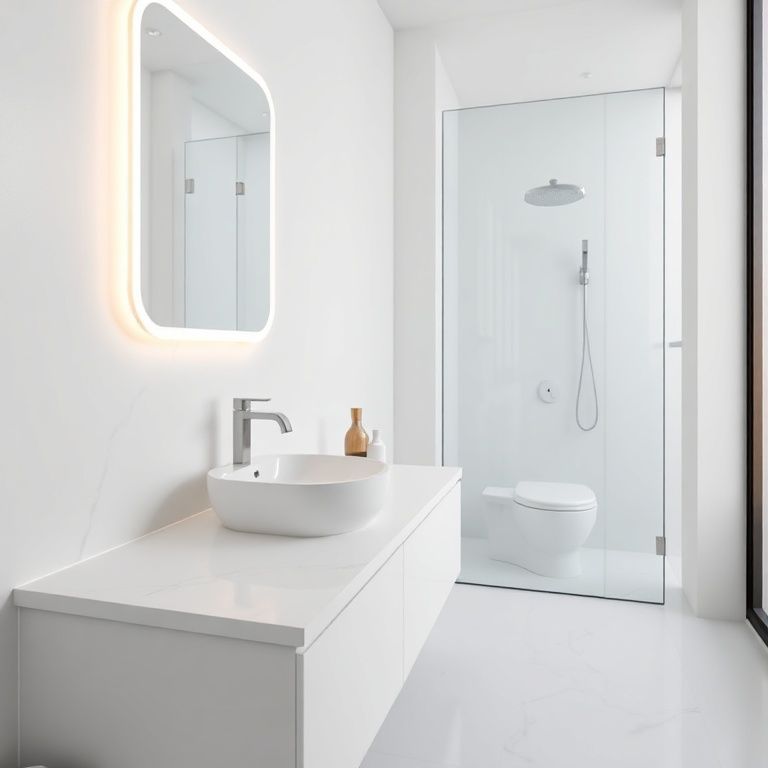
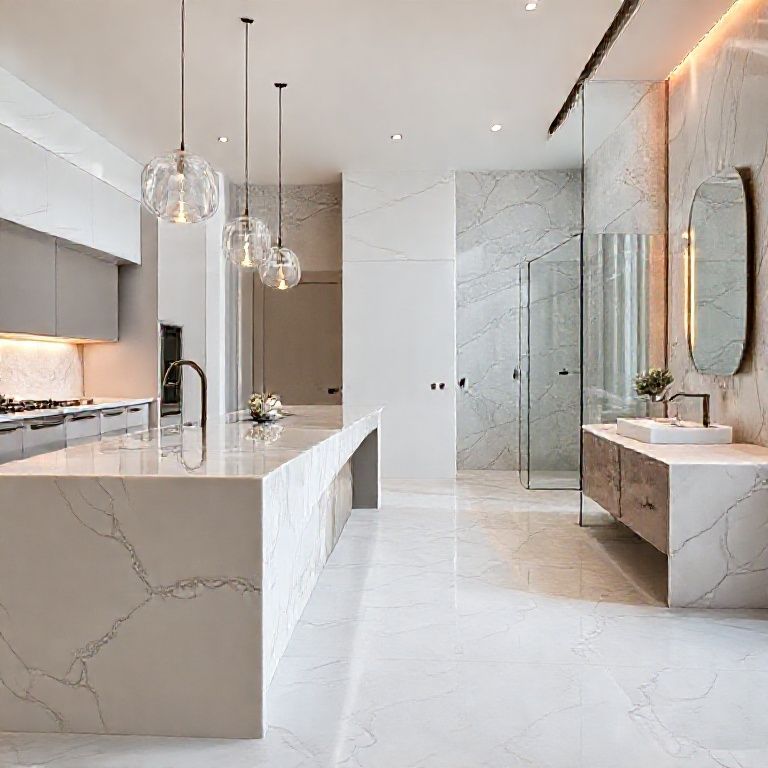
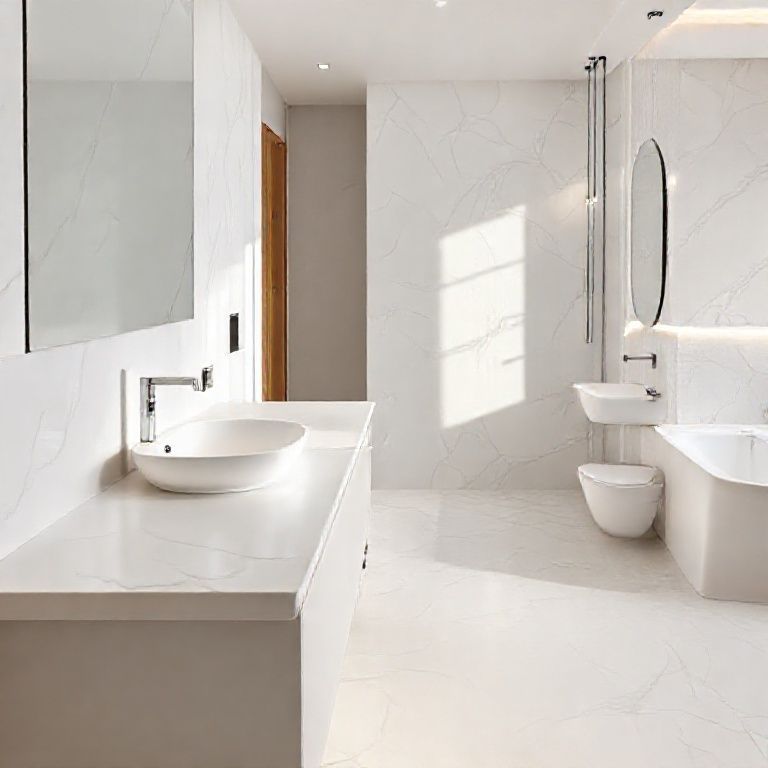
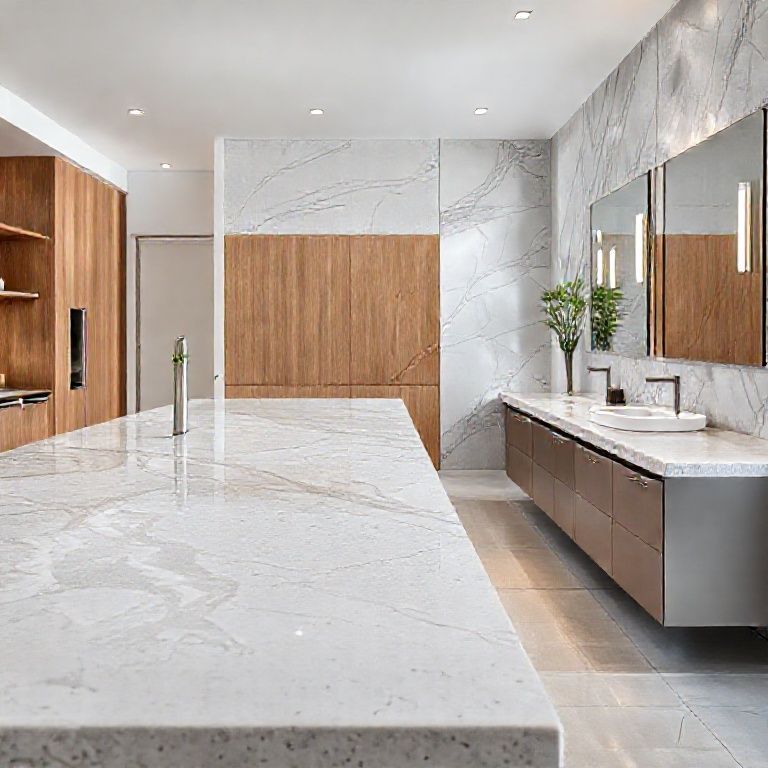
Countertops: One of the most popular uses of artificial marble is for kitchen and bathroom countertops. Its durability and resistance to stains make it an excellent choice for high-traffic areas where natural stone might wear out quickly.
Furniture: Artificial marble is often used in the creation of furniture such as tables, cabinets, and desks. Its aesthetic appeal and durability make it a popular choice among designers and manufacturers.
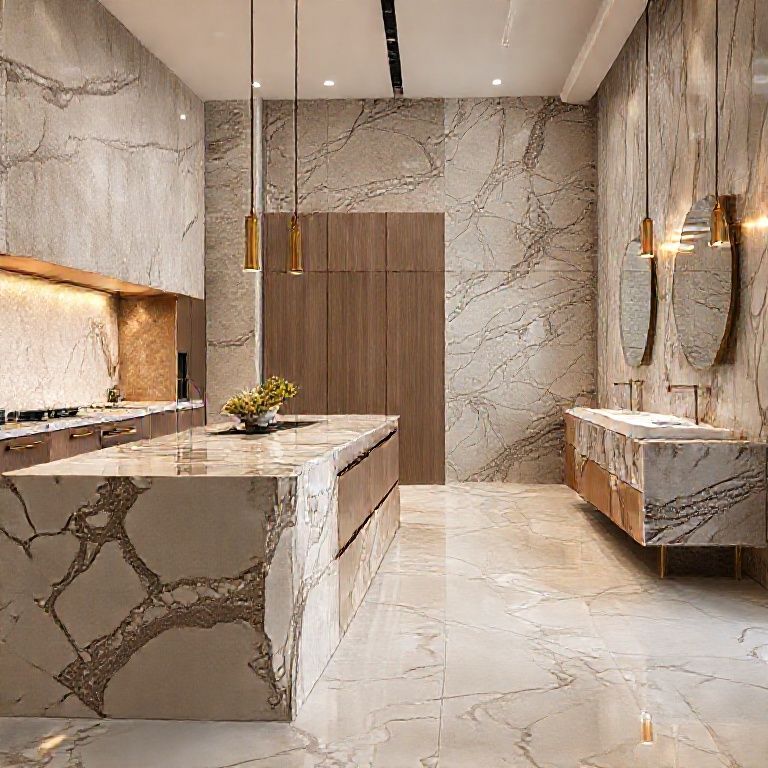
Interior Design: In interior design, artificial marble is used to create stunning features such as fireplaces, wall cladding, and decorative panels. Its versatility allows for creative and unique design elements.
Outdoor Use: While natural marble is not ideal for outdoor use due to weathering, artificial marble can withstand outdoor conditions, making it suitable for patio furniture, outdoor kitchens, and garden features.
Performance in Different Environments
The performance of artificial marble varies depending on the environment in which it is used:
Temperature Resistance: Artificial marble is highly resistant to temperature changes, making it suitable for both indoor and outdoor use. Unlike natural marble, it does not expand or contract with temperature fluctuations, ensuring consistent performance.
Moisture Resistance: While artificial marble is not completely impervious to moisture, it is more resistant to water damage compared to natural stone. This makes it a practical choice for areas prone to humidity and moisture.
Chemical Resistance: One of the key advantages of artificial marble is its resistance to chemicals. It does not react to acids, alkalis, or other corrosive substances, ensuring long-term durability in various settings.
Expert Opinions on Long-Term Durability
Experts in the field of construction and design often highlight the long-term durability of artificial marble:
Longevity: According to industry experts, artificial marble can last for decades with proper care. Its resistance to wear and damage means that it retains its appearance and functionality over an extended period.
Aesthetic Longevity: The pigments used in artificial marble are of high quality, ensuring that the stone maintains its vibrant appearance over time. Unlike natural marble, which can fade or develop discoloration, artificial marble offers consistent aesthetic appeal.
Repairability: In the rare event that artificial marble does suffer damage, it can often be repaired. Unlike natural marble, which might require complete replacement of a piece, small repairs can restore the integrity and appearance of the material.
Reviews and Testimonials
Customer reviews and testimonials provide valuable insights into the quality of artificial marble:
Installation Experiences: Many customers report a smooth installation process when using artificial marble. The material’s versatility and ease of cutting make it straightforward to work with for both professionals and DIY enthusiasts.
Performance Feedback: Positive feedback often highlights the material’s durability and resistance to stains and scratches. Users appreciate its low maintenance requirements and overall performance in their specific applications.
Comparisons with Natural Marble: Many reviews compare artificial marble to natural marble, noting that it often exceeds expectations in terms of appearance and durability. Customers frequently mention that the high-quality finishes make it difficult to distinguish between the two.
Conclusion: The Quality of Artificial Marble
In conclusion, the quality of artificial marble is impressive and often surpasses the expectations of many consumers. Its durability, low maintenance, and aesthetic appeal make it a compelling choice for a wide range of applications. While some misconceptions exist, advancements in manufacturing technology have addressed these concerns, ensuring that artificial marble is a reliable and high-quality alternative to natural marble.
As interest in sustainable and cost-effective materials continues to grow, artificial marble is likely to remain a popular option for both residential and commercial projects. By understanding its quality and benefits, you can make informed decisions that enhance the beauty and functionality of your space.