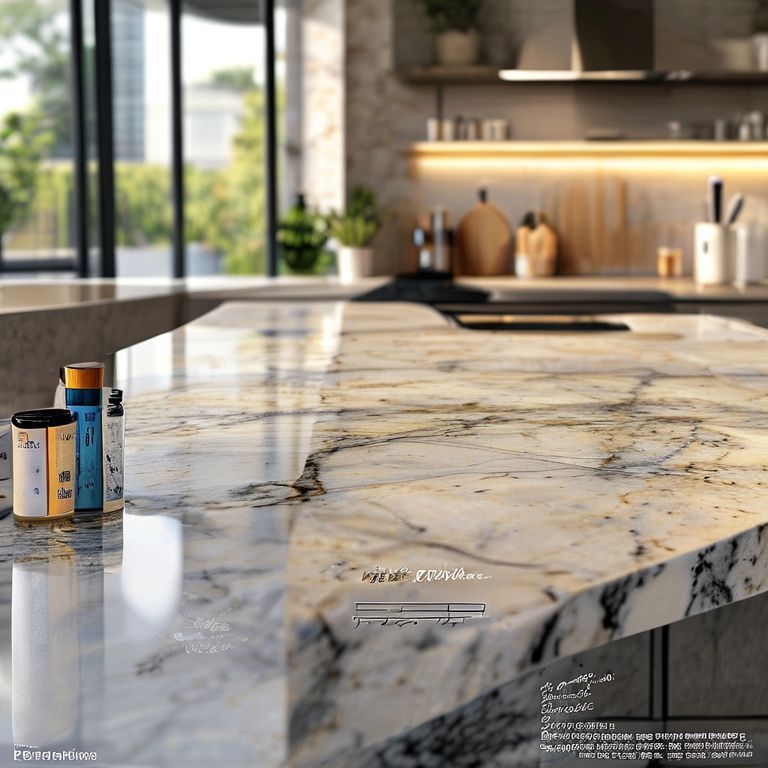
Understanding Artificial Marble and Its Composition
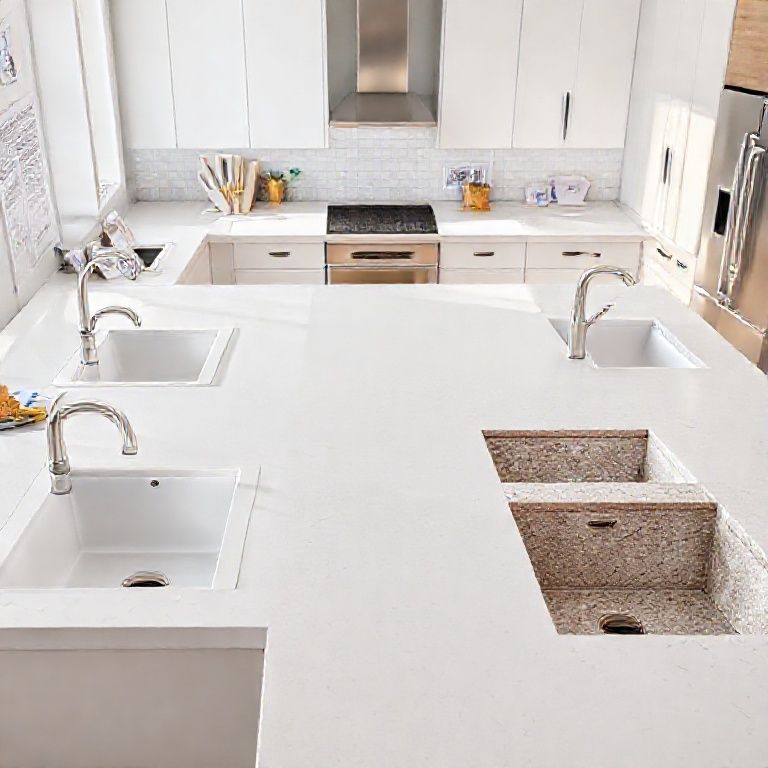
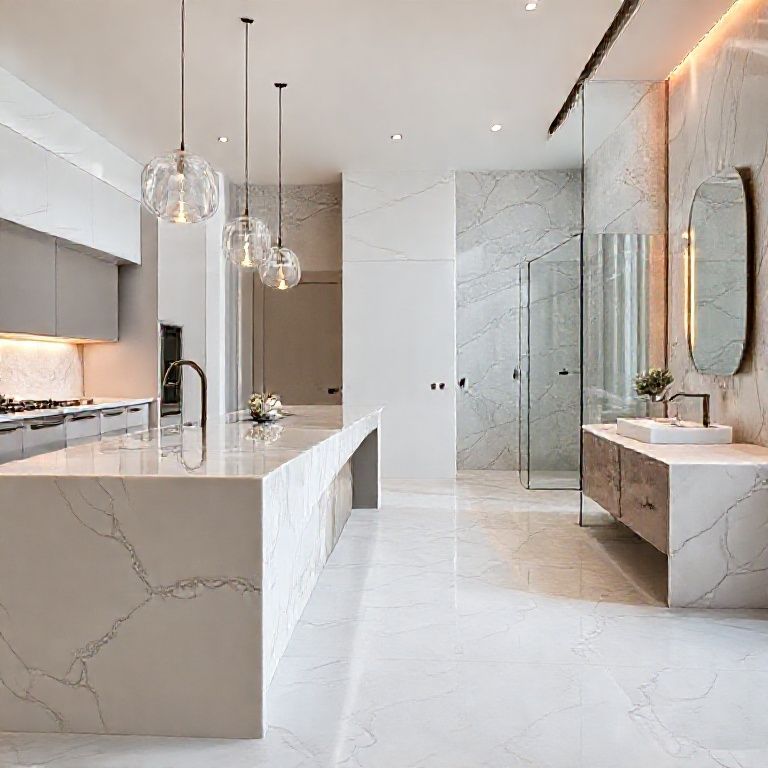
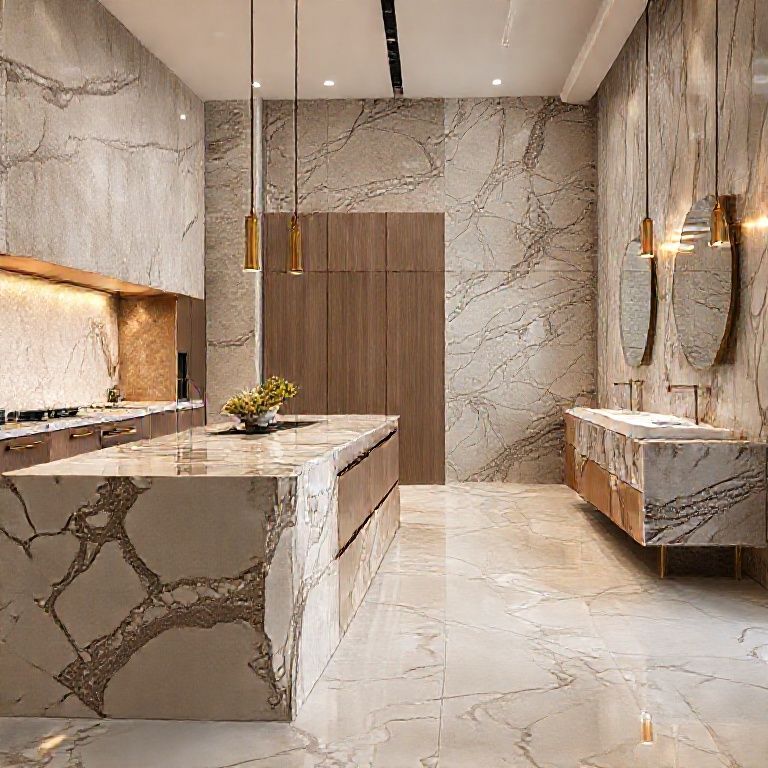
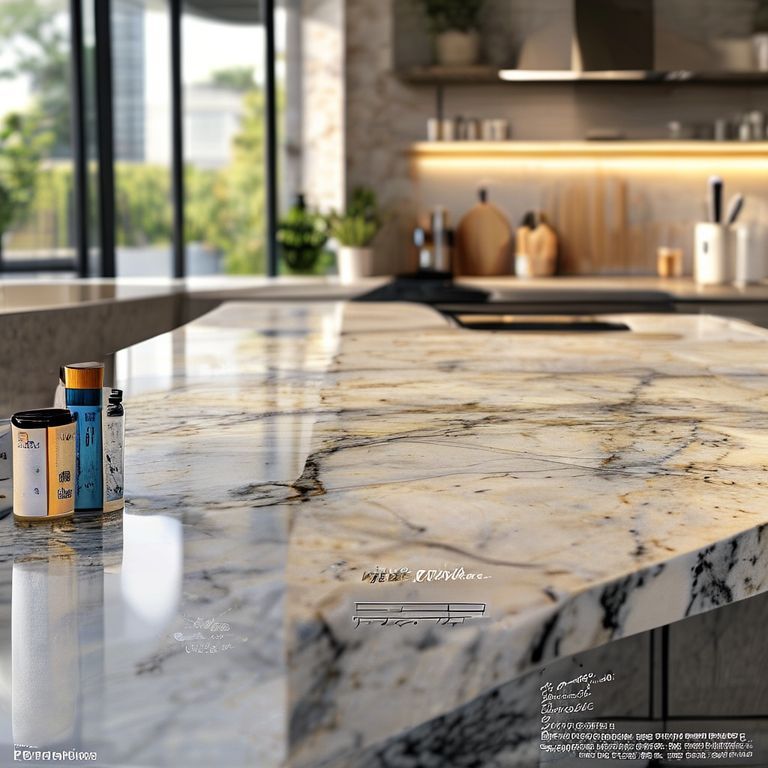
Artificial marble, often referred to as engineered stone, has revolutionized the world of construction and interior design. Known for its durability, aesthetic appeal, and relatively low cost compared to natural marble, it’s a popular choice for countertops, kitchen islands, and bathroom vanities. However, there’s a lot of confusion and misinformation surrounding whether artificial marble emits radiation and formaldehyde. Let’s break down the science behind this material and address these concerns.

The Composition of Artificial Marble
Artificial marble, or engineered stone, is a composite material made from natural stone powders, typically including quartz, calcite, and feldspar, combined with a resin binder. This mixture is processed at high temperatures and pressures to create a solid, monolithic material. Unlike natural stone, which is a single material with a unique composition, artificial marble is designed to mimic the appearance of natural stone while offering superior strength and uniformity.
Radiation Concerns
One of the primary concerns surrounding artificial marble is whether it emits radiation. To understand this, it’s essential to know what radiation is and how it’s categorized. Radiation can be classified into two types: ionizing and non-ionizing. Ionizing radiation, such as that from X-rays or gamma rays, has enough energy to remove tightly bound electrons from atoms, causing damage to living cells and DNA. In contrast, non-ionizing radiation, like visible light or microwaves, does not have enough energy to cause such damage.
Natural vs. Artificial Sources of Radiation
Natural sources of radiation include cosmic rays from space and radon gas, which is naturally occurring and can seep into buildings. These sources are always present in varying degrees depending on geographic location. However, the radiation from these sources is minimal and poses no significant health risk.
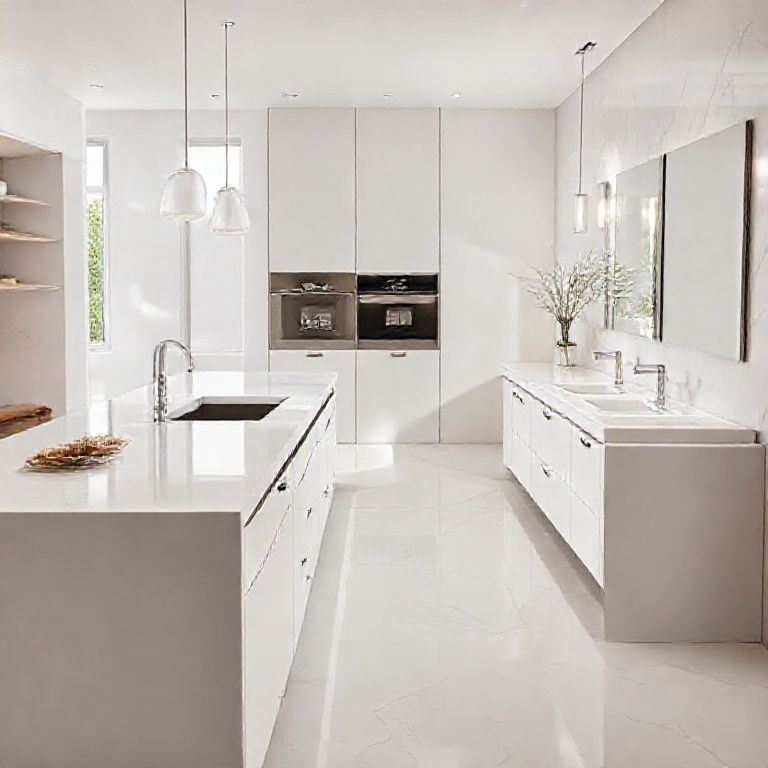
Artificial marble is made from natural stone powders and resin binders, both of which are natural materials. The process of creating artificial marble does not introduce any additional sources of ionizing radiation. In fact, the high-temperature and pressure process used in manufacturing actually reduces any potential radioactive materials present in the raw materials. Extensive testing has shown that artificial marble does not emit ionizing radiation above the levels found in natural stone or the surrounding environment.
Formaldehyde Concerns
Another common concern about artificial marble is the emission of formaldehyde. Formaldehyde is a colorless, pungent gas that is used in many industrial processes and as a preservative in some building materials. It can be released from certain types of engineered wood products and some synthetic materials.
Understanding Formaldehyde Emissions
The primary binder used in artificial marble is a melamine-formaldehyde resin, which is designed to be non-volatile and does not release formaldehyde into the air. This is a significant advantage over some other composite materials that may use formaldehyde-based adhesives, which can emit formaldehyde over time.

Testing and Standards
To ensure the safety of artificial marble, manufacturers adhere to stringent testing and quality control measures. Products are tested for formaldehyde emissions according to standards such as the American National Standards Institute (ANSI)/Environmental Protection Agency (EPA) National Emissions Standards for Hazardous Air Pollutants (NESHAP) for composite panel products. These tests ensure that formaldehyde emissions are well below the levels considered harmful to human health.
Health and Safety Protocols
The production process of artificial marble is designed to minimize any potential emissions. The resins used are formulated to be stable and non-volatile, and the manufacturing process includes curing methods that ensure any residual chemicals are fully integrated into the stone structure. As a result, the finished product poses no significant risk of formaldehyde emissions.
Conclusion of Part 1
In conclusion, artificial marble is a highly engineered material designed to replicate the beauty and durability of natural stone without the associated risks of radiation or harmful formaldehyde emissions. Extensive testing and adherence to safety standards confirm that artificial marble is a safe and reliable choice for modern construction and interior design. In the next part, we will delve deeper into the environmental impact and sustainability of artificial marble compared to other materials, further addressing any lingering concerns.
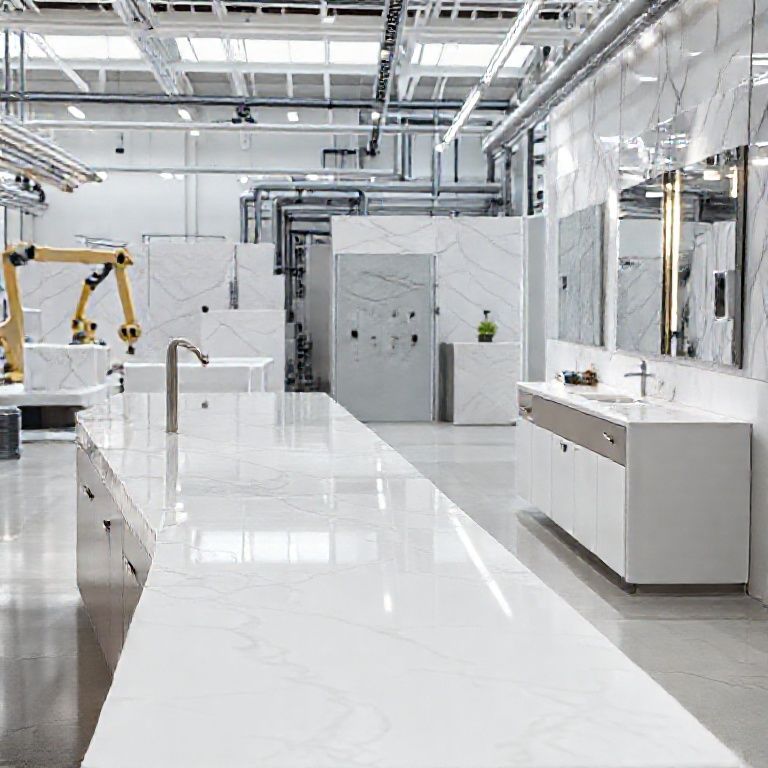
Environmental Impact and Sustainability of Artificial Marble
While the safety concerns regarding radiation and formaldehyde have been largely addressed, it’s also important to consider the environmental impact and sustainability of artificial marble compared to traditional materials. In this part, we’ll explore the lifecycle of artificial marble, its sustainability, and how it compares to natural stone and other materials.
Lifecycle and Environmental Impact
Resource Efficiency
One of the significant advantages of artificial marble is its resource efficiency. The production process involves combining natural stone powders with a resin binder, which requires fewer resources than mining and transporting large blocks of natural marble. This reduces the environmental footprint associated with quarrying, transportation, and waste generation.
Reduction in Carbon Emissions
The manufacturing process for artificial marble involves high temperatures and pressures, which are typically powered by energy-efficient industrial processes. This results in lower carbon emissions compared to the extensive energy required for quarrying and transporting natural marble. Additionally, since artificial marble is produced in a controlled environment, it minimizes the environmental disruption associated with natural stone mining.
Waste Reduction
Natural stone mining often leads to significant environmental degradation, including habitat destruction, water pollution, and soil erosion. The production of artificial marble, on the other hand, generates minimal waste. The materials used are fully utilized in the manufacturing process, and any by-products are recycled or disposed of responsibly.
Sustainability Initiatives
Many manufacturers of artificial marble are adopting sustainable practices to further reduce their environmental impact. This includes using renewable energy sources in their manufacturing plants, implementing waste reduction programs, and investing in research to develop more eco-friendly resins and production methods.
Comparison to Natural Stone
Resource Utilization
Natural stone extraction is a resource-intensive process that can have significant environmental impacts. Quarrying natural marble involves cutting large blocks from the earth, which can lead to habitat destruction and water pollution. In contrast, artificial marble utilizes smaller amounts of raw materials and generates less waste.
Carbon Footprint
The carbon footprint of natural stone is significantly higher than that of artificial marble due to the extensive mining, transportation, and processing required. Artificial marble, produced in centralized facilities, has a more localized and controlled production process, resulting in lower overall carbon emissions.
Durability and Longevity
Artificial marble is known for its exceptional durability and resistance to scratches, stains, and chips. Its uniform composition ensures that it maintains its appearance and structural integrity over time. This durability reduces the need for frequent replacements and repairs, further contributing to its sustainability.
Recycling and End-of-Life Options
While artificial marble is a durable material, it’s important to consider its end-of-life options. Unlike natural stone, which can be recycled into aggregate for new construction projects, artificial marble is more complex to recycle due to its composite nature. However, many manufacturers are exploring recycling methods to reduce waste and develop more sustainable production practices.
Alternative Materials
Wood Composites
Wood composites, such as plywood and medium-density fiberboard (MDF), are often used in construction and furniture making. While they offer aesthetic appeal, they can release formaldehyde over time, posing indoor air quality concerns. Additionally, the environmental impact of logging and processing wood can be significant.
Synthetic Plastics
Synthetic plastics are another common material used in construction. While they offer durability and a variety of design options, they are not biodegradable and contribute to plastic waste pollution. Additionally, the production of plastics involves fossil fuels, leading to high carbon emissions.
Conclusion of Part 2
In conclusion, artificial marble stands out as a sustainable and environmentally friendly option compared to many traditional materials. Its resource efficiency, lower carbon footprint, and durability make it a responsible choice for modern construction and interior design. As we continue to prioritize sustainability in our building practices, artificial marble offers a compelling alternative that balances aesthetic appeal with environmental responsibility. By understanding the science behind this material and its lifecycle, you can make informed decisions that benefit both your projects and the planet.