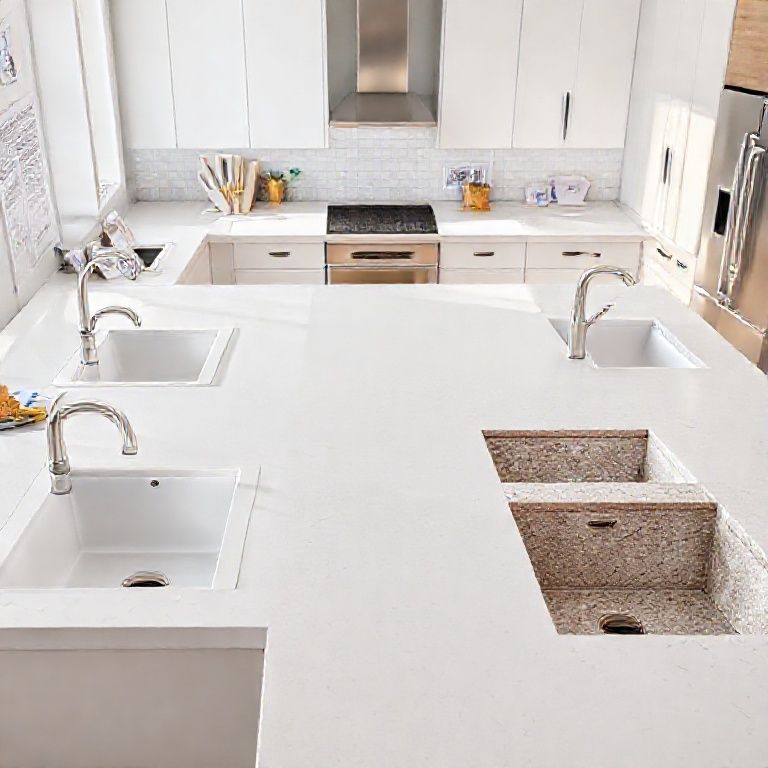
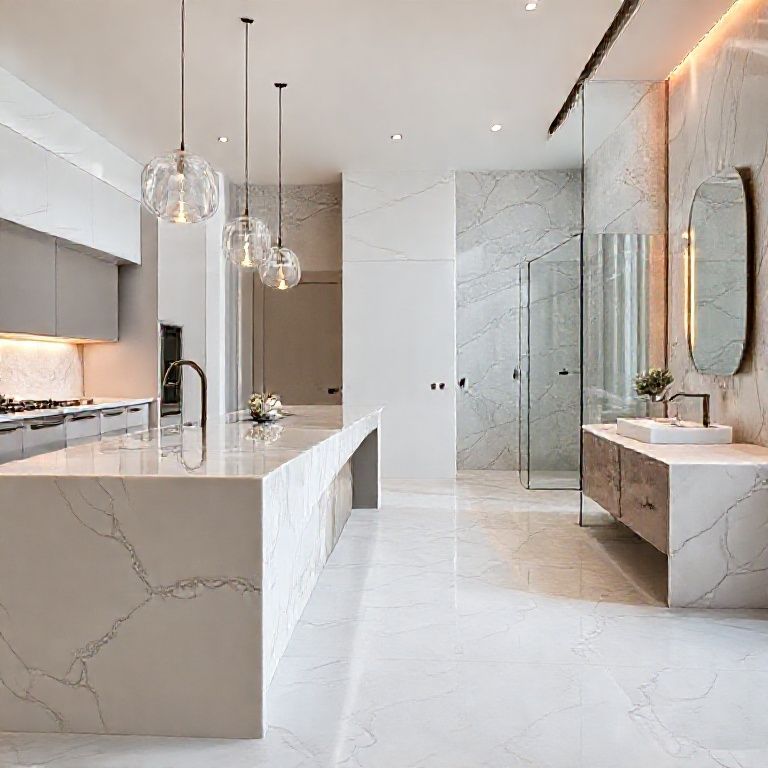
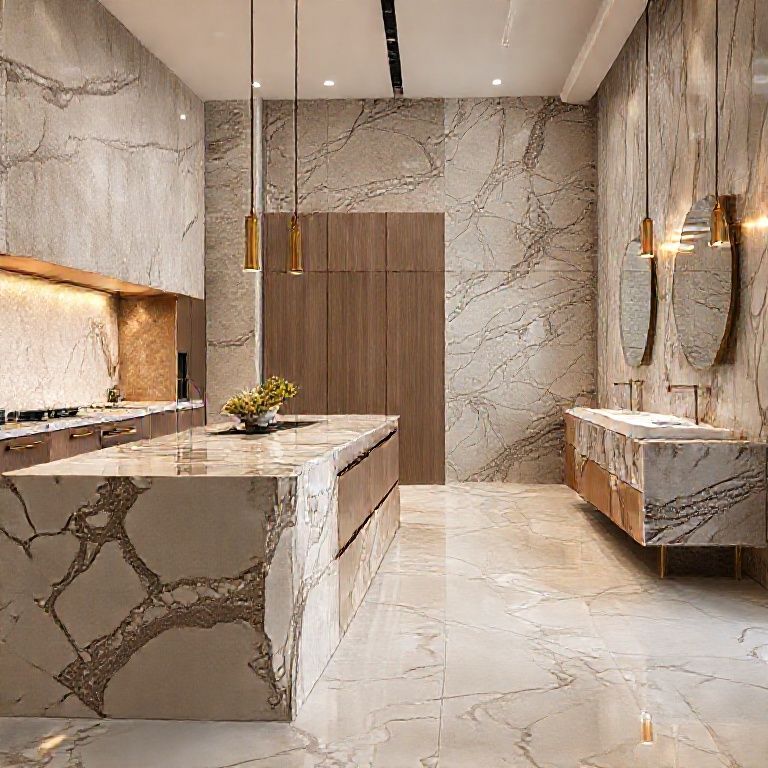
The Science Behind Artificial Marble: Unveiling the Truth
In recent years, artificial marble has become a popular choice for countertops, kitchen and bathroom surfaces, and even for artistic installations. Often referred to as composite stone, this material has gained popularity due to its aesthetic appeal, durability, and cost-effectiveness. However, like any material, it has its share of concerns and myths. One of the most pressing questions revolves around whether artificial marble has radiation. To understand this, we need to delve into what artificial marble is and how it’s made.

Artificial marble, also known as cultured stone, is a composite material made primarily from marble dust, which is mixed with a polymer resin. This mixture is then molded into the desired shape and cured under heat and pressure. The result is a solid, high-quality material that mimics the look of natural marble but without the environmental and cost drawbacks associated with quarrying and transporting natural stone.
Composition and Manufacturing Process
The core components of artificial marble are:
Marble Dust: This is the primary ingredient, providing the material with its characteristic color and texture. The marble dust used is often sourced from recycled marble waste or from natural marble mines.
Polymer Resin: A synthetic polymer is used as a binding agent to hold the marble dust together. This resin is typically made from urea-formaldehyde or epoxy resins, which are chosen for their strength and durability.
Colorants and Additives: Various pigments and additives are included to enhance the visual appeal and specific properties of the final product.
Radiation: What is it and How Does it Relate to Artificial Marble?
To understand whether artificial marble has radiation, it’s important to grasp the concept of radiation in general. Radiation refers to energy that travels in waves or as particles, and it can be categorized into two types: ionizing and non-ionizing radiation.
Ionizing Radiation: This type of radiation has enough energy to remove tightly bound electrons from atoms, creating ions. It includes alpha particles, beta particles, gamma rays, and X-rays. Ionizing radiation can cause significant damage to living tissue and DNA, leading to health issues such as cancer.
Non-ionizing Radiation: This type of radiation lacks the energy to ionize atoms but can still cause harm by other mechanisms. It includes radio waves, microwaves, infrared radiation, visible light, ultraviolet light, and low-frequency electromagnetic fields.
Understanding the Myth: Does Artificial Marble Emit Radiation?
The core question is whether the materials used in artificial marble, particularly the polymer resin and marble dust, emit radiation. Here’s a detailed look at the facts:
Marble Dust: Natural marble is composed of minerals such as calcite, dolomite, and quartz. These minerals are not radioactive. The marble dust used in artificial marble is primarily sourced from recycled waste or natural mines, and it does not contain radioactive elements in concentrations that would pose a risk.
Polymer Resin: The resin used in artificial marble is synthetic and does not inherently contain radioactive materials. The process of manufacturing resin involves chemical reactions that do not introduce radioactive isotopes.
Curing Process: During the curing process, where heat and pressure are applied to mold the material, no ionizing radiation is involved. The energy used in this process is thermal and does not result in the emission of radiation.
Regulatory Standards and Safety Assessments
To further address concerns about radiation, it’s important to note that artificial marble is subject to various safety standards and assessments. Regulatory bodies such as the U.S. Environmental Protection Agency (EPA) and the European Union’s Restriction of Hazardous Substances (RoHS) directive ensure that materials used in construction and consumer products are safe for human contact.
Manufacturers of artificial marble undergo rigorous testing to ensure that their products meet these safety standards. These tests include:
Heavy Metal Testing: To check for potentially harmful heavy metals that could leach out over time. Formaldehyde Emission Testing: To ensure that the resin used does not emit harmful levels of formaldehyde. Radiation Testing: To confirm that there is no detectable radiation emitted from the material.
Common Misconceptions and Clarifications
Several misconceptions surround artificial marble, primarily due to a lack of understanding about the material and its production process. Here are some common myths debunked:
Artificial Marble Contains Radioactive Materials: As discussed, the primary components of artificial marble are non-radioactive. There is no scientific evidence to suggest that artificial marble contains radioactive elements.
The Curing Process Emits Radiation: The curing process uses heat and pressure, not radiation, to bond the materials together. No ionizing radiation is emitted during this process.
Artificial Marble is Less Safe than Natural Marble: While natural marble can contain trace amounts of naturally occurring radioactive materials (NORM), artificial marble is manufactured to exacting standards and is often safer in terms of chemical and radiation emissions.
Conclusion: Making Informed Choices
When considering the use of artificial marble in your home or business, it’s important to rely on scientific evidence and regulatory standards. The material is not only aesthetically pleasing and durable but also safe when manufactured and used correctly. By understanding the composition and manufacturing process, you can confidently choose artificial marble knowing that it does not emit harmful radiation.
In the next part, we will explore practical considerations for using artificial marble, including maintenance, environmental impact, and how to choose the best quality products for your needs.
Practical Considerations and Environmental Impact of Artificial Marble
Having explored the science behind artificial marble and its radiation concerns, it’s time to delve into the practical aspects of using this material. This includes maintenance, environmental impact, and how to make informed choices when selecting artificial marble for your home or business.
Maintenance and Care of Artificial Marble
Artificial marble, like its natural counterpart, requires proper care to maintain its beauty and durability. Here’s what you need to know to keep your artificial marble surfaces looking pristine:
Regular Cleaning: Use a mild soap and water solution to clean artificial marble surfaces. Avoid using abrasive cleaners or steel wool, as these can scratch the surface.
Stain Prevention: To prevent stains, immediately clean up spills and avoid using acidic substances such as lemon juice, vinegar, or citrus-based cleaners. These can etch the surface over time.
Sealing: While artificial marble does not require sealing in the same way natural stone does, it’s still a good idea to apply a high-quality, non-toxic sealant periodically to protect the surface from stains and scratches.
Avoiding Heat Sources: While artificial marble is durable, prolonged exposure to direct heat sources can cause the surface to deform or change color. Use trivets or heat-resistant pads when placing hot pots or pans on the surface.
Environmental Impact and Sustainability
The production and use of artificial marble have both environmental benefits and drawbacks. Here’s a detailed look at the environmental impact:
Waste Reduction: One of the significant advantages of artificial marble is its ability to recycle marble waste. Instead of letting marble dust go to waste, it’s repurposed into high-quality composite stone. This reduces the environmental impact associated with quarrying and transporting natural marble.
Lower Carbon Footprint: The manufacturing process of artificial marble typically generates less carbon emissions compared to extracting and transporting natural marble. The use of recycled materials further reduces the environmental footprint.
Non-Toxic Manufacturing: Modern manufacturing processes for artificial marble involve non-toxic resins and pigments, which means fewer harmful chemicals are released into the environment during production.
End-of-Life Considerations: Artificial marble is generally durable and long-lasting, reducing the need for frequent replacements. When it does need to be disposed of, it can often be recycled or repurposed.
Choosing High-Quality Artificial Marble
When selecting artificial marble for your home or business, it’s important to choose high-quality products to ensure durability and aesthetic appeal. Here are some tips for making an informed choice:
Check Certifications: Look for products that have been certified by reputable organizations. Certifications such as ISO, RoHS, and EPA compliance indicate that the product meets stringent safety and quality standards.
Manufacturer Reputation: Research the manufacturer’s reputation. Established companies with a history of producing high-quality artificial marble are more likely to provide durable and safe products.
Product Reviews: Read reviews from other customers to get insights into the performance and durability of the product. Look for feedback on maintenance ease and overall satisfaction.
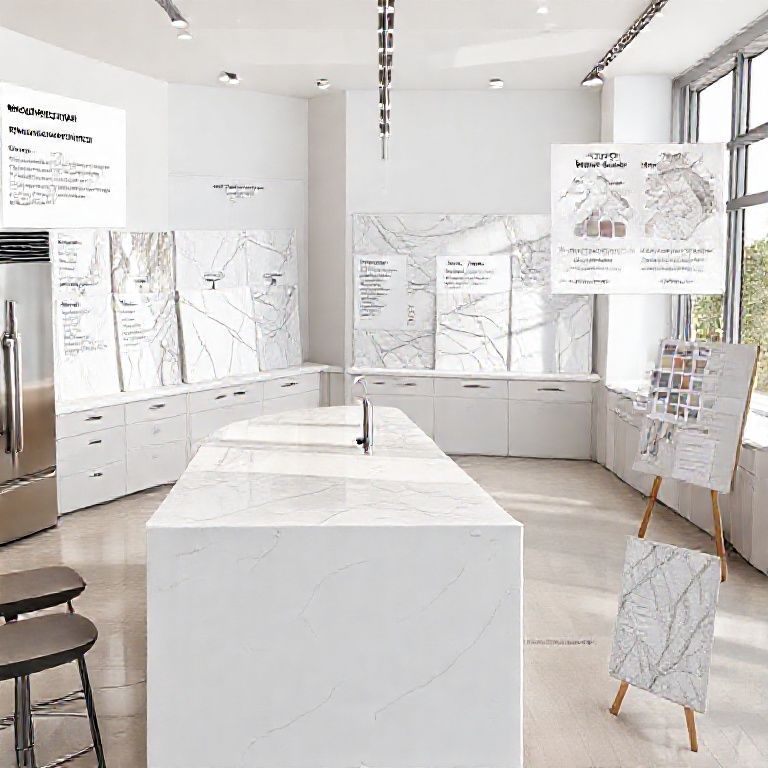
Sample Testing: If possible, request samples or visit showrooms to see the product in person. This allows you to evaluate the color, texture, and quality before making a final decision.
Design and Aesthetic Appeal
Artificial marble offers a wide range of design possibilities, making it a versatile choice for various applications:
Customization: Artificial marble can be molded into virtually any shape, allowing for custom designs that suit your specific needs. Whether you need a unique countertop shape or a bespoke kitchen island, artificial marble can继续探讨关于人造大理石的使用和其环保特性,我们可以进一步讨论其在不同场景中的应用及其优点和潜在的环境影响。
多样化的设计与应用
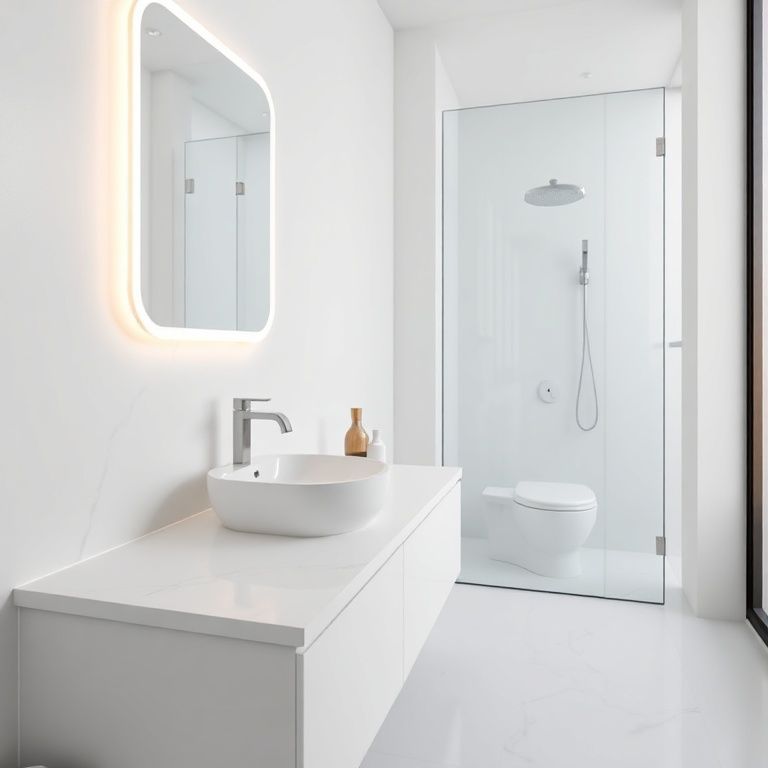
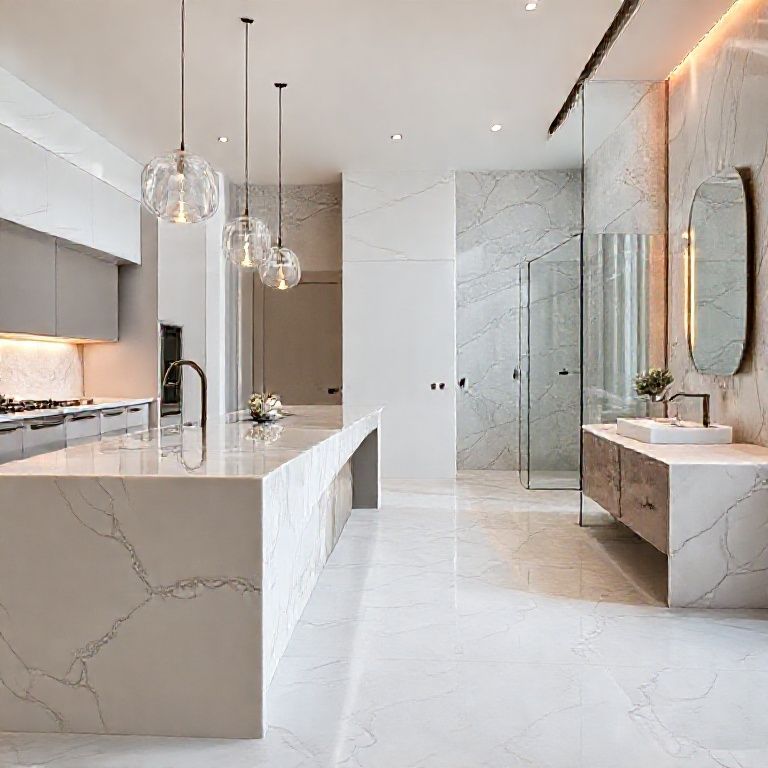
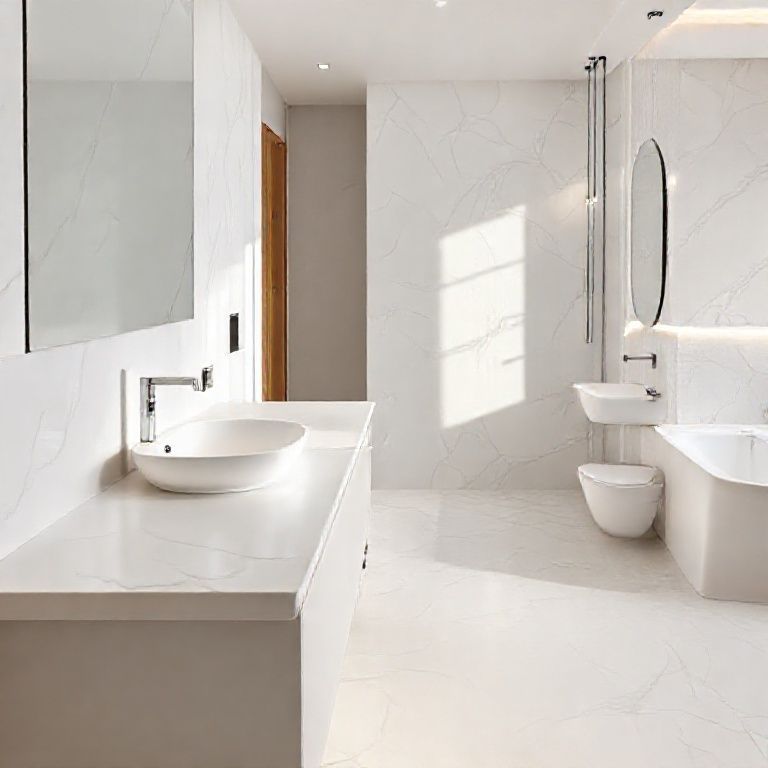
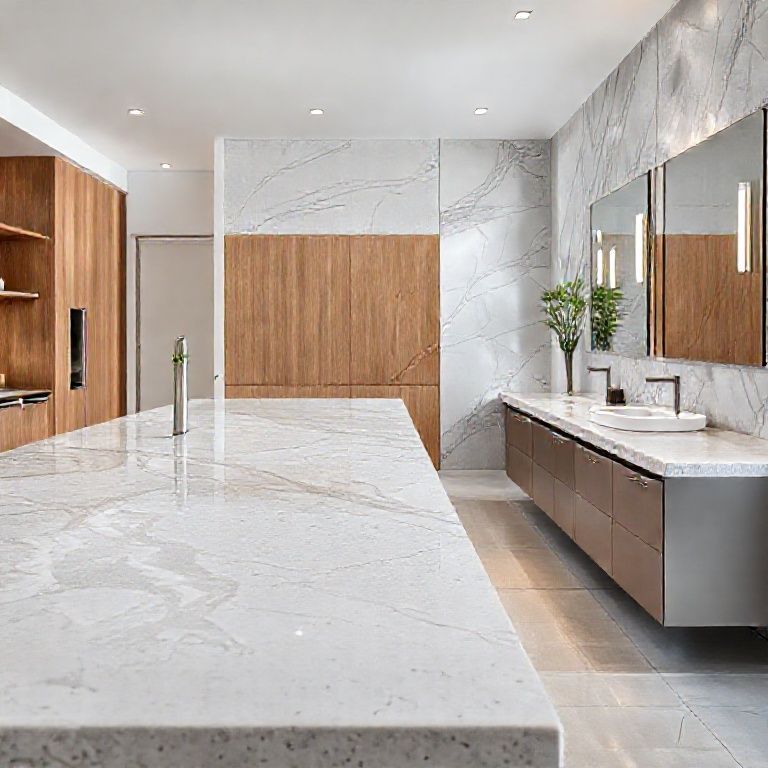
厨房与浴室: 人造大理石最常见的应用场景之一是厨房和浴室。由于其耐水、耐刮擦和易于清洁的特性,它成为台面、浴室柜台和洗手池等区域的理想选择。它的多彩、多样的外观可以满足各种设计需求,从现代到传统,从简约到豪华。
商业环境: 在商业环境中,人造大理石常用于办公桌、会议室的家具以及餐厅和酒店的装饰。这是因为它不仅美观,而且在高频使用和清洁过程中表现出色。
艺术与装饰: 人造大理石还被广泛用于艺术品和装饰品的制作。它的可塑性和颜色多样性使其成为雕塑、壁画和其他艺术作品的理想材料。
环保与可持续发展
资源节约: 人造大理石的最大环保优势之一是其资源节约特性。通过回收利用大理石废料,制造人造大理石减少了对自然大理石的需求,从而减少了矿山开采对环境的破坏。
低污染: 在生产过程中,人造大理石使用的是非毒性材料和环保粘合剂,这意味着其生产过程对环境的污染较低。相比之下,开采和加工天然大理石可能涉及大量的化学品和能源消耗。
长寿命: 人造大理石因其耐用性,减少了频繁更换的需求。这不仅节省了资源,也减少了废弃物的产生,对环境的负担也因此减轻。
潜在的环境影响
尽管人造大理石有许多环保优点,但其生产和使用过程中仍然存在一些潜在的环境影响:
生产过程中的能源消耗: 尽管使用回收材料,人造大理石的制造过程仍然需要大量的能源,特别是在加热和压制阶段。如果这些能源来自于化石燃料,则可能增加碳排放。
废弃物处理: 虽然人造大理石耐用,但当其最终被丢弃时,如何处理这些废弃物仍是一个问题。如果不进行适当的回收和处理,这些材料可能会成为环境污染源。
化学污染: 尽管现代人造大理石使用的是环保材料,但在某些情况下,如果不当处理,可能会释放出低浓度的有害化学物质。
总结
人造大理石作为一种现代材料,它在美观、耐用和环保方面展现了许多优势。在使用和生产过程中,仍需注意其潜在的环境影响。通过选择高质量、环保认证的产品,并遵循正确的维护和处置方法,我们可以最大限度地发挥人造大理石的环保特性,为环境保护做出贡献。