Part 1
In the world of materials, few have garnered as much curiosity and concern as marble. From countertops to sculptures, marble’s timeless elegance has made it a favorite for centuries. Yet, as awareness about radiation and its effects on health grows, a pressing question arises: does artificial marble have radiation, or does natural marble have it? This article seeks to demystify the radiation debate surrounding these two types of marble, shedding light on their properties, uses, and potential health implications.

Understanding Marble: Natural vs. Artificial
Before diving into the radiation aspect, it’s essential to understand what differentiates natural marble from artificial marble.
Natural Marble
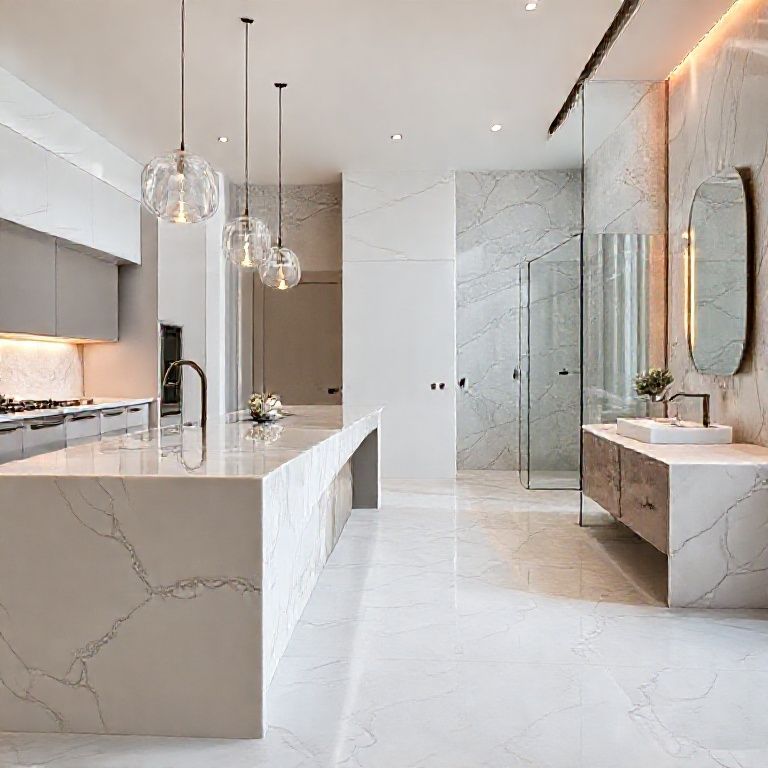
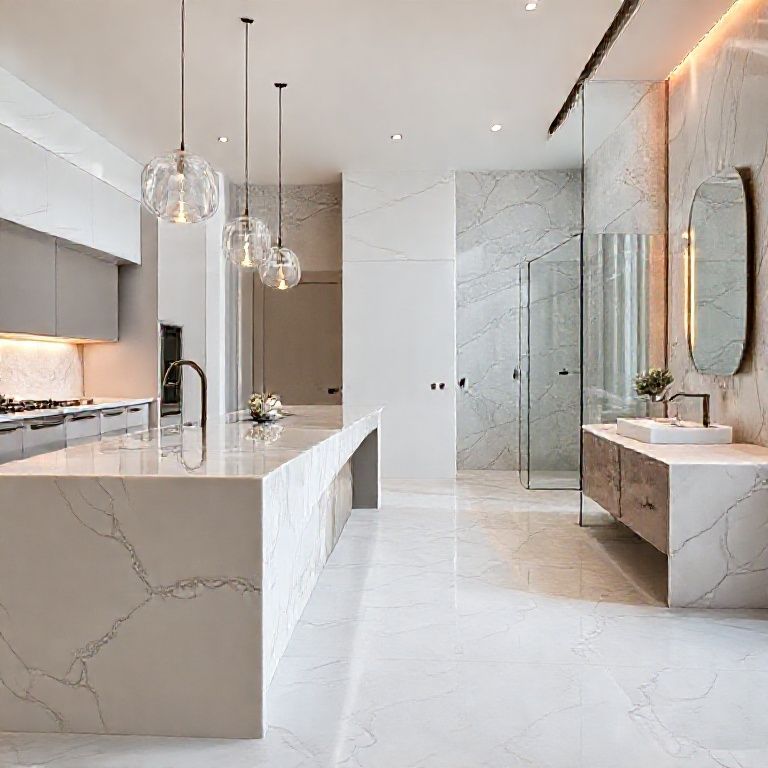
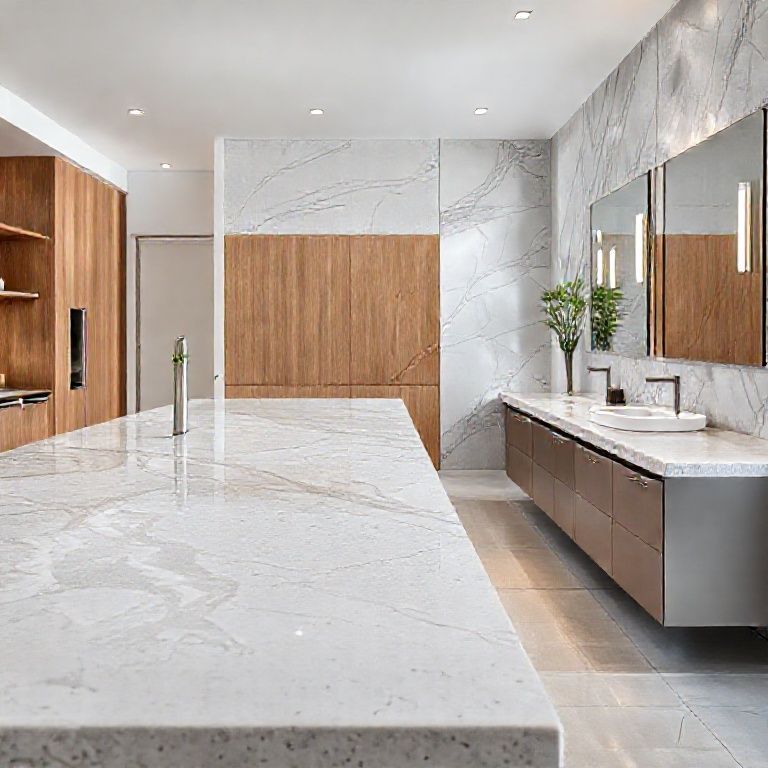
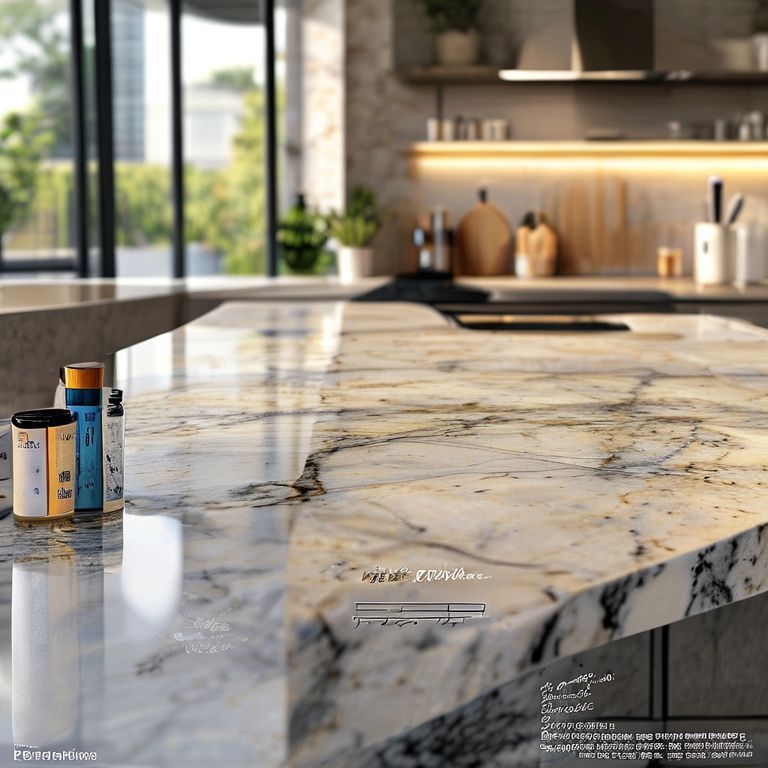
Natural marble is a metamorphic rock formed when limestone undergoes intense heat and pressure over millions of years. This process recrystallizes the calcium carbonate in the limestone, creating the intricate patterns and colors we admire in natural marble. Varieties like Carrara, Yule, and Bianco Carrara are renowned for their beauty and durability.
Artificial Marble
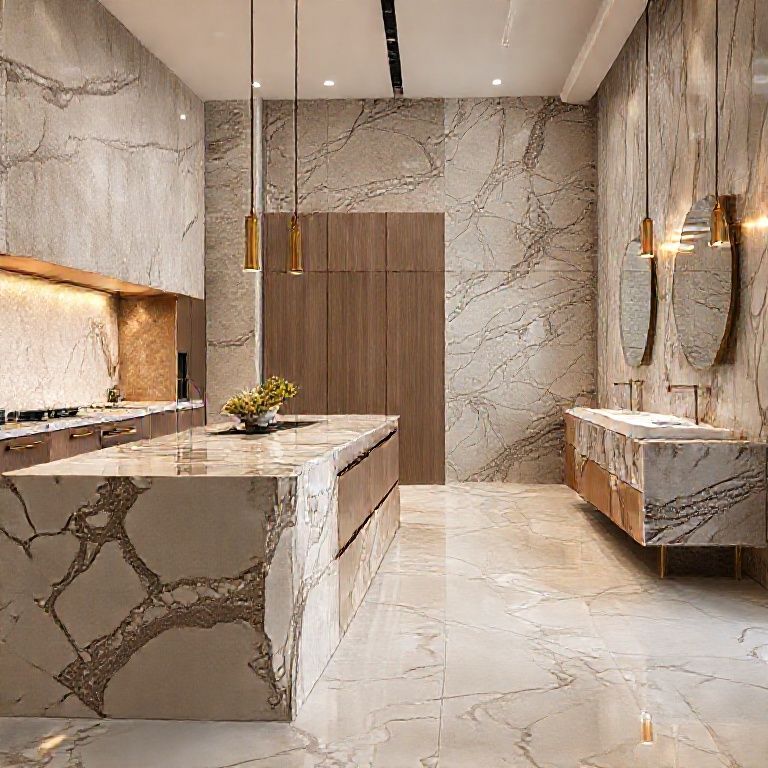
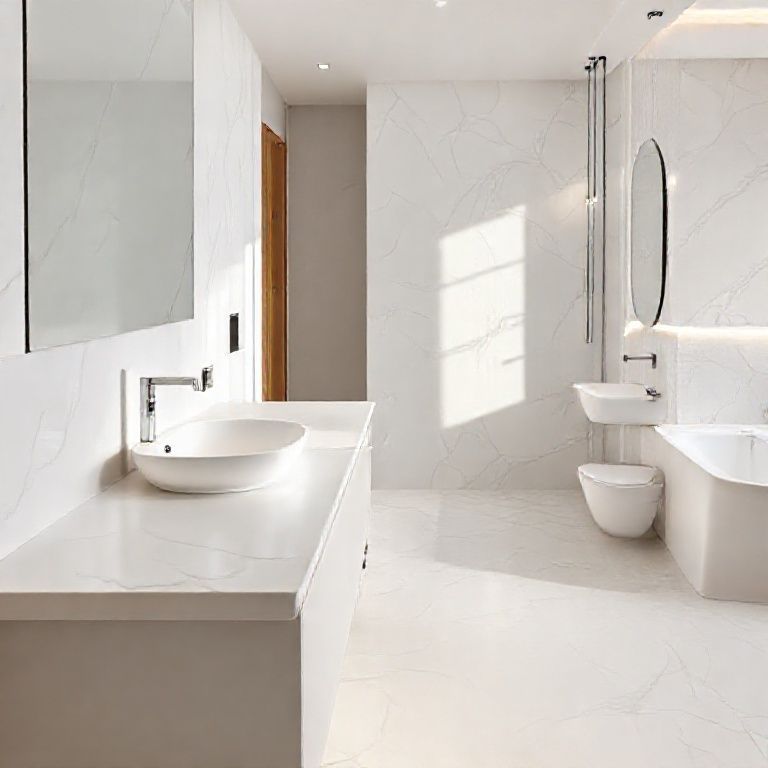
Artificial marble, often referred to as engineered or synthetic marble, is a composite material made by combining resin, pigments, and minerals. This mixture is heated and pressed to mimic the appearance of natural marble. Brands like Corian and Silestone fall under this category. The result is a durable, low-maintenance surface that offers flexibility in design.
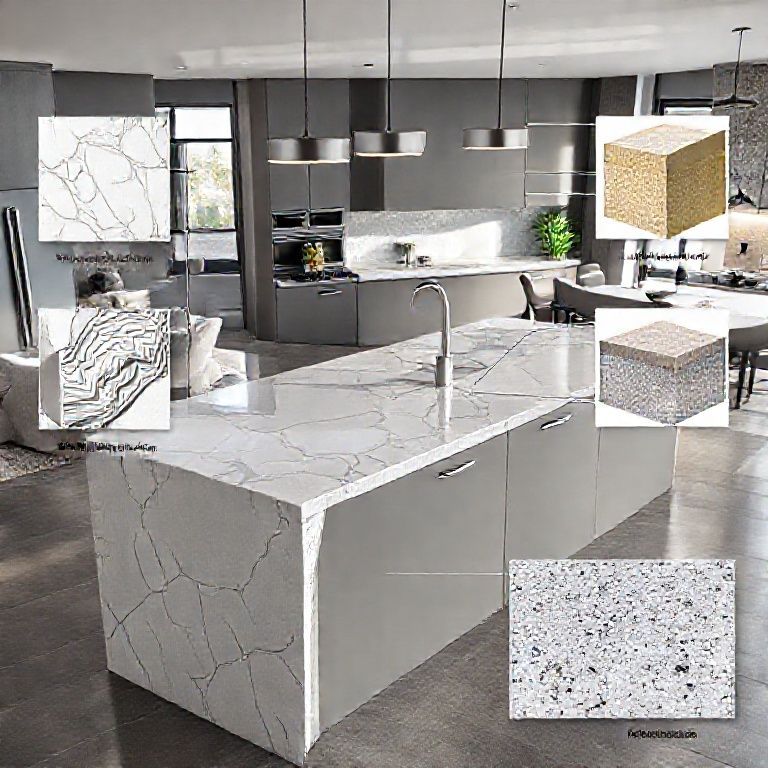
Radiation in Natural Marble
Natural marble, being a natural product, does not inherently emit radiation. This is because radiation typically originates from radioactive elements such as uranium, thorium, or potassium, which are not naturally present in limestone.
However, there are exceptions. Certain types of natural stone, such as granite, can contain trace amounts of these radioactive elements. While this does not make granite radioactive in the traditional sense, it can emit a low level of radiation. However, the radiation levels in granite are generally minimal and far below the safety thresholds established by regulatory bodies like the Environmental Protection Agency (EPA).
Radiation in Artificial Marble
Artificial marble is a synthetic product, which brings up the question of radiation from manufacturing processes. To understand whether artificial marble has radiation, we need to look at the materials used in its creation.
Materials and Manufacturing
Artificial marble is primarily composed of:
Resin: A polymer binder that gives artificial marble its durability. Pigments: Colorants that replicate the natural hues of marble. Minerals and Fillers: Fine particles that provide texture and strength.
The manufacturing process involves heating and pressing these components together at high temperatures. This process does not introduce radioactive elements into the material. The resins used are typically petrochemical-based, but they do not contain radioactive materials.
Radiation Concerns
The primary concern with artificial marble is not radiation but the release of volatile organic compounds (VOCs) during its production and curing process. VOCs are chemicals that can evaporate at room temperature and have been linked to health issues like respiratory problems and eye irritation.
However, advancements in manufacturing have significantly reduced VOC emissions. High-quality artificial marble products are now available with minimal VOC content, ensuring safer indoor air quality.
Health Implications
Natural Marble
Given that natural marble does not naturally emit radiation, the primary health concern lies in its physical properties. Natural marble is relatively soft compared to other stones like granite. This softness can make it more susceptible to scratches and stains, requiring regular maintenance.
Artificial Marble
Artificial marble’s main health concern revolves around the quality of its manufacturing and the materials used. High-quality artificial marble products undergo rigorous testing to ensure they meet safety standards. The focus here is more on the release of VOCs than radiation.
Regulatory Standards and Safety
Natural Marble
Regulatory bodies have established guidelines for natural stone to ensure safe usage. While natural marble does not emit radiation, it’s important to source it from reputable suppliers who provide certification of its safety.
Artificial Marble
The production of artificial marble is subject to stringent safety regulations. Manufacturers must adhere to standards set by organizations like the American National Standards Institute (ANSI) and the International Organization for Standardization (ISO). These standards ensure that artificial marble products are free from harmful levels of radiation and other contaminants.
The Verdict
The debate about whether artificial marble has radiation or natural marble has it revolves around misconceptions and misunderstandings. Natural marble, being a natural stone, does not emit radiation. It is the result of geological processes that do not involve radioactive elements.
Artificial marble, on the other hand, is a synthetic product whose radiation concerns are largely unfounded. The main issue with artificial marble is not radiation but the potential release of VOCs, which modern manufacturing techniques have significantly minimized.
Conclusion
In conclusion, both natural and artificial marble have their unique attributes and potential concerns. Natural marble’s beauty comes with the need for careful maintenance, while artificial marble offers durability and design flexibility with modern manufacturing ensuring minimal health risks. Understanding the differences and the myths surrounding radiation can help consumers make informed decisions about their material choices. Whether you opt for the timeless elegance of natural marble or the innovative design possibilities of artificial marble, being well-informed ensures you can enjoy these materials safely and confidently.
Part 2
Continuing from where we left off, this second part will delve deeper into the radiation debate surrounding natural and artificial marble, addressing common misconceptions, exploring scientific research, and offering insights into how to make informed decisions when choosing between these two types of marble.
Scientific Research on Radiation in Marble
Natural Marble
Scientific research has extensively studied natural stone materials to understand their properties and potential health risks. When it comes to natural marble, studies have consistently shown that it does not naturally emit radiation. This is because the formation process of marble does not involve radioactive elements.
However, there is a crucial point to consider: certain types of natural stone, like granite, may contain trace amounts of radioactive elements. Nonetheless, these levels are typically minimal and do not pose significant health risks. The EPA and other regulatory bodies have established guidelines to ensure that natural stone products used in construction and decor meet safety standards.
Artificial Marble
The production of artificial marble involves combining resin, pigments, and minerals. The manufacturing process does not introduce radioactive elements. Instead, the primary concern in artificial marble revolves around the release of volatile organic compounds (VOCs) during the curing process. VOCs can include formaldehyde and other chemicals that may pose health risks if not properly managed.
Recent advancements in manufacturing have significantly reduced VOC emissions, making high-quality artificial marble products safer. The focus now is more on ensuring that the materials used in artificial marble meet stringent safety standards to prevent any adverse health effects.
Common Misconceptions
Misconception 1: Natural Marble Emits Radiation
One of the most persistent myths is that natural marble emits radiation. This misconception likely stems from confusion with granite, which can contain trace amounts of radioactive elements. However, marble, specifically formed from limestone, does not naturally emit radiation.
Misconception 2: Artificial Marble Contains Radioactive Elements
Another common misconception is that artificial marble contains radioactive elements. This is not the case. The synthetic nature of artificial marble does not involve the use of radioactive materials. Instead, the primary focus in artificial marble is on the quality of the resin and other components used in its production.
Health and Safety Standards
Natural Marble
When it comes to natural marble, health and safety standards are governed by various regulatory bodies. These standards ensure that natural stone products are safe for use in indoor environments. Suppliers of natural marble are often required to provide certification that their products meet safety guidelines. This includes tests for radiation levels, which are generally very low or non-existent.
Artificial Marble
环境和健康影响
自然大理石
自然大理石的环境和健康影响主要来源于其物理特性和使用方式。天然大理石较软,容易受到划痕和污渍的影响,因此在使用过程中需要定期维护。天然大理石在开采和加工过程中可能会对环境产生一些影响,但这与材料本身的性质无关。
在健康方面,自然大理石不会释放有害化学物质,因为它不含有放射性元素。不过,大理石碎屑在建筑和开采过程中可能会产生细小的石屑,这些石屑在长期暴露下可能对呼吸系统造成影响。因此,在开采和加工过程中应采取适当的防护措施。
人造大理石
人造大理石在环境和健康影响方面的主要担忧集中在其制造过程中可能释放的有害物质。特别是在早期生产阶段,人造大理石可能会释放一些VOC,这些化学物质可能对人体健康有害。随着技术的进步,现代人造大理石的制造工艺已经大大改进,以减少有害物质的释放。
在健康方面,如果人造大理石的制造和加工过程中没有遵循严格的安全标准,可能会产生细小的碎屑,这些碎屑在长期暴露下可能对呼吸系统造成影响。因此,在使用和安装人造大理石时,也应采取适当的防护措施。
材料的可持续性
自然大理石
自然大理石的可持续性是一个值得关注的问题。大理石的开采对环境有一定影响,尤其是在大规模开采时。天然大理石的生产周期较长,因为它需要经过漫长的地质过程才能形成。
人造大理石
相比之下,人造大理石在可持续性方面具有一定优势。它可以通过回收和再利用废弃物来制造,减少对环境的负面影响。人造大理石的生产周期较短,因为它是在工厂内通过人工方法制造的。
最终选择
在选择自然大理石还是人造大理石时,需要综合考虑多个因素,包括美观、耐用性、维护要求、健康和安全影响以及可持续性。
美观和耐用性
自然大理石以其独特的纹理和色彩而闻名,具有无与伦比的美观性。它的软性使其在日常使用中容易受到划痕和污渍的影响。人造大理石则可以通过模拟自然大理石的外观,并且通常具有更高的耐用性和耐化学性。
维护要求
自然大理石需要定期保养以防止划痕和污渍,而人造大理石则因其耐用性和易清洁性而受到青睐。人造大理石通常只需简单的清洁即可保持其光泽和美观。
健康和安全影响
在健康和安全方面,自然大理石不会释放有害化学物质或放射性物质,而人造大理石在早期生产阶段可能会释放一些VOC,但现代制造技术已大大减少这种风险。
可持续性
人造大理石在可持续性方面具有优势,因为它可以通过回收废弃物来制造,并且生产周期较短。相比之下,自然大理石的开采对环境有一定影响,且生成周期长。
结论
选择自然大理石还是人造大理石需要根据具体的使用需求和个人偏好来决定。自然大理石因其美观和经典的外观而受到喜爱,但其软性和维护要求可能不适合所有环境。人造大理石则提供了更高的耐用性和易于维护的优势,同时在可持续性方面也有更大的潜力。无论选择哪种材料,都应确保其来自可靠的供应商,并遵循适当的使用和维护指南,以确保其长期的美观和安全性。