The Radiation Debate: Natural Marble vs. Artificial Marble – Unveiling the Truth
Artificial marble has become a popular choice for home and office decor due to its aesthetic appeal and durability. However, when it comes to safety concerns, one of the most debated topics is radiation. In this part, we will explore what radiation is, how it relates to both natural and artificial marble, and the scientific evidence behind these claims.

Radiation, in the context of building materials, refers to the emission of harmful particles or energy from a material that could potentially pose health risks. While natural marble and artificial marble are both used extensively in interior design, the question remains: which one has more radiation?
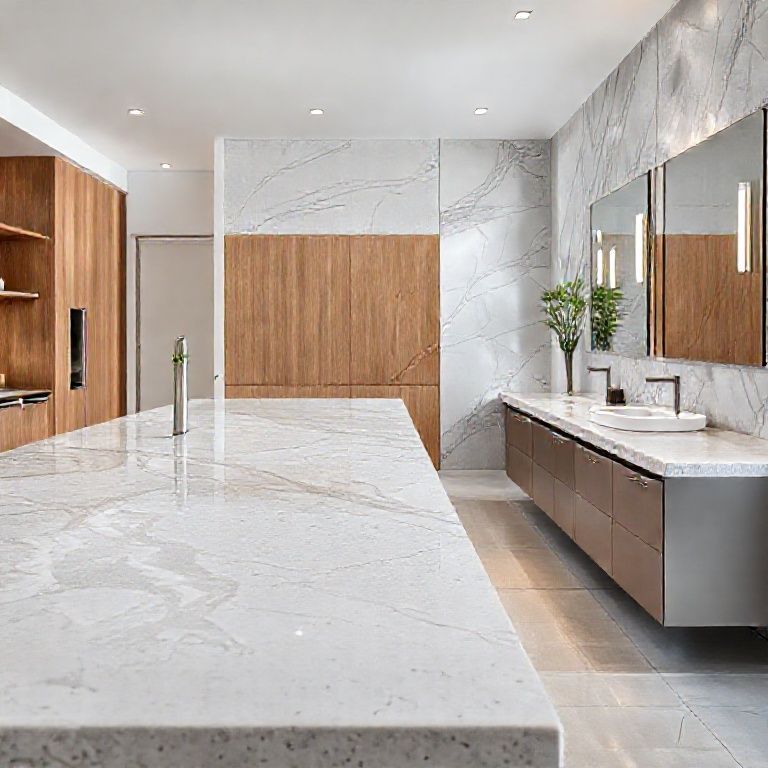
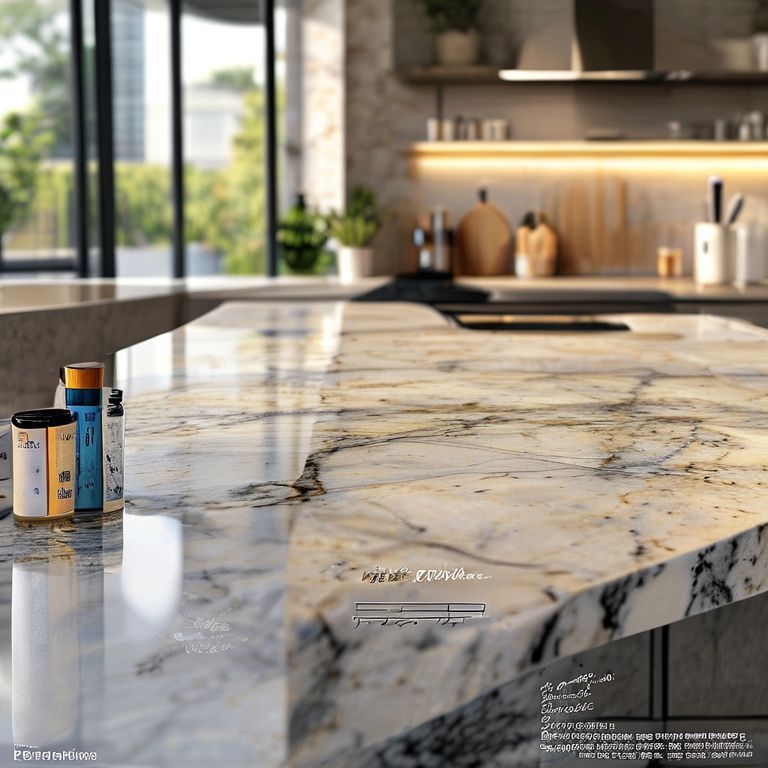
Firstly, let’s understand natural marble. Natural marble is a metamorphic rock formed from limestone due to heat and pressure over millions of years. It is a prized material for its beauty and durability. However, natural marble contains trace amounts of naturally occurring radioactive materials (NORM). These materials include uranium, thorium, and potassium, which emit low levels of radiation. The radiation from natural marble is naturally occurring and has been present since the rock was formed. The levels of radiation from natural marble are generally within safe limits set by regulatory bodies worldwide.
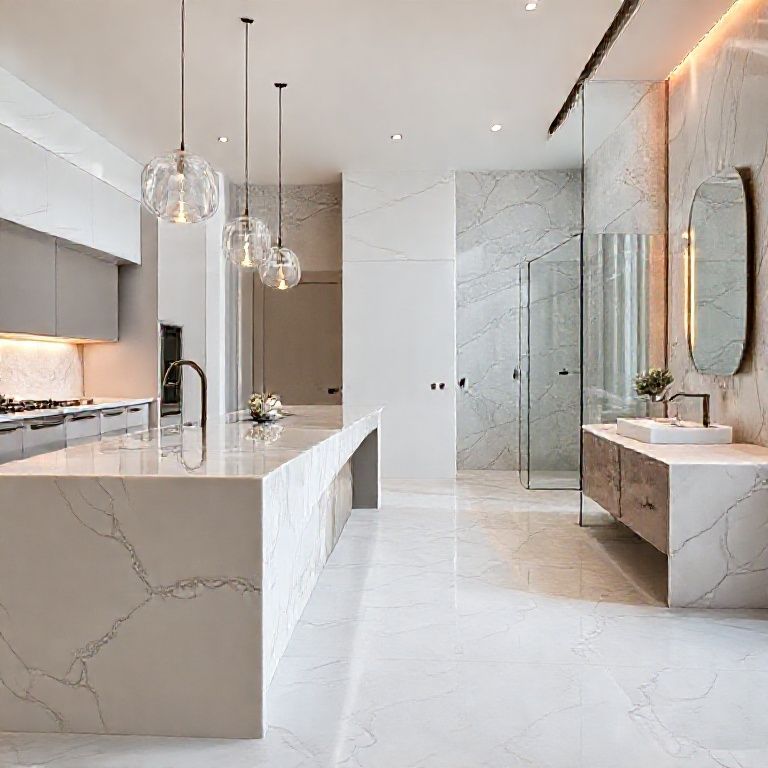
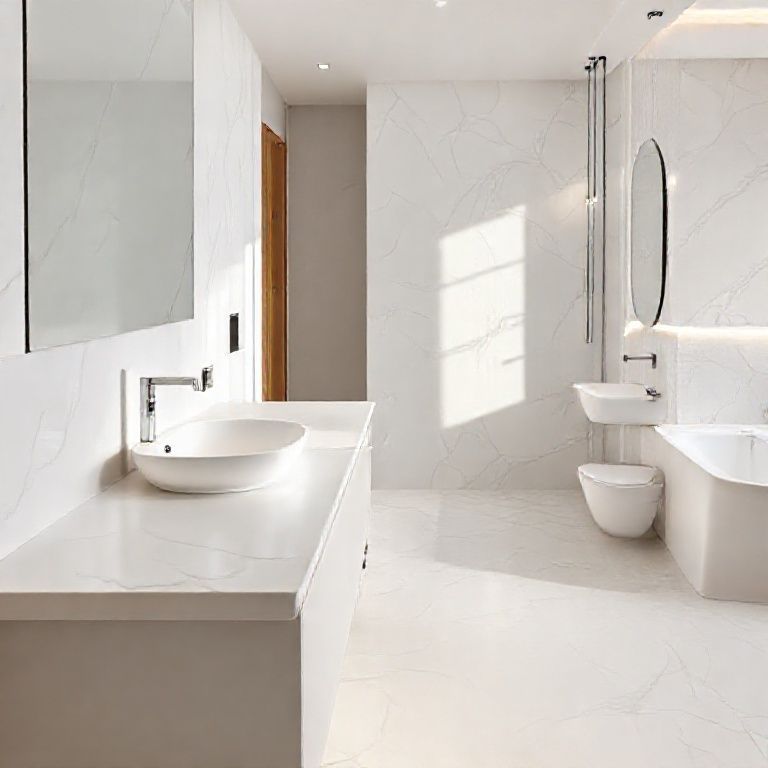
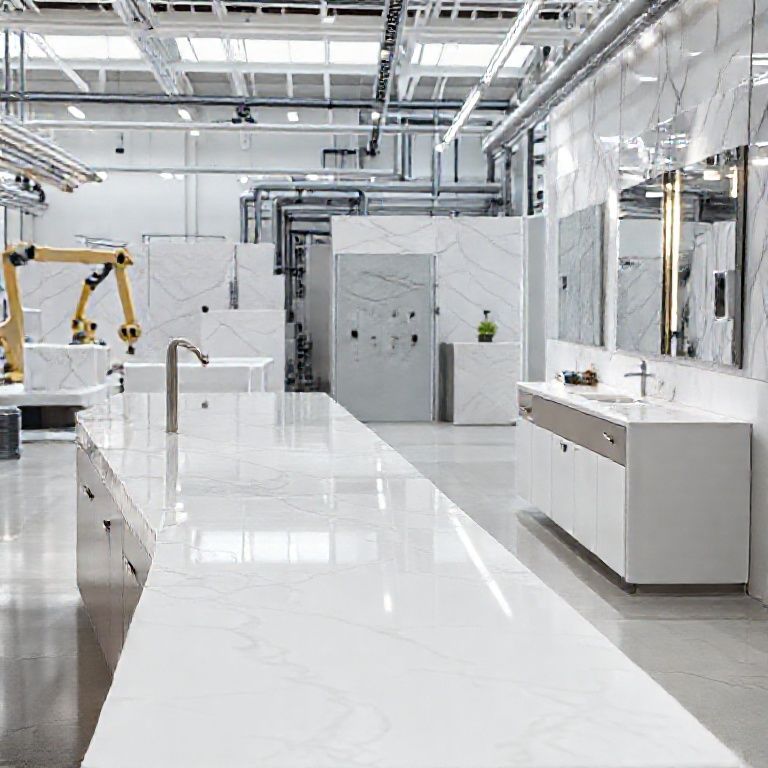
Now, let’s turn our attention to artificial marble. Artificial marble, often referred to as cultured marble or acrylic marble, is a composite material made from a mixture of acrylic resins, pigments, and other additives. It is created in a laboratory and does not contain any naturally occurring radioactive materials. Because artificial marble is synthetically manufactured, it does not emit radiation from naturally occurring elements. However, some components used in its production, such as pigments and resins, might contain heavy metals like lead or chromium. Although these materials are typically used in small quantities and are encased within the acrylic matrix, there are concerns about potential leaching of these substances over time.
To compare the radiation levels between natural and artificial marble, it’s important to consider the overall safety and environmental impact. Natural marble, while it contains trace amounts of radiation, has been part of the Earth’s environment since its formation. Regulatory bodies such as the Environmental Protection Agency (EPA) have established guidelines to ensure that the radiation levels in natural marble used for construction and decor are within safe limits.
On the other hand, artificial marble’s safety is often questioned due to its synthetic nature and the potential for leaching of harmful substances. However, advancements in manufacturing technology have significantly improved the quality and safety of artificial marble. High-quality artificial marble products are designed to be durable, non-toxic, and free from harmful radiation.
In conclusion, while both natural and artificial marble have their unique characteristics and concerns, the radiation debate revolves more around the naturally occurring elements in natural marble and the synthetic components in artificial marble. By understanding these differences, consumers can make informed decisions based on their priorities, whether they value the natural beauty and history of marble or the modern aesthetic and safety features of artificial marble.
Stay tuned for the second part of this article, where we will delve deeper into the environmental impact, sustainability, and practical considerations of both natural and artificial marble to further assist you in making an informed choice.
In the second part of our exploration into the radiation debate between natural marble and artificial marble, we will focus on the broader environmental impact, sustainability, and practical considerations of both materials. Understanding these aspects will help you make a well-rounded decision based not only on safety but also on ecological and practical factors.
Environmental Impact and Sustainability
When considering the environmental impact, it’s essential to look at the entire lifecycle of both natural and artificial marble. Natural marble extraction involves mining, which can have significant ecological consequences, including habitat destruction, increased carbon footprint, and water usage. The process of quarrying marble requires extensive land use and can lead to soil erosion and deforestation. Additionally, the transportation of natural marble from its extraction site to manufacturing and retail locations adds to the carbon footprint.
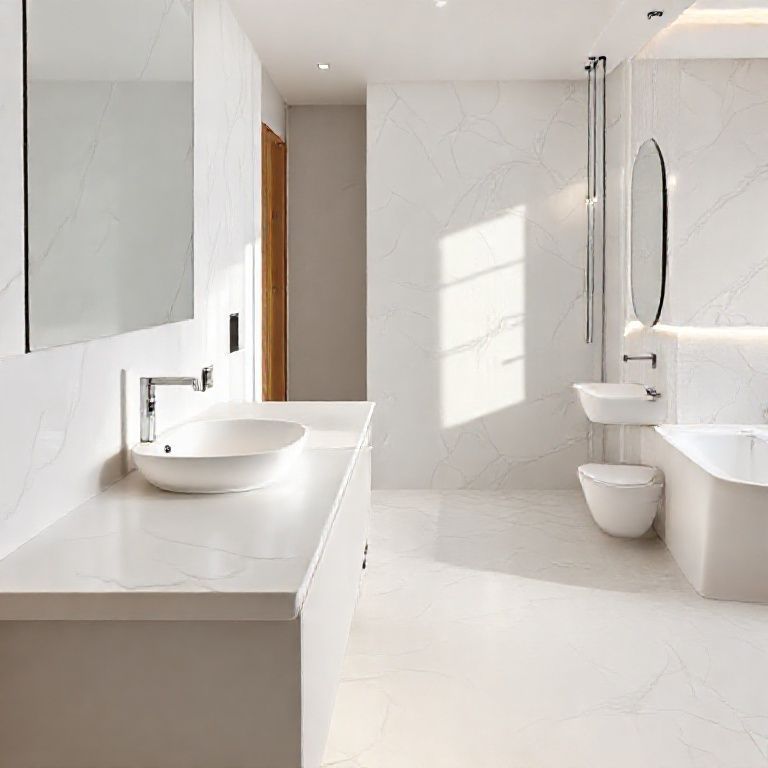
In contrast, artificial marble production involves synthetic processes that can be more controlled and potentially less harmful to the environment. However, the production of acrylic resins and pigments used in artificial marble can involve chemical processes that emit greenhouse gases and other pollutants. Nonetheless, advancements in manufacturing technology have led to the development of eco-friendly formulations that minimize these environmental impacts.
Sustainability is another crucial factor to consider. Natural marble, being a natural resource, is non-renewable. Once the marble deposits are extracted, they cannot be replenished. This makes natural marble a finite resource that depletes over time. On the other hand, artificial marble can be produced in a controlled environment and can potentially be made from recycled materials, making it a more sustainable option in terms of resource conservation.
Durability and Maintenance
Durability is a key factor when choosing between natural and artificial marble. Natural marble is renowned for its strength and beauty, but it is also prone to scratches, chips, and staining. Over time, natural marble surfaces may require significant maintenance, including sealing and re-polishing to maintain their appearance and durability. The process of sealing natural marble involves the use of chemicals that can be harmful if not properly handled and disposed of.
Artificial marble, on the other hand, is known for its high durability and resistance to scratches, chips, and staining. It is also less susceptible to water damage, making it an excellent choice for areas prone to moisture. Artificial marble can be maintained with simple cleaning routines, often just requiring a damp cloth and mild soap. Additionally, artificial marble surfaces do not require re-polishing, reducing the need for chemical treatments and the associated environmental impact.
Aesthetic Appeal and Versatility
Both natural and artificial marble offer unique aesthetic appeal, but they cater to different design preferences. Natural marble’s beauty lies in its natural veins and patterns, which provide a unique and timeless look. The natural variations in color and texture make each piece of natural marble one-of-a-kind, adding character and authenticity to any space.
Artificial marble, with its versatile coloring and design options, allows for a wide range of aesthetic possibilities. It can mimic the appearance of natural marble closely, but it also offers a variety of patterns and colors that may not be available in natural marble. This versatility makes artificial marble a popular choice for modern and contemporary designs, where custom and unique appearances are highly valued.
Health and Safety Considerations
When it comes to health and safety, both materials have their pros and cons. Natural marble, while containing trace amounts of naturally occurring radioactive materials, is generally considered safe when used within regulated guidelines. The radiation levels are minimal and within safe limits set by health and safety authorities.
Artificial marble, though free from naturally occurring radiation, raises concerns about potential leaching of synthetic components. However, high-quality artificial marble products are manufactured with non-toxic, low-VOC (volatile organic compounds) formulations to minimize health risks. It’s important to choose reputable brands and products that adhere to safety and environmental standards.
Conclusion
In conclusion, the decision between natural marble and artificial marble involves a careful consideration of radiation levels, environmental impact, durability, maintenance, aesthetic appeal, and health and safety. While natural marble offers a timeless beauty and unique character, artificial marble provides durability, versatility, and modern design options. By weighing these factors, you can make an informed choice that aligns with your values and needs.
Understanding the radiation debate between natural and artificial marble helps you appreciate the unique qualities and considerations of each material. Whether you prioritize the natural beauty of marble or the modern, sustainable features of artificial marble, there is a choice that suits your preferences and enhances your living or working space.
Thank you for joining us on this comprehensive exploration. Stay tuned for more insights on home and office decor, sustainability, and material choices to help you create a beautiful and safe environment.