The Radiation Levels in Artificial Marble: What You Need to Know
When it comes to home decor, artificial marble has become a popular choice due to its durability, aesthetic appeal, and cost-effectiveness. However, questions have arisen about the potential radiation levels in these materials, which has led to concerns about their safety. This first part of our article explores the science behind the radiation in artificial marble, its potential impact on health, and what you can do to make informed decisions.

Understanding Artificial Marble
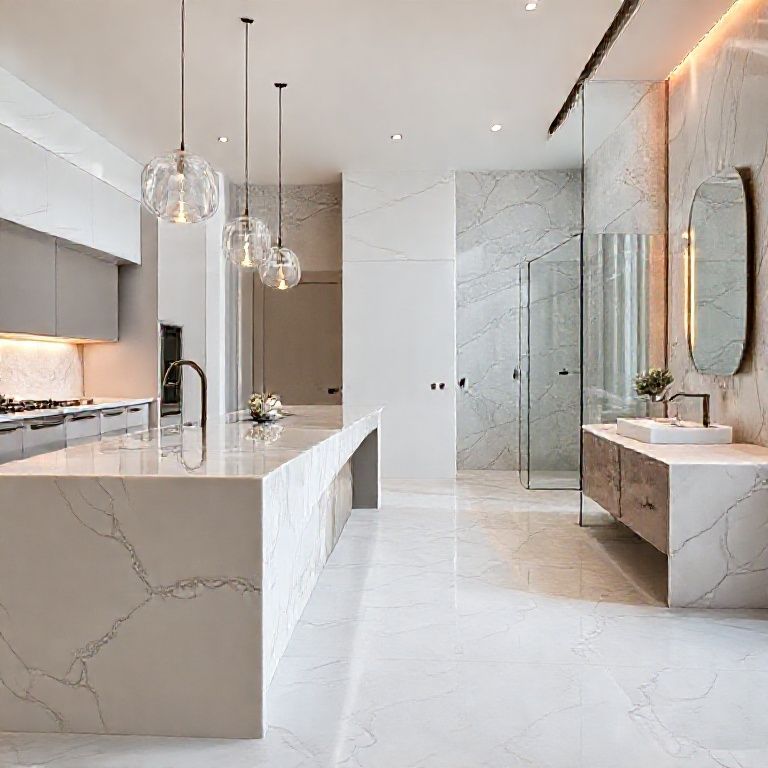
Artificial marble, also known as engineered stone, is a composite material made from natural stone powder, typically quartz, mixed with resin and other additives. This material is then compressed and heated to form a solid, stone-like surface. While it mimics the appearance of natural marble, it’s important to understand that it’s fundamentally different in composition and production.
The Science of Radiation in Artificial Marble
To comprehend the radiation levels in artificial marble, we need to first understand what radiation is and how it can be detected. Radiation is a form of energy that travels through space or matter in the form of particles or waves. In the context of building materials, the primary concern is the presence of naturally occurring radioactive materials (NORM) such as radon, thorium, and uranium.
Radon in Artificial Marble
One of the primary sources of radiation in artificial marble is radon gas, which can be present in the raw materials used to make it. Radon is a naturally occurring radioactive gas produced by the decay of uranium found in soil and rock. When these materials are processed and compacted into artificial marble, radon gas can become trapped within the stone.
Measurement and Detection
Radiation levels in artificial marble are typically measured using a Geiger-Muller counter or a scintillation detector. These devices can measure the radiation dose rate in units of microsieverts per hour (µSv/h). The World Health Organization (WHO) and various environmental agencies have set guidelines for acceptable radiation levels in building materials to ensure public safety.
Health Implications
The health implications of radiation from artificial marble depend on the concentration of radioactive materials and the extent of exposure. While short-term exposure to low levels of radiation is generally not harmful, prolonged exposure to higher levels can pose health risks. These risks include an increased likelihood of cancer, particularly in vulnerable populations such as children and pregnant women.
Comparing with Natural Marble
To put the radiation levels in artificial marble into perspective, it’s useful to compare them with natural marble. Natural marble also contains trace amounts of radioactive materials, albeit usually in lower concentrations than artificial marble. The key difference lies in the processing and manufacturing techniques, which can concentrate radioactive materials in artificial marble.
Regulatory Standards and Safety Measures
To address these concerns, manufacturers of artificial marble have begun implementing stricter safety measures and regulatory compliance. Some manufacturers use lower-radiation raw materials and employ advanced techniques to reduce the levels of trapped radon gas. Additionally, many countries have established guidelines and standards for the acceptable radiation levels in building materials.
Ensuring Safety in Your Home
If you’re concerned about radiation levels in artificial marble, there are several steps you can take to ensure your home remains a safe environment:
Choose Certified Products: Look for artificial marble products that have been tested and certified by reputable organizations for radiation levels within safe limits. Proper Ventilation: Ensure good ventilation in areas where artificial marble is installed, which can help dissipate radon gas. Limit Usage: If possible, limit the use of artificial marble in high-traffic areas where prolonged exposure may be higher.
By understanding the science behind radiation in artificial marble and taking these precautionary measures, you can make informed decisions to safeguard your health and well-being.
The Radiation Levels in Artificial Marble: What You Need to Know
In the second part of this article, we continue to explore the topic of radiation in artificial marble, focusing on alternative materials, the role of consumer awareness, and practical tips for ensuring a radiation-free home environment. We will also address the latest advancements in technology that are helping to mitigate radiation risks in building materials.
Exploring Safe Alternatives
Given the potential radiation concerns with artificial marble, many consumers are looking for safer alternatives. Fortunately, there are several non-toxic and radiation-free materials available for home decor that can offer similar aesthetic benefits without the risks.
Natural Stone Alternatives
Natural stone alternatives such as granite, slate, and travertine provide a durable and beautiful option for your home decor. These materials are not only aesthetically pleasing but also have lower radiation levels compared to artificial marble. While they may come at a higher cost, their natural composition ensures they do not trap harmful radon gas.
Composite and Polymeric Materials
Composite materials and polymeric alternatives offer a blend of durability and safety. These materials are made from natural fibers and resins that do not contain radioactive elements. They can mimic the look of marble while ensuring zero radiation levels. Brands that specialize in these materials often provide certification and testing to ensure the safety of their products.
Sustainable and Low-Radiation Options
Sustainability is increasingly important to modern consumers, and there are options available that prioritize both safety and eco-friendliness. Sustainable materials such as recycled stone composites and low-radiation alternatives are gaining popularity. These materials use recycled components and are processed in ways that minimize radiation exposure.
The Role of Consumer Awareness
Consumer awareness plays a crucial role in addressing radiation concerns in artificial marble. By staying informed about the materials used in home decor, consumers can make educated choices that prioritize their health and well-being.
Educating Yourself
Educating yourself about the materials you use in your home is the first step toward making safe choices. Look for information from credible sources such as environmental agencies, health organizations, and product manufacturers. Understanding the properties and potential risks of different materials can empower you to make informed decisions.
Demanding Transparency
Demanding transparency from manufacturers is essential. Companies that prioritize safety will provide detailed information about the materials they use, the testing they undergo, and the certifications they hold. Asking for this information can help ensure that the products you choose are safe and compliant with health standards.
Supporting Safer Products
Supporting companies that use safer, low-radiation materials can drive the market toward more responsible manufacturing practices. When consumers show a preference for safe alternatives, manufacturers are more likely to invest in research and development to create safer products.
Practical Tips for Ensuring a Radiation-Free Home
To ensure a radiation-free home environment, there are practical steps you can take, regardless of the materials you choose.
Regular Testing
Regular testing of your home environment for radiation levels can provide peace of mind. While artificial marble is unlikely to pose immediate risks in low concentrations, periodic checks can help detect any unusual radiation levels, especially if you live in an area with naturally high radon levels.
Ventilation
Proper ventilation is crucial in reducing the concentration of radon gas. Ensure that your home has adequate airflow, particularly in areas where artificial marble is used. This can help dissipate radon gas and reduce exposure levels.
Use of Radon Mitigation Systems
For homes with high radon levels, radon mitigation systems can be installed to reduce radon gas concentrations. These systems use fans and vents to draw radon gas from the soil and release it outside, significantly lowering indoor radon levels.
Advancements in Technology
Advancements in technology are playing an increasingly important role in mitigating radiation risks in building materials. Researchers and manufacturers are continuously exploring new methods to produce safer materials without compromising on quality and aesthetics.
Innovative Processing Techniques
Innovative processing techniques are being developed to reduce the radiation levels in artificial marble. These techniques involve using lower-radiation raw materials and advanced manufacturing processes that minimize the concentration of radioactive elements.
Enhanced Detection Technologies
Enhanced detection technologies are also improving our ability to measure and monitor radiation levels in building materials. Advanced detectors provide more accurate and reliable measurements, ensuring that products meet safety standards.
Sustainable Practices
Sustainable practices in manufacturing are leading to the development of eco-friendly materials with minimal radiation risks. These practices include using recycled materials, reducing waste, and minimizing the environmental impact of production processes.
Conclusion
Understanding the radiation levels in artificial marble is essential for making informed decisions about your home decor. While concerns about radiation in these materials are valid, advancements in technology and increased consumer awareness are helping to mitigate these risks. By choosing certified products, exploring safe alternatives, and taking practical steps to ensure a radiation-free home, you can enjoy the beauty and durability of artificial marble without compromising your health and well-being.
In the next part, we will delve deeper into specific case studies and real-world examples of how radiation levels in artificial marble have been managed and mitigated, providing further insights and guidance for consumers.