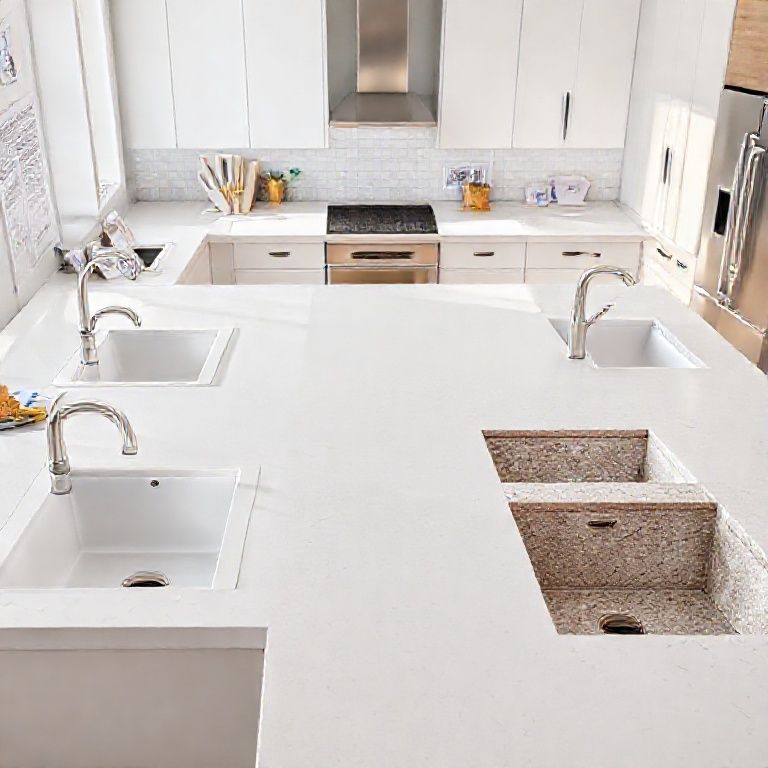
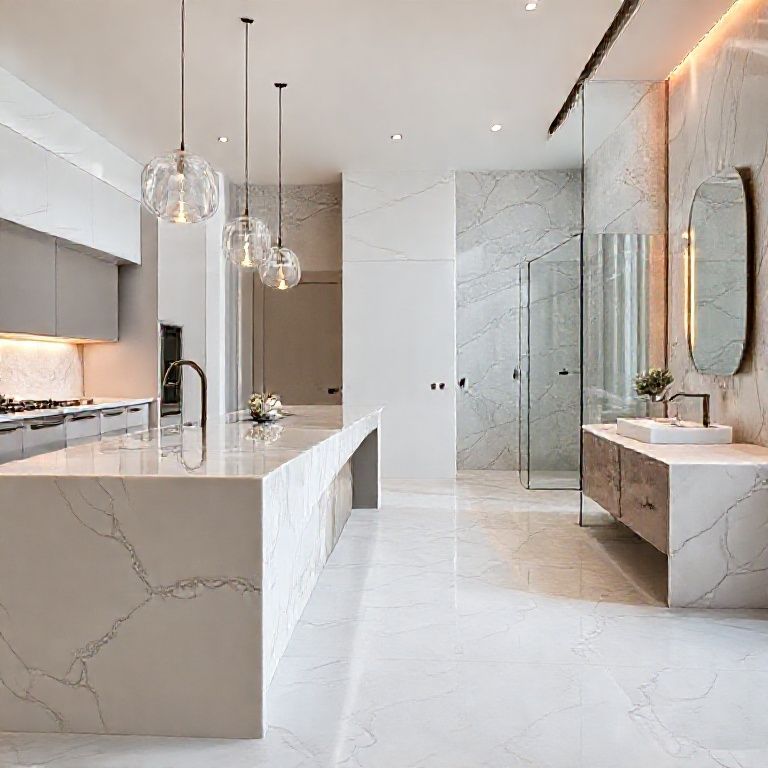
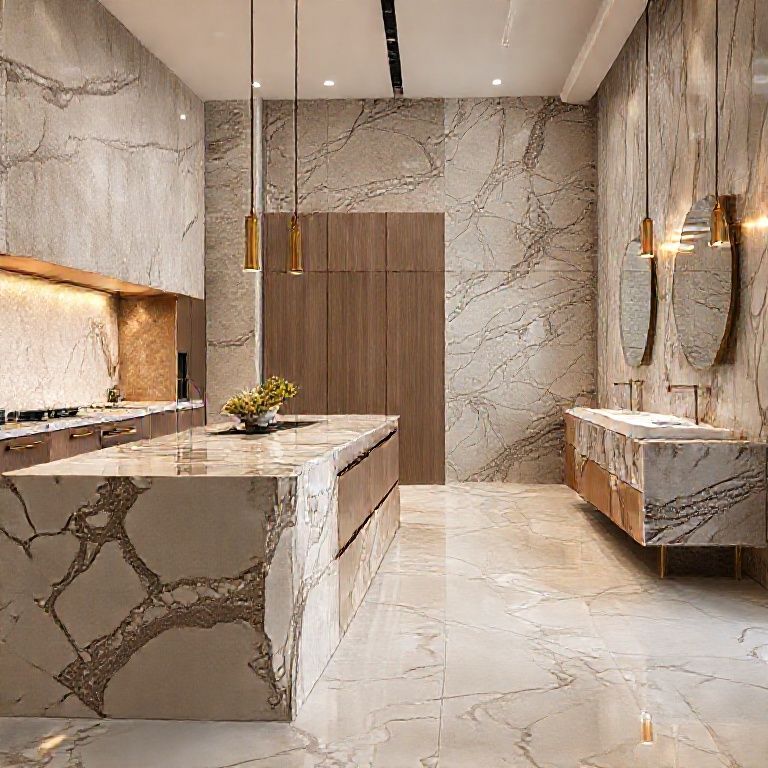
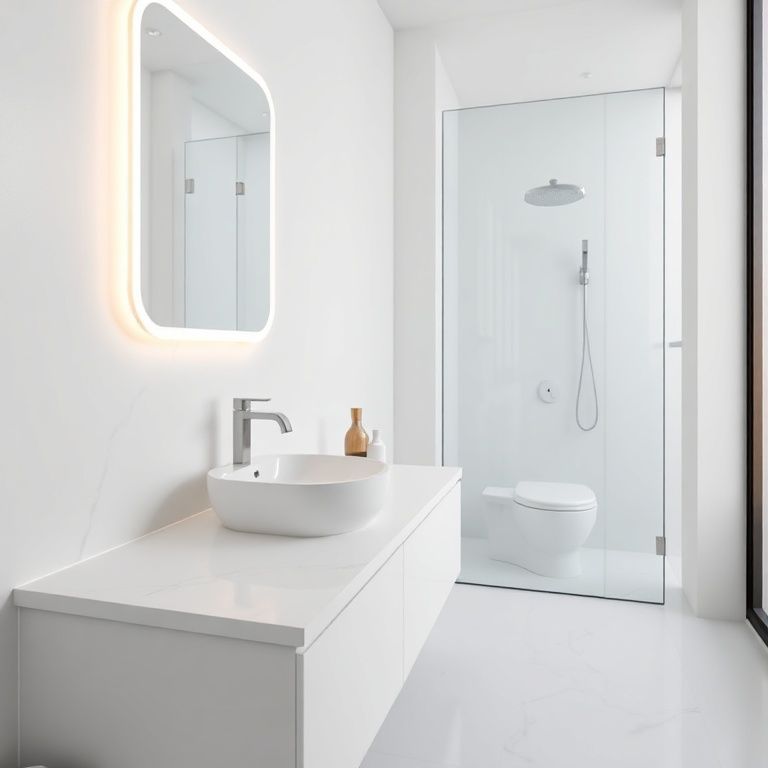
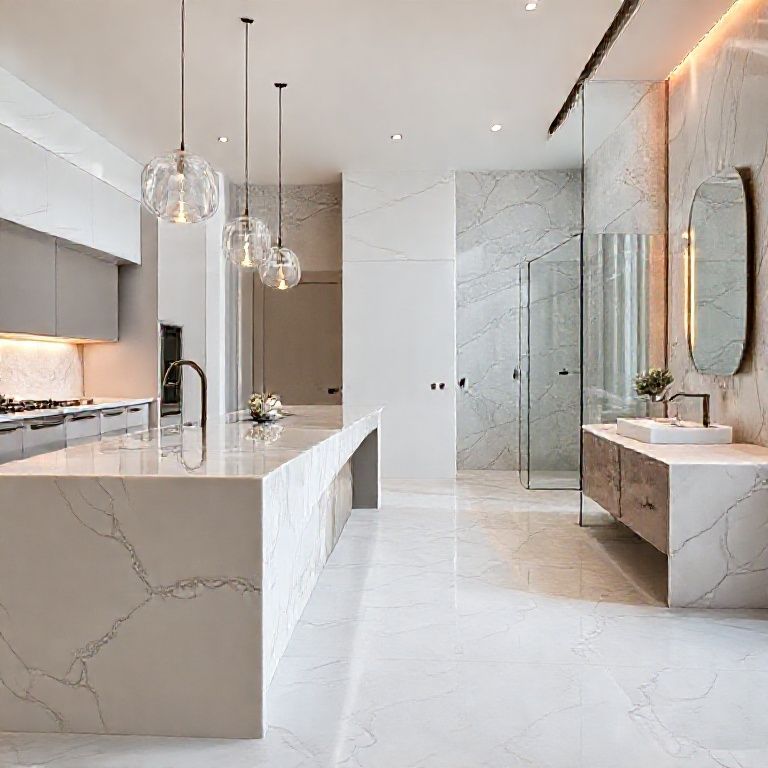
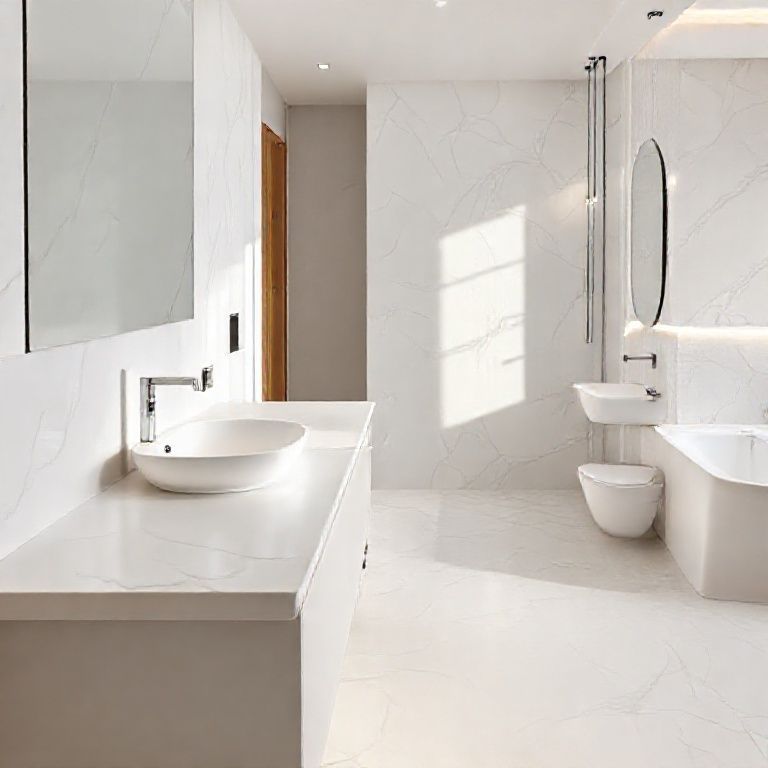
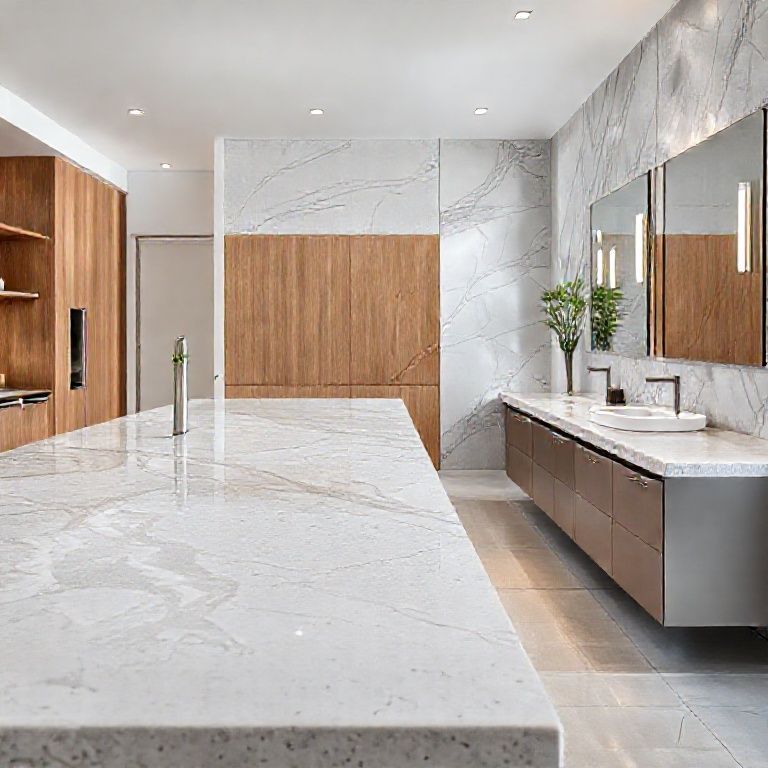
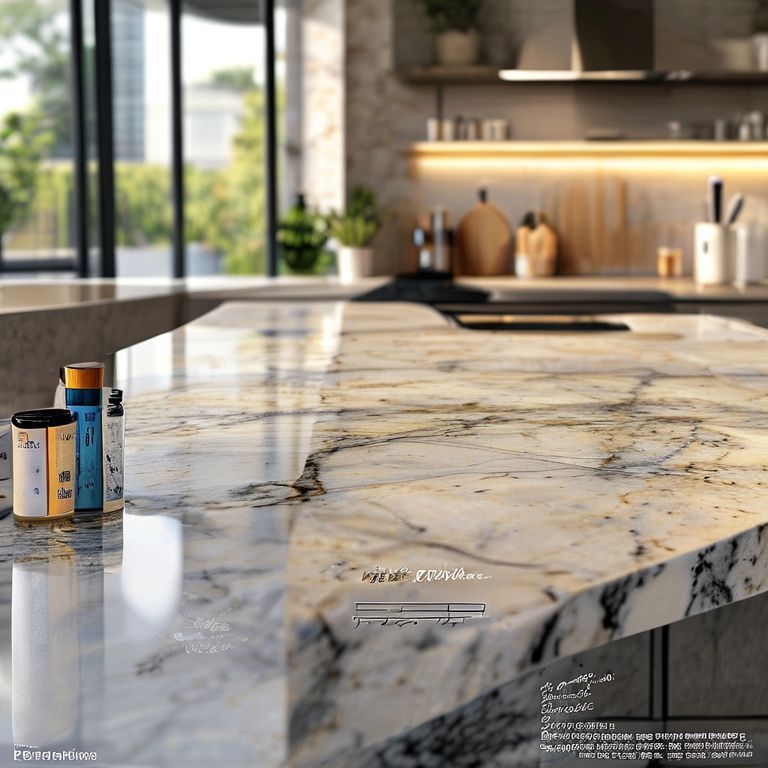
In recent years, artificial marble has become a popular choice for countertops, sinks, and various home decor elements due to its durability, low maintenance, and aesthetic appeal. However, concerns have been raised regarding the potential radiation emitted by this material. Is artificial marble radiation a real threat? Let’s delve into the science behind artificial marble and explore the myths and realities surrounding its radiation.

What is Artificial Marble?
Artificial marble, also known as engineered stone, is a composite material made from a combination of natural stone powders and resins. Popular brands include Corian and Silestone. The process involves mixing powdered stone with a polymer resin and then pressing and curing the mixture to create a solid, monolithic surface.
The Science of Radiation
To understand the radiation concerns, it’s essential to differentiate between natural and artificial sources of radiation. Natural sources include cosmic rays, radon gas, and terrestrial radiation from rocks and soil. Man-made sources include medical equipment, consumer products, and industrial processes.
Radiation and Materials
Radiation can be categorized into ionizing and non-ionizing radiation. Ionizing radiation, such as X-rays and gamma rays, has enough energy to remove tightly bound electrons from atoms, causing ionization and potentially damaging living tissue. Non-ionizing radiation, such as visible light and microwaves, lacks the energy to cause ionization.
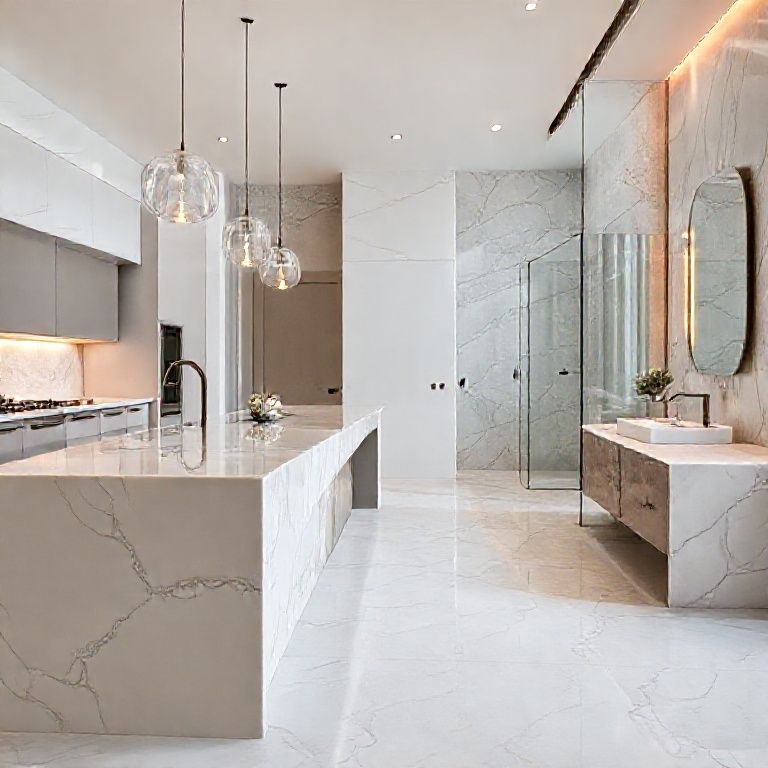
Radiation from Artificial Marble
The primary concern regarding artificial marble is whether it emits ionizing radiation. To address this, it’s crucial to understand the materials used in its production.
Ingredients in Artificial Marble
Artificial marble is primarily composed of:
Natural Stone Powders: Materials such as calcite, quartz, and other minerals. Resins: Polymers that bind the stone powders together. Colorants: Pigments to achieve the desired aesthetic.
None of these components are radioactive by nature. Calcite, for example, is a form of calcium carbonate, a common non-radioactive mineral. Quartz is also non-radioactive, though some forms like certain types of granite can contain trace amounts of naturally occurring radioactive materials (NORM).
Manufacturing Process
The manufacturing process involves high temperatures and pressures to cure the resin, but this does not introduce new radioactive elements. The resins used in artificial marble are typically petrochemical-based and do not contain radioactive isotopes.
Scientific Studies and Findings
Several studies have been conducted to assess the radiation levels of artificial marble:
Radiation Testing: Samples of artificial marble have been tested using advanced radiation detection equipment. Results consistently show no detectable levels of ionizing radiation.
Health and Safety Organizations: Leading health and safety organizations, including the World Health Organization (WHO) and the Environmental Protection Agency (EPA), have concluded that artificial marble does not emit harmful levels of radiation.
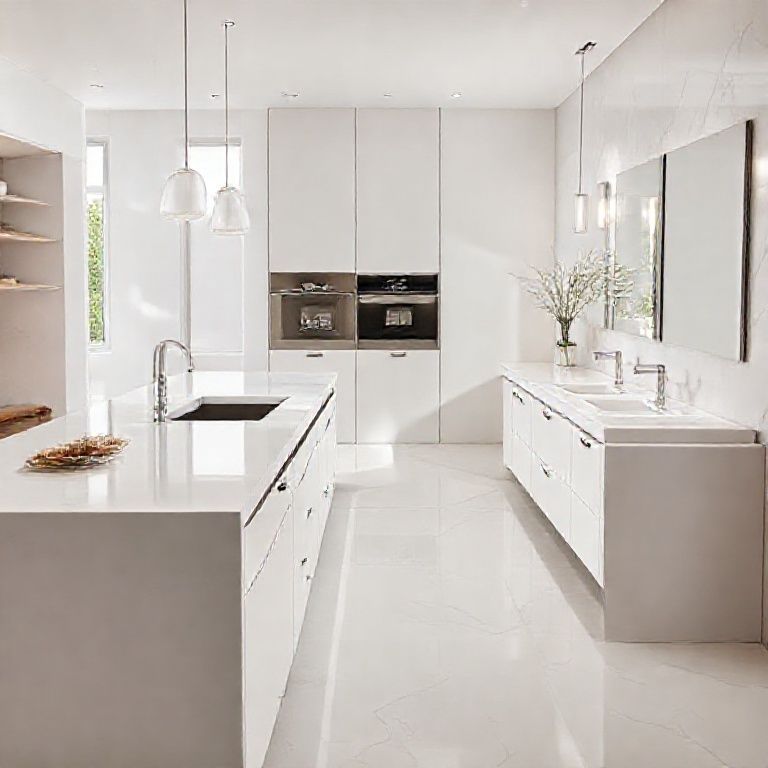
Comparative Analysis: When compared to other common building materials like granite and concrete, artificial marble has been found to emit negligible amounts of radiation, if any.
Addressing the Myths
The myth that artificial marble is radioactive often stems from misunderstandings or misinformation. Here are some common myths debunked:
Myth 1: “All Stones Contain Radiation”
While some natural stones do contain trace amounts of radioactive materials, the concentrations are minimal and do not pose a health risk. The stone powders in artificial marble are no exception.
Myth 2: “Curing Process Introduces Radiation”
The curing process in artificial marble production involves high pressure and heat but does not introduce radioactive elements. The resins used are non-radioactive.
Myth 3: “Artificial Marble is Like Nuclear Waste”
This comparison is unfounded. Artificial marble is a composite material designed for aesthetic and functional purposes, not for containing or emitting radiation.
Safety in Everyday Use
Even though the scientific evidence overwhelmingly supports the safety of artificial marble, it’s still prudent to consider general safety practices in its use:
Quality Sources: Ensure that the artificial marble is sourced from reputable manufacturers who follow industry standards. Maintenance: Regular cleaning and maintenance can help in preserving the material’s integrity and appearance. Health Precautions: As with any material, it’s wise to avoid prolonged direct contact with skin over large areas, though this is more relevant to material integrity than radiation.
Conclusion
The notion that artificial marble is a significant source of radiation is largely a myth. The materials and manufacturing processes involved do not introduce harmful ionizing radiation. Scientific studies and health organizations confirm the safety of artificial marble for everyday use. When choosing artificial marble for your home decor, you can rest assured that it is a safe and durable option that will enhance the beauty and functionality of your space.
In this second part, we will continue our comprehensive examination of the radiation concerns surrounding artificial marble. We’ll delve into the environmental impact, debunk further myths, and provide expert advice on maintaining your artificial marble surfaces safely.
Environmental Impact of Artificial Marble
While the primary concern regarding artificial marble is radiation, it’s also important to consider its environmental impact from both a production and disposal perspective.
Production Process
Resource Use: The production of artificial marble involves the use of natural stone powders, which are extracted from quarries. Sustainable practices and responsible sourcing are crucial to minimize environmental impact.
Energy Consumption: The manufacturing process requires significant energy, especially in the curing phase. Manufacturers are increasingly adopting more energy-efficient practices.
Chemical Use: The resins used in artificial marble production are petrochemical-based. While these chemicals are not radioactive, their environmental impact must be considered, particularly in terms of emissions and waste.
Disposal and Recycling
Artificial marble is a durable material, and its disposal typically involves recycling or landfill. However, its non-biodegradable nature means it does not break down naturally. Here’s what you need to know:
End-of-Life Disposal: Artificial marble can be recycled, but facilities that process this material are not widespread. Proper disposal through certified recycling programs is recommended.
Landfill Concerns: When artificial marble ends up in landfills, its non-degradable nature means it will remain for a long time, contributing to landfill mass and potentially leaching chemicals into the soil.
Debunking Further Myths
To thoroughly address the radiation concerns, let’s debunk more common myths and misconceptions about artificial marble.
Myth 4: “Artificial Marble Contains Radioactive Elements”
Artificial marble does not contain any radioactive elements. The natural stone powders used are non-radioactive, and the resins are petrochemical-based. No additional radioactive materials are introduced during the manufacturing process.
Myth 5: “Artificial Marble is Hazardous to Health”
There is no scientific evidence to suggest that artificial marble is hazardous to health. Its components are safe, and its manufacturing process does not introduce harmful radiation or toxic substances.
Myth 6: “Curing Process Emits Radiation”
The curing process involves high heat and pressure to polymerize the resin, but it does not introduce or emit radiation. The resins used are non-radioactive, and the process does not involve any radioactive materials.
Expert Advice on Maintaining Artificial Marble
To ensure the longevity and safety of your artificial marble surfaces, here are some expert tips:
Cleaning: Regular cleaning with mild soap and water is sufficient for maintaining the surface. Avoid using abrasive cleaners or harsh chemicals that could damage the material.
Avoiding Damage: While artificial marble is durable, it can be scratched or damaged by sharp objects. Use cutting boards and place coasters to protect the surface.
Heat and Spills: Avoid prolonged exposure to direct heat sources and spills of acidic or alkaline substances, which can cause damage to the surface.
Proper Tools: Use proper tools for cutting and drilling. When installing artificial marble countertops, ensure that the tools used do not cause micro-fractures.
Long-Term Safety and Benefits
Understanding the radiation concerns and debunking myths around artificial marble allows us to appreciate its benefits as a material:
Durability: Artificial marble is highly durable and resistant to scratches, stains, and chips. Its surface is smooth and easy to clean, making it an excellent choice for high-traffic areas.
Aesthetic Versatility: Available in a wide range of colors and patterns, artificial marble can mimic the look of natural stone while offering more design flexibility.
Low Maintenance: Unlike natural stone, artificial marble does not require sealing or extensive maintenance. This makes it a practical choice for busy households.
实际应用中的安全性
厨房用途:
抗污性: 人造大理石具有极强的抗污性,日常清洁只需简单的清洁剂和水即可保持光亮如新。 耐热性: 由于其耐高温特性,人造大理石适合用于炉灶台面,但仍需避免直接放置热源或使用热水器具。
浴室用途:
防水性: 人造大理石是防水材料,但长期接触水也需注意清洁,防止霉菌滋生。 防滑性: 尽管人造大理石表面光滑,但选择带有防滑处理的产品可以提升安全性。
办公室和商业场所:
耐用性: 人造大理石的耐用性使其适合于高流量的办公和商业环境。 设计灵活性: 它的可裁切性和多样的外观设计使其适用于各种复杂的设计需求。
环保与可持续性
材料来源:
人造大理石的主要成分是天然石材粉和聚合物,这些材料在生产过程中会产生一定的污染,但相比天然大理石开采对环境的破坏更少。
生产过程:
生产过程中可能会产生少量的VOC(挥发性有机化合物),但现代制造工艺已经采取了有效的排放控制措施。
可回收性:
尽管人造大理石是非生物降解材料,但其在报废时可进行专业处理和回收,减少对环境的负面影响。
未来发展趋势
新材料的开发:
随着科技的进步,新型人造大理石材料将会不断推出,进一步提高其性能和环保性能。
智能化材料:
未来,可能会出现带有智能功能的人造大理石,比如自洁、发光、健康监测等功能,这将大大提升其应用价值。
设计创新:
人造大理石的设计将会更加多样化,满足不同领域和个性化的需求。
结论
人造大理石在安全性、耐用性和设计灵活性方面具有显著的优势,尽管在生产和使用过程中存在一些环保问题,但通过现代化的生产工艺和环保措施,这些问题得到了有效控制。随着技术的不断进步和环保意识的提高,人造大理石的应用前景将更加广阔。
如果你有任何其他问题或需要更详细的信息,欢迎继续提问!