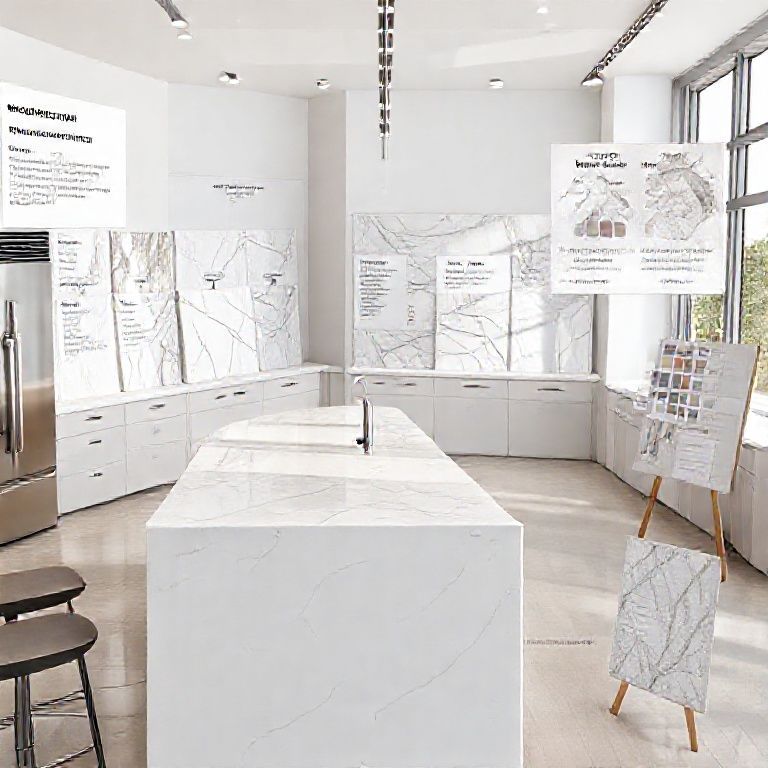
The Quality of Artificial Marble: Unveiling the Magic Behind Its Durability and Aesthetics
Artificial marble has emerged as a game-changer in the world of interior design, captivating the hearts and minds of architects, designers, and homeowners alike. With its stunning aesthetics, impressive durability, and cost-effectiveness, it’s no wonder why this material has become increasingly popular. But what exactly is artificial marble, and how does its quality compare to natural stone?

What is Artificial Marble?
Artificial marble, also known as cultured marble, is a composite material made from a combination of minerals, pigments, and resins. This innovative product was first developed in the 1960s and has since evolved to offer a wide range of colors and finishes that closely mimic the appearance of natural marble. Unlike natural stone, which is mined and quarried, artificial marble is manufactured in a controlled environment, allowing for consistent quality and an endless array of design possibilities.
Quality and Composition
One of the key factors that contribute to the quality of artificial marble is its composition. The base of artificial marble typically consists of a combination of calcium carbonate, alumina trihydrate, and other minerals that provide strength and durability. Pigments are then added to achieve the desired color, and a polymer resin is used to bind the materials together. This meticulous process ensures that each piece of artificial marble is uniform in quality and appearance.
Durability and Maintenance
When it comes to durability, artificial marble holds its own against natural stone. Unlike natural marble, which can be prone to staining, etching, and scratching, artificial marble is resistant to many of these issues. The polymer resin used in its creation provides a hard, non-porous surface that repels water, oils, and stains. This makes artificial marble ideal for high-traffic areas where durability is paramount.
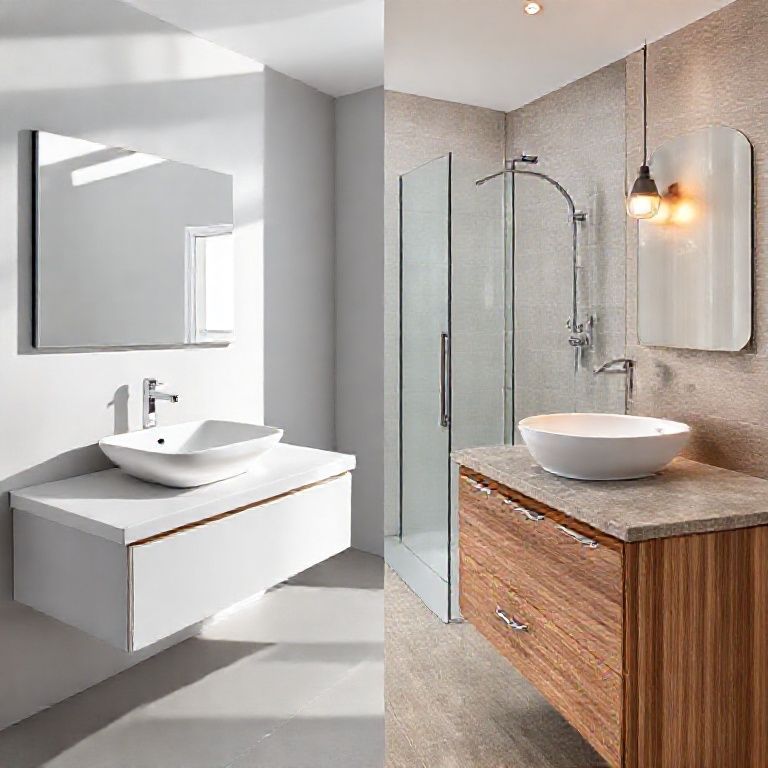
Maintenance of artificial marble is relatively straightforward. While it requires minimal upkeep compared to natural stone, it is still important to clean it regularly to maintain its pristine appearance. A mild soap and water solution is usually sufficient for cleaning, and specialized cleaners are available for more stubborn stains. It’s also essential to avoid using abrasive cleaners or tools that can scratch the surface.
Aesthetic Appeal
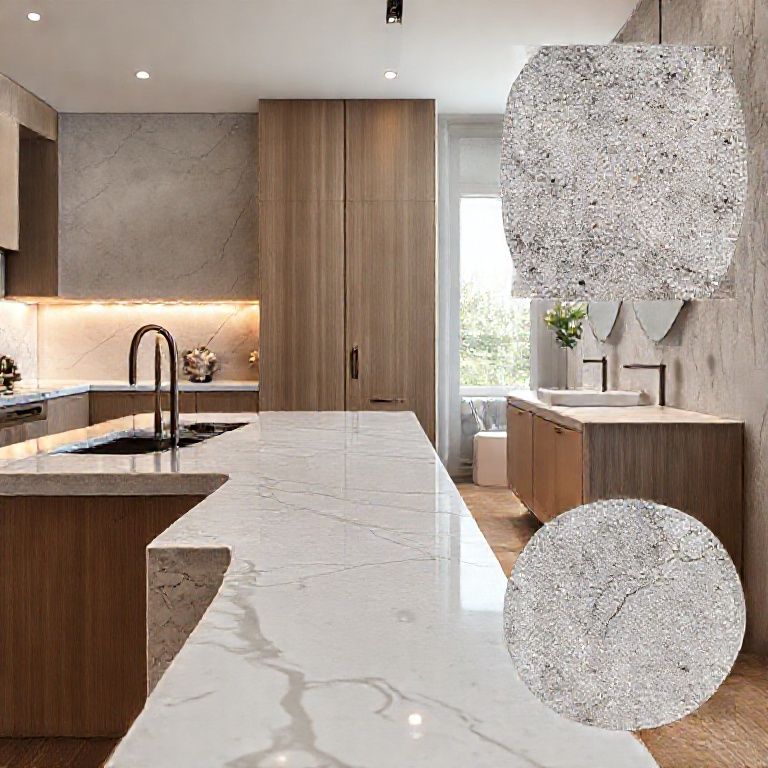
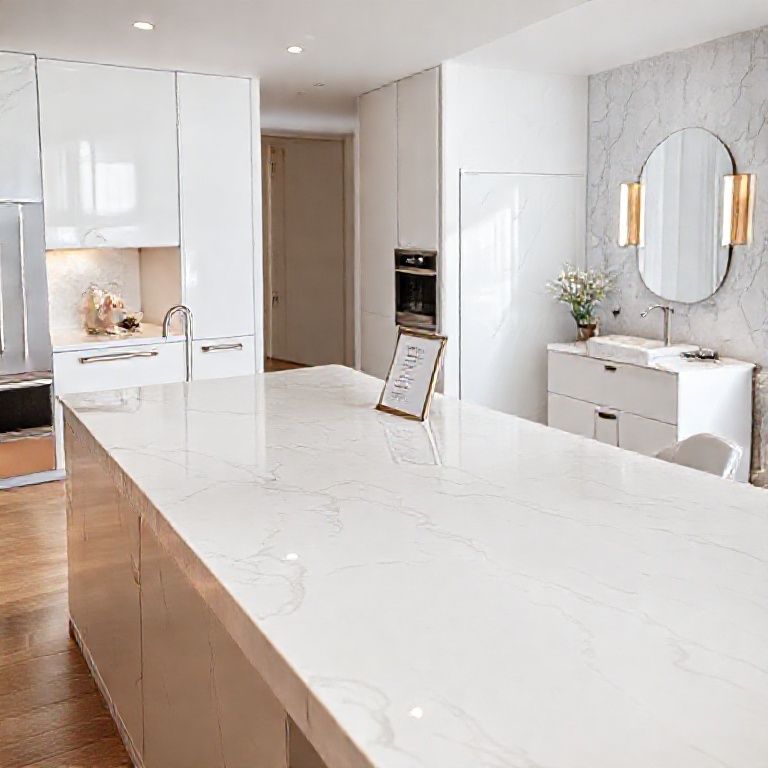
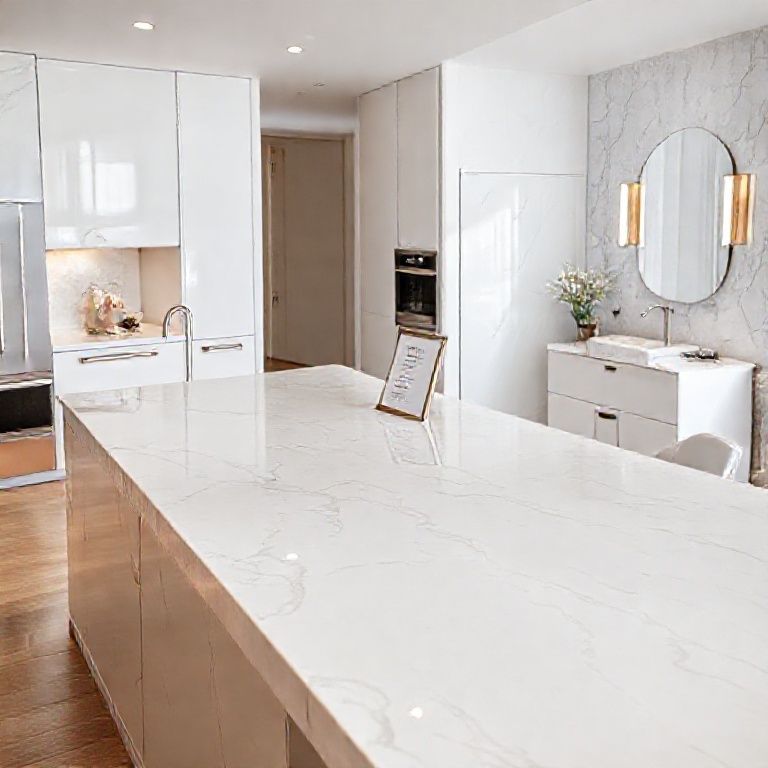
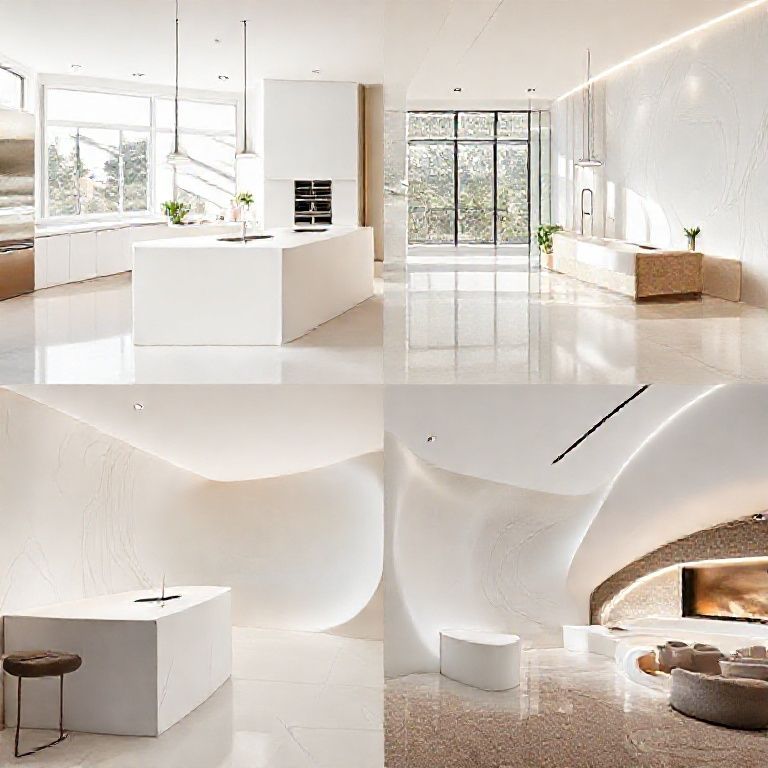
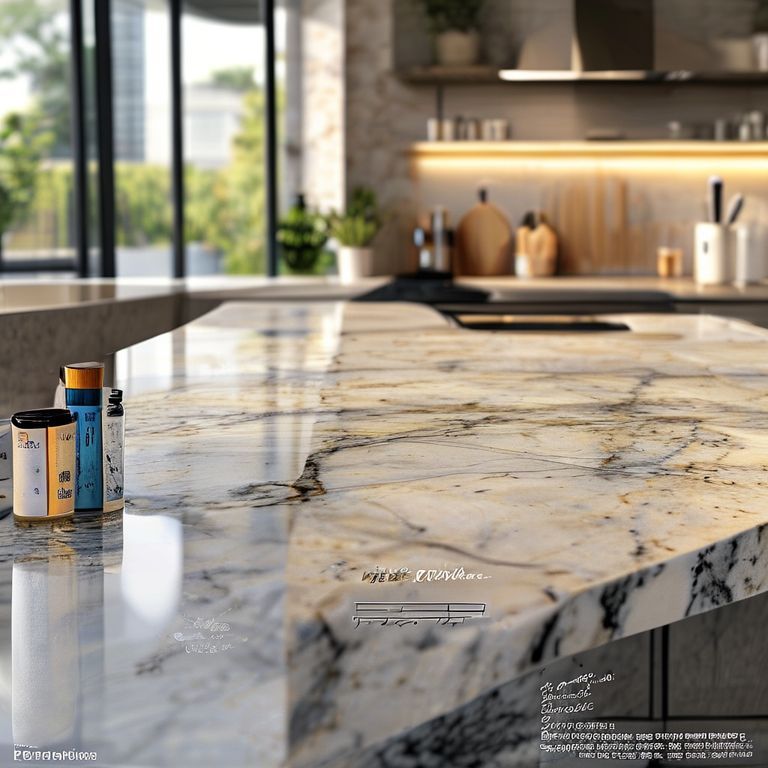
Artificial marble’s aesthetic appeal is one of its most significant advantages. The combination of pigments and resins allows for a wide range of colors, patterns, and finishes that can mimic natural marble closely. Whether you’re looking for the classic look of traditional marble or a more contemporary design, artificial marble offers a versatile solution.
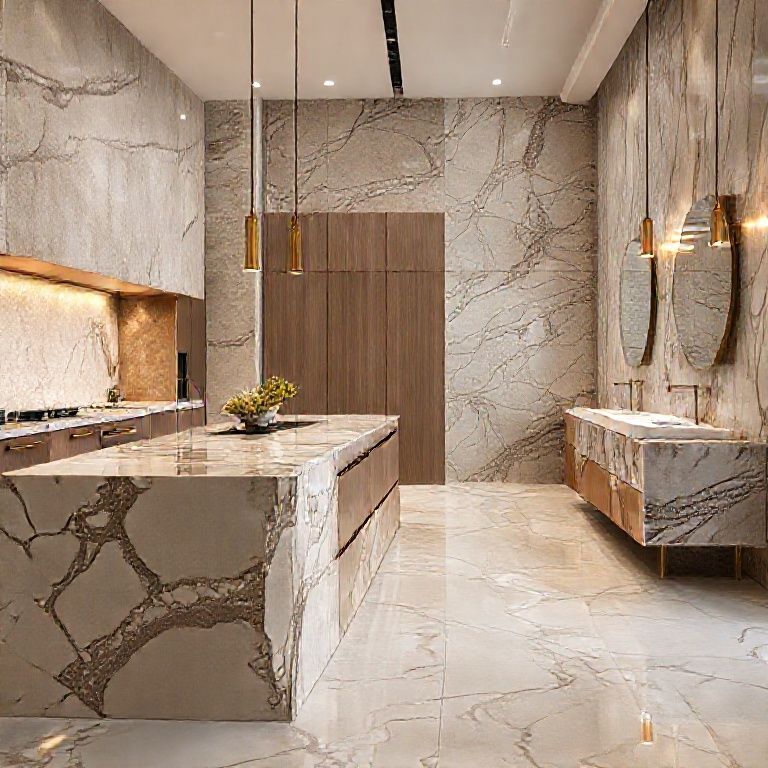
Moreover, artificial marble can be engineered to replicate the unique veining and texture of natural stone. This level of detail and customization is difficult to achieve with natural marble, making artificial marble a popular choice for designers who want to create bespoke and unique designs.
Cost-Effectiveness
Another compelling reason to consider artificial marble is its cost-effectiveness. While natural marble can be expensive, artificial marble offers a more affordable alternative without compromising on quality. The manufacturing process of artificial marble allows for mass production, which keeps costs down. Additionally, the durability of artificial marble means that it often requires less maintenance and fewer replacements over time, further enhancing its value.
Applications and Versatility
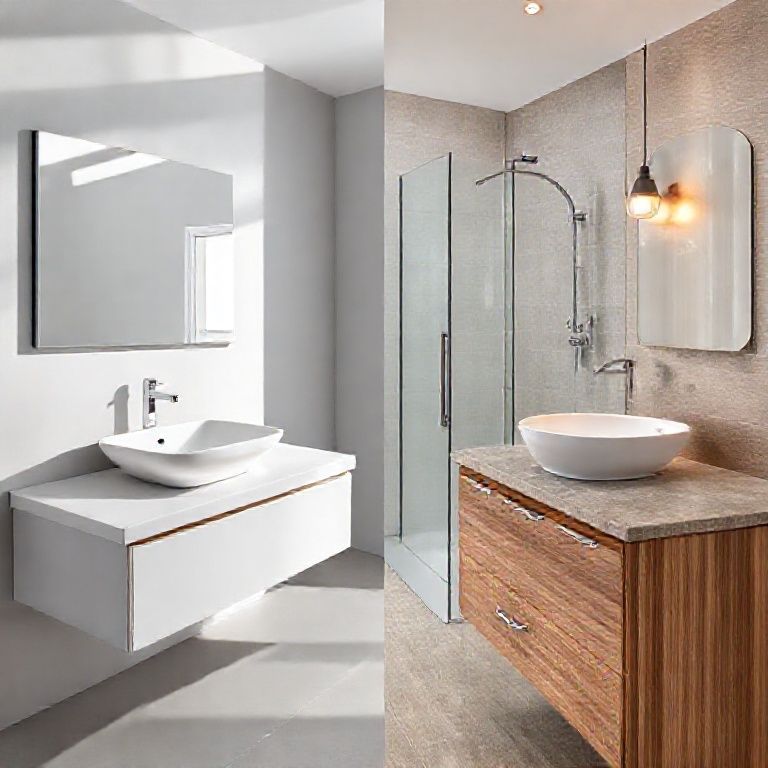
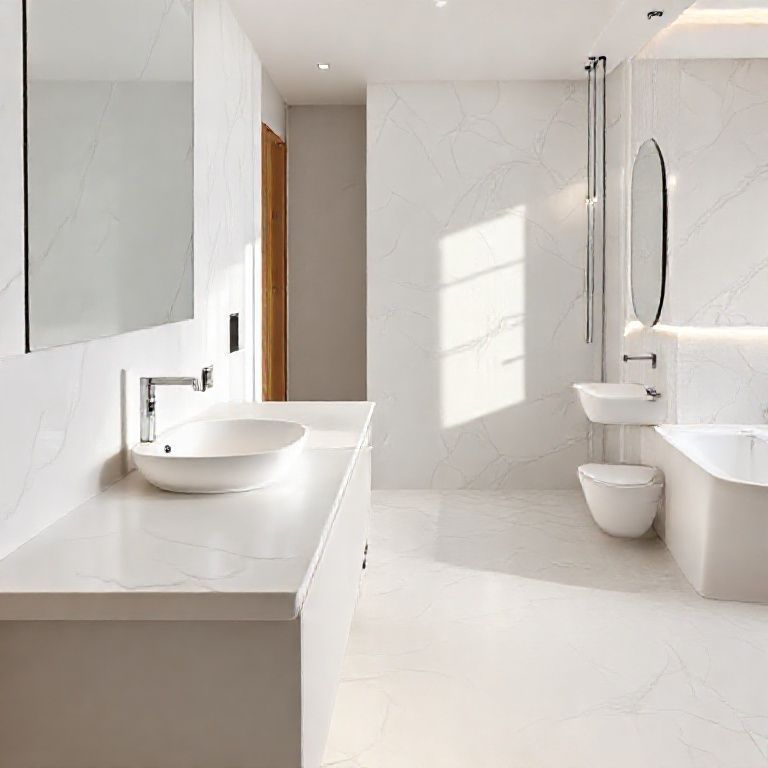
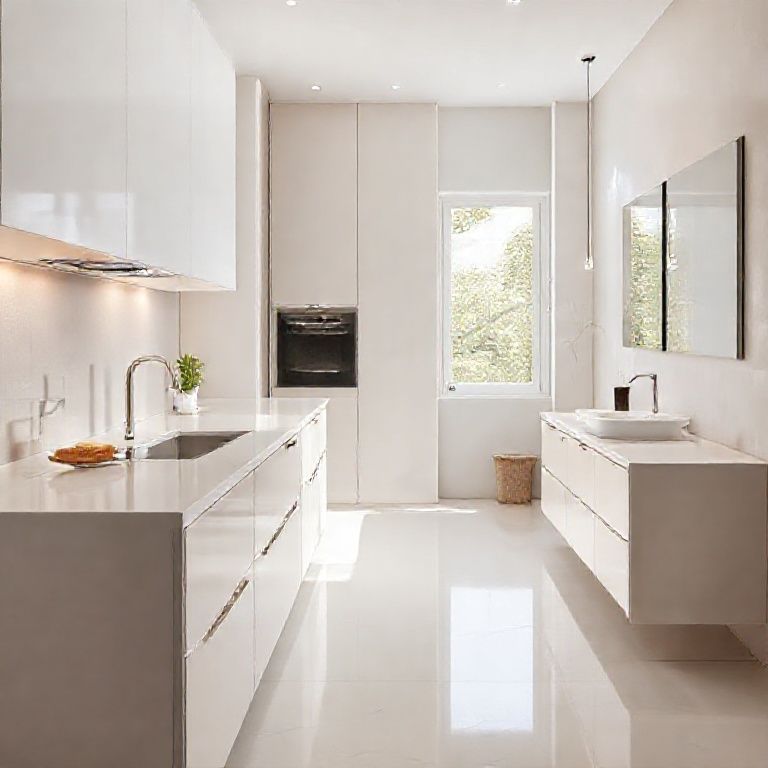
The versatility of artificial marble makes it suitable for a wide range of applications. It’s commonly used in countertops, sinks, kitchen backsplashes, bathroom vanities, and even decorative items like statues and fountains. Its ability to be molded and shaped into intricate designs allows for endless creative possibilities. Designers and homeowners can choose from a variety of styles, from sleek and modern to traditional and ornate, to suit their specific needs and preferences.
Comparison with Natural Stone
When comparing artificial marble to natural stone, several factors come into play. Natural stone, such as granite, limestone, and onyx, offers a timeless and elegant appeal. However, it comes with its own set of challenges. Natural stone is often more expensive, requires more maintenance, and is susceptible to staining, etching, and scratching. Additionally, the availability of natural stone is limited by mining and quarrying, which can lead to supply inconsistencies.
On the other hand, artificial marble provides a more predictable and consistent quality. Its uniformity ensures that each piece matches the others in color and finish, which is particularly important for large installations. The durability of artificial marble also means that it can withstand the rigors of daily use better than many natural stones.
Conclusion
In conclusion, the quality of artificial marble is exceptional, offering a durable, aesthetically pleasing, and cost-effective alternative to natural stone. Its composition, durability, and maintenance requirements make it a practical choice for both residential and commercial spaces. Whether you’re looking to add a touch of elegance to your kitchen or bathroom, or create a unique and customized design, artificial marble is a material that stands up to the test of time. As we continue to explore the world of artificial marble in the next part of this article, we’ll delve deeper into its environmental impact and future trends in the industry.
The Quality of Artificial Marble: Exploring Environmental Impact and Future Trends
As we continue our exploration of artificial marble, it’s essential to address the environmental impact of this innovative material. In recent years, sustainability has become a significant concern for many consumers and industries, and understanding the environmental footprint of artificial marble can provide valuable insights into its long-term viability.
Environmental Impact
The production of artificial marble involves several environmental considerations. While it offers numerous benefits over natural stone, it’s important to examine its life cycle from extraction of raw materials to manufacturing and disposal.
Raw Materials
The raw materials used in the production of artificial marble, such as calcium carbonate, alumina trihydrate, and pigments, are generally abundant and readily available. However, the extraction and processing of these materials can have environmental implications. Mining and quarrying can lead to habitat destruction, soil erosion, and water pollution. The use of synthetic pigments and resins also raises questions about their environmental impact.
Manufacturing Process
The manufacturing process of artificial marble involves the use of heat and pressure to bond the raw materials together. While this process is more controlled than the extraction of natural stone, it does require energy and can emit greenhouse gases. However, advancements in manufacturing technology have led to more sustainable practices, such as the use of energy-efficient equipment and the implementation of waste reduction strategies.
Recycling and Disposal
One of the significant advantages of artificial marble is its potential for recycling. Unlike natural stone, which is typically disposed of as waste, artificial marble can be recycled and reused in new products. This reduces the need for raw materials and minimizes waste. However, recycling artificial marble requires specialized facilities and processes, which can be challenging to implement on a large scale.
Sustainability and Future Trends
Despite these challenges, the future of artificial marble looks promising in terms of sustainability. As the demand for environmentally friendly materials grows, manufacturers are exploring innovative ways to reduce the environmental impact of artificial marble. This includes using recycled materials in the production process, developing more eco-friendly pigments and resins, and improving manufacturing efficiency to reduce energy consumption.
Innovations in Artificial Marble
The field of artificial marble is continually evolving, with ongoing research and development leading to new innovations. Some of the recent advancements include:
Eco-Friendly Formulations: Manufacturers are developing formulations that use less energy and produce fewer emissions during the manufacturing process. These eco-friendly materials also aim to reduce the use of harmful chemicals in the production of pigments and resins.
Customization and Design: The ability to customize artificial marble to match specific design requirements has expanded, allowing for more intricate and unique designs. This includes the use of advanced 3D printing technology to create complex shapes and patterns.
Enhanced Durability: Researchers are working on improving the durability of artificial marble by developing new resins and additives that provide greater resistance to stains, etching, and scratching. This enhances the longevity and value of artificial marble products.
Market Trends
The market for artificial marble is expected to grow in the coming years, driven by several factors:
Increasing Demand for Sustainable Materials: As consumers become more conscious of environmental issues, the demand for sustainable materials like artificial marble is rising. This trend is likely to continue as more people seek eco-friendly alternatives to traditional natural stone.
Advancements in Design: The continuous advancements in design and manufacturing technologies are making artificial marble more versatile and visually appealing. This is attracting a broader range of customers, from high-end luxury markets to more affordable segments.
Cost Efficiency: The cost-effectiveness of artificial marble compared to natural stone remains a significant advantage. As manufacturing processes become more efficient, the price of artificial marble is likely to decrease, making it an even more attractive option for homeowners and businesses.
Conclusion
In conclusion, while there are environmental considerations associated with the production of artificial marble, ongoing advancements in manufacturing technology and sustainability practices are addressing these challenges. The material’s durability, aesthetic appeal, and cost-effectiveness make it a compelling choice for a wide range of applications. As the industry continues to innovate and adapt to meet the demands for sustainable materials, artificial marble is poised to继续
继续:
社会接受度和文化影响
随着人们对环境保护和可持续发展的重视程度不断提高,人工大理石在社会中的接受度也在逐步提升。许多人开始意识到,虽然人工大理石的制造过程可能会对环境产生一定影响,但其整体生命周期的环境足迹比天然大理石更低。这是因为人工大理石的生产过程中可以更加有效地控制资源的消耗和废弃物的产生。
人工大理石在文化层面也有着重要的影响。它不仅提供了更多的设计可能性,让人们能够打造出独特且个性化的空间,同时也使得高端建筑和家居设计更加普及。许多高档住宅、商业空间和公共建筑都广泛采用人工大理石,以展现现代化和奢华感。
技术发展和未来前景
人工大理石的技术发展也在不断推动其应用的扩展。随着材料科学的进步,人工大理石的强度、耐久性和美观性不断得到提升。例如,通过改进配方和工艺,现在的人工大理石已经能够提供更加复杂和精细的纹理,几乎可以完全模仿天然大理石的外观和质感。
未来,人工大理石的发展前景仍然广阔。随着智能制造和数字化技术的普及,人工大理石的生产将变得更加高效和精准。这不仅可以进一步降低生产成本,还可以推动更多创新和个性化定制服务的发展。
总结
人工大理石作为一种现代化的建筑和装饰材料,以其独特的优势在多个领域中得到了广泛应用。它不仅具有出色的耐用性和易维护性,还能够提供丰富的设计选择,满足不同消费者的需求。尽管其制造过程可能会对环境产生一定影响,但通过不断的技术创新和可持续发展措施,人工大理石的环境足迹正在逐步减少。
在未来,随着社会对环境保护和可持续发展的关注度不断提高,人工大理石将继续发挥重要作用,并通过技术进步和创新不断拓展其应用前景。无论是在建筑装饰、家居设计还是其他领域,人工大理石都将继续为我们带来更多美丽和实用的选择。