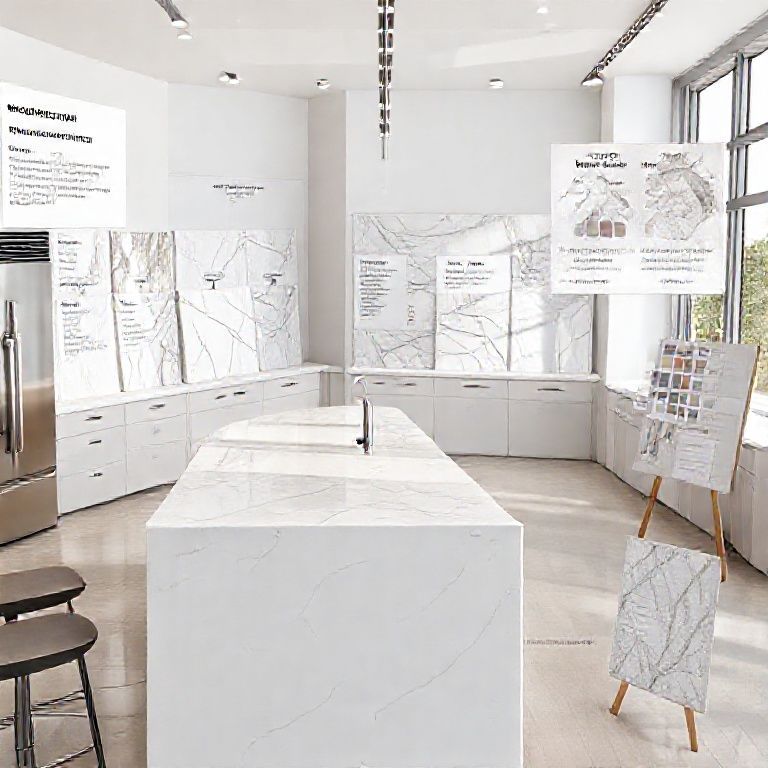
Understanding Artificial Marble: Composition and Manufacturing
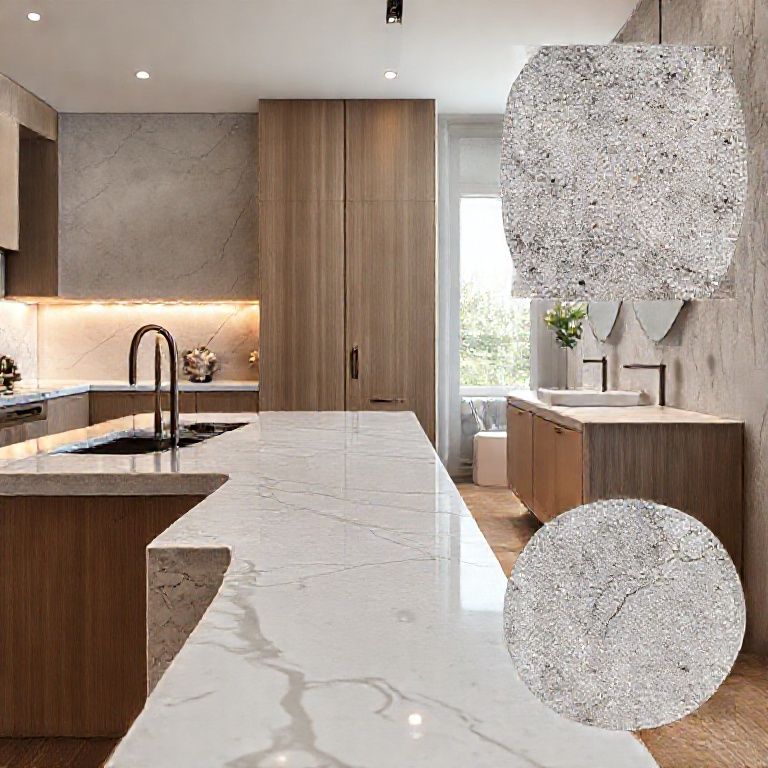
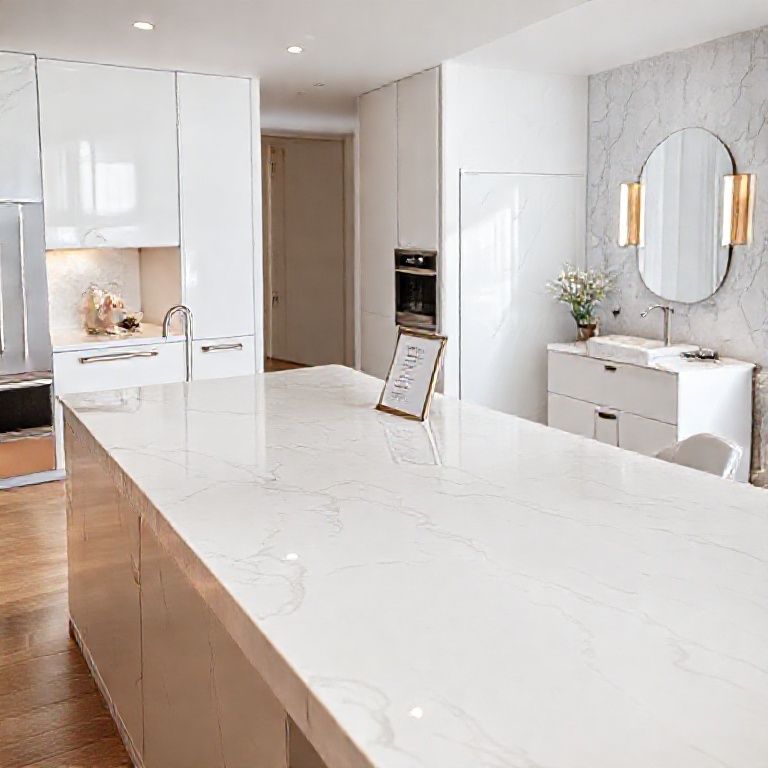
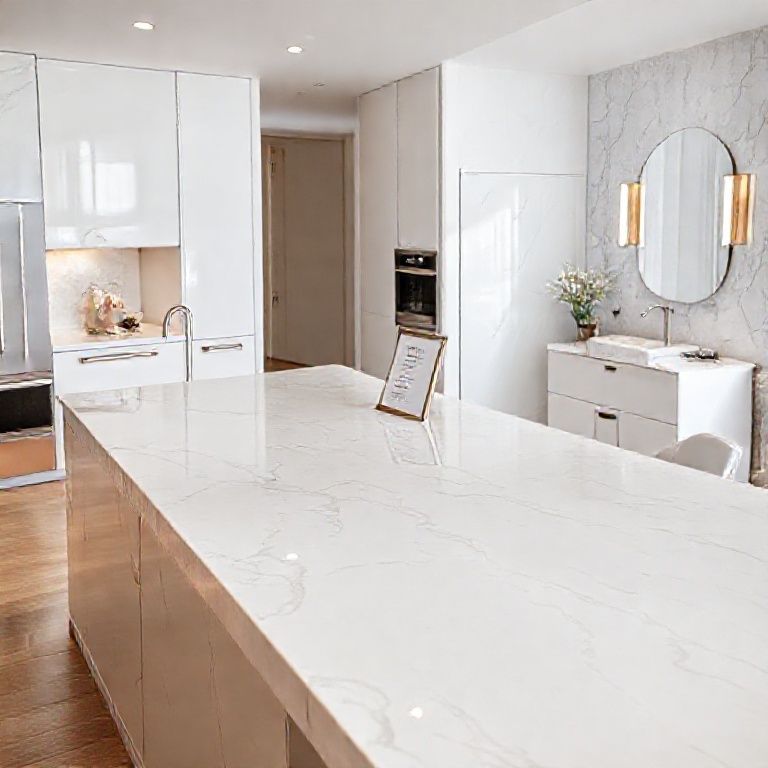
Artificial marble, also known as engineered stone, is a contemporary material that has revolutionized the world of interior design and construction. Unlike natural marble, which is a metamorphic rock, artificial marble is a composite material crafted from natural stone powders, typically quartz, combined with a polymer resin binder. This combination creates a solid, durable stone that mirrors the aesthetic qualities of natural marble while offering superior durability and resistance to stains.

The Manufacturing Process:
The production of artificial marble involves several critical steps. Firstly, natural stone powders are meticulously ground and mixed with a polymer resin. This mixture is then subjected to high pressure and temperature, which fuses the particles into a single, cohesive mass. The result is a homogeneous product that closely resembles natural stone in appearance and texture.
Material Safety and Health Concerns:
When considering the safety of artificial marble, it’s essential to address common concerns about radiation and formaldehyde emissions.
Radiation:
Radiation concerns often arise due to misconceptions about the material’s composition. Artificial marble, primarily made from quartz powder, does not inherently emit radiation. Quartz, a naturally occurring mineral, is abundant on Earth and does not pose any significant radiological hazards. Unlike materials such as certain types of granite or other natural stones that can contain trace amounts of radioactive elements like uranium or thorium, artificial marble remains free from these concerns. The manufacturing process also does not introduce any additional radioactive materials, ensuring that the final product remains safe from radiation exposure.
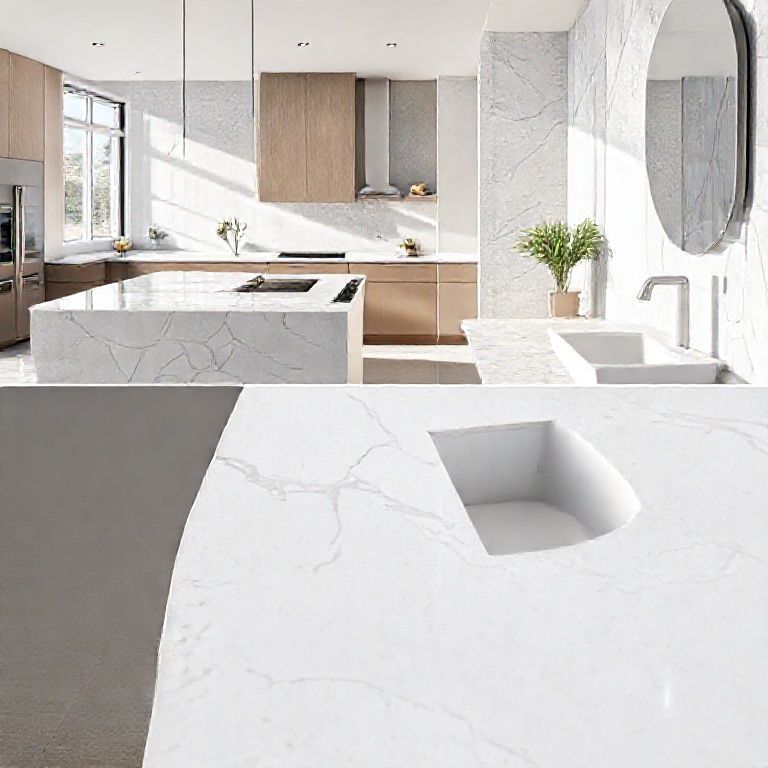
Formaldehyde:
Formaldehyde is another critical concern when it comes to artificial marble. During the manufacturing process, the polymer resin used in artificial marble can release volatile organic compounds (VOCs), including formaldehyde, into the air. However, the formaldehyde content in modern artificial marble products is tightly regulated and significantly lower than permissible limits in building materials.
Manufacturers employ advanced techniques to minimize VOC emissions, including the use of low-VOC resins and rigorous quality control measures. Furthermore, once installed, artificial marble surfaces typically stabilize and no longer emit formaldehyde in detectable quantities. To further mitigate any potential risks, it is advisable to install artificial marble in well-ventilated areas and allow it to cure for a period of time before use.
Comparing to Natural Stone:
One of the advantages of artificial marble is its significantly lower emission of harmful substances compared to some natural stones. Natural marble, while beautiful, can contain trace amounts of natural radioactive elements. Moreover, the quarrying and processing of natural stone can contribute to higher emissions of particulate matter and other pollutants. In contrast, artificial marble’s controlled manufacturing environment ensures consistent quality and minimal environmental impact.
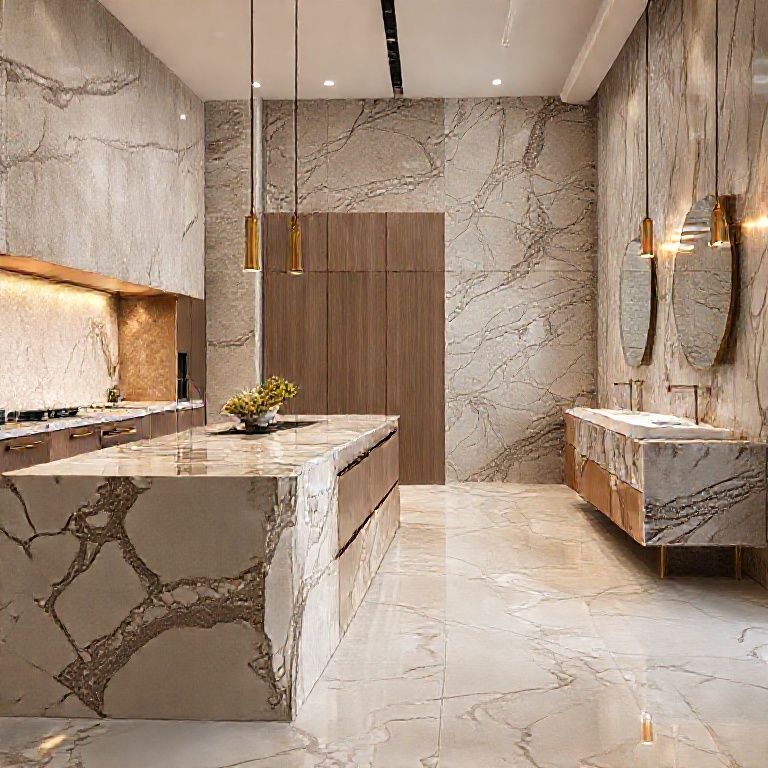
Environmental Impact:
The environmental footprint of artificial marble is generally more favorable than that of natural stone. The production of artificial marble involves less energy-intensive processes compared to the mining and transportation required for natural stone. Additionally, the longevity of artificial marble reduces the need for frequent replacements, thereby decreasing waste and the overall environmental burden associated with stone production and disposal.
Conclusion:
Artificial marble offers a compelling alternative to natural stone, blending durability, aesthetic appeal, and safety. While concerns about radiation and formaldehyde exist, modern manufacturing practices ensure that these issues are well-managed. By understanding the composition and production process of artificial marble, you can make an informed decision that prioritizes both beauty and safety in your home or workspace.
Stay tuned for Part 2, where we will delve deeper into specific safety measures, long-term exposure considerations, and how to choose the best artificial marble for your needs.
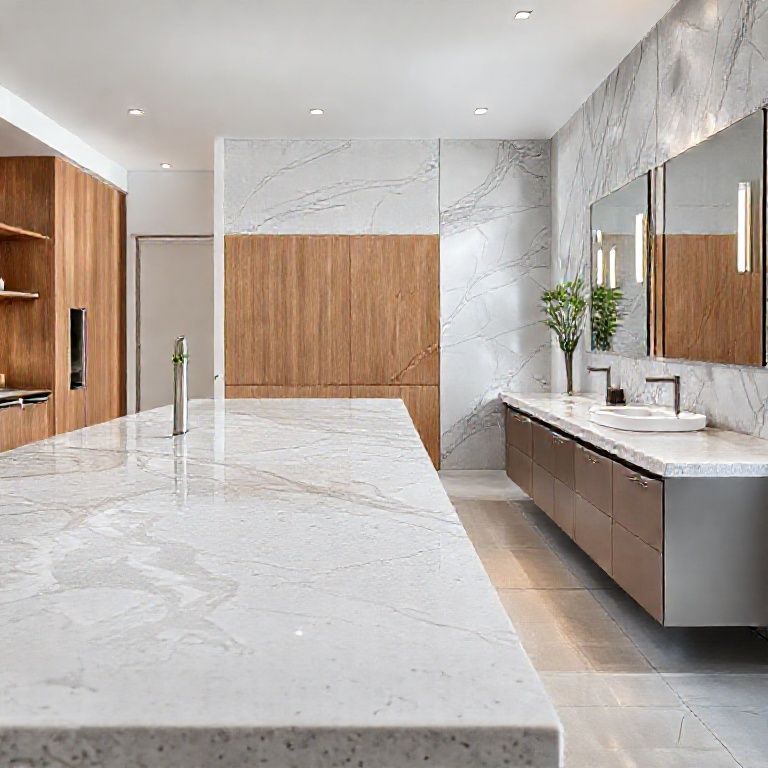
Long-Term Exposure, Safety Measures, and Choosing the Right Artificial Marble
Long-Term Safety and Exposure:
While the immediate concerns about radiation and formaldehyde in artificial marble are largely addressed through modern manufacturing techniques, it is still crucial to consider long-term exposure and safety.
Long-Term Safety:
Over extended periods, artificial marble remains stable and does not degrade to release harmful substances. The high-pressure and high-temperature curing process ensures that the material becomes inert, minimizing any potential risks.
Long-Term Exposure:
The risk of long-term exposure to formaldehyde or other VOCs is negligible once the artificial marble is installed and has cured. To ensure safety, it is recommended to follow manufacturer guidelines for curing times and ventilation during installation. While the material itself does not pose long-term risks, maintaining a well-ventilated environment can further reduce any minor residual emissions.
Safety Measures:
To ensure the safety of artificial marble, consider the following best practices:
Ventilation: Proper ventilation during installation and in the surrounding environment can help minimize any residual VOC emissions. Ensure that the installation area is well-aired to allow any remaining volatile compounds to dissipate.
Curing Period: Allow the artificial marble to cure for the recommended period before use. This curing process allows any residual solvents to evaporate, ensuring a safer product.
Use of Low-VOC Products: Choose artificial marble products that utilize low-VOC or zero-VOC resins. These products are formulated to minimize the release of harmful compounds, offering an additional layer of safety.
Professional Installation: Hire certified professionals for the installation of artificial marble. Skilled installers are trained to handle the material correctly and follow safety protocols to ensure optimal curing and minimal exposure risks.
Choosing the Right Artificial Marble:
Selecting the appropriate artificial marble involves considering several factors to ensure it meets your aesthetic and functional requirements.
Quality and Certification:
When choosing artificial marble, prioritize products that are certified by reputable organizations. Look for certifications that attest to low VOC emissions, durability, and safety standards. Certifications from recognized bodies such as the American National Standards Institute (ANSI) or similar international standards can provide assurance of quality.
Manufacturer Reputation:
Research the reputation of the manufacturer. Established companies with a history of producing high-quality artificial marble tend to offer better materials and customer service. Read reviews and testimonials to gauge the experiences of other customers.
Aesthetic Options:
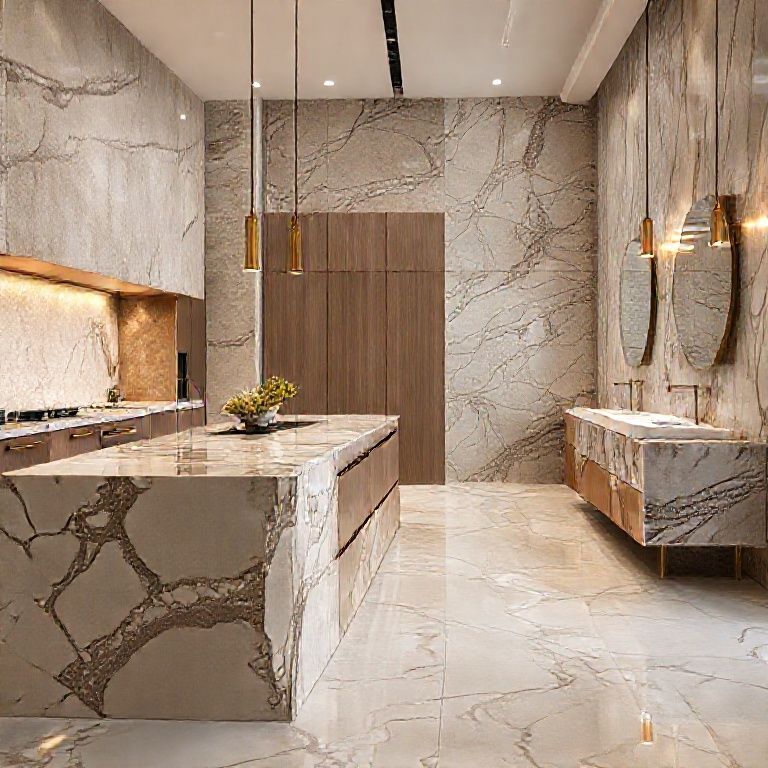
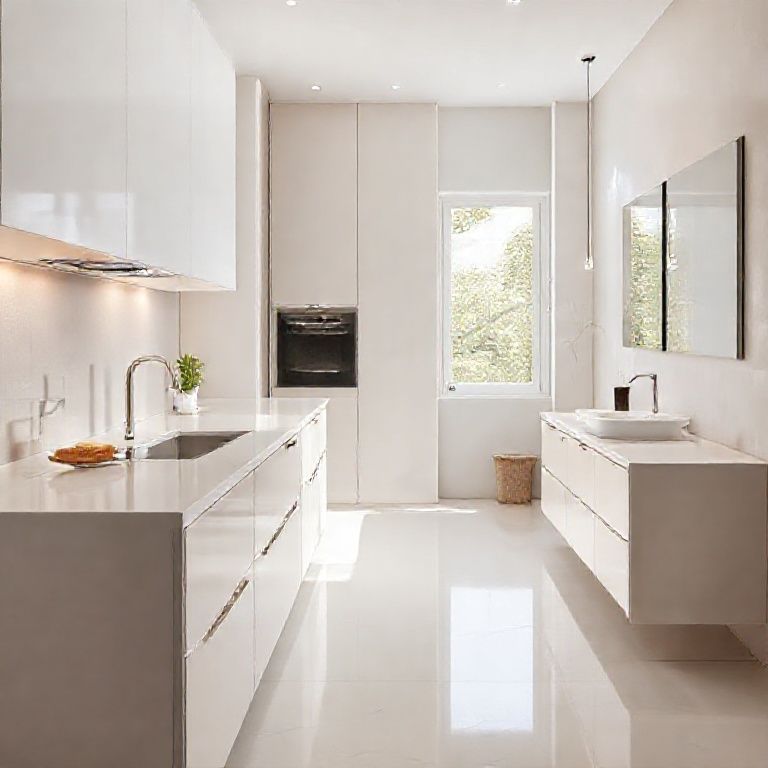
Artificial marble comes in a wide range of colors and finishes, allowing for versatile design options. Choose a color and finish that complements your interior decor while considering the maintenance and durability of different styles. Some finishes may be more resistant to scratches and stains than others.
Durability and Maintenance:
Artificial marble is renowned for its durability. However, it is essential to choose a product with high scratch resistance and stain resistance. Regular maintenance, such as wiping with a mild detergent and avoiding abrasive cleaners, can help preserve the material’s appearance and longevity.
Environmental Considerations:
Opt for artificial marble that aligns with your environmental values. Some manufacturers produce eco-friendly versions using sustainable materials and processes. Consider the environmental impact of the manufacturing process, including the use of recycled materials and energy-efficient production methods.
Conclusion:
Artificial marble presents a compelling blend of beauty, durability, and safety, addressing many of the concerns typically associated with natural stone. By understanding the material’s composition, manufacturing process, and safety measures, you can confidently choose the right artificial marble for your needs. With proper installation and maintenance, artificial marble offers a long-lasting, low-risk alternative to natural stone, ensuring a safe and aesthetically pleasing environment.
For further insights into the benefits and applications of artificial marble, continue to explore our detailed guides and resources.