${part1}
Artificial marble has emerged as a popular choice for countertops, bathroom vanities, and other decorative surfaces due to its beauty, durability, and relatively low cost compared to natural stone. However, as with any material used in everyday life, concerns about its safety often arise, particularly regarding its radiation spectrum. In this first part, we delve into what artificial marble is, its composition, and the fundamental aspects of radiation and its potential impacts.

What is Artificial Marble?
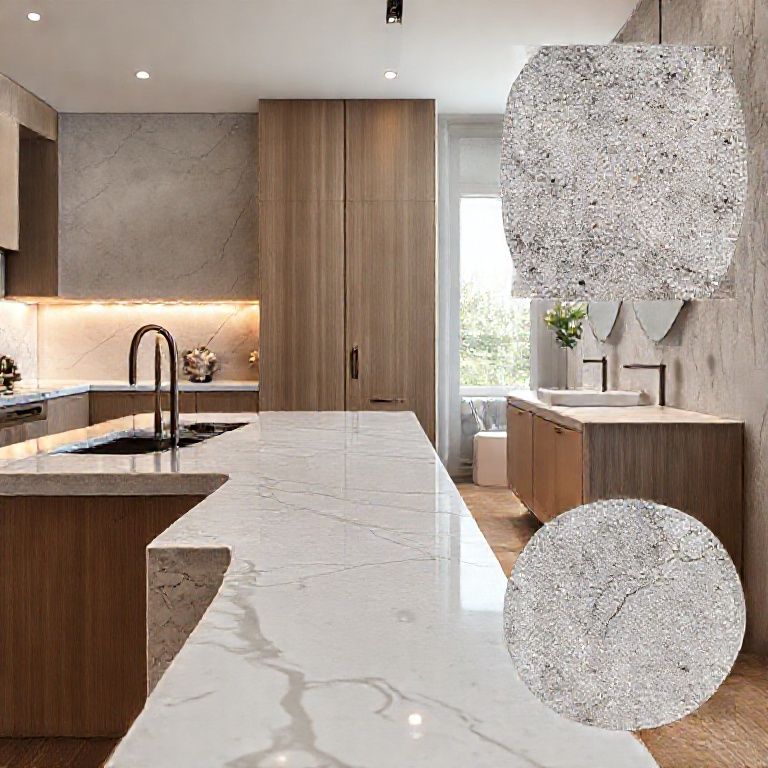
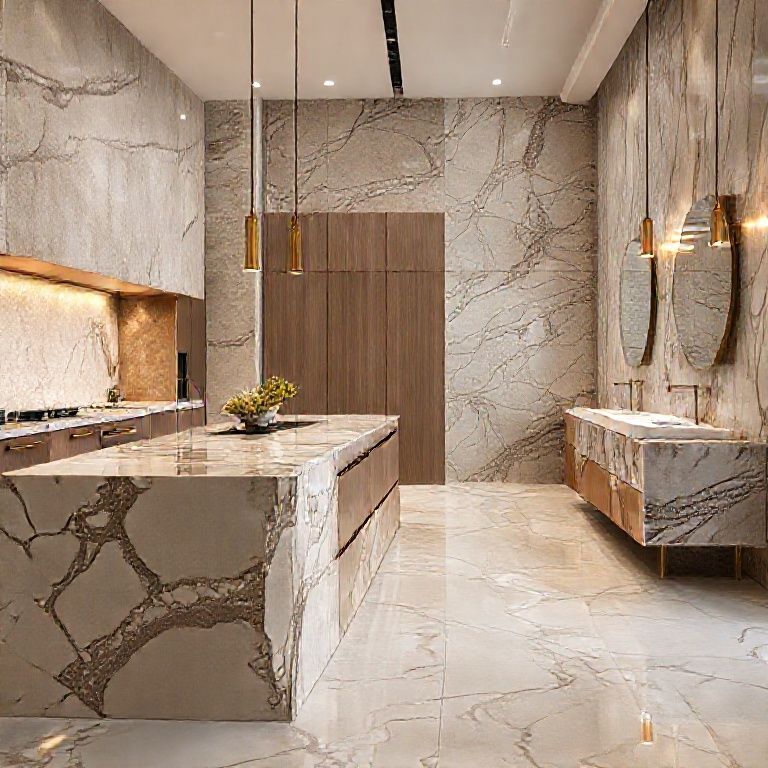
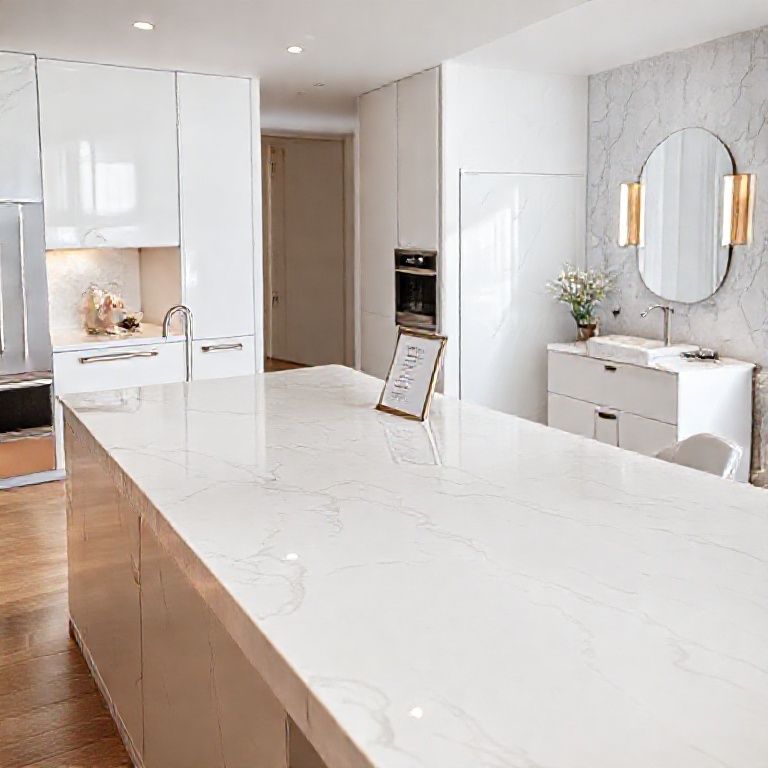
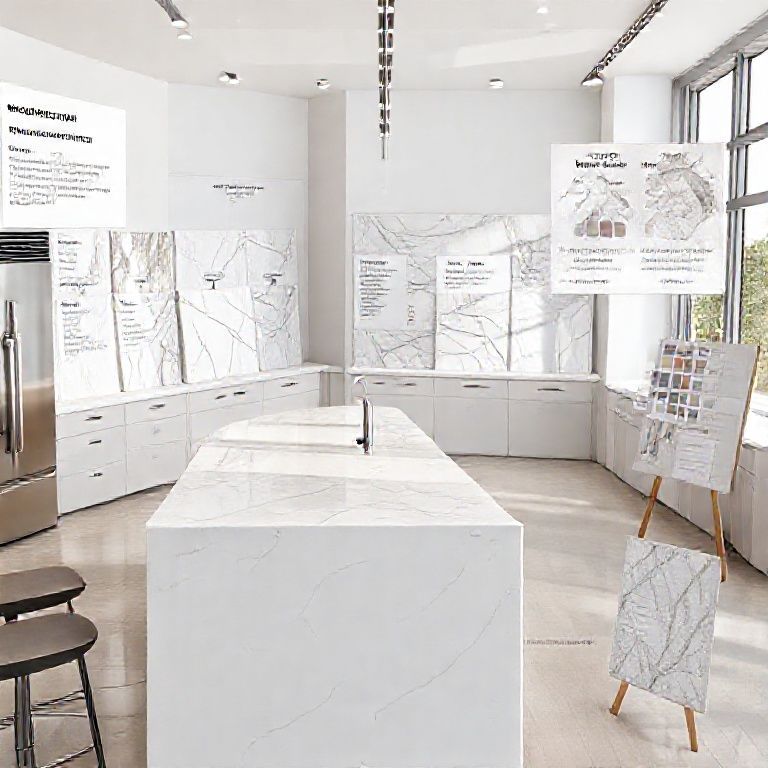
Artificial marble, often referred to as cultured marble, is a composite material made primarily from limestone, marble chips, and other minerals that are combined with a resin binder. This mixture is then molded and cured to achieve a stone-like appearance and texture. Unlike natural marble, which is a metamorphic rock, artificial marble is manufactured and therefore can have a range of compositions depending on the manufacturer’s formulation.
Understanding Radiation
Radiation refers to the energy that travels in waves or as particles, which can be either harmful or harmless. It is categorized into ionizing and non-ionizing radiation. Ionizing radiation, such as X-rays and gamma rays, has enough energy to remove tightly bound electrons from atoms, which can damage or destroy living tissue. Non-ionizing radiation, like radio waves, microwaves, and visible light, doesn’t have enough energy to cause such damage.
Composition of Artificial Marble
Artificial marble’s composition is a blend of various minerals and a resin binder. Key components include:
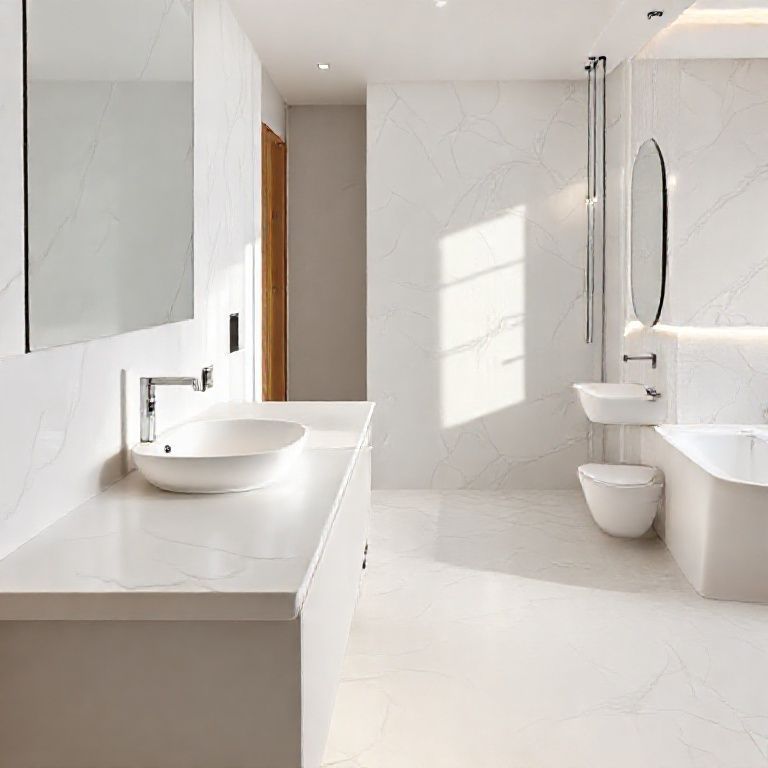
Limestone and Marble Chips: These provide the base material, contributing to the aesthetic and structural integrity. Resin Binder: Epoxy or polyester resins are used to hold the marble chips together, giving the material its strength and durability.
Radiation Concerns with Artificial Marble
One of the primary concerns with artificial marble is its potential to emit radiation. However, it’s important to understand that the materials used in its production are generally non-radioactive. The resin binders typically used in artificial marble do not emit radiation, nor do the limestone and marble chips, which are naturally non-radioactive.
Testing and Safety Standards
To ensure safety, manufacturers often subject artificial marble to rigorous testing to measure any potential radiation. These tests usually involve sophisticated equipment to detect any minute amounts of radiation that might be present.

Regulatory Guidelines
Various health and safety organizations provide guidelines and standards to ensure that materials like artificial marble are safe for use in living spaces. These standards include limits on radiation levels, ensuring that any radiation emitted is within safe, non-harmful ranges.
Misconceptions about Artificial Marble Radiation
There is a common misconception that artificial marble might emit harmful levels of radiation similar to naturally occurring radioactive materials. However, scientific studies and regulatory bodies have consistently found that the levels of radiation emitted by artificial marble are negligible and do not pose a health risk.
Conclusion
In summary, while the term “radiation” might sound alarming, it’s important to distinguish between different types and sources of radiation. Artificial marble, when manufactured using standard resins and non-radioactive minerals, does not emit harmful levels of radiation. The safety standards and rigorous testing ensure that any material used in homes and public spaces meet the highest safety criteria.
Stay tuned for the second part where we will explore more about the environmental impact of artificial marble, additional safety measures, and how to detect any potential radiation levels yourself.
${part2}
Ensuring Safety with Advanced Detection Methods
In this second part, we’ll focus on how you can ensure the safety of artificial marble in your home and the broader environmental impact. We’ll also explore advanced detection methods to verify any potential radiation levels.
Advanced Detection Methods
To ensure that artificial marble does not emit harmful radiation, it’s beneficial to use advanced detection methods. These include:
Geiger Counters: These devices are commonly used to measure ionizing radiation levels. They can detect any radiation emitted by materials, ensuring they are within safe limits. Scintillometers: These instruments can detect and measure radiation levels with high precision, offering a reliable way to ensure safety.
Safety Certifications and Labels
Many manufacturers provide safety certifications to assure customers that their products meet stringent safety standards. Look for certifications from reputable organizations that verify the safety of materials. Labels indicating compliance with safety standards can also be a reliable indicator of the product’s safety.
Environmental Impact
While the primary concern here is radiation, it’s also important to consider the environmental impact of artificial marble production.
Resource Utilization: Artificial marble requires limestone, marble chips, and resins, which are generally abundant and renewable resources. However, the extraction and manufacturing processes can have environmental implications, such as land disturbance and emissions. Sustainability Practices: Some manufacturers adopt sustainable practices, such as recycling waste materials and minimizing emissions during production.
Reducing Environmental Footprint
To mitigate the environmental impact, consider the following:
Opt for Recycled Materials: Choose products made from recycled materials to reduce the demand for new resources. Support Sustainable Brands: Brands that prioritize sustainability and eco-friendly practices contribute less to environmental degradation.
Long-term Health Implications
Understanding the long-term health implications of using artificial marble in your home is crucial. Given that artificial marble does not emit harmful radiation, the primary health risk is related to other factors such as:
Chemical Emissions: Some resins used in artificial marble can emit volatile organic compounds (VOCs). To mitigate this, opt for low-VOC or VOC-free products. Dust and Particles: During installation and maintenance, dust and small particles can be released. Proper ventilation and protective measures can help minimize exposure.
Choosing the Right Product
When selecting artificial marble for your home, consider the following:
Certifications and Standards: Ensure the product has relevant safety certifications. Reputable Brands: Choose products from reputable brands known for quality and safety. Customer Reviews: Look at reviews and testimonials from other users to gauge the product’s performance and safety.
Conclusion
In conclusion, artificial marble is a safe and durable option for various applications when manufactured with non-radioactive materials and compliant with safety standards. Advanced detection methods, safety certifications, and sustainable practices further ensure that artificial marble poses minimal risk to health and the environment. By understanding these aspects, you can confidently choose artificial marble, knowing it meets the highest safety and sustainability criteria.
For any concerns about radiation or other safety aspects, modern technology and regulatory standards provide reliable solutions. With proper selection and use, artificial marble can be a beautiful, safe, and sustainable choice for your home.
By understanding the radiation spectrum and safety aspects of artificial marble, you can make informed decisions that prioritize both your health and the environment.