The Safety and Benefits of Artificial Marble: Debunking the Myths
Understanding Artificial Marble: Composition and Safety
Artificial marble, often referred to as composite stone, is a popular alternative to traditional natural stone. This material has gained significant traction due to its aesthetic appeal, versatility, and durability. However, one of the frequently raised concerns is whether artificial marble emits radiation and poses any health risks. Let’s break down this question in detail to provide a clear and comprehensive understanding.

What is Artificial Marble?
Artificial marble, or composite stone, is a man-made material typically composed of a mixture of minerals, such as quartz, and resins. It is produced through a process that involves heating and compressing these components under high pressure. The result is a solid surface that mimics the look and feel of natural marble but is far more durable and resistant to scratches, stains, and chips.
The Myth of Radiation:
The question of whether artificial marble emits radiation often stems from a misunderstanding of its composition and manufacturing process. To address this concern, it’s crucial to understand the key ingredients and processes involved in its creation.
Ingredients:
Quartz: The primary mineral used in artificial marble is quartz, a naturally occurring substance found in the Earth’s crust. Quartz is inert and non-radioactive. It does not emit harmful radiation.
Resins: The resins used in artificial marble are typically made from organic compounds. These are synthetically bonded to the quartz particles. There is no evidence to suggest that these resins emit radiation or pose any significant health risks when properly manufactured.
Manufacturing Process:
The process of creating artificial marble involves heating the mixture of quartz and resins to high temperatures, followed by compression. This process does not involve the use of radioactive materials. Consequently, the finished product does not emit radiation. Unlike materials like granite, which can contain trace amounts of naturally occurring radioactive elements, artificial marble does not have these components.
Health and Safety:
Given the non-radioactive nature of its ingredients and the manufacturing process, artificial marble is safe for everyday use. It is extensively tested for safety standards, much like other building materials. The resins used in artificial marble are often food-safe and are approved for contact with food in kitchen countertops, ensuring that it poses no health risks to users.
Environmental Impact:
Artificial marble is also an environmentally friendly choice. The production process is designed to minimize waste and energy consumption. Additionally, because it is a composite material, it does not require the extraction of natural stone, thus reducing the environmental footprint associated with quarrying and transporting natural stone materials.
Durability and Maintenance:
One of the main reasons artificial marble is preferred over natural stone is its superior durability. Unlike natural marble, which can easily be scratched and stained, artificial marble is highly resistant to these issues. It maintains its appearance over time and requires minimal maintenance. Regular cleaning with mild soap and water is usually sufficient to keep it looking pristine.
Applications:
Artificial marble is versatile and can be used in various settings, including:
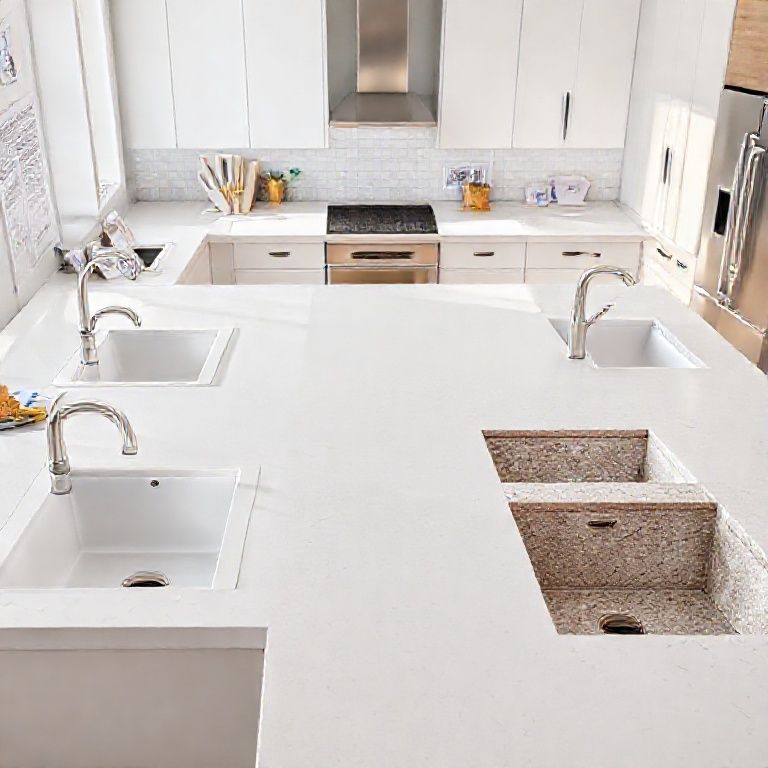
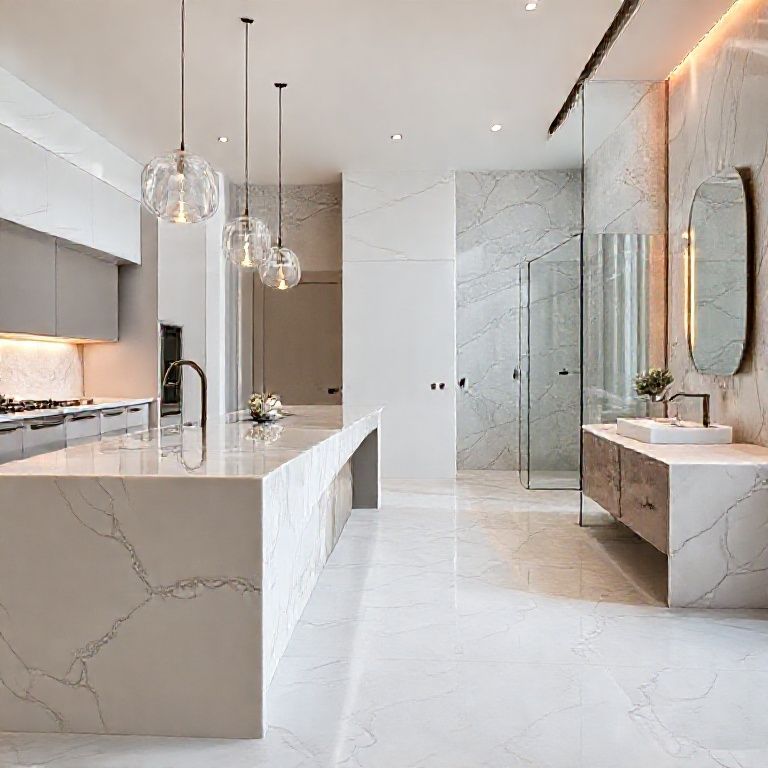
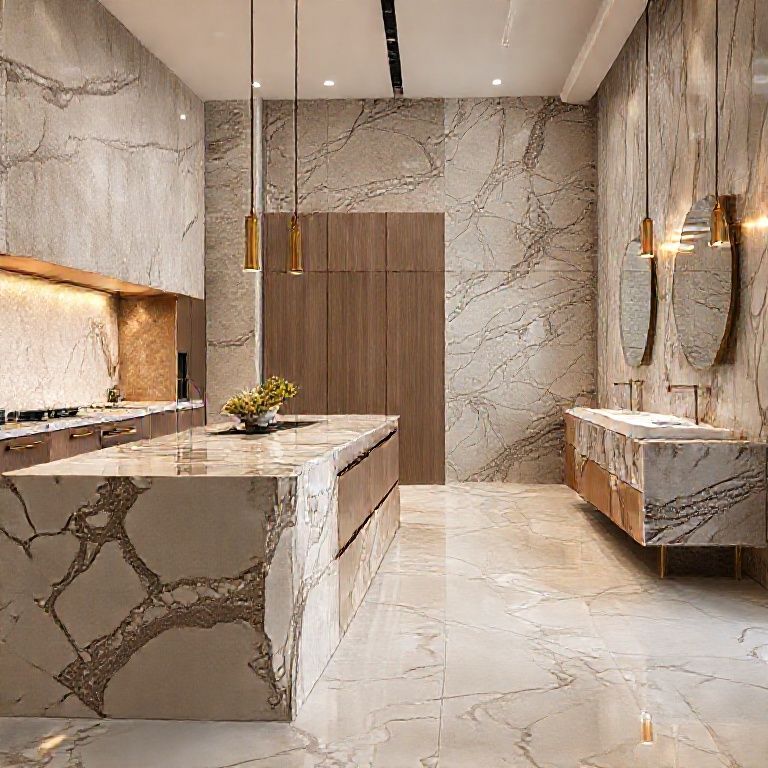
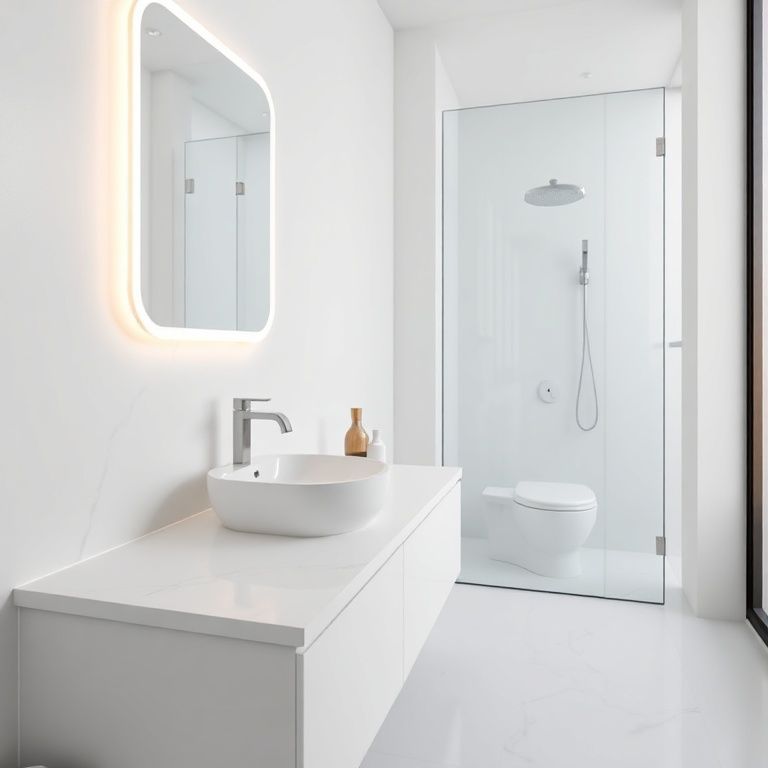
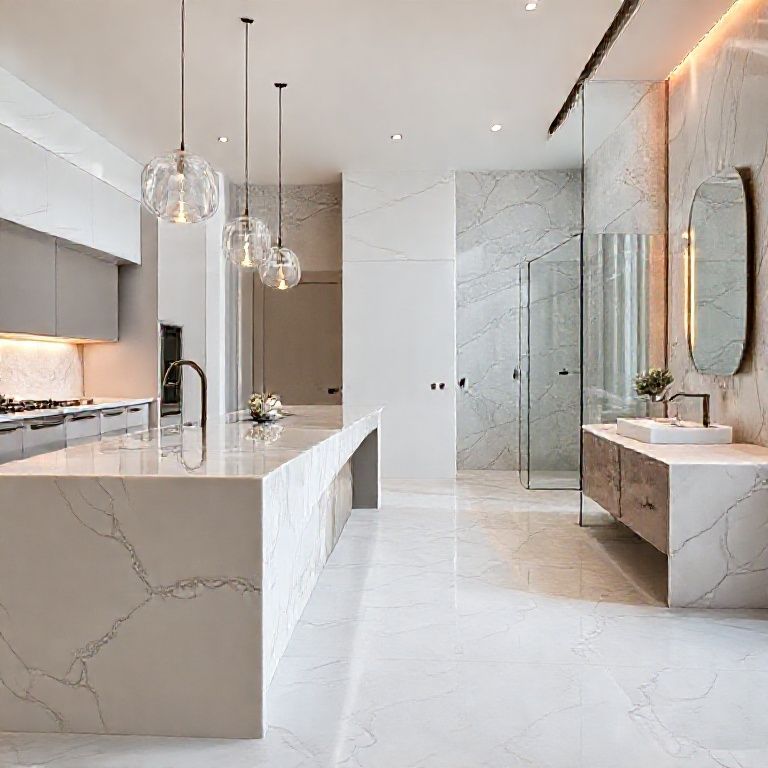
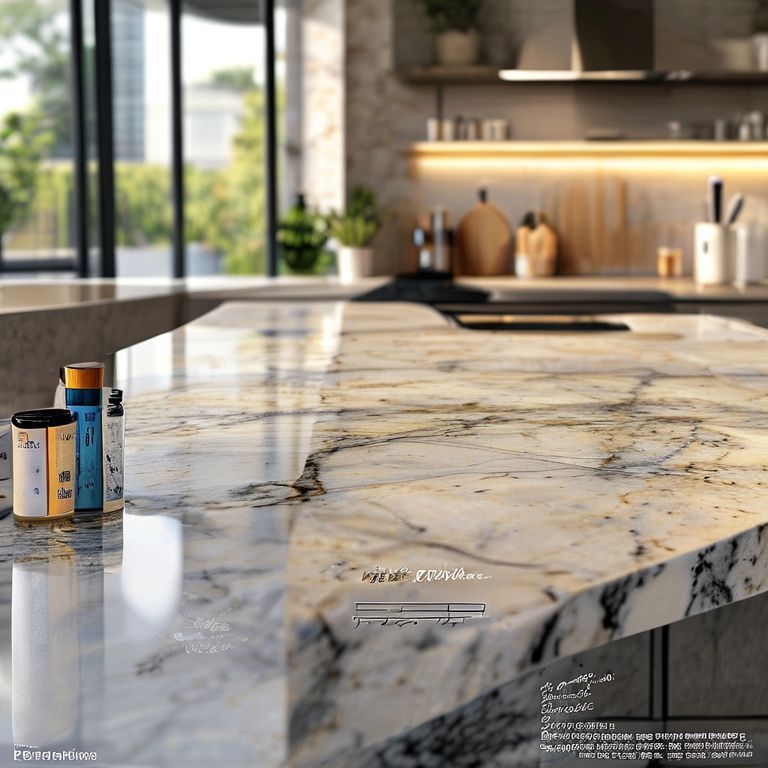
Kitchen Countertops: Its non-porous surface makes it ideal for kitchens where spills and stains are common. Bathroom Vanities: The durability and resistance to water make it a perfect choice for wet areas. Furniture: It can be used in the creation of stylish furniture pieces due to its aesthetic appeal and strength.
Conclusion:
In conclusion, artificial marble is a safe and durable material that does not emit radiation. Its non-radioactive composition and manufacturing process ensure that it poses no health risks. Moreover, its environmental benefits, coupled with its durability and low maintenance requirements, make it an excellent choice for both residential and commercial applications. As we move forward in this two-part series, we will further explore its benefits and address other common concerns to provide you with a holistic view of artificial marble.
Benefits and Applications of Artificial Marble
In the previous section, we addressed the safety concerns surrounding artificial marble and debunked the myth about radiation. Now, let’s explore the many benefits and practical applications of this versatile material. From its cost-effectiveness to its role in modern design, artificial marble stands out as a superior choice in various settings.
Cost-Effectiveness:
One of the most compelling reasons to choose artificial marble is its cost-effectiveness. Compared to natural stone, artificial marble is significantly more affordable. The production process of artificial marble is more economical because it does not require the extraction of raw materials from quarries. This makes it accessible for a wider range of applications, from residential to commercial projects.
Installation and Versatility:
Artificial marble is also versatile in terms of installation. It can be used in a variety of forms, including slabs, tiles, and even custom shapes tailored to specific design needs. Its ease of installation is another advantage, as it can be cut and shaped with standard tools. This flexibility makes it suitable for a wide range of applications, from kitchen countertops to intricate bathroom vanities.
Design and Aesthetics:
The aesthetic appeal of artificial marble is one of its standout features. It offers a wide range of colors and patterns, allowing designers to create unique and personalized designs. Unlike natural stone, which has a limited palette of colors and patterns, artificial marble can be manufactured to mimic virtually any design, giving it a broad appeal in contemporary and traditional settings alike.
Durability and Maintenance:
One of the primary reasons artificial marble has become so popular is its exceptional durability. Unlike natural stone, which can be prone to scratches, chips, and stains, artificial marble is non-porous and highly resistant to these issues. This means it maintains its appearance over time without requiring extensive maintenance. Regular cleaning with mild soap and water is usually sufficient to keep it looking pristine.
Environmental Benefits:
In addition to its durability and cost-effectiveness, artificial marble offers significant environmental benefits. The production process is designed to minimize waste and energy consumption. Furthermore, because it is a composite material, it does not require the extraction of natural stone, thereby reducing the environmental footprint associated with quarrying and transporting natural stone materials.
Applications in Modern Design:
Artificial marble’s versatility and aesthetic appeal make it a favorite in modern design. Here are some of the key areas where it is commonly used:
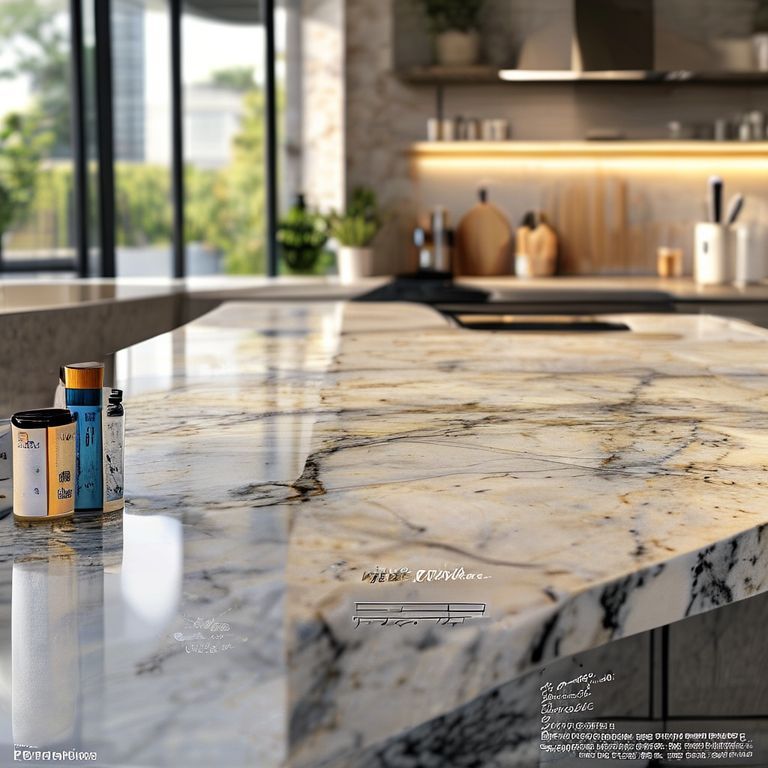
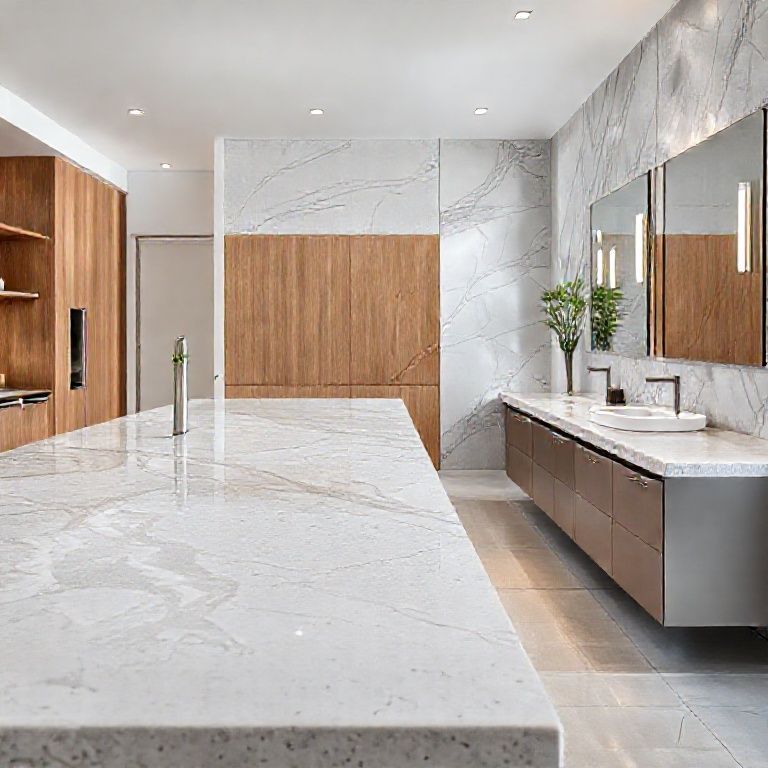
Kitchen Countertops: The non-porous surface of artificial marble makes it ideal for kitchen countertops where spills and stains are common. It is also resistant to heat, making it suitable for areas around stoves and ovens.
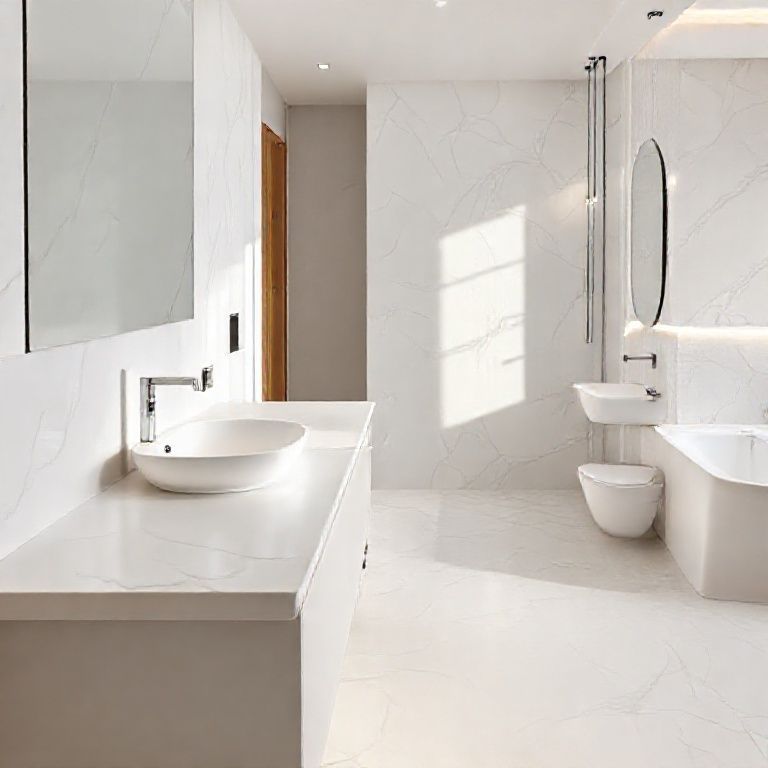
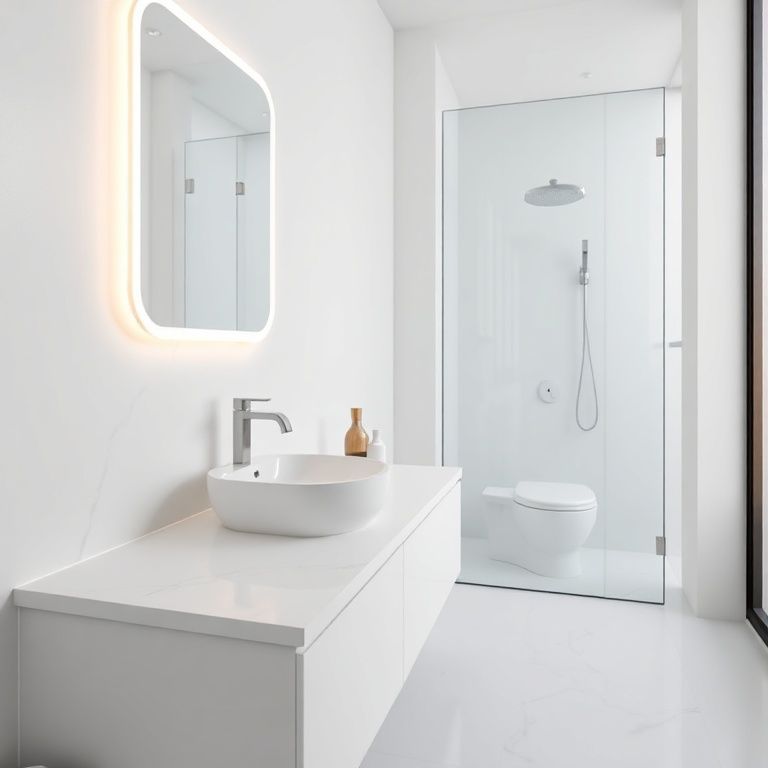
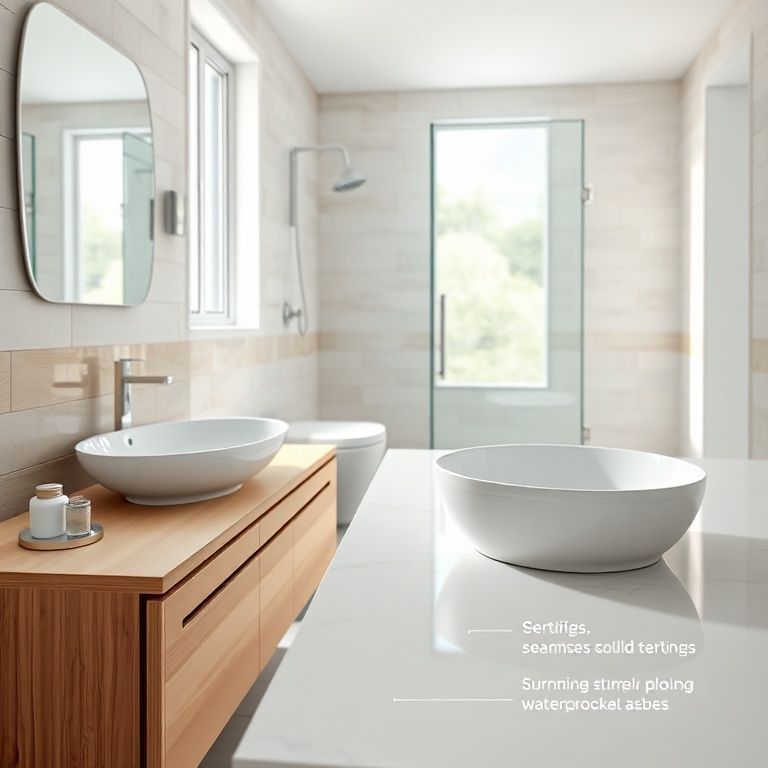
Bathroom Vanities: The durability and resistance to water make artificial marble an excellent choice for bathroom vanities. It can withstand daily exposure to water and cleaning agents without deteriorating.
Furniture: Artificial marble can be used to create stylish furniture pieces, from tabletops to bar counters. Its aesthetic appeal and strength make it a versatile option for furniture design.
Wall Cladding: It can be used for wall cladding, providing a sleek and modern look to interiors. Its customizable color options allow for seamless integration with various design themes.
Flooring: While less common, artificial marble can also be used for flooring in areas that experience moderate foot traffic. Its durability and resistance to scratches make it a practical choice.
Customization and Innovation:
One of the most exciting aspects of artificial marble is its potential for customization. Manufacturers can create unique designs and patterns that cater to specific aesthetic needs. This flexibility allows for innovative applications, from intricate geometric designs to more subdued, natural-looking finishes.
Future Trends:
As technology advances, the potential for artificial marble continues to grow. Innovations in manufacturing processes are leading to even more durable and aesthetically appealing products. Additionally, the ongoing focus on sustainability is likely to drive further improvements in the environmental benefits of artificial marble.
Conclusion:
In conclusion, artificial marble offers numerous benefits that make it an attractive choice for a wide range of applications. From its cost-effectiveness and durability to its versatility and environmental benefits, it stands out as a superior material in both residential and commercial settings. Its aesthetic appeal and potential for customization further enhance its appeal in modern design. As we continue to explore the advantages of artificial marble, it is clear that it is not just a material but a transformative option for creating beautiful, functional, and sustainable spaces.
By understanding the full scope of what artificial marble has to offer, you can make informed decisions that enhance the beauty and functionality of your home or business.