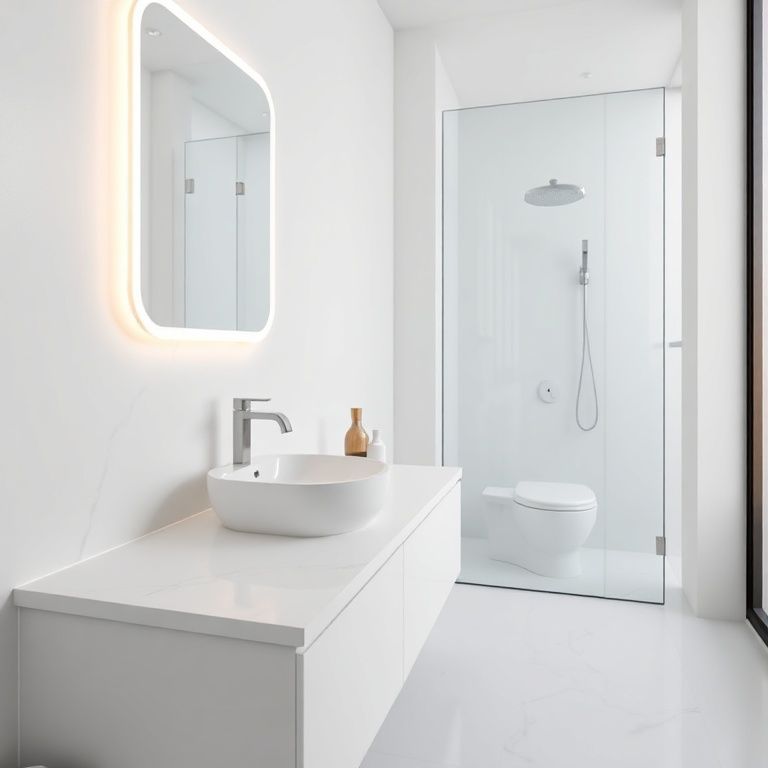
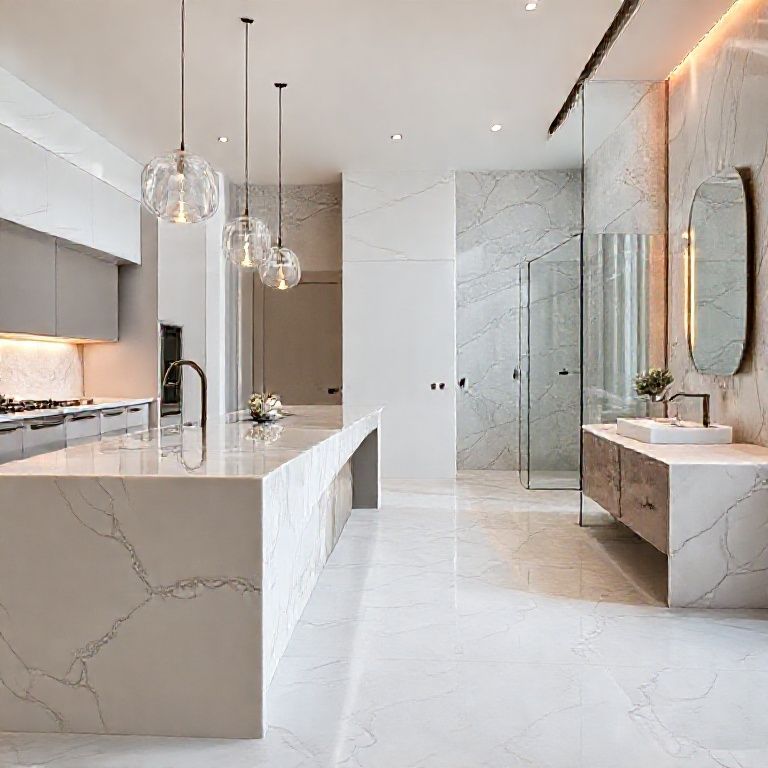
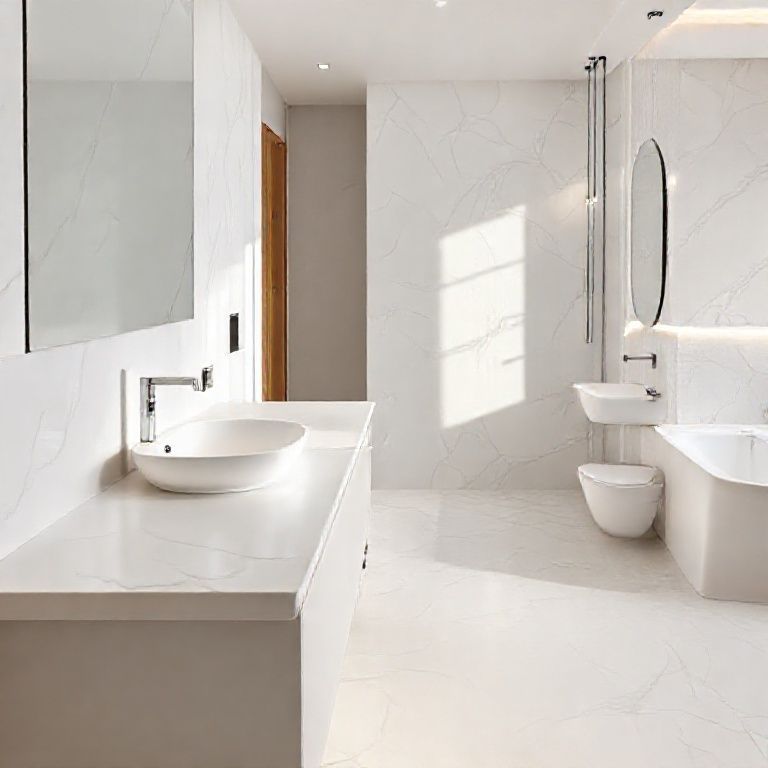
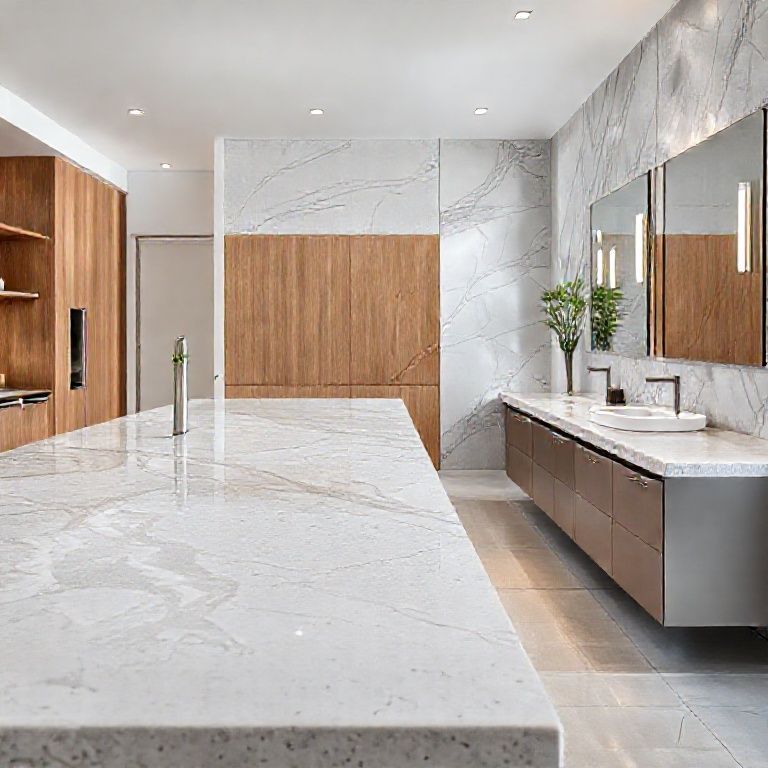
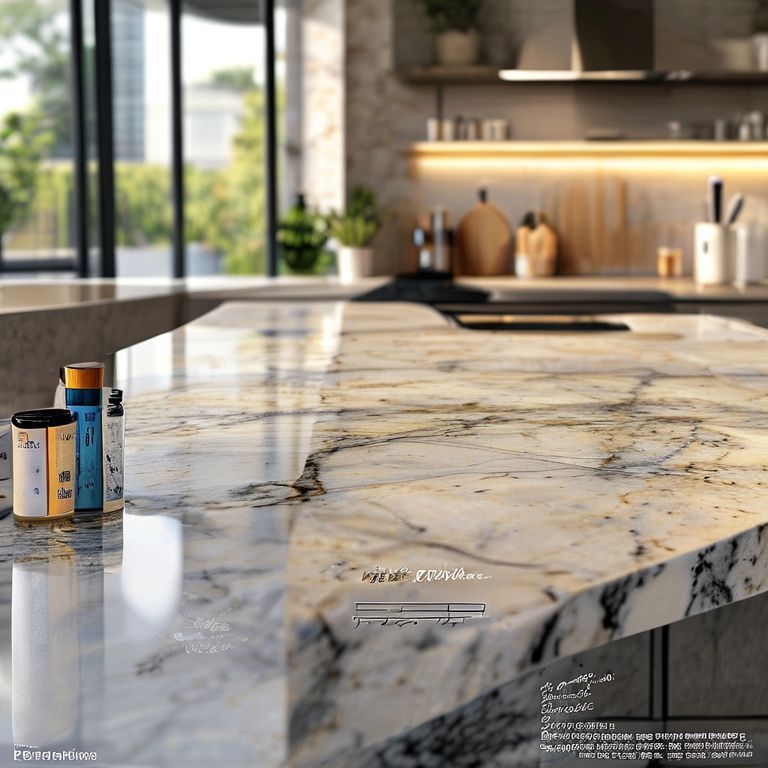
In the world of interior design and luxury living, natural marble stands out as a timeless and elegant choice. However, questions about its safety, particularly concerning radiation and formaldehyde content, often arise. This two-part article delves into the truth behind these concerns, providing you with comprehensive insights to help you make an informed decision. Join us as we explore the environmental and health implications of using natural marble in your home.

natural marble, radiation, formaldehyde, safety, indoor air quality, environmental impact, healthy living, interior design, luxury home
Understanding Natural Marble and Its Radiation Concerns
Introduction
Natural marble is one of the most coveted materials in the realm of interior design and luxury home construction. Known for its striking beauty and durability, marble has been used for centuries to create stunning architectural masterpieces. However, despite its many advantages, some concerns have been raised about its potential to emit radiation and the presence of formaldehyde. In this first part, we will address these concerns head-on, providing a clear and detailed explanation of the science behind them.
What is Natural Marble?
Natural marble is a metamorphic rock composed primarily of calcite or dolomite minerals. It forms when limestone undergoes intense pressure and heat, leading to a recrystallization process that results in a stunning, often veined, stone. This natural process gives marble its unique patterns and colors, making it a highly desirable material for both commercial and residential projects.
Radiation Concerns
Radiation from natural stone, including marble, is a topic of interest due to its natural radioactive properties. Marble, like many other natural stones, contains trace amounts of naturally occurring radioactive materials (NORM) such as uranium, thorium, and potassium. These elements emit radiation in the form of alpha, beta, and gamma particles, as well as gamma rays.
How Much Radiation Is Released?
To understand the radiation levels in marble, it’s important to note that the radiation emitted by natural stone is generally very low. For context, the average background radiation that people are exposed to daily from natural sources is about 1.5 millisieverts (mSv). When it comes to natural stone, the radiation levels are often measured in becquerels (Bq) per kilogram, which indicates the rate of radioactive decay.
According to studies conducted by the International Atomic Energy Agency (IAEA) and other organizations, the radiation levels in natural marble typically range from 50 to 300 becquerels per kilogram (Bq/kg). This is a very small fraction of the background radiation we are exposed to daily and is well within safe limits set by regulatory bodies.
Regulations and Safety Standards
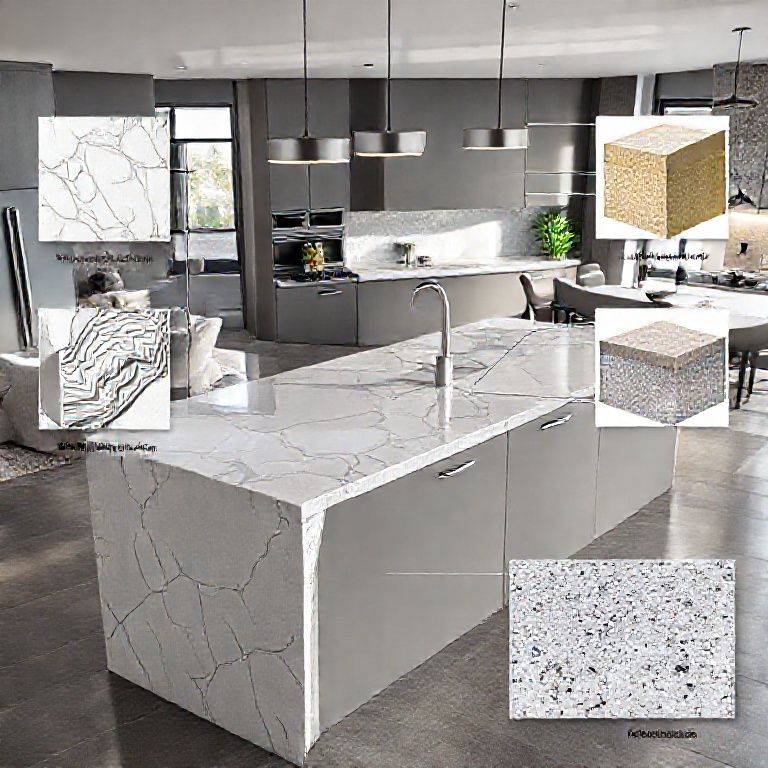
To ensure the safety of natural stone products, various regulatory bodies worldwide have established guidelines and safety standards. For instance, the European Union’s Directorate-General for Energy and Transport has set limits on the radiation levels for natural stone used in construction. These limits ensure that the radiation exposure from natural stone remains within safe levels for human health.
In the United States, the Environmental Protection Agency (EPA) and the Nuclear Regulatory Commission (NRC) also provide guidelines to monitor and control the use of natural stone materials in environments where radiation exposure could be a concern.
Conclusion
While it’s natural to have concerns about radiation when using materials like marble, the reality is that the radiation levels emitted by natural marble are extremely low and pose no significant health risk. Regulatory bodies worldwide have established stringent safety standards to ensure that the radiation from natural stone remains within safe limits. In the next part, we will delve into the issue of formaldehyde in natural marble and provide you with all the information you need to make an informed decision about its use in your home.
Formaldehyde Content in Natural Marble and Its Health Implications
Introduction
In the previous part, we explored the radiation concerns associated with natural marble and found that the levels of natural radiation are very low and pose no significant health risks. In this second part, we turn our attention to another commonly raised concern: the presence of formaldehyde in natural marble. Formaldehyde is a volatile organic compound that is known to be harmful to human health, and understanding its presence in natural materials is crucial for ensuring the safety and well-being of your indoor environment.
What is Formaldehyde?
Formaldehyde is a colorless, pungent gas that is widely used in various industrial processes and consumer products. It is known for its preservative and disinfectant properties and is commonly found in building materials, household products, and even some foods. When formaldehyde is released into indoor air, it can lead to a range of health issues, including respiratory problems, skin irritation, and eye irritation.
Formaldehyde in Natural Marble
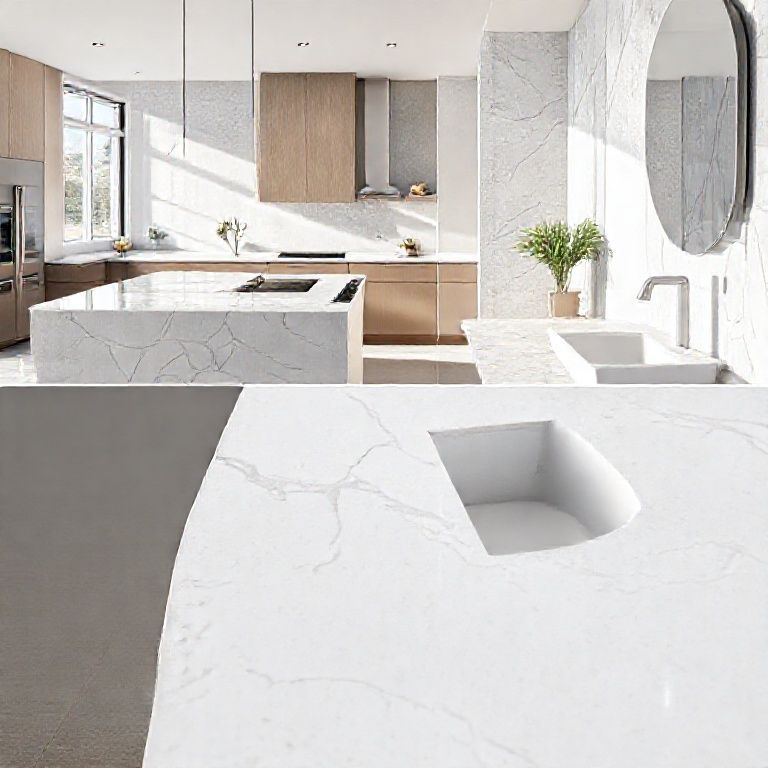
Natural marble itself does not contain formaldehyde. However, formaldehyde can become a concern when marble is used in conjunction with other materials and finishes that may emit this compound. The primary sources of formaldehyde in indoor environments are typically:
Adhesives and Sealants: Many adhesives and sealants used in the installation of marble countertops and tiles contain formaldehyde. These compounds are used to bond the marble to the substrate and to provide a waterproof seal.
Finishes and Coatings: Some finishing products, such as sealants, waxes, and polishes, may also contain formaldehyde. These products are applied to enhance the appearance and durability of the marble surface.
Furniture and Fixtures: Items made from engineered wood or particleboard can emit formaldehyde as well. These materials are often used in conjunction with marble installations, such as in kitchens and bathrooms.
How to Detect and Control Formaldehyde Emissions
To ensure that formaldehyde emissions from your marble installation are within safe levels, it’s important to take several steps:
Choose Low-Formaldehyde Products: When selecting adhesives, sealants, finishes, and coatings, opt for products that are labeled as low-formaldehyde or formaldehyde-free. Look for certifications such as the Forest Stewardship Council (FSC) or the Emission Control Certification Program (ECCP), which indicate that the products meet low-emission standards.
Proper Installation: Ensure that your marble installation is carried out by a professional who uses high-quality, low-formaldehyde products. Proper installation techniques can also help minimize the release of harmful compounds.
Ventilation: Adequate ventilation is crucial for controlling indoor air quality. Ensure that your home is well-ventilated by opening windows, using exhaust fans, and utilizing air purifiers. This helps to disperse any formaldehyde that may be emitted from the materials used in your marble installation.
Testing Indoor Air Quality: If you are concerned about formaldehyde levels in your home, consider having indoor air quality tested by a professional. This can provide you with a clear picture of the levels of various pollutants, including formaldehyde, and help you take appropriate actions to improve indoor air quality.
Health Implications of Formaldehyde Exposure
Long-term exposure to formaldehyde can have serious health implications. Some of the potential health effects include:
Respiratory Issues: Chronic exposure to formaldehyde can lead to respiratory problems such as coughing, wheezing, and throat irritation.
Skin Irritation: Formaldehyde can cause skin irritation, including redness, itching, and rash.
Eye Irritation: Prolonged exposure to formaldehyde vapors can cause eye irritation, redness, and watering.
Carcinogenic Risks: Formaldehyde is classified as a known human carcinogen by the International Agency for Research on Cancer (IARC) and is also considered a probable human carcinogen by the U.S. Environmental Protection Agency (EPA).
Conclusion
While natural marble itself does not contain formaldehyde, the materials and finishes used in its installation can emit this harmful compound. By choosing low-formaldehyde products, ensuring proper installation, maintaining good ventilation, and testing indoor air quality, you can significantly reduce the risk of formaldehyde exposure. In the end, by taking these simple yet effective steps, you can enjoy the beauty and elegance of natural marble in your home while ensuring a safe and healthy indoor environment.
In summary, natural marble is a magnificent and timeless material that offers both aesthetic and functional benefits. While concerns about radiation and formaldehyde are valid, the science and regulatory guidelines ensure that these issues are well within safe limits. By understanding and addressing these concerns, you can confidently incorporate natural marble into your home, creating a luxurious and serene living space.