The Safety and Quality of Synthetic Marble: Debunking Myths about Radiation and Formaldehyde
When it comes to home decor and construction materials, synthetic marble has emerged as a popular choice for many. Its stunning aesthetic, durability, and relatively low maintenance make it a favorite among designers and homeowners alike. However, some concerns have been raised regarding its safety, particularly in relation to radiation and formaldehyde. In this article, we will delve into the composition and manufacturing process of synthetic marble, examine the science behind these concerns, and provide you with a comprehensive understanding of whether synthetic marble poses any health risks.

Understanding Synthetic Marble
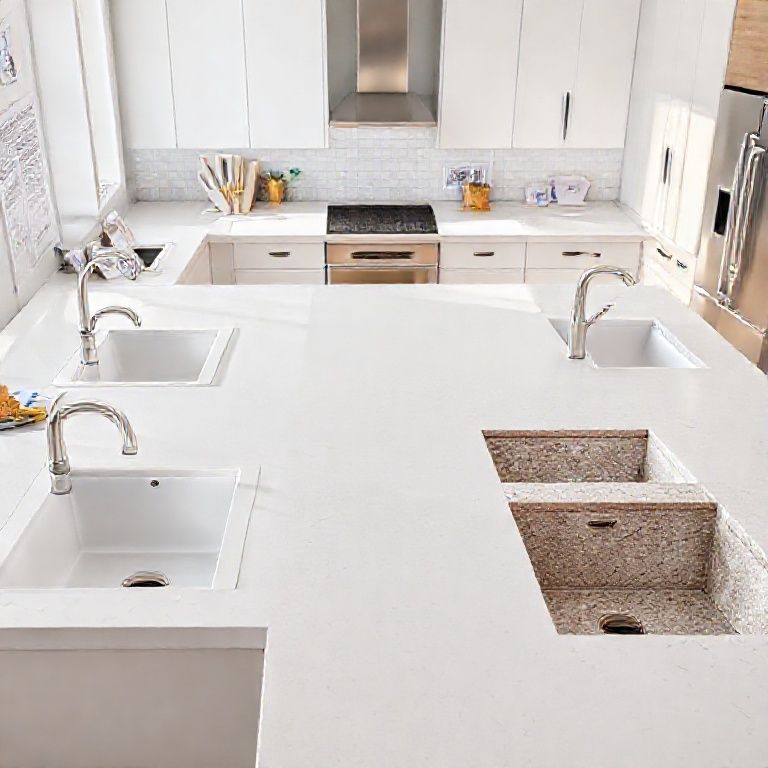
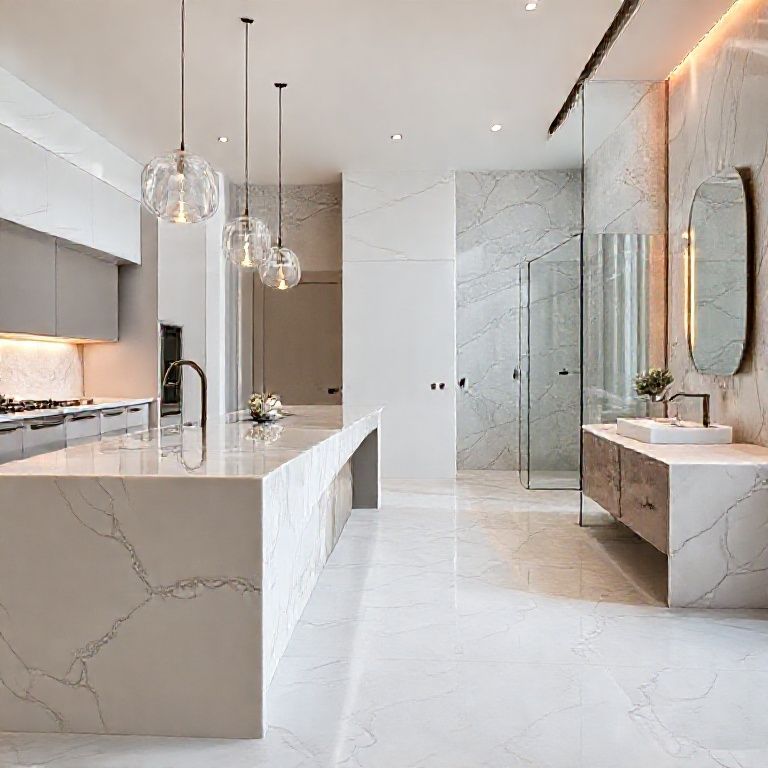
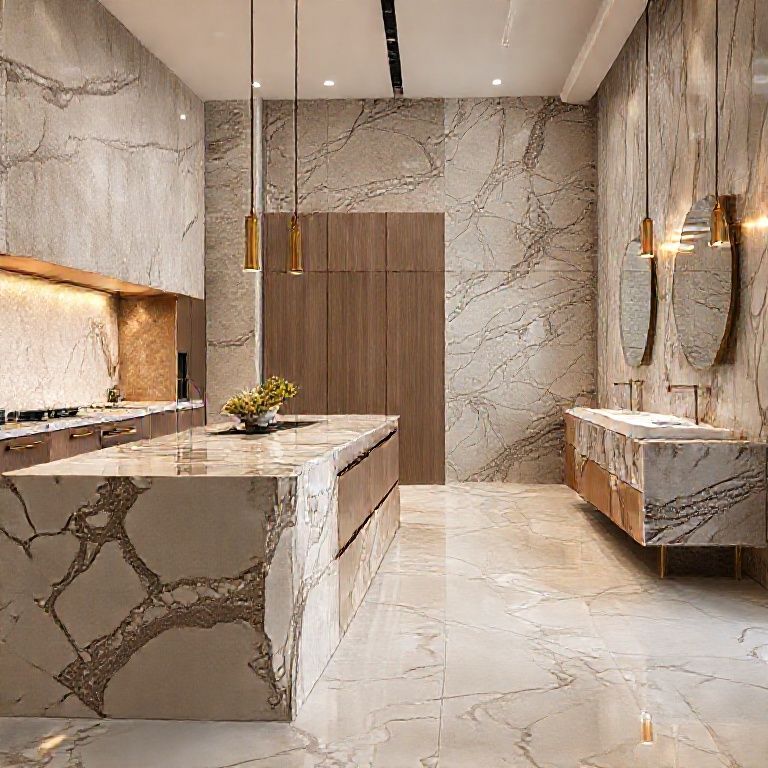
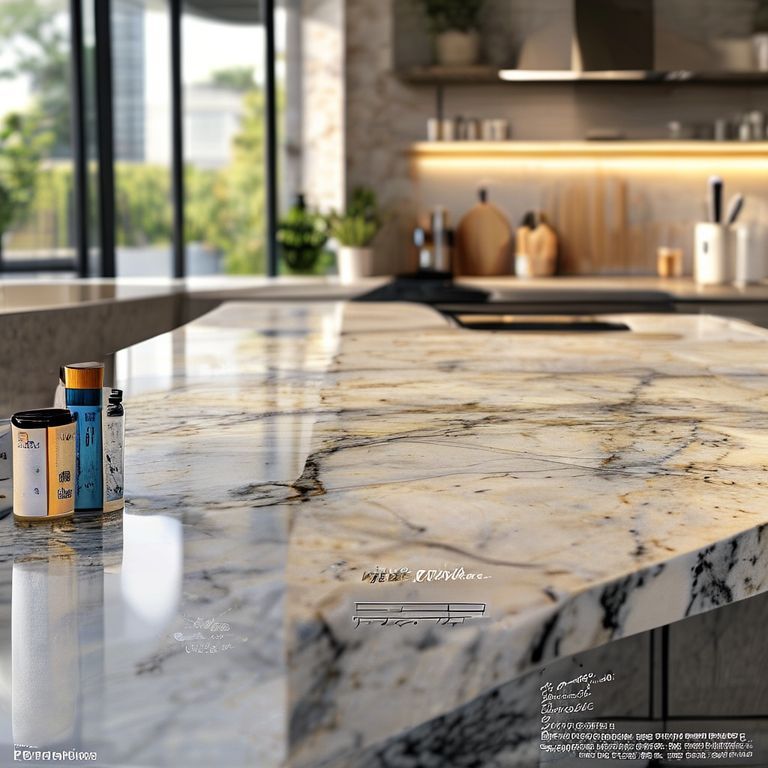
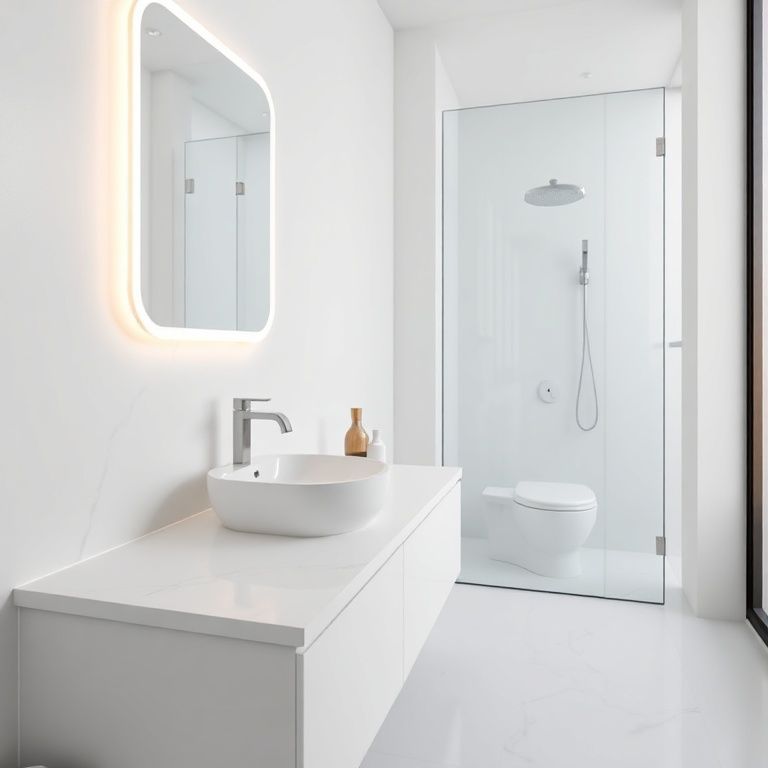
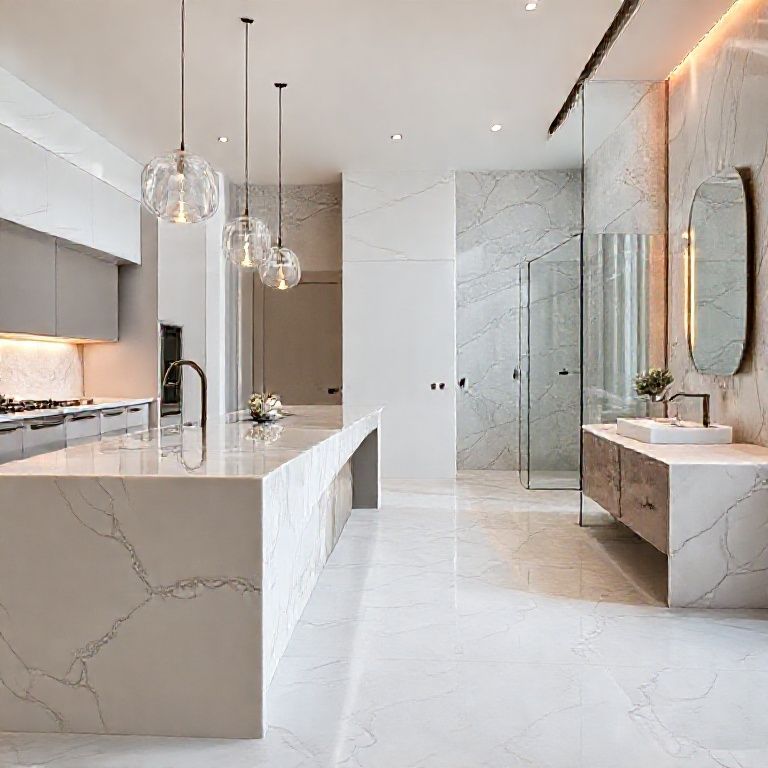
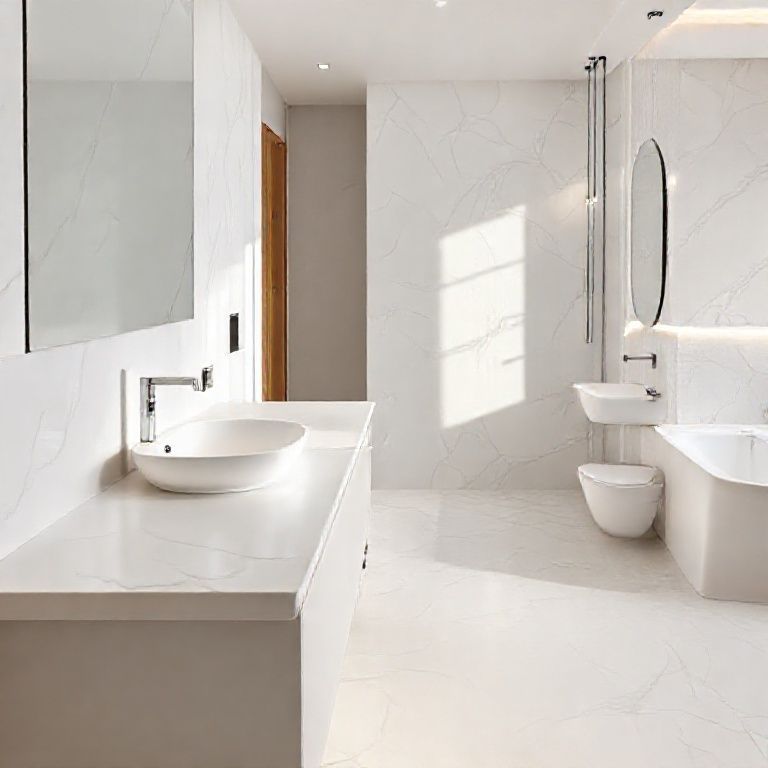
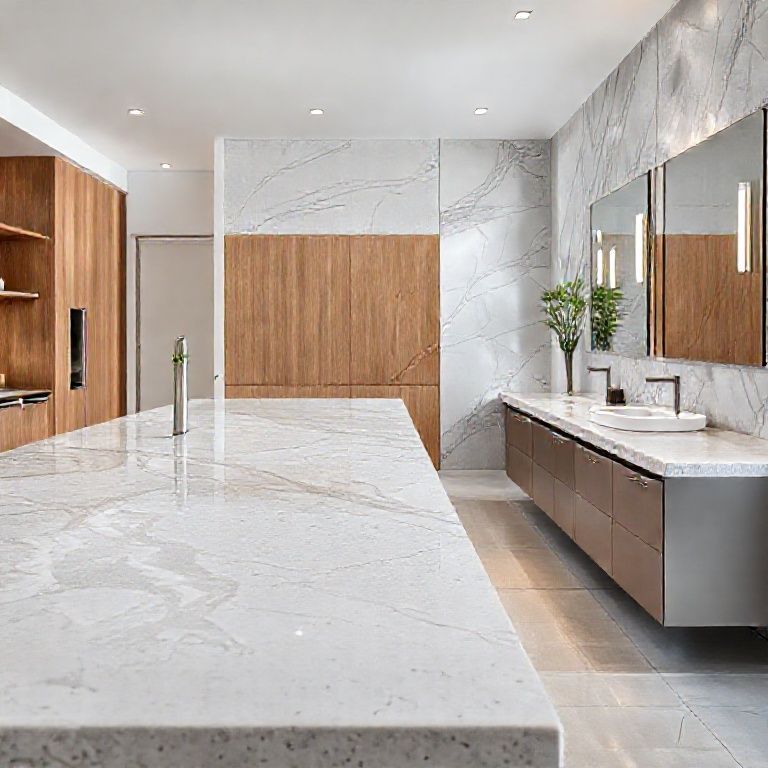
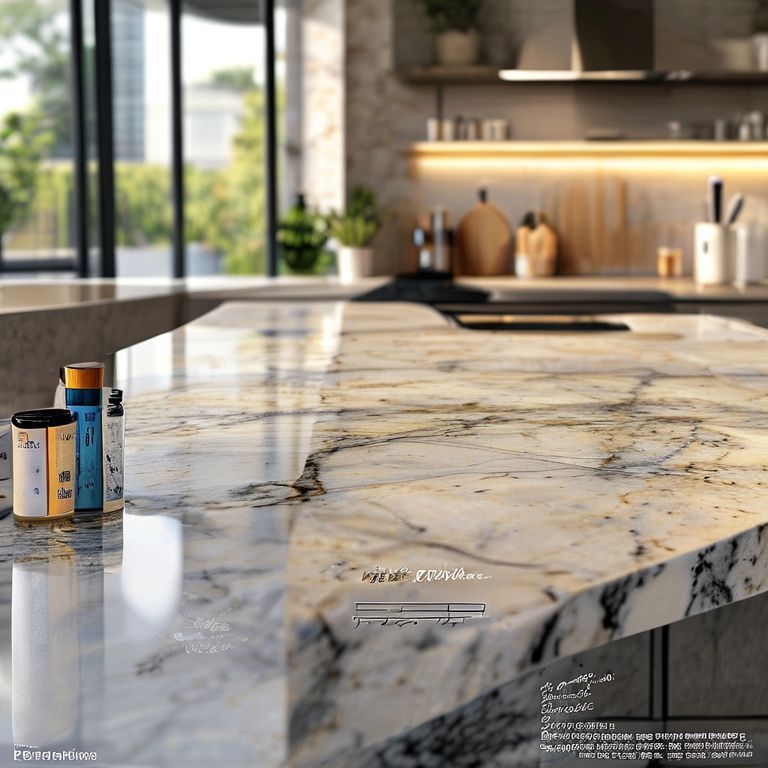
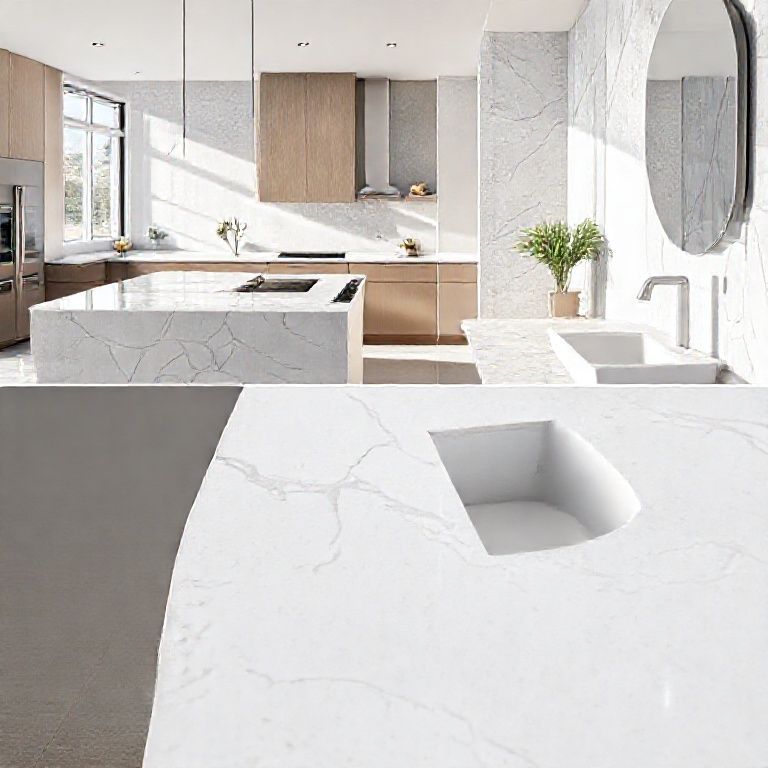
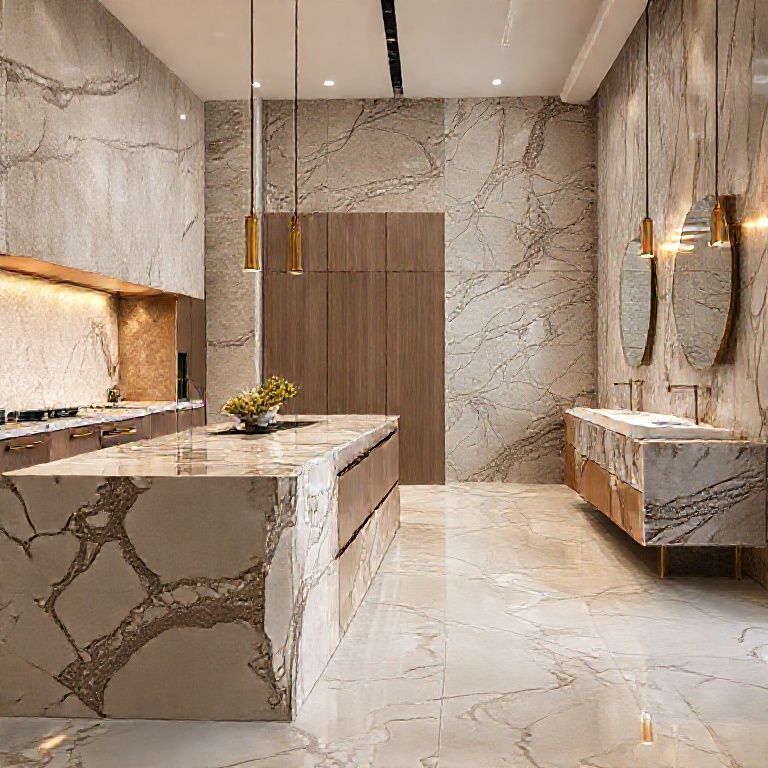
Synthetic marble, often referred to as engineered stone, is a composite material made from natural minerals such as quartz, calcite, and feldspar, combined with resins and pigments. This innovative material is manufactured in large slabs and can be cut into various shapes and sizes to suit different design needs. The primary advantage of synthetic marble lies in its uniformity and resistance to scratches, stains, and thermal damage, which makes it ideal for countertops, kitchen islands, and bathroom vanities.
The Manufacturing Process
The production of synthetic marble involves several stages:
Material Selection: The natural minerals and resins are carefully chosen and blended together to achieve the desired aesthetic and structural properties. Mixing and Molding: The raw materials are heated and mixed until they form a uniform paste. This paste is then poured into molds and subjected to high pressure and temperature to create a solid, stone-like structure. Finishing: Once the slabs are formed and cooled, they undergo a polishing process to achieve the smooth, glossy finish that is characteristic of marble.
Addressing Radiation Concerns
One of the primary concerns about synthetic marble is whether it emits radiation. To address this issue, it’s essential to understand the nature of radiation and how it relates to the materials used in synthetic marble.
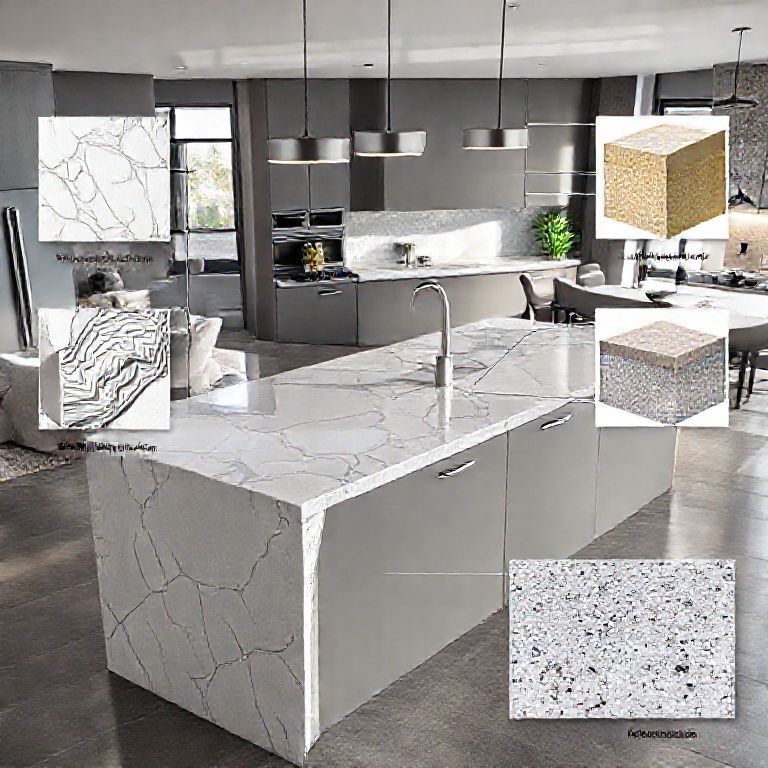
Radiation typically refers to the emission of energy in the form of waves or particles, most commonly associated with radioactive materials. Materials like uranium, thorium, and radium are known to emit radiation. However, synthetic marble is composed primarily of inert minerals that do not possess radioactive properties.
In the manufacturing process, synthetic marble does not involve the use of any radioactive elements. Therefore, the radiation emitted from synthetic marble is negligible and does not pose any health risks. Independent tests and studies have consistently shown that synthetic marble does not emit harmful radiation levels.
Formaldehyde Concerns
Another frequently raised concern is the potential presence of formaldehyde in synthetic marble. Formaldehyde is a colorless, pungent gas that is often associated with various building materials and household products due to its use as a preservative and a disinfectant. It is important to understand how formaldehyde can be present in construction materials and whether synthetic marble is a source.
Formaldehyde can be released from synthetic marble primarily during its production and cutting process. However, modern manufacturing processes have significantly reduced the levels of formaldehyde emissions. Here are the key points to consider:
Manufacturing Standards: The production of synthetic marble adheres to stringent manufacturing standards that minimize formaldehyde emissions. Advanced techniques and technologies are employed to ensure that the final product contains minimal amounts of formaldehyde.
Regulatory Compliance: Synthetic marble manufacturers are subject to regulatory guidelines that aim to protect indoor air quality. These guidelines limit the allowable concentration of formaldehyde to safe levels, ensuring that the material is safe for use in residential and commercial spaces.
Post-Production Treatment: After the slabs are produced, they undergo post-production treatments such as ventilation and curing processes. These treatments help to further reduce any residual formaldehyde levels, ensuring the final product is as safe as possible.
Health Implications
The health implications of using synthetic marble in your home are minimal when considering the above points. The material is non-toxic and poses no significant health risks when used appropriately. Here’s a detailed look at the health benefits:
Durability and Low Maintenance: Synthetic marble’s durability means it does not require frequent replacements or treatments, reducing the need for additional chemicals that could potentially emit harmful substances.
Cleanliness: Its non-porous surface is easy to clean and resistant to stains, which helps maintain a clean and hygienic environment.
Safety: The absence of radiation and low levels of formaldehyde make synthetic marble a safe option for both indoor air quality and overall health.
Sustainable and Eco-Friendly
In addition to its safety benefits, synthetic marble is also a sustainable and eco-friendly choice. It is produced using renewable resources and can be recycled at the end of its life cycle. The manufacturing process generates less waste compared to traditional marble, and its longevity reduces the need for frequent replacement, contributing to a more sustainable building practice.
Conclusion
In conclusion, synthetic marble is a safe, durable, and aesthetically pleasing material that poses no significant health risks. The concerns about radiation and formaldehyde have been thoroughly examined and debunked, revealing that synthetic marble is a reliable choice for various applications in home decor and construction. By understanding its composition, manufacturing process, and health implications, you can confidently make informed decisions about incorporating synthetic marble into your living spaces.
The Safety and Quality of Synthetic Marble: Debunking Myths about Radiation and Formaldehyde
In this second part of our comprehensive guide, we will delve deeper into the environmental and health benefits of synthetic marble. We’ll explore how synthetic marble compares to traditional materials, its impact on indoor air quality, and its role in modern sustainable building practices.
Comparing Synthetic Marble to Traditional Materials
When considering synthetic marble, it’s helpful to compare it with traditional materials like natural stone and other synthetic alternatives. Here’s how synthetic marble stands out:
Durability: Unlike natural stone, synthetic marble is highly resistant to scratches, stains, and thermal damage. This makes it an ideal choice for high-traffic areas where durability is paramount.
Consistency: Natural stone can vary significantly in color and texture due to its natural formation process. Synthetic marble offers consistent quality and uniformity, ensuring that each slab meets the same high standards.
Maintenance: Natural stone requires regular maintenance to prevent staining and etching, often involving the use of harsh chemicals. Synthetic marble’s non-porous surface is easy to clean and requires minimal maintenance.
Impact on Indoor Air Quality
One of the key concerns in home and building design is maintaining good indoor air quality. Synthetic marble plays a significant role in this regard due to its low emissions of volatile organic compounds (VOCs) and its non-toxic nature.
VOCs and Synthetic Marble
VOCs are chemicals that can be released from various building materials and household products. High levels of VOCs can contribute to poor indoor air quality and potential health issues such as headaches, dizziness, and respiratory problems. Synthetic marble is designed to minimize VOC emissions during its manufacturing and curing processes.
Manufacturing Process: Advanced manufacturing techniques used in producing synthetic marble help to reduce the release of harmful chemicals. Modern equipment and processes ensure that emissions are kept within safe limits.
Curing and Ventilation: Post-production curing processes allow any remaining chemicals to off-gas, further reducing potential emissions. Proper ventilation during installation also helps to ensure that the indoor air quality remains optimal.
Non-Toxic Nature
The non-toxic nature of synthetic marble is another significant factor in its safety profile. Unlike some synthetic alternatives that may contain harmful chemicals, synthetic marble is composed of inert minerals and eco-friendly resins. This ensures that it does not release toxic substances into the environment or indoor air.
Environmental Benefits
In addition to its health benefits, synthetic marble also offers several environmental advantages:
Resource Efficiency: The production of synthetic marble uses a significant amount of natural resources. However, it is more resource-efficient compared to traditional natural stone quarrying, which can be detrimental to the environment.
Reduced Waste: The durability and longevity of synthetic marble reduce the need for frequent replacements, thereby decreasing waste.
Recyclability: Synthetic marble can be recycled at the end of its life cycle, reducing its environmental impact and contributing to a more sustainable building practice.
Sustainable Building Practices
Sustainable building practices are increasingly important in modern construction. Synthetic marble aligns well with these practices due to its various benefits:
Low Impact Production: The manufacturing process of synthetic marble is designed to minimize environmental impact. This includes using renewable resources and implementing eco-friendly production techniques.
Energy Efficiency: Synthetic marble’s durability means it requires less energy for maintenance and replacement, contributing to overall energy efficiency in buildings.
Green Certifications: Many synthetic marble products are certified by recognized green building standards such as LEED (Leadership in Energy and Environmental Design). These certifications highlight the material’s commitment to sustainability and environmental responsibility.
Consumer Confidence
Consumer confidence in synthetic marble continues to grow as more people learn about its benefits. Architects, designers, and homeowners are increasingly choosing synthetic marble for its aesthetic appeal, durability, and safety. Independent studies and reviews consistently highlight its performance and reliability.
Conclusion
In summary, synthetic marble is a safe, durable, and environmentally friendly material that offers numerous benefits over traditional materials. The concerns regarding radiation and formaldehyde have been thoroughly addressed, demonstrating that synthetic marble does not pose significant健康风险。
其低VOC排放和非毒性特性,使其成为追求高内室空气质量和健康的人们的理想选择。其耐用性和易于维护的特性,进一步减少了建筑过程中对化学清洁剂的依赖,降低了潜在的健康风险。
选择合适的合成大理石
查看认证和标准:选择符合国际或国家标准的产品,如美国建筑材料和建筑标准协会(ANSI)或欧洲石材协会(Slate Europe)的认证。
了解制造商:选择有良好声誉和长期行业经验的制造商。查看其产品的测试和认证报告,了解其对辐射和甲醛等问题的处理。
试样和样品:在最终决定之前,要求提供样品以便仔细检查质量、颜色和耐用性。
专业安装:确保由经验丰富的专业人员进行安装,以确保产品的最佳性能和长久耐用。
未来的趋势
随着环境意识和健康意识的提升,合成大理石在建筑和装饰市场的需求将继续增长。研究和技术的进步将进一步提高其性能和环保特性,使其成为更加可持续和健康的建筑材料选择。
结论
合成大理石作为一种现代、耐用且环保的建筑材料,为建筑设计和家庭装饰提供了多种选择。尽管存在一些关于其辐射和甲醛含量的误解,但科学证明表明,当按照标准制造和安装时,合成大理石对健康和环境的影响是微乎其微的。如果选择和使用得当,合成大理石将为你的家或商业空间带来美观、耐用和健康的优点。
希望这些信息能帮助你更好地了解合成大理石的安全性和优点。如果你有更多问题或需要进一步的建议,请随时提出。